
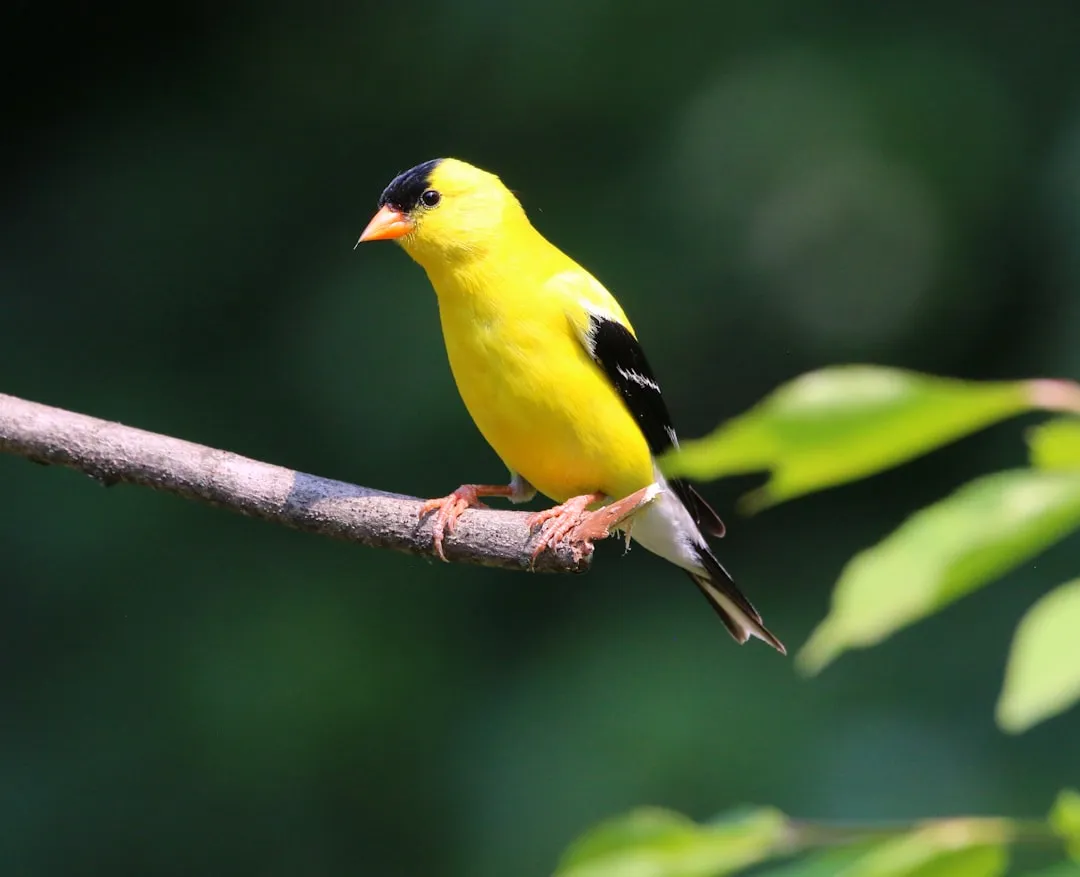
#1 American Goldfinch
🔥 Would you like to save this?
We'll email this post to you, so you can come back to it later!
American goldfinches are perhaps the poster species for this entire practice, and for good reason. Their bills are shaped almost like tiny forceps, perfectly suited for prying seeds out of coneflower cones, sunflower heads, and thistle pods long after the petals have dropped. Watching a flock work over a stand of purple coneflowers in January, clinging sideways to the stiff stems, is one of the small joys of leaving a garden unkempt on purpose.
What makes goldfinches especially reliant on standing seed heads is their molt cycle. Unlike many songbirds, they hold onto their duller winter plumage well into spring, which means they’re foraging through the harshest stretch of the season without the bright yellow camouflage advantage they get in summer. A garden left standing gives them a dependable, low-effort food source right when insect prey and fresh vegetation have vanished entirely.
#2 Dark-eyed Junco
🔥 Would you like to save this?
We'll email this post to you, so you can come back to it later!
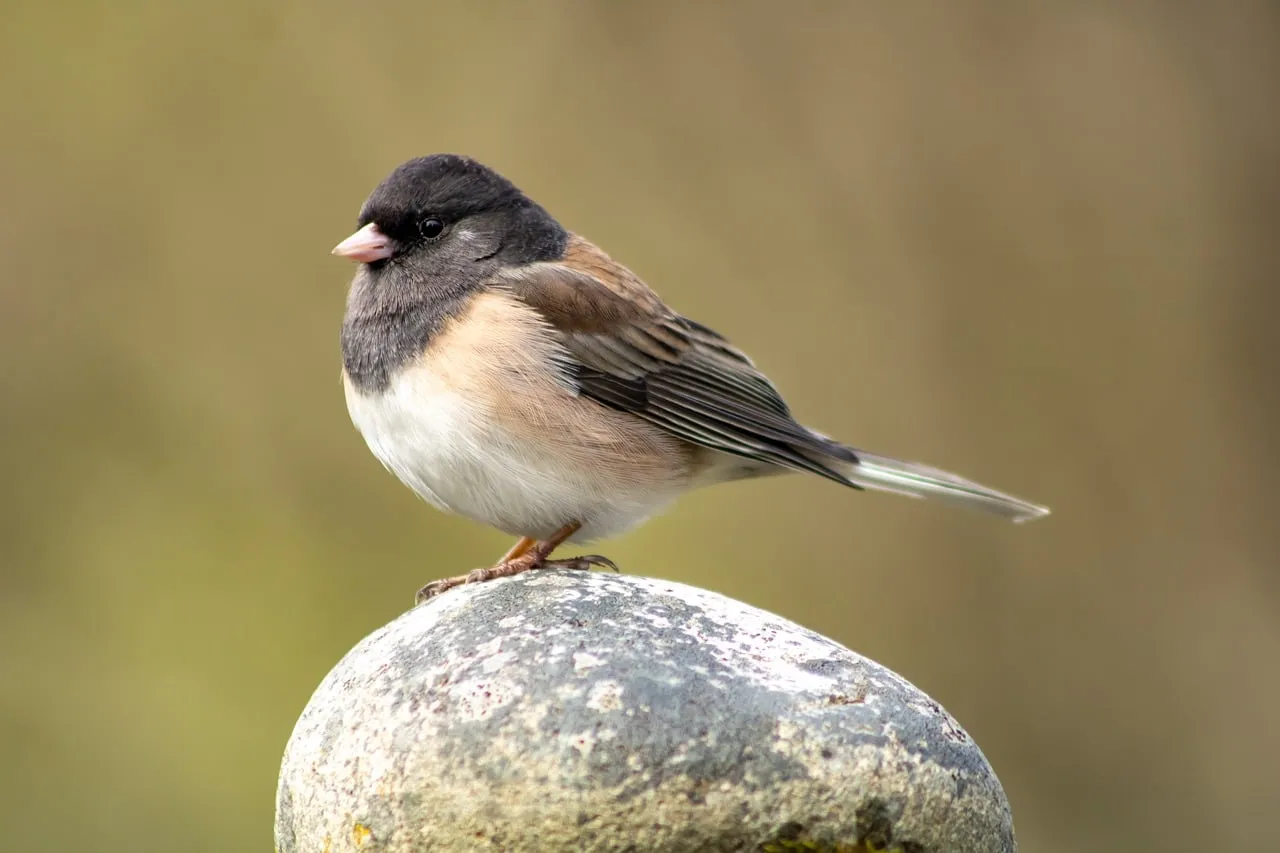
Juncos are ground feeders by nature, and this is exactly why standing seed heads matter so much to them. As stalks bend and break under snow or wind, they scatter seed across the soil surface, creating a scattered buffet that juncos hop through with quick, deliberate pecks. These birds arrive from northern breeding grounds specifically to spend winter in temperate backyards, so the timing of seed availability lines up almost perfectly with their migration.
Juncos also benefit from the physical structure of unpruned beds, not just the food. Dense clusters of dried grasses and spent perennials offer a windbreak and a hiding spot from hawks, which matters more in winter when leaf cover is gone everywhere else. A junco flock working the base of a garden bed is often doing two things at once: feeding and staying alive.
#3 Black-capped Chickadee
🔥 Would you like to save this?
We'll email this post to you, so you can come back to it later!
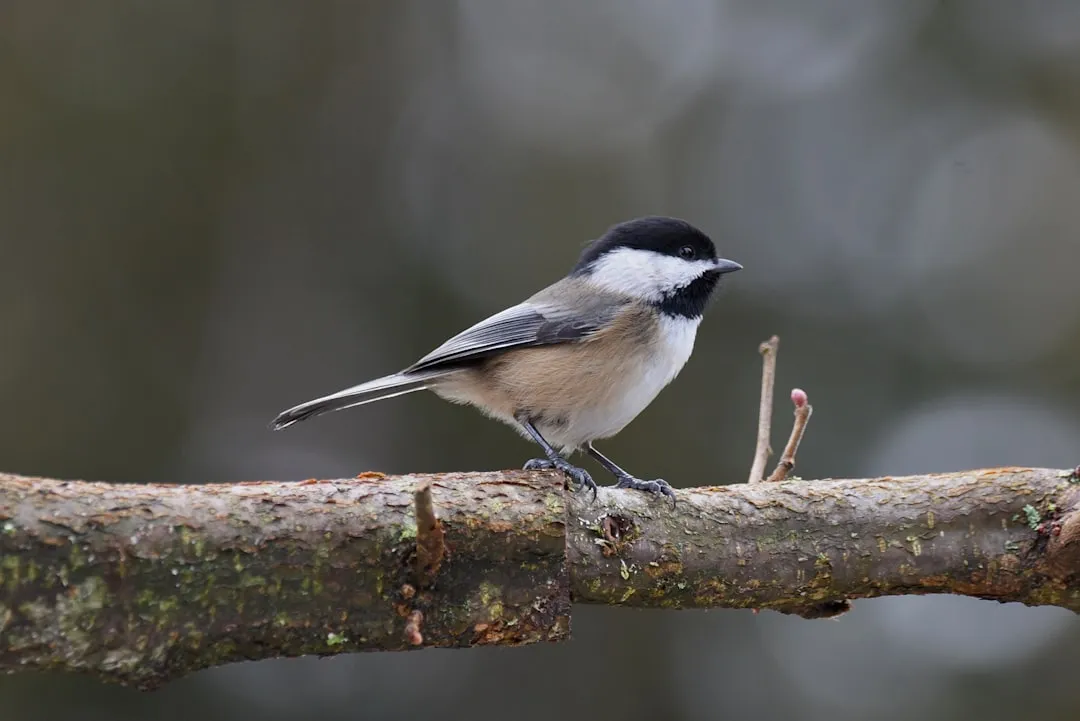
Chickadees are famous for visiting feeders, but they’re just as comfortable extracting seeds directly from dried sunflowers, asters, and bee balm heads still standing in a border. Their acrobatic style lets them hang upside down from a swaying stalk in a way that few other backyard birds can manage, which opens up seed heads that ground feeders simply can’t reach. This agility also means chickadees can access food even after ice or heavy snow has weighed a stem toward the ground.
There’s also a memory component worth mentioning. Chickadees cache seeds in bark crevices and other hiding spots throughout autumn, and research on the species has shown their hippocampus actually grows seasonally to help them remember thousands of these locations. A garden full of standing seed heads in November gives them more raw material to stash away before the deep cold sets in, effectively extending the usefulness of the garden well past the day the flowers looked their best.
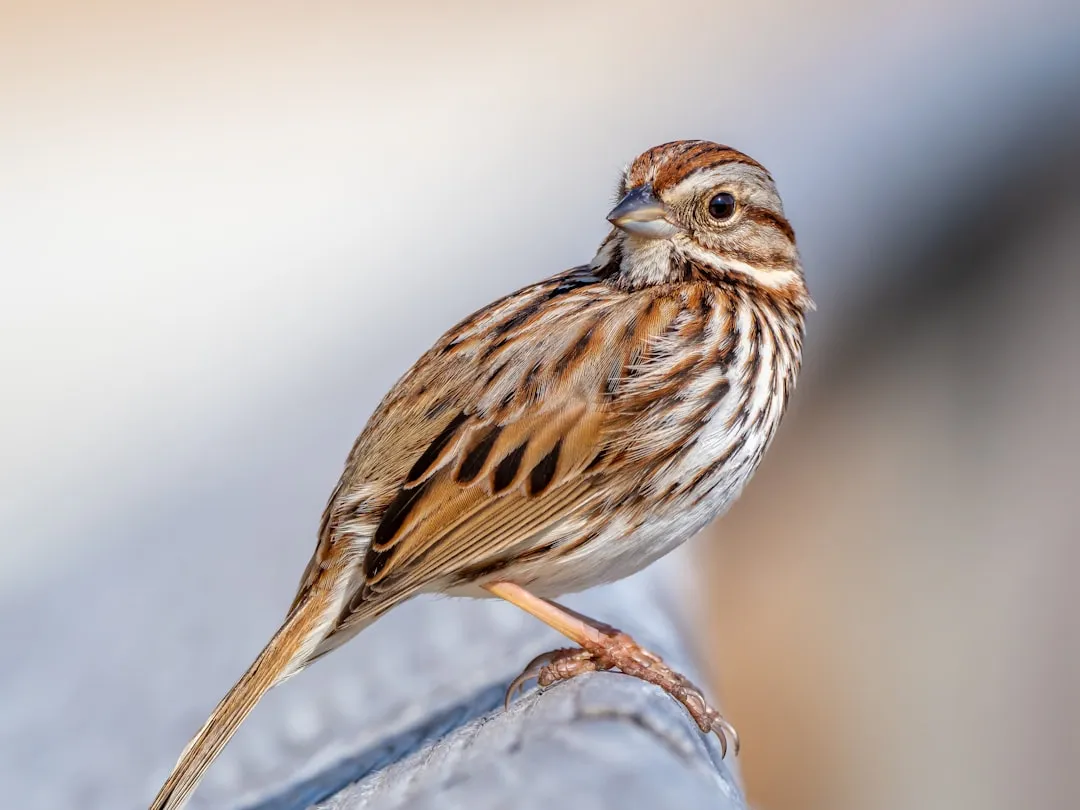
#4 Song Sparrow
🔥 Would you like to save this?
We'll email this post to you, so you can come back to it later!
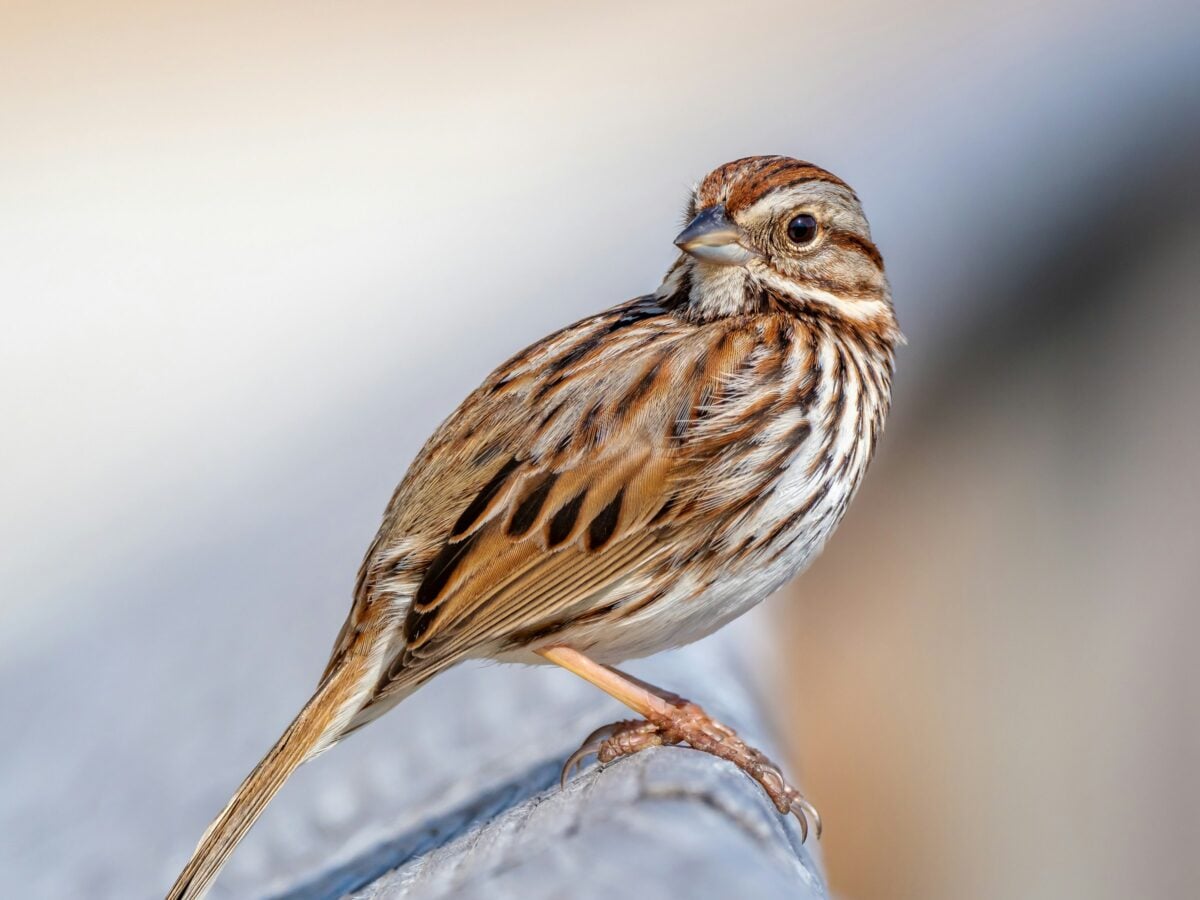
Song sparrows are unassuming birds, brownish and streaky, easy to overlook in a busy yard. But they’re persistent foragers who spend a good part of winter working through leaf litter and fallen seed beneath standing stems, picking through what chickadees and goldfinches have knocked loose from above. This layered feeding pattern, with different species working different heights of the same plant, is one of the quiet efficiencies of an unpruned garden.
Because song sparrows tend to stay closer to the ground and closer to cover, dense plantings of ornamental grasses and coneflowers left standing give them both food and protection in a single package. Removing that structure in fall doesn’t just take away a food source, it removes the safe corridor they use to move between feeding spots without exposing themselves to predators overhead.
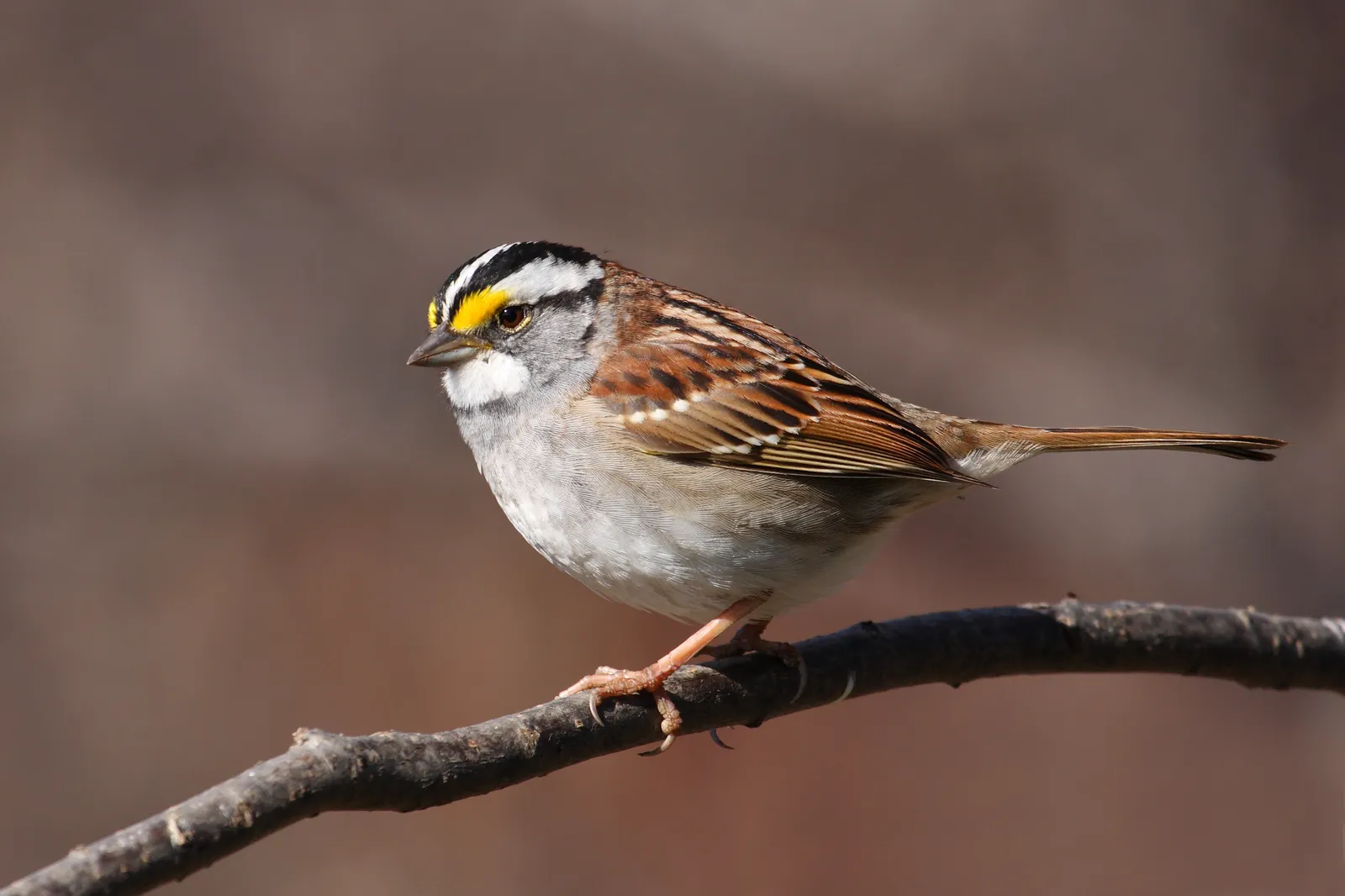
#5 White-throated Sparrow
🔥 Would you like to save this?
We'll email this post to you, so you can come back to it later!
White-throated sparrows migrate into much of the U.S. and southern Canada for winter, and they arrive with a strong preference for weedy, seed-rich edges rather than manicured lawns. Native plants like coneflower, goldenrod, and various asters left to go to seed provide exactly the kind of scruffy habitat this species gravitates toward. Their distinctive whistled song is often heard from thickets bordering gardens that have been allowed to stay a bit unruly through fall.
These sparrows also do a fair amount of scratching in leaf litter, kicking aside debris to expose fallen seed, a behavior that pairs naturally with a garden bed left standing rather than cleared. The combination of overhead seed heads and undisturbed leaf litter beneath them essentially recreates the layered woodland edge habitat this species evolved to use, right in a suburban yard.
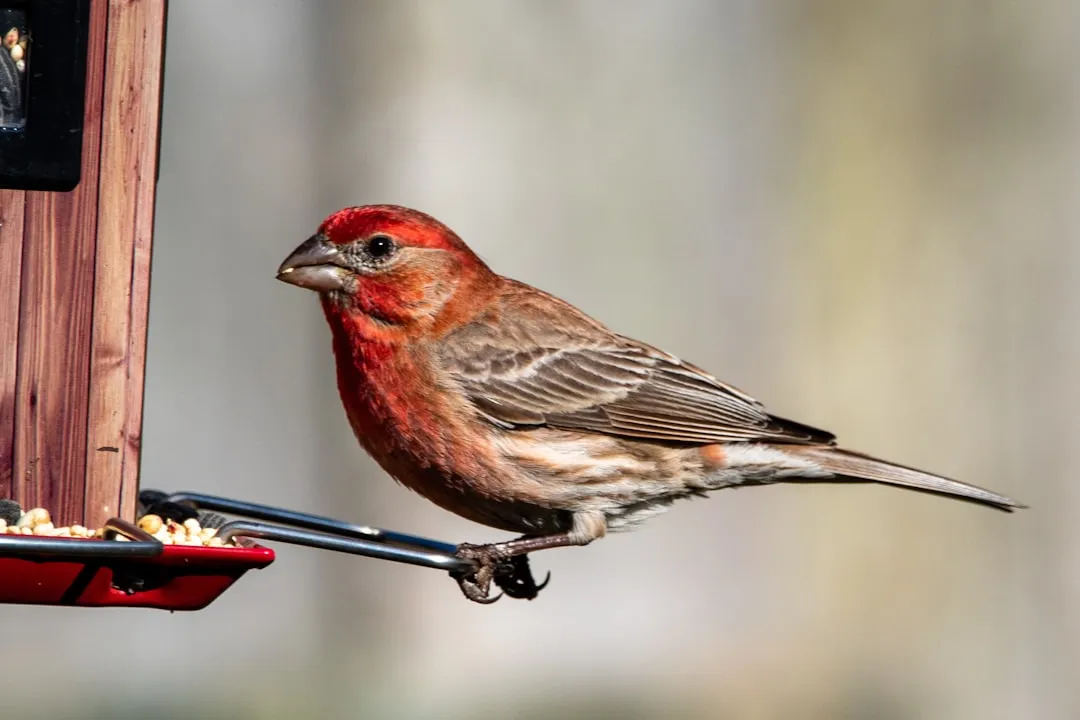
#6 House Finch
🔥 Would you like to save this?
We'll email this post to you, so you can come back to it later!
House finches have a stout, conical bill built for cracking seeds, and they’ll happily work over sunflower heads, zinnias, and cosmos left standing well into winter. They’re social birds, often showing up in loose flocks, which means a single productive stand of seed heads can support several individuals at once rather than just one or two visitors. This social feeding style also makes them relatively easy to observe, since a flock tends to linger rather than grab a seed and dash.
Unlike some of the more cold-hardy species on this list, house finches are found year-round across much of their range rather than migrating in for winter specifically. That means the benefit of standing seed heads is less about survival through a harsh season and more about consistent access to food during the months when insects and green vegetation are scarce. A reliable native seed source can meaningfully reduce the energy a resident flock has to spend searching for alternatives.
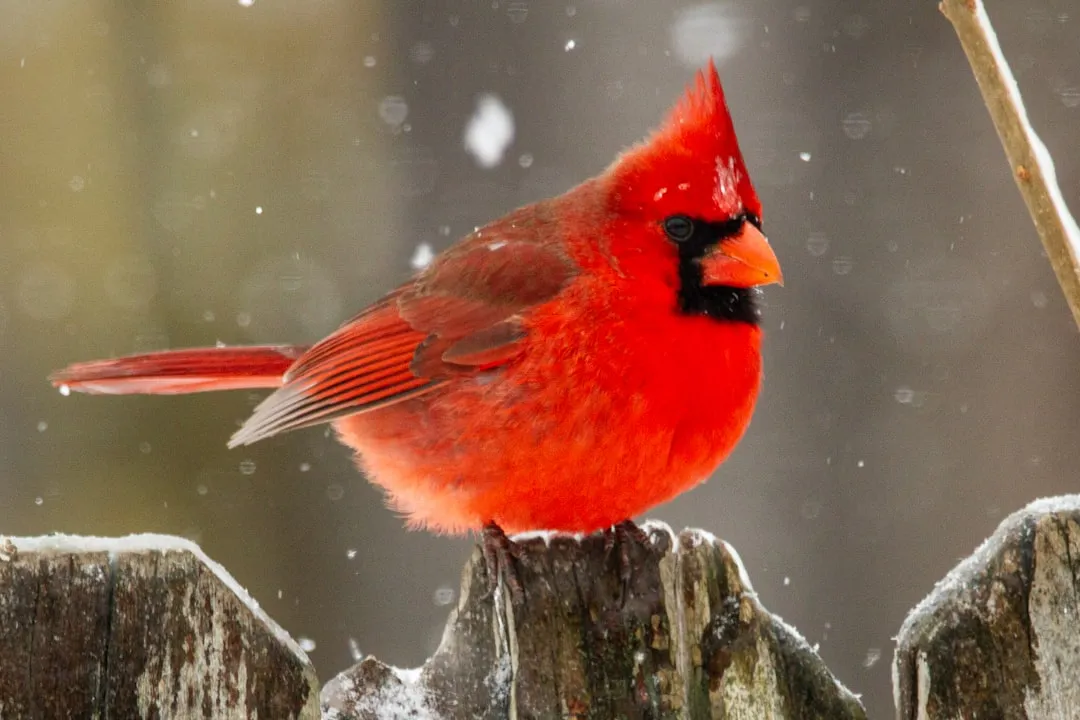
#7 Northern Cardinal
🔥 Would you like to save this?
We'll email this post to you, so you can come back to it later!
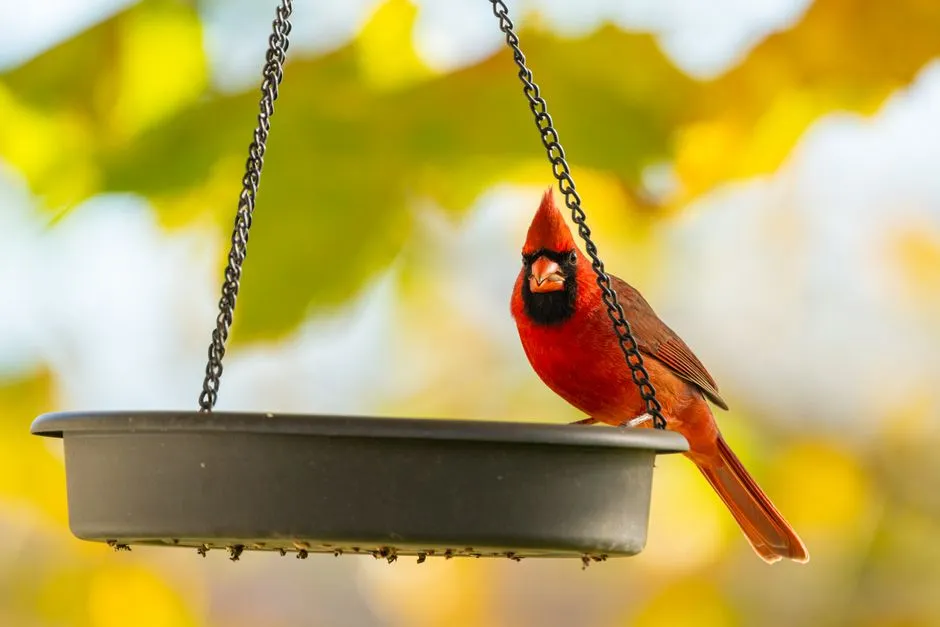
Cardinals are large enough, and their bills strong enough, to tackle bigger seed heads that smaller birds struggle with, including some of the coarser native grasses and larger composite flowers. They tend to feed lower in the plant structure and closer to shrub cover, making them less dependent on delicate perches than nimbler species like goldfinches. Their bright color against a snowy, standing garden bed is also one of the more reliably photographed winter scenes among backyard birders.
Cardinals don’t migrate, so the food available in a home landscape carries real weight across the entire winter, not just during a passing stopover. A yard that keeps its seed heads standing, paired with dense shrubby cover nearby, gives resident cardinal pairs a stable home range they can return to day after day without needing to search farther afield when temperatures drop.
#8 Pine Siskin
🔥 Would you like to save this?
We'll email this post to you, so you can come back to it later!
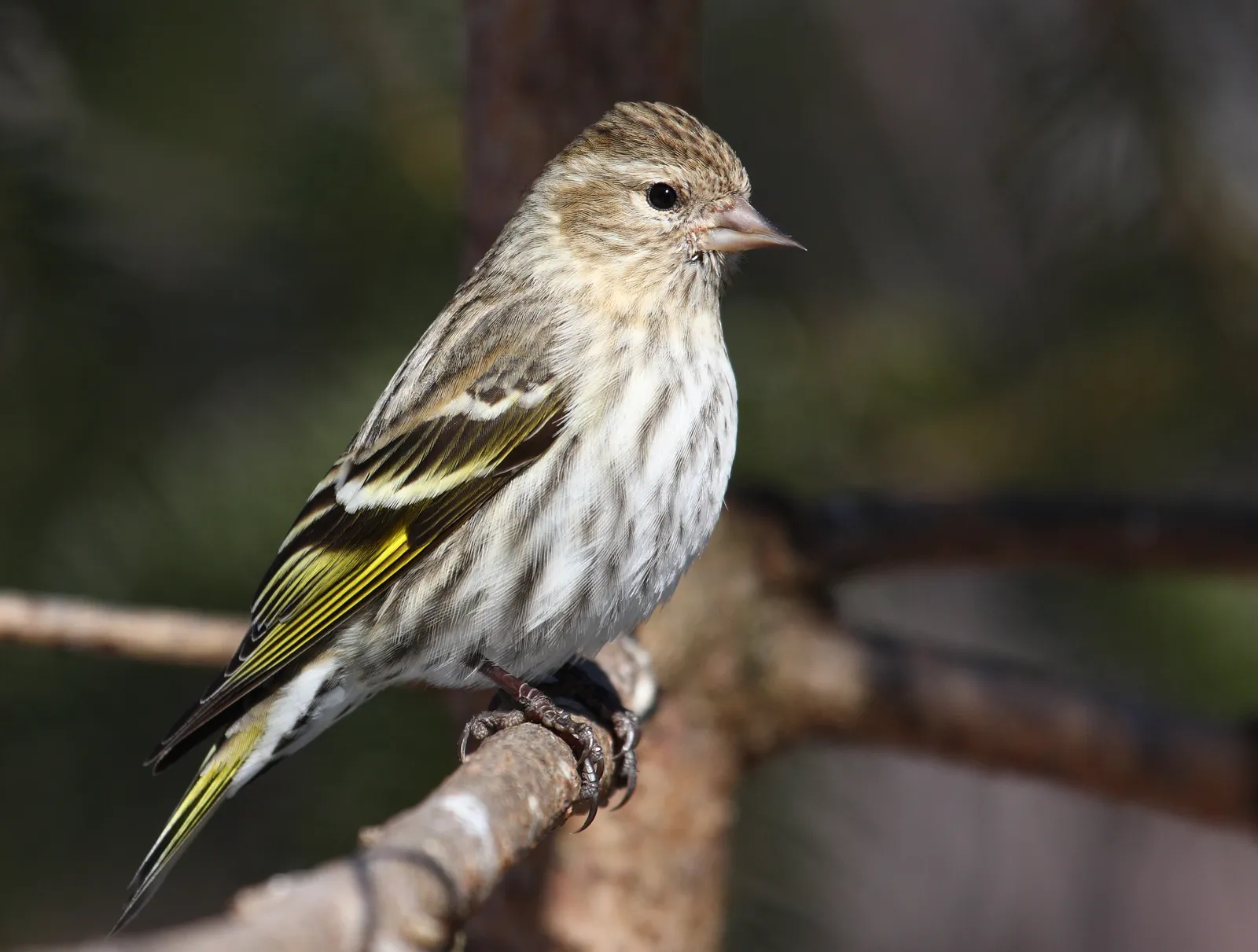
Pine siskins are irruptive, meaning their winter movements vary considerably from year to year depending on seed crop conditions farther north. In years when they do show up in numbers, gardens with standing seed heads, particularly thistle-like composites and native asters, can become unexpectedly busy with these small, streaky finches. Their fine, pointed bills are well suited to extracting tiny seeds that larger-billed birds might pass over entirely.
Because their appearances are unpredictable, having a consistent, un-deadheaded garden ready each fall means a yard is prepared whenever an irruption year does bring siskins south. There’s no way to guarantee their arrival in any given winter, but a garden with resources already standing removes one variable from an otherwise unpredictable visit, giving them a reason to linger if they do pass through.
Final Thoughts
🔥 Would you like to save this?
We'll email this post to you, so you can come back to it later!
There’s a genuine tension between the aesthetic of a tidy fall garden and the ecological value of a messy one, and honestly, the messy garden wins this argument more often than most people want to admit. Every species on this list, from acrobatic chickadees to ground-scratching sparrows, is responding to the same basic reality: standing seed heads are food, shelter, and structure rolled into one, at a time of year when all three are in short supply.
Cutting everything back in October might satisfy a tidy instinct, but it strips away resources that took an entire growing season to produce. Leaving the garden standing until late winter or early spring isn’t neglect. It’s arguably one of the simplest, lowest-cost things a homeowner can do for local bird populations, and the payoff, a yard full of activity on a gray January afternoon, is hard to argue with once you’ve actually seen it happen.

- 7 Everyday Habits That Can Make Your Senior Dog Happier - November 5, 2026
- 10 Enigmatic Structures That Continue to Puzzle Scientists Today - November 5, 2026
- 10 Strange Ruins in the Americas That Challenge What We Know About Early History - November 5, 2026