
Ever wondered which feathered companion might just outsmart you at puzzle time? Birds aren’t just pretty faces with melodious voices. Some species possess cognitive abilities that rival those of young children, complete with problem solving skills, emotional intelligence, and the uncanny ability to learn your daily routine better than you know it yourself.
Choosing a pet bird isn’t simply about finding one that looks beautiful perched on your shoulder. Intelligence matters, especially if you’re looking for a companion who can truly interact with you, learn tricks, and maybe even hold what feels like an actual conversation. The smartest birds demand mental stimulation, challenging toys, and plenty of social interaction. They’ll get bored without it, and trust me, a bored intelligent bird can become quite the handful.
Let’s explore the seven cleverest bird species you can actually bring home as from impressive to absolutely mind blowing. Some might surprise you with their compact size yet extraordinary brainpower. So let’s dive in.
7. Cockatiels: The Underestimated Problem Solvers
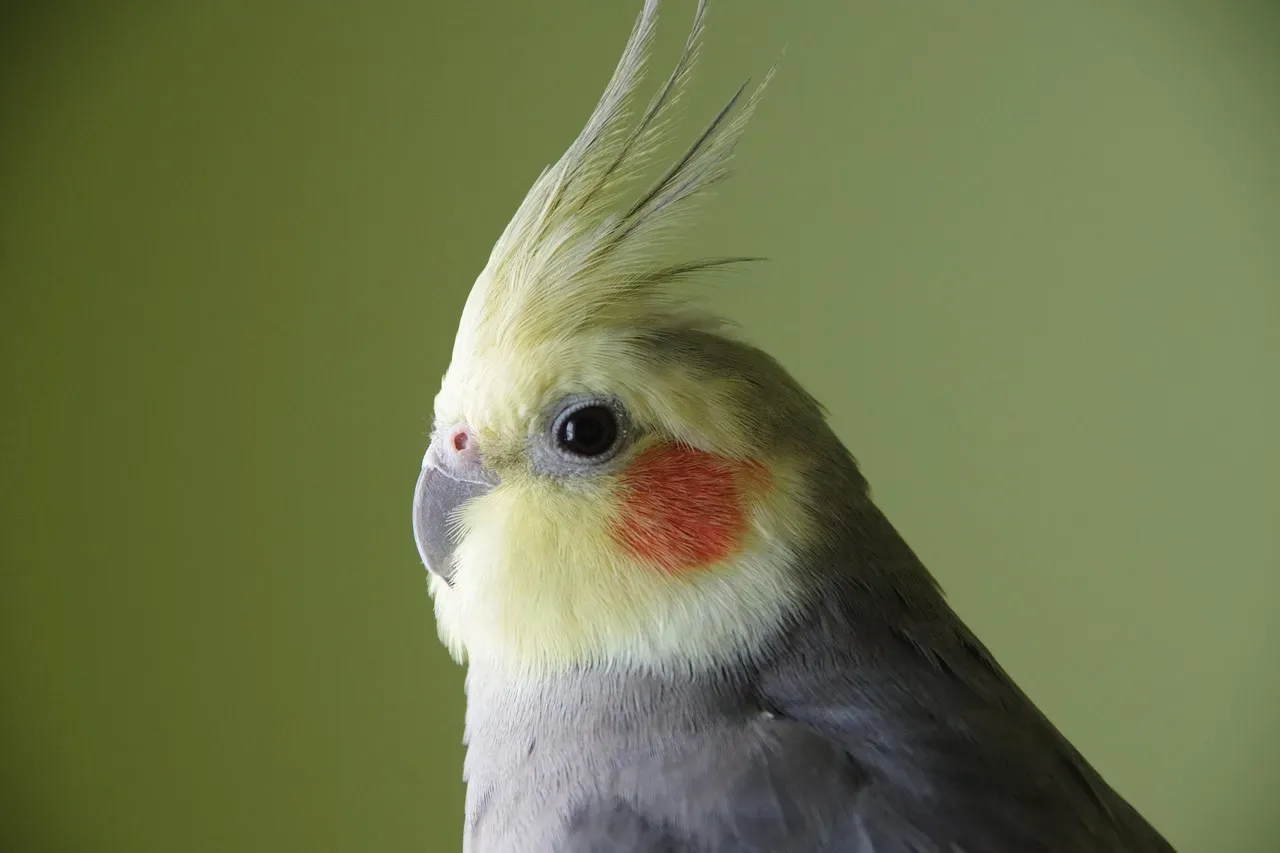
Cockatiels are smaller parrots that can be trained and are very intelligent, with the ability to mimic words and sounds, and they can be trained to do tricks such as walking on a leash, dancing, climbing ladders, and playing fetch. These charming little birds often get overlooked in intelligence discussions because they’re so common and affordable. Yet that’s a mistake worth correcting.
What makes cockatiels clever isn’t just their vocal mimicry. They possess remarkable memory retention and can learn to associate specific behaviors with outcomes. Your cockatiel might figure out that ringing a bell gets your attention, or that performing a certain whistle earns a favorite treat.
Their social intelligence deserves recognition too. Cockatiels have the ability to mimic words and sounds, including animal screeches. They pick up household sounds with surprising accuracy, from microwaves beeping to doorbells ringing.
These birds excel at reading human body language and emotional states. Honestly, it’s sometimes unsettling how well they can sense when you’re having a rough day. They adapt their behavior accordingly, becoming quieter or more affectionate based on your mood.
6. Budgerigars: Tiny Birds with Massive Vocabularies
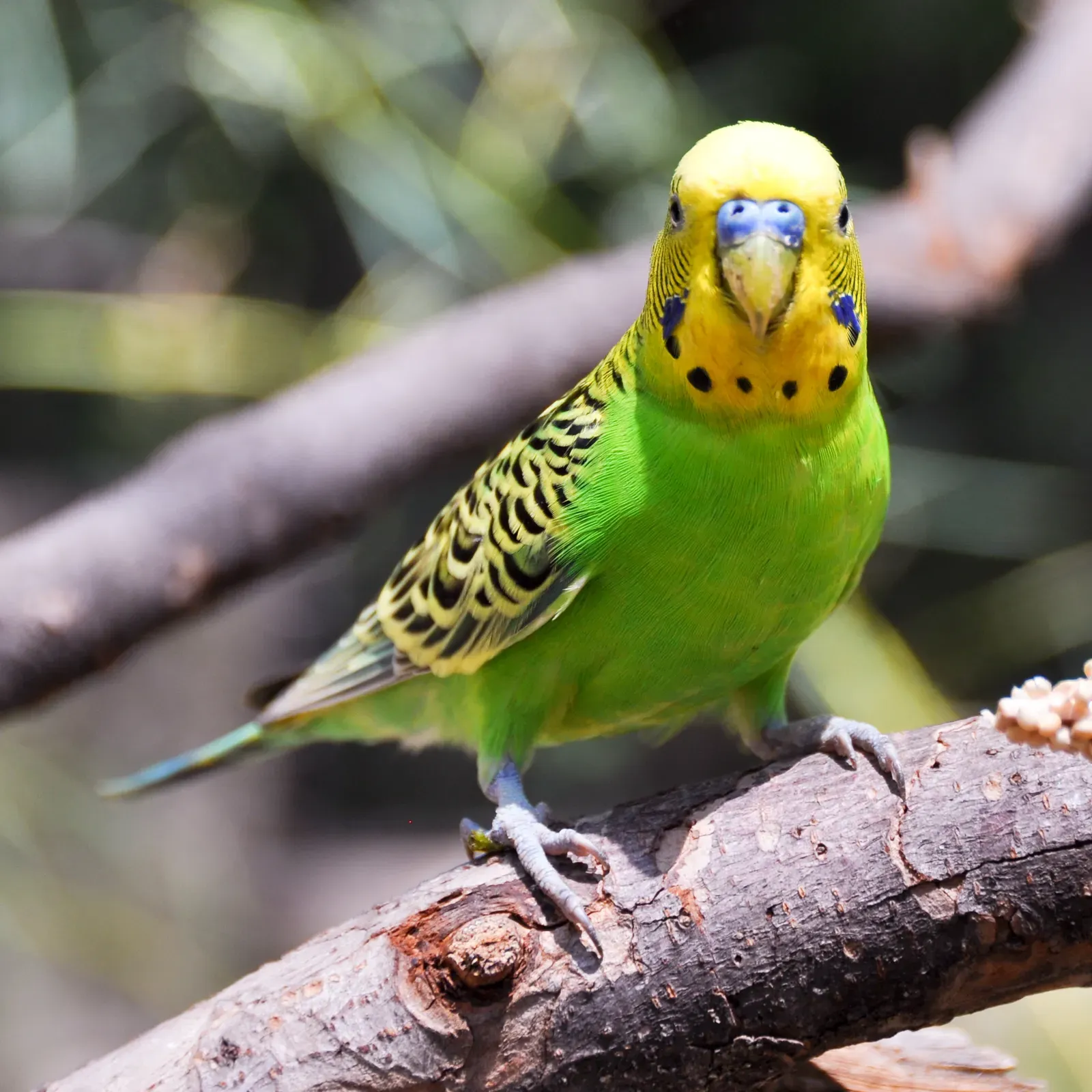
Here’s where things get interesting. Budgerigars are small parrots with a much shorter lifespan than others, and they’re the most commonly kept pet bird species due to their small size, affordable price, and ability to mimic speech, and researchers believe that budgies can speak in context and may have the largest vocabulary of all bird species. Let that sink in for a moment.
Victor, the first budgie to be recorded by the Budgie Research Group, is said to have had a vocabulary of more than 800 words. That’s not memorization in the traditional sense. These little parakeets demonstrate contextual understanding, meaning they know when to use specific words.
Budgerigars possess cognitive abilities that rival those of much larger parrot species, as research studies conducted at the University of Vienna demonstrated that budgerigars can learn abstract concepts and solve complex problems requiring multi-step reasoning, and these birds score consistently high on avian intelligence tests measuring spatial awareness, pattern recognition, and memory retention. Their brains pack serious computing power into a remarkably small package.
What really sets budgies apart is their social learning ability. Learning occurs rapidly in budgerigars through both observation and direct experience, as young budgies acquire essential skills by watching adult birds demonstrate foraging techniques, predator recognition, and social behaviors, and this observational learning ability extends to human interactions.
The neuroscience behind their talking ability is fascinating too. Budgerigars have specialized brain regions for vocal production that closely resemble the brain structures humans use for speech, and budgerigars are the only animals known so far to have language-producing centers in the brain akin to those in humans.
5. Amazon Parrots: The Crystal-Clear Communicators
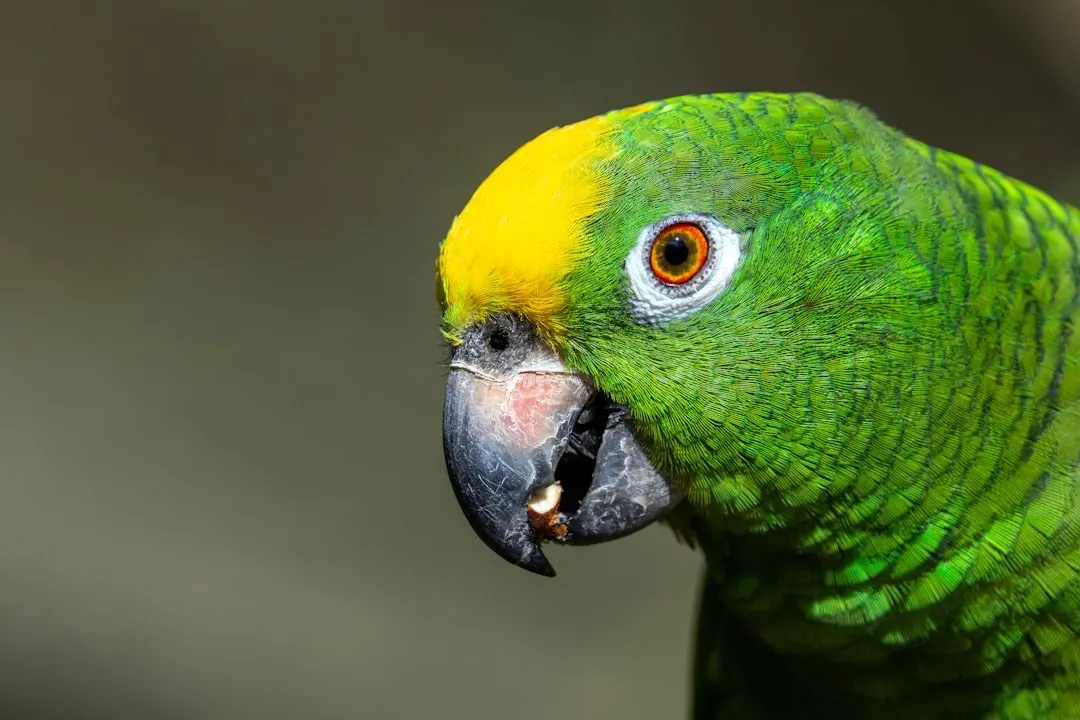
When it comes to speaking ability, Amazons are second only after African Greys, and their speech clarity is crystal clear. You’ll never find yourself asking what your Amazon just said. Their enunciation rivals human speech in clarity, which makes them absolutely stellar performers.
These vibrant, medium-sized parrots bring more to the table than vocal prowess. Amazon parrots are famous for their speaking ability and vibrant personalities, and with the right care, they can develop large vocabularies and show emotional intelligence by reacting to the tone of their human companions. They’re emotionally perceptive in ways that constantly surprise their owners.
Their problem solving abilities shouldn’t be underestimated either. Amazon Parrots exhibit impressive problem-solving skills and cognitive flexibility, and they have been observed using tools to obtain food, showcasing their ability to understand cause and effect relationships. Give an Amazon a puzzle box, and they’ll work at it with determination and strategy.
Amazon parrots are highly intelligent, naturally inquisitive birds that can learn how to speak words or phrases with the proper training, and they are also known for their ability to mimic sounds and actions, and because they are so intelligent, they can get bored easily if left alone for long periods of time. This intelligence comes with responsibility. You can’t just stick an Amazon in a cage and expect them to be content.
4. Budgerigars (Revisited): Speech Beyond Mimicry
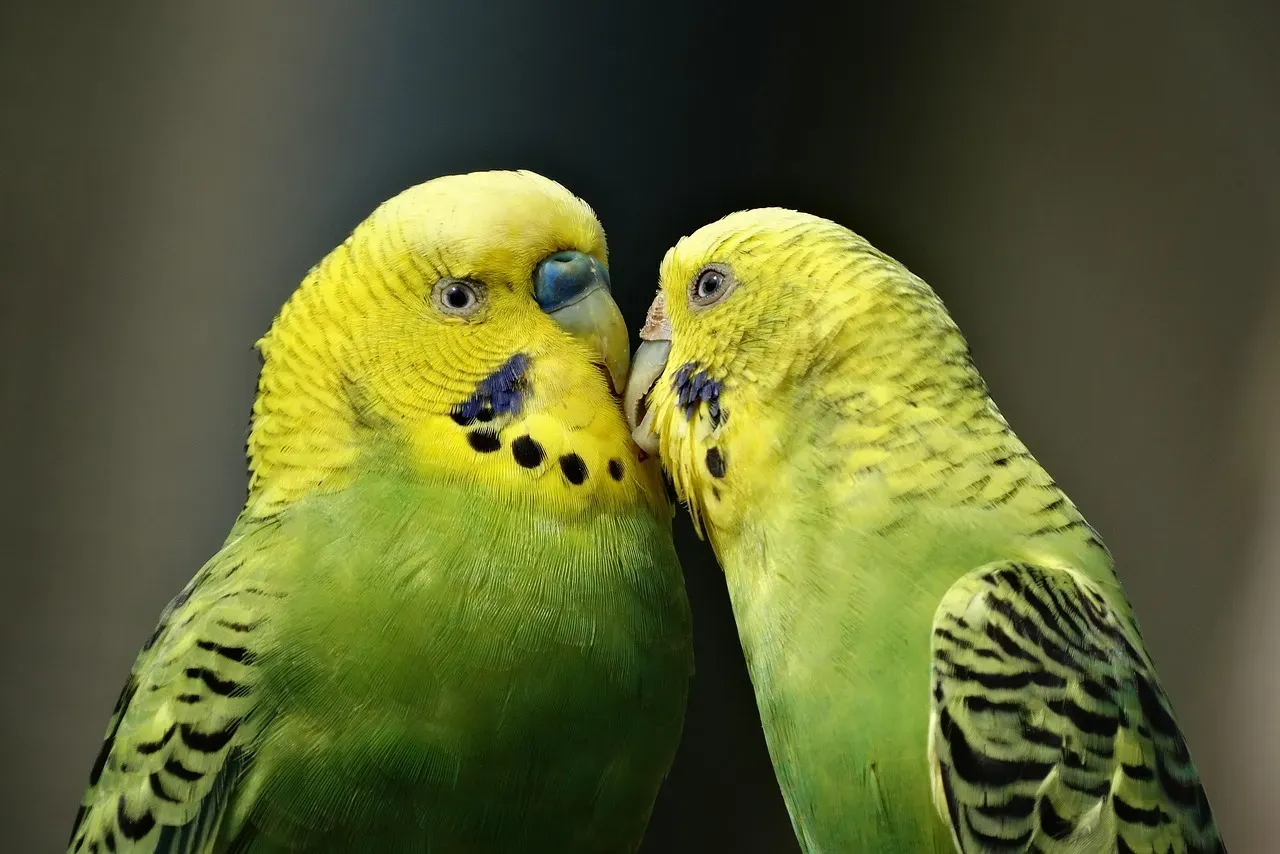
Wait, didn’t we already cover budgies? Yes, but their intelligence deserves deeper examination. Budgerigars are one of the most commonly kept pet bird in the world, and although most parrots will talk and mimic for attention, researchers have recently discovered that budgies have the ability to speak in context. This isn’t simple repetition.
The research is compelling. When female budgerigars choose their mates, a male’s cognitive performance is taken into consideration. Evolution has actually selected for intelligence in these birds, which tells us something profound about their mental capabilities.
Their learning curve impresses scientists. Memory capabilities in budgerigars exceed expectations for birds of their size, as scientific research indicates budgerigars retain learned information for periods exceeding 8 months without reinforcement. That’s better retention than many mammals show.
Budgerigars, a highly social species, use flexible vocalizations to communicate with each other. This flexibility in communication demonstrates cognitive complexity that goes far beyond simple instinct. They’re making conscious choices about how to express themselves.
3. Cockatoos: The Master Lock Pickers
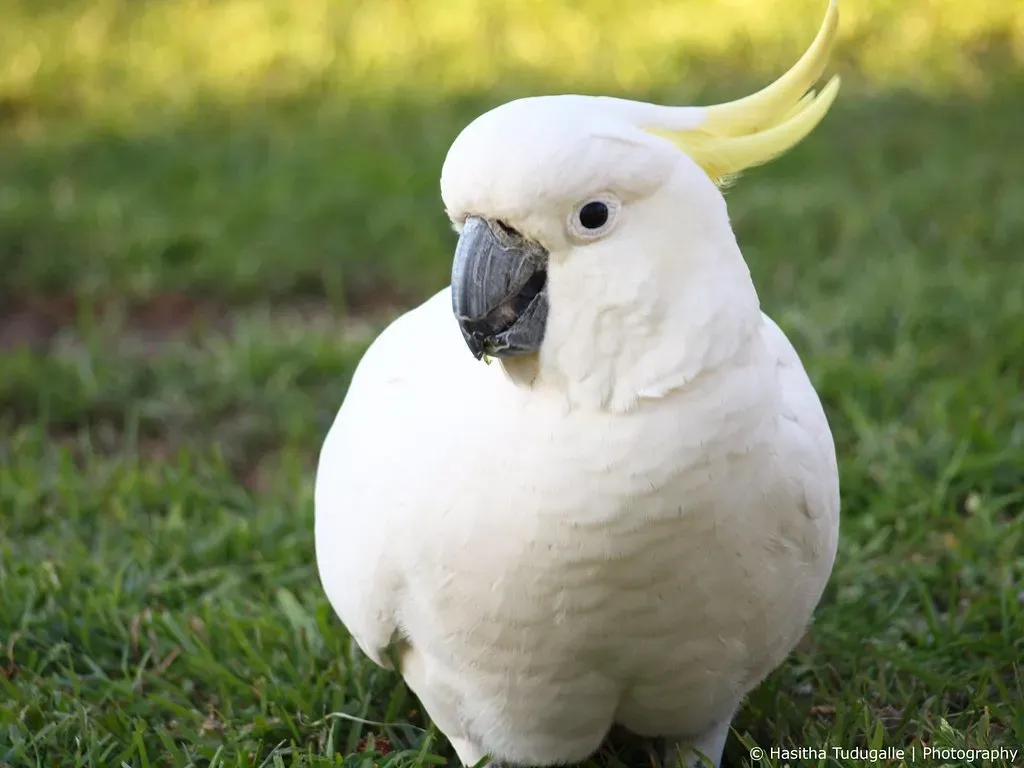
Let’s be real, cockatoos are the Houdinis of the bird world. Cockatoos have been observed unlocking multi-step puzzle boxes, mimicking words, and even showing empathy. Their mechanical intelligence borders on spooky.
Cockatoos often won’t talk as much as African greys or budgies but are quite personable and love to play, and cockatoos are also capable of learning complex tricks that many other pet birds seem uninterested in or unable to perform, and trying to find a cockatoo-proof lock for the bird cage can be a challenge. Seriously, these birds will study how you open their cage and then replicate your actions.
The scientific evidence for their intelligence is staggering. Pipin, a Goffin’s Cockatoo, demonstrated a skill previously known to exist only in chimpanzees, using sequential problem solving abilities to figure out how to open 5 different locks, each requiring a different physical maneuver, and mastering the task, which took nearly 2 hours, required the bird to solve problems, remember what he learned and apply it to a different task.
Goffin’s cockatoos are capable of delayed gratification, resisting the temptation of snacking if they know they’ll get a better reward for waiting, and captive and wild individuals show similar problem-solving behaviors and can assess a situation through different means. This level of self control and future planning puts them on cognitive par with great apes.
Tool use in the wild seals the deal. Cockatoos broke off strips of wood from tree branches with their beaks and tongues, then proceeded to fashion them into several tools to perform different tasks, and one strip was sharpened and then used like a knife to cut open the pit covering. They’re literally manufacturing different implements for specific purposes.
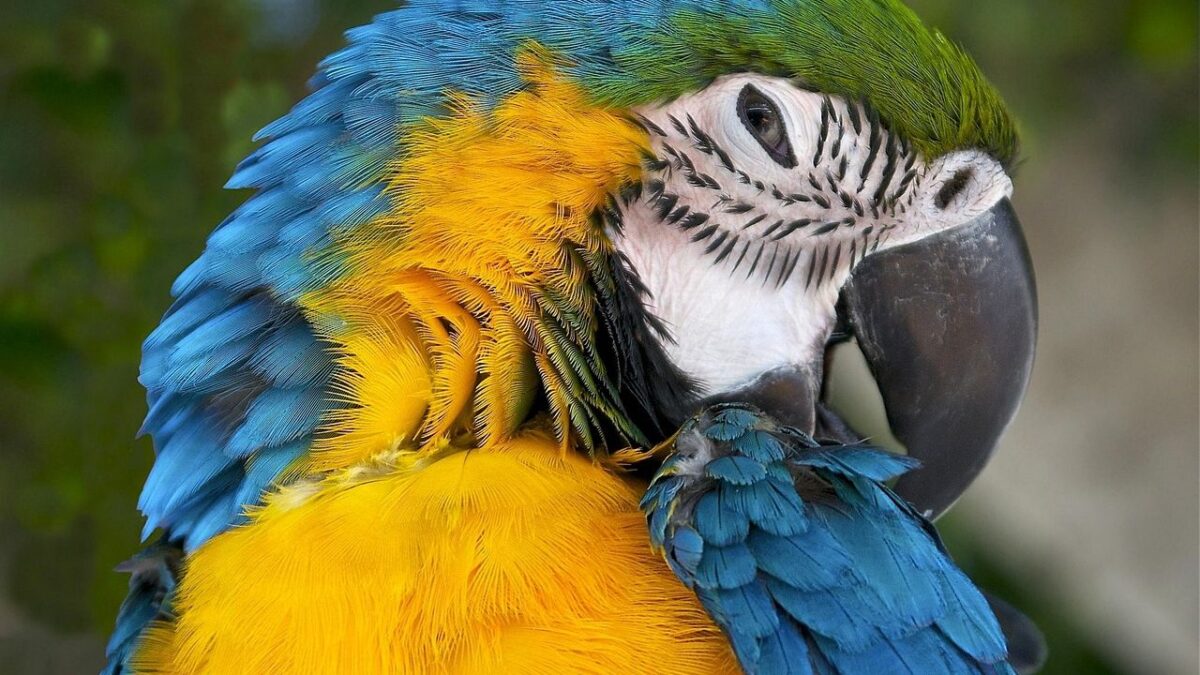
2. Macaws: Emotional Intelligence Meets Raw Brainpower
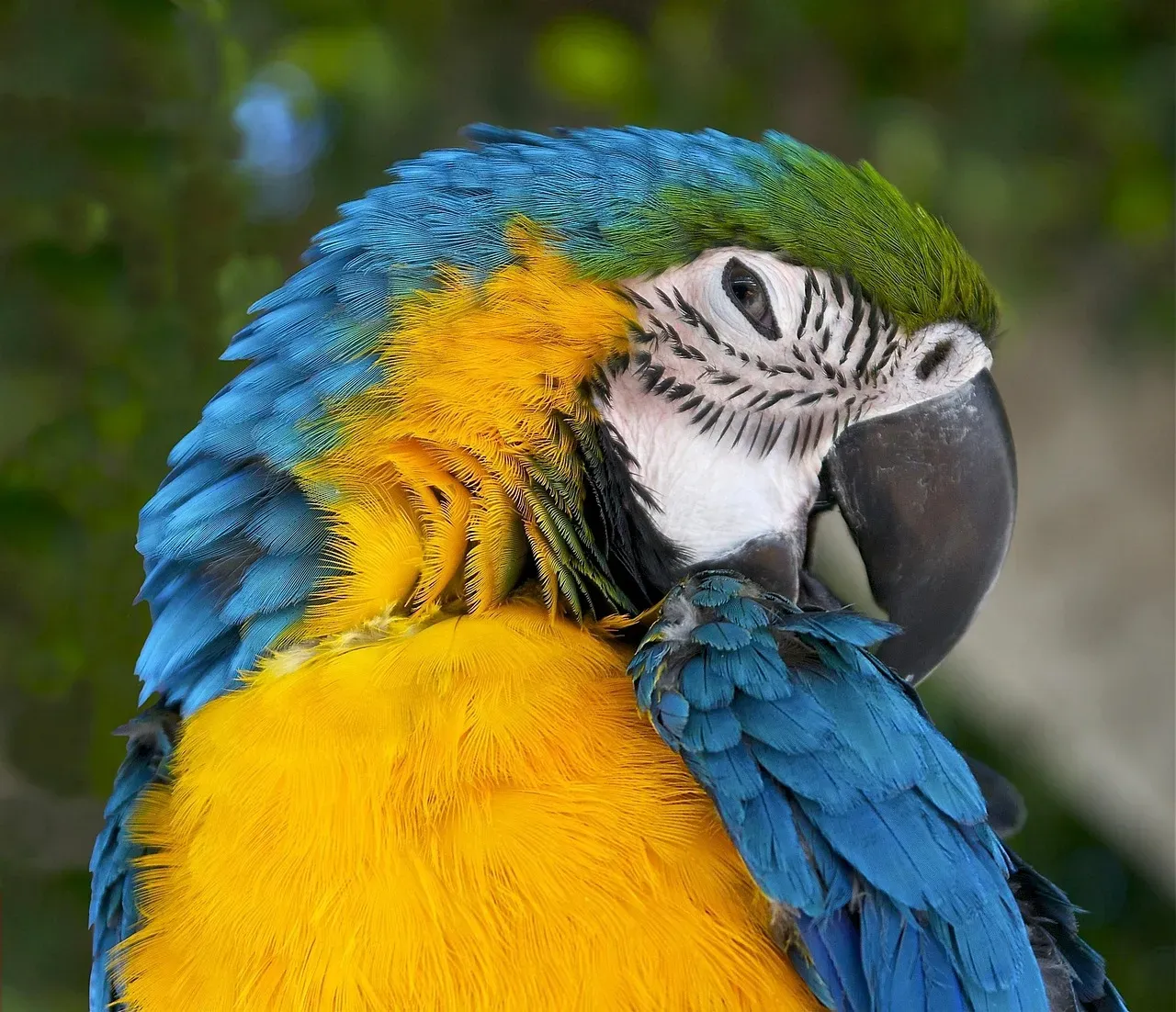
Macaws’ intelligence is sometimes compared to that of a human toddler, as they’re capable of problem-solving and using tools and are highly communicative with both their owners and other birds, and macaws are so in tune with their humans that they can recognize changes in their emotional state and react appropriately. That emotional attunement is something special.
These magnificent large parrots combine multiple forms of intelligence. They’ve got the problem solving skills, the communication abilities, and this remarkable capacity for reading emotions. It’s hard to say for sure, but many macaw owners swear their birds can sense stress or sadness before they themselves fully recognize it.
The Blue-and-Gold Macaw is one of the smartest members of the parrot family, as these birds are known for their ability to mimic speech, solve problems, and form strong emotional bonds with their human companions. Those emotional bonds aren’t just about affection. They represent genuine social intelligence and attachment.
Macaws enjoy making tools and communicating, especially with each other, and since macaws are one of the best at mimicking sounds, you can and should teach your large parrot lots of words and phrases that he can use to ask for things and talk to you. They’re not just repeating sounds. They’re using language functionally.
Their lifespan also plays into their intelligence. Living 50 to 80 years means these birds have decades to learn, remember, and apply knowledge. They accumulate life experience in ways shorter-lived species simply cannot.
1. African Grey Parrots: The Undisputed Champions
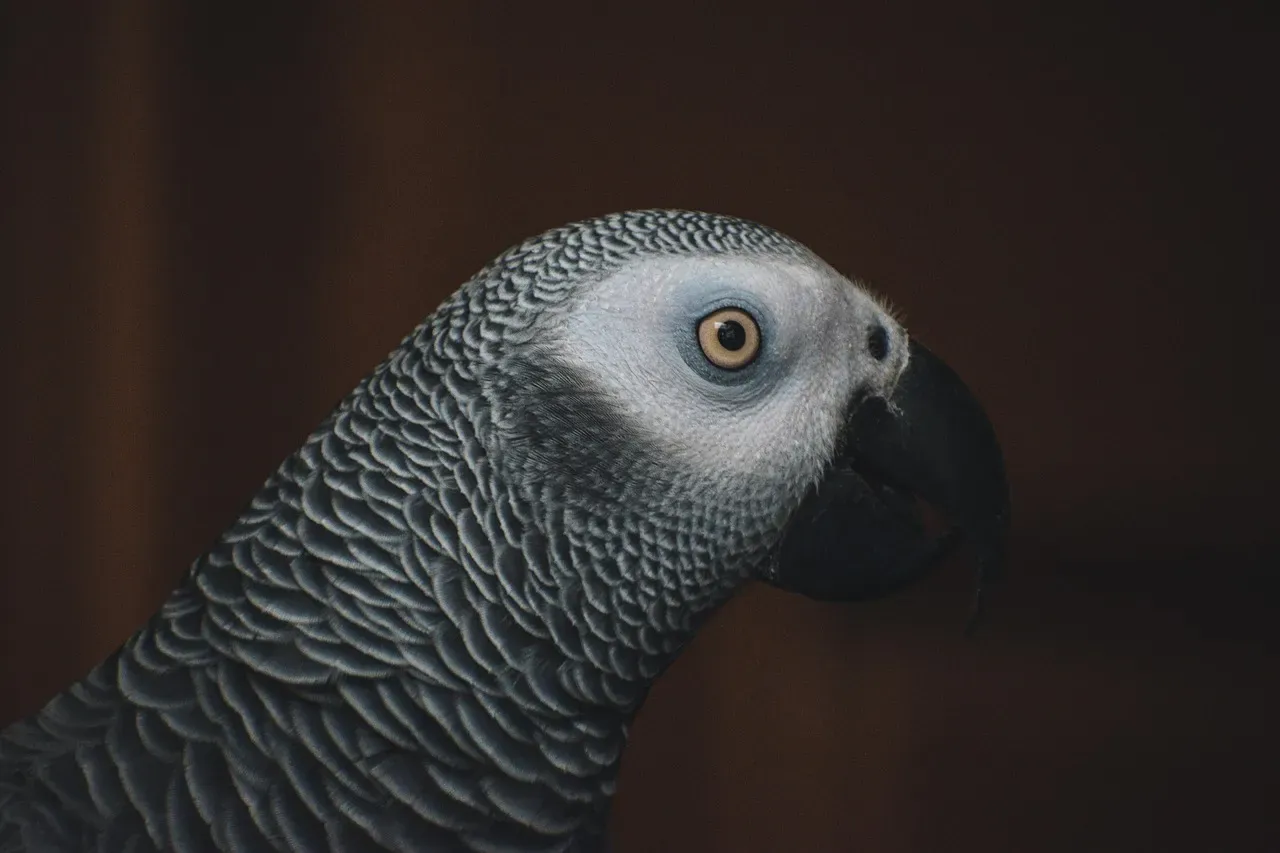
African Grey Parrots are often ranked as the most intelligent bird, possessing cognitive skills equivalent to a 5-year-old child, and these birds don’t just mimic, they understand context, recognize colors, count, and form meaningful connections with their human companions. They’re the gold standard by which all other bird intelligence gets measured.
The famous Alex changed everything we thought we knew about animal cognition. When Alex was shown an object and asked about its shape, color, or material, he could label it correctly, and he could describe a key as a key no matter what its size or color. He demonstrated genuine understanding, not mere repetition.
Looking at a mirror, Alex said “What color?” and learned the word “grey” after being told “grey” six times, making him the first non-human animal to have ever asked a question. Think about the cognitive complexity required to formulate a question about oneself.
African grays can use deductive reasoning to correctly choose between pairs of boxes, and the intelligence of the species is thought to rank among the highest of nonhuman animals, including apes and cetaceans, with some researchers comparing its reasoning abilities to those of a three- or four-year-old human child. That’s not hyperbole. That’s documented scientific observation.
African greys demonstrate an aptitude for recognizing the meaning of words and phrases. They’re not just sound machines. They’re processing language in ways that parallel human language acquisition.
The commitment required to keep an African Grey happy matches their intelligence. Due to their outsized intelligence, African Greys need 5 or more hours of stimulation each day to keep from falling into depression or boredom, and similar to caring for a toddler, you’ll need to give this bird plenty of social time with people and other pets, mental stimulation, plenty of exercise out of their cage, and hours of attention for them to thrive.
Conclusion
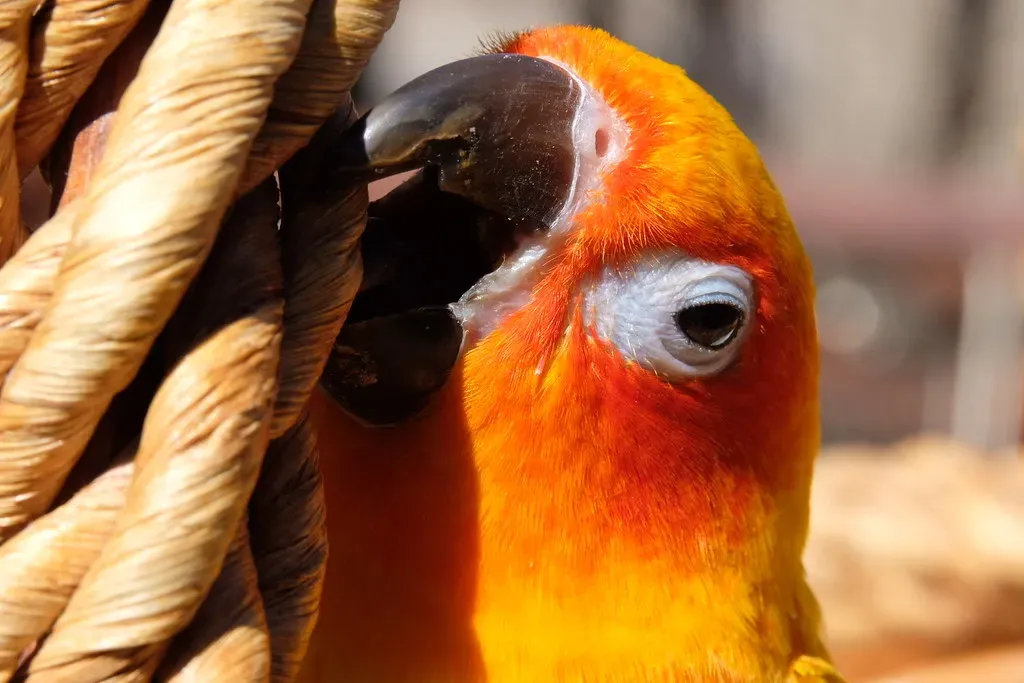
Choosing an intelligent bird as a pet means accepting responsibility for meeting their complex cognitive and emotional needs. These aren’t decorative creatures that simply look pretty and sing occasionally. The cleverest bird species demand engagement, challenges, and genuine companionship.
From the underestimated cockatiels to the legendary African Greys, each species brings unique strengths to the intelligence table. Some excel at vocal mimicry, others at mechanical problem solving, and the very smartest demonstrate reasoning abilities that challenge our understanding of what non-human minds can achieve.
The fascinating thing is how different intelligence manifests across species. Budgies might have larger vocabularies than macaws, yet macaws read emotions better. Cockatoos pick locks while African Greys ask existential questions.
If you’re considering one of these brilliant birds, prepare yourself for a relationship unlike any other pet experience. They’ll challenge you, surprise you, entertain you, and occasionally outsmart you. That’s what makes them so extraordinary.
What surprises you most about bird intelligence? Had you realized just how clever some of these common pet species truly are?
