

Every dog parent wants their furry companion to live the longest, happiest life possible. You research the best food, pick out safe toys, and create a cozy bed spot just for them. Yet despite these loving intentions, there are some surprisingly common mistakes that many devoted dog owners make without realizing the serious impact on their pet’s lifespan.
The truth is, some of these oversights can potentially cut years from your dog’s life. Honestly, I think most pet parents would be shocked to discover how everyday habits and decisions can either add precious years or unknowingly subtract them. Let’s dive into the seven biggest mistakes that could be affecting your dog’s longevity and learn how to make simple changes that can keep your best friend by your side for many years to come.
Skipping Regular Veterinary Checkups
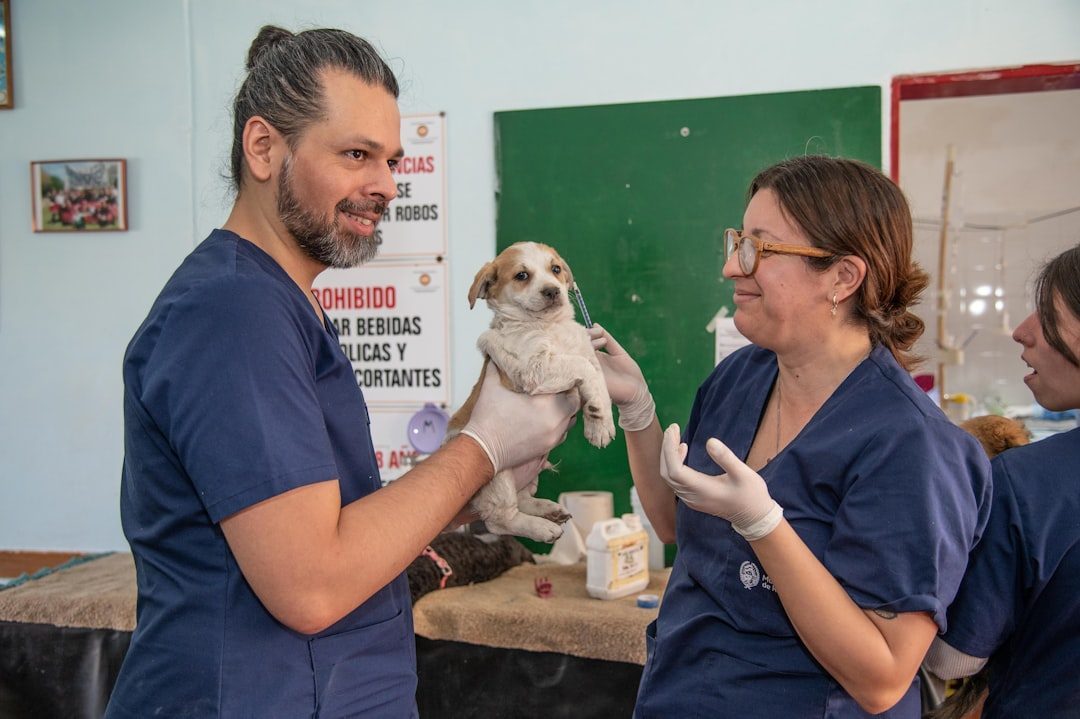
The biggest mistake dog owners can make is neglecting routine veterinary check-ups. Regular vet visits can catch potential health issues early, allowing for timely intervention. A comprehensive health check-up includes vaccinations, dental care, and preventive treatments that are crucial for your dog’s wellbeing.
Dogs already have shorter lifespans than humans, but certain everyday habits can unknowingly reduce their lifespan even further. Understanding these mistakes is key to giving your dog the longest, healthiest life possible. If you wait until your pet is already sick to seek veterinary care, in most cases you have waited too long; you’re being reactive. The goal of proactive veterinarians, like myself, is to prevent disease from occurring. We can’t do this if the only time we see the pet is when they’re sick, because we never have the opportunity to intentionally create wellness through a lifestyle plan created specifically for your pet.
Many veterinarians suggest annual check-ups for healthy adult dogs, whereas puppies and senior pets require more frequent visits. Regular visits can help monitor your dog’s health and create a strong relationship between the vet and your pet. Skipping these appointments can lead to escalated health problems that may have been easily managed.
Think of veterinary visits like yearly physicals for humans. Early detection saves lives and prevents minor issues from becoming expensive, life-threatening conditions. Missing that routine appointment could mean missing the early signs of cancer, heart disease, or kidney problems.
Ignoring Dental Health
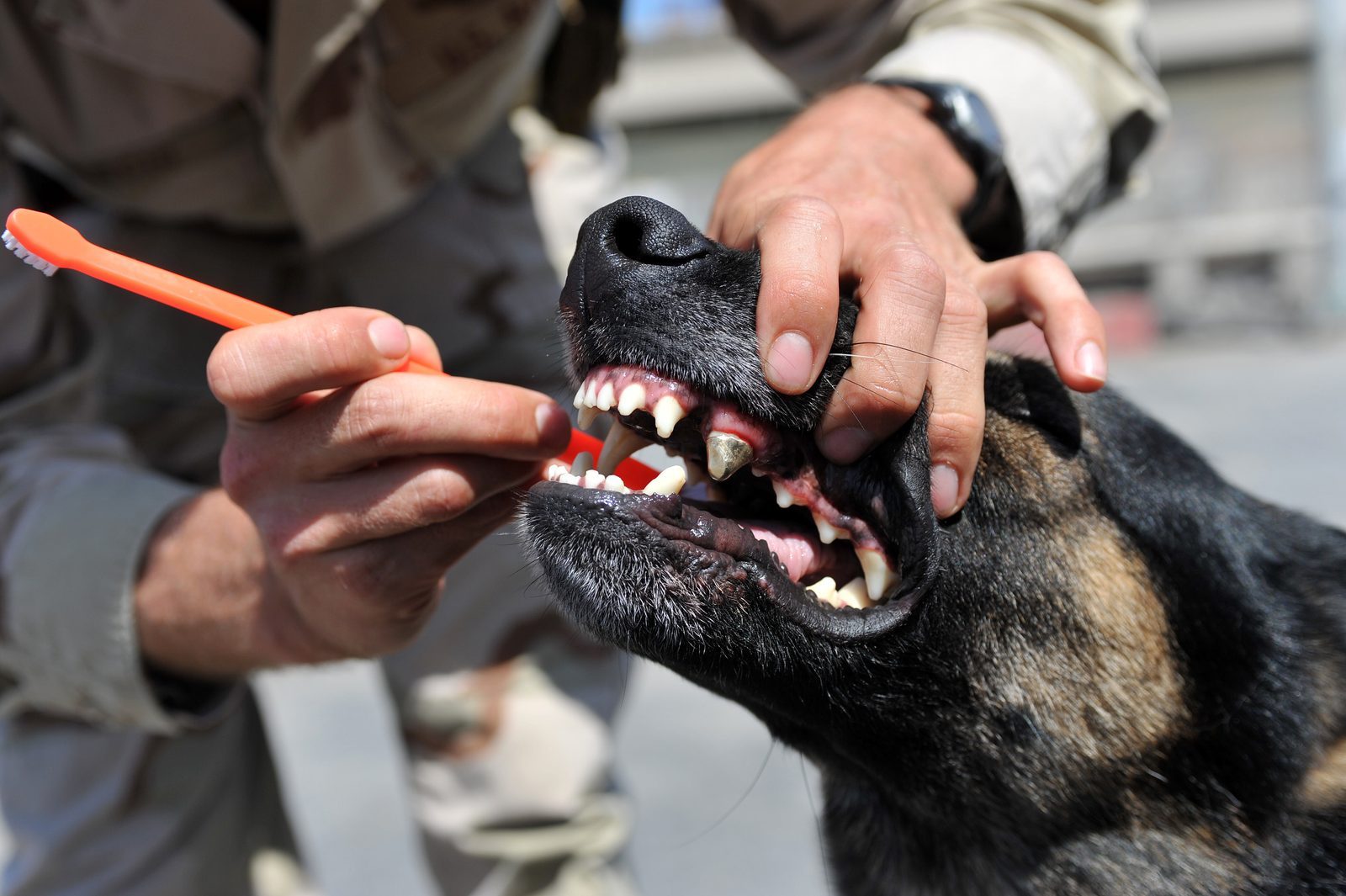
Veterinary dental experts emphasize that good dental hygiene can significantly impact a dog’s lifespan. Regular dental care is crucial for overall health and longevity.
Poor oral hygiene can negatively impact the lifespan of dogs and cats. Early intervention is important! Pets with healthy teeth generally live longer than those with dental disease.
Periodontal disease is the most common dental condition in dogs and cats – by the time your pet is 3 years old, he or she will very likely have some early evidence of periodontal disease, which will worsen as your pet grows older if effective preventive measures aren’t taken. Oral bacteria can enter the bloodstream and impact vital organs, including the heart, kidneys, and liver. Regular dental care reduces these risks by keeping harmful bacteria levels low, thus protecting your dog’s overall health.
The scary reality is that dental disease doesn’t just affect the mouth. Those bacteria travel throughout your dog’s body, potentially causing serious complications that dramatically impact their quality and length of life.
Overfeeding and Weight Management Failures
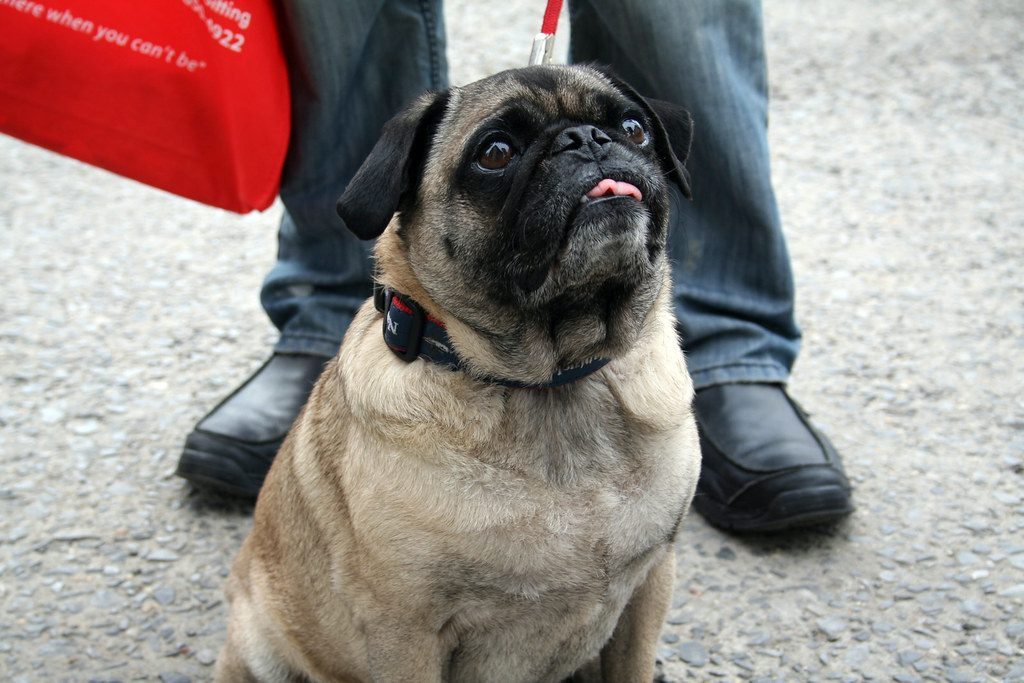
Allowing your dog to become overweight is one of the most common and harmful mistakes pet owners make. Excess weight increases the risk of serious conditions like diabetes, arthritis, heart disease, and cancer, while significantly reducing your dog’s quality of life. While over half of all dogs are overweight or obese, many owners mistakenly believe their pets are a healthy weight.
When your dog is overweight, it puts them at a much higher risk for many different health problems, including diabetes, hypertension, osteoarthritis, breathing difficulties and more. Not only can allowing your dog to gain too much weight shorten their lifespan, it also greatly reduces their quality of life as well.
Human food can have a big impact on your dog’s weight. Just 8 grams of cheese is like a person eating 1.5 hamburgers. Too many treats or oversized meals, even of dog food, can quickly lead to unhealthy weight gain. To help manage your dog’s weight, limit human food, monitor portion sizes, and gradually increase daily exercise.
That extra weight isn’t just cosmetic. Each pound puts additional strain on joints, organs, and your dog’s entire body system. The loving act of sharing your dinner or giving extra treats might actually be the most unloving thing you can do for your pet’s longevity.
Inadequate Exercise and Mental Stimulation
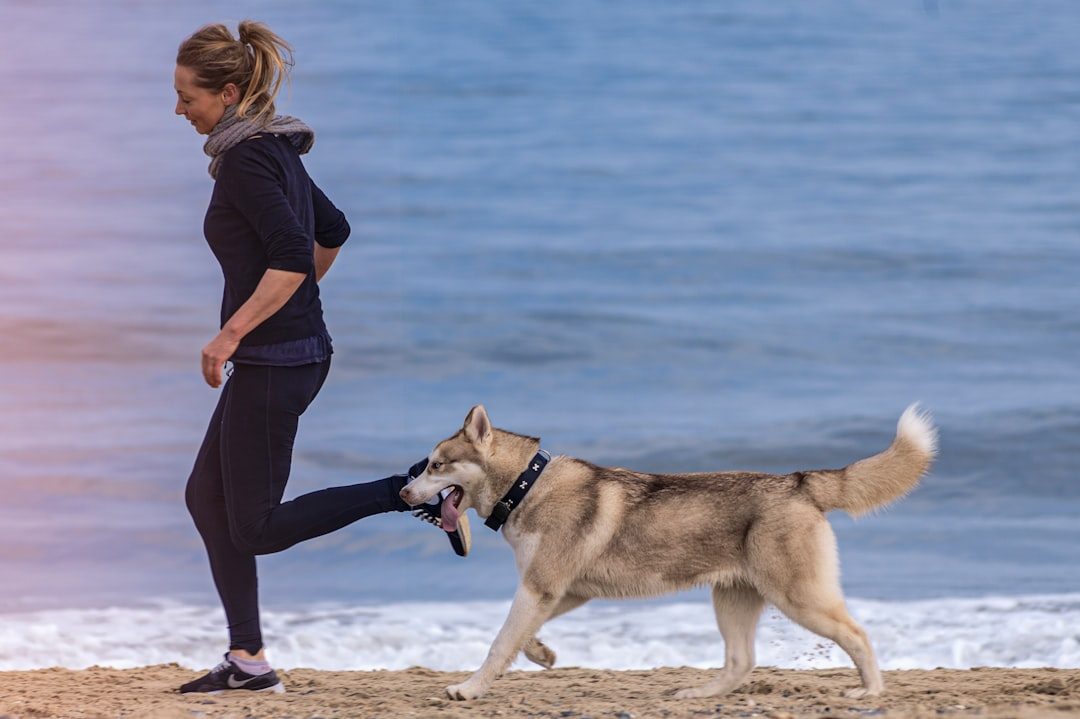
Dogs require regular exercise to maintain optimal physical fitness and mental stimulation. A lack of physical activity can lead to obesity, heart issues, and other health problems. Just because you ran your dog hard at the dog park over the weekend, it does not give you free reign to wait until the next weekend to exercise them again.
Studies show that dog personality changes with age, and unfortunately, owners end up engaging less, leading to further reduced activity and dogs becoming less trainable and excitable. Providing mental stimulation elongates the dog’s lifespan and enables continued enjoyment. Boredom can cause severe anxiety, destructive behavior, and even cognitive decline. Regularly engaging dogs with puzzle toys, training sessions, and new experiences keeps their mind sharp and prevents many behavioral issues.
Dogs need mental stimulation, just like us. Especially if you have an intelligent, active breed, you’ll need to provide your dog with problems to solve and jobs to do. Some dogs were bred to help humans do work, from herding to hunting and protection. To keep a working breed – or any breed – from getting bored, be sure to expose your dog to a variety of places and people. Provide adequate toys, and consider getting a puzzle feeder to challenge your dog’s brain.
A tired dog is a happy dog, but an under-stimulated dog is a stressed dog. That mental and physical energy needs an outlet, or it transforms into anxiety, destructive behaviors, and health problems that can genuinely shorten their lives.
Exposure to Toxic Substances
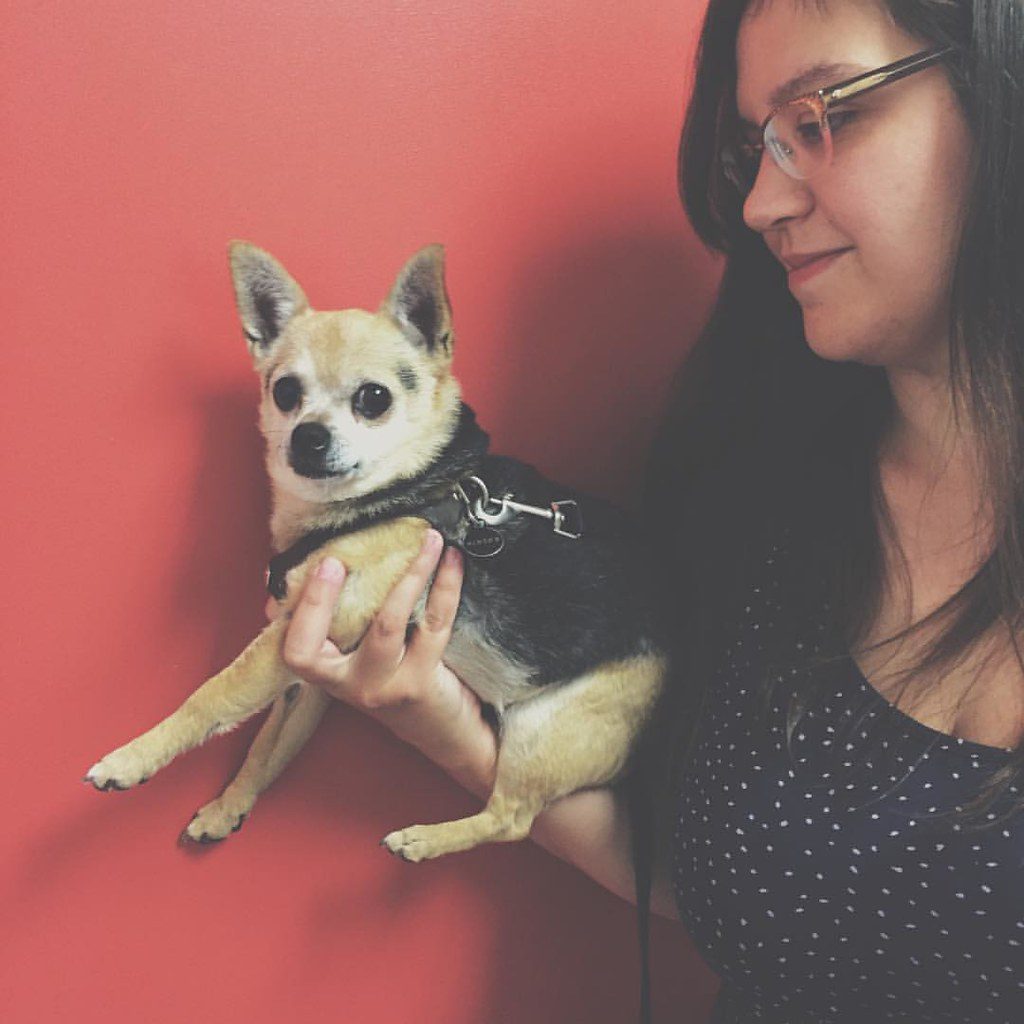
Tobacco smoke is often invisible and odorless, so you might not realize how far it spreads. It contains thousands of chemicals, many of which are toxic to both people and pets, and can accumulate on surfaces, clothing, and even your pet’s fur. Pet owners who smoke should consider smoking outdoors or in well-ventilated areas away from their dogs.
Household cleaners, pesticides, and even certain plants can be toxic to dogs if ingested or inhaled. Their inquisitive nature might make them lick or chew on harmful substances. “Research shows that both humans and dogs carry the same toxic chemicals in their bodies. While these can take decades to manifest health problems in people, their impact on pets can be seen within just a few years.
Excessive Use of Chemicals: Using chemicals like insecticides, perfumes, or certain types of shampoos excessively can negatively impact a dog’s health. Pay attention to the ingredients in the products you use and consult with a vet about the best options for maintaining hygiene.
Your home environment plays a huge role in your dog’s health. What seems harmless to us can be devastatingly toxic to our pets. Their smaller size means they’re affected more quickly and severely by environmental toxins we might not even notice.
Neglecting Proper Socialization
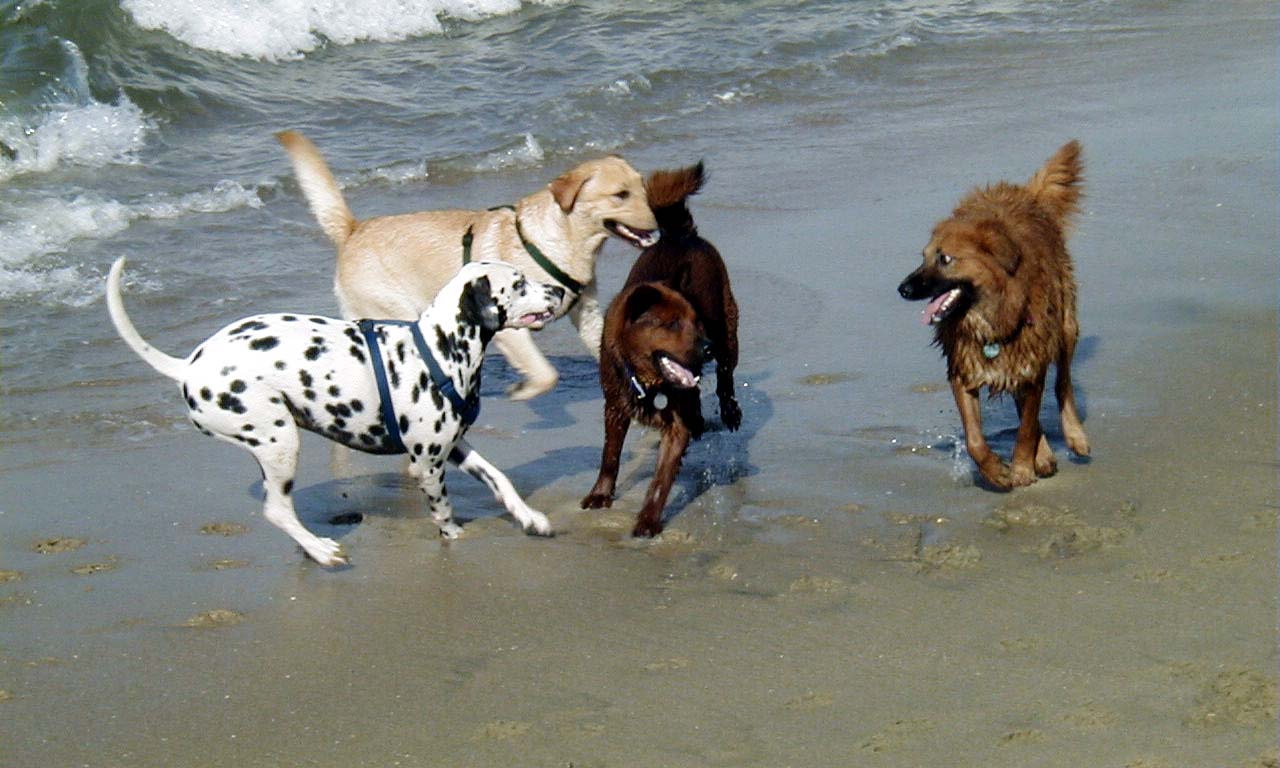
Puppies who aren’t properly socialized during their first 3 months are at dramatically increased risk for behavior problems like aggression, fear and avoidance. Lack of socialization after that point can also dramatically and negatively affect dog behavior for the rest of their lives. Dogs with problems stemming from lack of early socialization fill animal shelters and rescue facilities across the U.S., through no fault of their own.
The importance of socialisation cannot be overstated, as a lack of it can lead to anxiety, fear, and aggressive behaviour, which may shorten a dog’s life. A dog that is not adequately socialized may develop behavior that is harmful both for them and their environment. Insufficient exposure to different situations, people, and other dogs can cause stress, anxiety, and aggression.
The fact is, your puppy goes through several important development stages in her first weeks and months of life, and it’s up to you to be sure she has a variety of positive exposures and interactions during this time. For instance, within the first 2 months your puppy should: Be introduced to as many healthy and safe people, animals, places, situations, sights and sounds as possible. You’ll want to continue with socialization and training into adulthood, but if you miss this crucial early window it can have lasting repercussions for your dog’s mental health.
Socialization isn’t just about teaching good manners. It’s literally about your dog’s mental health and their ability to navigate the world safely and confidently throughout their entire life.
Allowing Dangerous Physical Activities
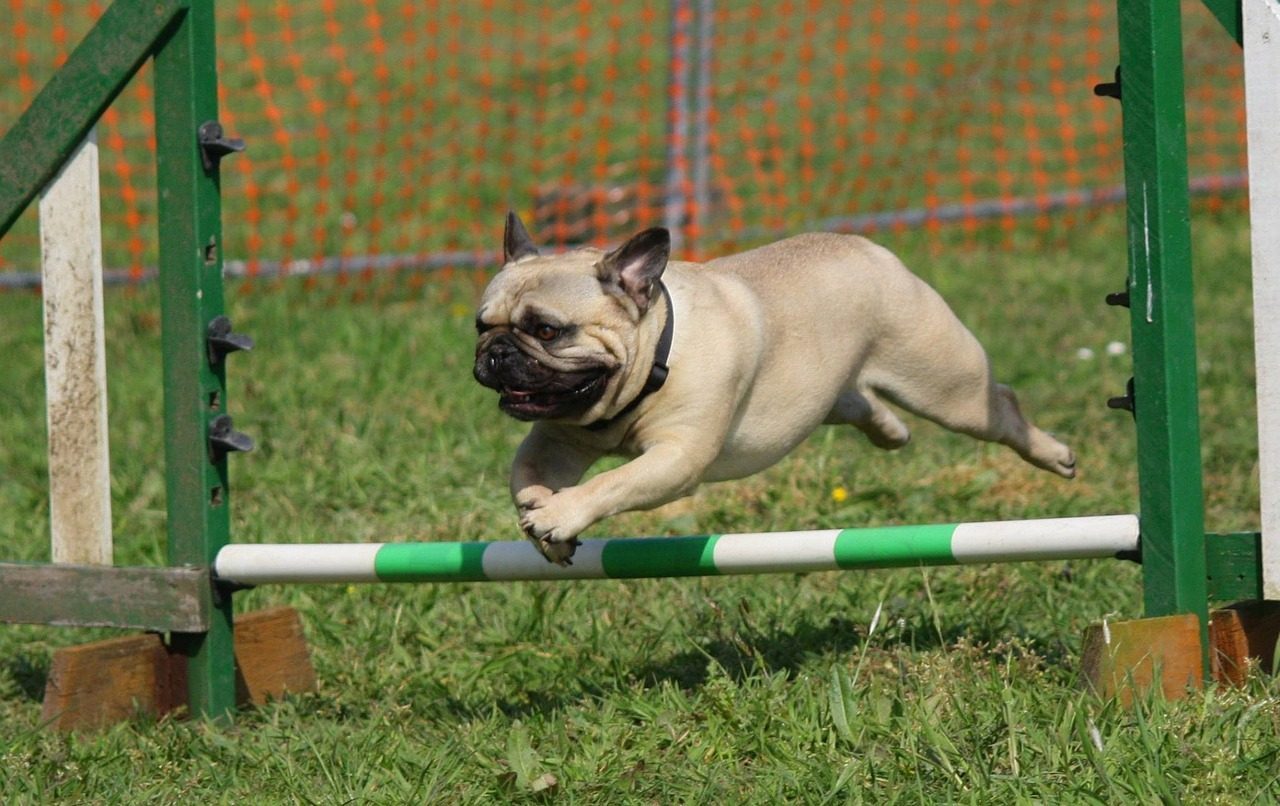
Jumping off furniture or from high places might seem like harmless fun, but it can cause long-term damage to a dog’s joints, especially in breeds prone to hip dysplasia. Small dogs like Yorkies, Chihuahuas, and Pomeranians leaping off furniture can experience significant impact, as jumping from heights several times their body length puts considerable stress on their joints.
Angelo Sorbello emphasizes, “Train your dog to avoid high jumps and also use pet ramps or stairs whenever possible to avoid unnecessary stress on its bones.” Every single jump from your couch or bed creates cumulative damage to your dog’s joints and spine.
Small dogs especially suffer from this seemingly innocent activity. What looks cute and fun is actually creating micro-injuries that add up over time, potentially leading to painful arthritis, hip problems, and mobility issues that significantly impact their quality of life and longevity.
The solution is surprisingly simple: invest in pet ramps or steps, and train your dog to use them. Your future self and your dog’s joints will thank you for this small preventive measure.
Conclusion
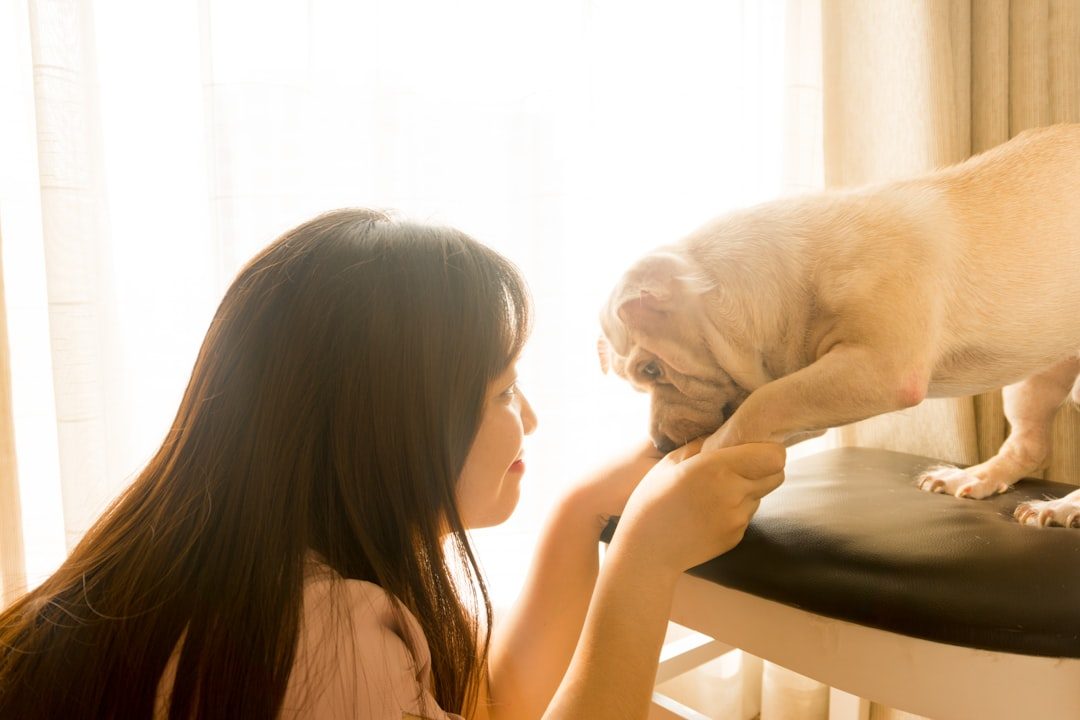
The reality is that many of these life-shortening mistakes happen because we love our dogs so much. We share our food because we want to include them. We skip vet visits because they seem healthy. We let them jump because it makes them happy. However, true love means making the harder choices that prioritize their long-term health over short-term pleasures.
Making these changes doesn’t require a complete lifestyle overhaul. Start with one area, like establishing a dental care routine or scheduling that overdue vet visit. Small, consistent changes in how we care for our dogs can genuinely add years to their lives and life to their years. What changes will you commit to making for your furry family member? Your dog’s future self is counting on you.
