

Imagine waking up to a rhythmic, metallic tapping echoing through your home. You trace the sound to your roof and discover a woodpecker enthusiastically pecking away at your metal chimney cap. This curious behavior leaves many homeowners puzzled: why would a bird known for drilling into wood choose metal instead?
The Resonance of Metal: A Woodpecker’s Amplifier

Woodpeckers are natural percussionists, using their beaks to produce sounds that communicate messages to other birds. While trees have traditionally served as their instruments, the advent of urban environments has introduced new, more resonant materials. Metal surfaces, such as chimney caps, gutters, and vent pipes, produce louder, more far-reaching sounds when struck, making them irresistible to these birds. The enhanced volume and clarity of metal drumming allow woodpeckers to broadcast their presence more effectively across greater distances.
Drumming: More Than Just Noise

The act of drumming serves two primary purposes for woodpeckers: establishing territory and attracting mates. During the breeding season, typically in early spring, males will drum to signal ownership of an area and to entice potential partners. The louder and more resonant the drumming, the more likely it is to deter rivals and attract females. Metal structures, with their superior acoustic properties, become the preferred choice for these avian displays.
Urban Adaptations: Woodpeckers in the City
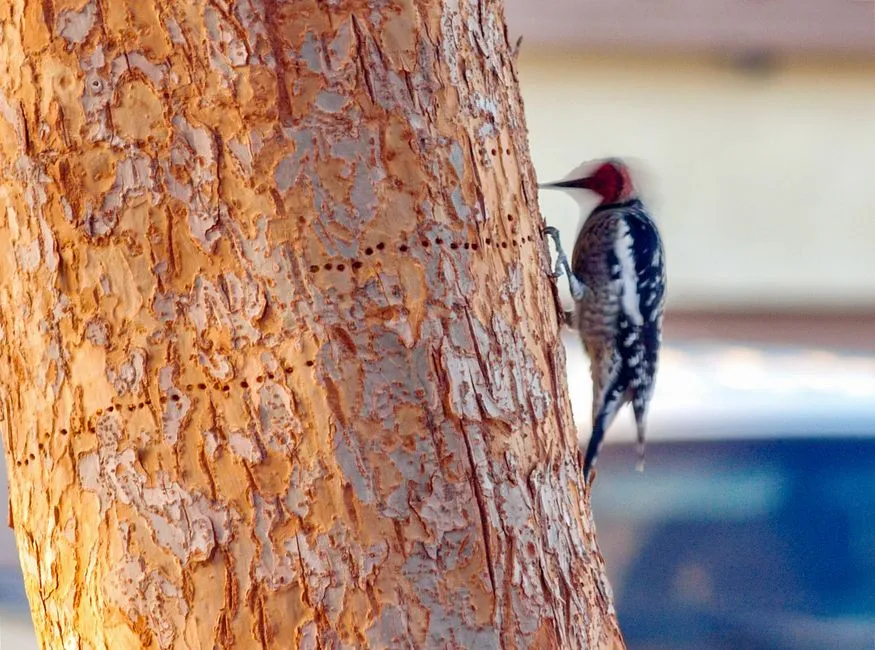
As urbanization encroaches upon natural habitats, woodpeckers have adapted by incorporating man-made structures into their behaviors. In cities, where tall trees may be scarce, metal rooftops and other structures provide the perfect platforms for drumming. This adaptation showcases the woodpecker’s remarkable ability to thrive in diverse environments, turning our homes into their concert halls.
Is Your Home at Risk?
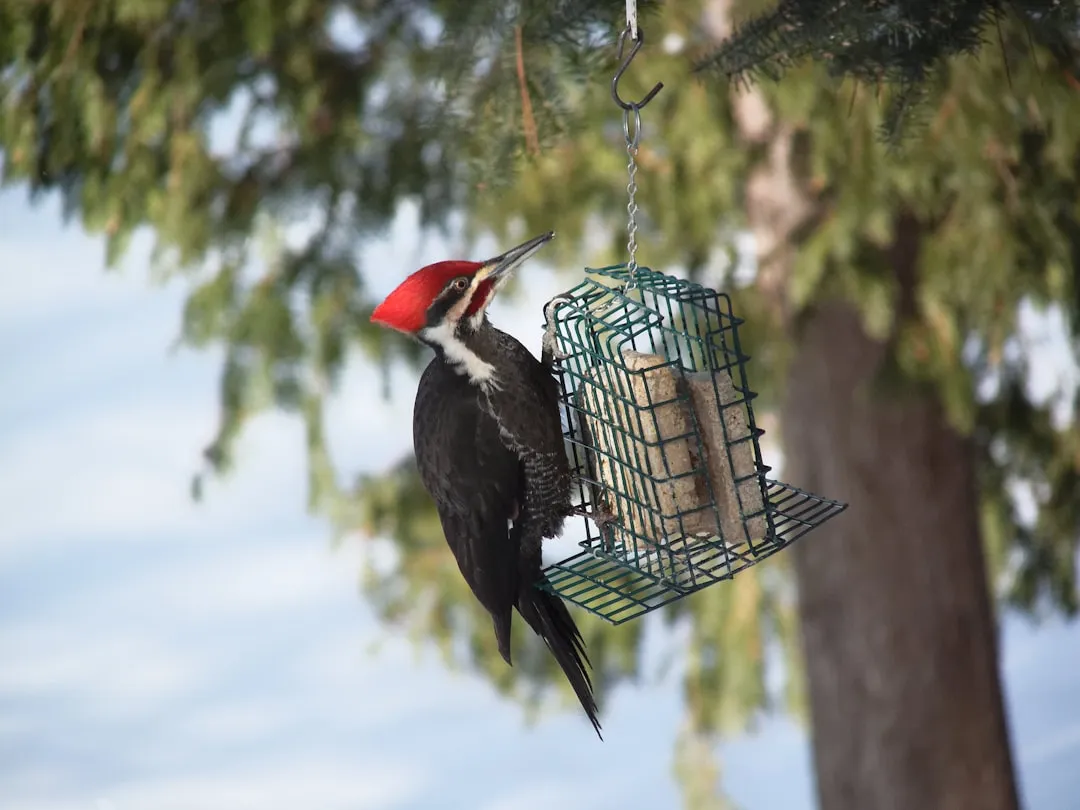
While the sound of a woodpecker drumming on metal can be startling, it’s important to note that this behavior is generally not harmful to the structures themselves. Metal surfaces are resilient, and the pecking typically doesn’t cause significant damage. However, the noise can be disruptive, especially during the early morning hours when drumming is most frequent.
Deterring the Drummers: Humane Solutions

If a woodpecker’s drumming becomes a nuisance, there are several humane methods to discourage the behavior. Visual deterrents, such as reflective tape or decoy predators, can make the area less appealing. Auditory deterrents, like recordings of predator calls, may also be effective. It’s crucial to remember that woodpeckers are protected under the Migratory Bird Treaty Act, so any deterrent methods must be non-lethal and not cause harm to the birds.
Embracing Nature’s Percussionists

Understanding why woodpeckers choose metal surfaces over trees allows us to appreciate their adaptability and the role they play in our ecosystems. While their drumming may be an unexpected wake-up call, it’s a testament to the resilience and ingenuity of wildlife in urban settings. By coexisting with these feathered musicians, we gain a deeper connection to the natural world that surrounds us.
In conclusion, the next time you hear that distinctive metallic tapping, consider it a serenade from one of nature’s most fascinating creatures. Their choice of metal over wood is a brilliant adaptation to urban life, turning our homes into stages for their age-old performances. Isn’t it remarkable how wildlife finds harmony amidst human habitats?

- Could Rising Ocean Temperatures Create Super Hurricanes? - July 13, 2026
- These Majestic Birds Are Soaring to Unprecedented Heights Across the US - July 13, 2026
- 12 Amazing Things Only Dog Owners Truly Understand - July 13, 2026