
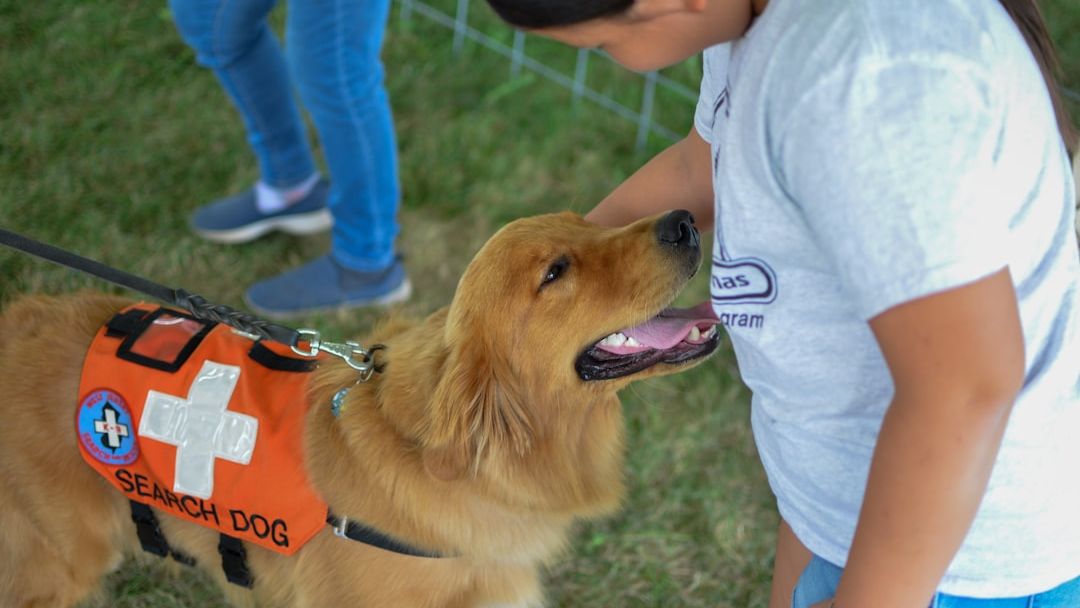
There’s a quiet revolution happening at the intersection of veterinary science and oncology. Dogs have always been considered loyal companions, but recent research is revealing something far more extraordinary about these animals. Their noses, it turns out, might be among the most powerful early-warning systems for cancer that the world has ever seen.
Cancer changes the body’s metabolism in ways that produce specific chemical byproducts called volatile organic compounds, or VOCs. These compounds evaporate into breath, seep into urine, and escape through the skin. For a human nose, these changes are completely imperceptible. For a dog, they’re as obvious as the smell of fresh coffee in a small room. Dogs can differentiate between different smells tens of thousands to hundreds of thousands of times better than humans, and are able to identify volatile organic compounds starting from a concentration of just one part per trillion.
Peer-reviewed studies have demonstrated that trained dogs can identify at least seven types of cancer: lung, breast, prostate, ovarian, bladder, melanoma, and colorectal. Not every breed is equally suited to the job, and training matters enormously. Still, the science is credible enough that clinical trials are underway and commercial applications are being developed right now. Here are the seven breeds that consistently stand out in the research.
#1: The Beagle – A Nose Built for the Job

When researchers at the Lake Erie College of Osteopathic Medicine set out to test canine cancer detection, they chose Beagles for very deliberate reasons. Beagles were chosen for their advanced olfactory receptor genes, and a Beagle’s sensitivity to smell is about ten thousand times more complex than that of a human, making them particularly equipped to tackle the task of sniffing out cancer. That’s not a minor advantage. It’s a biological edge that reshapes how we think about diagnostic medicine.
The results from that study were striking. Three of the four trained Beagles correctly identified lung cancer samples nearly ninety-seven percent of the time and normal samples nearly ninety-eight percent of the time. More recently, a study led by Israeli medical technology company SpotitEarly involved training Beagles using repeated exposure to breath samples from both healthy individuals and cancer patients, with the goal of offering a fast, noninvasive screening tool for early cancer detection. The company is now planning clinical trials in the United States aimed at regulatory approval.
#2: The German Shepherd – Precision Under Pressure
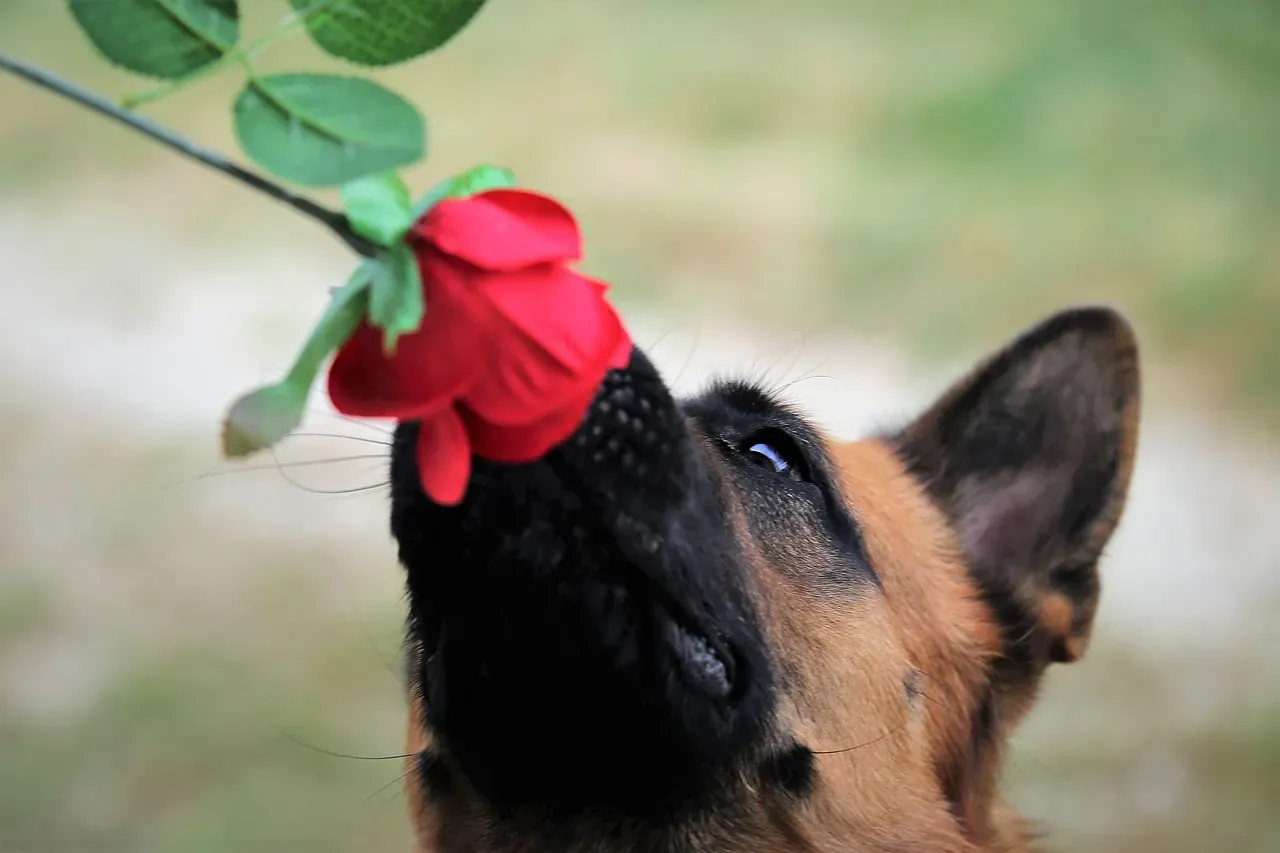
In 2015, two bomb-sniffing German Shepherds were retrained and given urine samples from hundreds of men with prostate cancer and from people without the disease. One dog was perfectly accurate in detecting the presence or absence of cancer, while the other was nearly ninety-nine percent accurate. Those numbers are extraordinary by any diagnostic standard. German Shepherds, long used in military and law enforcement for their scent-tracking ability, translate that skill with remarkable fidelity into medical contexts.
Labrador Retrievers and German Shepherds appear frequently in cancer detection research, largely because they’re highly trainable and already widely used in professional scent work like bomb and drug detection. It is more common to see German Shepherds being trained as biodetection dogs alongside Labrador Retrievers, Springer Spaniels, and Belgian Malinois. Their disciplined temperament means they stay focused during testing, which matters enormously when the margin for error is a human life.
#3: The Labrador Retriever – The Research Workhorse
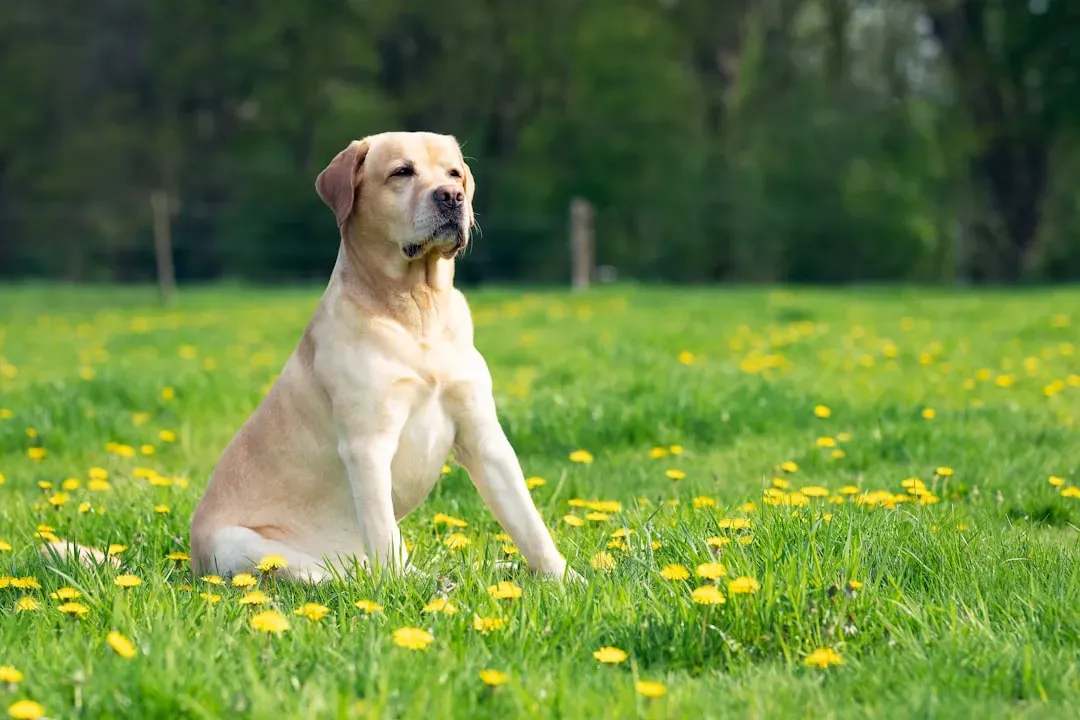
If one breed has accumulated the most scientific evidence in cancer detection, it’s arguably the Labrador Retriever. Labradors in particular have featured in studies on prostate, lung, and bladder cancer detection. The Labrador Retriever and the German Shepherd seem to be best suited for olfactory detection overall. Their eagerness to please and consistent trainability make them ideal research partners in a field that demands repetition, patience, and precision.
One of the most cited Labrador studies produced results that are difficult to dismiss. A Labrador Retriever trained to scent-detect colorectal cancer from breath and watery stool samples showed an ability to detect cancer from breath samples at ninety-one percent sensitivity and ninety-nine percent specificity. With stool samples, sensitivity was even higher at ninety-seven percent, with specificity of ninety-nine percent. Accuracy was high even for early-stage cancer. That last detail is what makes the finding particularly significant. Early detection is precisely where conventional screening often struggles most.
#4: The Belgian Malinois – Military Precision Meets Medical Detection
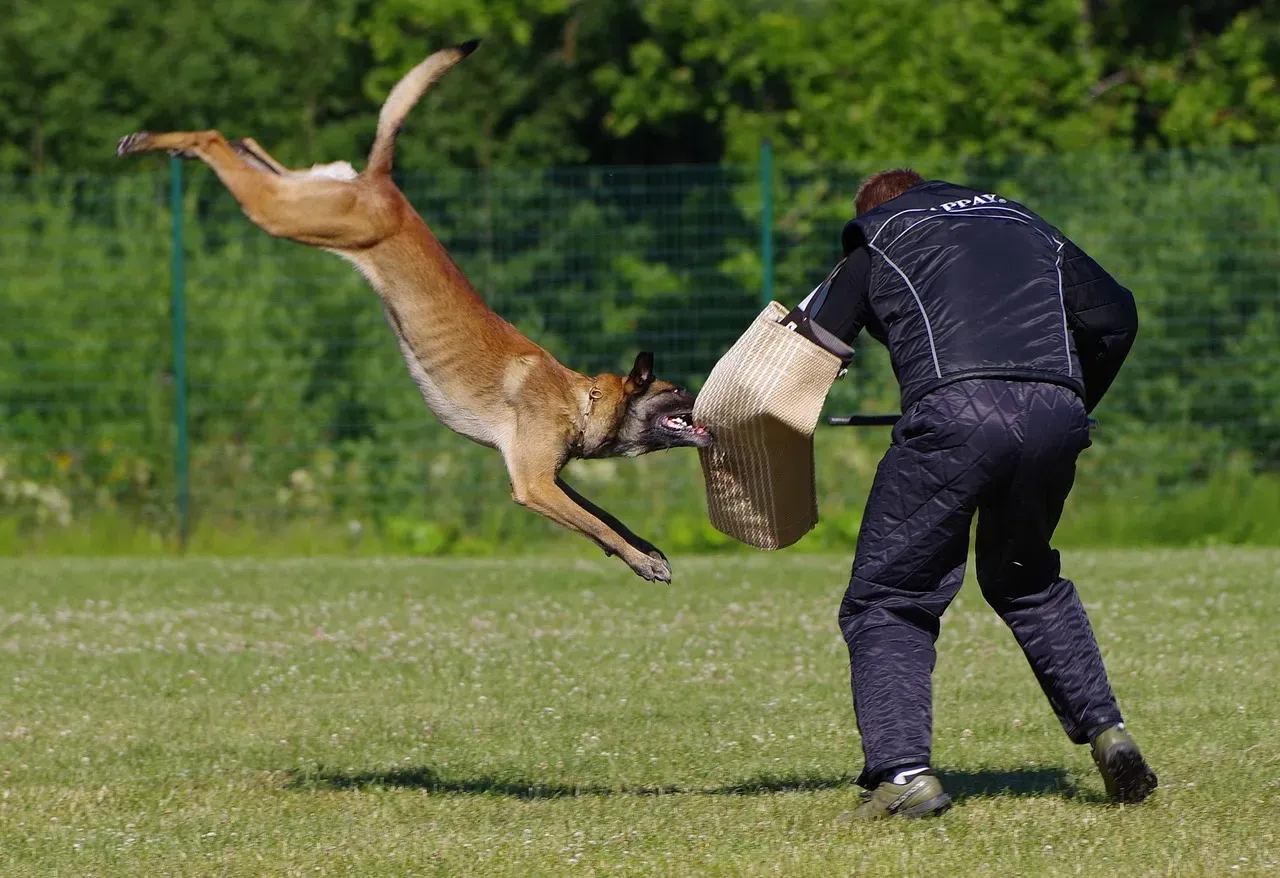
Widely revered as an exceptional military working dog, the Belgian Malinois has been used to sniff out explosives, blood, DNA, and other scents. Now, they’ve been trained to sniff out cancer. The transition from combat detection to medical detection isn’t as unusual as it sounds. Both tasks demand extreme olfactory sensitivity paired with the willingness to work under structured conditions, and the Malinois excels at both.
In 2011, a Belgian Malinois was clicker-trained to identify prostate cancer patients from their urine, correctly identifying cancer in thirty-one of thirty-three patients, achieving ninety-one percent sensitivity and specificity. That study helped establish that scent-based detection of prostate cancer was not only possible but potentially reproducible with proper training protocols. Dogs trained as biodetection dogs need more than just a good nose. They need to be readily trainable, motivated, and easy to work with – qualities the Malinois possesses in abundance.
#5: The Bloodhound – The Undisputed Olfactory Legend
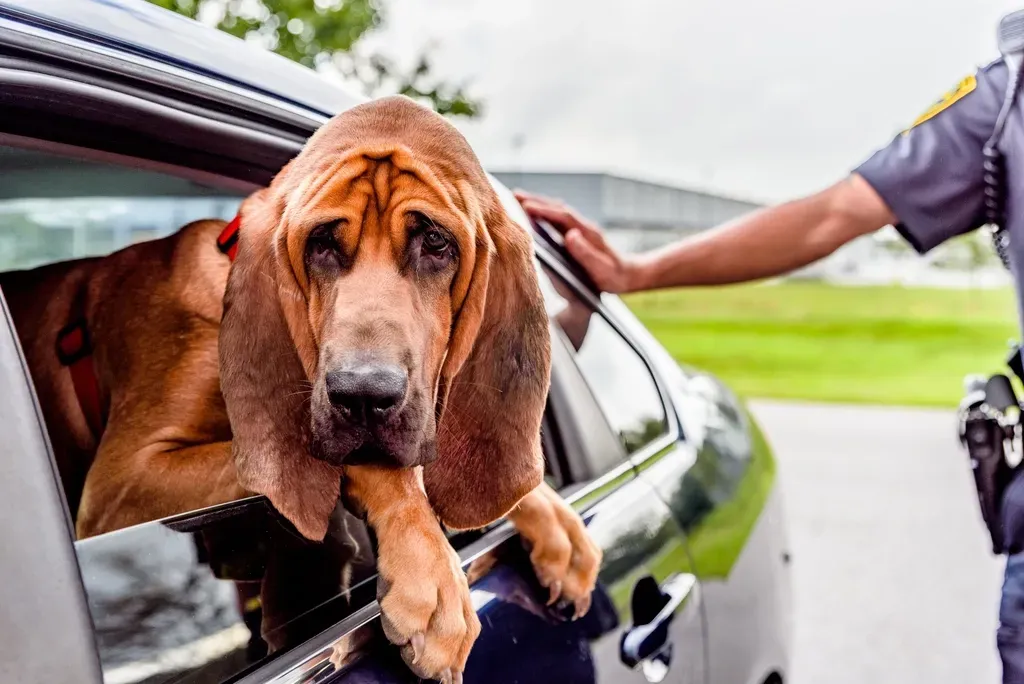
The Bloodhound’s nose is essentially a biological phenomenon. With more scent receptors than almost any other breed, it was bred over centuries for a single purpose: to follow a scent no matter how faint, how old, or how obscured. Sniffer dog breeds are trained canines that use their keen sense of smell to detect and locate specific items, including bombs, drugs, and missing people, with Beagles, Bloodhounds, and Belgian Malinois cited as prime examples. When it comes to detecting cancer’s unique chemical signature, the Bloodhound’s anatomical advantages are hard to overstate.
Dogs appear to detect the overall pattern of cancer-related compounds rather than any single molecule, which is part of what makes their ability so difficult to replicate with technology. For a Bloodhound, reading a complex chemical pattern is essentially second nature. Evidence suggests that trained scent dogs can detect a variety of diseases in both humans and animals accurately, and often earlier than many existing screening tools. The Bloodhound’s sheer olfactory power positions it as a strong candidate for formal cancer detection programs, though its size and independent temperament can make training more demanding than with other breeds.
#6: The English Springer Spaniel – The Quiet Overachiever
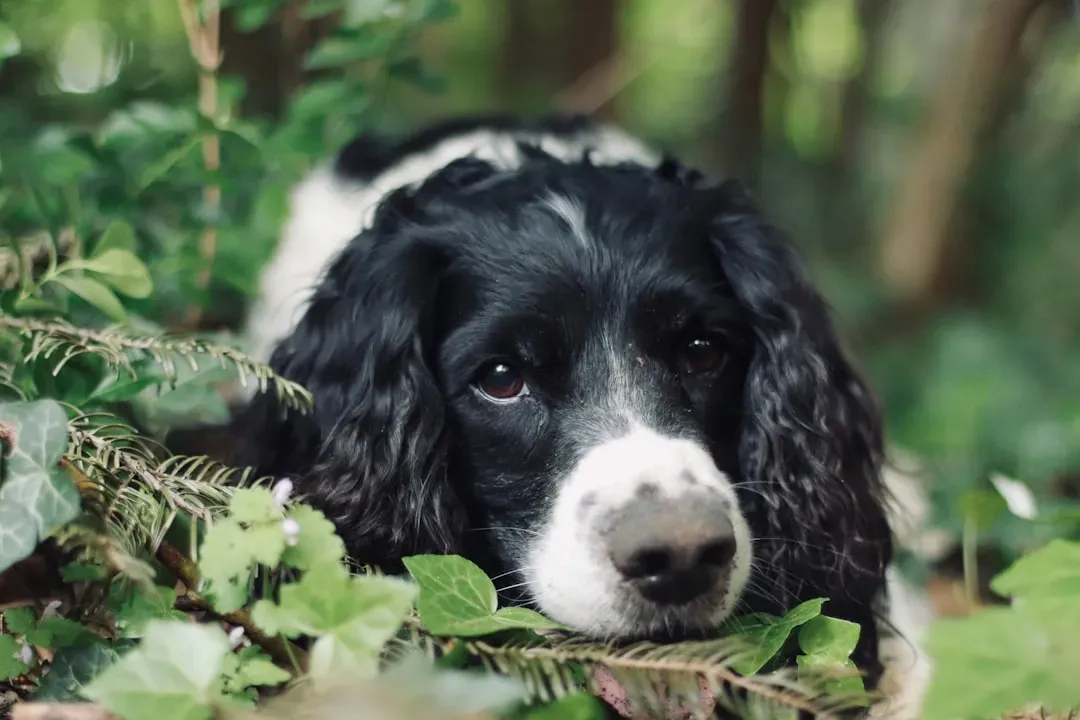
Springer Spaniels rarely make headline news in the way German Shepherds or Beagles do, but researchers who work with medical detection dogs consistently include them in the conversation. It is more common to see Springer Spaniels among the breeds specifically trained for cancer biodetection, alongside Labrador Retrievers, German Shepherds, and Belgian Malinois. Their natural drive to work closely with humans, combined with high trainability and a strong prey-detection instinct, makes them reliable partners in scent-based work.
What Springer Spaniels bring is consistency. They tend to be focused, eager, and less prone to distraction during structured testing, which matters enormously in clinical settings where false positives carry real consequences. A dog with specialized odor detection training can diagnose histologically confirmed cancer with approximately ninety-three and a half percent sensitivity and ninety-one and a half percent specificity. Springer Spaniels working in UK-based Medical Detection Dogs programs have been part of studies spanning multiple cancer types, quietly accumulating a track record that deserves more attention than it typically gets.
#7: The Poodle – The Surprising Dark Horse
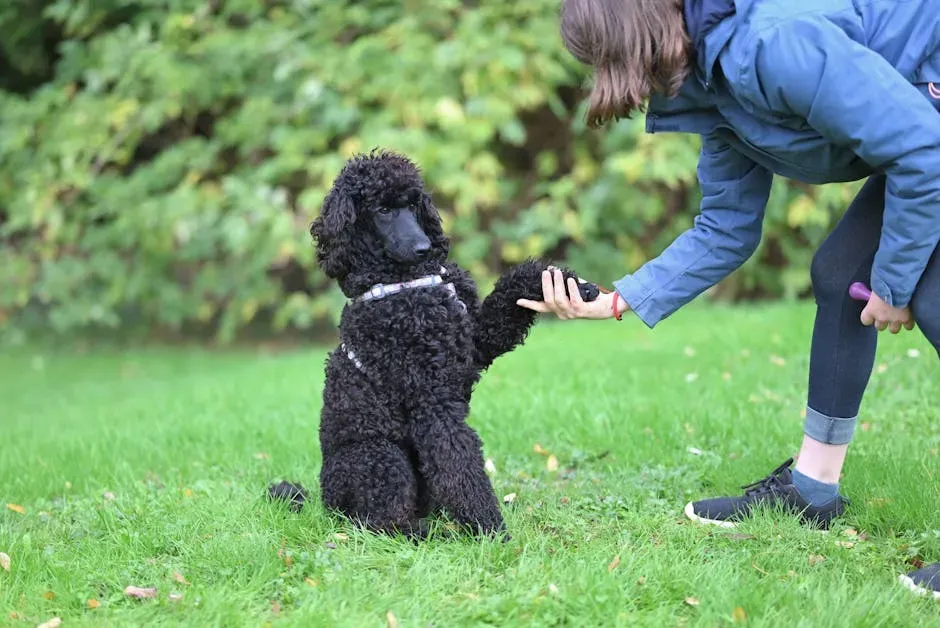
Poodles rarely appear on lists of working detection dogs, which is exactly why their inclusion here is worth explaining. Standard Poodles possess a surprisingly sophisticated olfactory system, and their intelligence ranks among the highest of any breed. Being a cancer-sniffing biodetection dog requires more than just a good nose. The dog also needs to be readily trainable, motivated, and easy to work with – and by those measures, the Standard Poodle qualifies more readily than most people assume.
Several anecdotal and preliminary research accounts have noted Poodles reacting persistently to areas of their owners’ bodies that later turned out to be cancerous, echoing the earliest documented case that launched this entire field. Melanoma was the first type of cancer from which investigation on canine olfactory detection of human malignancy was initiated, following a 1989 case report of a woman who was encouraged to get a skin lesion examined because her dog constantly sniffed at it. The lesion was excised and diagnosed as a malignant melanoma. The Poodle’s combination of high intelligence, biddability, and scent sensitivity makes it a genuinely viable candidate for formal detection training, even if the formal research on the breed specifically remains limited for now.
What the Science Actually Tells Us
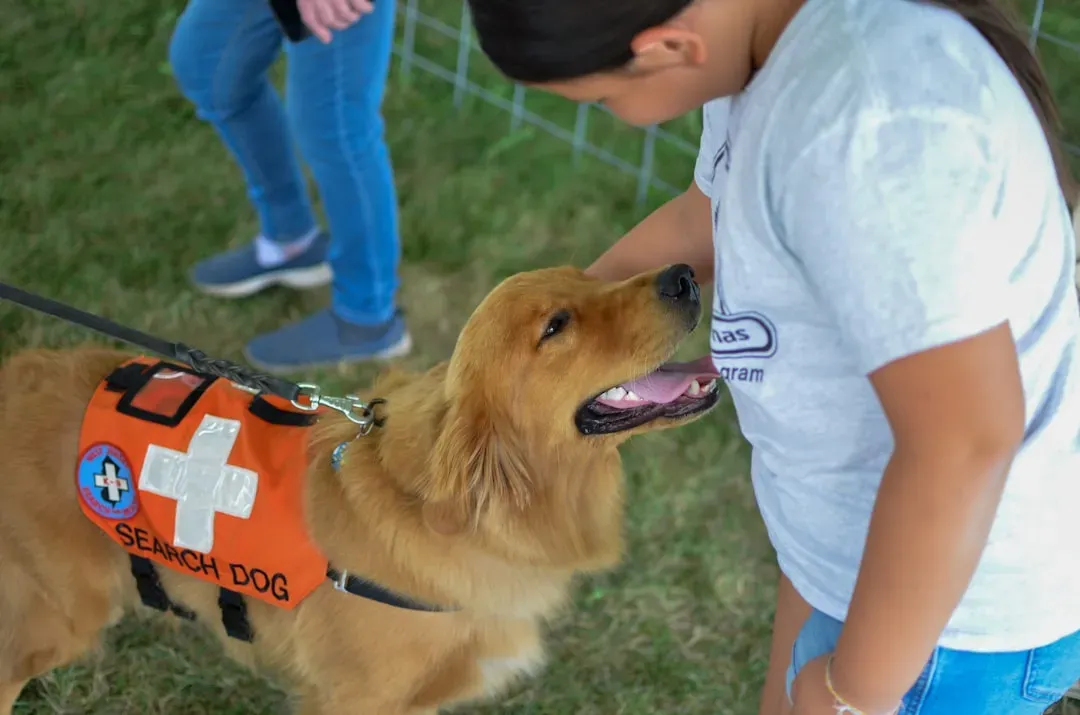
By 2022, at least sixty-two studies had been published testing a dog’s ability to detect cancer. Researchers conducting a review of the available evidence concluded that there were still many unanswered questions and that there was currently insufficient evidence to warrant the use of medical detection dogs in clinics. However, they also highlighted the potential opportunities to develop an accessible and noninvasive method for cancer detection. The science is promising and growing, but it would be misleading to suggest dogs are ready to replace conventional diagnostics.
A systematic review found that the range of cancers tested with trained sniffer dogs includes primary lung tumors, urothelial tumors, breast, ovarian, colorectal, and prostate tumors. Not every study has shown positive results, with large variations in sensitivity and specificity, and potentially confounding factors such as the presence of concurrent noncancerous diseases or the use of certain medications. What’s clear is that the field is accelerating. A canine-AI pairing was both highly accurate and highly sensitive, successfully spotting four types of cancer in nearly ninety-four percent of cases, as reported in Scientific Reports. The dogs’ noses are now being used to teach machines what cancer smells like, effectively turning a biological gift into a blueprint for technology.
A Closing Thought
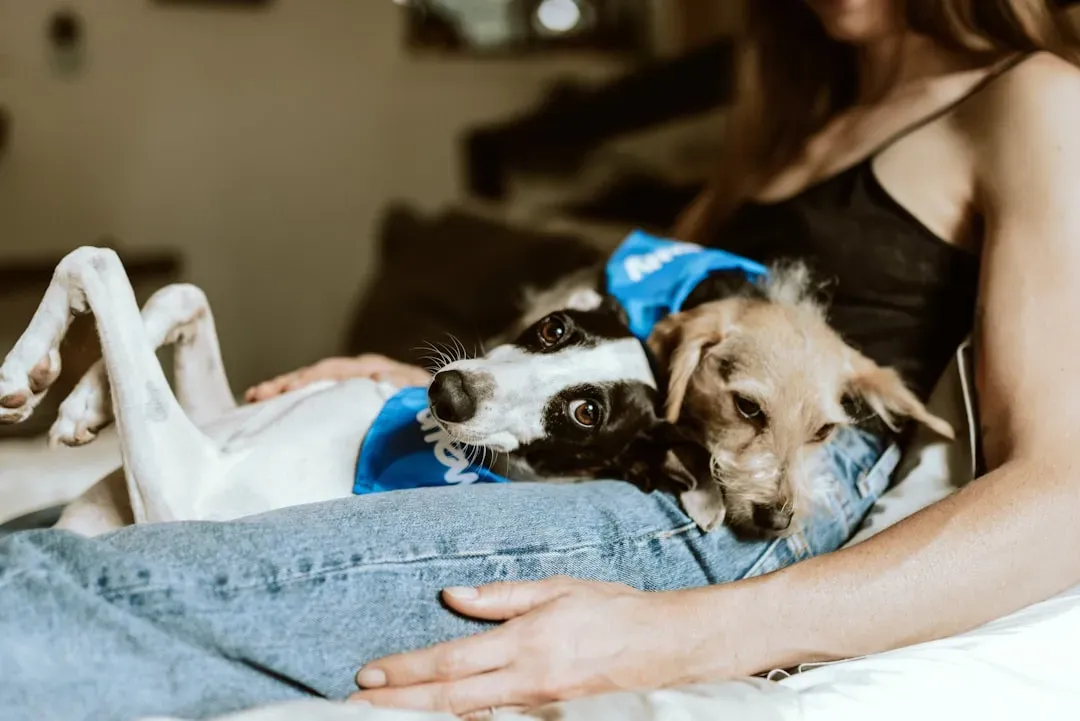
The most remarkable thing about all of this isn’t the accuracy figures or the clinical trials. It’s the fact that this story effectively started with a dog that wouldn’t stop sniffing a mole on its owner’s leg. That dog almost certainly saved a life. Several lines of evidence suggest that dogs may play a critical role in cancer research and diagnosis, eventually becoming major contributors to a reduction in mortality for certain cancers.
We’ve been living alongside these animals for thousands of years, and we’re still discovering what they’re capable of. The dog you take for a walk every morning may be far more attuned to your body’s chemistry than any device you own. That’s not sentimentality. At this point, it’s science.

- 12 Architectural Wonders From The Ancient World That Inspire Us Today - July 18, 2026
- 6 Beautiful Ancient Cities That Time Forgot (But Shouldn’t) - July 18, 2026
- 6 Common Animal Behaviors That Are Often Misunderstood by Humans - July 18, 2026