
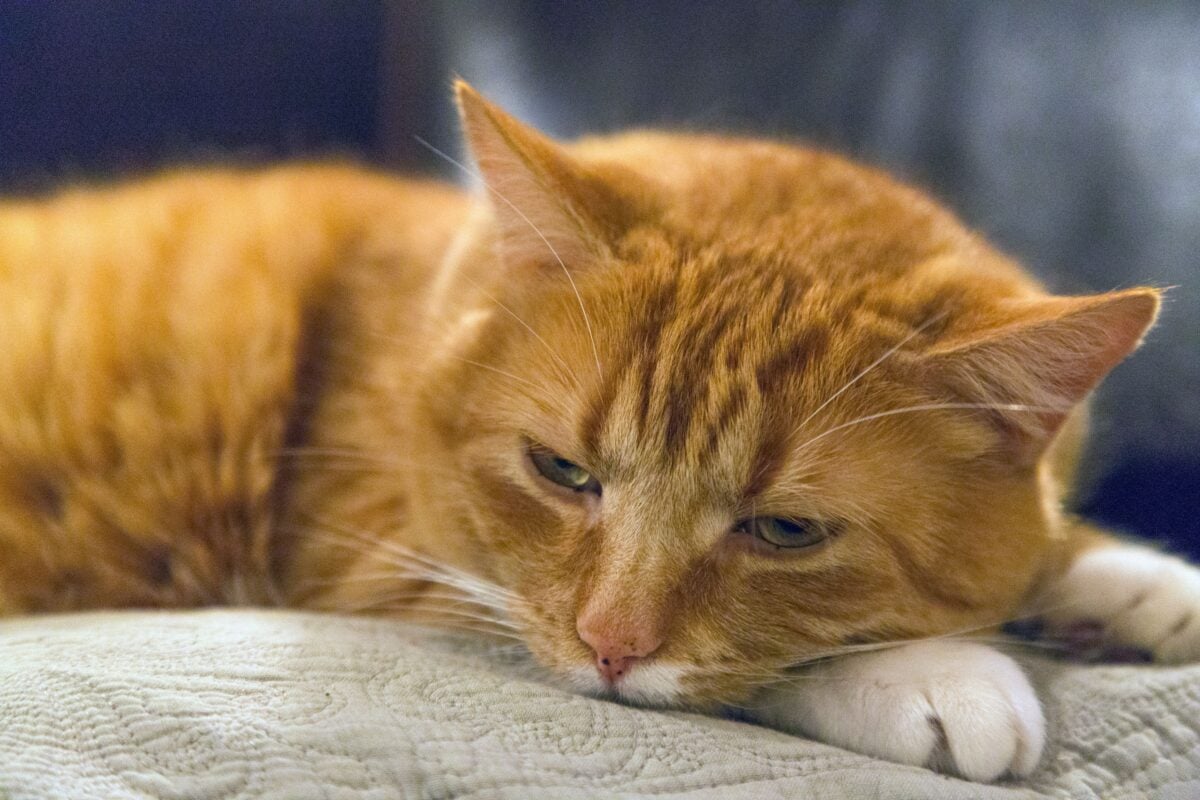
There’s a particular kind of quiet that settles over a house after a cat has lost someone. Not silence exactly, but a watchfulness, as if the animal is waiting for a sound that used to be as regular as the mail. For years, the popular idea was that cats were too self-contained to notice who came and went. That idea has been quietly falling apart under the weight of newer research.
What scientists are finding instead is a memory system that’s more selective than a dog’s, but no less real. Cats don’t hold onto everything. They hold onto what mattered. And the list of what mattered often looks a lot more human than we’d expect.
The sound of your voice, even years later
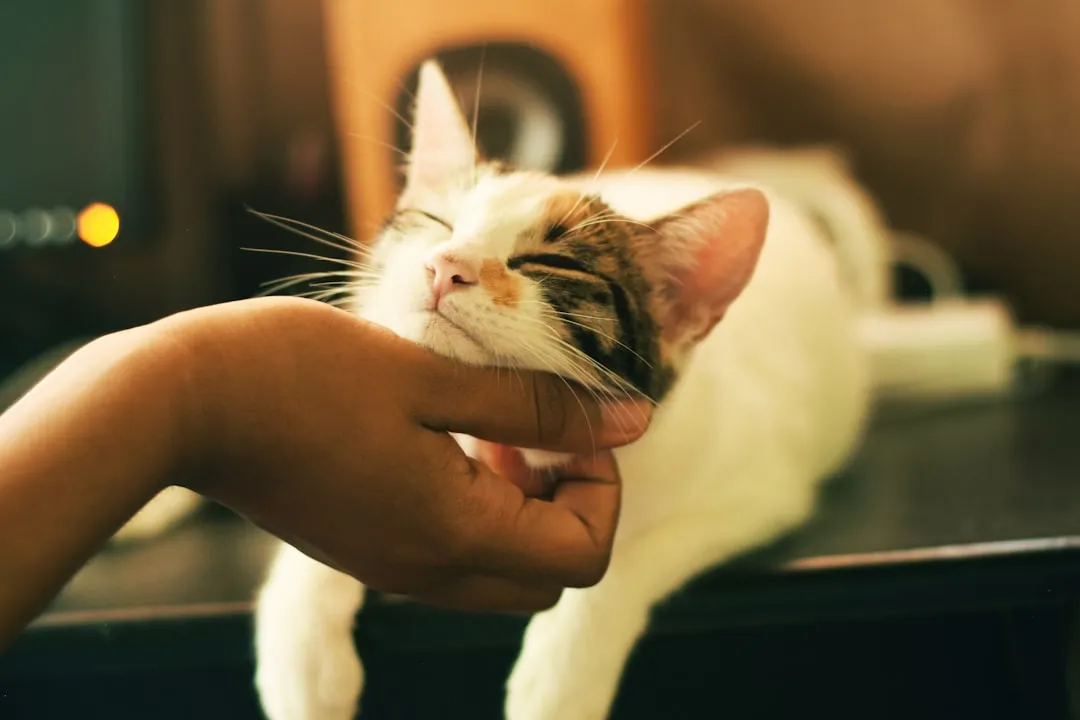
Cats are surprisingly good at filing away the acoustic signature of the people who raised them. A 2013 study published in the journal Behavioral Processes found that cats were able to recall the voice of their owners for up to 10 years, even after long periods of not seeing each other. That’s not a fluke of one experiment either. One study showed that cats responded more to their owner’s voices than those of strangers, with findings released in 2013 prompting interest in the theory that cats recognize and become attached to their owners in various ways.
What’s interesting is how cats seem to notice the tone we use, not just the words. Researchers tested how cats responded to cat-directed speech versus adult-directed speech, and found cats can distinguish the two when it comes from their owners but not when it comes from strangers. That distinction suggests the voice memory isn’t generic. It’s tied to a specific relationship, built from thousands of small exchanges that most owners never think twice about.
Your scent, filed away in a place words can’t reach
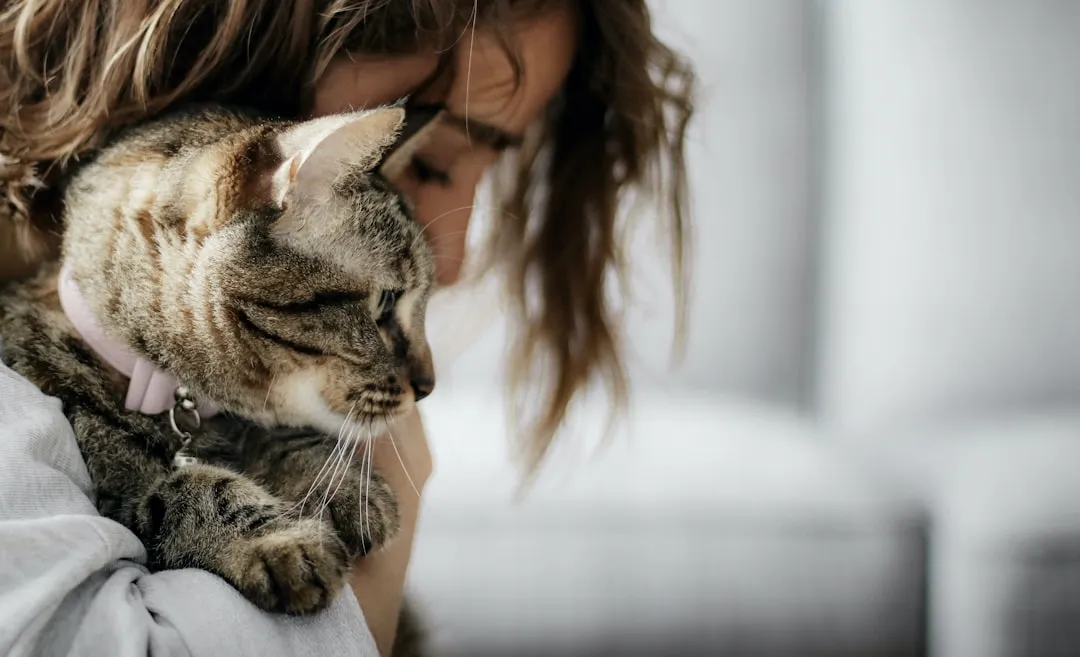
Smell is probably the single most durable thread connecting a cat to the people it loves. Cats identify their owners primarily through scent, and they process familiar and unfamiliar smells differently at a neurological level. In controlled tests, cats presented with cotton swabs carrying different human scents spent noticeably less time sniffing their owner’s scent compared to a stranger’s, confirming they already recognized it.
Even the mechanics of how a cat smells someone are telling. Researchers found cats used their left nostril for familiar odors and their right nostril for unfamiliar or alarming ones, a distinction that reflects different brain hemispheres processing the information, with the right brain handling emotionally charged or novel scents. This is part of why grief counselors and behaviorists tend to caution against a deep clean after someone dies. Resist the urge to rearrange furniture, move food bowls, or wash all the bedding immediately, since the lingering scent profile of the home is actually comforting, and removing it too quickly eliminates one of the cat’s remaining anchors.
Whether you made them feel safe, or on edge
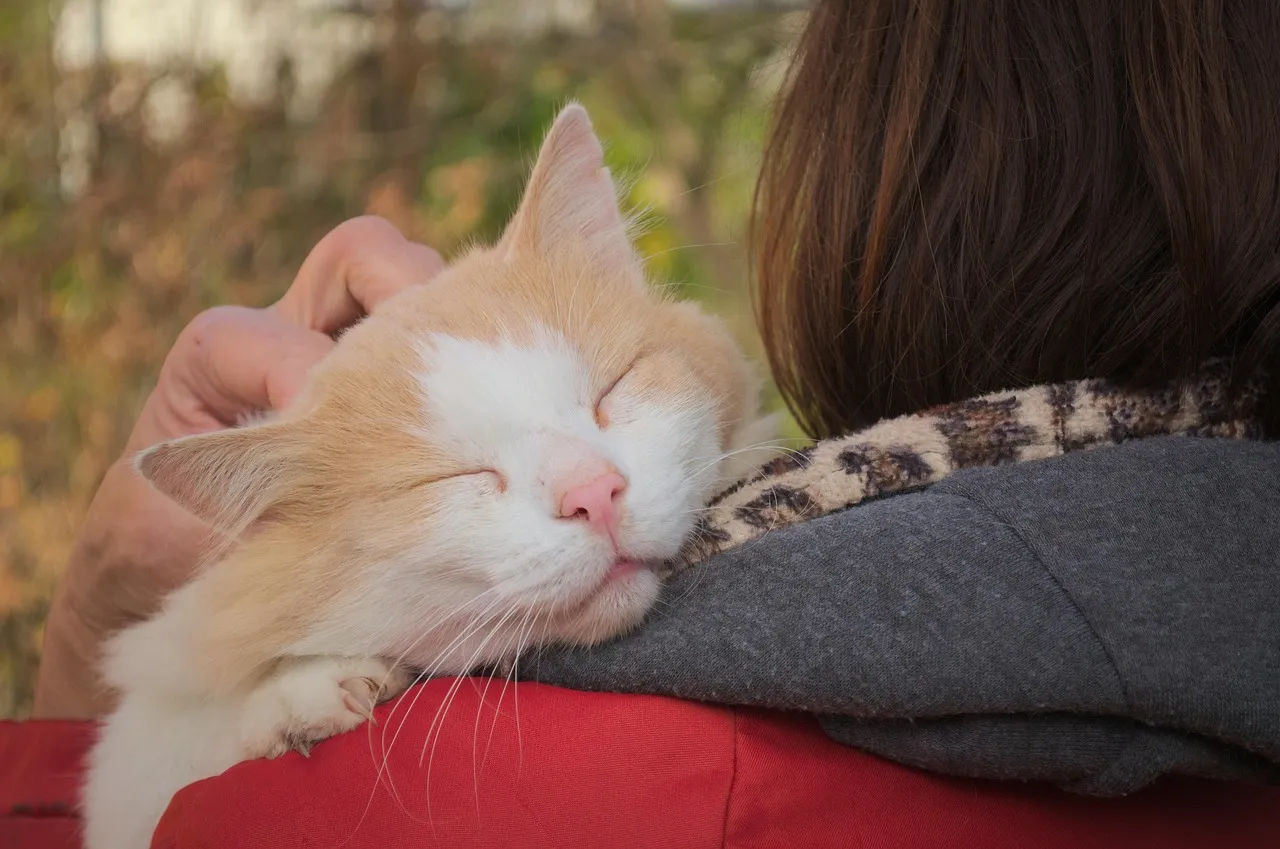
Cats don’t just remember faces and voices, they seem to remember the emotional weather of a relationship. Attachment researchers describe this in terms borrowed from human psychology. Researchers at the Human-Animal Interaction Lab at Oregon State University point to results from their 2019 cat-owner attachment study that indicates most cats rely on their humans as a source of security and comfort.
That sense of security isn’t automatic. It gets built or eroded over time, and the cat appears to keep score. Secure attachment is driven, at least in part, by the memory of associations the cat has made with the person. A cat who was consistently handled gently tends to carry that expectation into every future interaction, while one who wasn’t may stay guarded no matter how kind the next person turns out to be.
The exact spots where life happened
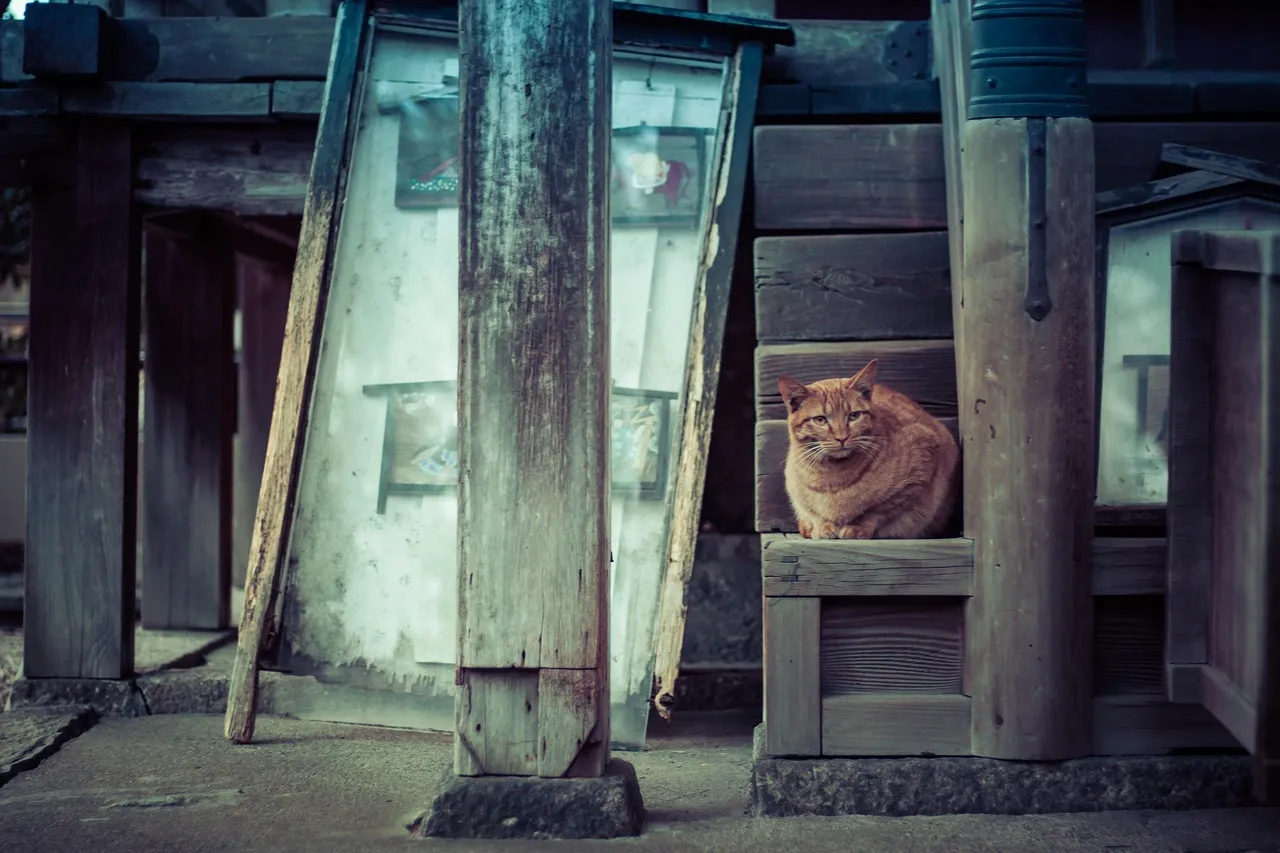
Cats have a strong sense of place, and their memories tend to be anchored to location rather than floating freely in time. Cats remember events best when the location is the same as when the event happened, so if something happened in the kitchen, they’re more likely to remember it when they’re in the kitchen. That spatial wiring becomes especially visible after a loss.
Behaviorists tracking cats after an owner’s death have noticed this pattern repeatedly. Roughly 63% of cats changed their territorial behavior, and the most telling sign was that 36% sought out the deceased’s favorite spots, whether that was a particular chair, side of the bed, or room. It’s less about superstition and more about a cat returning to the last place a memory was strongest, the same way a person might linger in a doorway where something important once happened.
The rhythm of the life you built together

Routine, more than almost anything else, seems to be what cats use to organize their emotional world. Since cats thrive on routine and predictability, they grow to expect daily patterns with their owners, looking forward to specific times for feeding, play, lap time, and sleep. These aren’t trivial habits from the cat’s point of view. They function as a kind of internal clock built entirely around a person.
When that clock stops, cats notice immediately, sometimes before a grieving family even fully processes what’s happened. Cats respond to behavioral cues from their owners, so if the owner starts getting ready for work the cat may expect a treat or petting session, and when the owner comes home the cat likely anticipates playtime and attention. Losing the person behind those cues doesn’t just remove companionship. It removes the entire structure the cat used to predict its day.
The other animals and people who shared their world
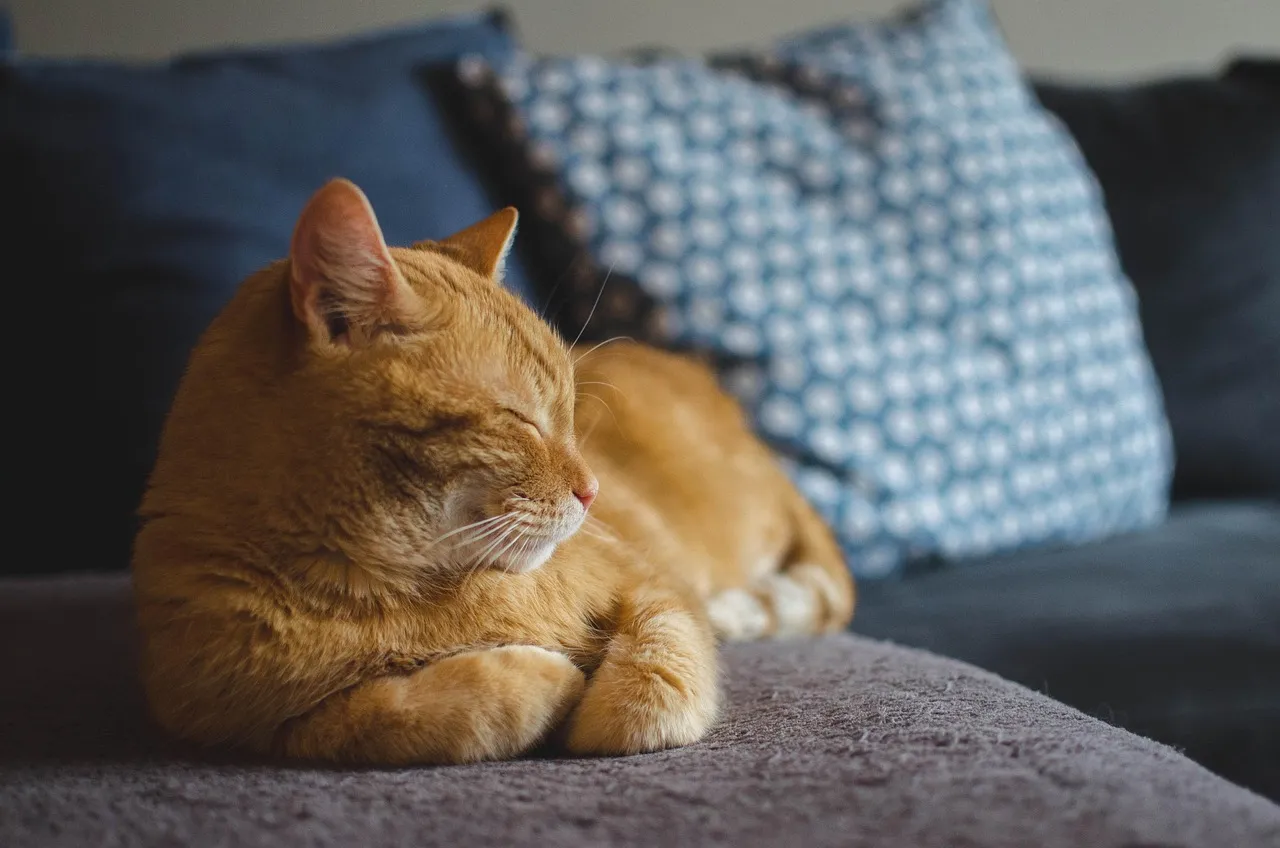
A cat’s memory doesn’t stop at the human it lived with. It extends to the whole social fabric of the household, including other pets. Research suggests that the limbic system, responsible for emotions and memory, is highly developed in cats, enabling them to form strong bonds with their littermates, and this bond allows cats to recognize and remember each other’s scent, vocal patterns, and even behavior.
When one of those companions disappears, whether animal or human, the reaction is often startlingly similar. A study of 452 cats found that many displayed signs of distress, such as increased attention-seeking, vocalising and reduced appetite, following the death of a companion, with the strength of the bond, time spent together, and daily interactions being key factors in this grief-like behaviour. It’s a reminder that a cat’s emotional map usually includes more than one name on it.
The absence itself, long after everything else fades
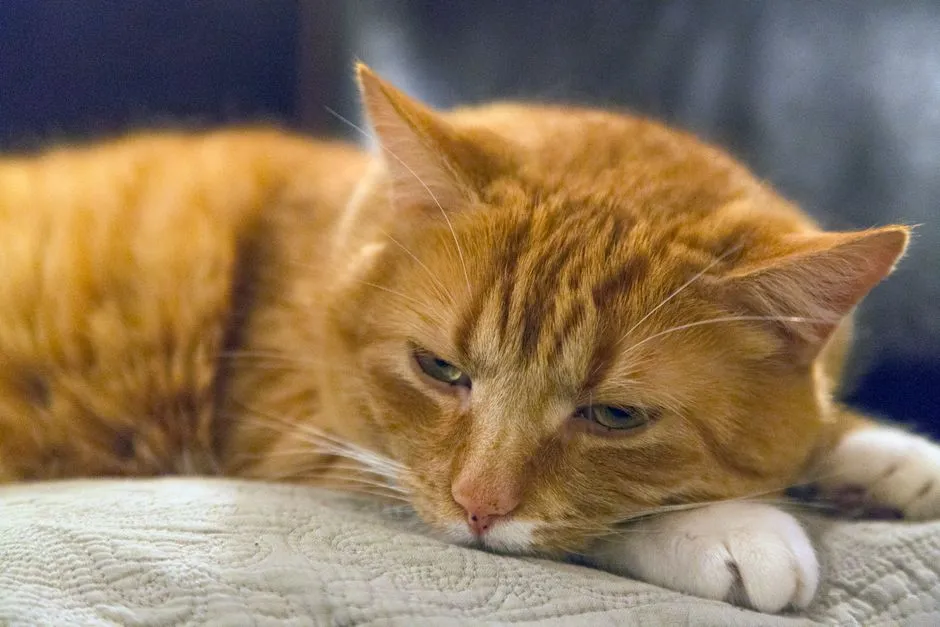
Perhaps the most striking thing cats seem to remember isn’t a person, a sound, or a smell, but the fact that something is simply missing. About 78% of cats showed changes in affectionate behavior after a loss, with 40% demanding more affection from the people still around them and 22% becoming noticeably clingy or needy, while a smaller group of around 15% withdrew and sought less affection than usual.
Some cats express this absence more directly, through searching and vocalizing that can look almost deliberate. Up to 65% of grieving cats exhibit searching behaviors and distress vocalizations, and a 2022 survey found approximately 70% of cats ate less than normal after an owner recently passed away. Researchers are careful to note this isn’t identical to human grief, but the physiological and behavioral signature of loss is measurable, consistent, and hard to dismiss as coincidence.
The takeaway for anyone who’s loved a cat
Here’s my honest read after digging through the research: the old idea of the aloof, forgetful cat needed to die a long time ago. What’s emerging instead is an animal that runs on a quieter, more selective kind of memory, one built almost entirely around emotional significance rather than volume of experience. Cats don’t remember everything. They remember what felt safe, what felt threatening, and who was there for the ordinary moments that added up to a life.
That’s worth sitting with, especially if you’ve ever wondered whether a cat that seemed distant actually cared. The evidence suggests they notice far more than they let on, and they carry it with them longer than most people would guess. If there’s an opinion worth stating plainly, it’s this: the burden of proof has shifted. It’s no longer on the cat to prove it remembers you. It’s on us to stop underestimating how much it does.

- 6 Exotic Bird Species You Can Spot in U.S. National Parks - July 19, 2026
- 11 Iconic American Birds Facing New Challenges and How You Can Help - July 19, 2026
- 10 Friendliest Animals in the World - July 19, 2026