

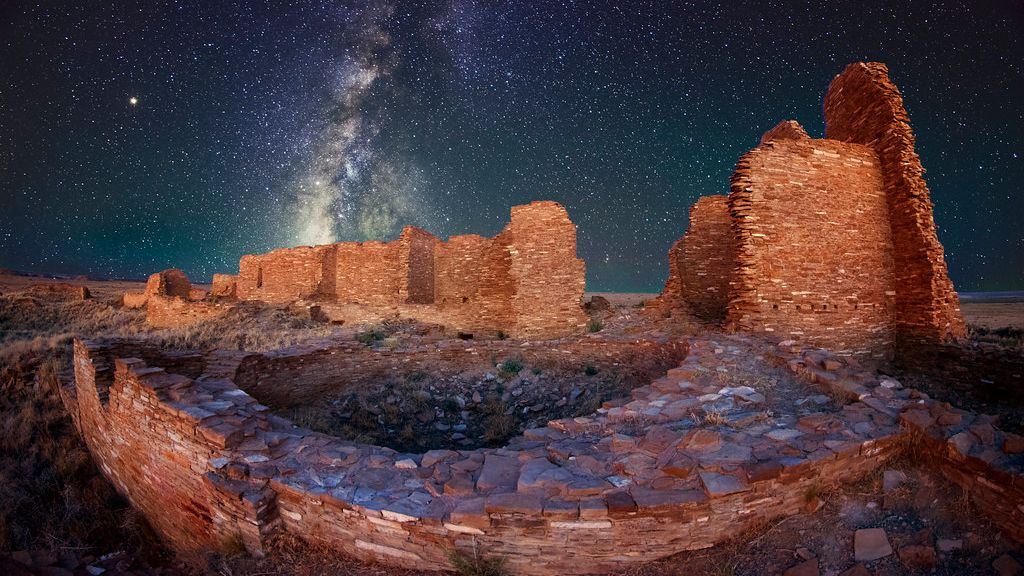
The wind sweeps across the high desert mesas of northern Arizona, carrying stories that stretch back a thousand years. When most people think of Mesa Verde, they picture abandoned cliff dwellings frozen in time. Yet those impressive structures were never truly abandoned in spirit.
The modern Hopi people are among the descendants of the Ancestral Puebloans who once called Mesa Verde home, and their connection to this sacred landscape runs deeper than most visitors realize. It’s not just a historical footnote or an interesting archaeological detail. This relationship is woven into songs, ceremonies, and clan identities that continue to shape Hopi life today. Let’s dive in to discover seven remarkable facts about this ancient bond.
The Hopi Use Their Own Name for the Ancient Ones
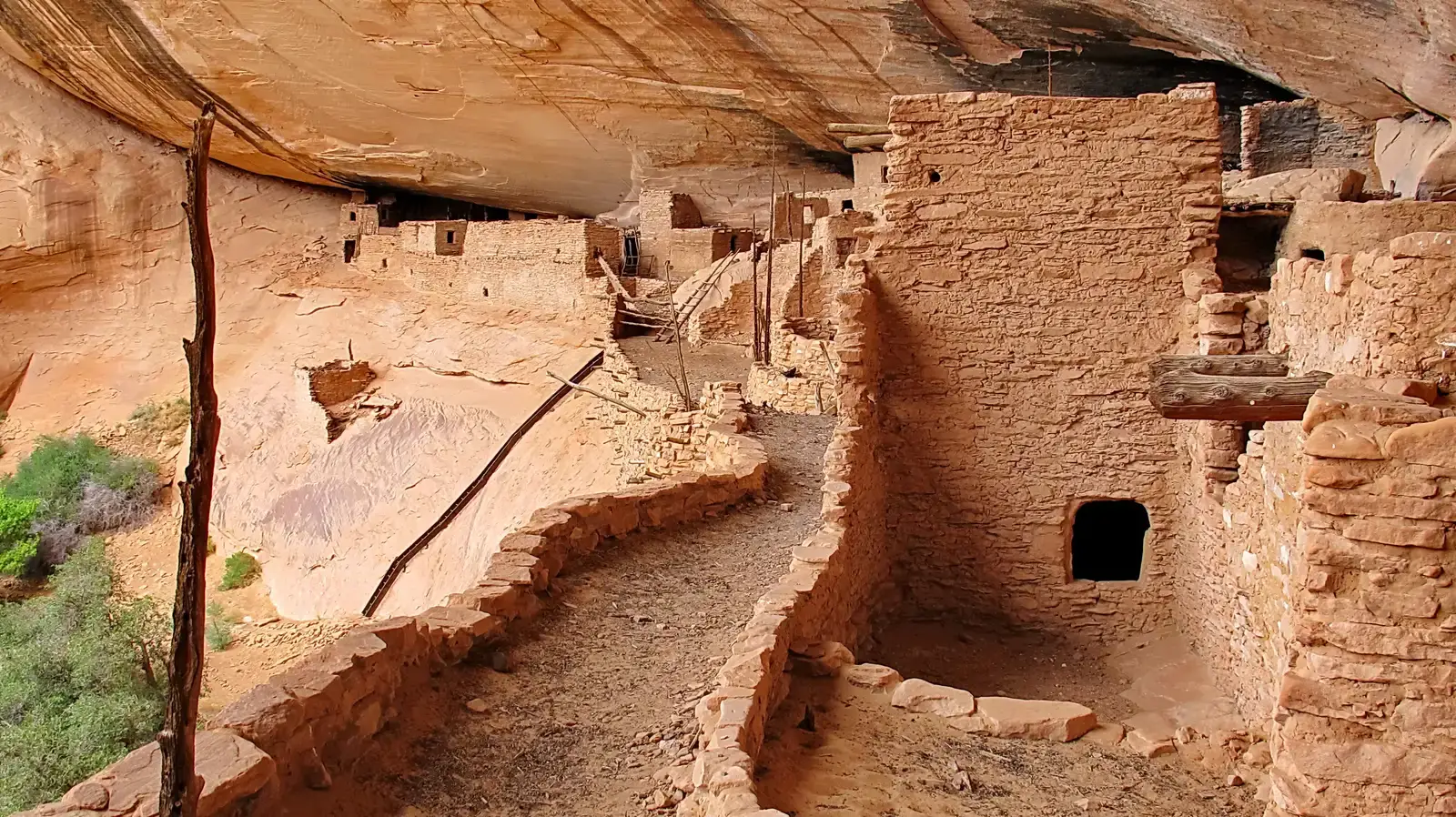
The Hopi people use the term Hisatsinom, meaning ancient people, to describe the Ancestral Puebloans. This linguistic choice matters more than you might think. While archaeologists once commonly used the Navajo term Anasazi, contemporary Pueblos view this term as derogatory and object to its use.
The word Hisatsinom carries no negative connotation. It simply acknowledges ancestors without the baggage of conquest or conflict. Together, the Motisinom and the Núutungkwisinom comprise the Hisatsinom, the people of long ago, who merged over the centuries and evolved modern Hopi society. When a Hopi person speaks of Hisatsinom, they’re talking about family.
Mesa Verde People Migrated to the Hopi Mesas Around 1300 CE
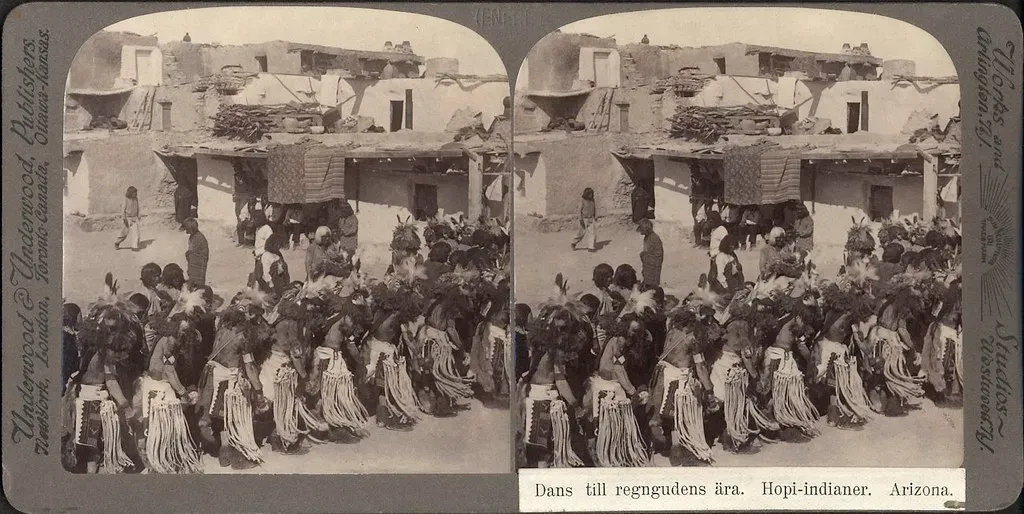
By 1285, following a period of social and environmental instability driven by a series of severe and prolonged droughts, the Ancestral Puebloans migrated south to locations in Arizona and New Mexico. This wasn’t some mysterious disappearance. People from the western communities largely moved into what is now Arizona and forged new relationships and identities with the Hopi.
The mass exodus happened within just one or two generations. In the mid 1200s, an estimated 25,000 people lived in an 1,800 square mile area surrounding what’s now southwest Colorado’s Mesa Verde National Park, yet by the 1280s, there’s no evidence that anyone remained in the region. These families didn’t vanish into thin air – they walked south carrying their traditions, pottery techniques, and sacred knowledge to new homes.
Hopi Clans Trace Direct Lineage to Mesa Verde
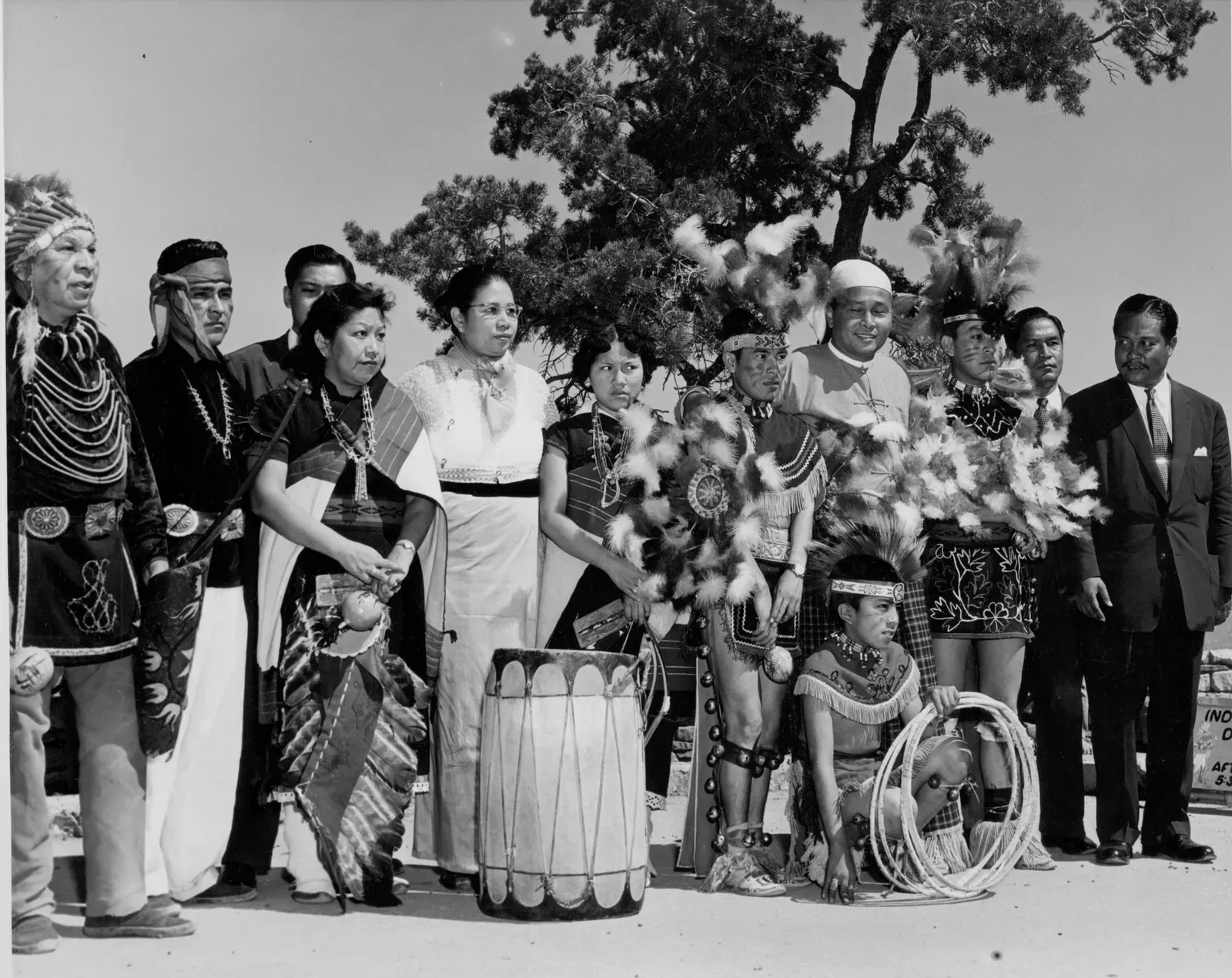
A lot of what we now identify as Hopi originated in an arc to the east: Hovenweep, Mesa Verde, Chaco Canyon, the Jemez Mountains and the Rio Grande Valley. Honestly, the clan system is fascinating. Each Hopi clan carries its own migration story, its own responsibilities, and its own version of how they arrived at the mesas.
The oral and ceramic histories of all the clans tell similar stories but each is told from a different perspective, modified further depending on the clan relationships of the teller of the story. When Hopi people make pilgrimages back to Mesa Verde, they’re not just visiting ruins. They’re returning to ancestral homes where their specific clans once lived, farmed, and held ceremonies.
Kivas Connect Mesa Verde Architecture to Hopi Spiritual Practice
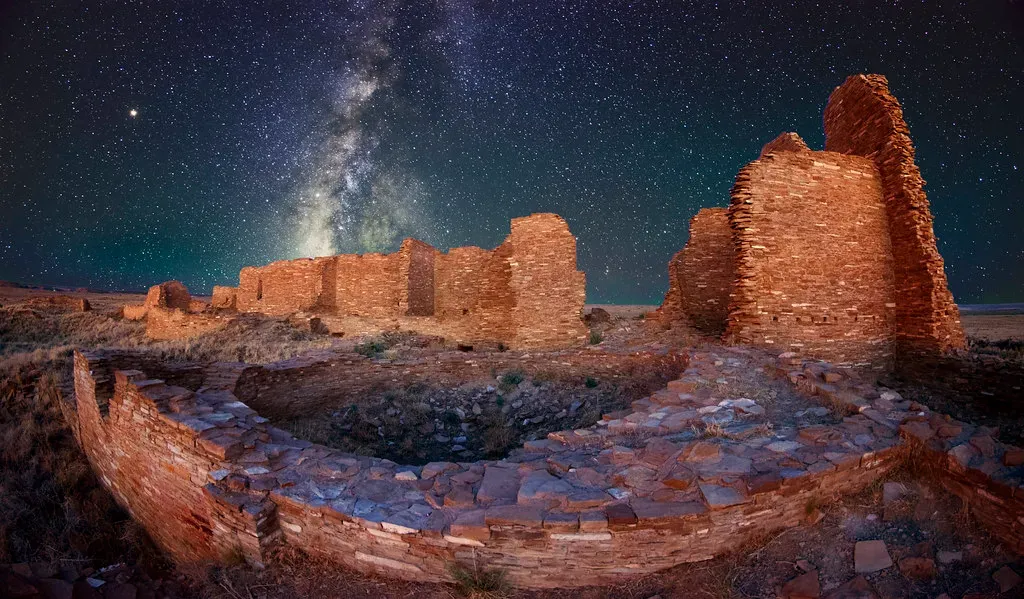
Kivas – the word comes from the Hopi language – are found in or near virtually every living area at Mesa Verde as well as in other sites of the Ancient Puebloans. These circular, subterranean chambers weren’t just architectural features. They were sacred spaces where the spiritual and physical worlds met.
Each kiva has a sipapu, a small hole in the floor representing the opening through which the Hopi emerged from the Third World into the current Fourth World, keeping migration narratives and creation beliefs present in ceremonial practice. Modern Hopi still use kivas today for ceremonies. The continuity is striking – same basic structure, same spiritual purpose, separated by seven centuries.
Hopi Pottery Styles Evolved from Mesa Verde Traditions
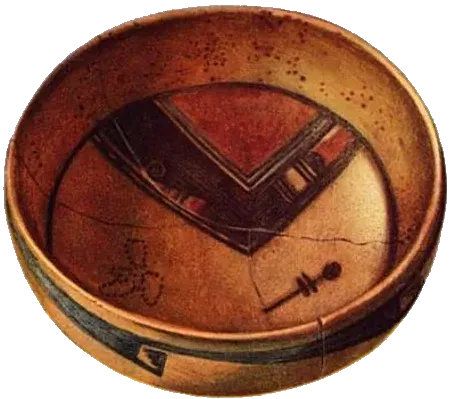
Mesa Verde pottery served as a precursor to Acoma and Hopi pottery. The techniques passed down through generations show remarkable consistency. Starting in about AD 1300, the Hopi fired their pottery with coal rather than wood or dung, which created the distinctive yellow hue that sets Hopi pottery apart.
Nampeyo is credited with the revival of a prehistoric Hopi pottery type named Sikyatki after an archaeological site near First Mesa. Her work at the turn of the 20th century reconnected modern Hopi potters with ancestral designs that stretched back to Mesa Verde times. The painted designs, the coiling techniques, even the spiritual significance of pottery making – all of it flows from those ancient cliff dwellings.
Modern Hopi Collaborate With Archaeologists on Mesa Verde Research
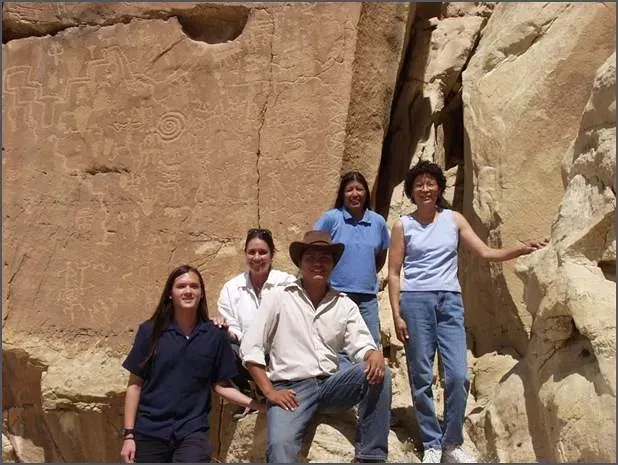
The park collaborates with descendant communities, including the Hopi, Zuni, and Pueblo tribes, to ensure that their voices and perspectives are included in the interpretation and management of the park’s resources. This represents a huge shift in how archaeology gets done. Let’s be real, for too long scientists dismissed oral histories as mere mythology.
There’s now a growing cadre of scientists who are beginning to use oral histories to help answer some of their fields’ most puzzling questions. When Hopi elders explain the meaning behind petroglyphs or discuss why their ancestors left certain areas, modern Hopi have interpreted the petroglyphs at Mesa Verde’s Petroglyph Point as depictions of various clans of people. That’s knowledge that no amount of carbon dating can replace.
The Mesa Verde Migration Shaped Core Hopi Religious Beliefs
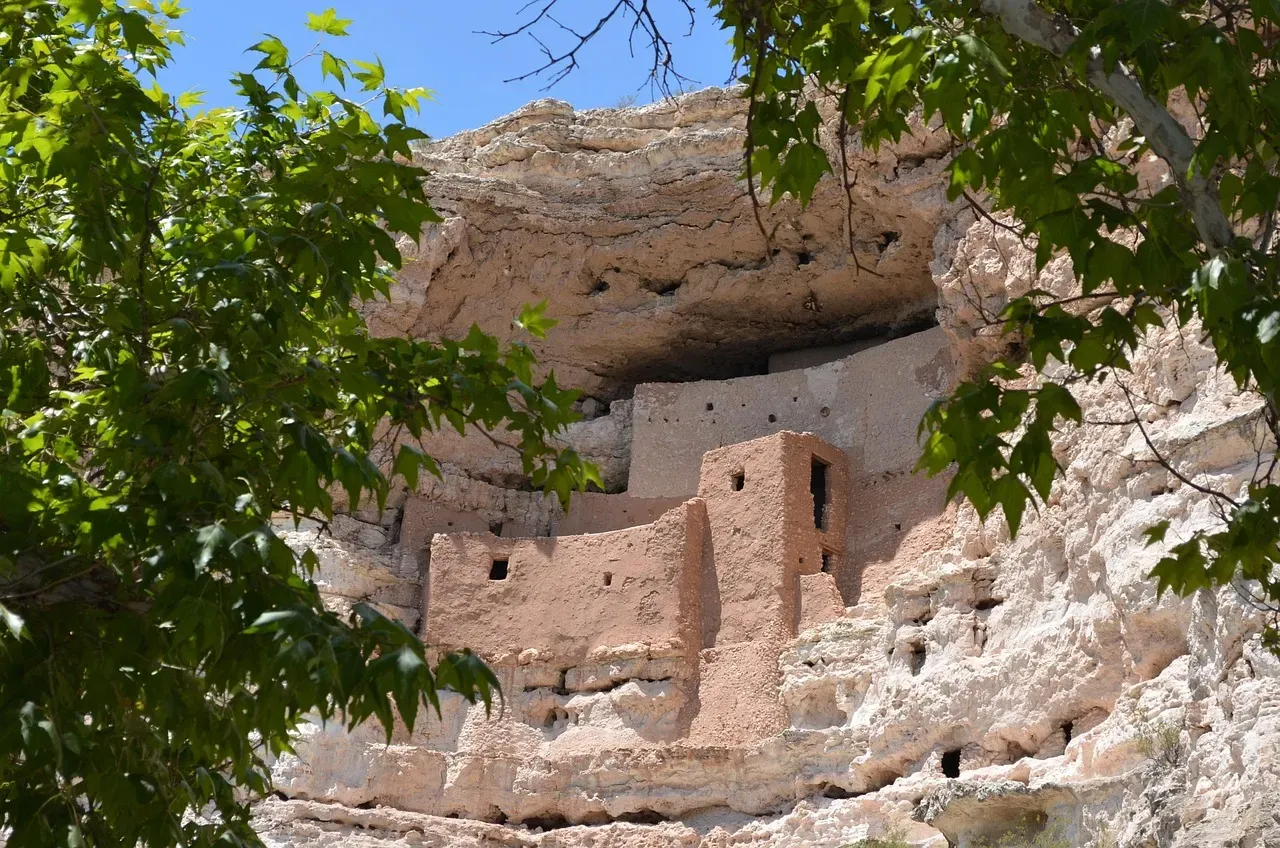
The archaeological record and accounts from Hopi people paint a dynamic picture, full of migrations, gatherings, and dispersals of people; a search for the center place; and the struggle to reconcile different cultural and religious traditions. Migration isn’t seen as failure or tragedy in Hopi culture. It’s part of a sacred cycle.
The mesas themselves hold sacred meaning as the Hopi’s destined home, promised to them by spiritual beings at the end of their migrations. When asked why the Ancestral Puebloans left Mesa Verde, a Hopi elder’s reply was, Because it was time. That simple statement contains profound wisdom – the journey itself held meaning, and each stopping place, including Mesa Verde, was a necessary step in becoming Hopi.
The connection between the Hopi and Mesa Verde transcends mere historical curiosity. It’s a living relationship that continues to inform spiritual practice, artistic tradition, and cultural identity. When the Hopi look at those sandstone cliff dwellings, they don’t see mystery – they see home. They see the footsteps of grandmothers and grandfathers who walked the same paths, planted the same crops, and prayed to the same spirits. The stones may be silent to some visitors, but to the Hopi, they still sing. What stories do you think your own ancestors left behind in the places they once called home?

From exploring the marine wonders in the Azores and witnessing the vast savannas of Kenya, to delving deep into the rich biodiversity of South Africa and traversing iconic landscapes in Australia and the US like Yellowstone, Chris's experiences are vast.
With a penchant for diving alongside sharks, the ocean holds a special place in his heart.
Through his academic insights, he champions wildlife conservation, striving with 'Animals Around The Globe' to cultivate a profound connection between humans and animals, enhancing our mutual appreciation.
Connect with him at Feedback@animalsaroundtheglobe.com.
- This Monkey Has a Mustache - July 21, 2026
- How Steve Irwin Changed the World’s View of Wildlife - July 21, 2026
- The Catfish That Caused Earthquakes in Japanese Folklore - July 21, 2026