
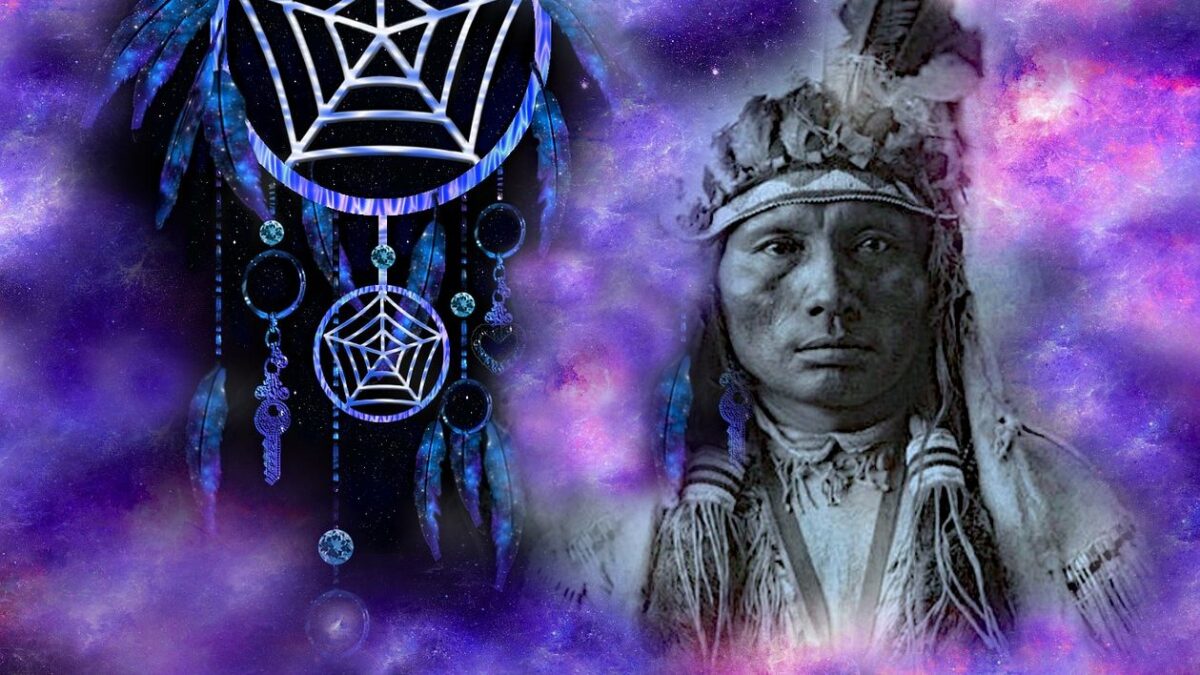
Picture this: a vast homeland stretching across three states, larger than some entire countries, where ancient traditions meet modern resilience. The Navajo people, or Diné as they call themselves, have crafted one of the most remarkable stories of survival and cultural preservation in North American history.
Their journey spans centuries of adaptation, from sacred ceremonies conducted in hidden canyons to code words whispered across Pacific battlefields during World War II. From intricate silver jewelry that gleams with turquoise to complex languages that once puzzled enemy cryptographers, the Navajo Nation represents far more than statistics can capture.
They Are Actually the Second Largest Tribe in the United States
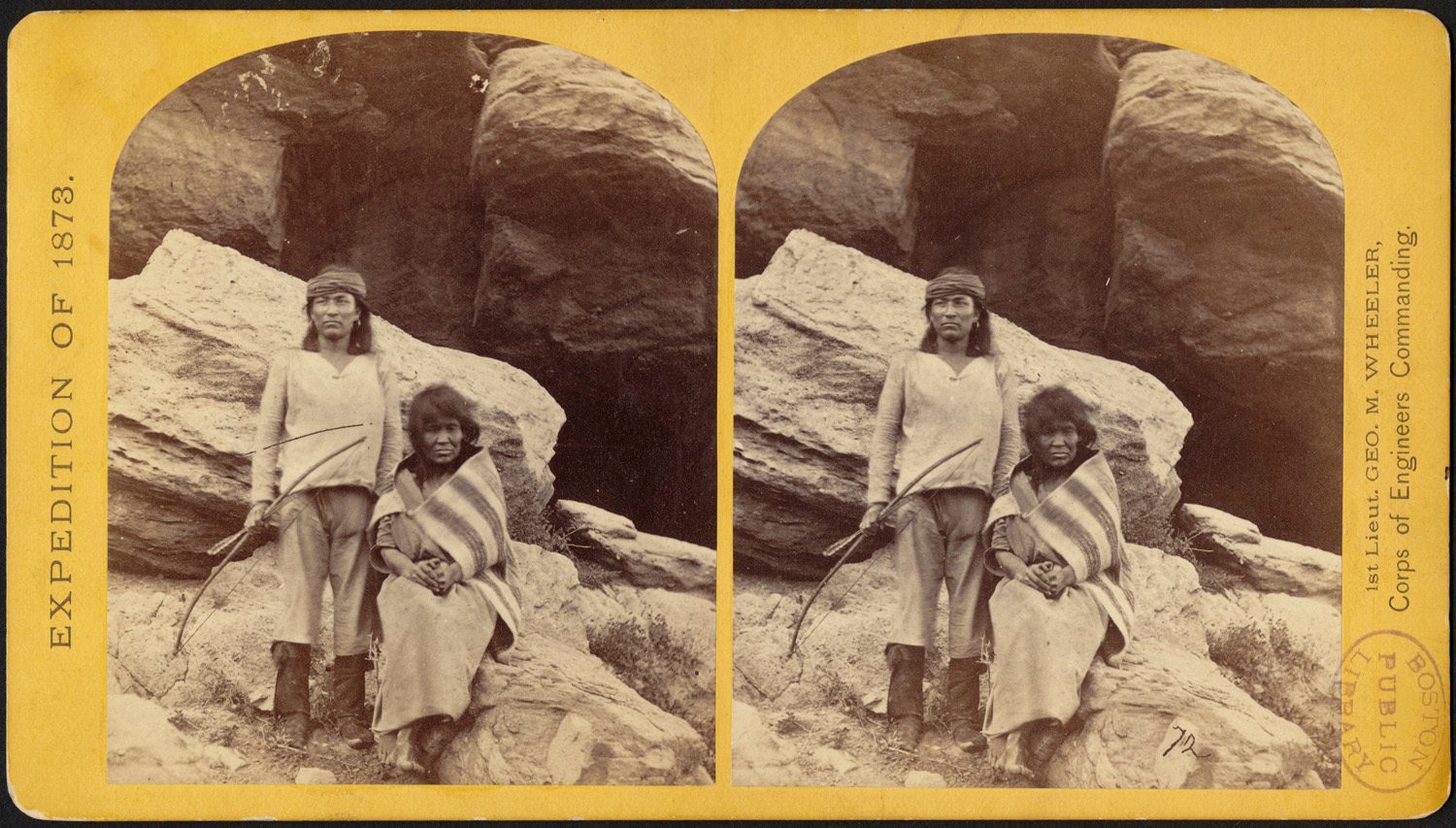
The U.S. census of 2020 counted 392,962 Navajos in all states and territories, with more than 399,494 enrolled tribal citizens as of 2021, making the Navajo Nation one of the largest federally recognized tribes in the United States. This places them just behind the Cherokee Nation in terms of total population. The Cherokee Nation is the largest federally recognized tribe in the United States with over 430,000 tribal citizens, while the Navajo Nation ranks among the largest tribes by population.
The states with the largest Diné populations are Arizona (140,263) and New Mexico (108,305), with more than three-quarters of the Diné population residing in these two states. However, nearly half of the enrolled members of the Navajo tribe live outside the nation’s territory. This widespread distribution reflects both historical displacement and modern mobility, yet the cultural connections remain strong regardless of geographic location.
Their Reservation Is Massive – Larger Than Most US States
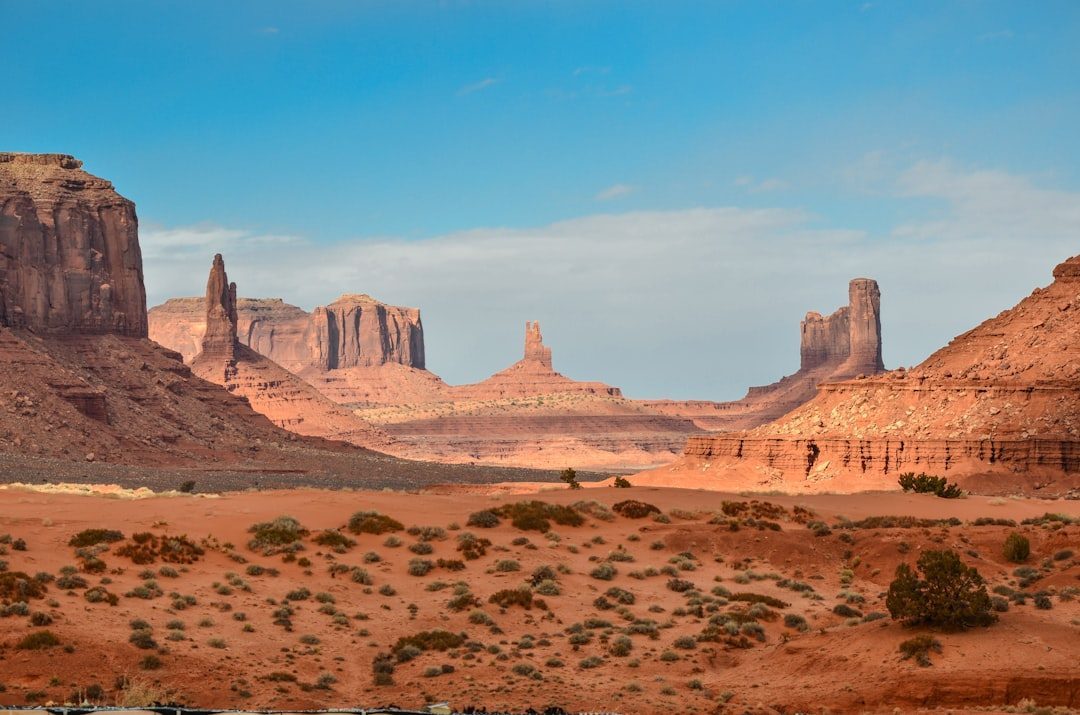
The Navajo Nation has the largest reservation in the country, straddling the Four Corners region and covering more than 27,325 square miles (70,770 square kilometers) of land in Arizona, Utah, and New Mexico. To put this in perspective, the Navajo Nation stands as the largest reservation, encompassing over 27,000 square miles across Arizona, New Mexico, and Utah, making it larger than West Virginia.
The Navajo Nation dominates as both the largest by area and population, with 169,321 residents living across 17.5 million acres spanning three states, making this reservation larger than ten different US states. The sheer scale becomes even more impressive when you consider that in the early 21st century their reservation and government-allotted lands in New Mexico, Arizona, and Utah totaled more than 24,000 square miles (64,000 square km). This vast territory contains some of America’s most iconic landmarks, including Monument Valley, Canyon de Chelly, and portions of the Grand Canyon.
The Navajo Language Became America’s Most Famous Unbreakable Code
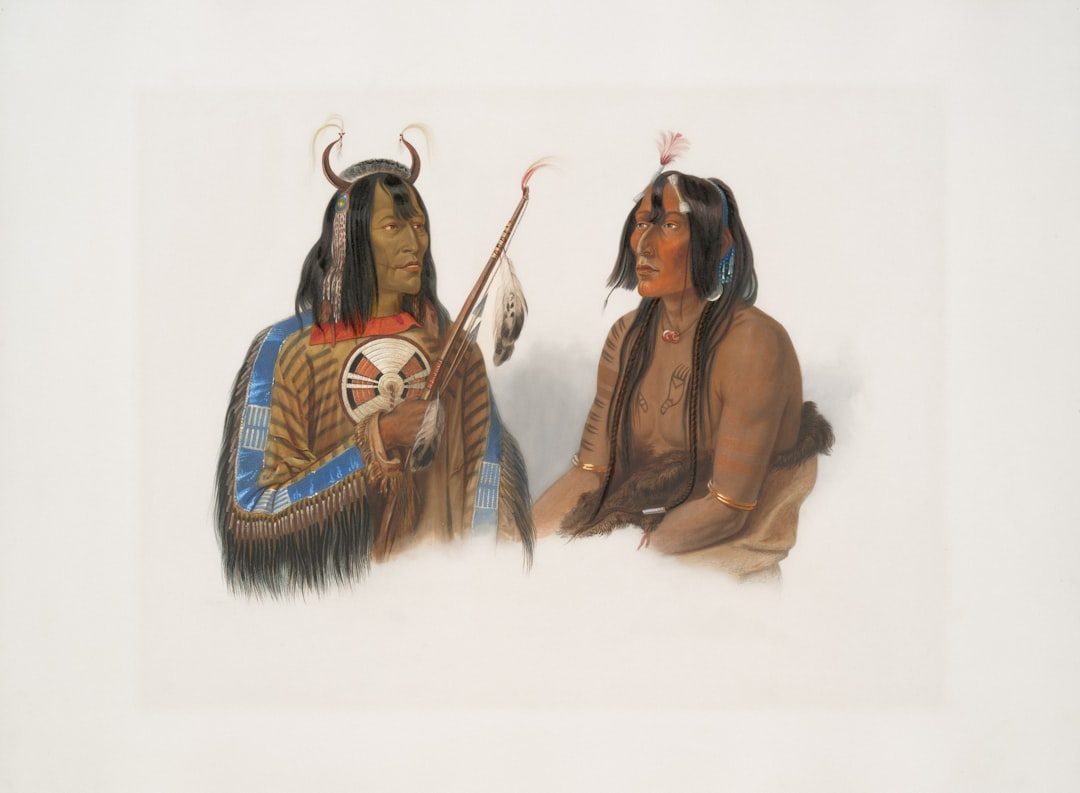
During World War II, the Navajo language transformed into one of the most effective military codes in history. One estimate indicates that less than 30 non-Navajos, none of them Japanese, could understand the language at the outbreak of World War II, as Johnston believed Navajo answered the military requirement for an undecipherable code because Navajo is an unwritten language of extreme complexity. The language’s unique characteristics made it virtually impossible for enemies to crack.
By the end of the war, some 400 Navajos had served as Code Talkers and 13 had been killed in action, with approximately 461 Navajo Marines serving as code talkers. Johnston staged tests under simulated combat conditions, demonstrating that Navajos could encode, transmit, and decode a three-line English message in 20 seconds while machines of the time required 30 minutes to perform the same job, with Code Talkers able to translate three lines of English in 20 seconds, instead of the 30 minutes it took to encode a message with existing machines. At Iwo Jima, Major Howard Connor, 5th Marine Division signal officer, declared, “Were it not for the Navajos, the Marines would never have taken Iwo Jima,” as Connor had six Navajo code talkers working around the clock during the first two days of the battle, sending and receiving over 800 messages, all without error.
Sand Paintings Are Sacred Art Forms That Heal Through Spiritual Power
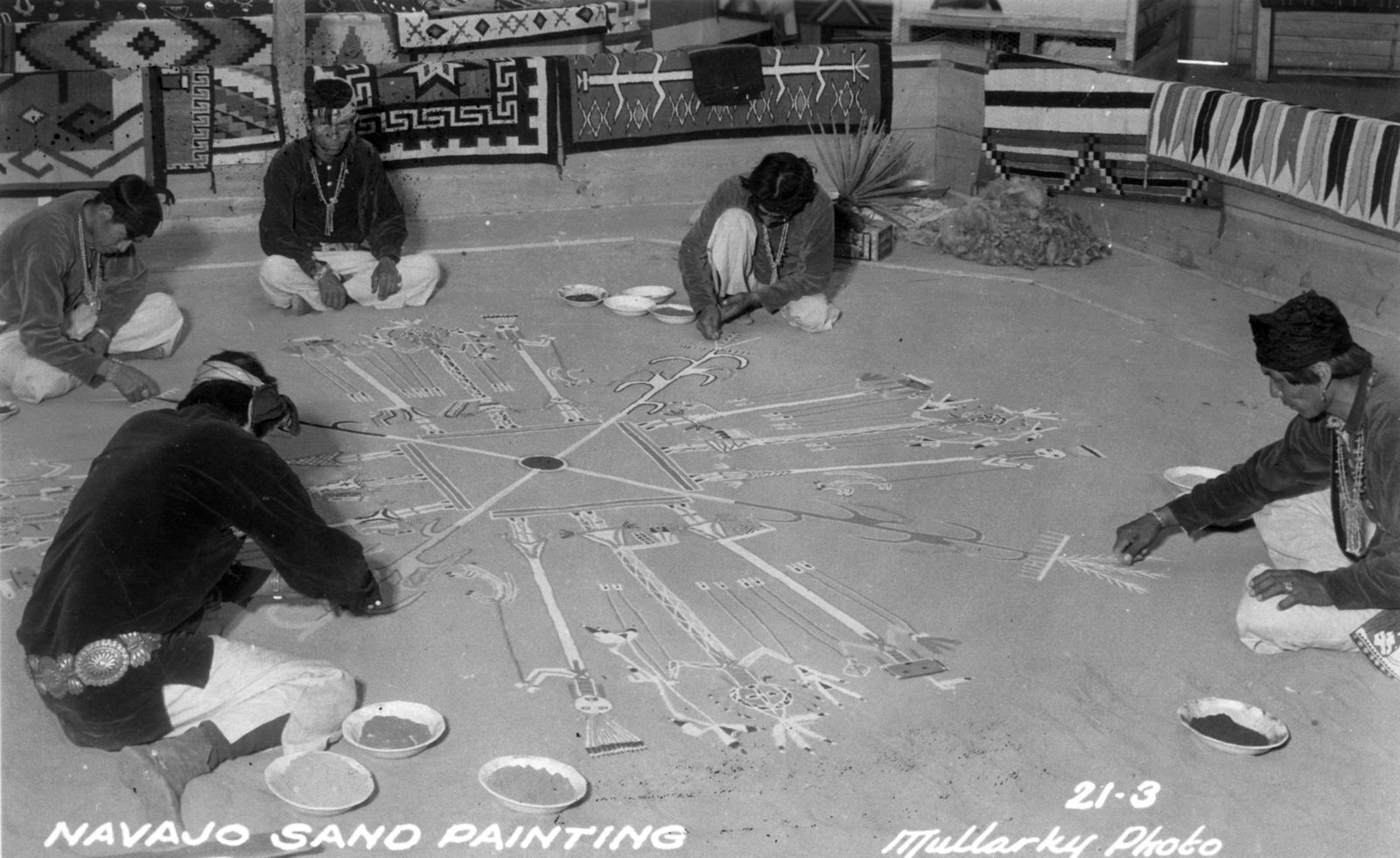
Navajo Sandpaintings, also called dry paintings, are called “places where the gods come and go” in the Navajo language and are used in curing ceremonies in which the gods’ help is requested for harvests and healing. These aren’t mere artistic expressions but powerful spiritual tools with profound religious significance. According to Navajo belief, a sandpainting heals because the ritual image attracts and exalts the Holy People; serves as a pathway for the mutual exchange of illness and the healing power of the Holy People; identifies the patient with the Holy People it depicts; and creates a ritual reality in which the patient and the supernatural dramatically interact.
Perhaps one of the most sacred forms of art is the Navajo sand painting, primarily used in ceremonial practice, as sand paintings were never intended as a means for self-expression, and they are traditionally destroyed after a ceremony takes place. Sand paintings were constructed on the floor of the hogan by sifting various powdered herbs, sand, and other powdery materials, with the sick person given a special herb to drink and told to sit in the center of the dry painting, where the shaman touched the head of the figure, then touched the patient’s head and chanted, repeating this with each part of the body, before the sand painting was removed before sundown and buried beneath trees that stood north, south, east, and west of the hogan.
Navajo Weaving Represents One of the World’s Most Sophisticated Textile Arts
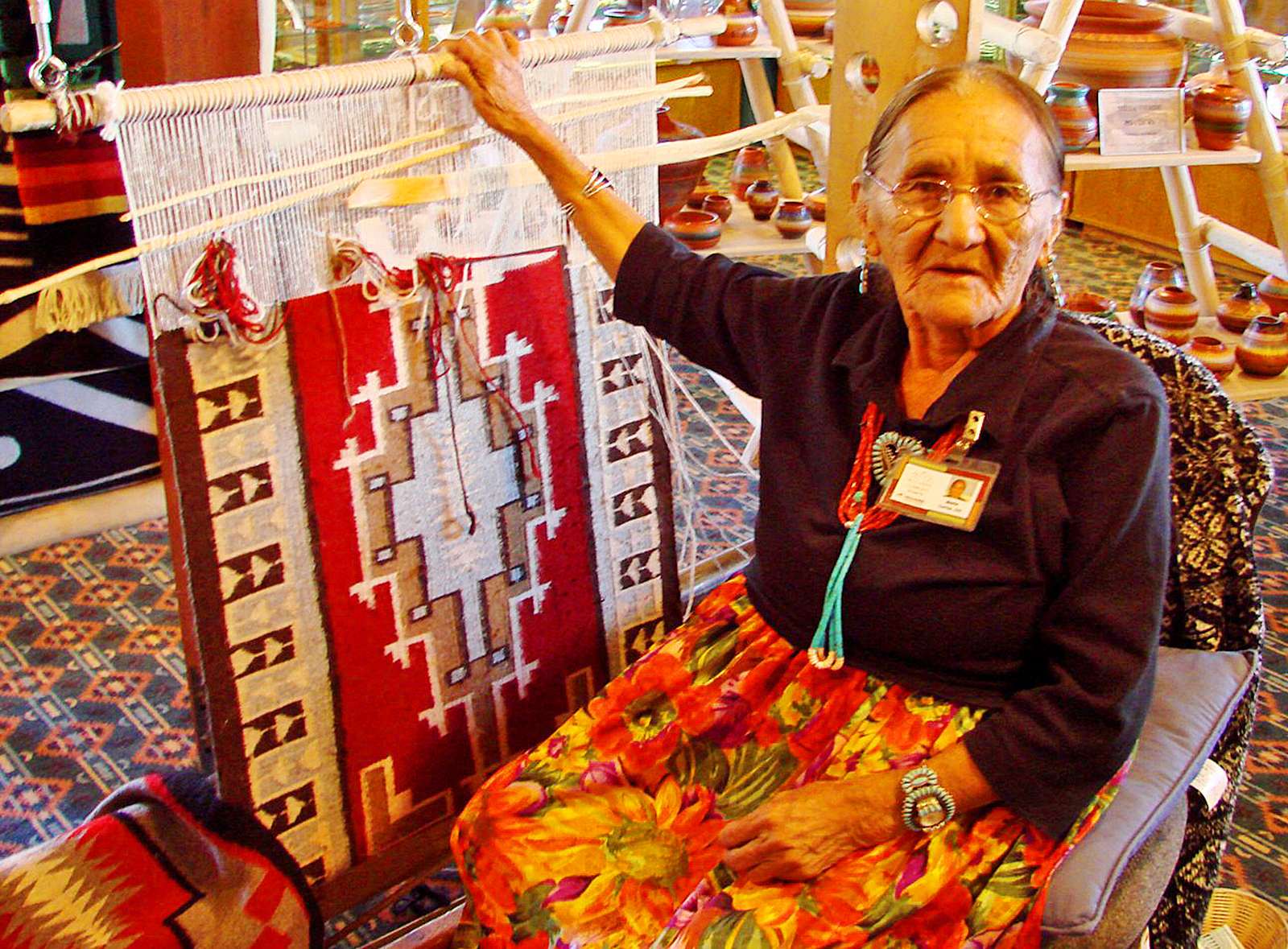
Navajo weaving is renowned worldwide for its intricate patterns, vibrant colors, and exceptional craftsmanship, as this art form is not merely decorative; it carries deep cultural significance, often telling stories or representing spiritual beliefs, with the techniques and designs used in Navajo weaving passed down through generations, ensuring the preservation of this valuable art form. The tradition itself has mythical origins. According to Navajo myth, the Dine, or the People, were led to the Southwest from the underworld by the Holy People, with Spider Man teaching the Navajos how to make a loom from sunshine, lightning and rain, while Spider Woman taught them to weave.
During the years before 1864, known as the Classic Period (1650-1863), Navajo women wove textiles that ranged from thick utility blankets (diyugis) to extremely fine “wearing” blankets, with the broadly striped “Chief blankets” so named because they were prized items of trade between high-status members of neighboring tribes and early traders. The rug or blanket was never complete or perfect because the Navajo believed it would offend the spirits. This deliberate imperfection, known as a “spirit line,” demonstrates how spiritual beliefs are woven directly into the fabric of Navajo artistic expression.
Their Silversmithing Tradition Began With Recycled Coins
The Navajo started silverwork in the late 1800s, first hammering Spanish and Mexican coins into silver buttons that were sewn onto their clothing and cut off when money was needed, before the Treaty of 1868 gave the Navajo people specialized tools for silversmithing. This practical beginning evolved into one of the most recognizable Native American art forms. Another important Navajo artistic tradition, the creation of silver jewelry, dates from the middle of the 19th century and was probably first learned from Mexican smiths.
Beyond weaving, the Navajo Nation’s mastery extends to silver jewelry, with their silversmithing techniques equally impressive, resulting in stunning pieces often adorned with turquoise and other stones, as the characteristic designs and masterful techniques used in the creation of Navajo silver jewelry are a unique cultural expression. Today, Navajo jewelry commands respect in art galleries worldwide, representing not just beautiful craftsmanship but centuries of cultural adaptation and artistic innovation. The transformation from repurposed coins to museum-quality pieces illustrates the tribe’s remarkable ability to blend necessity with artistry.
They Face Modern Challenges While Preserving Ancient Traditions
The Navajo Nation continues to face significant challenges including water scarcity, with approximately 30% of households lacking running water, despite being home to over 250,000 people when including those enrolled but living off-reservation. The Navajo Nation faces numerous challenges, including high rates of poverty and unemployment, limited access to healthcare and education, and environmental concerns, with addressing these issues a critical priority for the nation. These modern struggles exist alongside unique health challenges that affect the community disproportionately.
Diabetes mellitus is a major health problem among the Navajo, Hopi and Pima tribes, whose members are diagnosed at a rate about four times higher than the age-standardized U.S. estimate, with medical researchers believing increased consumption of carbohydrates, coupled with genetic factors, play significant roles in the emergence of this chronic disease among Native Americans. Yet despite these challenges, in the early 21st century many Navajo continued to live a predominantly traditional lifestyle, speaking the Navajo language, practicing the religion, and organizing through traditional forms of social structure, while Navajo men and women also continued the tradition of volunteering for the armed services at a high rate. This balance between honoring tradition and adapting to contemporary realities demonstrates the resilience that has defined the Navajo people throughout their history.
Conclusion
The Navajo Nation’s story transcends simple facts and figures. From their vast homeland that dwarfs most US states to their unbreakable wartime code, from sacred sand paintings that heal souls to silver jewelry that captures light and heritage, the Diné people have created a legacy of remarkable depth and resilience.
Their journey reminds us that cultural survival isn’t just about preserving the past but about creatively adapting traditions to meet present challenges. Whether it’s a grandmother teaching her granddaughter to weave on a centuries-old loom or young veterans carrying forward the code talker tradition of service, the Navajo continue to prove that tradition and progress aren’t opposing forces but complementary strengths.
What aspect of Navajo culture surprised you the most? Tell us in the comments.

- 6 Exotic Bird Species You Can Spot in U.S. National Parks - July 19, 2026
- 11 Iconic American Birds Facing New Challenges and How You Can Help - July 19, 2026
- 10 Friendliest Animals in the World - July 19, 2026