
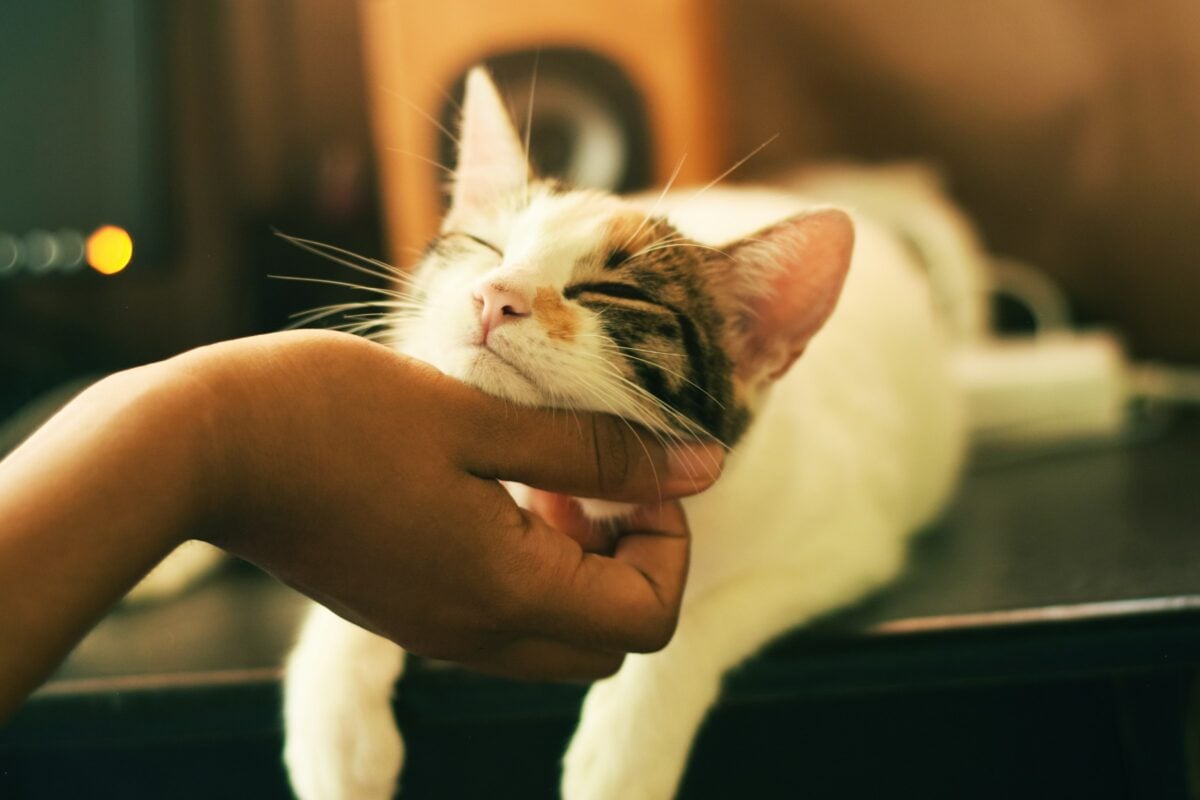
Cats have a reputation for being aloof, and it’s not entirely fair. They just don’t announce affection the way dogs do, with a full-body wiggle and an eager bark. Instead, feline love tends to show up in small, quiet gestures that are easy to miss if you’re not paying attention. Once you learn to read them, though, you start noticing them everywhere, and your cat starts to feel a little less mysterious and a lot more devoted.
#1 The slow blink, feline sign language for trust
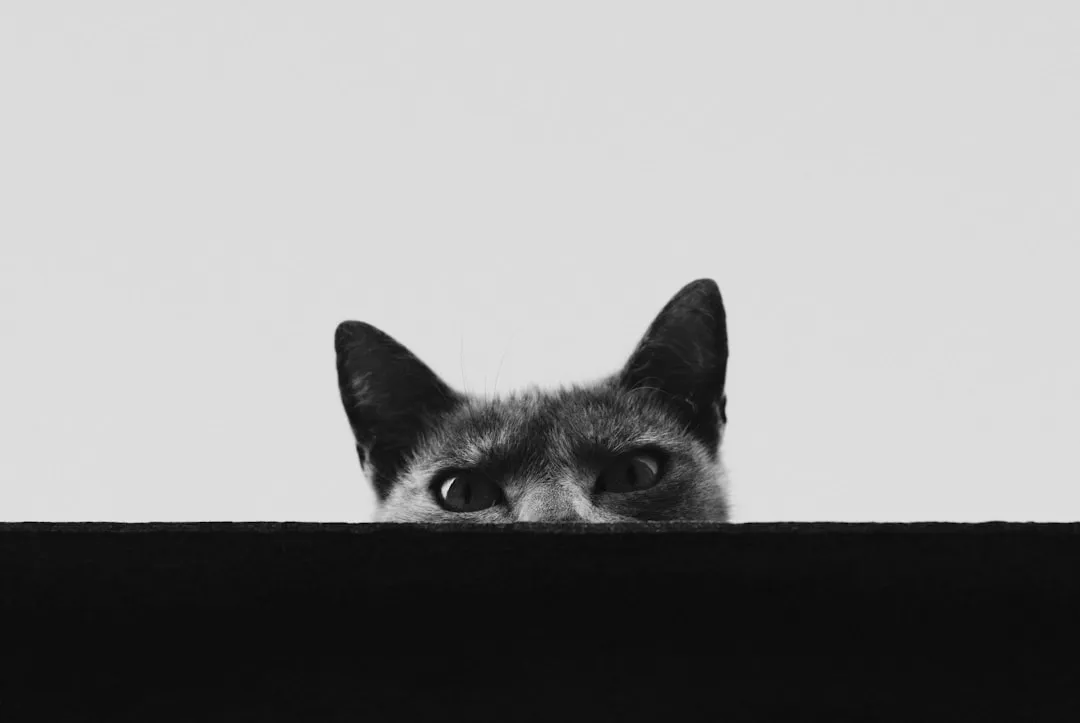
If your cat has ever locked eyes with you and then closed them slowly, almost lazily, you’ve witnessed one of the most well documented signals in feline behavior. Rather than the human way of baring teeth, cats show a friendly expression by narrowing their eyes and blinking slowly, an expression that occurs when a cat is relaxed and content. Researchers at the University of Sussex confirmed this isn’t just anecdotal cat-owner folklore either.
According to their study, cats are more likely to approach an unfamiliar person who slow-blinks at them than someone who keeps a neutral face. The reasoning behind it is fairly intuitive once you think about it from a cat’s perspective. Closing their eyes in the presence of another creature makes cats vulnerable, since they can’t detect potential threats, so slow blinking demonstrates trust and signals that they feel safe and relaxed in your company. Try it yourself next time your cat gazes at you. Narrow your eyes gently and blink slowly back, and there’s a good chance you’ll get one right back.
#2 Kneading you like bread dough
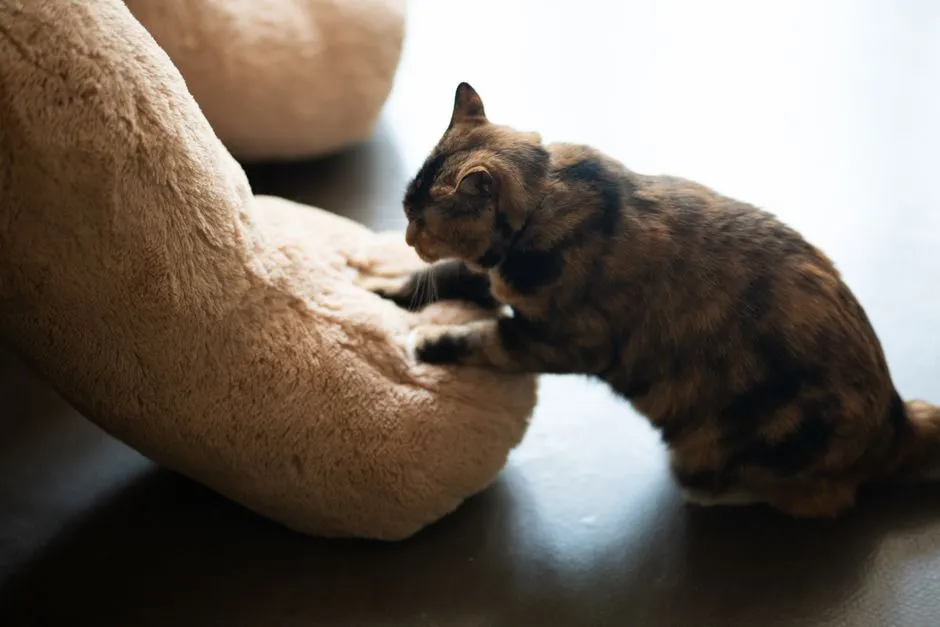
That rhythmic paw-pressing motion cats do on blankets, laps, and sometimes your stomach at six in the morning has a name that sounds almost culinary: making biscuits. It looks silly, but it’s rooted in something tender. Kittens often knead while nursing from their mother to stimulate milk production.
Because nursing and being around a mother cat’s calming pheromones encourages a sense of contentment in young kittens, many cats will continue to knead into adulthood to create a similar sense of calm and relaxation. When a grown cat kneads you specifically, it’s not just muscle memory. Cats who knead their owners are often expressing affection and seeking comfort, and it’s a sign that they trust you and feel safe with you. There’s also a scent component involved, since paw pads carry glands that mark you as part of their territory, which in cat terms is basically a compliment.
#3 Head bunting and cheek rubs
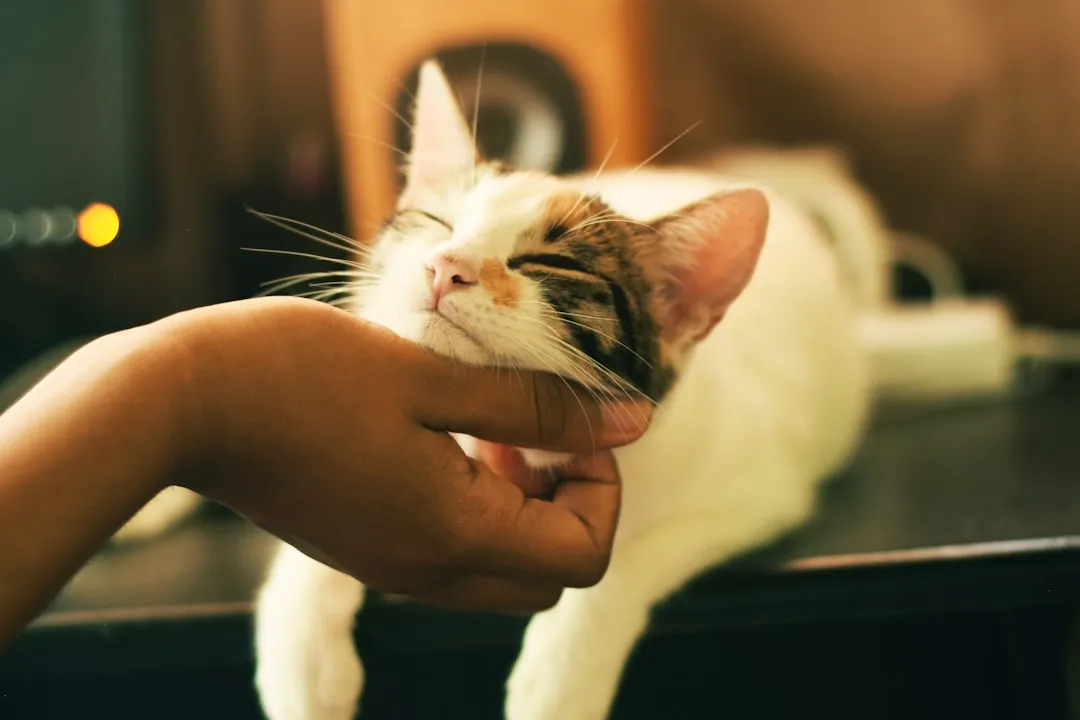
When a cat presses its forehead or the side of its face against you, it’s doing something far more intentional than it might look. This behavior, sometimes called bunting, is a form of scent marking that cats reserve for things and creatures they consider part of their inner circle. Cats have scent glands concentrated around their face, and rubbing them against you deposits pheromones that essentially say you belong to their world.
It’s worth noting that cats don’t bunt just anyone or anything. They tend to reserve it for people, animals, and even objects they associate with safety and familiarity. If your cat headbutts your shin every morning or nuzzles your hand before settling in for a nap, consider it a small ritual of belonging, a way of blending your scent with theirs so the whole space feels like home.
#4 Showing you their belly
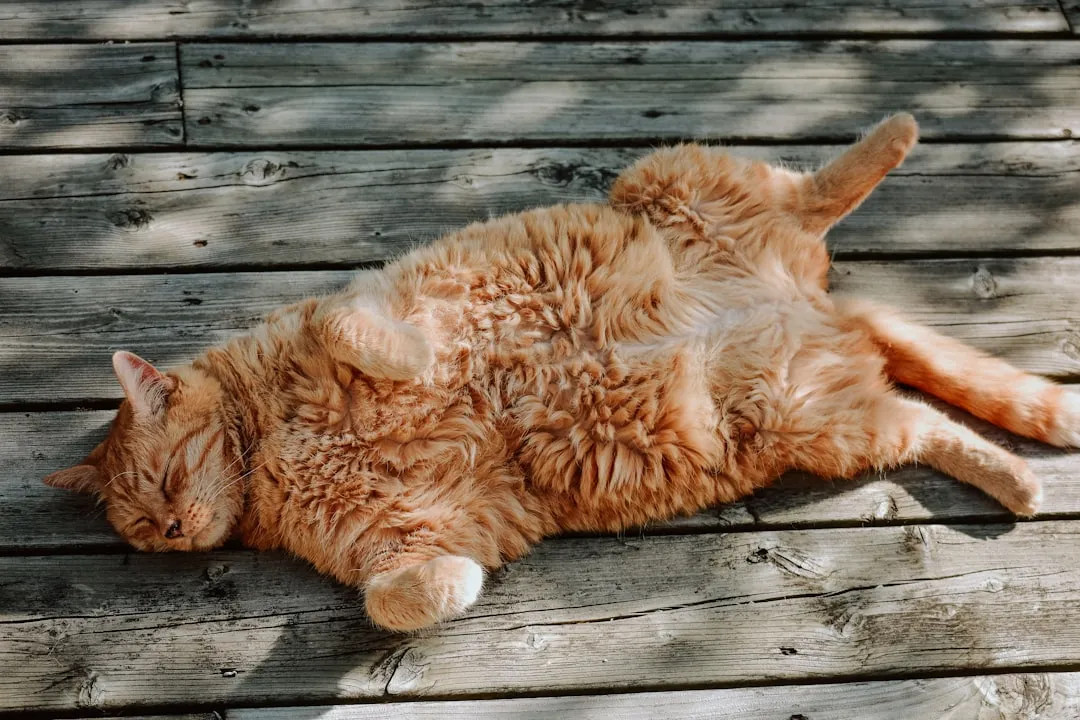
A cat rolling onto its back and exposing its stomach is one of the more counterintuitive signs of affection, mostly because it can look like an invitation for belly rubs that often turns into a swift paw grab the moment you try. The belly is a cat’s most vulnerable spot, with no protection over vital organs, so exposing it isn’t a casual gesture. It signals that your cat feels secure enough in your presence to drop its guard completely.
This doesn’t necessarily mean you should reach in for a rub, since plenty of cats show their belly as a sign of trust while still preferring their stomach stays untouched. Think of it more as a compliment than an open invitation. The gesture itself is the message, a cat telling you it doesn’t feel the need to protect itself around you, which for a species built on instinctive caution is a fairly significant statement.
#5 Bringing you “gifts”
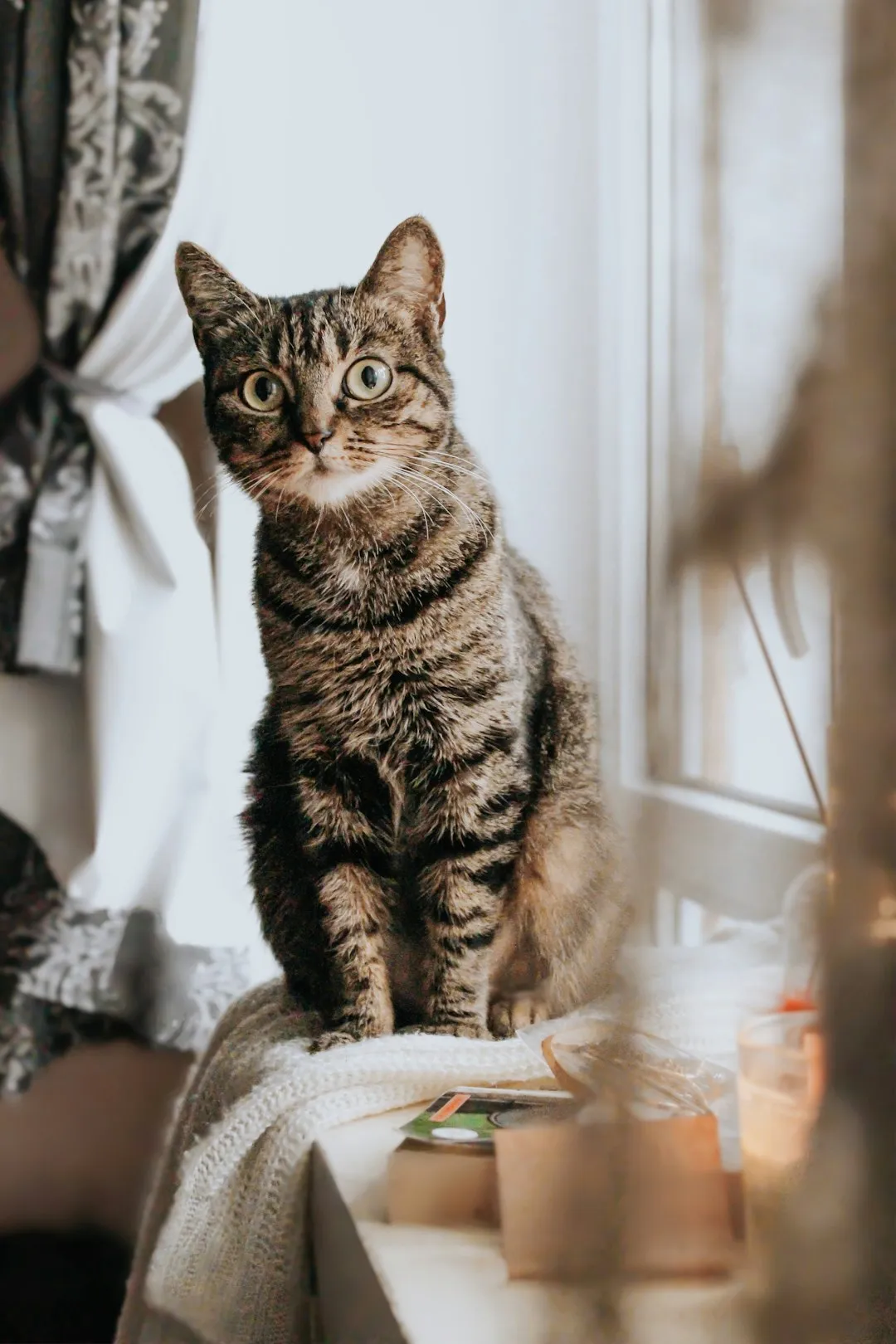
Few things test the limits of pet ownership quite like waking up to a dead insect, a stray leaf, or occasionally something less pleasant left carefully on your pillow. As unsettling as it can be, this behavior traces back to instinct rather than mischief. Cats are natural hunters, and mother cats will often bring prey back to teach kittens how to hunt, gradually introducing live or dead catches so the young cats can practice.
Domestic cats that have no kittens to teach sometimes redirect that same instinct toward the people they consider family. In their minds, you might be viewed as a member of the group who needs feeding or training, so the offering becomes a strange but genuine act of care. It’s not glamorous, and it’s rarely convenient, but it does reflect a level of inclusion that cats don’t extend to just anyone in the house.
#6 Following you from room to room
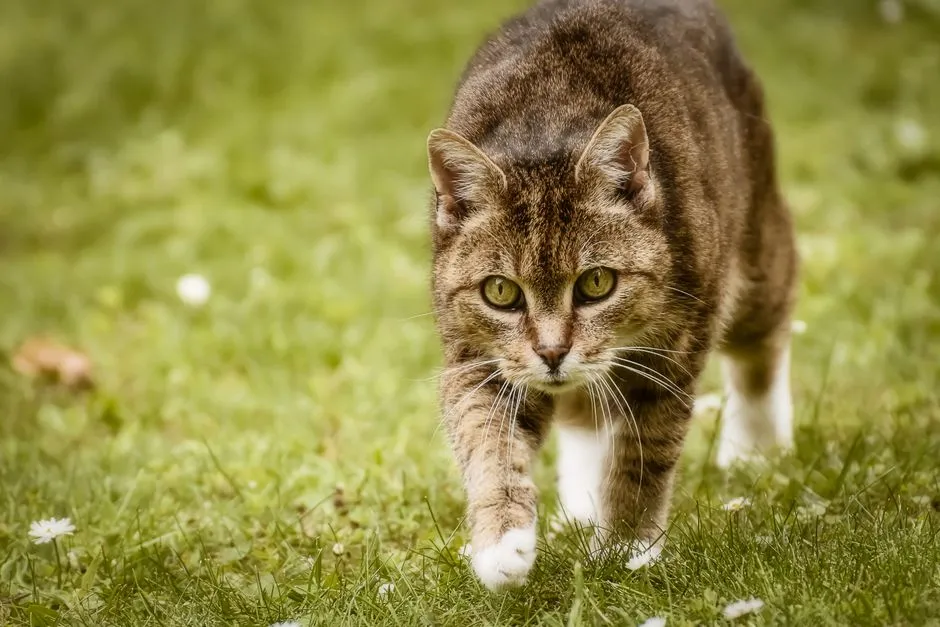
Some cats seem to have an internal alarm that goes off the moment you get up, prompting them to trail behind you into the kitchen, the bathroom, or wherever you happen to be headed. This isn’t about needing something specific most of the time. It’s closer to companionship, a preference for being near you rather than left alone in another part of the house.
Cats are territorial animals with a strong sense of their environment, so choosing to follow a person rather than stay put with familiar surroundings says something about the bond involved. It mirrors the way cats in multi-cat households will often shadow a preferred companion, human or feline, simply because proximity feels comforting. If your cat trails you like a small, quiet shadow, it’s less about supervision and more about simply wanting to be wherever you are.
#7 The tail question mark and gentle wraps
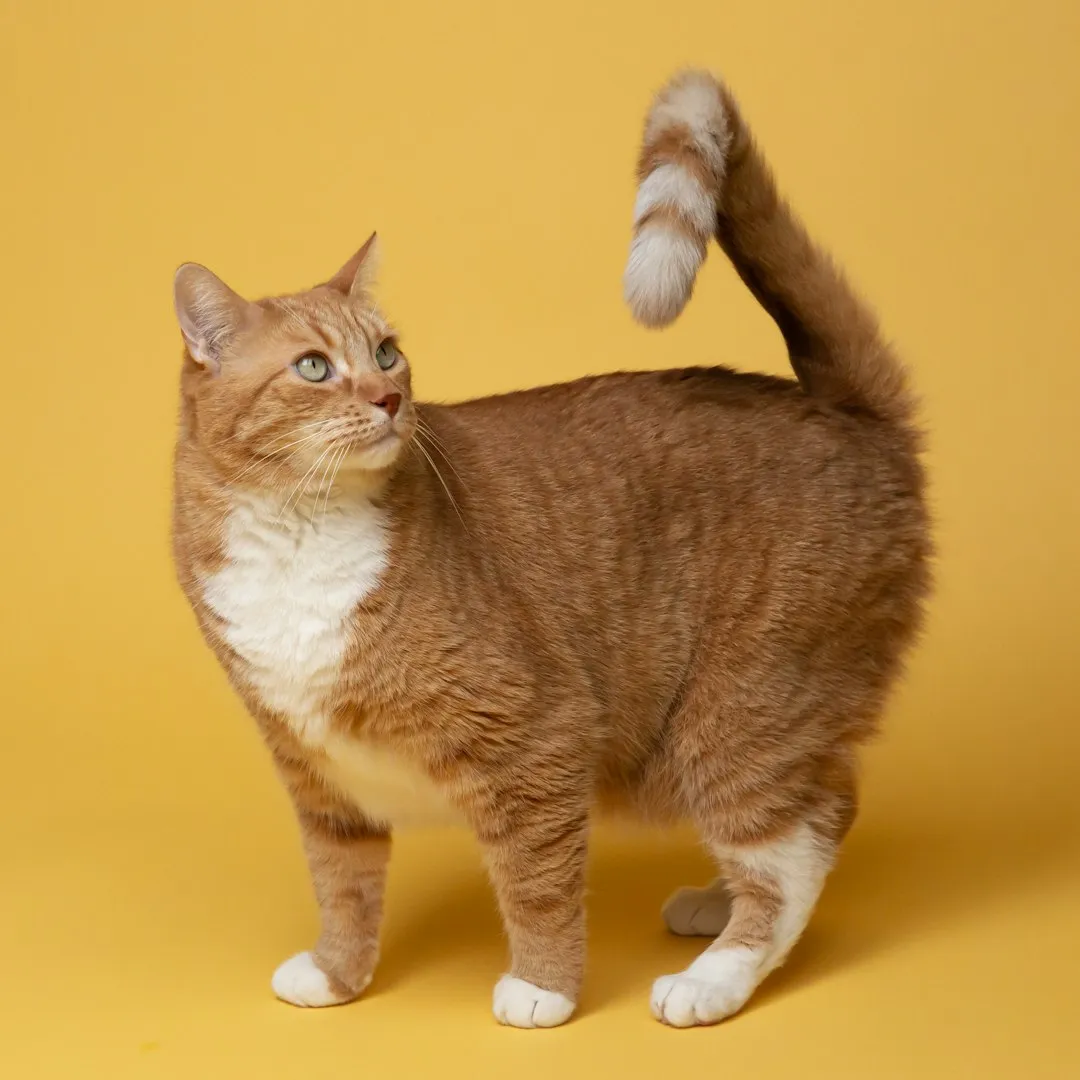
Tail language tells you a great deal about a cat’s mood, and one of the friendliest signals is a tail held upright with just the tip curled over, often compared to a question mark. Cats typically display this when approaching someone they like, a relaxed and welcoming posture that contrasts sharply with the low, puffed tail of a frightened or defensive cat. It’s a quick, visual greeting that says the cat is happy to see you.
Beyond that upright greeting, some cats will wrap their tail around your arm, leg, or another pet entirely, similar to how you might link arms with a friend. This gentle wrapping behavior often appears alongside other affectionate cues like purring or head bunting, reinforcing the same message of closeness. It’s subtle, easy to overlook, but once you notice it, you’ll likely start catching it happening more often than you realized.
Final thoughts
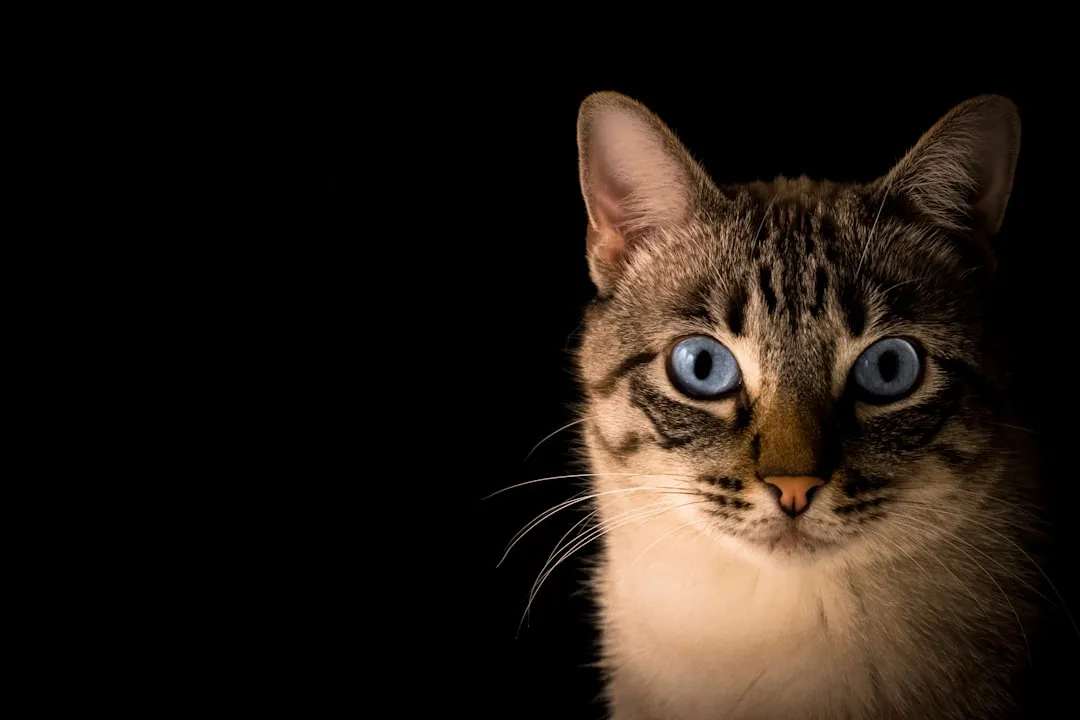
Cats communicate love in a language built on subtlety rather than spectacle, and honestly, that’s part of what makes it so satisfying to learn. A slow blink or a tail curled just so carries more meaning than it first appears to, precisely because cats don’t waste these gestures on just anyone. Dog owners get constant, obvious reassurance, but cat owners earn something quieter and, in a way, more deliberate.
Understanding these signals doesn’t just make for a fun party fact. It genuinely changes how you relate to your cat day to day, turning odd little habits into a kind of ongoing conversation. Once you start recognizing the signs, you may find that your cat has been telling you it loves you all along, just never in a way that shouted for attention.

- 6 Exotic Bird Species You Can Spot in U.S. National Parks - July 19, 2026
- 11 Iconic American Birds Facing New Challenges and How You Can Help - July 19, 2026
- 10 Friendliest Animals in the World - July 19, 2026