
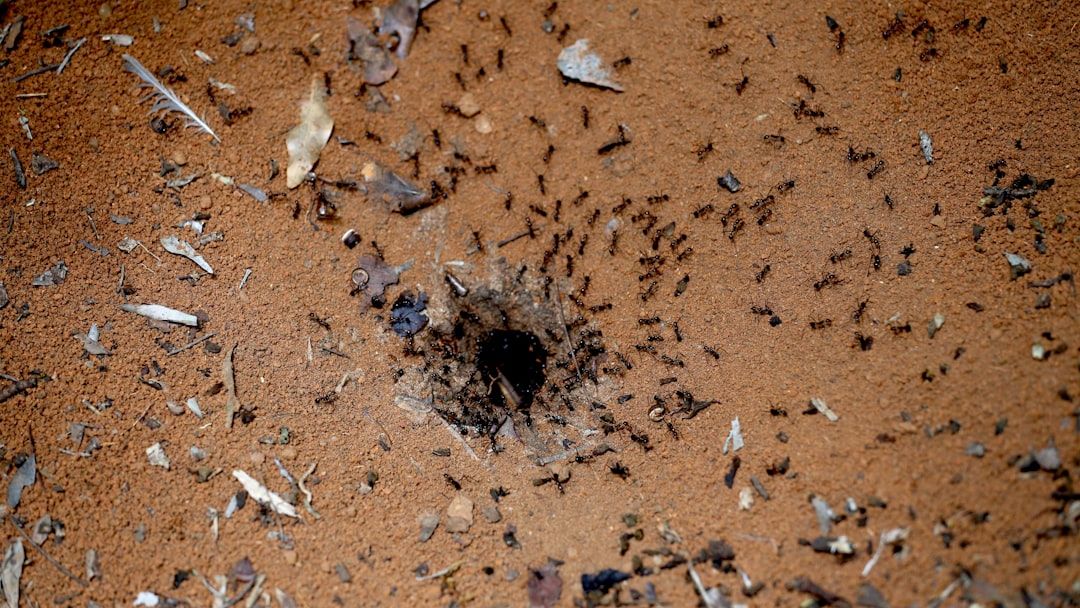
You might think your home is safe from unwanted invaders, yet thousands of homeowners discover every year that termites have been silently destroying their properties right under their noses. These tiny pests cause billions of dollars in damage annually, and most people don’t even realize they’re creating the perfect conditions to welcome them in. The truth is, your everyday household habits and seemingly harmless home features could be issuing an open invitation to these destructive insects.
Understanding what draws termites to your property isn’t just about avoiding a pest problem. It’s about protecting one of your biggest financial investments from invisible threats that can compromise its structural integrity. Let’s explore the surprising ways your home might be attracting these silent destroyers.
Clogged Gutters Creating a Termite Paradise
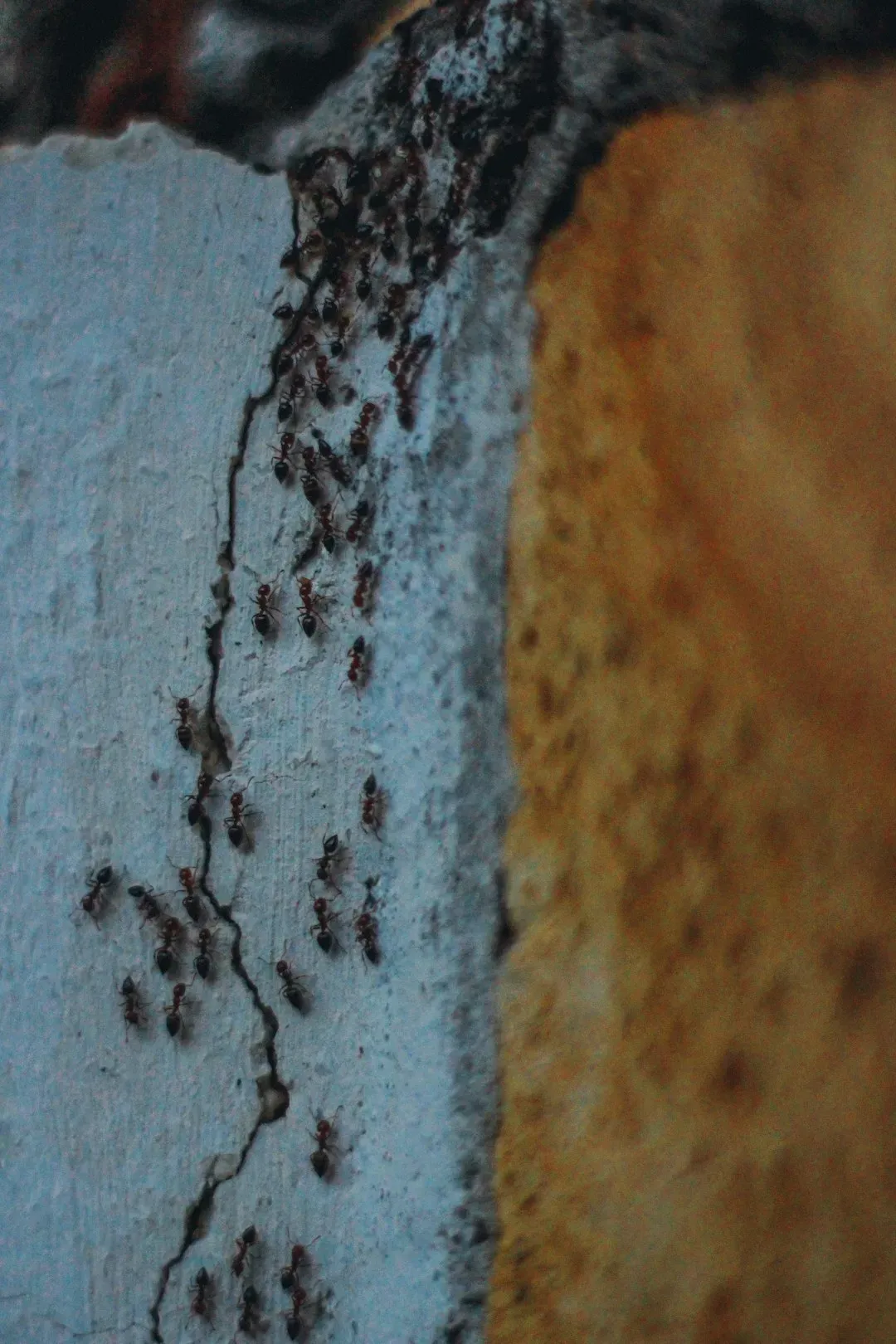
When leaves, twigs, and debris build up in your gutters, the excess moisture can soften your roof and cause it to rot, creating soft spots that attract termites and provide an easy access point into your home. Think about it like this: those overflowing gutters aren’t just an eyesore. They’re essentially building a highway system for termites to reach the most vulnerable parts of your house.
The accumulation of dead leaves and debris in gutters retains moisture and can cause wooden parts of the roof and walls to decay, making them more susceptible to termite infestations. Most homeowners overlook this connection entirely, assuming gutters only matter for water drainage. Yet clearing out those gutters twice a year could be one of the simplest ways to defend your home against a costly termite invasion.
Moisture Problems Lurking Beneath the Surface
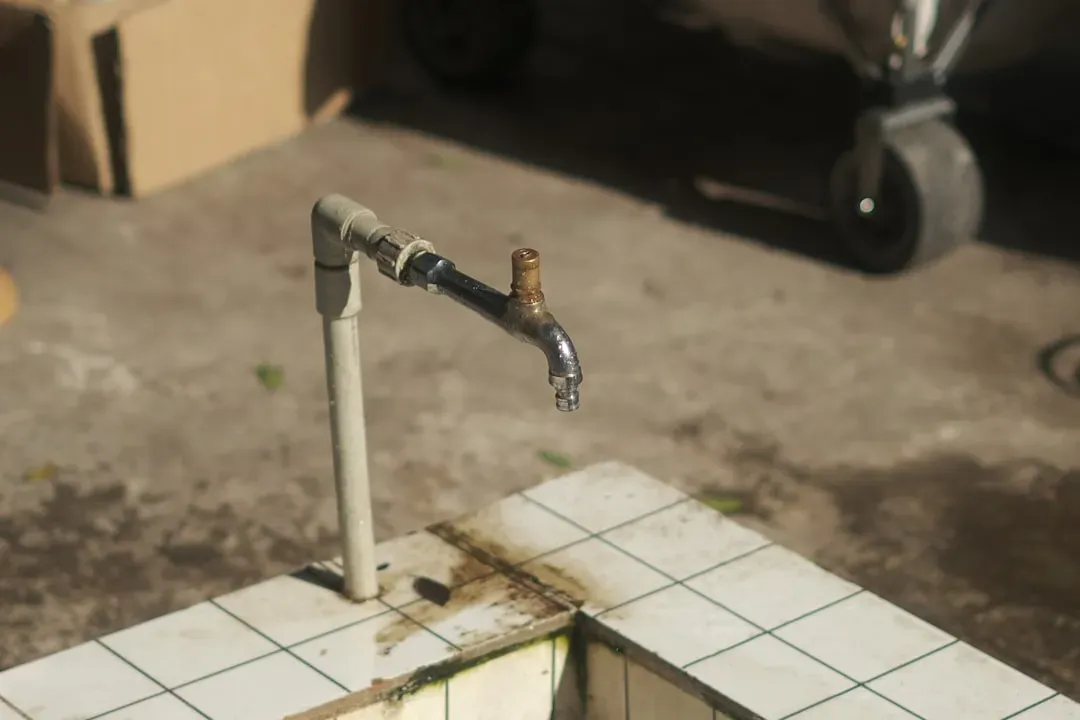
Leaky pipes, improper drainage, and poor airflow all create moisture issues that attract termites, with dampwood and subterranean termites in particular thriving in humid environments. Here’s the thing: a small drip under your kitchen sink or a poorly ventilated crawl space might seem like minor inconveniences. However, they’re creating exactly the kind of damp environment where termite colonies flourish.
Leaky pipes, poor drainage systems, and high humidity levels create an ideal environment for termites to thrive, and when water accumulates in basements, crawl spaces, or around the foundation, it weakens structural integrity and invites termites to set up camp. I know it sounds dramatic, but moisture control really is your first line of defense. Fix those leaks promptly, ensure proper ventilation, and keep humidity levels in check throughout your home.
Wood Mulch Positioned Too Close to Your Foundation
Because wood chips retain moisture, they make a good source of food for termites, and if they touch the foundation, they can help termites gain entry. That decorative mulch bed you carefully arranged around your home’s perimeter is basically serving as a buffet table with a welcome sign for termites. The irony is that we add mulch to beautify our landscaping, never suspecting it could lead to thousands of dollars in structural damage.
Mulch is comprised of wood chips which can retain moisture, making them an attractive food source for termites. Experts recommend keeping mulch at least 15 inches away from your foundation, or better yet, consider alternatives like gravel or rubber mulch. It’s one of those preventive measures that feels almost too simple to matter, yet it can make all the difference.
Firewood Stacked Against Your House
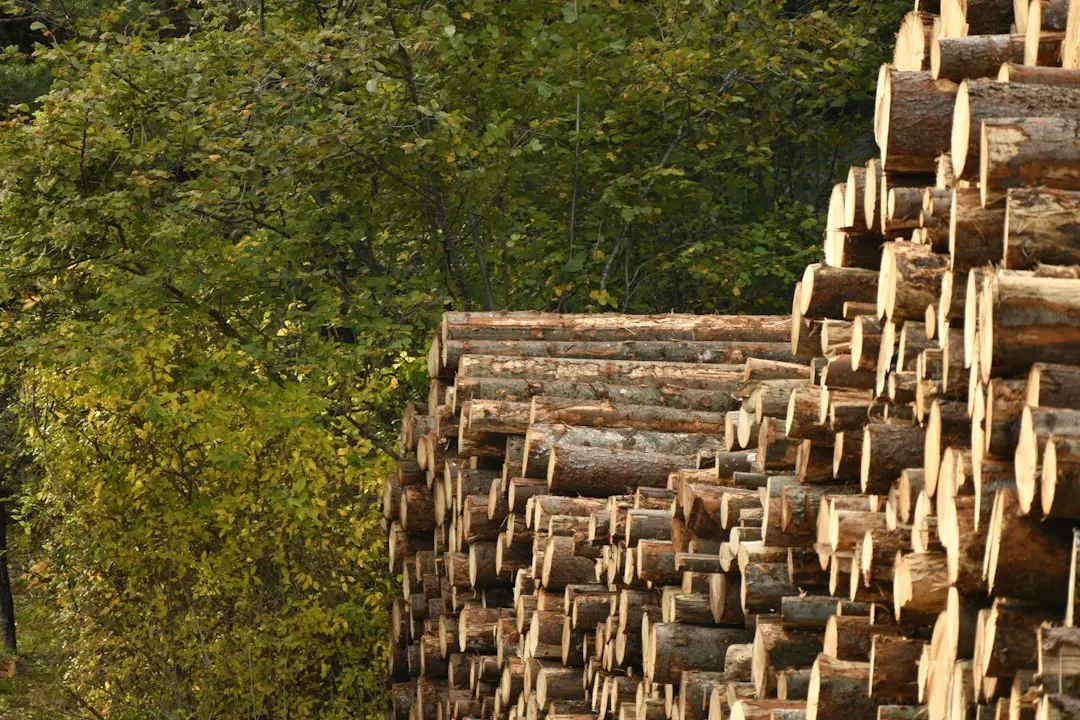
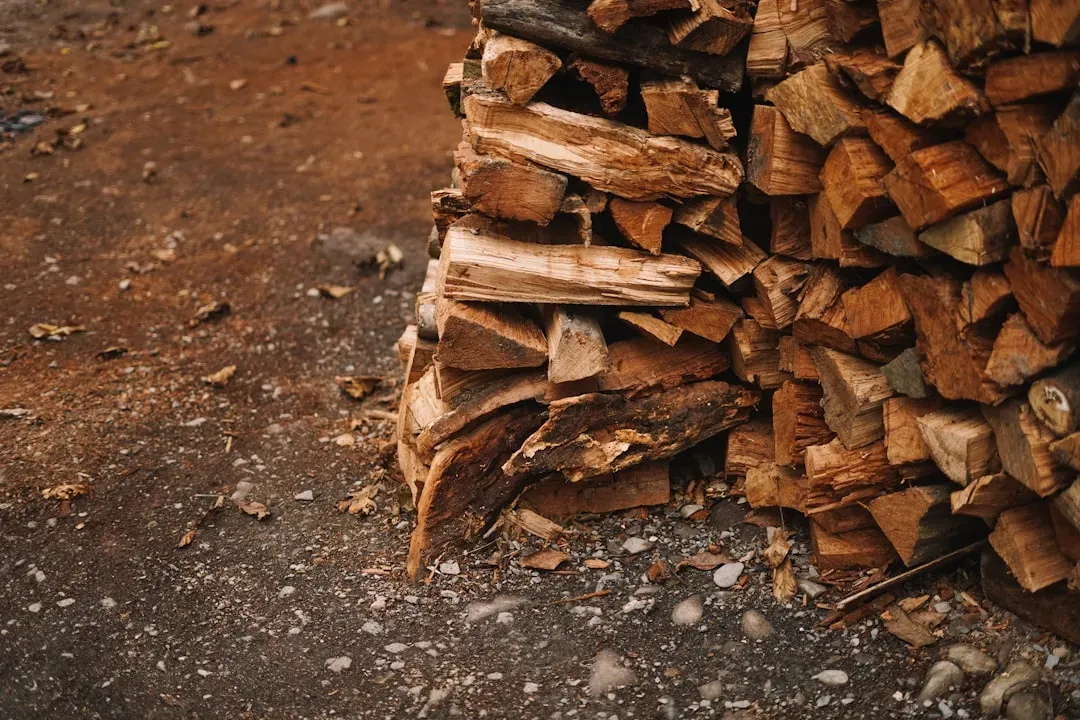
Many people who collect and burn firewood in their homes like to keep their firewood stacks near their home and under cover, but while this is often convenient and keeps firewood safe from the elements, termites love infesting wood stacks, so this can be a potential factor that leads to termites entering your home. Convenience comes at a price when you’re dealing with termites. That neatly stacked pile right next to your back door is essentially a termite hotel with direct access to your home’s wooden structure.
Firewood and other wood piles are a huge termite attractant and also provide them with a quick and easy ride into your home, so firewood should be stored at least 20 feet from your home and elevated at least 5 inches off the ground. I realize it’s far less convenient to walk 20 feet in the cold for firewood. Still, that inconvenience pales in comparison to dealing with a termite infestation that’s compromised your home’s structural beams.
Cardboard and Paper Products in Storage Areas
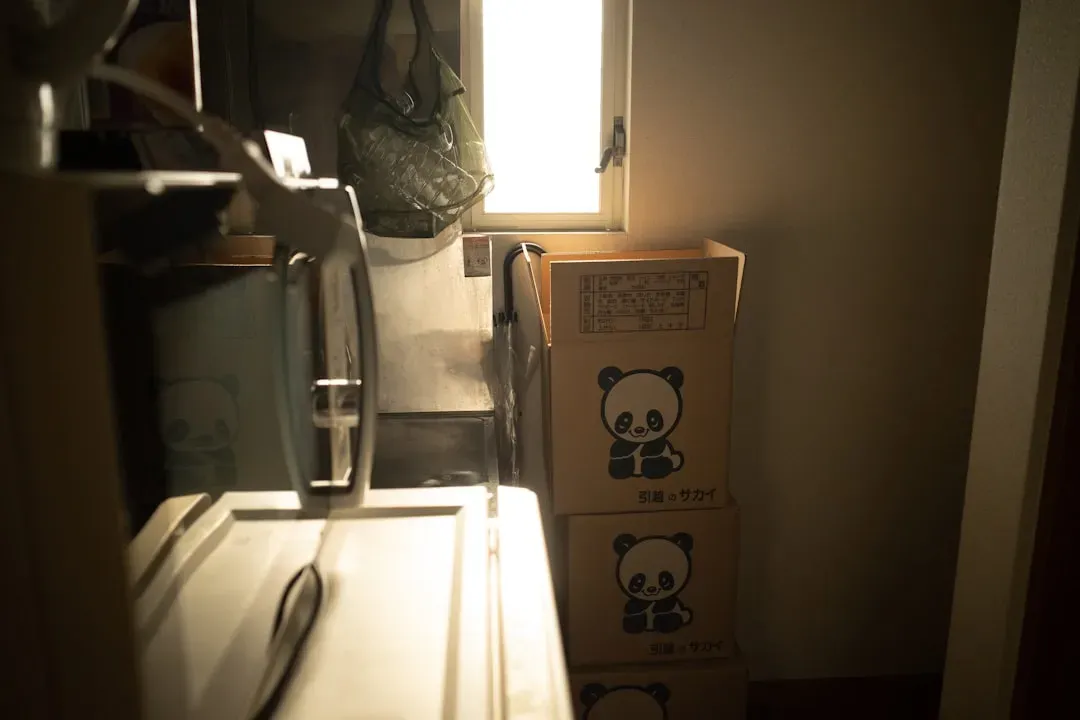
You can give them easy access to both by leaving wood and materials containing cellulose (such as old magazines, newspapers, cardboard boxes and paper products) in accessible places. Your basement or garage filled with old cardboard boxes might seem harmless, yet termites feed on cellulose found in all these paper products. Those stacks of vintage magazines you’ve been meaning to sort through or the cardboard boxes storing your holiday decorations are potential termite magnets.
Cellulose-based materials like paper and cardboard in and around the home can also attract termites, and these materials are often found in storage areas such as basements, attics, and garages, where they can provide a convenient food source for termites. The solution isn’t necessarily to throw everything away. Instead, store these items in sealed plastic containers rather than cardboard boxes, and avoid letting paper products accumulate in damp areas where termites are more likely to discover them.
Foundation Cracks and Unsealed Entry Points
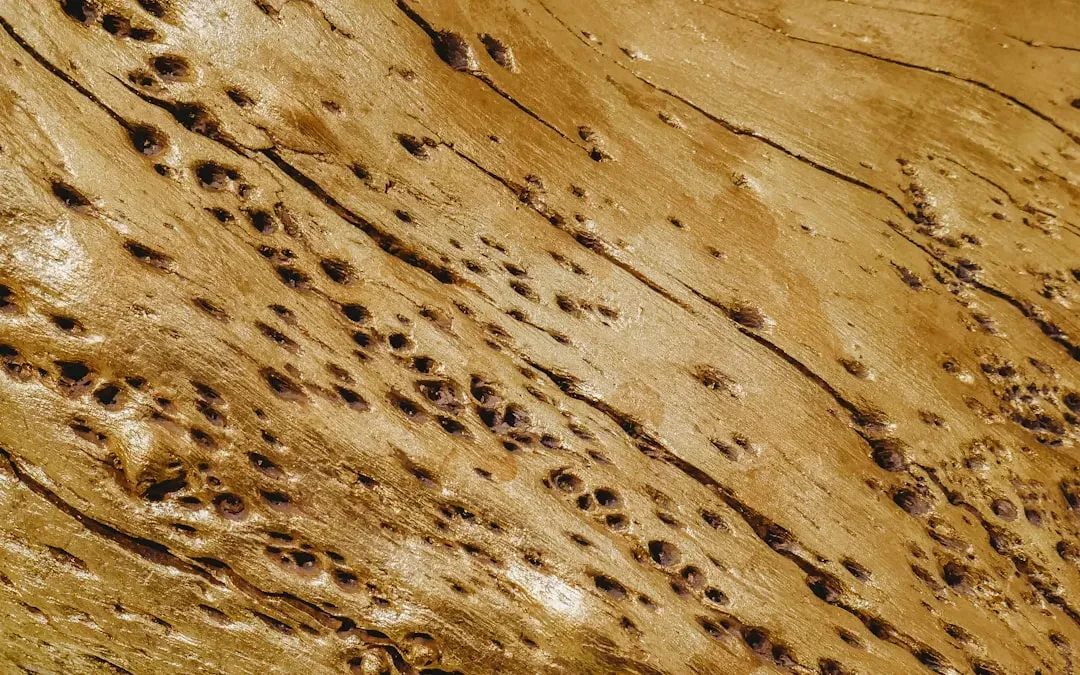
Any crack or fissure in home foundations or gaps in siding offer termites the opportunity to come inside, and subterranean species build mud tubes in these imperfections and use these to move indoors. Honestly, most of us walk past tiny cracks in our foundations without a second thought. Those hairline fractures seem insignificant compared to other home maintenance concerns, yet to a termite, they’re an open doorway.
Cracks in the foundation and gaps in the structure can serve as entry points for termites, allowing them to infiltrate the home undetected, and these vulnerabilities can be exacerbated by factors such as settling, weathering, and poor construction practices. Regular inspections of your home’s exterior can help you identify and seal these vulnerable points before termites exploit them. It’s hard to say for sure, but addressing foundation issues early might save you from discovering a full-blown infestation years down the line.
Trees and Shrubs Making Direct Contact with Your Home

Trees that touch your house are a path to let in termites, and besides, tree limbs block sun rays and slow down moisture evaporation, resulting in soggy soil, especially during the rainy season, which is another termite attractor. That beautiful vine climbing your exterior wall or the tree branches brushing against your roof might add charm to your property. However, they’re also creating convenient bridges for termites to travel directly from their natural habitat into your wooden structures.
Limbs of trees can touch the roof, branches of bushes can come into contact with your wood siding, and termites can use these conduits to breach your home, and what’s more, too many tree limbs can block the sun from your roof, slowing evaporation of moisture. Trimming back vegetation so it doesn’t make contact with your home serves a dual purpose: it eliminates the termite highway while also allowing better airflow and sunlight to reach your exterior walls and roof, reducing moisture buildup.
Conclusion
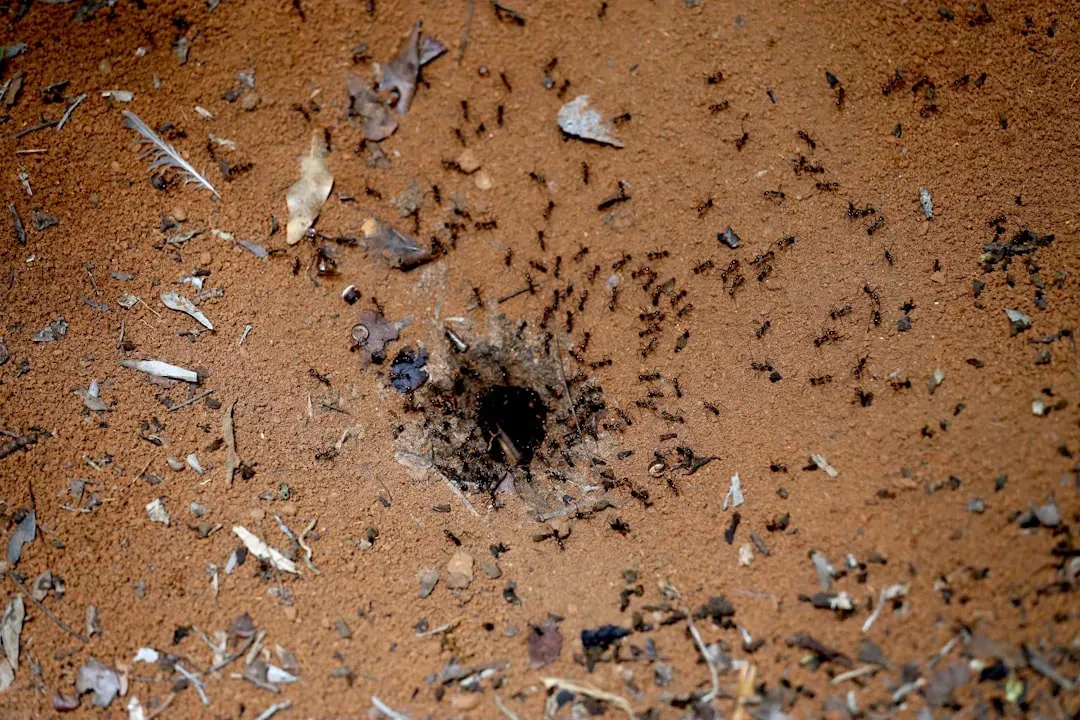
Protecting your home from termites doesn’t require expensive treatments or complicated preventive systems. Most of the time, it comes down to awareness and simple maintenance habits that eliminate the conditions termites need to thrive. From keeping gutters clean and mulch at a safe distance to storing firewood properly and sealing foundation cracks, these straightforward steps can make your home far less appealing to these destructive pests.
The reality is that termite prevention is much easier and cheaper than termite treatment. By addressing these seven hidden factors, you’re not just avoiding a pest problem – you’re preserving the value and structural integrity of your home for years to come. Have you checked your property for any of these risk factors lately? What do you think might be inviting termites to your neighborhood?
