

Pit Bull Terriers
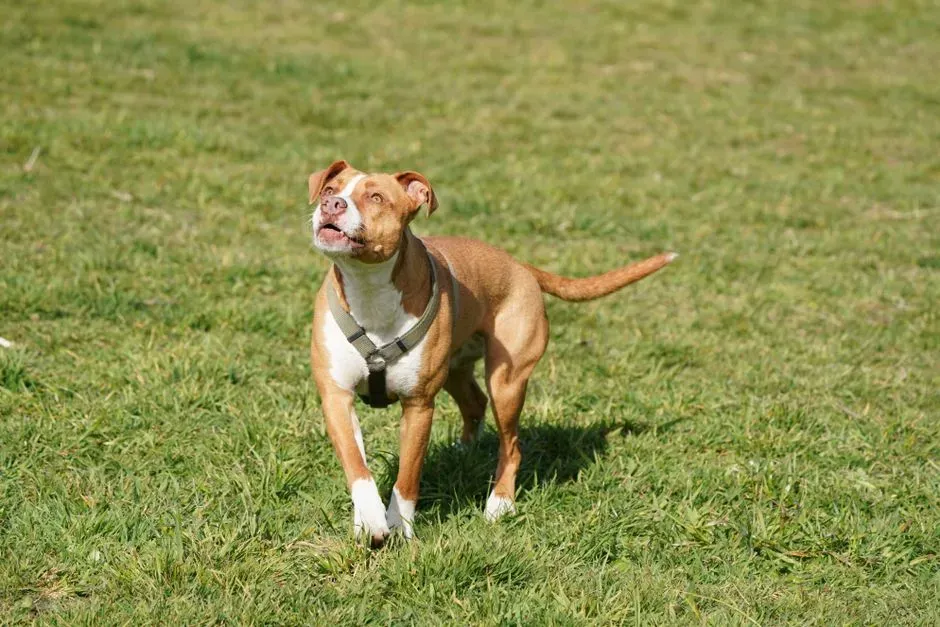
These dogs often get labeled aggressive because of their muscular build and strong jaws, yet vets frequently note that their intense stares or quick movements come from high energy and a desire to engage with their people. A wagging tail held high with a stiff body might signal alertness rather than a threat, especially in a breed once used for farm work and companionship. Proper socialization turns that drive into playful enthusiasm instead of anything confrontational.
Resource guarding around food or toys can appear possessive, but it usually reflects a history of competition or simple insecurity that training easily addresses. Vets see pit bulls thrive in homes where owners recognize these cues as calls for guidance, not warnings of danger. The result is a loyal companion whose reputation rarely matches the gentle reality in most cases.
Rottweilers
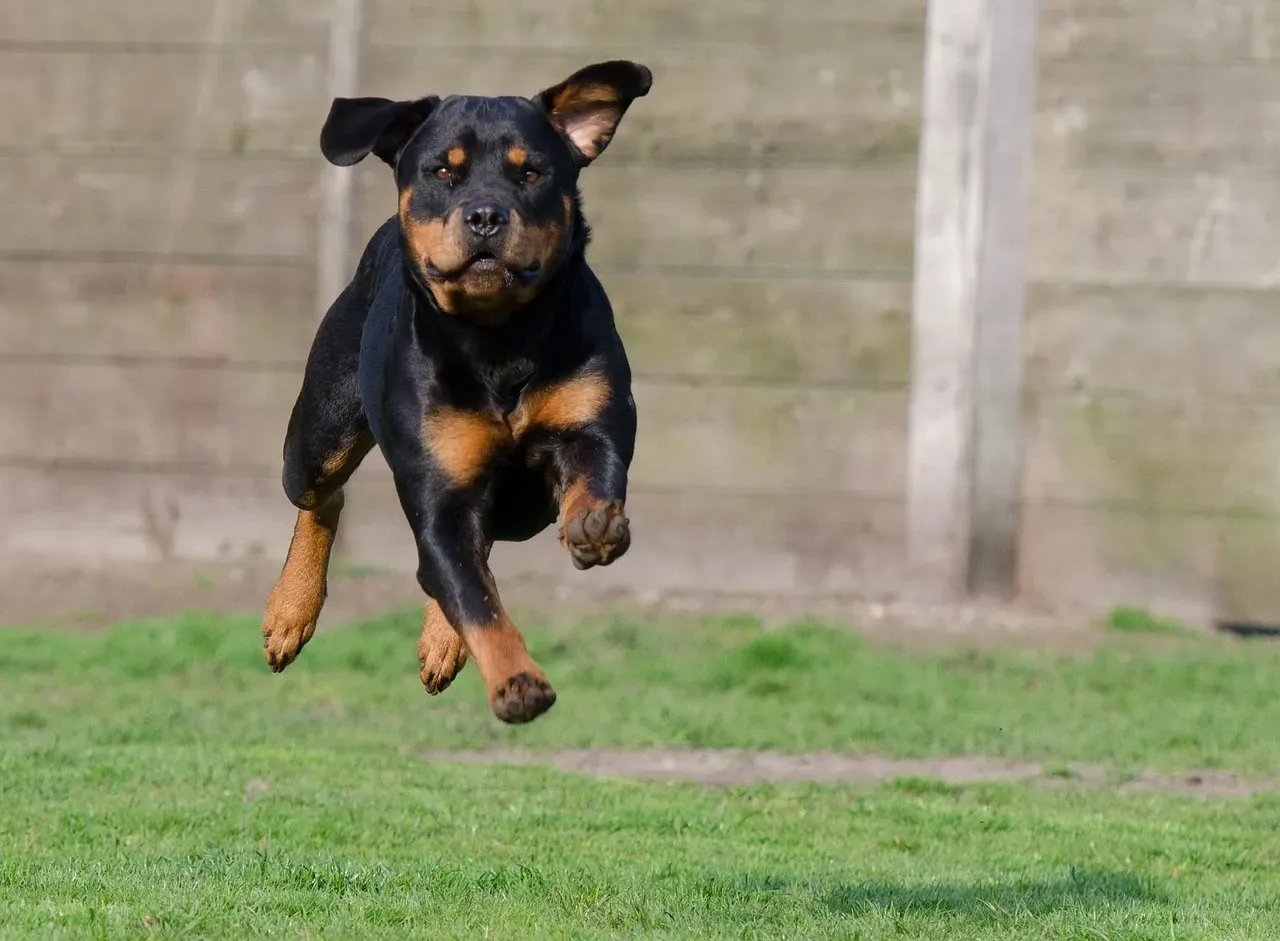
Rottweilers carry a guardian heritage that makes their calm watchfulness look like hostility to outsiders. A low growl or leaning into a person often serves as a way to assess the situation rather than initiate conflict. Vets emphasize that this breed responds well to clear leadership, turning potential standoffs into steady companionship.
Leash pulling or barking at passersby frequently gets mistaken for aggression when it actually shows frustration from under exercise or a strong herding drive. With consistent routines, these signals fade into relaxed behavior that highlights the breed’s affectionate side. Owners who read the cues correctly build trust that lasts for years.
German Shepherds
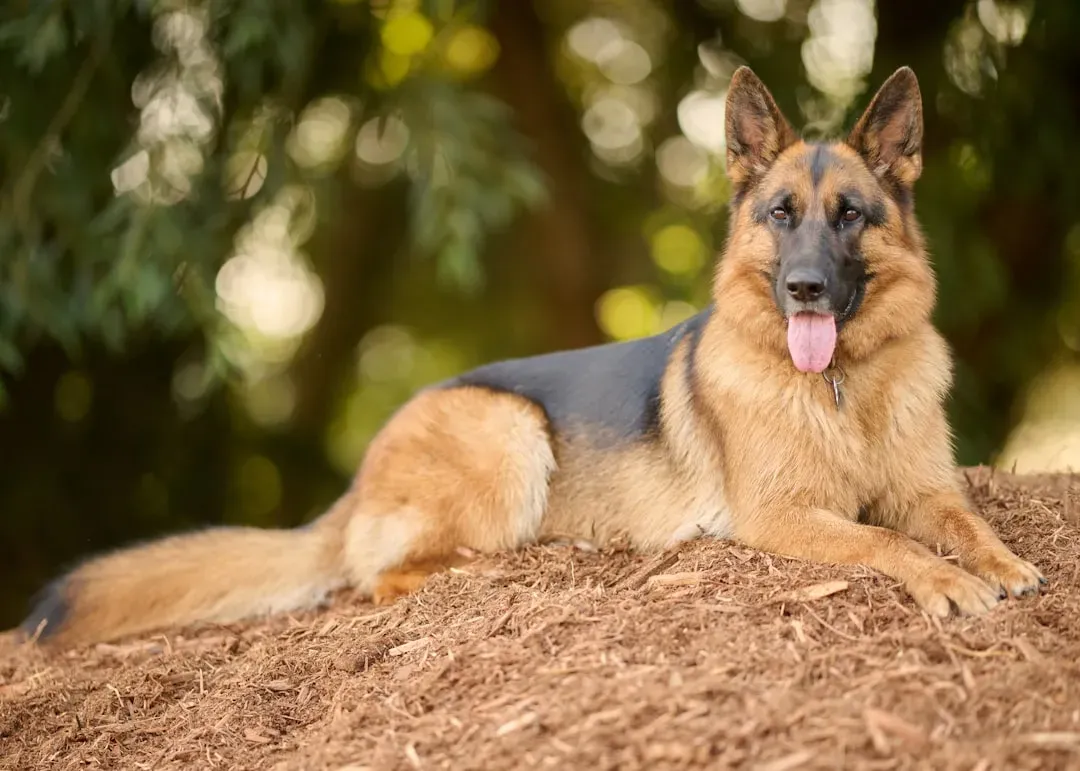
German Shepherds were bred for protection and herding, so their focused gaze and upright ears can seem intimidating even during routine interactions. What looks like a challenge often amounts to vigilance, a leftover from working roles where they needed to stay alert. Vets report that early exposure to different people and places softens these traits into reliable family members.
Body language such as raised hackles during play usually indicates excitement or overstimulation instead of anger. The breed’s intelligence means they pick up on owner tension quickly, amplifying signals that might otherwise stay mild. Recognizing this pattern helps turn potential issues into opportunities for stronger bonds.
Doberman Pinschers
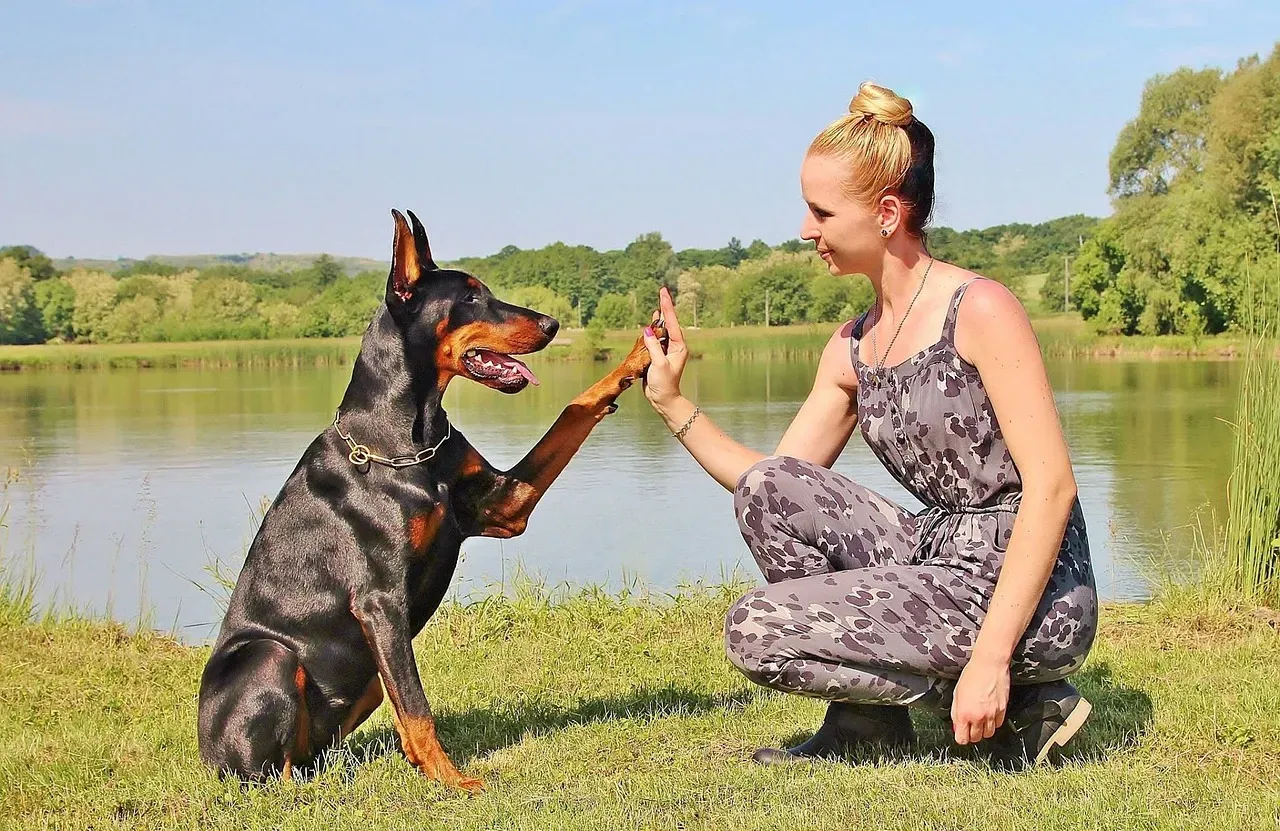
Dobermans project elegance and power that leads many to assume a short temper, yet their tendency to lean against legs or follow closely often reflects attachment rather than dominance. A sudden bark or paw lift typically serves as an invitation to interact or a request for reassurance. Vets note that this breed forms deep connections when given structure and affection from the start.
Protective circling around family members can read as territorial when it stems from loyalty bred over generations. With positive reinforcement, these actions become quiet confidence instead of anything confrontational. The signals reward owners who stay observant and responsive.
Chow Chows
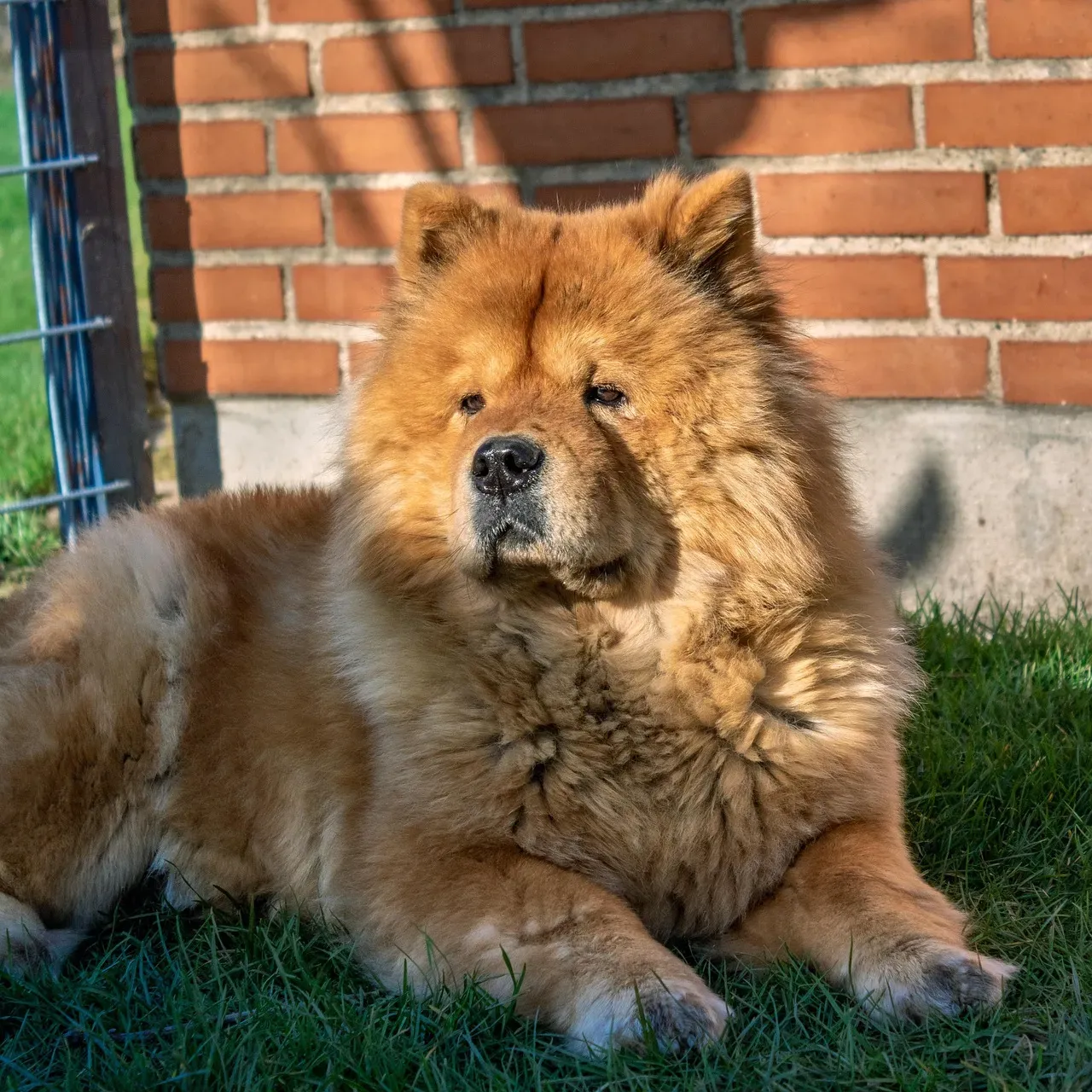
Chow Chows carry a lion like mane and independent streak that makes their reserved demeanor appear standoffish or worse. A slow approach or side eye usually signals caution in a new setting rather than outright hostility. Vets see this as a breed that values its space and warms up on its own terms once trust builds.
Resource guarding or brief snaps during grooming often trace back to sensitivity around handling instead of a mean streak. Their thick coats and sturdy build amplify every movement, making ordinary discomfort look dramatic. Owners who respect these boundaries end up with devoted, low key companions who simply communicate differently.
The real takeaway here is that labels attached to certain breeds do more harm than good when they overshadow individual personalities and clear communication. Vets continue to stress training, environment, and observation as the true determinants of behavior. Paying attention to what a dog actually signals opens the door to better relationships across the board.
- The 10 Best Dog Breeds For Those Whose Spirit Animal is a Wolf - August 6, 2026
- What Your Choice of Landscape Dwelling Says About Your Personality - August 6, 2026
- 10 Hidden Birding Destinations That Rival America's Famous National Parks - August 6, 2026