
Every year, across forests, coastlines, mountain ranges, and open skies, millions of animals set out on journeys that have been repeated for thousands of years. Some travel on wings barely larger than a fingernail. Others breach through thousands of miles of open ocean. A few traverse entire mountain ranges entirely on instinct, with no map and no prior experience of the destination.
America is one of the richest stages on Earth for these events. The United States serves as a critical corridor for countless species making their annual migrations across the continent, from the skies to the seas and across the land. What follows are seven of the most breathtaking examples, each one a testament to the sheer persistence of life.
The Monarch Butterfly: A Journey Across Generations
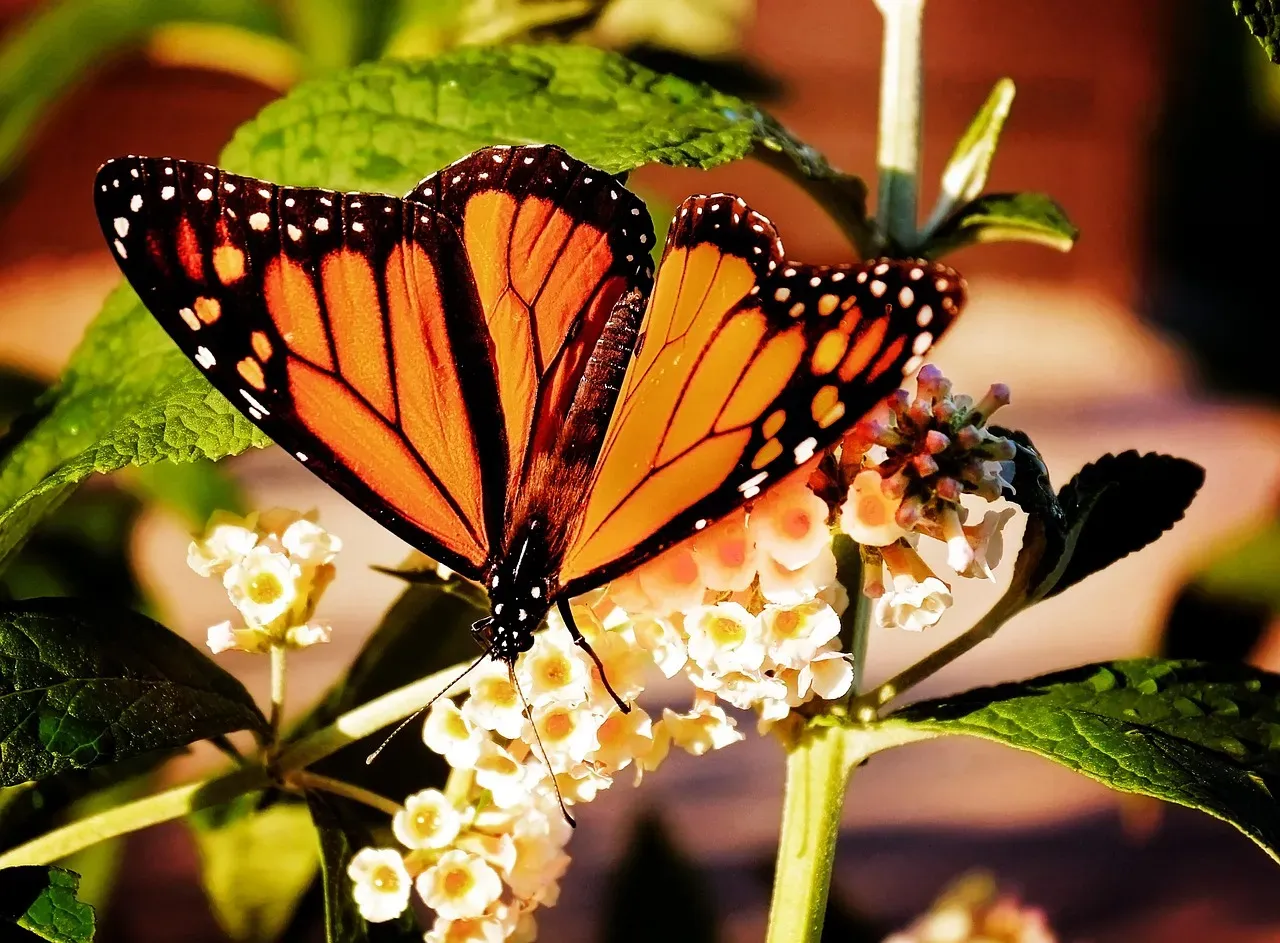
Of all the migrations in North America, the monarch butterfly’s may be the hardest to fully believe. Perhaps one of the most famous migrations is the multi-generational round trip of the monarch butterfly. Monarch butterflies can be found all over the United States and further afield, but it is the northeastern American population that is famous for making the 3,000-mile journey from Canada to Mexico, where millions gather in huge roosts to survive the winter.
The southward trip is made by a single generation, while the northward trip is completed by multiple generations who live, breed, and die along the way. In other words, no single butterfly ever completes the full round trip. The generation that arrives in Mexico in November has never been there before.
In encouraging news, the eastern monarch butterfly population nearly doubled in 2025, according to a report announced in Mexico. The population wintering in central Mexico’s forests occupied 4.42 acres, up from 2.22 acres during the previous winter. Still, populations remain far below the long-term average, making conservation efforts all the more pressing.
The monarch is the only butterfly known to make a two-way migration as birds do. A migrating monarch can travel over 100 miles in a single day. The combination of fragility and endurance that defines this insect is something biology still struggles to fully explain.
Pacific Salmon: The River They Were Born In
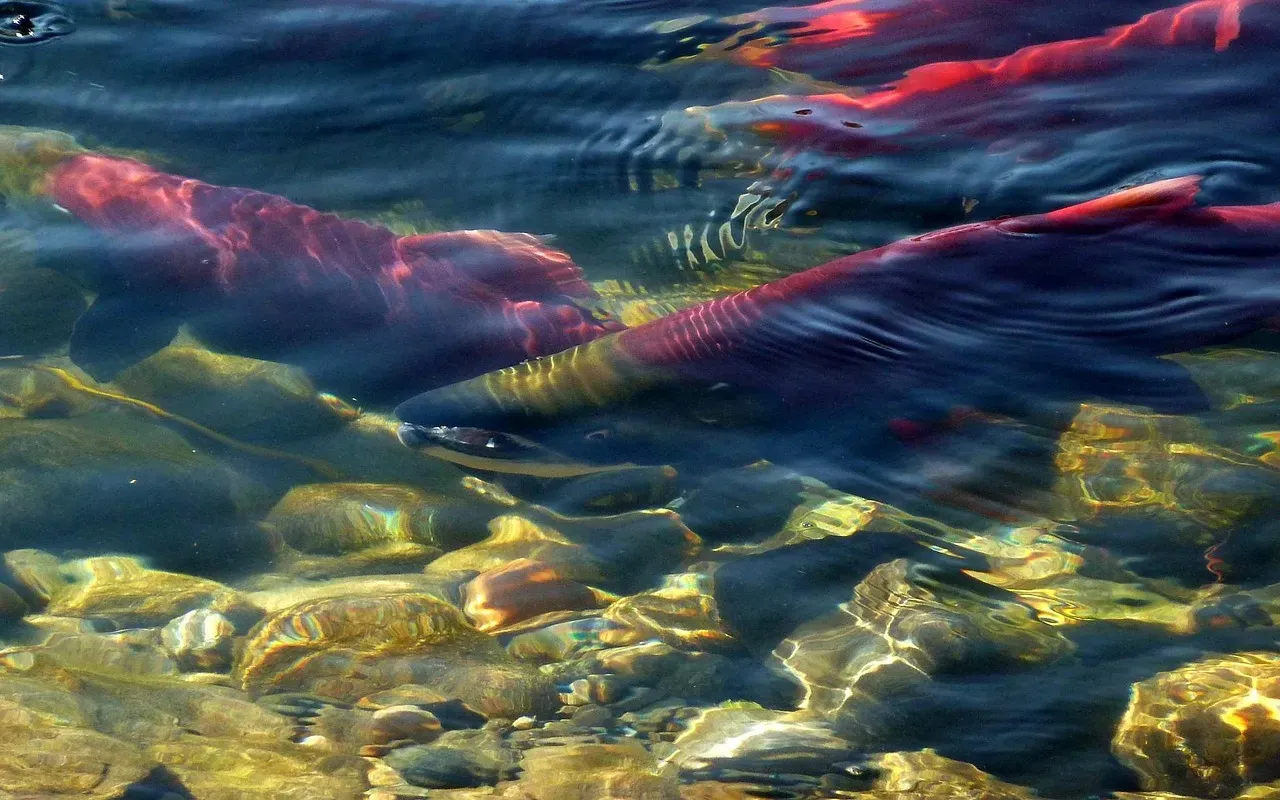
A salmon run is an annual fish migration event where many salmonid species, typically hatched in fresh water and living most of their adult life downstream in the ocean, swim back against the stream to the upper reaches of rivers to spawn on the gravel beds of small creeks. It’s one of the most dramatic life cycles in the natural world.
Salmon can migrate more than 3,000 kilometres upstream through freshwater to spawn on the Yukon River. They often travel 50 kilometres per day on their spawning journeys. Scientists believe that homing is accomplished by tracing chemical signatures of the home stream, and salmon have an extremely keen sense of smell, detecting chemicals down to one part per million.
In northwest America, salmon are keystone species, meaning the ecological impact they have on other wildlife is greater than would be expected in relation to their biomass. The annual salmon run is a major feeding event for predators such as grizzly bears and bald eagles, while the post-spawning death of salmon transfers significant nutrients from the ocean to inland aquatic ecosystems and riparian woodlands.
Pacific salmon are anadromous: they spend the first years of their life in freshwater, migrate to the ocean where food is more abundant, and then return as adults to the same streams where they were born to spawn and die. There is something ancient and almost mythological about a creature that sacrifices everything to return home.
Humpback Whales: Alaska to Hawaii on an Empty Stomach
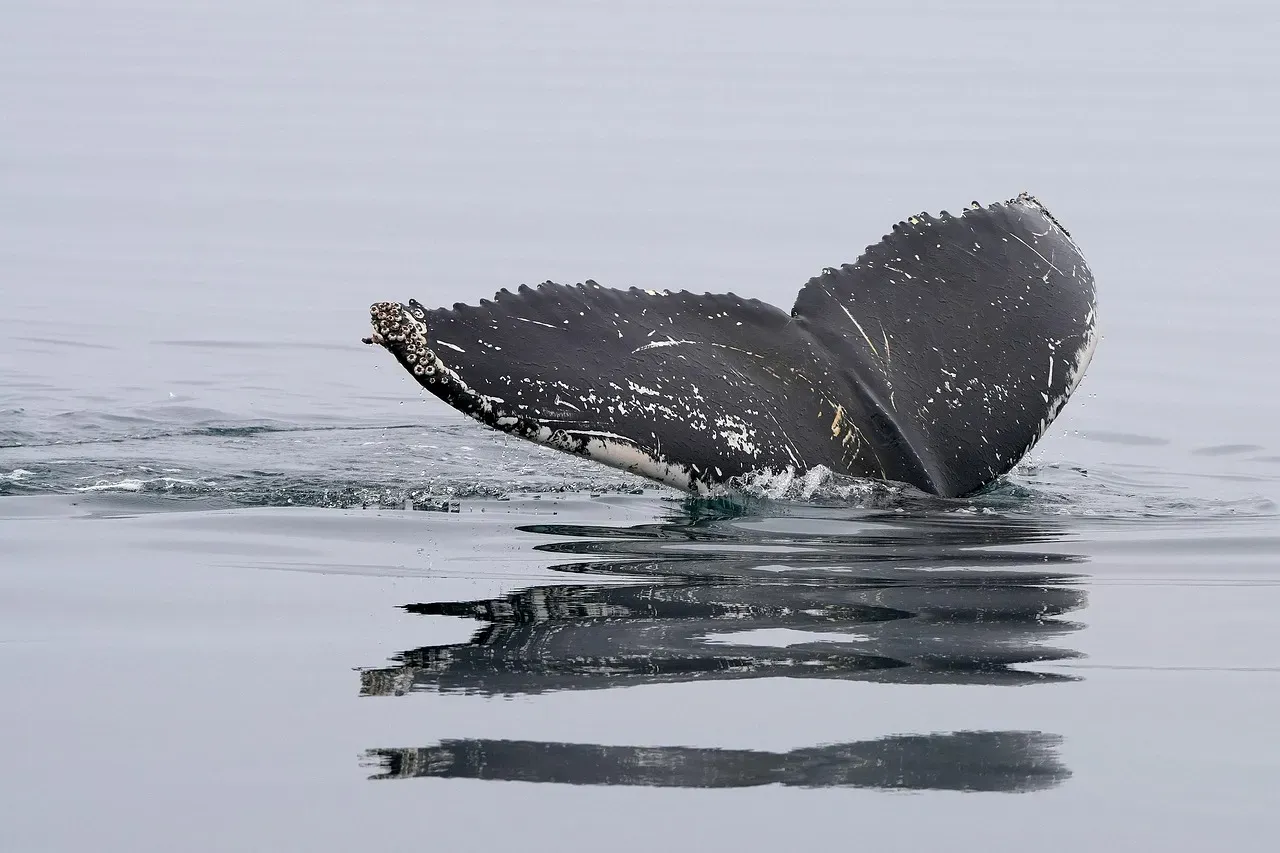
Few migrations feel as cinematic as the humpback whale’s annual crossing from the cold waters of Alaska to the warm shores of Hawaii. They can travel great distances during their seasonal migration, with some animals migrating 5,000 miles between high-latitude summer feeding grounds and winter mating and calving areas in tropical waters. In the North Pacific, some humpback whales migrate from Alaska to Hawaii and can complete the 3,000-mile trip in as few as 28 days.
Each year, thousands of humpback whales migrate between Alaska and Hawaii. In parts of Alaska like Glacier Bay National Park, they feed on huge swarms of small fish and krill throughout the summer, then travel to the warm, shallow waters off Hawaii to mate, give birth, and raise their calves. While in Hawaii, humpback whales do not eat.
Despite the vast distances, these whales exhibit strong site fidelity, meaning they tend to return to the same feeding and breeding areas year after year. For instance, a whale that summers off the coast of Southeast Alaska may head to a specific region near Hawaii each winter. This deep-rooted loyalty to specific migratory routes is believed to be culturally transmitted, passed down from mother to calf.
Porcupine Caribou: The Longest Land Migration in North America
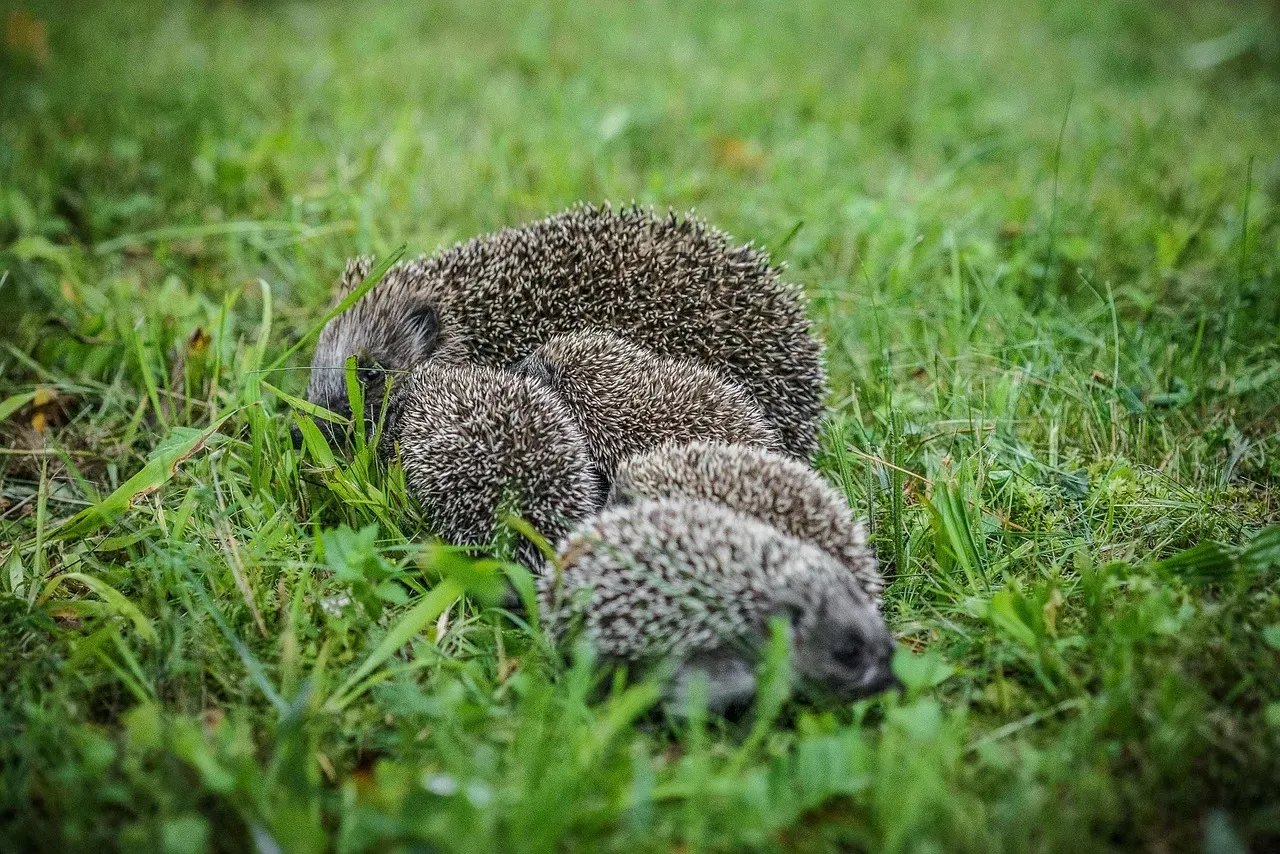
In the far north, where the tundra stretches endlessly and winter arrives without mercy, one of the continent’s most staggering land migrations unfolds. The Porcupine herd holds the record for the longest land migration, traveling from the arctic coastal plains of Alaska and the Yukon in the summer to the valleys of Western Alaska and central Yukon in the winter.
Alaska is home to several large migratory caribou herds, each characterized by separate calving areas which they migrate to seasonally, some clocking in a staggering 2,000 to 2,700 miles annually. A 2023 study conducted in the Arctic National Wildlife Refuge revealed that the Porcupine Caribou Herd has been using the same calving grounds to give birth to their offspring for more than 3,000 years.
The caribou are the primary sustenance of the Gwich’in, an Alaska Native people who traditionally built their communities to align with the caribou’s migration patterns. Their large, concave hooves are spread widely to support them in snow and soft tundra and function as paddles when caribou swim across lakes and rivers during migration. Every feature of their body has been shaped by this journey.
The Western Arctic Herd’s migration territory covers over 150,000 square miles of Alaska, an area larger than the whole state of California. These animals don’t simply move through the land. They define it.
Ruby-Throated Hummingbirds: Tiny Wings, Extraordinary Courage
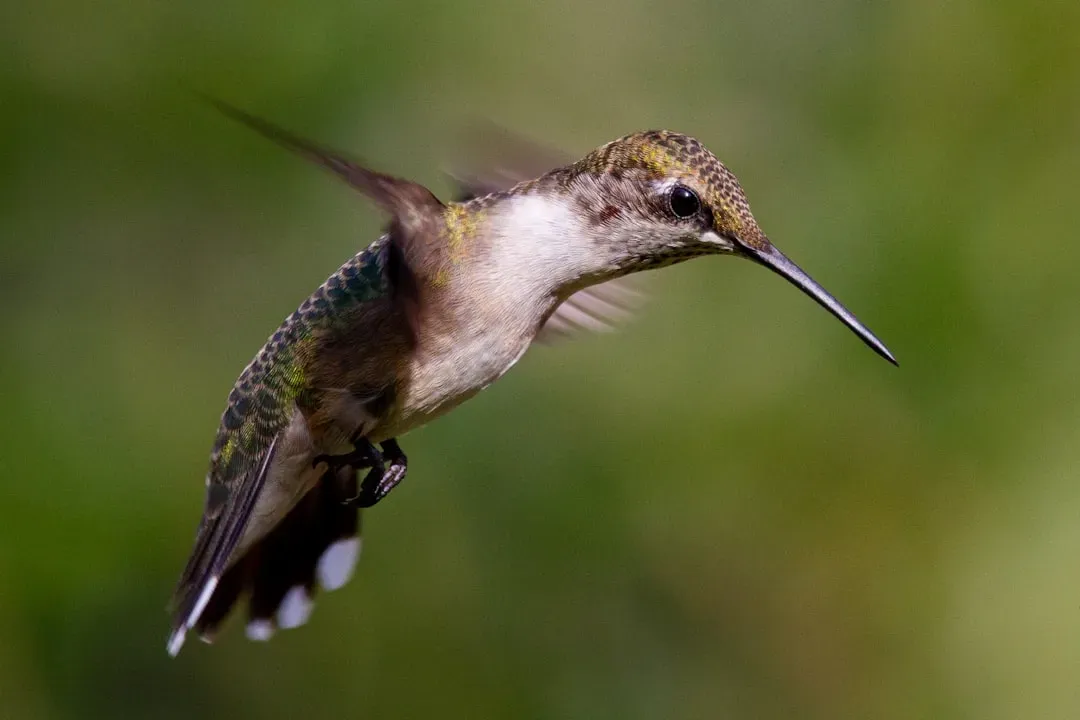
There is something almost defiant about the ruby-throated hummingbird’s migration. Weighing less than a nickel, the ruby-throated hummingbird accomplishes an astonishing migratory feat twice each year. These tiny birds winter in Central America and Mexico before flying across the Gulf of Mexico in a single 500-mile, non-stop journey that takes approximately 20 hours, then spread throughout the eastern United States and southern Canada for breeding season.
Before their Gulf crossing, ruby-throats nearly double their body weight by consuming vast quantities of nectar and insects, fueling their incredible journey. Their migration timing is closely tied to the flowering of certain plants along their route, making them particularly vulnerable to climate change disruptions.
These hummingbirds can travel at an average rate of 25 mph. To cross the Gulf of Mexico, it takes about 20 hours non-stop, which is amazing given the bird’s small size. Males typically begin the northward journey in late February, while females follow a few weeks later, with the birds reaching northern states by May. Their fall return journey occurs from August through October.
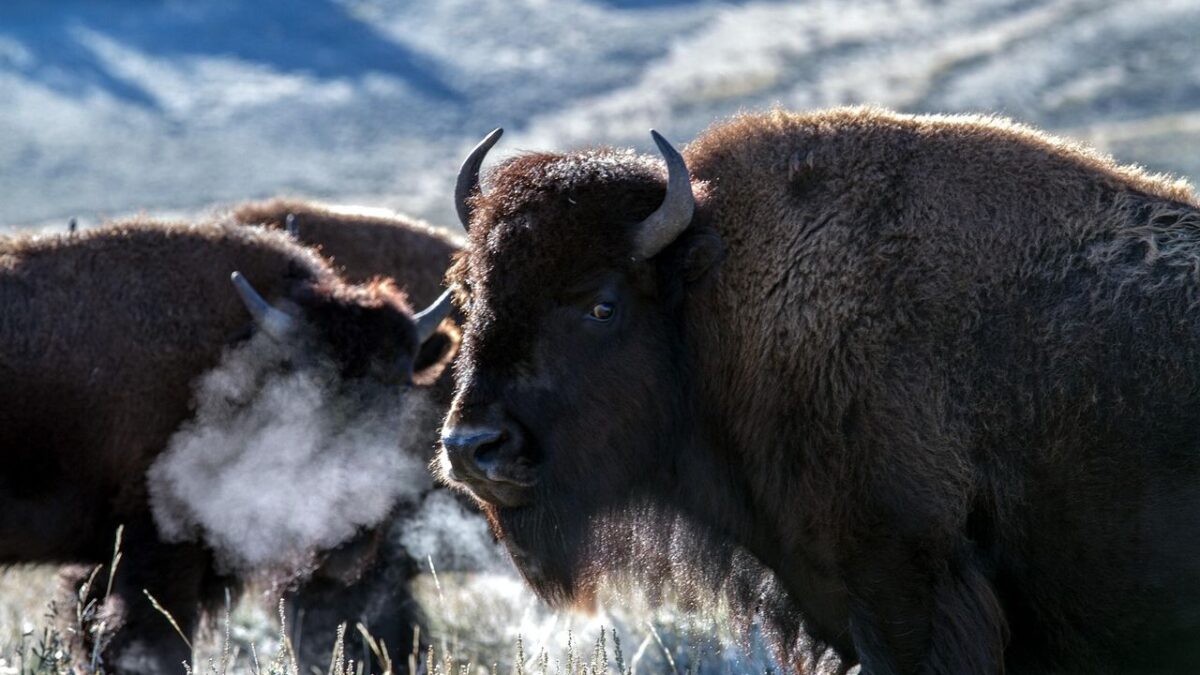
Yellowstone Bison: Ancient Rhythms in a Modern World
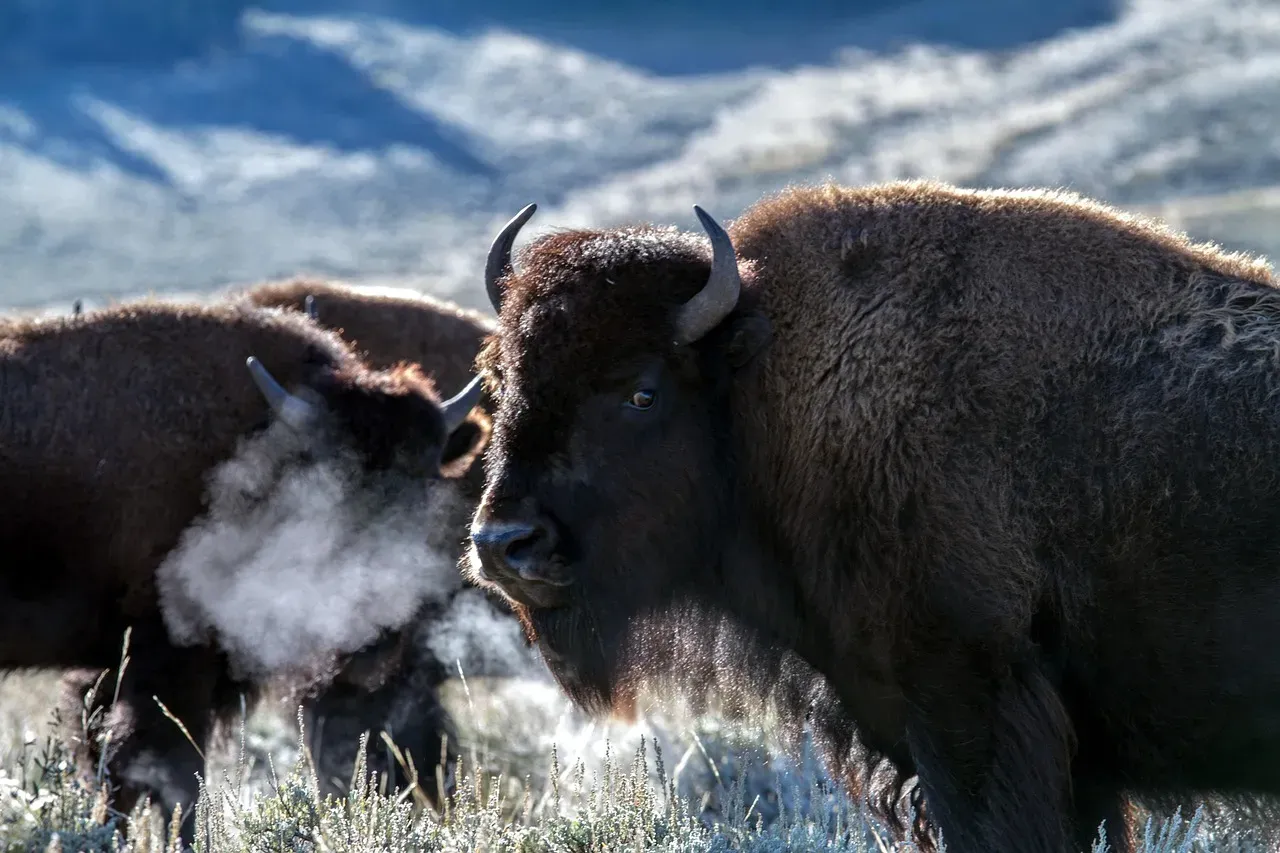
The American bison once migrated across the continent in staggering numbers, covering thousands of miles in great seasonal sweeps. That era is largely over. Yet remnants of it survive in a place that has protected them. While no longer undertaking the vast continental movements of their ancestors, some American bison herds still maintain seasonal migrations within protected areas like Yellowstone National Park. These movements, though shorter than historical patterns, represent one of the few remaining examples of large ungulate migration in North America.
Each spring, Yellowstone’s approximately 5,000 bison move from lower elevation valleys to higher mountain meadows, following the growth of nutritious grasses. Their migration covers elevational changes of up to 3,000 feet across distances of 30 to 50 miles.
This movement creates a ripple effect throughout the ecosystem, as bison grazing patterns influence plant composition, nutrient cycling, and habitat conditions for numerous other species. The preservation of these migration corridors remains crucial for maintaining healthy bison populations and the ecological processes they drive. It’s a smaller stage than before, but the performance still matters enormously to the land.
Wyoming Mule Deer: The Hidden Long-Distance Traveler
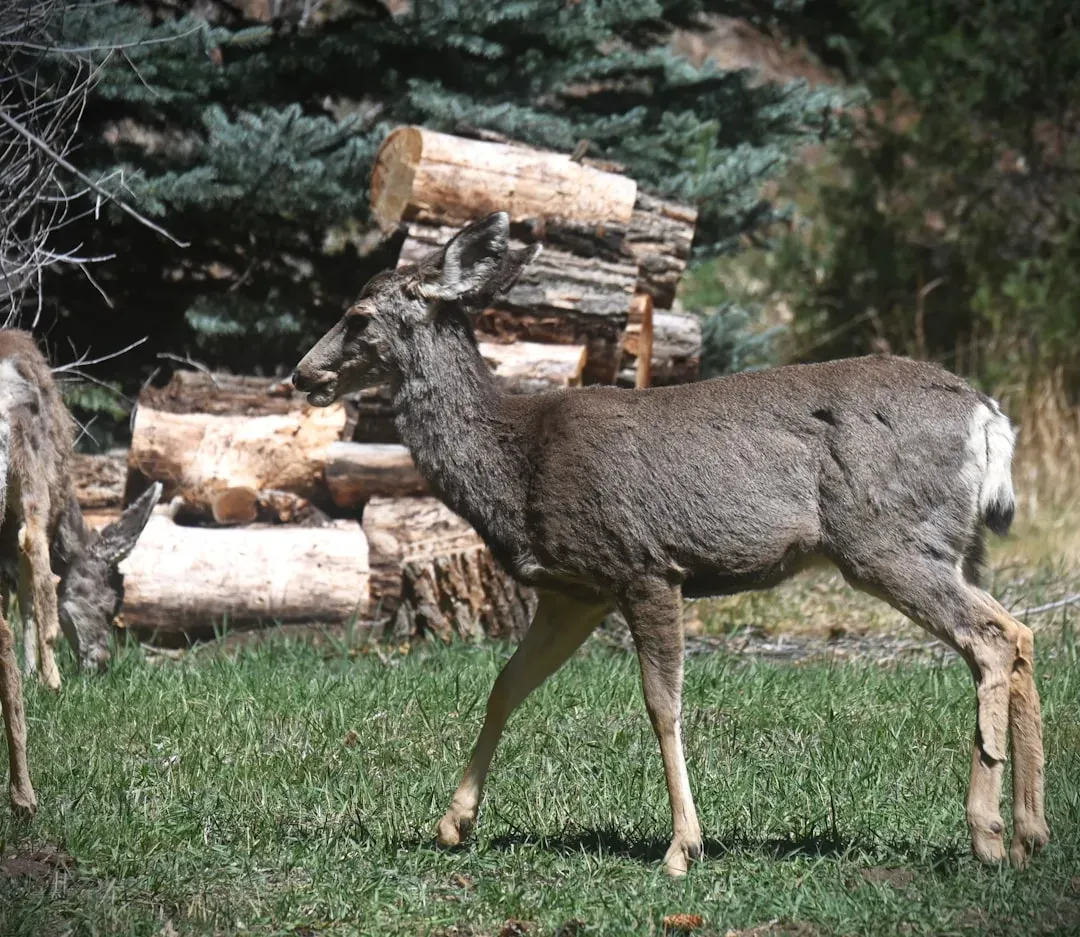
Not all great migrations are famous ones. Some were only recently uncovered, hiding in plain sight until the right tools came along to find them. Several herds of mule deer in Wyoming went largely undetected until wildlife biologist Hall Sawyer revealed in 2014 that they undertake the longest known terrestrial migration in the Lower 48. Individuals with radio collars traveled about 150 miles each way from the Red Desert of southwestern Wyoming to the mountains of northwest Wyoming.
Herds can swell to 5,000 mule deer, but the study showed that only about 500 ungulates make the full trip. Each leg of the journey takes a few months and involves numerous river, highway, and fence crossings. The obstacles these animals navigate are not just natural ones. Human infrastructure has carved right through their ancient routes.
Conservationists are now trying to protect the migration route from further development by buying up land at key crossover points. The story of the Wyoming mule deer is a reminder that discovery in the natural world is still happening, sometimes just a few states away, and that migration corridors are only as good as the land they pass through.
Conclusion: America as a Living Migration Map
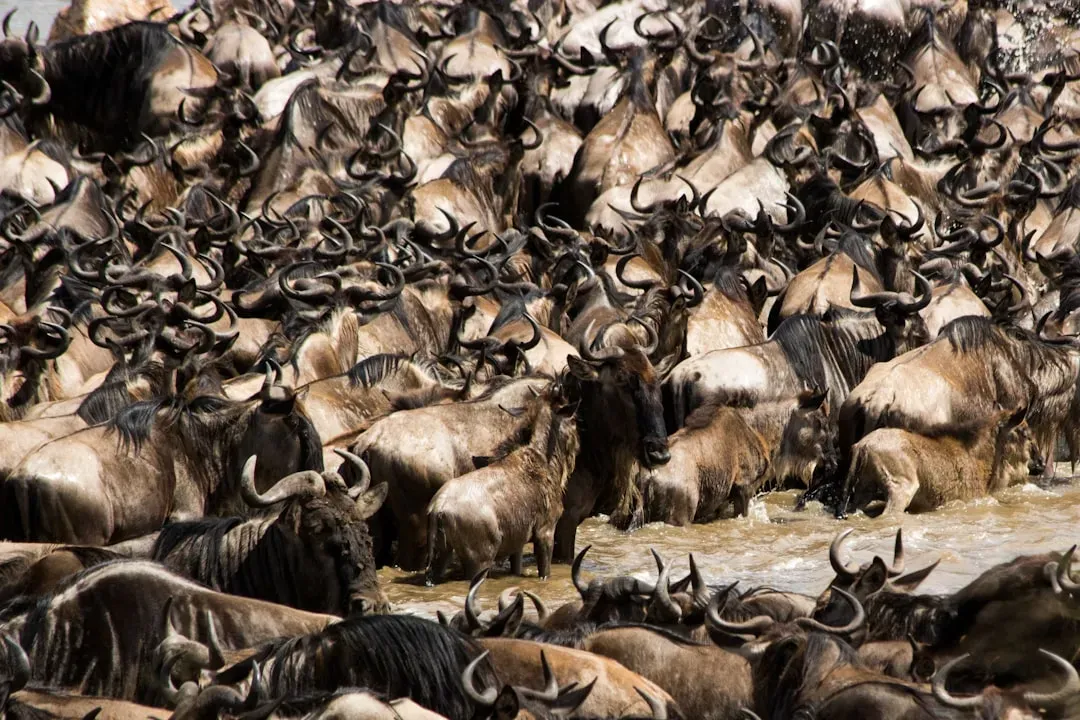
These incredible journeys are certainly captivating, but they also have a vital role to play in the ecosystem. Migration affects the distribution of prey and predators, keeps nutrients cycling around the planet, helps with the spread of pollen and seeds, and even influences human economies.
What makes these seven migrations remarkable isn’t just their scale. It’s the precision, the resilience, and the sheer depth of time behind them. Monarchs following routes encoded across generations. Caribou returning to calving grounds used for over three millennia. Salmon finding their birth rivers by smell alone. These aren’t coincidences. They’re the accumulated results of evolution, shaped by the land itself.
The more humans understand and protect these corridors, the better chance these journeys have of continuing long into the future. In many ways, the fate of these migrations reflects the broader health of the continent. Where they thrive, the land tends to thrive too. That connection is worth paying attention to.
