

Winter presents a formidable challenge for wolves across the Northern Hemisphere. As temperatures plummet and snow blankets the landscape, these apex predators must adapt their behavior and physiology to survive the harsh conditions. Unlike some mammals that hibernate or migrate to warmer climates, wolves remain active throughout the winter months, facing food scarcity, extreme temperatures, and difficult hunting conditions. Their survival depends on a sophisticated set of adaptations and strategies developed over thousands of years of evolution.
Wolf packs modify their hunting techniques, social dynamics, and physical attributes to withstand winter’s challenges. These remarkable canids have evolved specific winter survival mechanisms that showcase their resilience and adaptability in some of Earth’s most unforgiving environments. From the boreal forests of Canada to the steppes of Russia, wolves employ similar strategies with regional variations based on prey availability and specific environmental conditions. Understanding these winter survival tactics provides valuable insights into wolf ecology and the delicate balance of northern ecosystems.
Growing a Winter Coat
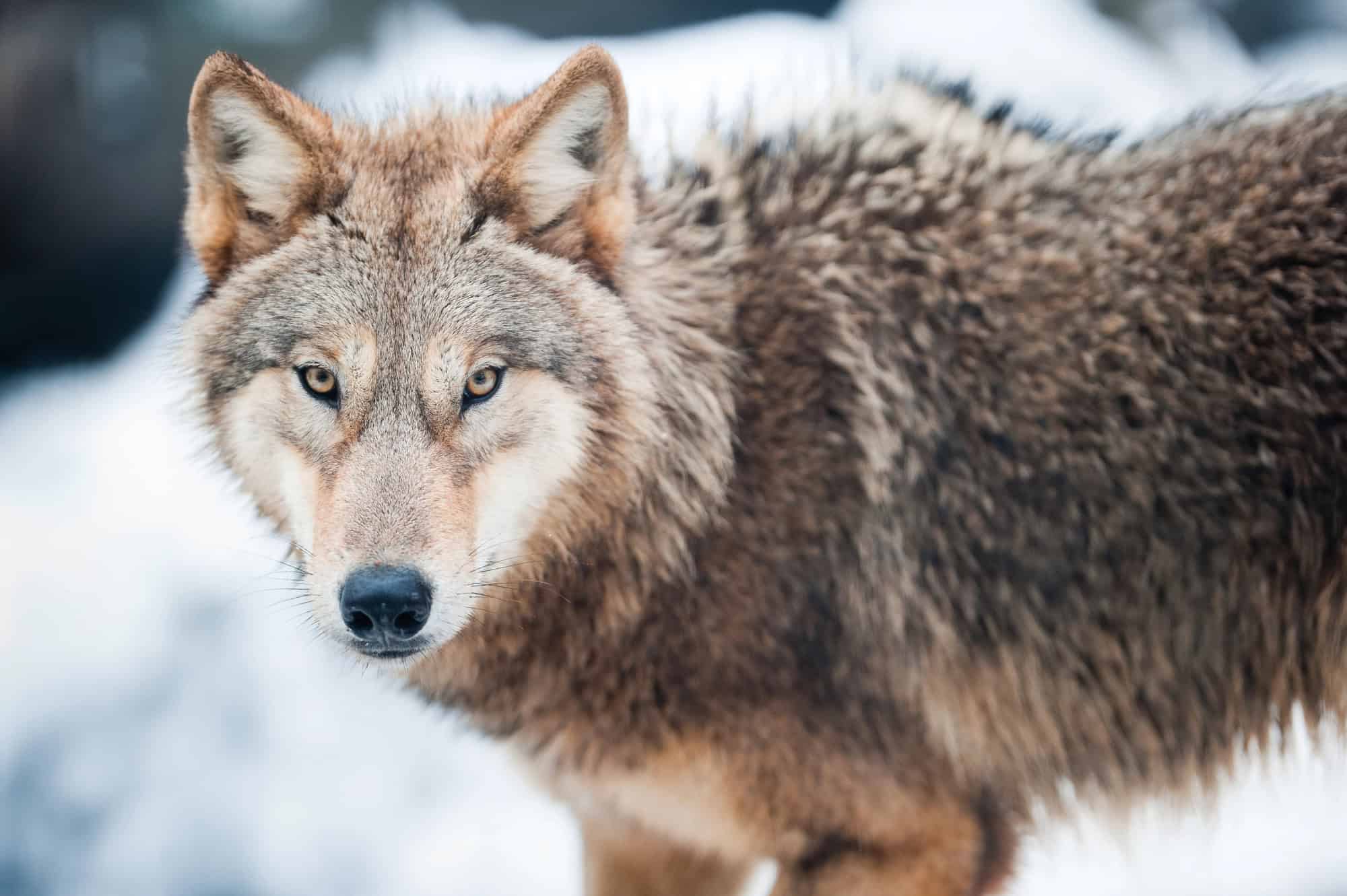
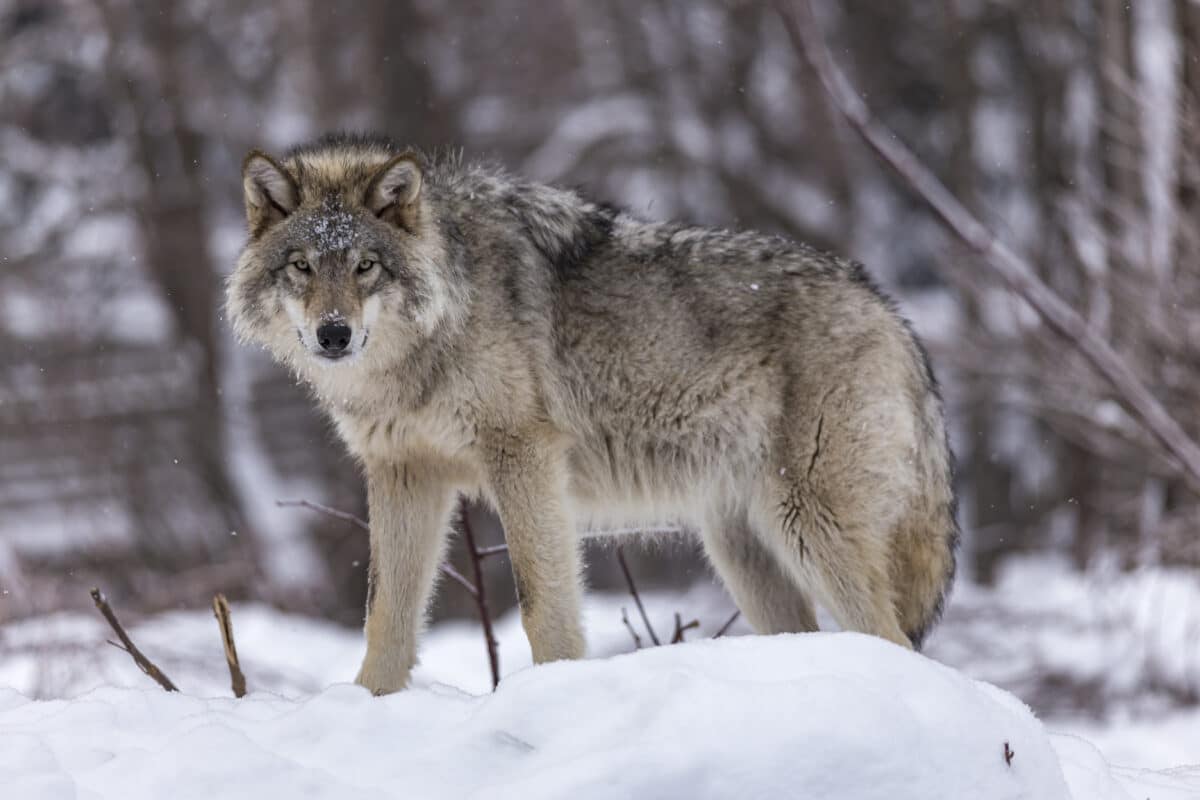
One of the wolves’ most important winter adaptations is their remarkable seasonal coat change. As autumn approaches, wolves shed their lightweight summer coats and grow dense winter fur that consists of two critical layers. The outer guard hairs provide water resistance and protection, while the thick underfur creates exceptional insulation against sub-zero temperatures. This winter coat can be up to 2 inches thick in northern subspecies, allowing wolves to comfortably rest on snow at temperatures as low as -40°F (-40°C).
The winter coat also changes in coloration, often becoming lighter to provide better camouflage in snowy landscapes. Gray wolves, in particular, may appear almost white or silver during winter months, especially in Arctic regions. This seasonal adaptation is triggered by changing daylight hours rather than temperature, ensuring the protective coat is in place before the harshest weather arrives. The insulating properties of this winter coat are so effective that snow can accumulate on a resting wolf’s back without melting, indicating minimal heat loss from the animal’s body.
Forming Tight-Knit Winter Packs
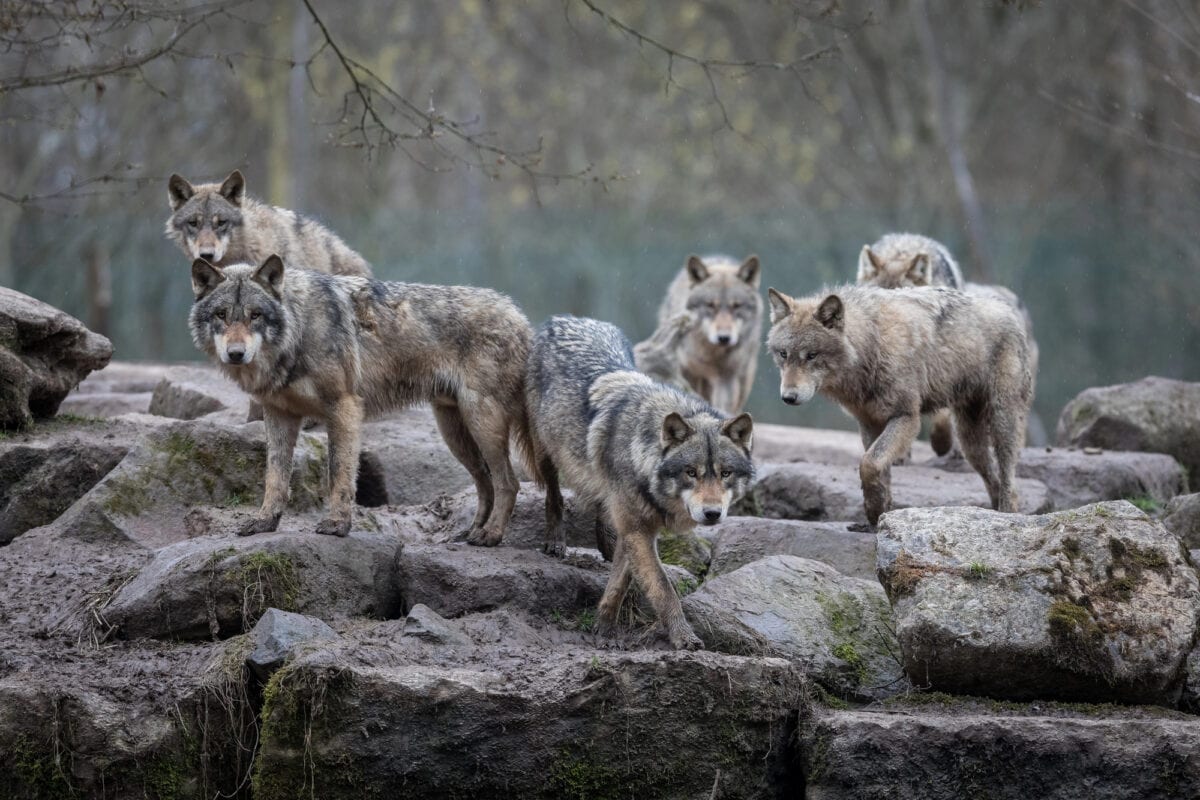
Wolf pack dynamics shift significantly during winter months, with social bonds strengthening as survival becomes more challenging. While wolves maintain pack structures year-round, winter packs typically display heightened cooperation and more clearly defined roles. The average winter pack size ranges from 5-12 individuals, though packs of up to 30 wolves have been documented in prey-rich areas. This social cohesion is crucial for hunting larger prey animals that become necessary food sources when smaller prey is scarce or difficult to access beneath snow.
Research shows that wolf packs with stable leadership and clear hierarchies have higher winter survival rates than disrupted packs. The experienced alpha wolves lead hunting expeditions and make critical decisions about territory use and den locations. Younger pack members learn vital winter survival skills through observation and participation in group activities. Additionally, wolves conserve body heat by sleeping huddled together during the coldest nights, with pack members taking turns sleeping on the exposed outer edges of the group. This rotation ensures all pack members benefit from the warmth of the central position periodically.
Developing Specialized Hunting Techniques
Winter forces wolves to adapt their hunting strategies to compensate for challenging conditions. Deep snow actually provides wolves with a hunting advantage against certain prey species like deer, elk, and moose. These ungulates struggle in deep snow due to their higher body weight relative to foot size, while wolves can move more efficiently with their broader paws and lighter bodies. Wolf packs exploit this mobility difference by strategically driving prey into deeper snowdrifts where the larger animals quickly exhaust themselves, making them vulnerable to attack.
Studies of winter wolf predation patterns show that success rates can increase by up to 30% compared to summer hunts when targeting certain prey species. Wolves also modify their approach tactics, frequently using relay hunting where pack members take turns pursuing prey to conserve energy while maintaining constant pressure. They become more selective in their hunting efforts, focusing on identifying vulnerable individuals before committing to an energy-intensive chase. Researchers have observed that experienced wolf packs will abandon pursuit much earlier in winter if the targeted animal shows strong resistance, saving crucial energy for more promising hunting opportunities.
Snowshoe Paws Adaptation

Wolves have evolved remarkable foot adaptations that function effectively as natural snowshoes. During winter, the webbing between their toes expands, and the fur between their foot pads grows longer and denser, significantly increasing the surface area of each paw. This adaptation distributes the wolf’s weight more evenly across the snow’s surface, preventing them from sinking deeply with each step. Studies have shown that a wolf’s foot loading (weight per square inch) can decrease by up to 40% in winter compared to summer months due to these adaptations.
The specialized winter paws provide wolves with a critical advantage over many prey species and competitors. While deer sink deeply into snow with each step, wolves can often travel across the surface with relative ease. Research tracking wolf movement patterns has demonstrated that packs will deliberately travel along windswept ridges and frozen waterways where snow is shallower, creating efficient travel corridors throughout their territory. These natural highways allow wolves to patrol larger areas while conserving energy, increasing their chances of encountering prey and defending territorial boundaries against neighboring packs.
Metabolic Adjustments

Wolves undergo significant metabolic adaptations during winter months to maximize energy efficiency. Their basal metabolic rate can fluctuate by up to 25% between seasons, with winter metabolism optimized for energy conservation when food is scarce. This physiological adjustment allows wolves to go longer between successful hunts without suffering severe consequences. Studies tracking wild wolves have documented individuals surviving up to two weeks without a major meal during winter, subsisting on minimal calories from small prey or scavenged carcasses.
Unlike many canids, wolves possess the remarkable ability to rapidly process protein and convert it to body fat when food is abundant. After a successful hunt, a wolf can consume up to 20% of its body weight in a single feeding. This protein is efficiently converted to energy stores that can be mobilized during lean periods. Additionally, wolves develop extra fat reserves in autumn that are strategically distributed throughout their bodies. These fat deposits are concentrated around vital organs rather than evenly under the skin, providing crucial insulation for their most important body systems while minimizing overall weight gain that could impede hunting mobility.
Strategic Territory Management
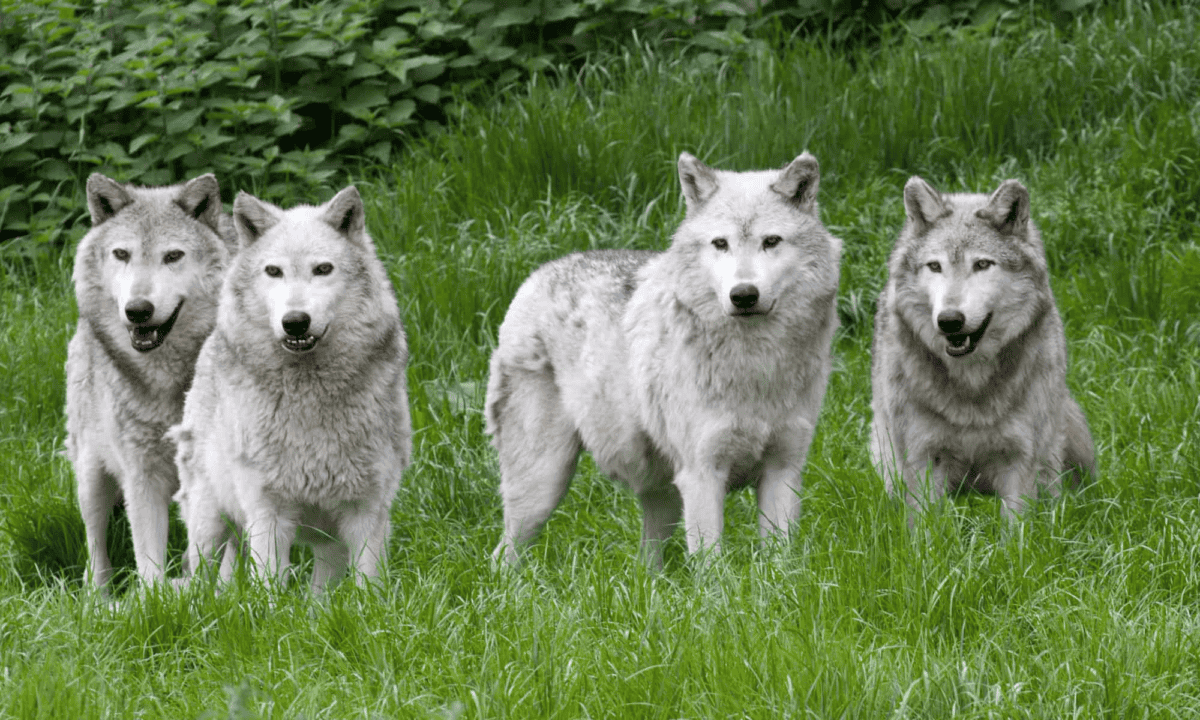
Wolf packs modify their territory use patterns significantly during winter months. While summer territories can span hundreds of square miles, winter territories often contract to focus on high-value areas with reliable prey and suitable shelter. GPS collar studies reveal that packs increase their territory patrol frequency in winter, with more regular boundary marking to deter neighboring packs from encroaching on critical resources. This territorial defense becomes particularly important when food sources are concentrated in specific areas such as winter ungulate yards where deer or elk congregate.
Within their territories, wolves establish networks of compacted trails through frequent use, creating efficient travel corridors that connect hunting grounds, resting areas, and rendezvous sites. These packed snow highways reduce energy expenditure during movement and can persist throughout the winter season. Research has shown that wolves will travel up to 30% farther from their core territory areas during mild winter periods, opportunistically exploiting temporary food sources before retreating to more dependable hunting grounds when conditions worsen. This flexible territory management maximizes resource access while minimizing competition with neighboring packs during the most challenging months.
Communal Hunting of Larger Prey
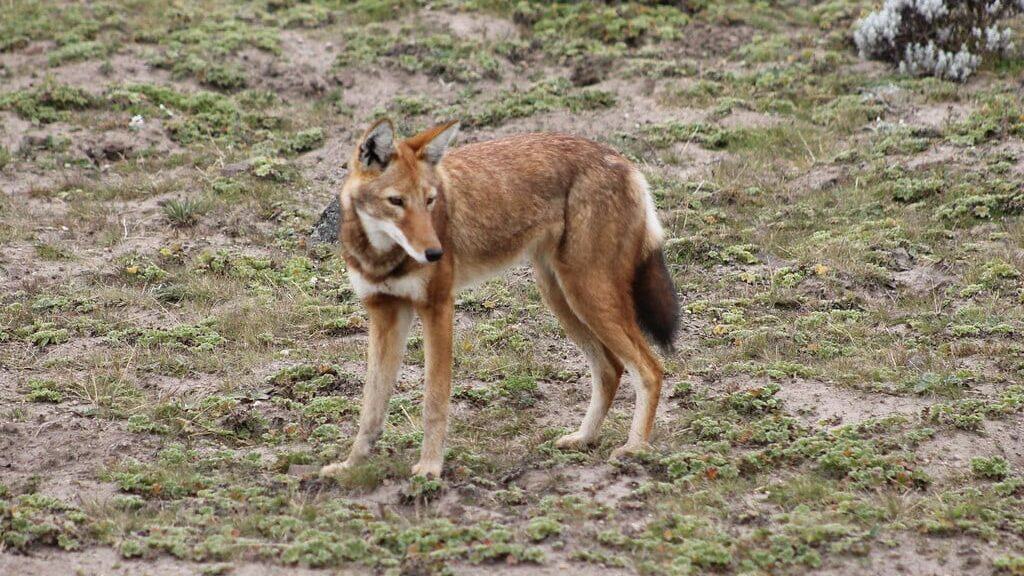
Winter food scarcity drives wolves to target larger prey animals that provide more calories per hunting effort. While summer diets often include smaller mammals like beavers, hares, and rodents, winter hunting focuses predominantly on ungulates such as deer, elk, moose, and caribou. Pack hunting becomes more coordinated and sophisticated, with different pack members taking specialized roles during the hunt. Studies of wolf pack dynamics show that larger packs can successfully target moose and bison—prey that would be impossible for solitary wolves to bring down.
The caloric efficiency of focusing on larger prey becomes evident when examining the energy economics of wolf predation. A successful moose hunt may require significant energy expenditure and risk of injury, but it can provide food for an entire pack for several days. Wolves have developed strategic approaches to minimize risk during these hunts, including testing multiple individuals to identify the most vulnerable targets before committing to an attack. Research in Yellowstone National Park has documented wolves preferentially selecting older bull elk during winter months, as these animals are often weakened after the fall rut and provide substantial meat with less risk than hunting healthy females or younger bulls.
Snow Shelter Construction

During the most extreme winter weather, wolves create temporary snow shelters that provide critical protection from wind and cold. Unlike permanent dens used during denning season, these snow beds are opportunistic structures created by digging shallow depressions in the snow, often on the leeward side of hills or natural windbreaks. The wolf’s body heat gradually melts and reshapes the snow around them, creating a semi-insulated pocket that can maintain temperatures significantly warmer than the surrounding environment. Thermal imaging studies have shown that these snow beds can trap heat remarkably effectively, with interior temperatures up to 30°F warmer than ambient conditions during blizzards.
Wolf researchers have observed that packs maintain networks of these shelter sites throughout their winter territories, often reusing favorable locations after storms. The shelters range from simple depressions for individual wolves to more complex communal beds where multiple pack members rest together. Pack members typically sleep in a circular formation with their backs to the wind and noses tucked under their tails to conserve body heat. During particularly harsh weather, wolves may remain in these shelters for extended periods, entering a state of reduced activity that minimizes energy expenditure until hunting conditions improve.
Failed Strategy Caching Food Long-Term
While wolves do cache excess food by burying portions of kills, this strategy proves largely ineffective for long-term winter food security. Unlike some animals that create substantial food stores for winter, wolves’ caches are typically short-term solutions used to hide food from scavengers rather than create lasting reserves. Several factors limit the effectiveness of caching: first, the preservative effect of cold temperatures is counterbalanced by competition from scavengers who can detect buried food despite snow cover. Ravens, eagles, and other carnivores frequently locate and raid wolf caches within days of creation.
Additionally, wolves lack the physiological adaptations needed to effectively digest frozen meat after extended storage periods. Unlike specialized scavengers such as wolverines, wolves cannot efficiently process meat that has undergone freeze-thaw cycles, which alters protein structures. Research tracking wild wolf packs has shown that most cached food is either recovered within 72 hours or abandoned entirely. The energy expenditure of defending multiple cache sites across a territory typically exceeds the caloric value of the stored food. Instead of relying on caching, successful wolf packs maintain consistent hunting efforts throughout winter, adjusting prey selection based on current conditions rather than attempting to create food reserves.
Failed Strategy Den Hibernation

Unlike bears and some other northern mammals, wolves do not hibernate or enter a state of torpor during winter months. Some observers have mistakenly interpreted wolves’ reduced activity during severe weather as a hibernation-like state, but this represents a fundamental misunderstanding of wolf biology. Wolves lack the physiological mechanisms required for true hibernation, including the ability to significantly lower body temperature and metabolic rate for extended periods. Attempts to conserve energy by remaining inactive for too long would quickly lead to muscle atrophy and decreased hunting fitness.
The social hunting strategy that defines wolf ecology requires continuous activity and mobility throughout winter. Research tracking wolf movement patterns has demonstrated that even during the coldest periods, packs maintain regular hunting activity with only brief sheltering during extreme conditions. Studies examining wolf mortality causes in winter show that packs that become too sedentary suffer higher death rates from starvation than those that maintain consistent hunting efforts despite harsh conditions. Rather than attempting to shut down physiologically during winter, wolves have evolved the specialized adaptations previously discussed to remain active and effective predators year-round.
Failed Strategy: Migration to Warmer Climates
Unlike many bird species and some mammals such as caribou, wolves do not undertake long-distance seasonal migrations to escape winter conditions. While wolf packs may shift their territory use patterns seasonally, true migration to warmer southern regions is not part of their survival strategy. Several factors make migration impractical for territorial predators like wolves. First, established wolf territories represent significant investments in terms of knowledge of hunting grounds, den sites, and established boundaries with neighboring packs. Abandoning these territories seasonally would create dangerous competition upon return and require reestablishing territorial claims each year.
Additionally, wolves’ primary prey species exhibit different migration patterns across their range. In some regions, prey animals like elk or deer migrate to lower elevations but remain within or adjacent to established wolf territories. In other areas, prey species like moose remain relatively stationary despite winter conditions. Research tracking wolf populations across North America and Eurasia consistently shows that packs adapt to local winter conditions rather than attempting to escape them through migration. Instead of relocating seasonally, wolves have developed the suite of physiological and behavioral adaptations detailed earlier that allow them to thrive as year-round residents in some of the planet’s most challenging winter environments.
Winter Wolves Masters of Cold Weather Survival

Wolves represent one of nature’s most impressive examples of cold weather adaptation among large predators. Through a combination of physiological changes, behavioral flexibility, and social cooperation, they’ve mastered the art of winter survival in environments that challenge even the most cold-adapted species. Their specialized winter coats, snowshoe-like paws, metabolic adjustments, and sophisticated hunting strategies work together as an integrated survival system refined through thousands of generations of natural selection. These adaptations allow wolves to remain active and successful hunters when many other predators struggle.
The contrast between wolves’ successful winter strategies and their unsuccessful alternatives highlights the species’ evolutionary path as specialized northern predators. Rather than attempting to escape winter through hibernation or migration, wolves have embraced their role as year-round residents of snowy landscapes. This specialization has made them keystone species in northern ecosystems, helping regulate prey populations and influencing the behavior of numerous other species. As climate change alters winter patterns across the Northern Hemisphere, wolves’ adaptability will be tested in new ways, potentially reshaping the strategies that have served them successfully for millennia. Understanding these remarkable winter adaptations provides valuable insights into both wolf ecology and the broader dynamics of northern ecosystems during their most challenging season.
Conclusion:
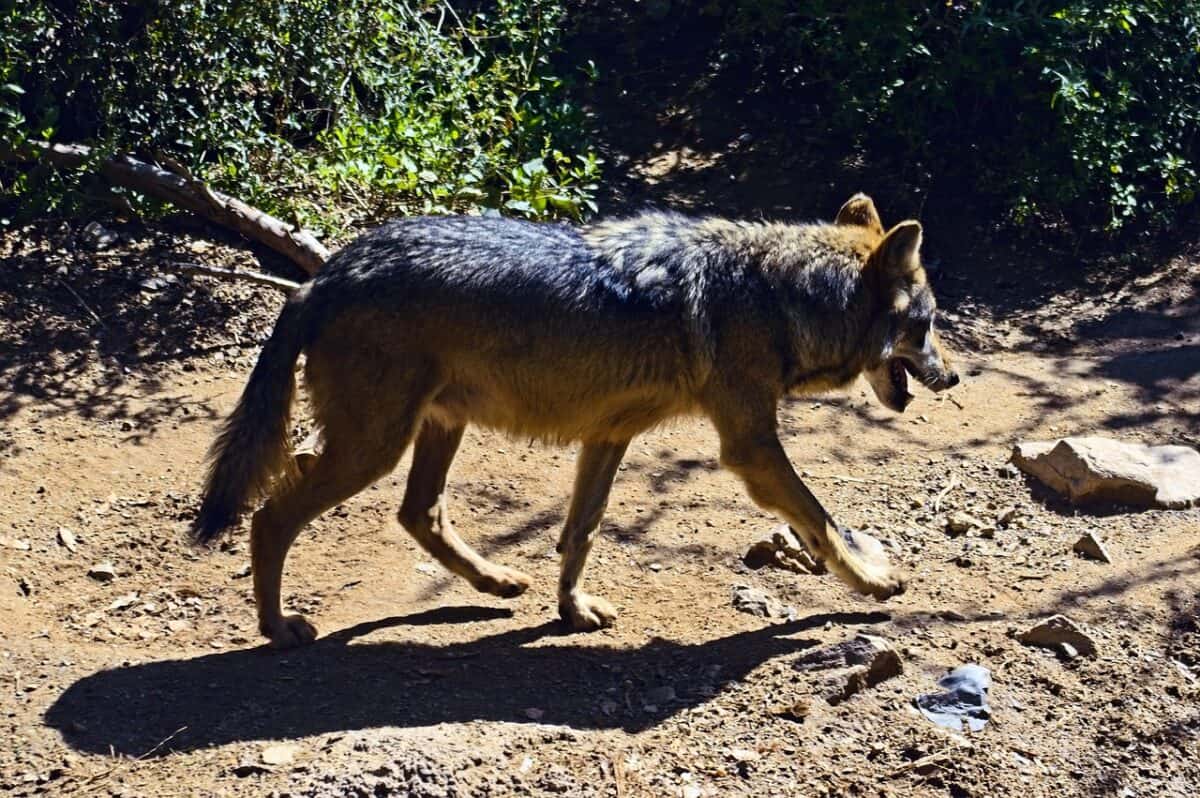
Wolves are remarkably well-adapted to the harsh challenges of winter. From traveling in coordinated packs to conserve energy and increase hunting success, to growing dense winter coats and caching food for lean times, these strategies reflect thousands of years of evolutionary fine-tuning. Their ability to communicate, work together, and make use of both instinct and experience allows them to thrive in some of the most unforgiving climates on Earth.
However, not every tactic guarantees survival. Extreme weather shifts, declining prey populations, and human interference can render even the most time-tested strategies ineffective. By understanding both the strengths and limitations of how wolves cope with winter, we gain insight not just into their resilience—but also into the fragile balance of ecosystems they depend on. Protecting that balance ensures that these iconic predators can continue to roam the snowy wilderness for generations to come.

As a little kid, I fell in love with nature, wildlife, and animals. Living in the USA, South Africa, Italy, China and Germany gave me the opportunity to discover the world's Wildlife. My favorite animals are Mountain Gorillas, Siberian Tigers, and Great White Sharks.
I'm a certified PADI Open Water Diver, went to Everest Base Camp and Trekked Gorillas in Uganda. I hold a Master of Science in Economics and Finance.
Please send any feedback to feedback@animalsaroundtheglobe.com
- 13 Aquatic Mammals That Don not Look It - July 10, 2026
- 15 Unlikely Hunters With Killer Instincts - July 10, 2026
- 10 Low-Maintenance Pets for Busy Owners - July 10, 2026