
There’s something quietly humbling about watching a small bird vanish over a horizon, knowing it won’t land for thousands of miles. Animals have been navigating our planet’s most extreme distances long before humans had maps, compasses, or satellites. They cross oceans, climb waterfalls, and follow ancient invisible signals written into their very biology.
What makes these journeys remarkable isn’t just the distance. It’s the precision, the timing, and in some cases, the sheer improbability that creatures this small or this fragile could pull it off at all. Here are seven of the most extraordinary animal migrations on Earth.
The Arctic Tern: A Bird That Lives in Perpetual Summer
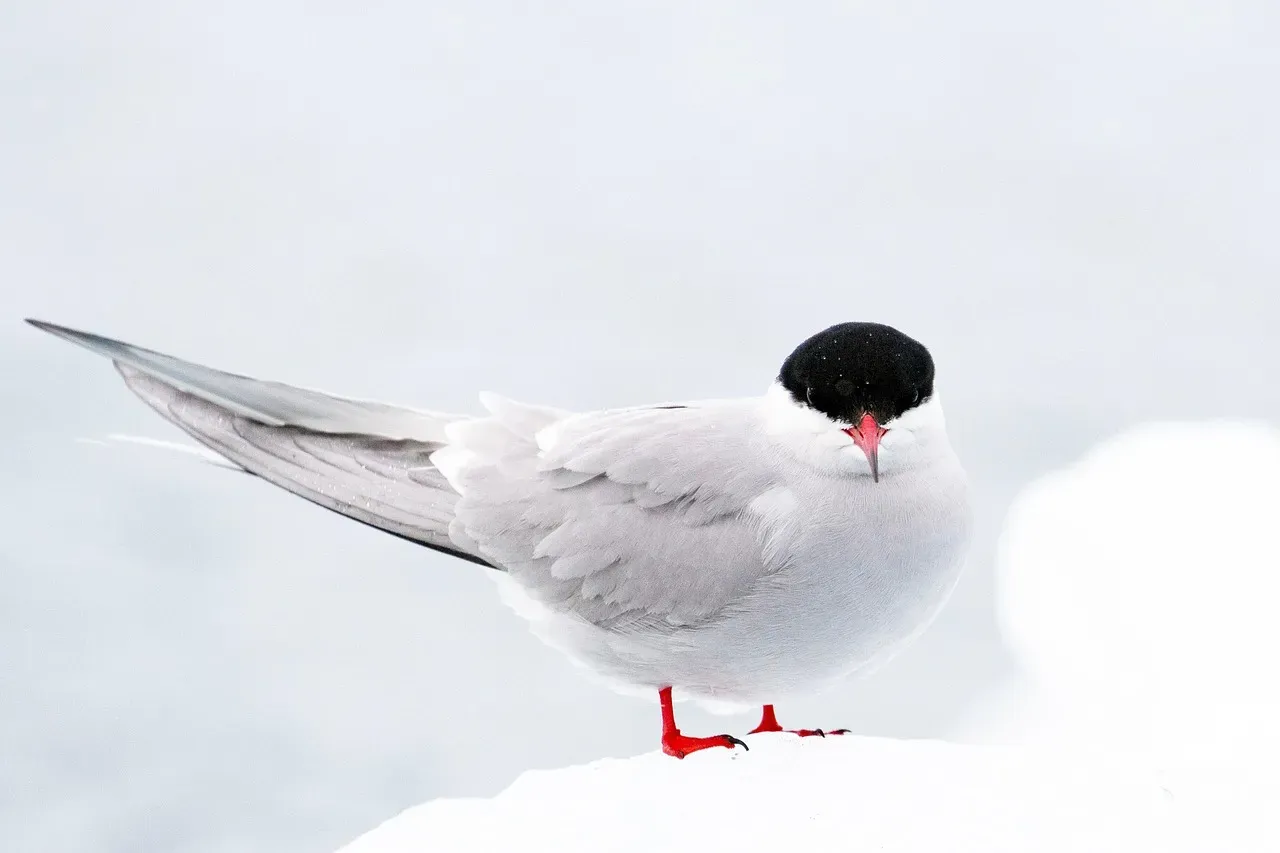
The Arctic tern is famous for its migration, flying from its Arctic breeding grounds to the Antarctic and back again each year. What sounds like a routine commute is anything but. Unlike most migratory species that take the most direct route, Arctic terns follow a winding, S-shaped pattern across the Atlantic Ocean, taking advantage of global wind systems to conserve energy.
Recent studies have shown average annual round-trip lengths of about 70,900 km for birds nesting in Iceland and Greenland, while an individual from the Farne Islands in Northumberland covered a staggering 96,000 km in just ten months from the end of one breeding season to the start of the next. To put that into perspective, the tern’s trip marks the longest migration ever recorded, equivalent to flying around the circumference of the Earth twice, plus 10,000 miles.
What makes this migration even more remarkable is that Arctic terns can live up to 30 years, meaning a single bird may fly the equivalent distance of three round trips to the moon during its lifetime. The long journey ensures that this bird sees two summers per year and more daylight than any other creature on the planet. That’s one very well-traveled bird, weighing barely more than a bar of soap.
The Great Wildebeest Migration: Africa’s Endless Circle
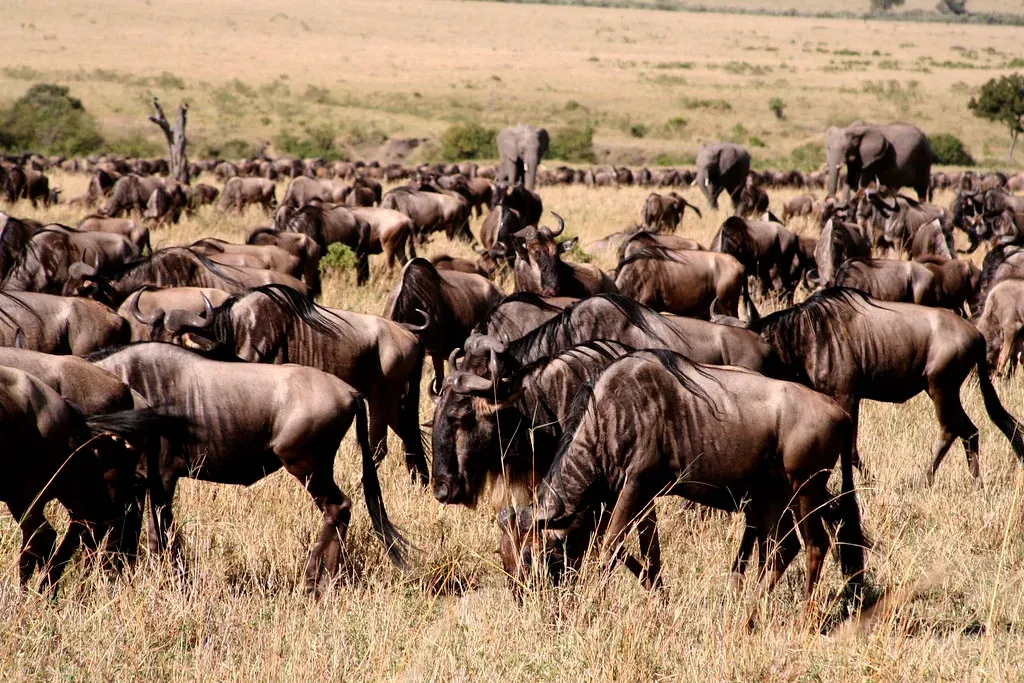
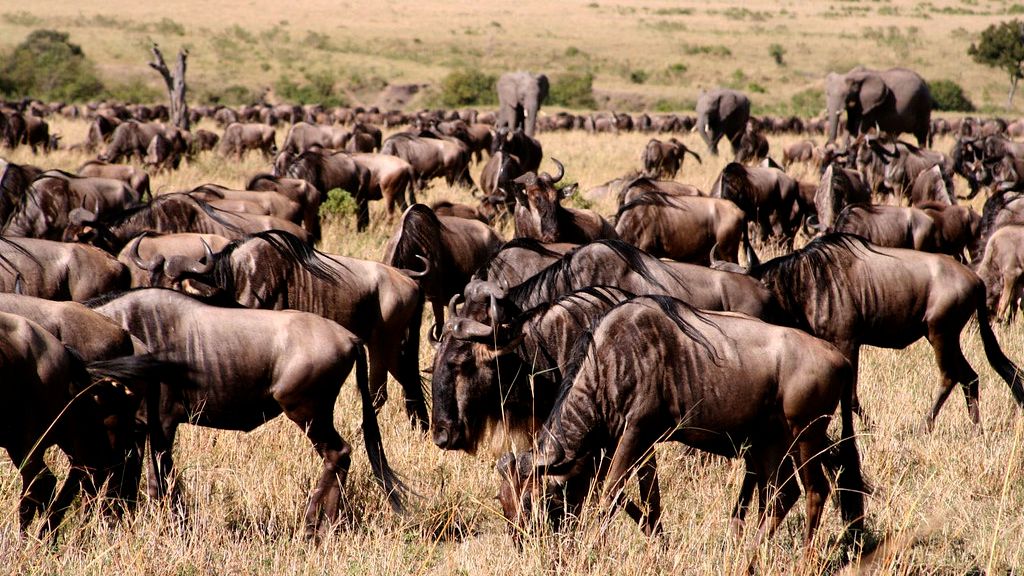
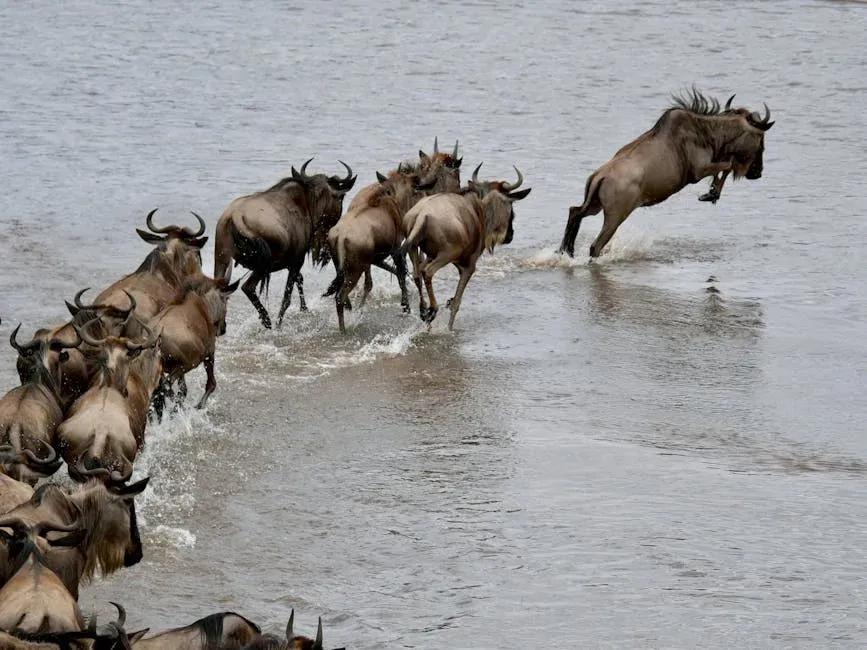
Over two million wildebeest, zebras, and gazelles move through the Serengeti and Maasai Mara ecosystems in search of green pasture, in a regular pattern. Guided by survival instinct, each wildebeest will cover 800 to 1,000 km on its individual journey along age-old migration routes. The whole spectacle repeats without pause, year after year, driven entirely by rain.
Half a million wildebeest calves are born each year in the southern Serengeti at the start of the yearly migration cycle, between January and March. Then, as the dry season sets in, the herds begin their push north, gathering into enormous columns. With up to 1,000 animals per square kilometer, the great columns of wildebeest can be seen from space.
The journey is beset with danger: young calves are snatched by predators, the slow are brought down by prides of lions, brave beasts break legs on steep river slopes, crocodiles take their share of the stragglers, and the weak and exhausted drown. During the migration, about 250,000 wildebeest and 30,000 zebra die every year as a result of predation by carnivores, drowning, thirst, hunger, and exhaustion. The loss is staggering, yet the species endures.
Monarch Butterflies: A Journey Across Generations
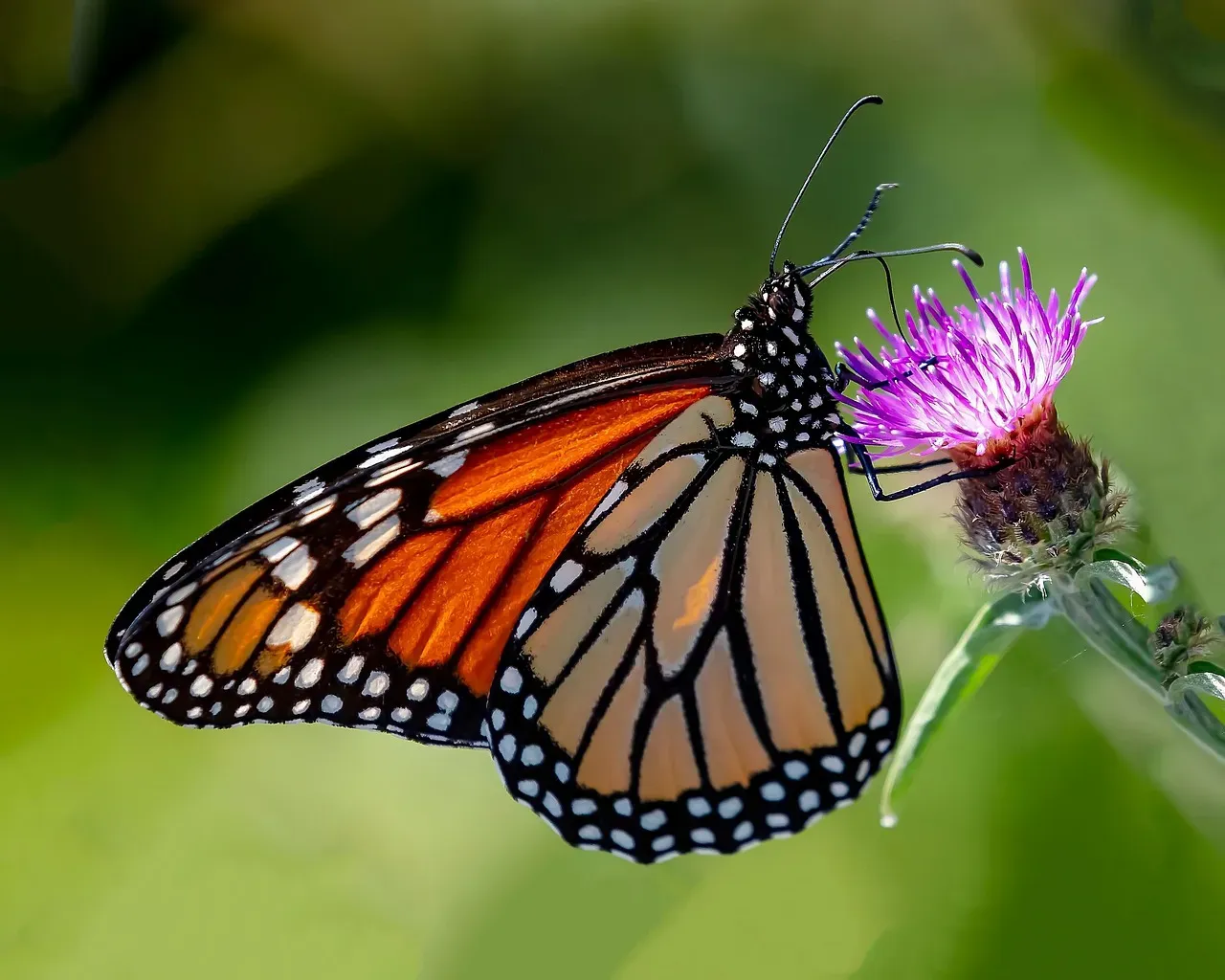
Monarch butterflies can be found all over the United States and further afield, but it is the northeastern American population that is famous for making the nearly 4,800-kilometer journey from Canada to Mexico. Each year, millions of monarch butterflies leave their northern ranges and fly south to the oyamel fir forests near the Sierra Madre mountains, where they gather in huge roosts to survive the winter.
What truly sets this migration apart is its multigenerational structure. There are approximately four generations of monarch butterflies that emerge throughout the year; the first generation is tasked with migrating from Mexico to the southern United States, the second and third generations emerge and lay many eggs in the north but do not have any role in migration, and the fourth generation must trek south towards the forested mountains in central Mexico. No single butterfly ever completes the full cycle.
It is truly amazing that these monarchs know the way to the overwintering sites even though this migrating generation has never before been to Mexico. Scientists believe monarchs use a bidirectional time-compensated sun compass for orientation, based on a time-compensating circadian clock that resides in the antennae. The navigation system is inherited, not learned. Each new generation picks up the journey exactly where the last one left off.
Humpback Whales: Giants on a Long Road South
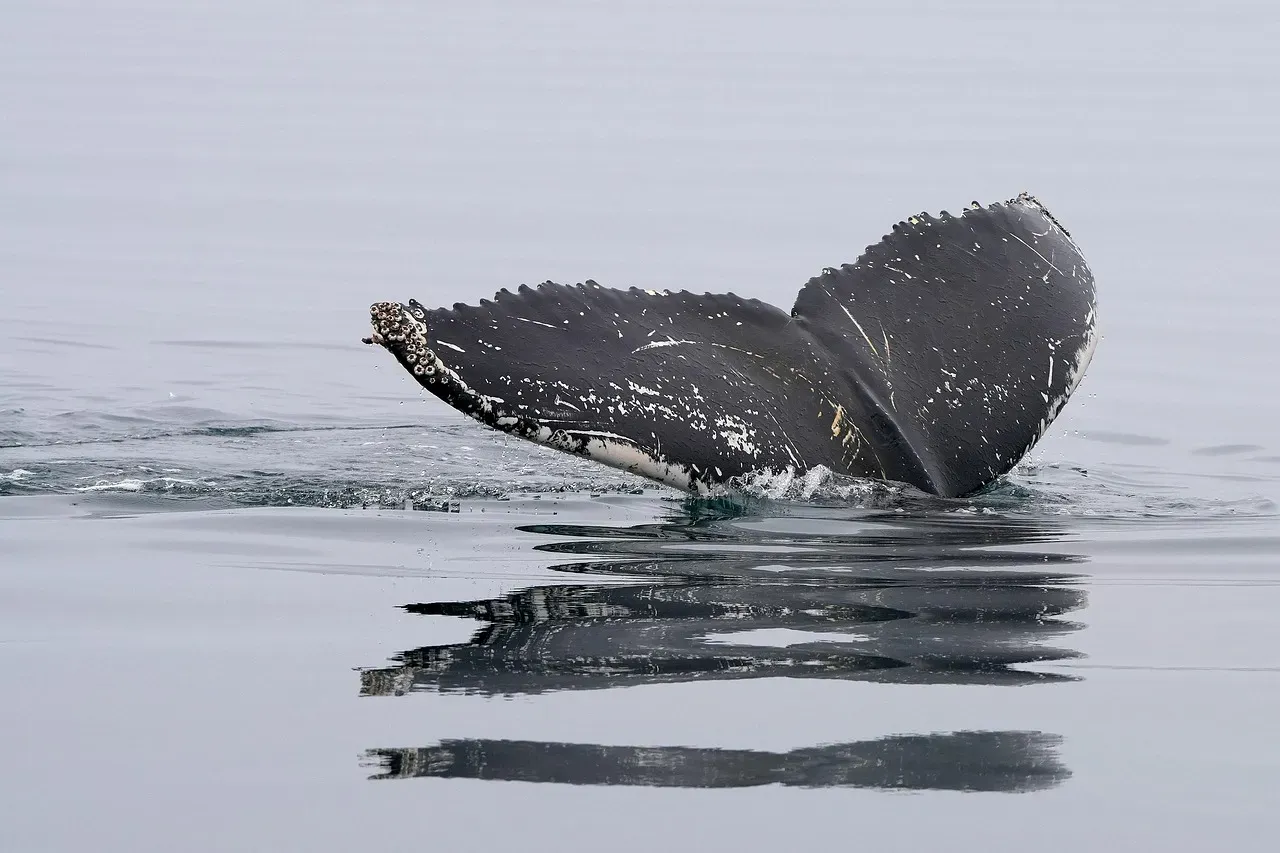
Humpback whales undertake one of the longest mammalian migrations on Earth, traveling up to 5,000 miles each way between their tropical breeding grounds and polar feeding areas. These 40-ton giants navigate with remarkable precision across featureless ocean expanses, returning to the same locations year after year.
Perhaps most incredibly, humpbacks barely feed during their time in breeding grounds, living off fat reserves accumulated during their time in productive polar waters. During these migrations, male humpbacks perform their famous songs, complex vocal compositions that can last for hours and evolve over time within populations. There’s something almost cinematic about that: a creature the size of a bus crossing an ocean in near silence, except for its own haunting soundtrack.
Interestingly, humpbacks in the northern and southern hemispheres migrate at opposite times, with northern populations traveling to warm waters in winter and southern populations making the journey in summer. This means at any given moment, somewhere in the world’s oceans, a humpback whale is mid-journey.
Salmon: The Impossible Homecoming
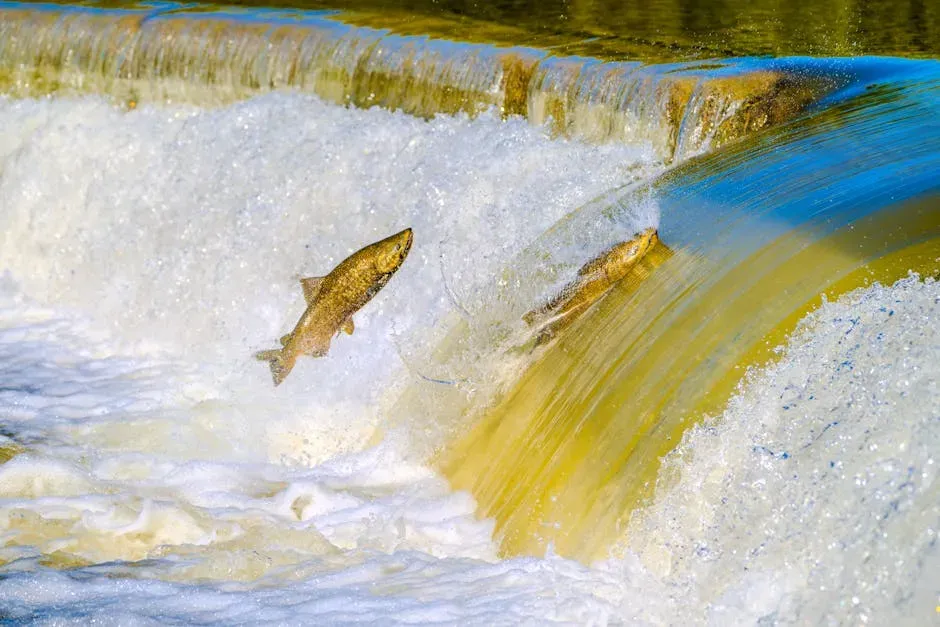
Salmon spend most of their lives in the Atlantic and Pacific Oceans, where they feed and grow before migrating back to the rivers where they were born. Salmon swim across the ocean to the mouth of the river, navigating using a combination of chemical cues, the sun, and Earth’s magnetic field. The precision of their return is almost impossible to fully comprehend.
Scientists have discovered that salmon navigate using a combination of magnetic cues and an incredible sense of smell; they can detect the unique chemical signature of their natal stream from miles away. Once they find their river, they face numerous obstacles, including swimming against powerful currents, leaping up waterfalls (sometimes jumping more than 12 feet vertically), and evading predators such as bears and eagles.
As they transition from saltwater to freshwater, salmon undergo dramatic physical transformations; their bodies change color, males develop hooked jaws and humped backs, and their internal organs begin to deteriorate as they channel all energy toward reproduction. Perhaps most remarkably, they stop feeding entirely during this journey, relying solely on stored energy to power their epic return. Their migration feeds entire ecosystems. After spawning, their bodies decompose, enriching the forest soil with marine nutrients.
Gray Whales: The Mammal Migration Record Holders
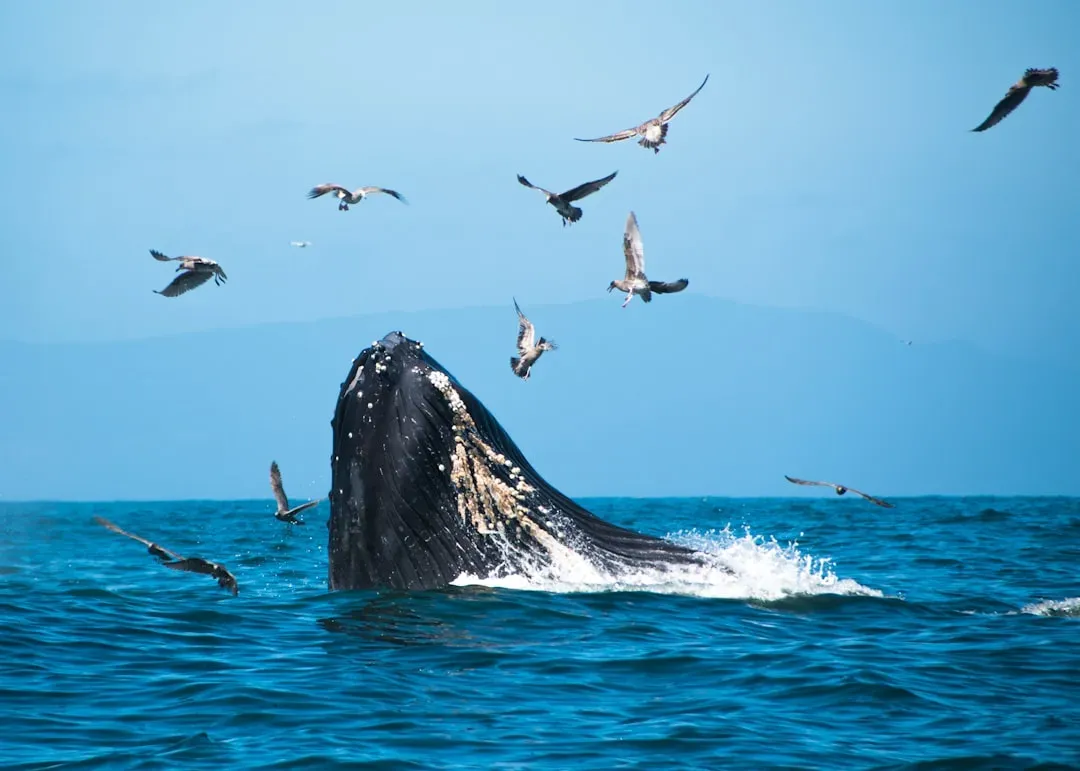
Of all mammal migrations on the planet, the gray whale is responsible for the longest in distance traveled, journeying 12,000 miles round-trip. Each spring, they migrate north to feed on small crustaceans in Arctic waters, then return south in the fall to reproduce in warmer waters. It’s a cycle they’ve repeated for millennia.
In 2015, an eastern gray whale set a new migration record; it was tracked as it traveled nearly 14,000 miles. The journey began in Russia, took the whale to Mexico, then back home to Eurasian waters. That kind of distance is hard to put into human terms. It’s roughly equivalent to flying from New York to Sydney and back again, then doing it once more.
Gray whales face a number of threats on their migration route, including being struck by vessels and getting tangled in fishing gear. Their route follows coastlines closely, which once made them vulnerable to whalers and continues to put them in the path of modern maritime traffic. Yet they persist, following the same coastal highways their ancestors used long before ships appeared on the horizon.
Christmas Island Red Crabs: Nature’s Most Coordinated March
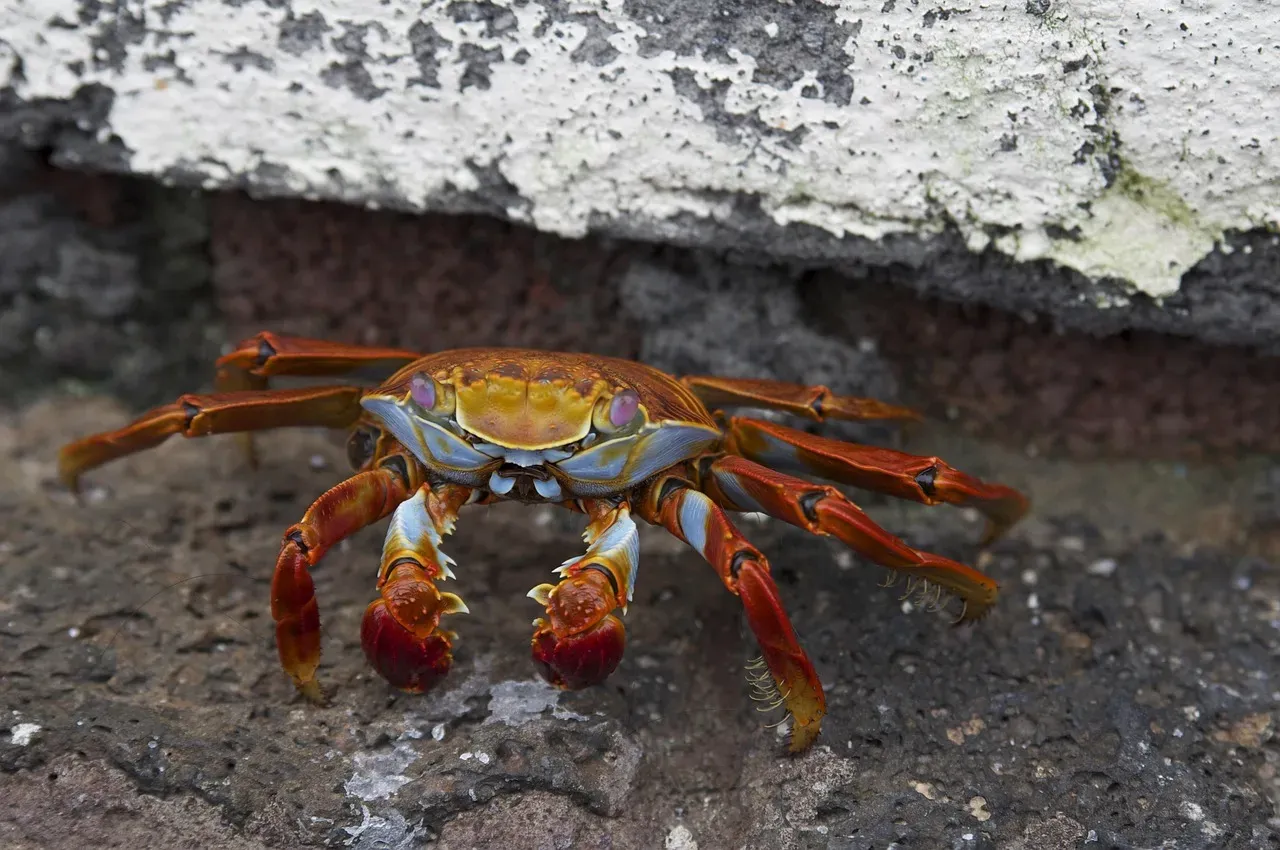
Red crabs are indigenous to Christmas Island, in Australia. An astonishing population of over 120 million inhabit the rainforest floor, found in the center of the island. They are so hard to find most of the year as they hide out in soil burrows or deep rock crevices, seeking shade. For most of the year, the island seems almost crab-free.
In October, as the wet season approaches, they migrate in swathes to the coast to spawn, in sync with both the lunar cycle and tidal patterns. It’s a remarkable display of synchronicity, with millions of crabs on the move, often requiring road closures to protect them. Roads are shut down, bridges are built specifically for their crossing, and still the sheer scale of the movement is overwhelming.
The journey from forest to ocean is short in distance but enormous in spectacle. The crabs time their arrival at the shore with the high tide of the last quarter moon, releasing their eggs into the sea at precisely the right moment. It’s one of nature’s most finely tuned events, a mass movement driven entirely by instinct and timed to the phases of the moon. No individual crab has ever taken a wrong turn.
Conclusion: The Instinct We Can Only Wonder At
These incredible journeys are certainly captivating, but they also have a vital role to play in the ecosystem. Migration affects the distribution of prey and predators, keeps nutrients cycling around the planet, helps with the spread of pollen and seeds, and even influences human economies.
Every year, billions of animals embark on remarkable journeys across our planet, traveling thousands of miles in search of food, favorable climates, or breeding grounds. These epic migrations represent some of nature’s most spectacular phenomena, showcasing the incredible resilience and navigational abilities of various species.
What unites all seven of these journeys is something deeper than biology. Every creature on this list travels not because it chose to, but because it was built to. There’s no deliberation, no second-guessing, no map on the wall. They simply go, guided by systems so precise and ancient that science is still working to fully understand them. In a world increasingly shaped by human decisions, that kind of certainty is, in its own quiet way, extraordinary.

- 6 Exotic Bird Species You Can Spot in U.S. National Parks - July 19, 2026
- 11 Iconic American Birds Facing New Challenges and How You Can Help - July 19, 2026
- 10 Friendliest Animals in the World - July 19, 2026