
Most people, when they think of American national parks, picture Yellowstone’s geysers or Yosemite’s impossibly tall granite walls. Those places are iconic for good reason. Honestly, though, there’s a whole other world out there. A world of ancient dunes, flooded-blue volcanic lakes, canyon shadows so deep that sunlight barely reaches the bottom, and remote islands where wolves still roam freely. The U.S. has 63 officially designated national parks, and the vast majority of visitors crowd into just a handful of them.
In 2024, more than half of all recreational national park visits went to just ten parks: Great Smoky Mountains, Zion, Grand Canyon, Yellowstone, Rocky Mountain, Yosemite, Acadia, Olympic, Grand Teton, and Glacier. That leaves dozens of extraordinary, jaw-dropping places sitting quietly in the background, barely visited, rarely photographed, and absolutely worth your time. So let’s dive in.
North Cascades National Park, Washington: America’s Best-Kept Alpine Secret
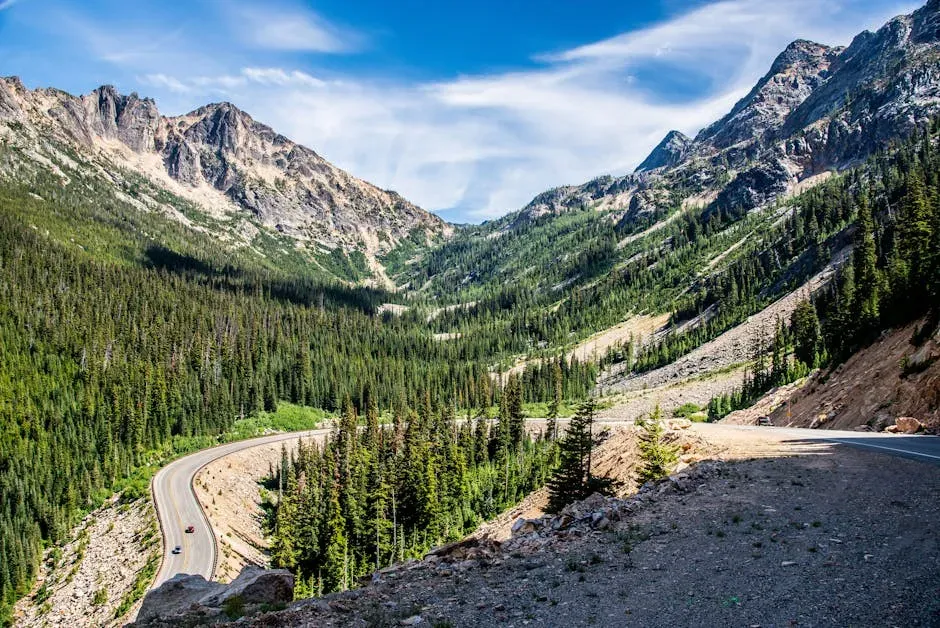
Here’s a fact that genuinely stopped me in my tracks when I first read it. North Cascades had only 16,485 visitors in 2024, making it the second least-visited U.S. national park, behind only Gates of the Arctic in northern Alaska. For context, Yellowstone sees millions. Let that sink in for a second.
North Cascades National Park on the Canadian border in Washington State is known as the “American Alps,” offering waterfalls, high peaks, and dramatic, snow-tipped mountains. It’s also home to more than 500 lakes and ponds, some of which you can boat on. Think about that. Five hundred lakes and barely anyone shows up.
There are over 300 glaciers in North Cascades National Park, more than any other national park outside of Alaska. The lack of major roads through the park makes much of it beautifully inaccessible, which means the solitude you’ll find there is genuinely rare in the modern world. The remote community of Stehekin is accessible only by boat, foot, or seaplane, which, if you ask me, sounds like the beginning of a perfect adventure.
Black Canyon of the Gunnison National Park, Colorado: The Darkest Canyon You’ve Never Seen
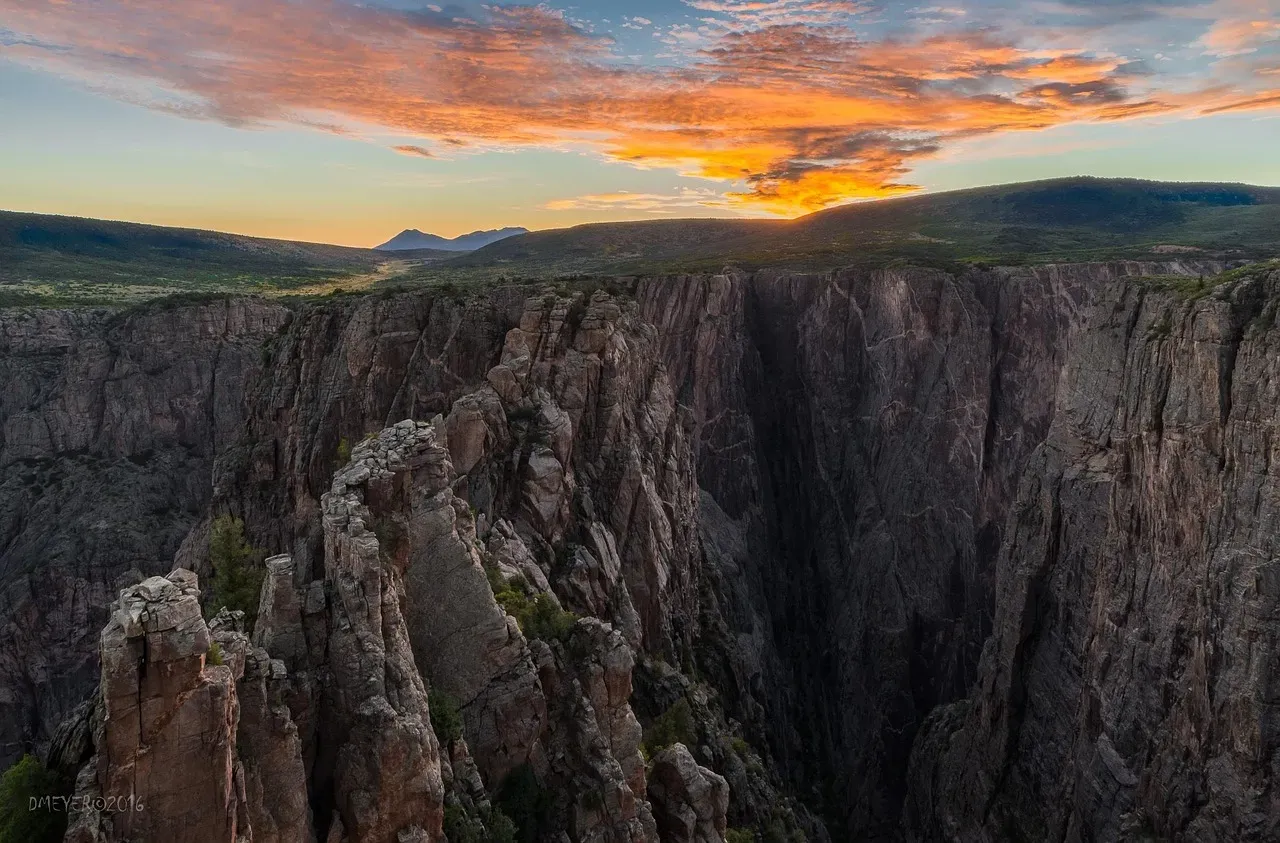
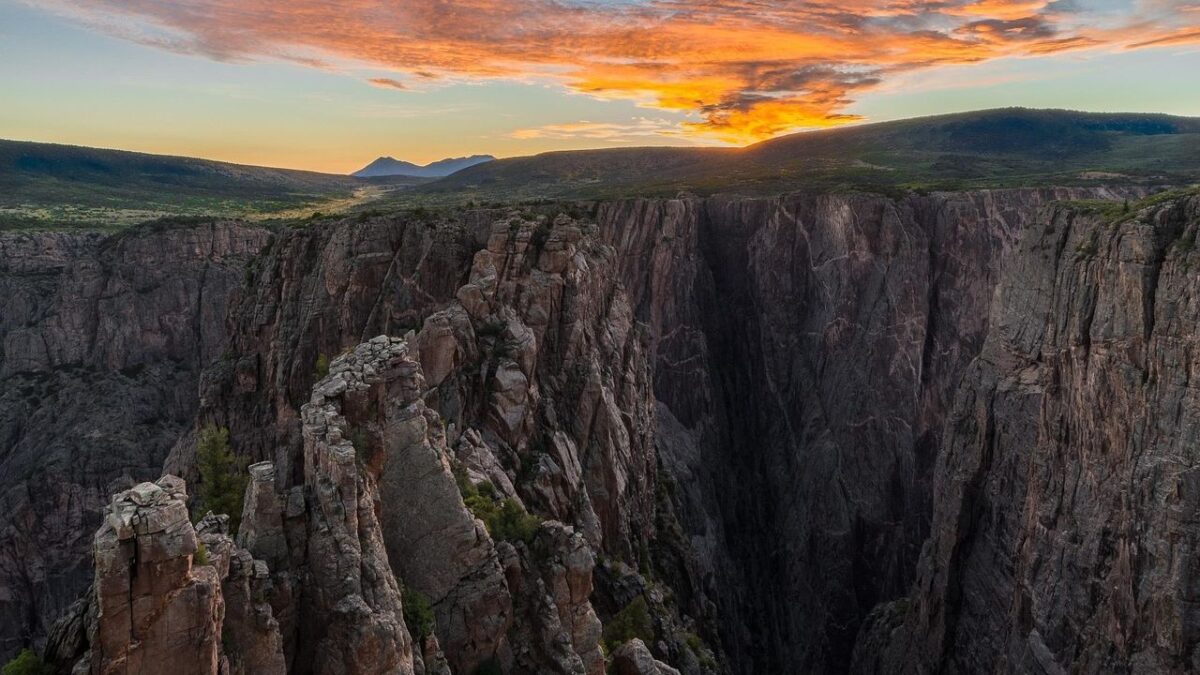
I know it sounds crazy, but there is a canyon in Colorado so deep and so narrow that parts of it receive only about 40 minutes of sunlight per day. Unlike the vastly more popular Rocky Mountain National Park, Black Canyon of the Gunnison is located in a part of Colorado that sees little traffic, and it protects the steepest canyon in the United States, which gets its name from the fact that some portions may only see around 40 minutes of sunlight per day.
Black Canyon of the Gunnison boasts some of the steepest cliffs, oldest rock, and craggiest spires in North America, and the sheer depth and narrowness of the canyon create dramatic and breathtaking views, not to mention some of the most adventurous rock climbing on the continent. It’s the kind of place that looks like it belongs on another planet.
The Gunnison River has one of the steepest river descents in America as it flows through the canyon, dropping 34 feet over every mile. Hiking trails along the rim offer spectacular overlooks, while more adventurous visitors can explore the inner canyon with a permit and a sense of adventure. If you’re chasing raw, dramatic scenery without the selfie sticks and tour buses, this is your place.
Lassen Volcanic National Park, California: Yellowstone Without the Crowds
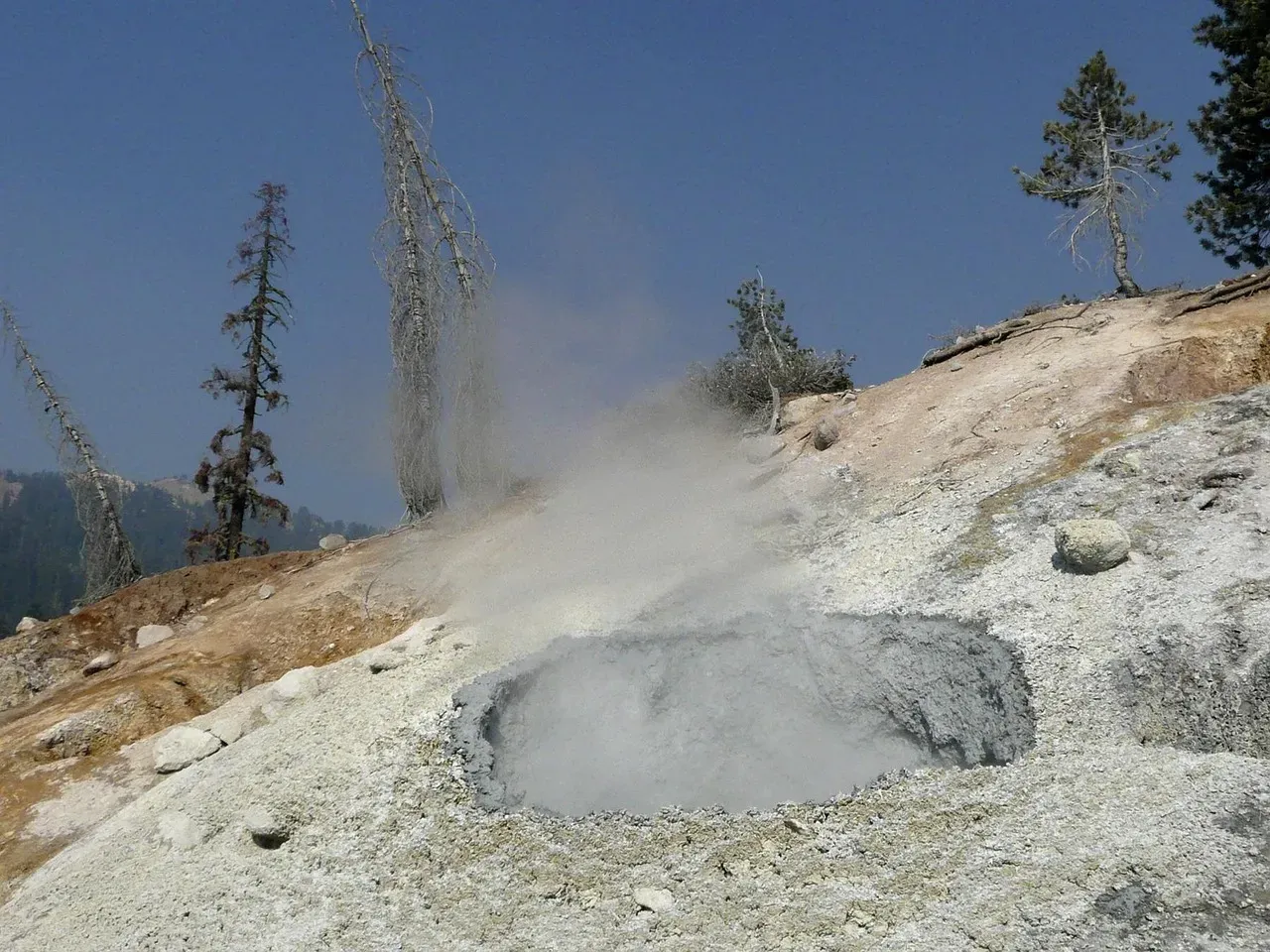
Most people hear “California” and think beaches, redwoods, or Yosemite. Very few think volcanoes. That’s precisely why Lassen Volcanic National Park remains one of the most overlooked parks in the entire country. Nestled in sparsely populated Northern California, the average American probably hasn’t even heard of this park, but if you visit, you’ll be rewarded with splendid views of volcanic valleys and snow-capped mountains.
Lassen Volcanic National Park is a geothermal wonderland, home to all four types of volcanoes: shield, plug dome, cinder cone, and stratovolcano, and the park features steaming fumaroles, boiling springs, and bubbling mud pots, reminiscent of Yellowstone but with far fewer visitors. That last part is the key difference worth remembering.
The hike to Lassen Peak offers panoramic views of the surrounding volcanic landscape, and the park’s meadows burst into color with wildflowers in the summer, while its crystal-clear lakes are perfect for kayaking and fishing. It’s the full package. Geology, wildlife, hiking, water. All of it, with almost no one else around.
Isle Royale National Park, Michigan: A Wilderness Island Like No Other
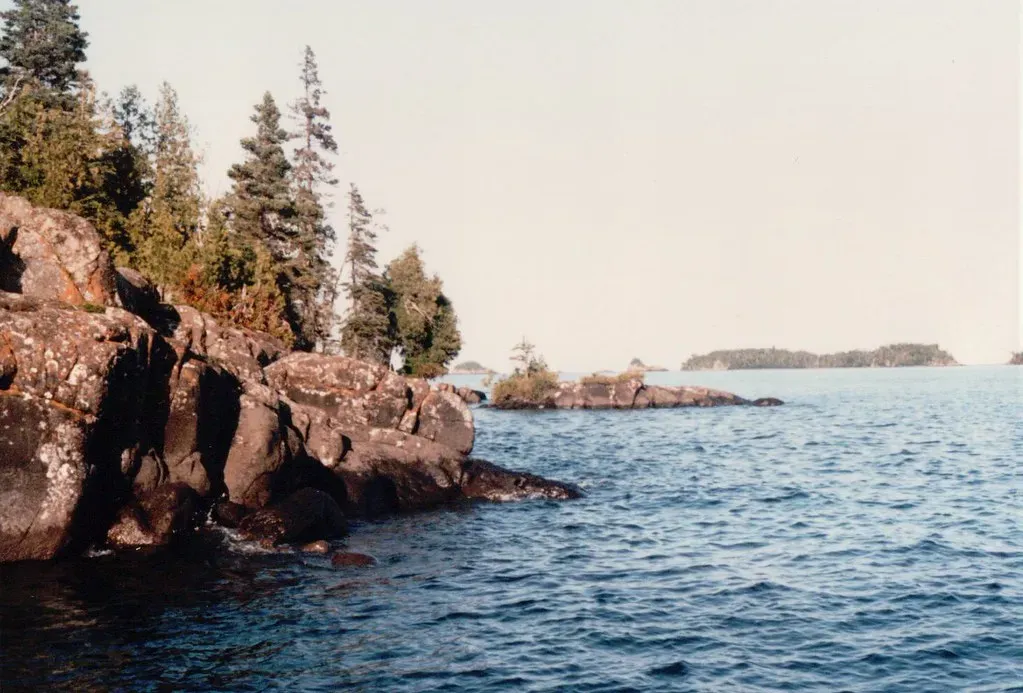
Let’s be real. Most people couldn’t point to Isle Royale on a map. This remote island park can only be accessed by boat or seaplane, so it’s truly untouched and peaceful. That kind of access barrier is what keeps the crowds away, and what makes the experience so rare once you’re there.
The cold, clear waters of Lake Superior surrounding the park hide more than just fish; they’re home to a fascinating collection of shipwrecks that attract scuba divers year-round, with over 25 documented shipwrecks, some dating back to the late 19th century, offering an unparalleled journey through time. It’s one of the most unique diving destinations in the entire country, and almost nobody talks about it.
Visitors can see moose, wolves, otters, beavers, and many species of birds, and one of the main attractions is the wolf and moose population, which has been studied for decades and provides valuable insight into predator-prey dynamics. The amount of pristine backcountry hiking or kayaking you can do here is nearly unmatched in the lower 48. If isolation and raw wilderness are what you’re after, Isle Royale delivers.
Great Sand Dunes National Park, Colorado: Mountains of Sand in the Rockies
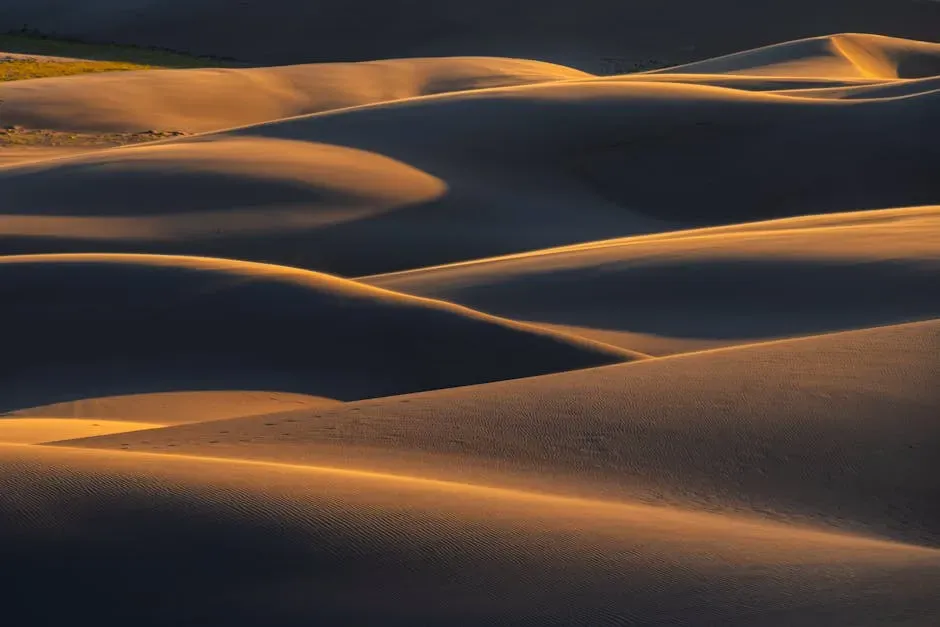
Picture this: you’re driving through the Rocky Mountains of southern Colorado, surrounded by jagged peaks and alpine meadows. Then, completely out of nowhere, a field of massive sand dunes appears on the horizon. It sounds surreal. It absolutely is. Tucked away in the mountains of southern Colorado sits one of the most underrated national parks, Great Sand Dunes, where you’ll find the highest sand dunes in North America, rising 750 feet over the valley below.
Flanked by rugged mountain peaks to the east, the park offers the unique experience of climbing up the massive sand dunes as well as more traditional hiking options in the surrounding mountains. There’s genuinely nowhere else on earth quite like this combination of landscape. As you hike through this unique landscape, you’ll be mesmerized by the patterns and colors of the sand in a surreal and magical experience.
Aside from the dunes, Great Sand Dunes National Park also has alpine lakes, forests, and wildlife, and visitors can hike, bird-watch, or try sandboarding or sand sledding down the dunes. Sandboarding, by the way, is exactly as fun and exhausting as it sounds. Great Sand Dunes is easily accessible and can be seen in one day, making it an ideal stop on a Colorado road trip.
White Sands National Park, New Mexico: The World’s Largest Gypsum Dune Field
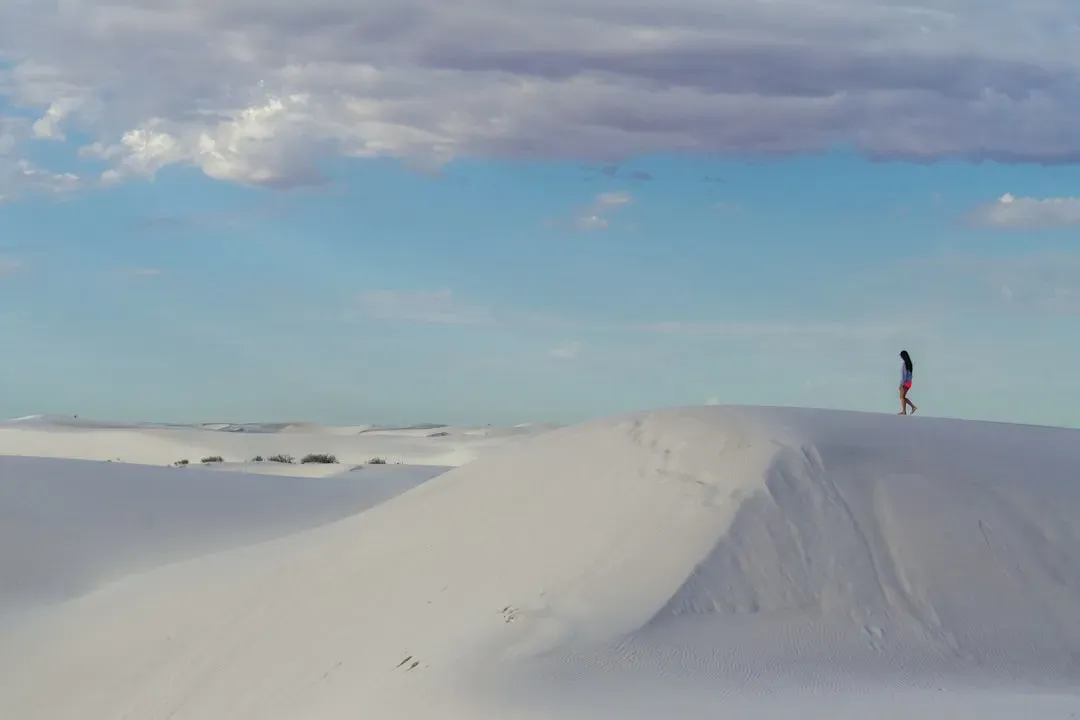
New Mexico doesn’t get nearly enough credit as a travel destination. Honestly, that works entirely in your favor when it comes to White Sands. White Sands is famous for its miles and miles of white gypsum sand that forms dunes in the middle of the New Mexico desert, and it has been a national monument since 1933 but only recently received national park status in 2019, with the white sands formed from gypsum deposits left behind when an ancient sea evaporated.
This is the largest gypsum dune field in the entire world. That’s not a small claim. This is a record-breaking landscape sitting right in the middle of the American Southwest, and a surprising number of people have never even heard of it. If you want to see a side of America that is shockingly empty and quiet, drive through New Mexico.
The dunes shimmer almost blindingly white under the desert sun, creating an otherworldly atmosphere that photographers absolutely lose their minds over. The park is particularly magical at sunset, when the white sand picks up soft shades of pink and gold. The incredible thing about this park is how much freedom you have once you’re actually there to explore. It’s a place that rewards wandering.
Theodore Roosevelt National Park, North Dakota: Badlands, Bison, and Wild Horses
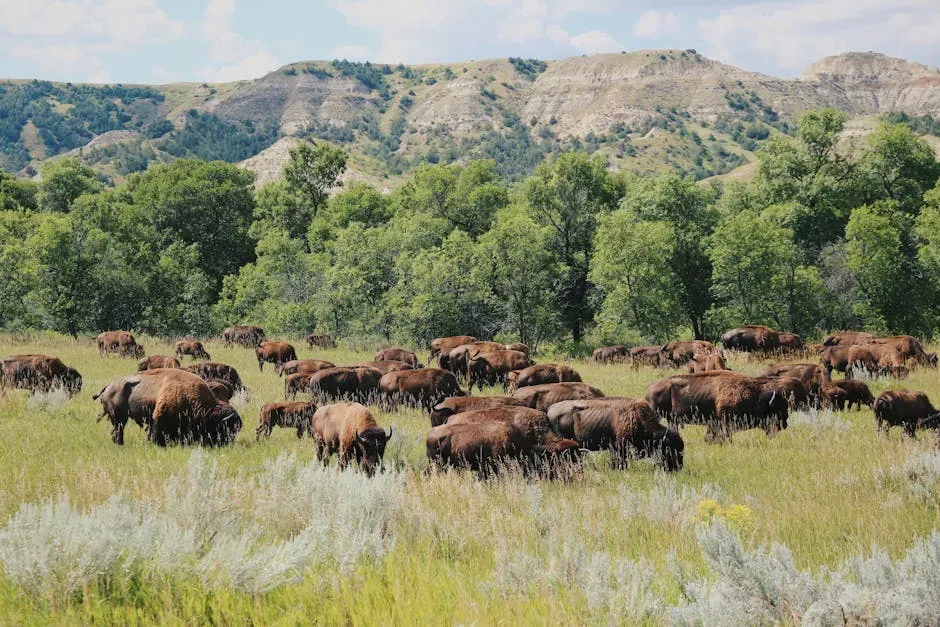
North Dakota isn’t exactly the first destination that comes to mind for most travelers. Yet Theodore Roosevelt National Park is, in my opinion, one of the most genuinely surprising parks in the entire country. Named after the 26th President of the United States, Theodore Roosevelt National Park celebrates the rugged beauty of the North Dakota Badlands, and the park’s landscapes of rolling hills, eroded buttes, and colorful canyons are stunning, offering excellent wildlife viewing opportunities with bison, wild horses, and prairie dogs all visible if you’re lucky.
The park is divided into three units, each offering unique experiences from scenic drives to backcountry hiking, and its relative obscurity increases your odds of a peaceful visit, away from the crowds. Wild horses, bison roaming free, enormous open skies. It feels like stepping back into what America once looked like before everything became crowded and rushed.
At night, this park transforms into a stargazer’s paradise, and if you’re lucky, you might catch a meteor shower or even the Northern Lights dancing across the night sky. It’s hard to say for sure what kind of experience every visitor has, but one thing seems consistent: most people leave wishing they had stayed longer. The Badlands have a way of doing that to you.
Conclusion: The Parks You Visit Next Could Be the Ones That Stay With You Longest
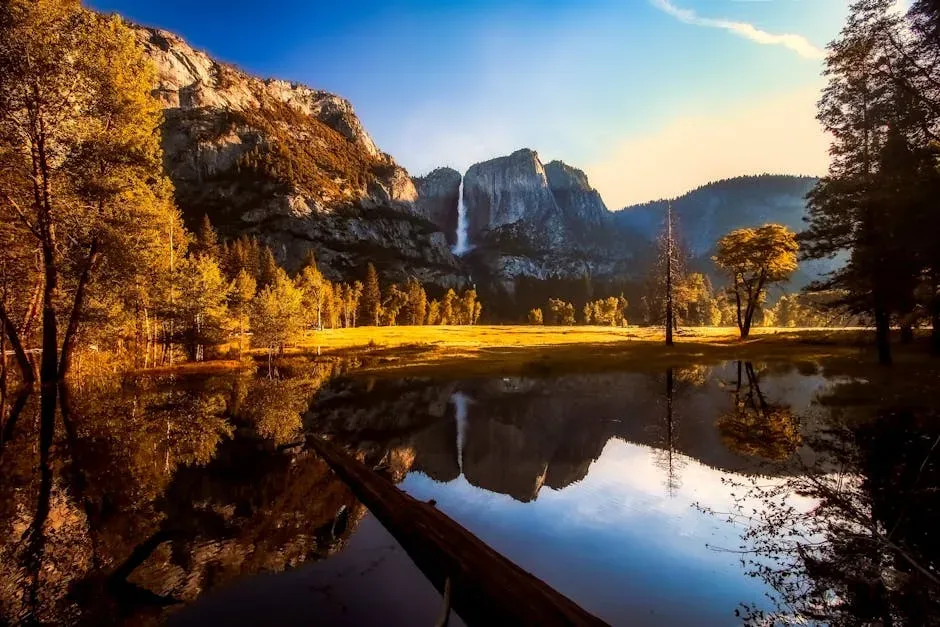
There’s something deeply satisfying about discovering a place that most people drive right past. Many national parks are underrated and undervisited, whether because they’re lesser-known, more far-flung, or simply overshadowed by more famous nearby parks. That’s their gift to the traveler willing to look a little further.
The seven parks on this list offer everything the famous ones do, towering geology, rare wildlife, ancient history, and breathtaking scenery, with one major bonus: space. Room to breathe. Trails where you might walk for an hour without seeing another soul. That kind of experience is becoming increasingly rare, and increasingly valuable.
The America hiding in plain sight, in the shadows of the big names, is just as spectacular, if not more so. All it takes is the willingness to go off-script and explore what most people overlook. Which of these seven parks surprised you the most? Have you visited any of them, and did they live up to the hype? Tell us in the comments.
