
For most of human history, we treated animal communication as something simple, instinctive, and largely unknowable. A bark, a chirp, a rumble in the dark. We heard the sounds but assumed there was little more behind them. That assumption is slowly, and quite dramatically, unraveling.
Over the past few decades, and with real momentum in recent years, researchers have been peeling back layers of animal behavior that point to something far richer. Our knowledge of animal communication is growing by the year, and the tools available to science now, including machine learning, bioacoustics, and neural imaging, are revealing systems of extraordinary complexity. What we are finding challenges long-held ideas about what separates human communication from everything else on the planet.
Elephants Speak in Frequencies We Cannot Hear
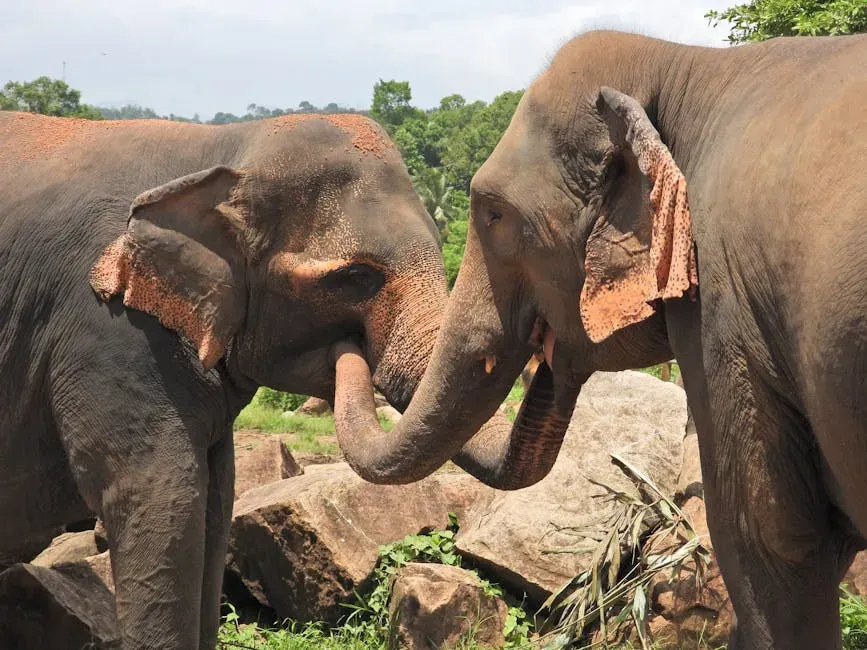
There is a whole conversation happening in elephant country that is completely inaudible to humans. Elephants use infrasound, which are deep rumbles that reverberate through the earth and can be heard by animals miles away, in addition to their loud trumpeting. These calls fall below the threshold of human hearing, yet they carry across vast distances of savannah and forest.
Elephants also produce infrasound waves that travel through solid ground and are sensed by other herds using their feet, although they may be separated by hundreds of kilometres. These calls may be used to coordinate the movement of herds and allow mating elephants to find each other.
The unique anatomical relationship between the length, mass, and elasticity of elephant vocal folds indicates that elephants have evolved the capacity to produce lower-frequency sound than any other terrestrial animal. Elephants have been shown to have the ability to produce and detect sound over the widest range of frequencies of all nonhuman mammals.
A recently published study also found that African elephants have names for each other and address one another by name, a discovery that elevates elephant communication well beyond simple alarm calls. Elephant Voices co-founder Joyce Poole notes that elephants use some 250 sounds and gestures to communicate with each other, a repertoire that researchers are only now beginning to map in full detail.
Sperm Whales May Have Something Close to an Alphabet
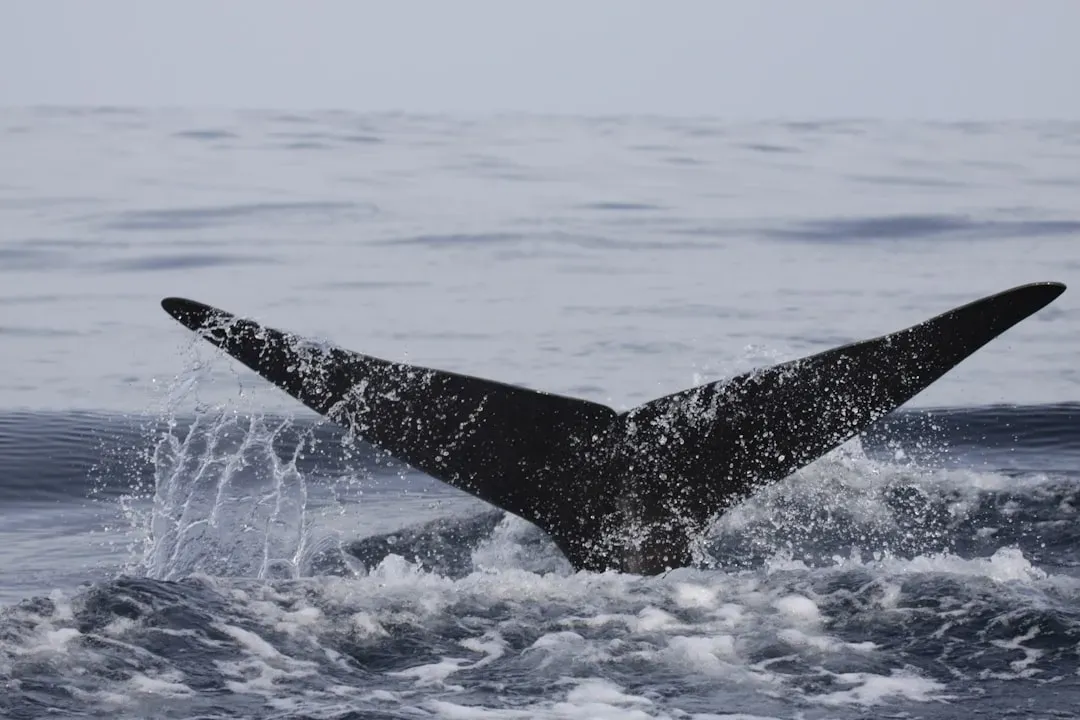
Sperm whales use sequences of clicks to communicate, and researchers have now shown that these vocalizations are significantly more complex than previously believed. The so-called “sperm whale phonetic alphabet” has both combinatorial structure and call modulation dependent on the conversational context.
Sperm whales produce rapid-fire clicks called codas, with each coda consisting of between three and 40 clicks. In addition to changing the number of clicks, whales often speed up or slow down the tempo of each coda, something researchers call “rubato,” and sometimes they add an extra click at the end. These variations are not random. They appear to be deliberate signals.
The patterns also appear to be based on the context of the conversation. They can be predicted by machine learning in the same way you might predict the sequence of syllables or words in a sentence. It really turned out that sperm whale communication was not random or simplistic, but rather structured.
Still, researchers urge caution about overstating these findings. Uncovering the scope of whales’ vocal exchanges is an important step toward linking whale calls to specific messages or social behaviors, but full translation remains a distant goal. We have a long way to go to truly understand their complex communications.
Honeybees Dance to Give GPS-Level Directions
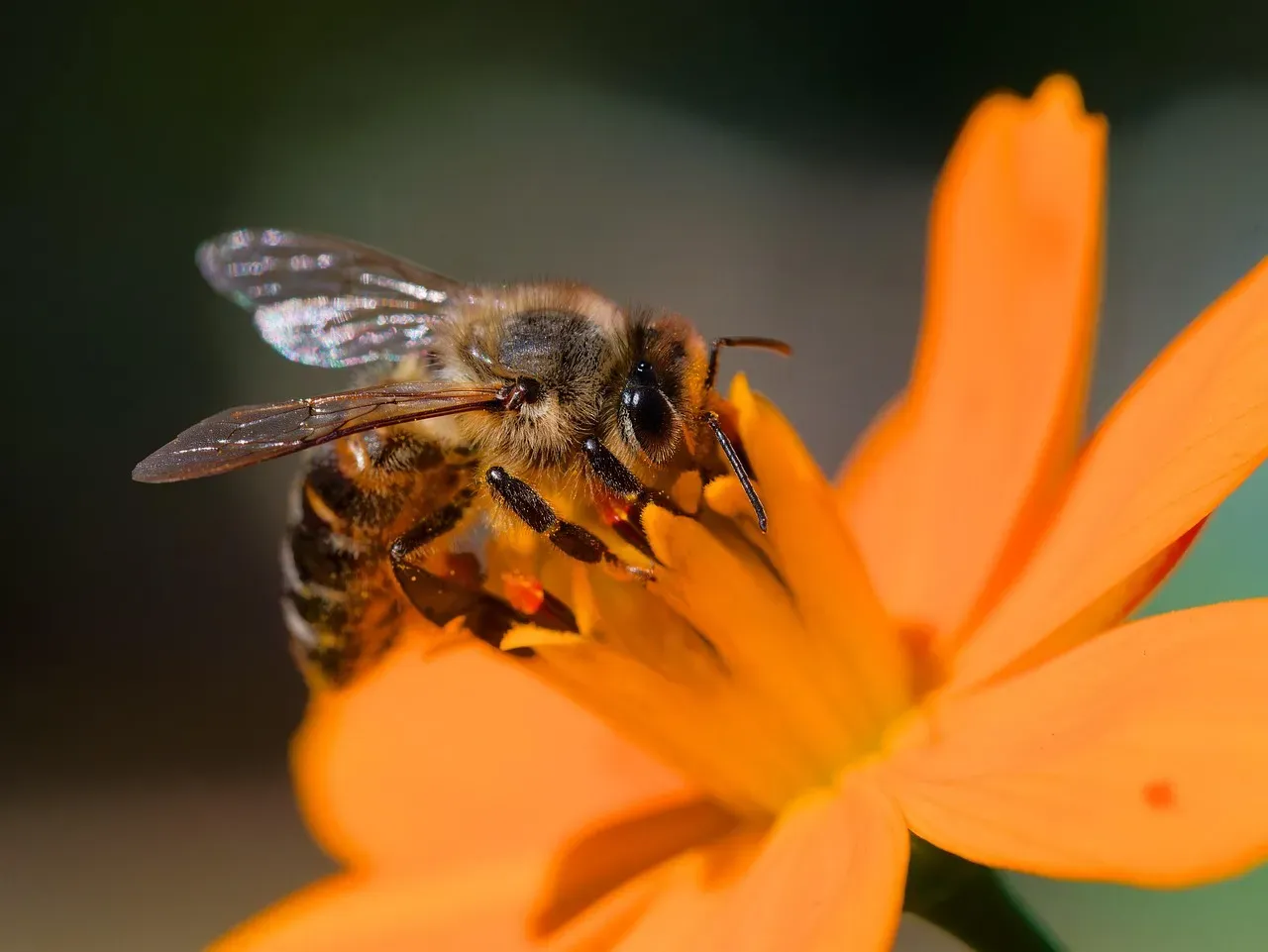
More than half a century ago, Karl von Frisch rocked the world of behavioral biology with his conclusion that honeybees can actually communicate the distance to and direction of valuable food sources through an elaborate “waggle dance,” a discovery that later led to his receipt of the Nobel Prize in Physiology or Medicine.
A honeybee’s rump-shimmy runs and turning loops encode clues that help her colony mates fly to food she has found, sometimes kilometers away. The precision is remarkable. Research has also shown that honeybees may even modify their dance in response to environmental factors like wind speed and obstructions between the food source and the hive.
Bee waggle dancing, a sort of language, turns out to be both innate and learned, like songbird or human communication. Younger bees that don’t have experienced mentors produce less accurate dances, suggesting the skill is refined through social observation. As with birds, humans, and other social learning species, honeybees benefit from observing others of their kind that have experience.
Cuttlefish and Octopuses Write Messages on Their Own Skin
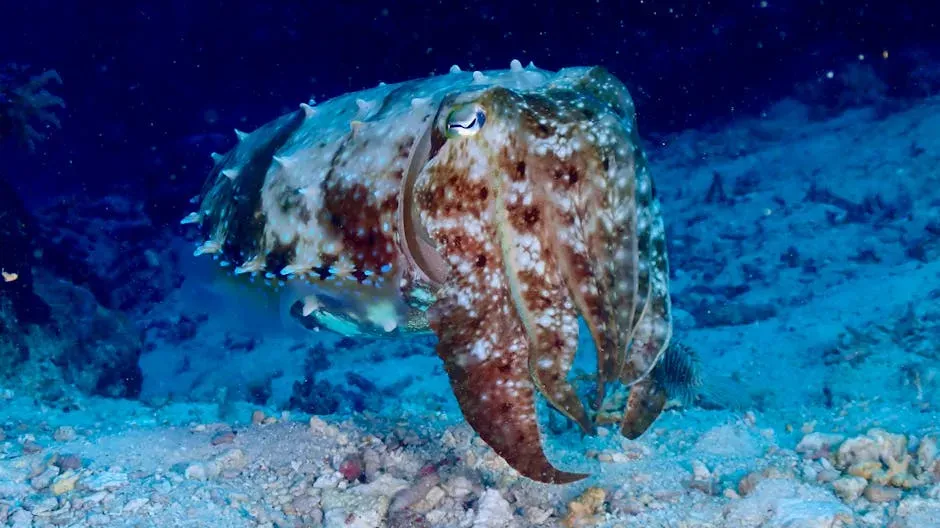
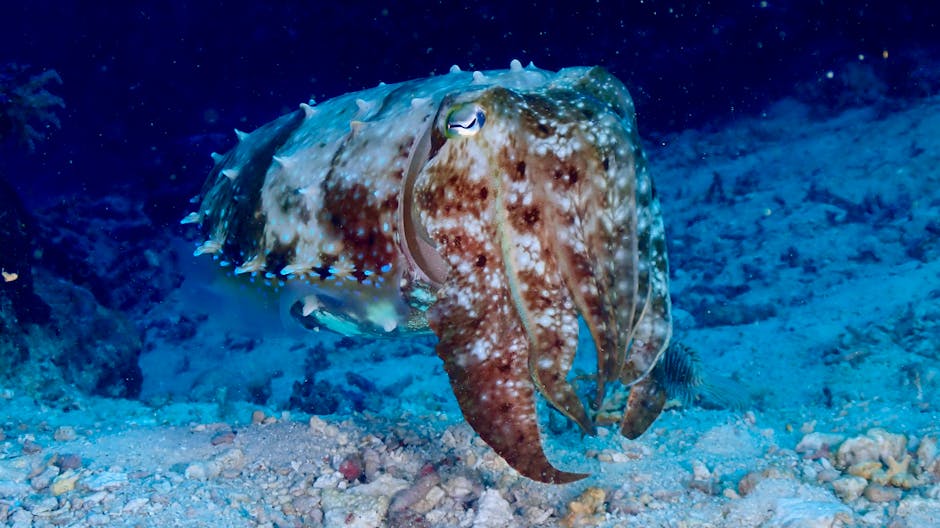
In the underwater world, cephalopods like cuttlefish and octopuses employ color changes and skin patterns as visual language. Using specialized cells called chromatophores, they can flash warning signals, mimic their surroundings, or indicate readiness to mate. These patterns are fast, precise, and often coordinated with posture and arm movement, forming a multimedia display more advanced than many realize.
Cuttlefish may display two entirely different signals simultaneously from opposite sides of their body. When a male cuttlefish courts a female in the presence of other males, he displays a male pattern facing the female and a female pattern facing away, to deceive other males. That’s a sophisticated, context-aware deception built entirely out of skin pigment.
Cuttlefish shift colors in rippling waves across their skin while using fin movements and posture to emphasize their message. Scientists are still working to decode exactly what each pattern combination means. The channel of communication is clear; its full vocabulary is not yet known.
Primates Communicate Through Gesture in Ways That Mirror Human Language
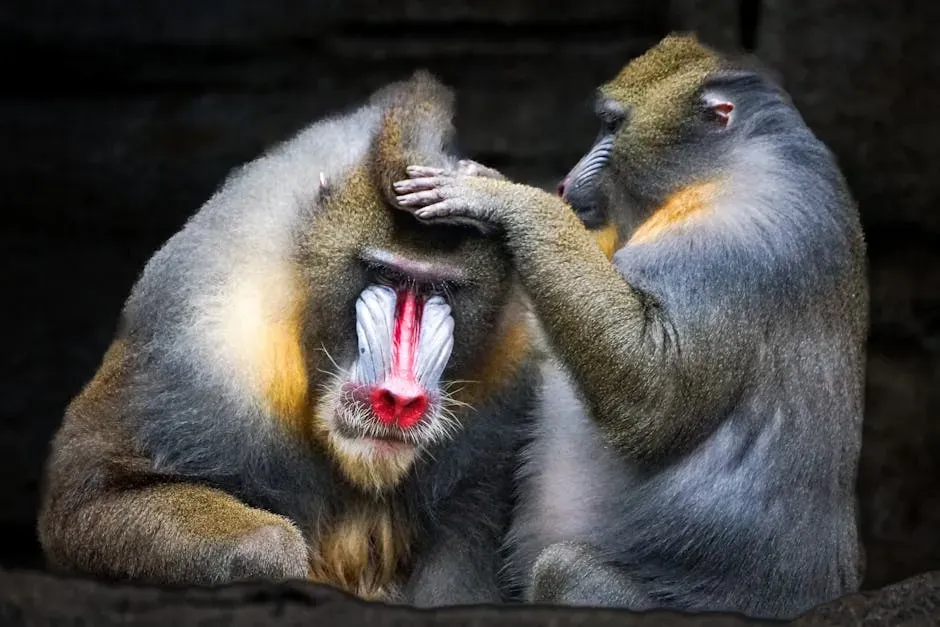
Primates, including chimpanzees and gorillas, use a rich repertoire of gestures. A raised arm, a beckoning hand, or a certain facial expression can initiate play, express aggression, or seek grooming. Some gestures appear to be culturally transmitted, varying across populations.
Recent research has shown that apes understand each other’s gestures with remarkable consistency, suggesting that these signals are part of an evolved communication system, not merely spontaneous behavior. This is a meaningful distinction. It implies intention behind the signal, not just reflex.
The complexity of vocal communication in some primates, whales, and birds might approach that of human language. Whether that similarity reflects a shared evolutionary origin or an independent convergence toward the same solution is one of the more fascinating open questions in the field. Either way, the implication is that complex, structured communication is not a uniquely human invention.
Indri Lemurs Communicate with Musical Rhythm
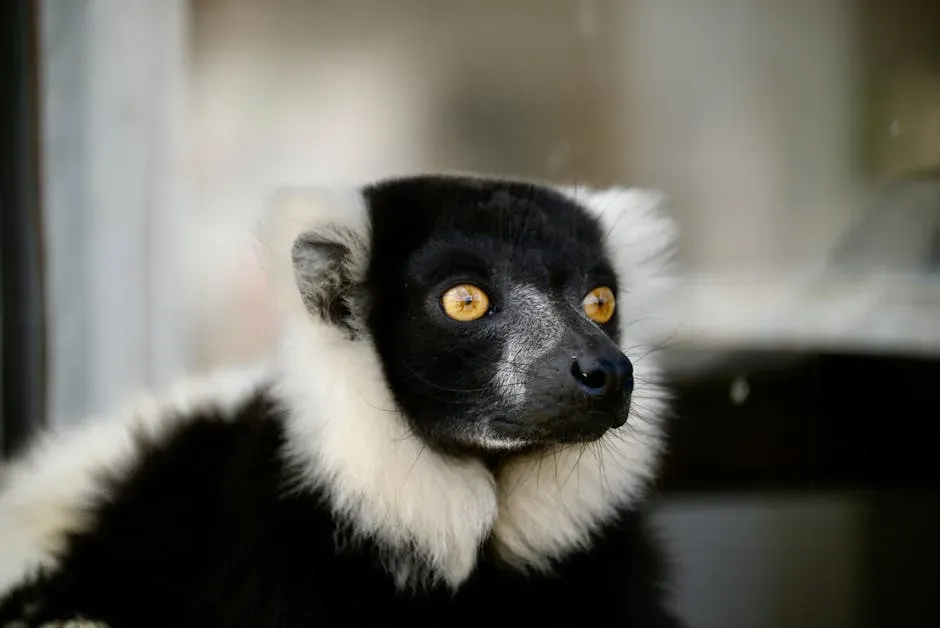
A type of lemur called the Indri, which communicates in rhythmic song, gave scientists at the University of Warwick an insight into how humans evolved to create music. The researchers found that the lemurs had consistent rhythmic patterns or beats in their communications, much like music.
Indri lemurs, along with humans, have the highest number of vocal rhythms in the animal kingdom, surpassing songbirds and other mammals. The findings highlight the evolutionary roots of musical rhythm, demonstrating that the foundational elements of human music can be traced back to early primate communication systems.
This sits uncomfortably with the idea that rhythm-based communication is a purely cultural human achievement. If lemurs independently developed a similar system, or if both humans and lemurs inherited it from a distant common ancestor, the story of music as a communication tool becomes far older and far stranger than we assumed.
AI Is Beginning to Decode What We Have Long Missed
To better understand animal signals, scientists increasingly combine behavioral observation with bioacoustics, machine learning, and even brain imaging. Neural decoding in birds and primates allows researchers to correlate brain activity with specific vocalizations or gestures. Artificial intelligence is now being trained to identify patterns in whale songs or elephant rumbles that elude human perception.
Rapid advancements in animal communication technologies are driving initiatives like Elephant Voices, whose mission is to advance the study of elephant cognition, communication, and social behavior. At the end of 2024, the organization held a database of more than 10,400 records of recorded calls from identified individual elephants in known circumstances. Each call is tied to a specific individual and a specific context, building toward a searchable record of what elephants say and when.
Project CETI, a collaborative research effort standing for Cetacean Translation Initiative, has been exploring whether advancements in machine learning and computing could help make sense of whale vocalizations. Findings from that work indicate the presence of structured information content and challenge the prevailing belief among many linguists that complex communication is unique to humans.
Despite incredible advances, interpreting animal communication remains a challenge. Many signals are ambiguous, context-dependent, or embedded in behaviors that are hard to replicate in the lab. The anthropocentric bias, which means interpreting animal signals through a human lens, can lead to errors or misrepresentations. Honest science in this field means holding both excitement and caution at the same time.
Conclusion
What becomes clear, the more closely you look, is that the animal world is not a quiet backdrop to human affairs. It is loud, nuanced, and full of meaning. Elephants send seismic messages through the earth’s crust. Whales orchestrate structured click sequences that can last an hour. A bee, working in total darkness, translates the position of the sun into a choreographed signal that sends her sisters to a flower patch miles away.
Animals may not think or express themselves like us, but that does not make their communication any less rich, meaningful, or vital. We are not at the beginning of this story, exactly, but we may be at the end of a long period of underestimation.
The deeper question is not whether animals communicate in complex ways. They clearly do. The more pressing question is what it means for us, now that we are finally learning to listen.
