

Most of us pour our morning coffee, glance out the kitchen window, and see the same familiar faces. The cheerful robin tugging a worm from the lawn. The house sparrow squabbling over the feeder. Comfortable. Predictable. Ordinary. But every now and then, something extraordinary lands in your yard that stops you dead in your tracks – a bird so rare, so beautiful, so wildly out of place, that you question your own eyes.
Birds are a wonderful part of the world around us, not only because of their impact on our own mental health and enjoyment, but because they contribute tirelessly to the ecosystems around them in incredible and unexpected ways. There are at least 176 different bird species that actually use fungal materials for their nests. When a rare visitor drops into your garden, it’s not just a lucky sighting. It’s a tiny miracle. Here are eight extraordinary species that birders have genuinely spotted in their own backyards. Let’s dive in.
The Painted Bunting: Nature’s Living Jewel
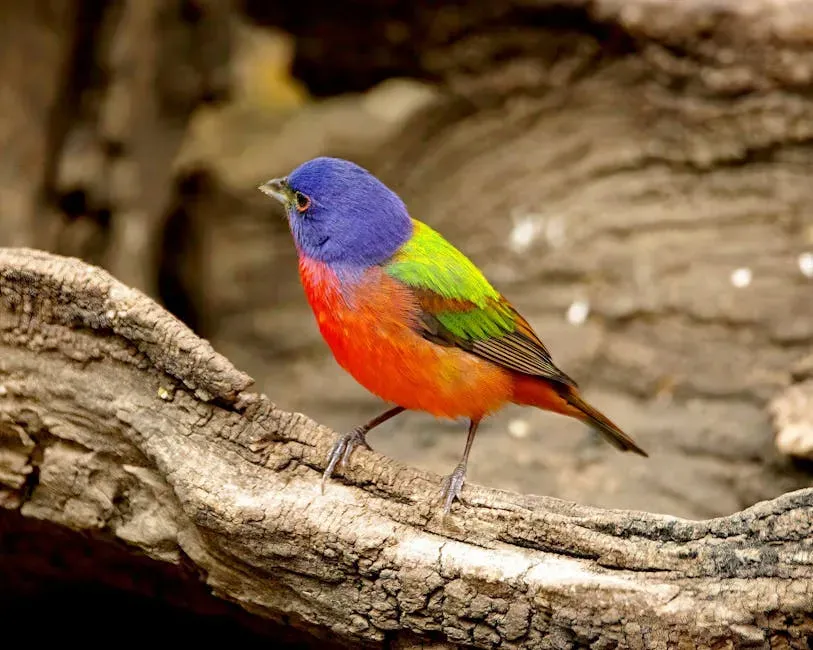
Let’s be real – the first time most people see a male Painted Bunting, they assume it’s someone’s escaped pet or some kind of tropical impostor. It looks almost too vivid to be real. A cobalt blue head, a blazing red breast, a lime-green back. It’s as if someone handed a toddler a watercolor set and said, “go wild.”
Not all birds are as easy to spot as your local robin or magpie. There are some species that are particularly rare or difficult to find due to their migration patterns, climate preferences, or breeding schedules. The Painted Bunting is one such species. It does breed along parts of the American South and the Gulf Coast, but it drifts far outside its typical range during migration, which is precisely when lucky gardeners in unexpected states get that jaw-dropping visit.
Attracting rare birds is all about creating a haven. If you can get the basics right and the common birds come regularly to your bird feeders and baths, then you are much more likely to see a rare bird there too. A well-stocked feeder with millet and a clean water feature is honestly your best bet for coaxing one of these stunners into your yard.
Kirtland’s Warbler: The Ghost of the Jack Pines
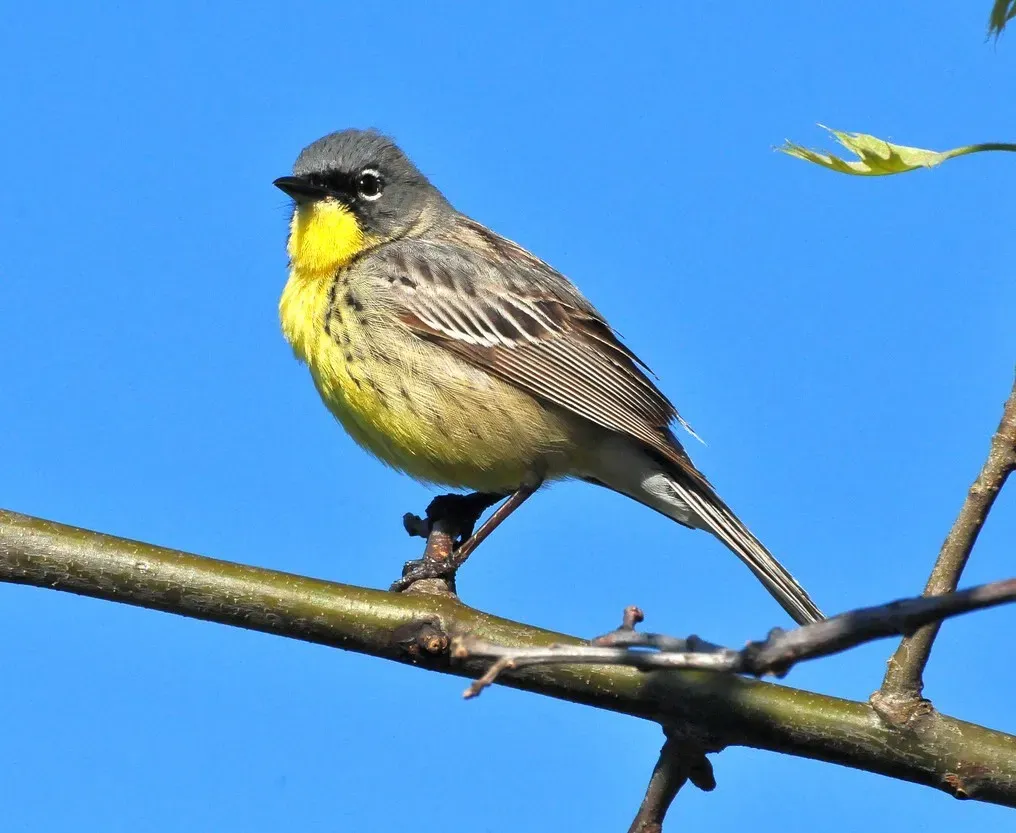
The Kirtland’s Warbler is a neat gray-and-yellow bird and one of the rarest songbirds in North America. A true habitat specialist, it breeds only in young jack pine forests in Michigan and adjacent parts of Wisconsin and Ontario. Spotting one in a residential backyard is not just lucky – it borders on legendary. During migration, however, the rules bend a little.
In the 1970s and 1980s, the number of singing male Kirtland’s Warblers had dipped below 200 birds. Habitat loss has been the leading factor in the species’ steep decline, but collisions with windows and human-made structures and encounters with free-roaming cats pose additional threats. The story of this bird is one of near-loss and careful recovery – and that makes every sighting feel genuinely emotional.
The Kirtland’s Warbler’s population has rebounded over the course of several decades, thanks to strong partnerships and collaborative conservation efforts backed by science. By 2019, the species had recovered sufficiently to prompt its removal from the federal endangered species list. Still rare. Still breathtaking. And occasionally, miraculously, glimpsed during its migration through suburban areas.
The Varied Thrush: A West Coast Ghost in Autumn Gardens
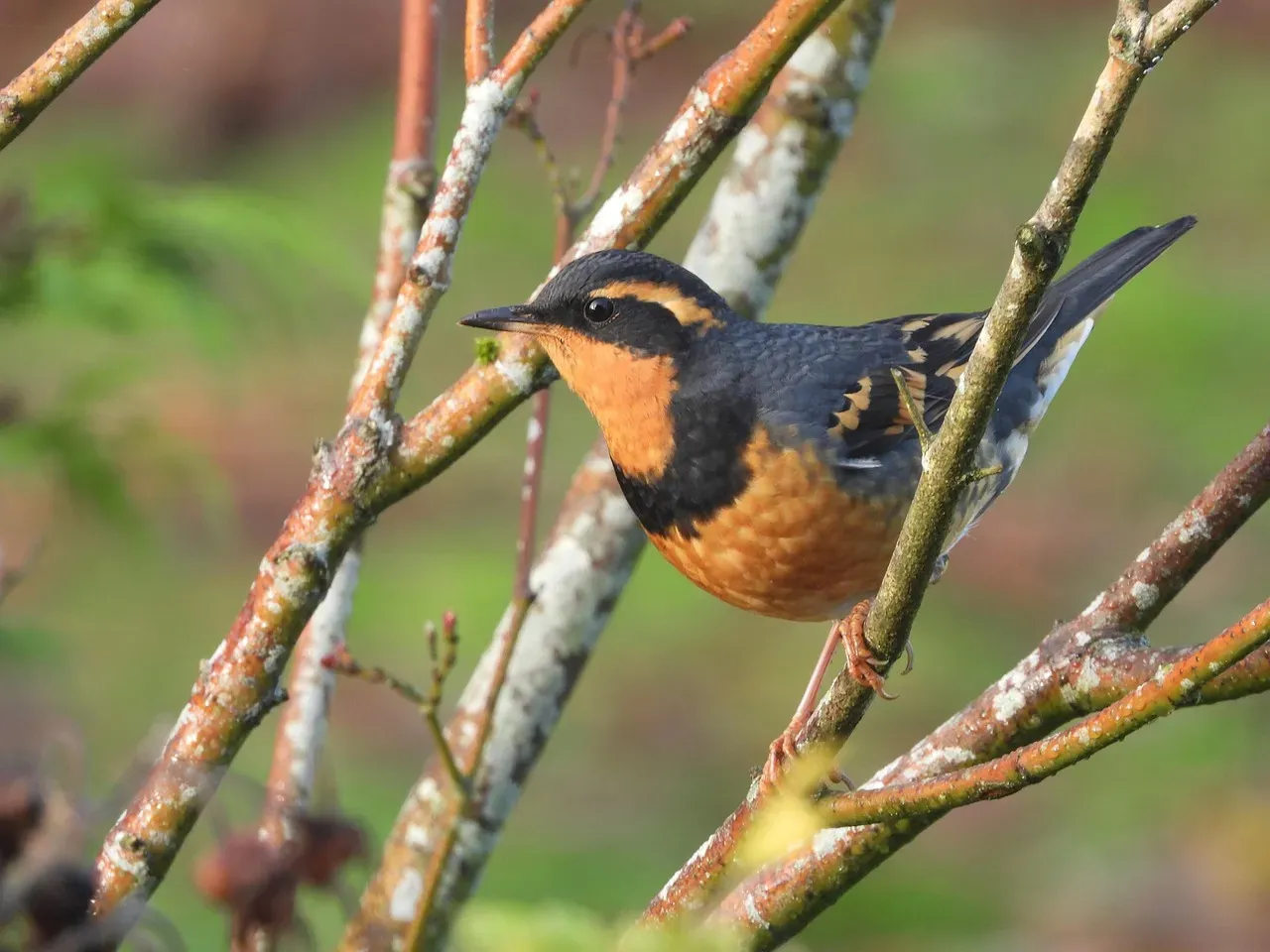
The Varied Thrush looks like someone took a robin, gave it an artistic makeover, and added an orange eyebrow stripe for good measure. I think it’s one of the most underrated-looking birds in North America. Most people who see one for the first time think they’re hallucinating.
These birds are typically easier to hear than see, with an individual call that usually marks the start of autumn. It is possible to see one on its breeding grounds in wet forests as far north as Alaska down to northern California before it migrates south. During autumn, they usually head to lower levels and can be spotted in parks or even gardens.
It’s hard to say for sure how often they wander, but documented cases of Varied Thrushes appearing far outside their typical Pacific Northwest range are well established. Birding records have confirmed Varied Thrush sightings as far afield as New York, where one made headlines alongside other rare visitors. If you live in the eastern half of the country and see one in your yard, congratulations – you’ve just had a genuine once-in-a-lifetime moment.
The Bohemian Waxwing: When the Berries Run Out
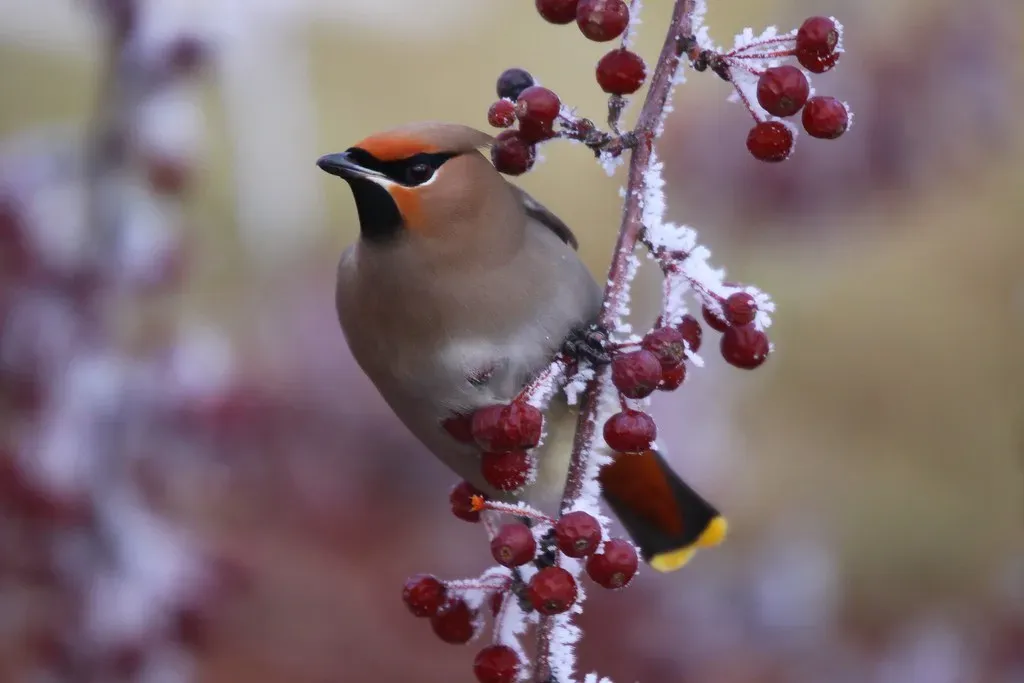
Here’s the thing about Bohemian Waxwings. They are nomadic wanderers in the truest sense. Unlike most birds that follow predictable migration routes, these silky, crested beauties go wherever the berry crop takes them. A bumper crop of crabapples or mountain ash berries can draw an entire flock right into a suburban backyard, seemingly out of nowhere.
They look elegantly dressed, almost formal, with soft gray-brown plumage, a yellow-tipped tail, and those signature waxy red wingtip spots. Picture a Cedar Waxwing’s slightly richer, slightly wilder cousin who arrived late and ate all the berries. The general theme for rare visitors observed during birding counts has been that birds were either staying all season in their breeding territories due to milder winters, or were migrating early.
Sightings outside their typical boreal breeding range are genuinely unpredictable, which is exactly what makes them so thrilling. Plant berry-producing native shrubs in your yard and keep your eyes open during winter. A flock of Bohemian Waxwings descending on your trees is, honestly, one of the most spectacular backyard moments you can experience.
The California Condor: An Impossible Comeback Story
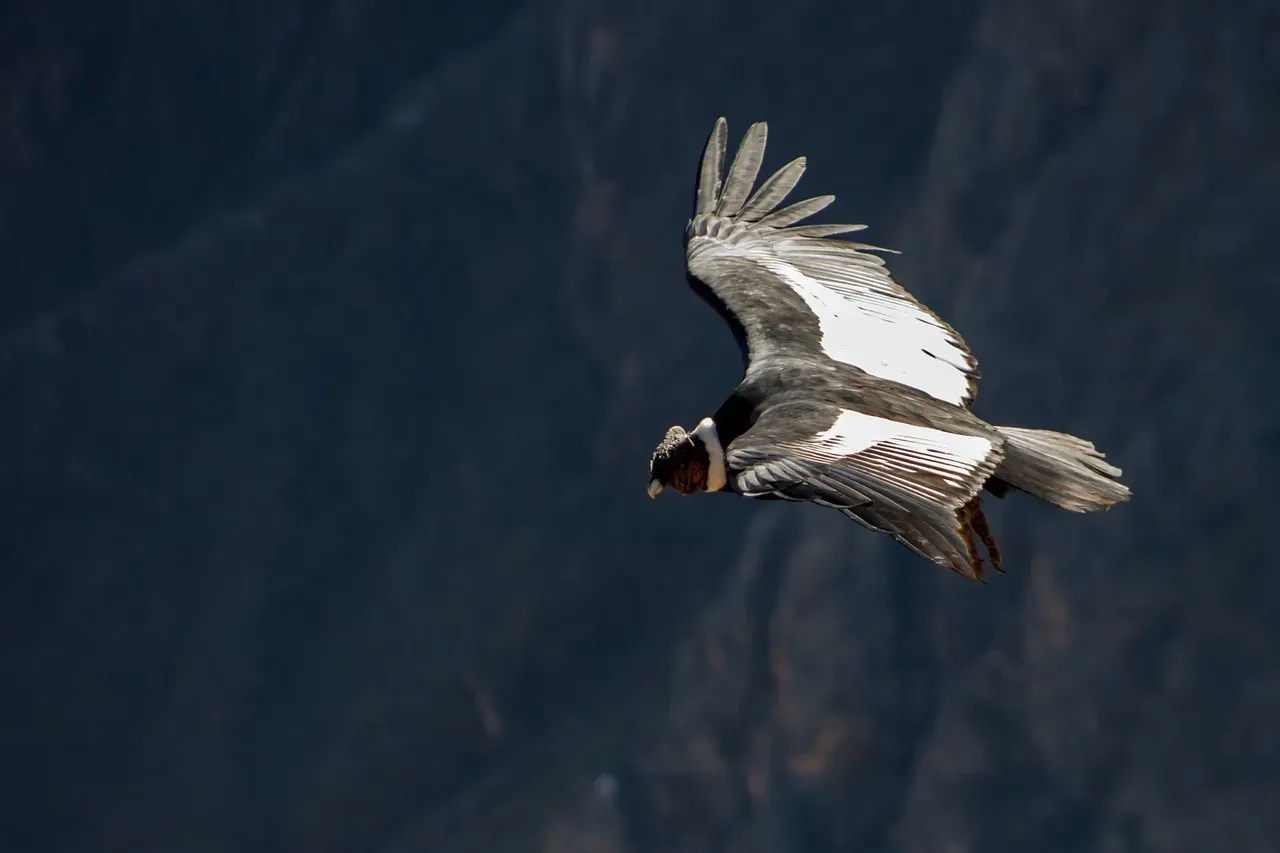
When in California or surrounding arid environments, you may want to keep an eye out for this ancient bird species that has a fascinating recent history. Having almost gone extinct in the 1980s, the California condor was rescued by a successful breeding program and released back into the wild. As is typical of condors, these birds live on deceased animal matter and may be spotted foraging for food in the day or roosting in trees at night.
To spot these still-rare creatures, look for adults with bare, orange heads and large, white-lined black wings. With a wingspan stretching up to roughly nine feet, seeing one perched in a tree near a rural California or Arizona property is an almost surreal experience. It looks prehistoric. Because honestly, it kind of is.
The condor’s return from the absolute brink of extinction remains one of the most inspiring conservation stories in modern history. Backyard sightings are rare but not impossible for those living near condor habitat zones in California, Utah, and Arizona. If one ever lands near your property, just stand still and breathe. Don’t reach for your phone too quickly.
The Gunnison Sage-Grouse: America’s Forgotten Bird
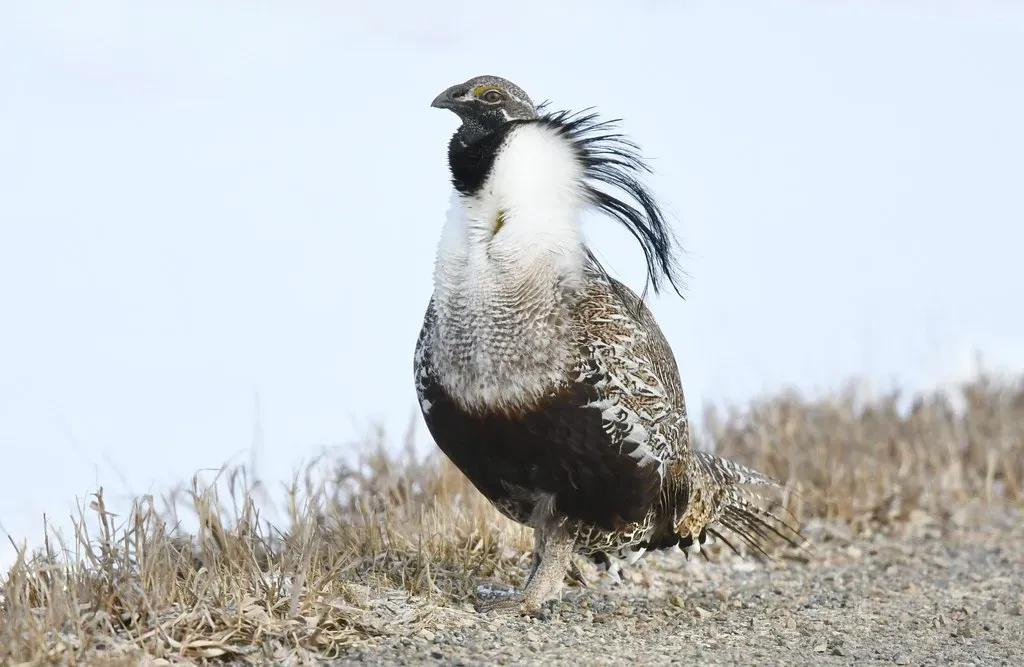
The Gunnison Sage-Grouse is a species of grouse endemic to the US and was only described as a new species in the year 2000, making it the first new avian species to be described to science from the USA since the 19th century. It has been reduced to fewer than 1,800 birds and may be extinct before many birders have the opportunity to see it. It is really restricted, occurring in only seven counties in southwestern Colorado and one in southeastern Utah.
The top tip for spotting the Gunnison Sage-Grouse is to visit areas of sagebrush in southwestern Colorado during early spring when males congregate on leks during early morning and early evening to perform elaborate strutting displays to attract females. The displays themselves are extraordinary. Imagine a feathered showman puffing up enormous air sacs and fanning out a dramatic tail. Pure spectacle.
Technically, a “backyard” sighting of this species would require you to live in a very specific slice of Colorado or Utah ranch land. But for those lucky few who do, it’s not unheard of for these grouse to wander near outbuildings and rural properties during their early spring movements. It remains, without doubt, one of the rarest wildlife encounters available to any American backyard birder.
The Rufous-backed Robin: A Mexican Wanderer in American Gardens
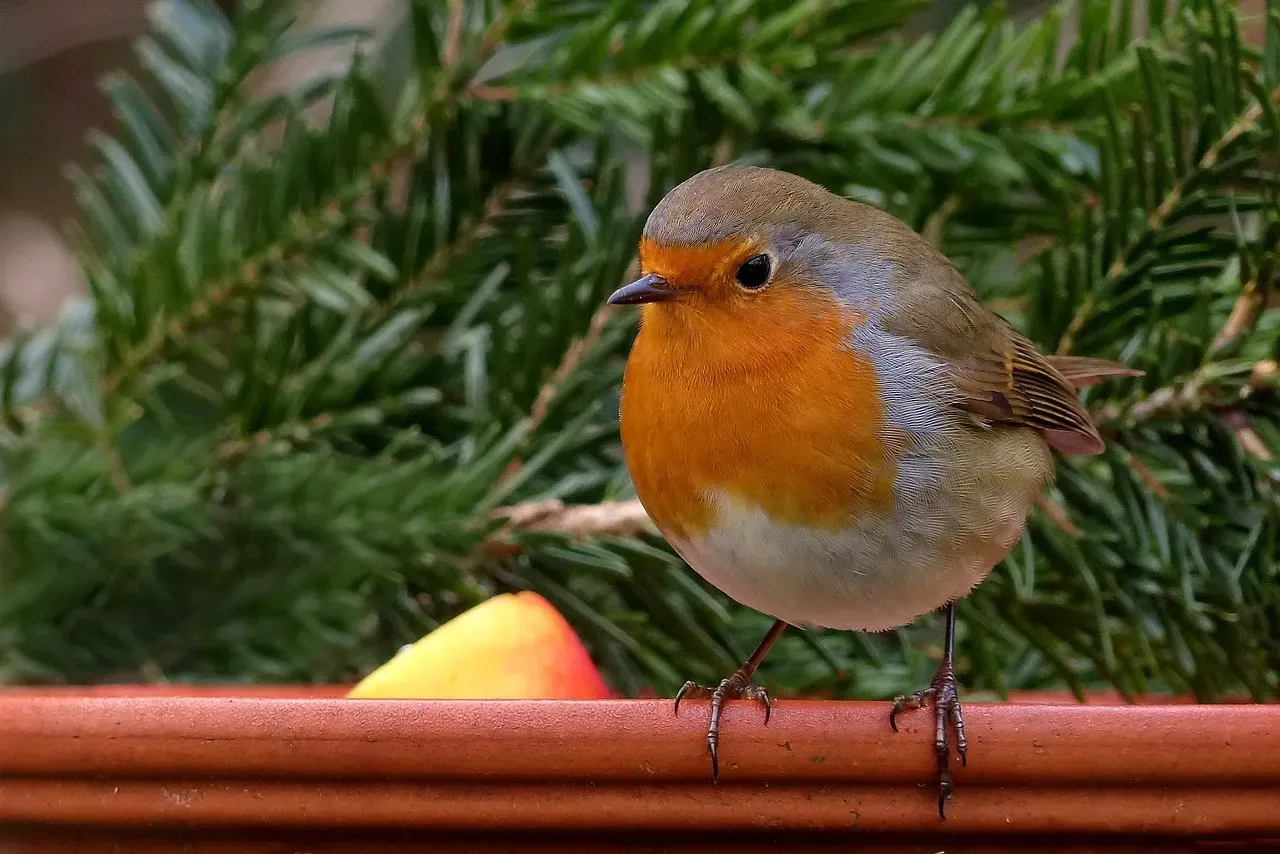
The Rufous-backed Robin, normally seen in Mexico, was spotted several times in Arizona and Texas during the 2025 Great Backyard Bird Count. That’s a genuinely exciting development. This bird looks like a richer, deeper version of the American Robin, with warm rufous tones across the back and sides that make it look almost luminous in winter light.
Think of it as the American Robin’s more glamorous Mexican cousin who occasionally crosses the border during the winter months and turns up, somewhat unexpectedly, at berry-laden trees in residential gardens near the US-Mexico border. It doesn’t happen often. But it does happen.
Your best chance is to keep your fruit-bearing trees and native shrubs well-stocked during late autumn and winter, particularly if you’re based in southeastern Arizona or southern Texas. Birds sometimes wander outside their normal ranges. If you identify such a stray or an uncommon species at your favorite birding hotspot or feeder, consider whether you should share the sighting with platforms like eBird to help scientists track these remarkable movements.
The Tufted Duck: A Transatlantic Surprise at Your Pond
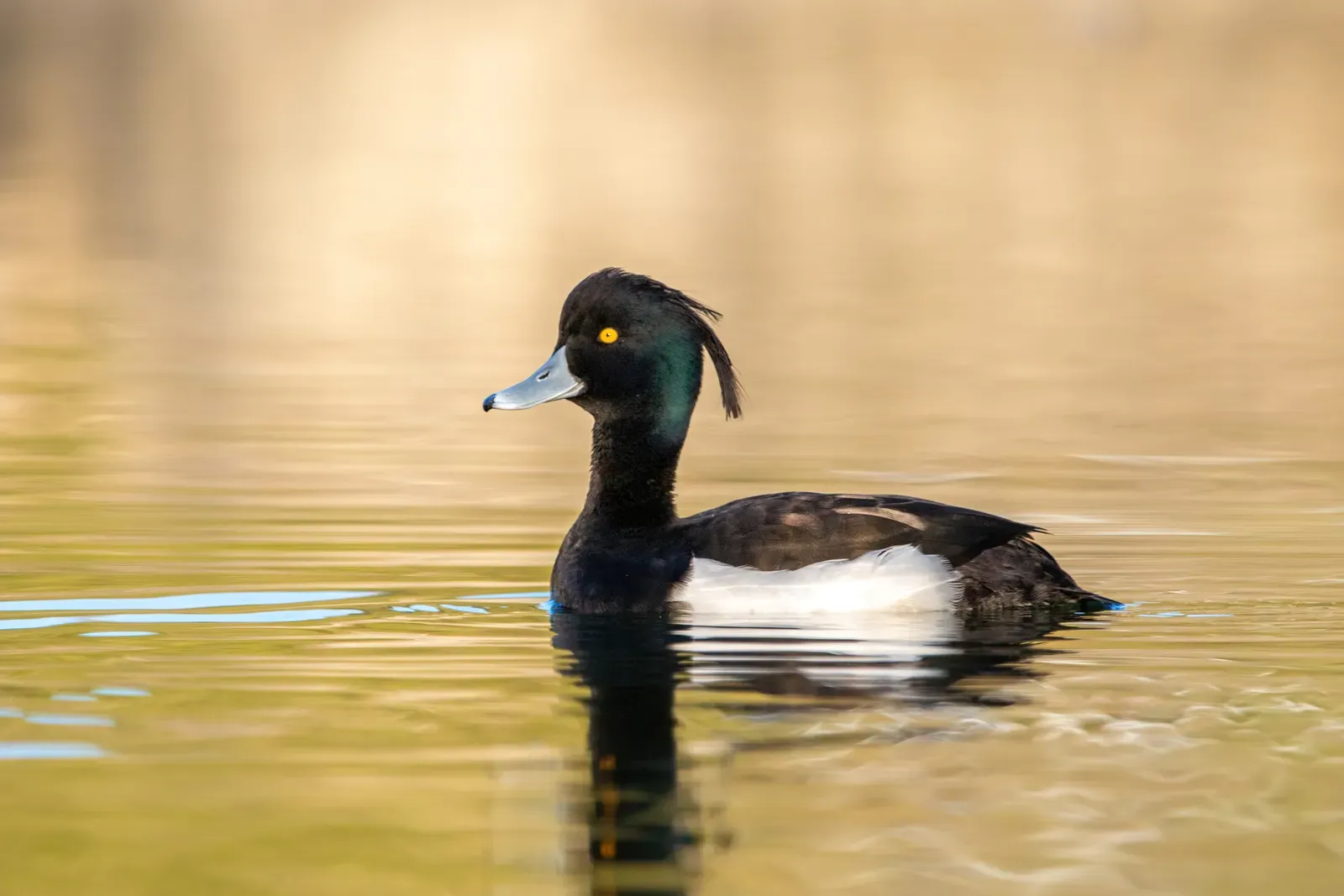
The Tufted Duck, normally seen in parts of Africa, Europe, and Asia, was seen in various places in the United States and Canada during the 2025 Great Backyard Bird Count, delighting North American birders. The sheer audacity of this small diving duck showing up thousands of miles from its typical haunts is the kind of thing that makes you question everything you thought you knew about bird behavior.
With its bold black and white plumage and that distinctive drooping crest at the back of the head, the Tufted Duck is not easy to confuse with much else. Males in particular look almost formally dressed, like a small duck attending a very important meeting. Females are browner but carry that same signature tuft.
The chance of a Tufted Duck landing on a backyard pond is admittedly slim, but it is very real for those living near large lakes, reservoirs, or open water bodies in the northeastern United States or eastern Canada. When you know your most common birds by heart, you will recognize when an uncommon bird pops up. That, honestly, is the whole secret to ever seeing one of these rarities at all.
Final Thoughts: Your Backyard Is More Magical Than You Think
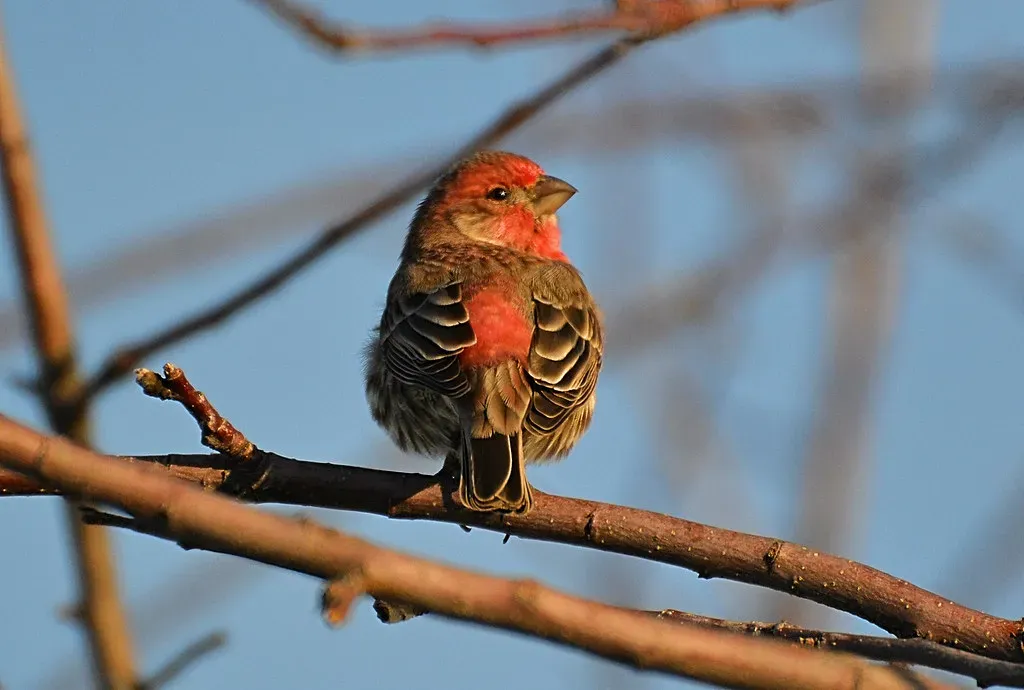
The truly wild thing about rare backyard birds is that they don’t need your permission to show up. They follow berries, wind patterns, climate shifts, and sheer wanderlust. Many of these birds are known by much of the birdwatching community as ‘life birds’ or ‘lifers’ because they are unusual finds that birding enthusiasts hope to spot at some point during their lifetime.
The best thing you can do is simply be ready. Planting native flowers and shrubs gives food and cover, supporting birds all year round. Try adding berry-producing plants or dense evergreens to your landscape. Steering clear of pesticides keeps food sources safe for birds and their chicks, too. A clean water feature, a thoughtfully stocked feeder, and a habit of actually looking out the window can change everything.
Birding is having a moment. Across social platforms, billions of views are piling up on birdwatching content, ranging from surprise sightings to a growing cultural enthusiasm for the hobby. Beneath the trend, there’s a real and growing curiosity about birds that goes far beyond trend cycles. And why not? There is something quietly thrilling about realizing that something this rare and beautiful could, on any given morning, decide to land in your garden.
You don’t need to travel to a remote wilderness reserve or book an exotic birding tour. Sometimes, the most extraordinary thing in the world is just sitting in your apple tree, waiting to be noticed. Have you ever spotted an unexpected visitor in your backyard? Drop it in the comments – you might just inspire someone else to look up from their phone and look out their window.

- 13 Tender Signs a Horse Is Grieving a Rider It Lost - July 28, 2026
- 11 Small Ways a Rescue Horse Shows It Has Finally Let a Human In - July 28, 2026
- 14 Quiet Ways a Horse Keeps Watch Over the Person It Has Claimed - July 28, 2026