

There’s something about standing in front of a monument that makes you feel impossibly small and yet strangely connected to something much bigger. America is absolutely packed with places that stir that feeling, from towering statues to natural wonders that took millions of years to carve. Some of these spots you’ve definitely seen in movies. Others might surprise you.
But here’s the thing. Choosing which landmarks deserve your time isn’t as simple as picking the biggest or the most famous. It’s about finding the ones that’ll stick with you long after you’ve left. The kind that make you stop scrolling through your phone and just stare. We’ve narrowed it down to seven jaw dropping locations that are worth every mile of travel.
The Statue of Liberty: Freedom Carved in Copper
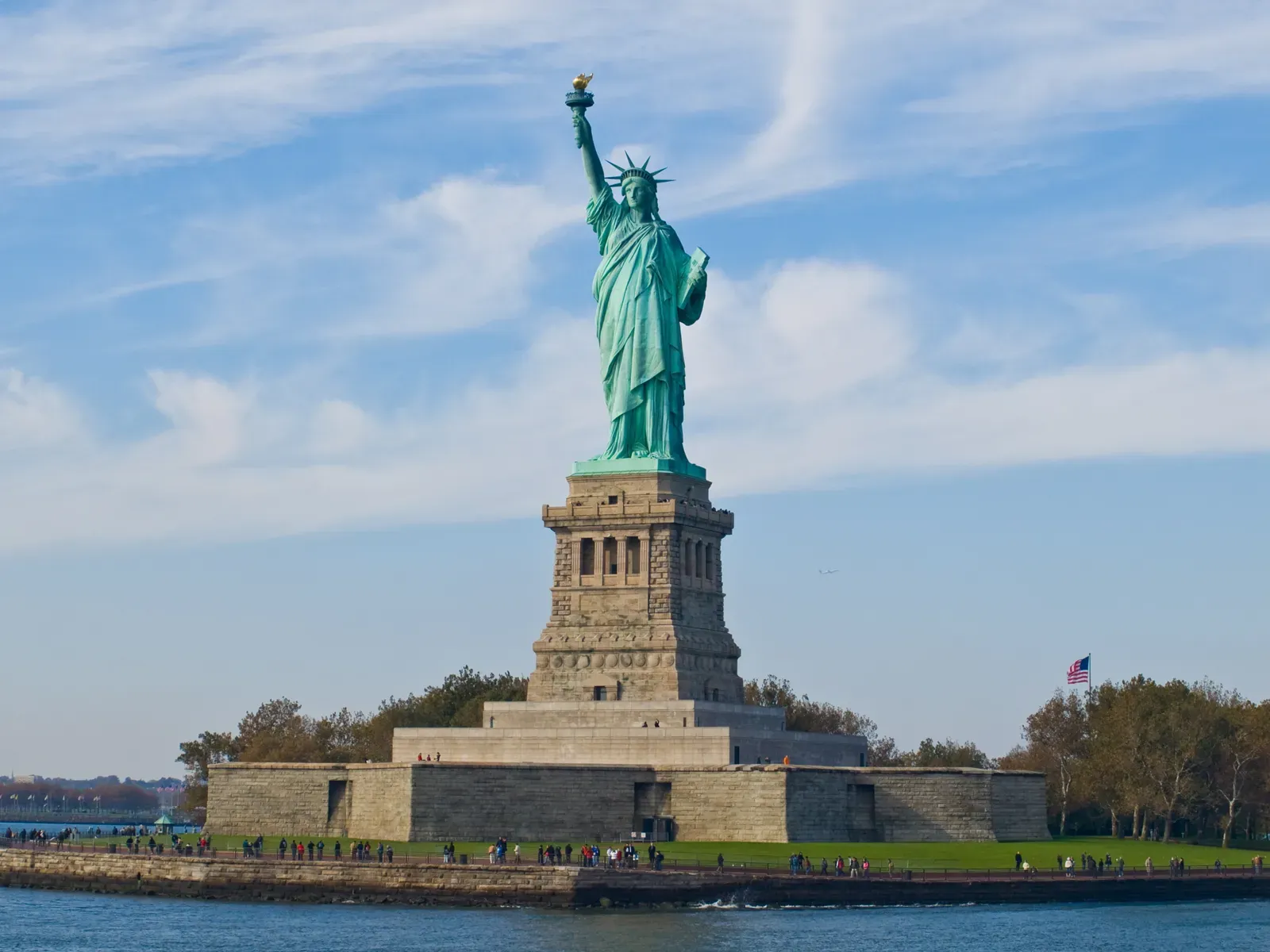
This colossal copper statue stands as a global symbol of freedom and democracy, a gift from France in 1886 that lights up New York Harbor. Let’s be real, it’s one thing to see Lady Liberty in pictures, but quite another to stand beneath her torch-bearing arm and feel the weight of what she represents.
In 2024, the Statue of Liberty welcomed 3.72 million visitors, marking a slight decrease compared to 2023. That’s still a whole lot of people making the pilgrimage to Liberty Island. This statue stands at 305 feet high, and you can actually climb inside to the pedestal or even up to the crown if you’re brave enough to tackle those stairs.
Between 1892 and 1954, more than 12 million immigrants sailed past the statue into New York Harbor, making it a powerful symbol of hope for countless families starting new lives. Walking around the museum on the island gives you chills when you realize how many dreams were pinned to that first glimpse of her green silhouette.
The ferry ride alone is worth it. Round-trip ferry service includes stops at Liberty Island and Ellis Island, plus access to both museums. You’ll want to book tickets way in advance, especially if you’re aiming for crown access.
Honestly, there’s nothing quite like seeing that torch up close. The way the light hits the copper at sunset makes you understand why this lady has become such an enduring icon.
The Grand Canyon: Nature’s Masterpiece Carved by Time
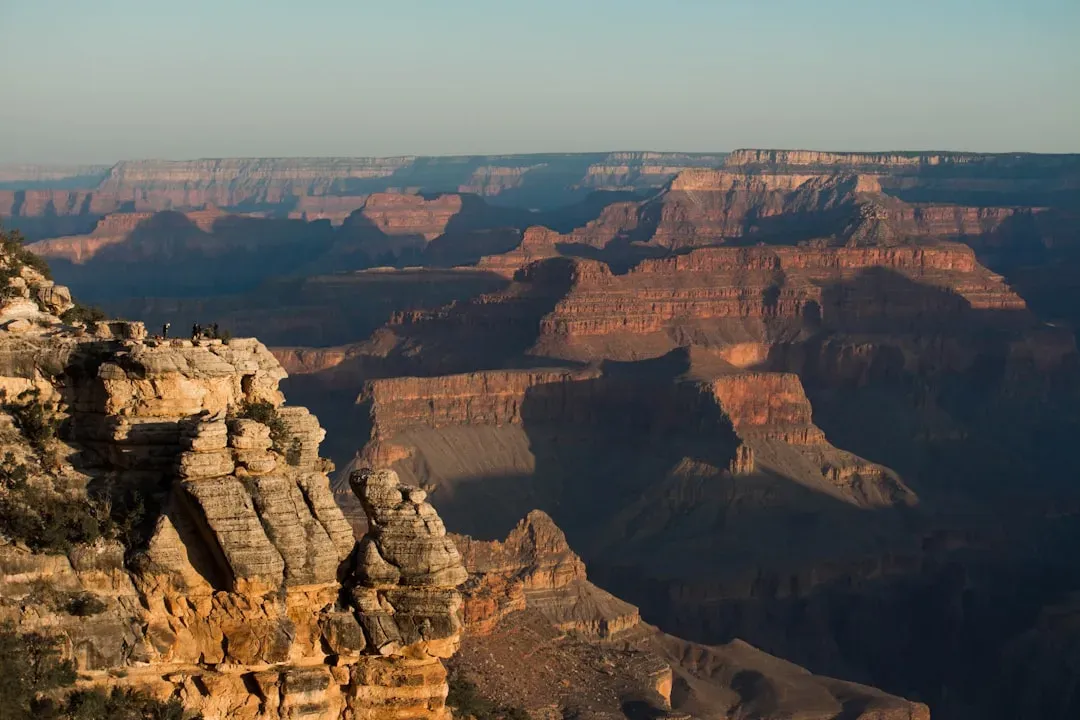
Grand Canyon National Park is famous for its enormous scale, layered red-rock cliffs, and world-class hiking, carved by the mighty Colorado River over millions of years. It stretches an incredible 277 miles in length and drops over a mile deep in places. I know it sounds crazy, but photos absolutely don’t do it justice.
Around 90 percent of park visitors head to the South Rim because it’s closer to the Phoenix metropolitan area. The South Rim is open all year and offers the most accessible viewpoints with full services, making it ideal for families and first-timers. The North Rim sees only a fraction of the visitors and is open from mid-May to mid-October, offering lush forests and alpine meadows for those seeking solitude.
The Skywalk at Grand Canyon West takes visitors out over the rim on a glass bridge that hovers 4,000 feet above the canyon floor. If heights aren’t your thing, you might want to skip that one. For the truly adventurous, there are hiking trails that descend into the canyon, though most people commit to camping overnight before making the climb back up.
What really gets you is the color. The layers of rock shift from deep red to pale cream depending on the time of day. Sunrise and sunset are when the canyon truly comes alive, bathing the cliffs in shades you didn’t know existed.
It’s hard to say for sure, but standing at the edge of the Grand Canyon might just be the closest you’ll ever come to understanding geological time. The vastness swallows every worry you brought with you.
Mount Rushmore: Four Presidents in Granite
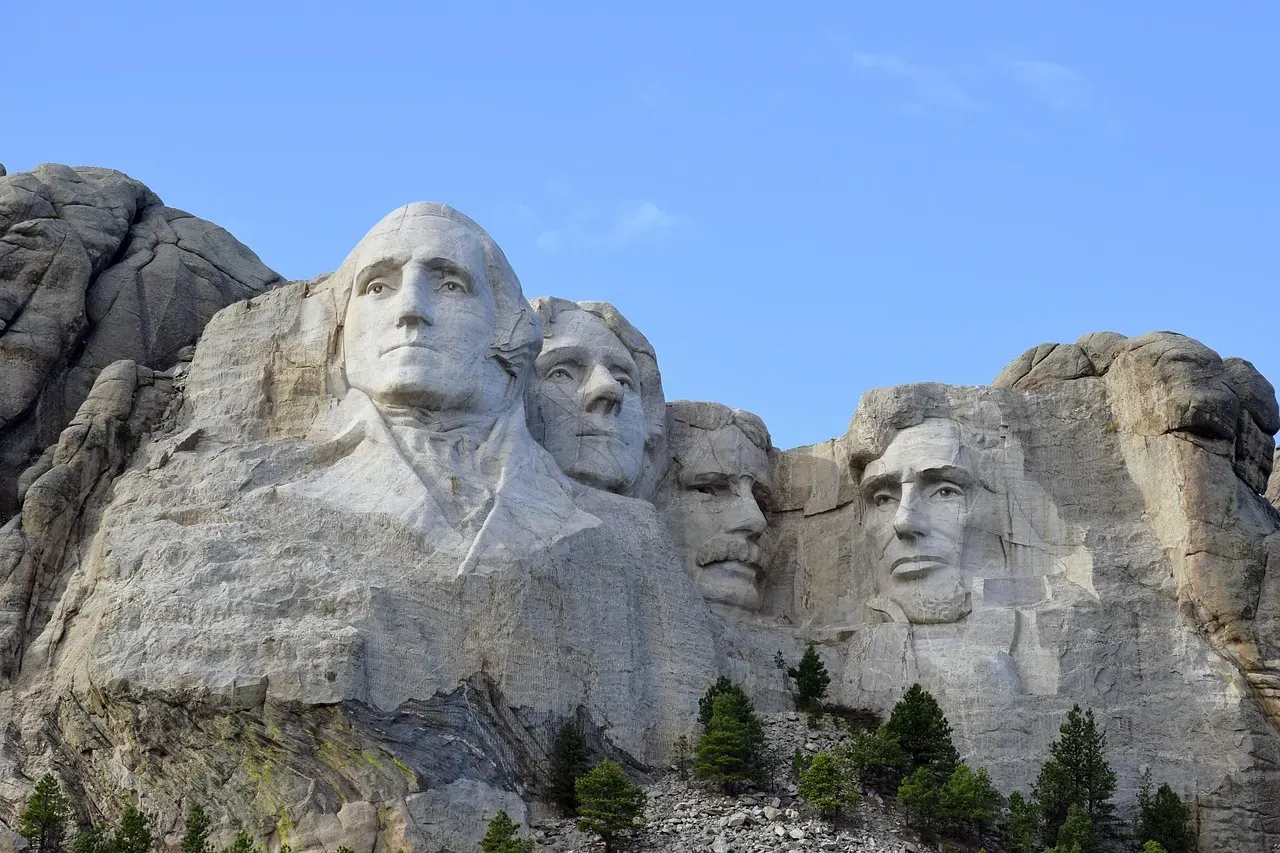
Between October 4, 1927, and October 31, 1941, sculptor Gutzon Borglum and 400 workers sculpted colossal 60-foot-high carvings of Presidents George Washington, Thomas Jefferson, Theodore Roosevelt, and Abraham Lincoln. These four faces were chosen to represent the first 150 years of American history, from the nation’s founding to its preservation and expansion.
Washington represents the country’s birth, Jefferson symbolizes westward expansion, Roosevelt embodies economic growth, and Lincoln stands for preserving the nation through the Civil War. It’s a massive tribute to American ideals, carved into the Black Hills of South Dakota.
The scale is hard to wrap your head around until you’re standing there. The carving involved dynamite and a drilling technique called honeycombing, blasting off about 450,000 short tons of rock, and was completed without a single fatality. That’s actually remarkable given the dangerous conditions workers faced daily.
To many Native Americans, Mount Rushmore represents a desecration of lands considered sacred by the Lakota Sioux, who were displaced in the late 19th century. It’s a complicated history that adds layers to what you’re looking at. The monument sparks conversations about whose stories get told and whose get carved into mountains.
Whatever your perspective, there’s no denying the sheer audacity of the project itself. Four presidents staring out across the plains is one of those sights you won’t soon forget.
The Golden Gate Bridge: Engineering Meets Elegance
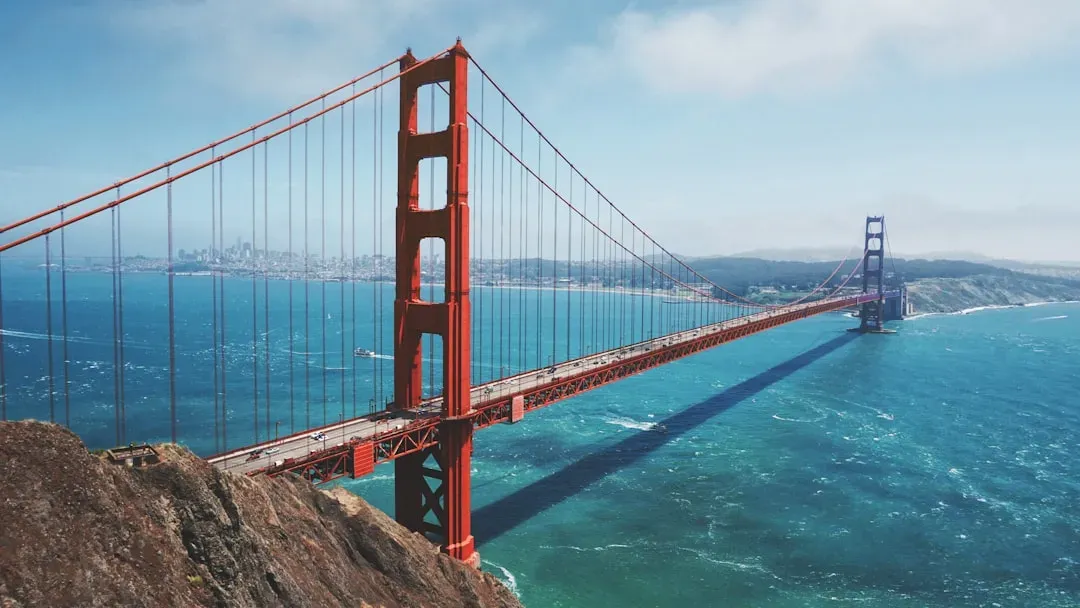
The Golden Gate Bridge stretches 1.7 miles across the Golden Gate Strait, completed in 1937, standing 746 feet tall at its highest point, painted in its distinctive International Orange color. It was designed to withstand strong winds, ocean currents, and seismic activity, making it both visually striking and structurally sound.
At the time of its opening in 1937, it was both the longest and the tallest suspension bridge in the world. Those titles have since been claimed by other bridges, but the Golden Gate remains the most photographed. The fog that rolls through the bay creates an almost mystical atmosphere, especially at dawn.
Construction began on January 5, 1933, was completed on April 19, 1937, and by the time work was finished, the project had reached a cost of $35 million. That’s equivalent to hundreds of millions today, yet it came in under budget. Work was completed ahead of schedule despite beginning during the Great Depression, taking only four years.
Walking or biking across the span is an absolute must. The bridge connects San Francisco’s Presidio to the Marin headlands, anchored by towers that reach 746 feet skyward, once taller than any building in San Francisco. The views from the middle of the bridge are unreal, with the bay stretching out on one side and the Pacific on the other.
There’s a reason this bridge shows up in every San Francisco postcard. It’s not just beautiful. It’s a testament to what human ambition can achieve when paired with great design.
Yellowstone National Park: Geysers and Wild Beauty
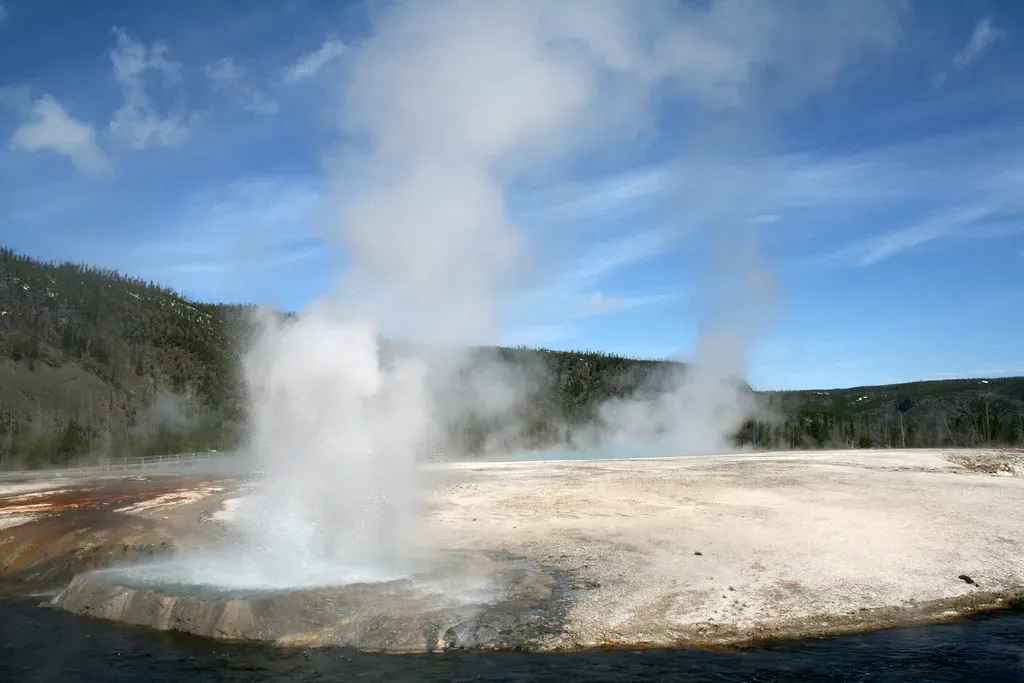
Yellowstone is the first national park in the world, with more than 10,000 hot springs, geysers, mud pots, and fumaroles. It’s basically a giant volcanic wonderland sitting atop a supervolcano. You can actually see the earth bubbling and steaming in places, which is both awesome and slightly terrifying.
Home to geysers, hot springs, and abundant wildlife, Yellowstone is the crown jewel of U.S. national parks, perfect for nature lovers who want geothermal wonders and pristine wilderness. Old Faithful is the big celebrity here, erupting roughly every 90 minutes and drawing huge crowds every single time. Watching that column of superheated water shoot into the sky never gets old.
The park is massive, spanning parts of Wyoming, Montana, and Idaho. Bison roam freely, often causing traffic jams when they decide to cross the road. Wolves, grizzlies, and elk call this place home, making every visit feel like stepping into a wildlife documentary.
The rainbow-colored hot springs are surreal. The vivid blues, oranges, and yellows come from heat-loving bacteria that thrive in the scalding water. Grand Prismatic Spring looks like something from another planet.
If you’re into nature at its rawest and most unpredictable, Yellowstone delivers. It’s a reminder that the earth is very much alive beneath our feet. Did you expect a landscape this wild still existed in America?
Niagara Falls: The Power of Water Unleashed
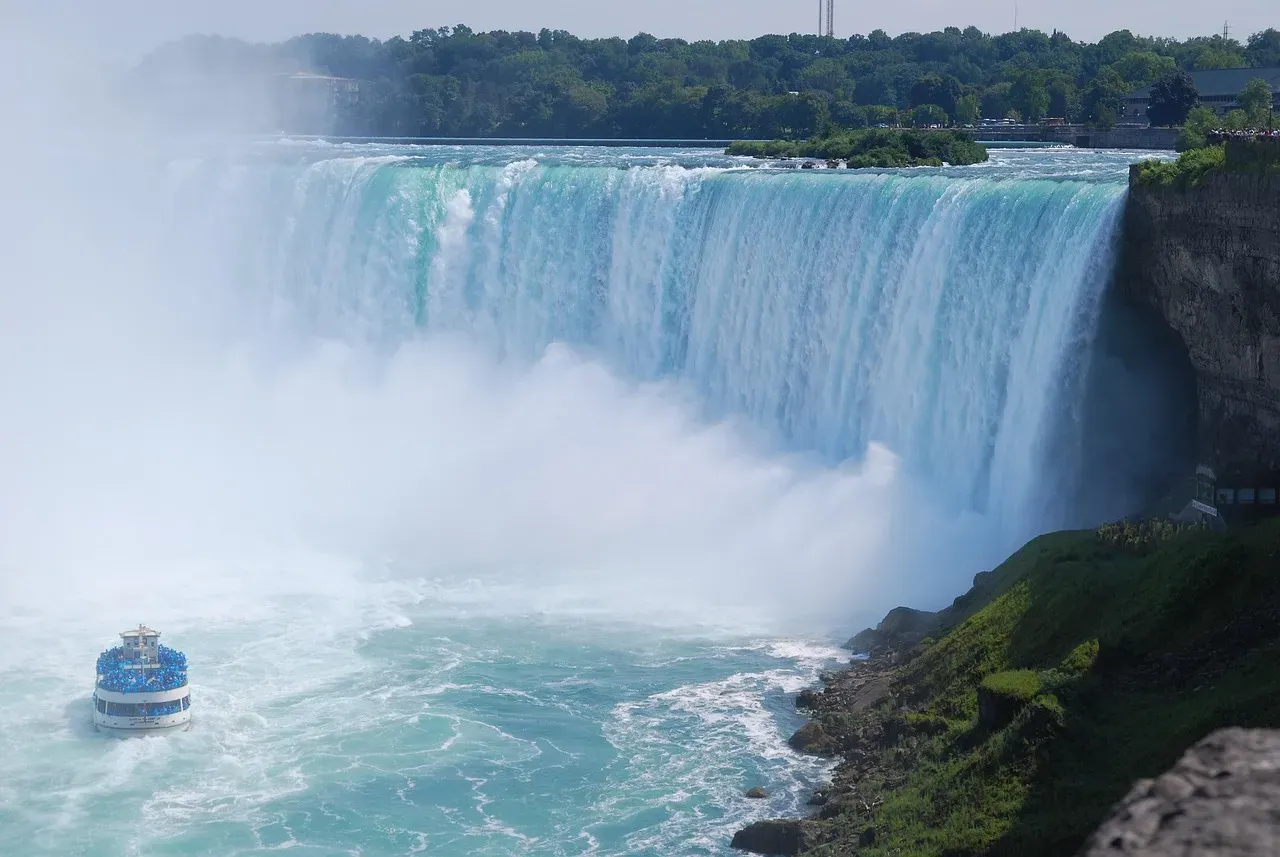
Straddling the U.S.-Canada border, Niagara Falls is a breathtaking collection of three waterfalls: the American Falls, Bridal Veil Falls, and Horseshoe Falls. The sheer volume of water plunging over the edge is staggering, creating a roar you can hear from miles away.
These are North America’s highest flow-rate waterfalls, composed of three waterfalls, well known for their pristine beauty and as a valuable source of hydroelectric power. The mist rising from the base creates rainbows on sunny days, and at night, the falls are illuminated with colored lights that make the whole scene even more dramatic.
You can take a Maid of the Mist boat tour to get a close-up view, or visit observation decks for panoramic views. The boat ride gets you soaking wet, but it’s absolutely worth it to feel the raw power of the falls up close. You’ll be handed a poncho, though honestly, you’re still going to get drenched.
The Canadian side offers slightly better views, but the American side has its own charm. There are trails and parks on both sides where you can wander and take in different angles of the cascades.
It’s one of those natural wonders that makes you feel tiny in the best way possible. The force of all that water is humbling, and standing there, you realize why people have been flocking here for centuries.
The National Mall and Its Monuments: Democracy on Display
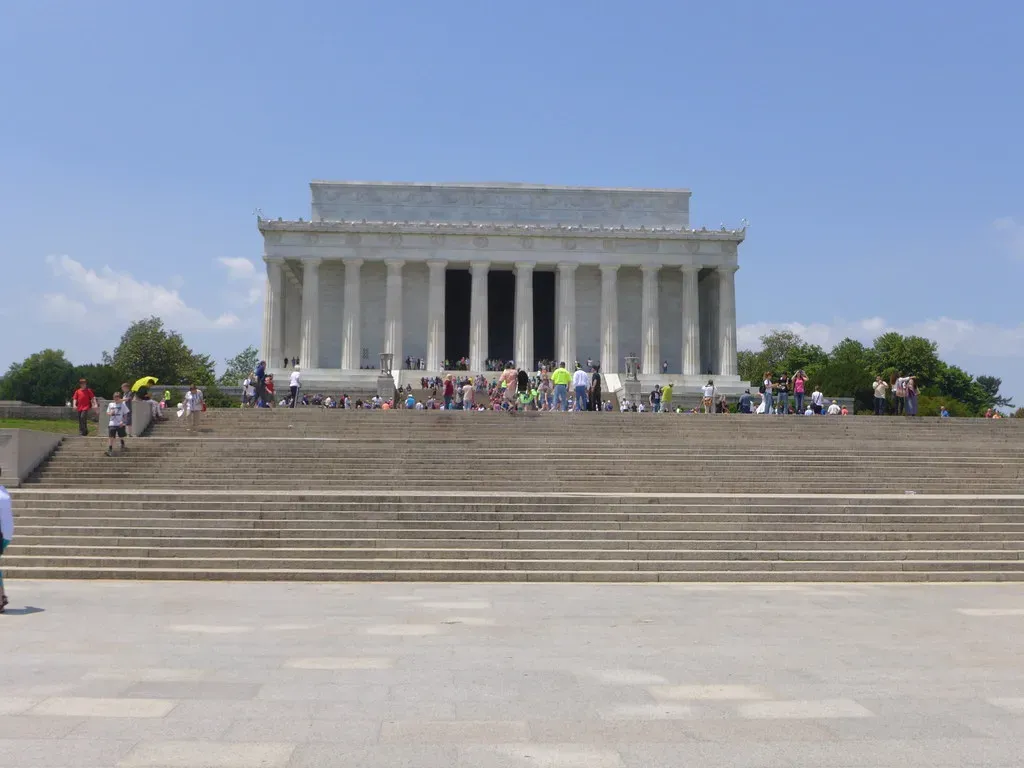
While you’re there, you’ll have access to over a dozen of the United States’ most iconic museums for free, including the National Gallery of Art, the National Air & Space Museum, and the United States Holocaust Memorial Museum. Washington, D.C.’s National Mall is essentially a giant outdoor museum of American history, stretching from the Capitol to the Lincoln Memorial.
Located on the western end of the National Mall, the Lincoln Memorial is one of the most incredible landmarks in America built to honor the United States’ 16th President. The seated Lincoln statue inside is both imposing and serene, and the steps offer one of the best views of the Reflecting Pool and the Washington Monument in the distance.
The Washington Monument is a 555-foot marble obelisk built to honor George Washington, standing tall at the center of the National Mall, offering visitors the chance to ride an elevator to the observation deck for sweeping views. On a clear day, you can see for miles across the capital, taking in the grid of streets and monuments below.
Pearl Harbor National Memorial marks the 1941 surprise attack, with the USS Arizona Memorial featuring a floating platform above the sunken battleship, attracting around two million visitors each year. It’s a somber but essential visit for understanding a pivotal moment in American history.
Walking the Mall at sunset, with monuments glowing against the fading light, is one of those experiences that stays with you. It’s history you can touch, and the weight of it all is profound.
Conclusion
These seven landmarks aren’t just pretty places to snap photos. They’re pieces of the American story, each one layered with history, controversy, and awe. Whether you’re drawn to natural wonders like the Grand Canyon or human-made marvels like the Golden Gate Bridge, visiting these sites in person changes something in you.
It’s easy to think you’ve seen it all through a screen, but trust me, there’s no substitute for standing at the edge of Niagara Falls or gazing up at Mount Rushmore’s carved faces. These places demand your presence, your attention, and maybe even a little bit of your wonder.
So which one are you adding to your travel list first? Have you visited any of these already, or is there another landmark you think deserves a spot on this list? Let us know what you think.
