
Ever considered bringing home a pet that might still be around long after you’re gone? It’s a strange thought for sure, yet some animals have lifespans that easily surpass human decades. These creatures aren’t just companions for a few years. They become multi-generational family members, witnessing birthdays, anniversaries, and life milestones that span beyond our own. Let’s dive into the fascinating world of pets with extraordinary longevity.
1. African Grey Parrots: The Brainy Birds That Remember Everything
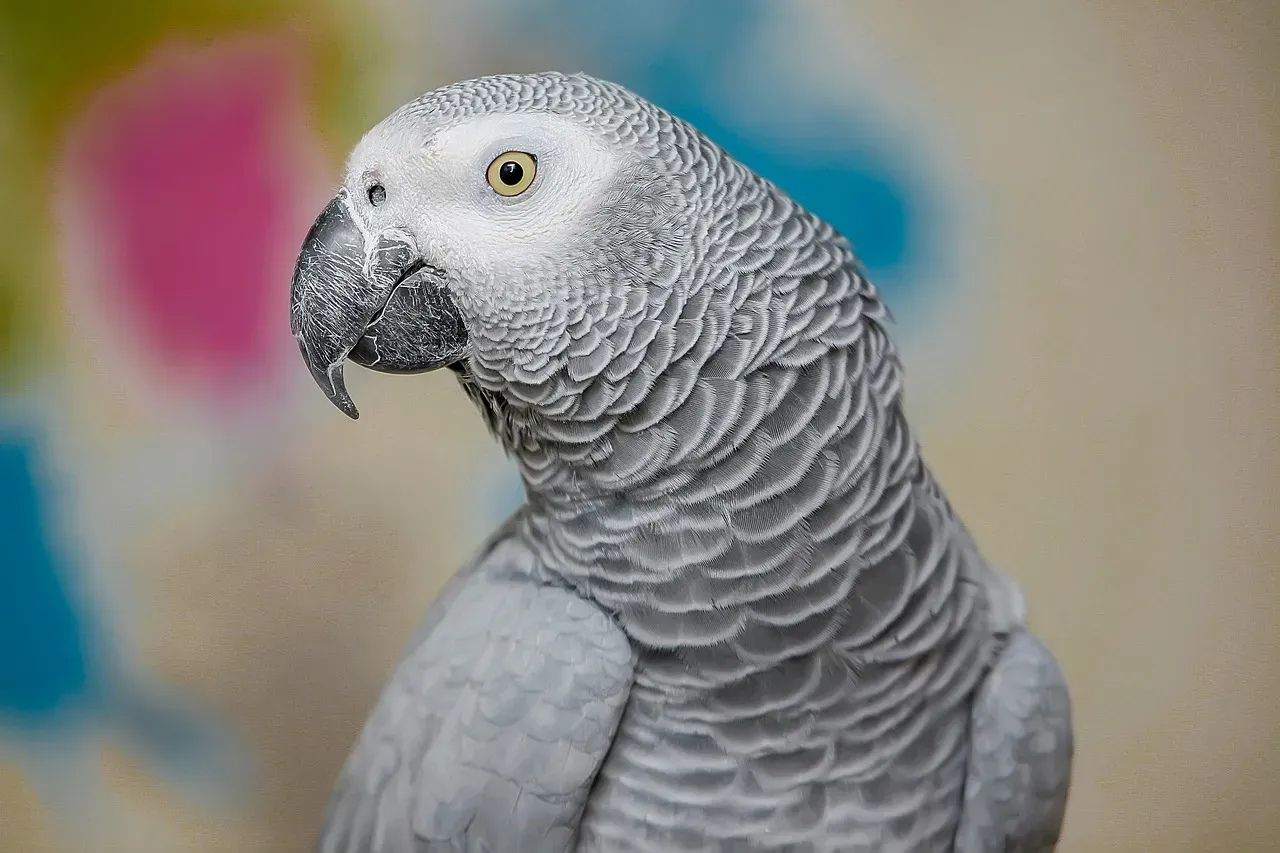
African Grey Parrots regularly live 40 to 60 years, with some documented cases of individuals reaching over 70. These aren’t just long-lived birds, though. They’re the intellectual giants of the avian world, capable of mimicking human speech and understanding social cues in ways that make them feel more like family members than pets.
The thing about African Greys is their emotional depth. They form intense bonds with , which makes their longevity both a blessing and a responsibility. Their long lifespans often mean they’re companions for multiple generations, and they need mental stimulation, social interaction, and consistent training.
Honestly, if you’re thinking about getting one, you need to plan for the future. Many owners include provisions for these birds in their wills because the chances of the parrot outliving you are genuinely high. It’s hard to say for sure how each bird will adapt to a new owner, yet their intelligence helps them form new bonds when necessary.
2. Macaws: The Colorful Giants With Century-Long Potential
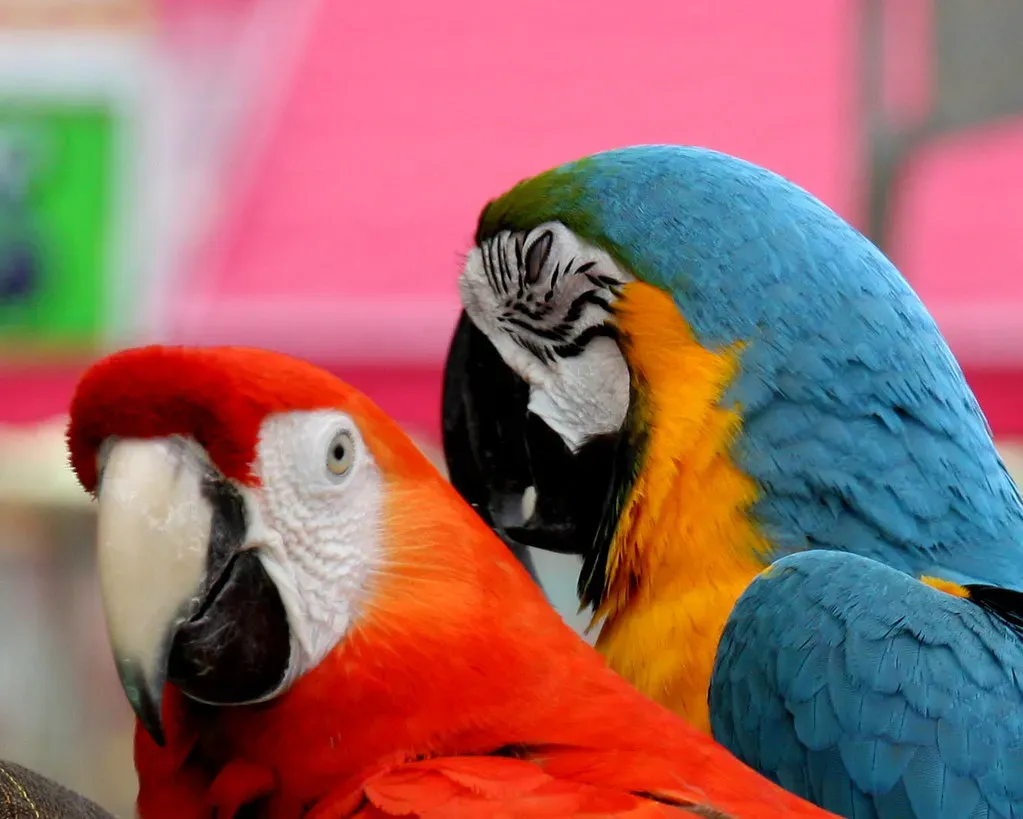
Picture this: a vibrant bird with feathers in shades of blue, gold, and red that might still be squawking long after your grandchildren have grown up. The oldest known macaw is said to have lived to age 112. That’s not typical, of course, yet macaws routinely reach lifespans that boggle the mind.
A blue-and-gold macaw lives an average of 30 years in the wild, but they may live in captivity for 50 to 60 years if properly cared for. Some species go even further. The scarlet macaw can live up to 75 or even 90 years in captivity, making them a genuine lifetime commitment.
These birds require massive cages, mental stimulation, and tons of social interaction. They’re loud, demanding, and messy eaters. Still, for those willing to put in the work, macaws offer decades of companionship. People considering a macaw as a companion parrot must be aware that the bird may outlive the owner.
3. Tortoises: The Slow and Steady Centenarians
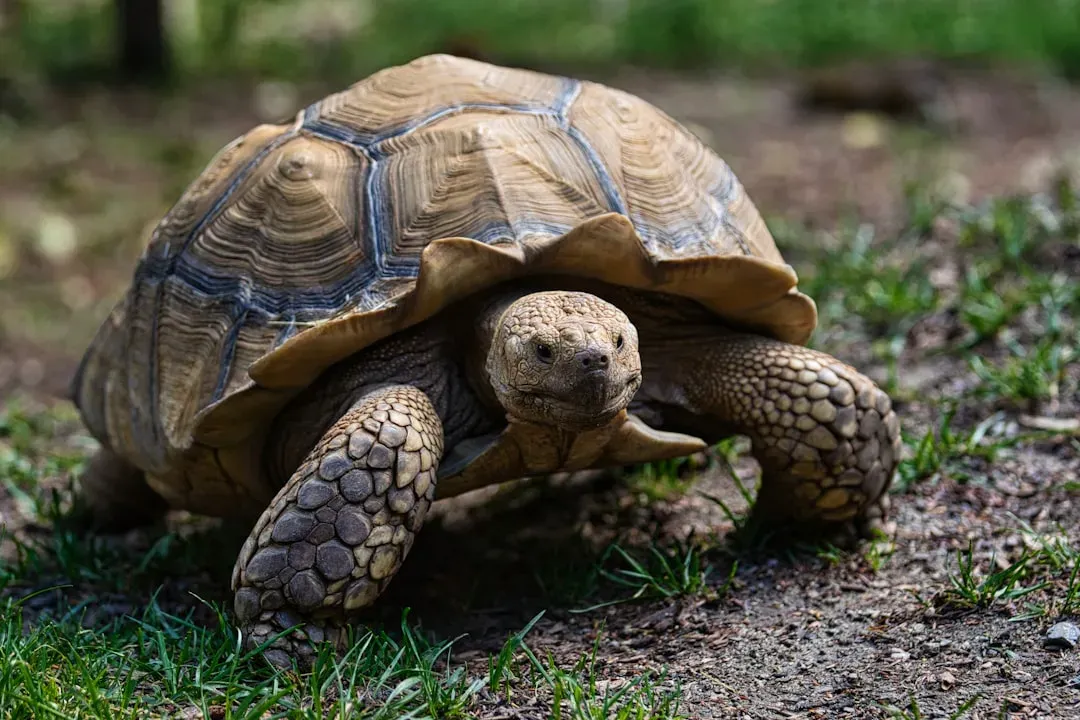
If there’s one animal that completely redefines the concept of a long-lived pet, it’s the tortoise. Depending on the species, tortoises can live anywhere from 50 to more than 100 years, which means they often outlive their original owners. Let’s be real, bringing home a baby tortoise might mean you’re setting up care for your children and possibly even your grandchildren.
Aldabra giant tortoises are remarkable reptiles capable of living well beyond 100 years, with some documented specimens reaching over 250 years of age. That’s not a typo. Some tortoises have lived through entire human lifetimes and then some.
Sulcata tortoises can live more than 70 years and are often gifted to younger family members, becoming a living legacy that walks slowly but lasts forever. Their care isn’t terribly complicated compared to other long-lived pets, yet they need proper space, temperature control, and a commitment that spans generations.
4. Cockatoos: The Emotional Companions That Bond for Life
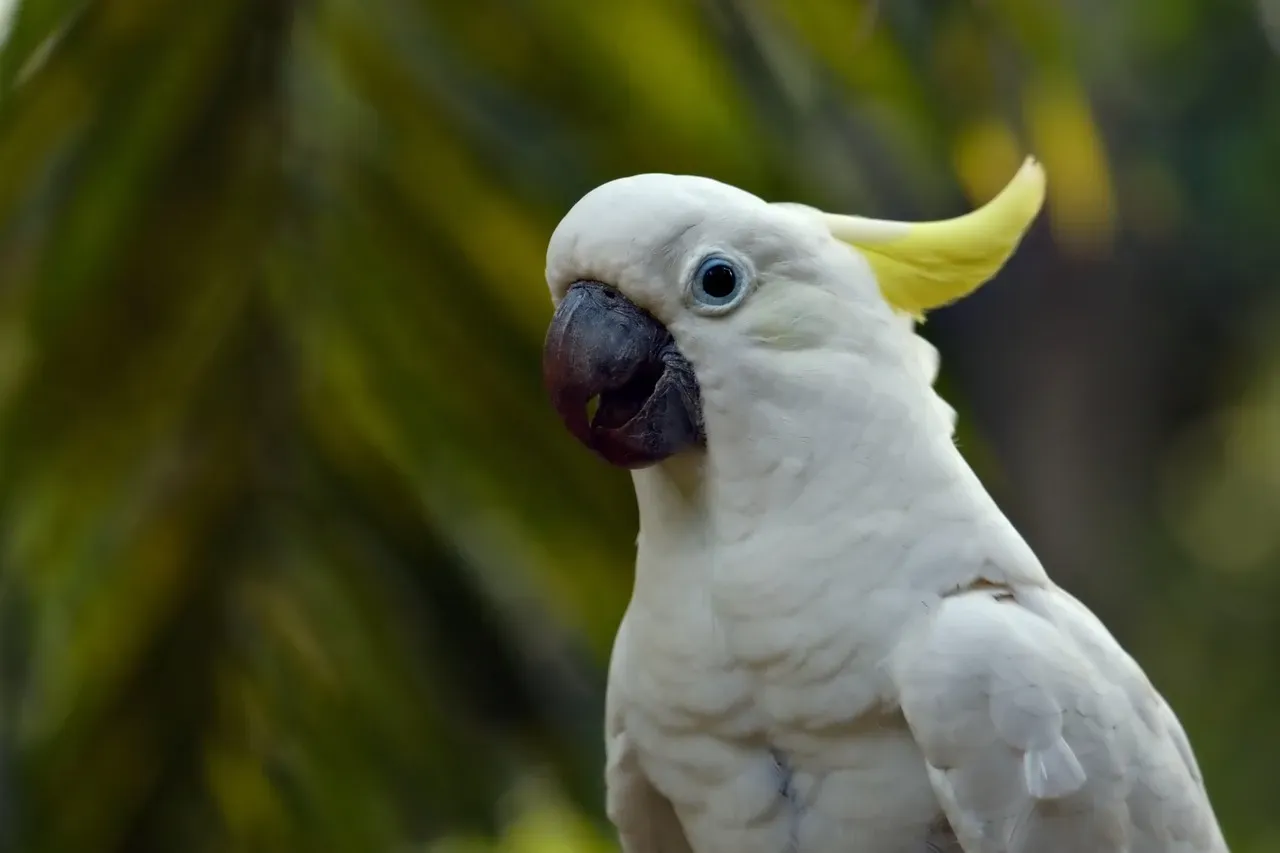
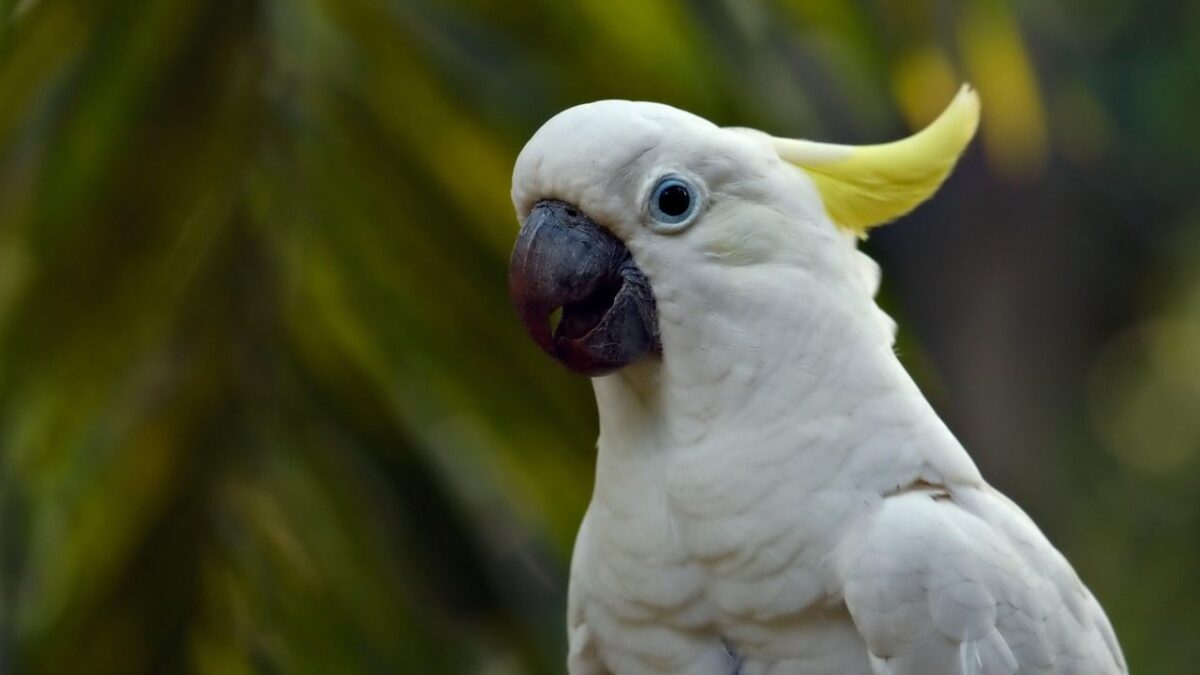
Cockatoos can live up to 70 years, and they’re packed with personality and affection. These birds aren’t just pets that sit prettily in a cage. They’re emotional creatures that form deep, lasting bonds with their human families.
Umbrella Cockatoos can live to 70 or 80 years of age in captivity with the right care. They’re known for charming tricks and mimicking sounds, yet their emotional depth is what truly sets them apart. Their emotional depth means they bond deeply, but they also suffer if neglected or rehomed, so lifelong commitment is key.
I think what surprises people most about cockatoos is how much they demand. They need constant interaction, mental challenges, and they can become destructive or develop behavioral issues if their needs aren’t met. The commitment to a cockatoo is essentially a human lifetime, which makes planning for their future care absolutely essential.
5. Koi Fish: The Pond Dwellers That Defy Expectations

Most people think of fish as short-term pets, yet koi completely shatter that assumption. These fish have an average lifespan of 15 years outside of Japan, however, when living in Japan, Koi Fish can live up to 40 years. Some individuals have reached truly astonishing ages.
One famous koi, Hanako, was estimated to be over 200 years old. That’s generations of families caring for the same fish, watching it glide through the water year after year, decade after decade. The longevity difference between Japanese koi and those elsewhere relates to hibernation patterns during harsh winters.
Koi need appropriately sized ponds, clean water, and quality nutrition. They’re culturally significant in many Asian countries and have become symbols of perseverance and longevity. When properly cared for, these colorful fish can easily become a family heirloom passed down through generations.
6. Ball Pythons: The Quiet Reptiles With Surprising Longevity
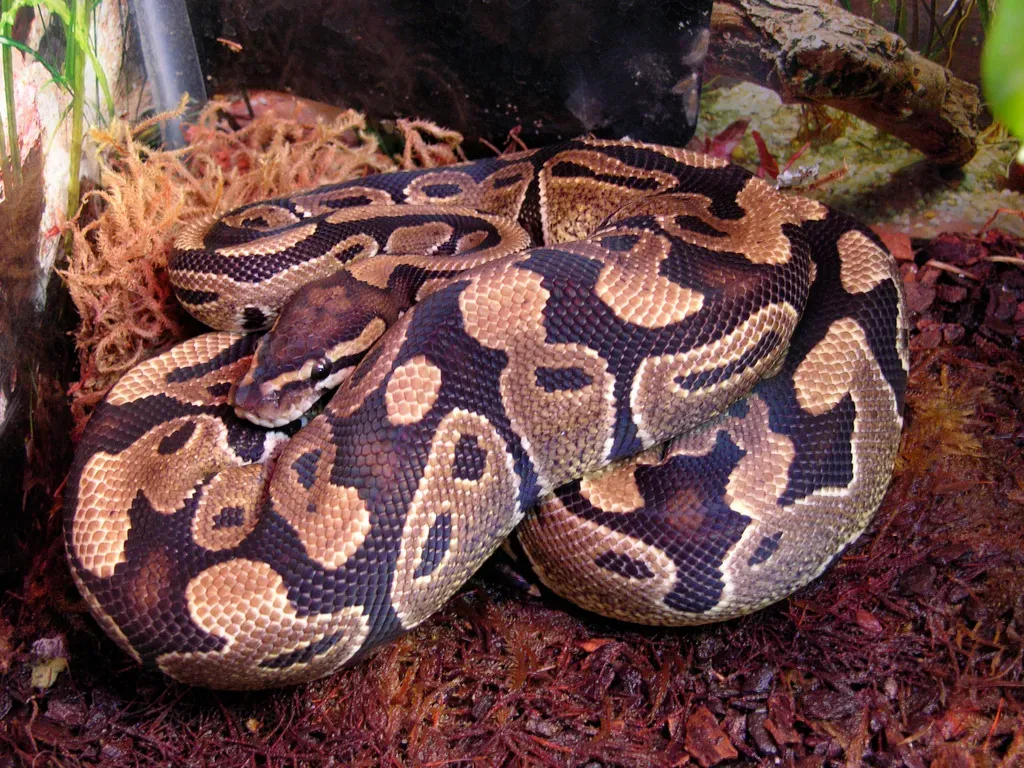
The ball python is one of the longest-lived species in the world, often living 25 to 30 years in captivity with the correct care, and the oldest snake on record was an albino ball python named Gerry who lived to be 42 years old. These snakes are popular pets because of their manageable size and calm temperament.
Unlike parrots or other emotionally demanding pets, ball pythons don’t form emotional attachments to owners, making them easier to transition to new caretakers. They do, however, become accustomed to specific handling patterns and environmental conditions.
Their care is relatively straightforward compared to other long-lived animals. Feeding typically consists of pre-killed rodents every 1 to 2 weeks, depending on the snake’s age and size. With proper care, these snakes can easily outlive young or middle-aged owners, requiring succession plans for their continued well-being.
7. Amazon Parrots: The Talkative Companions for Multiple Generations
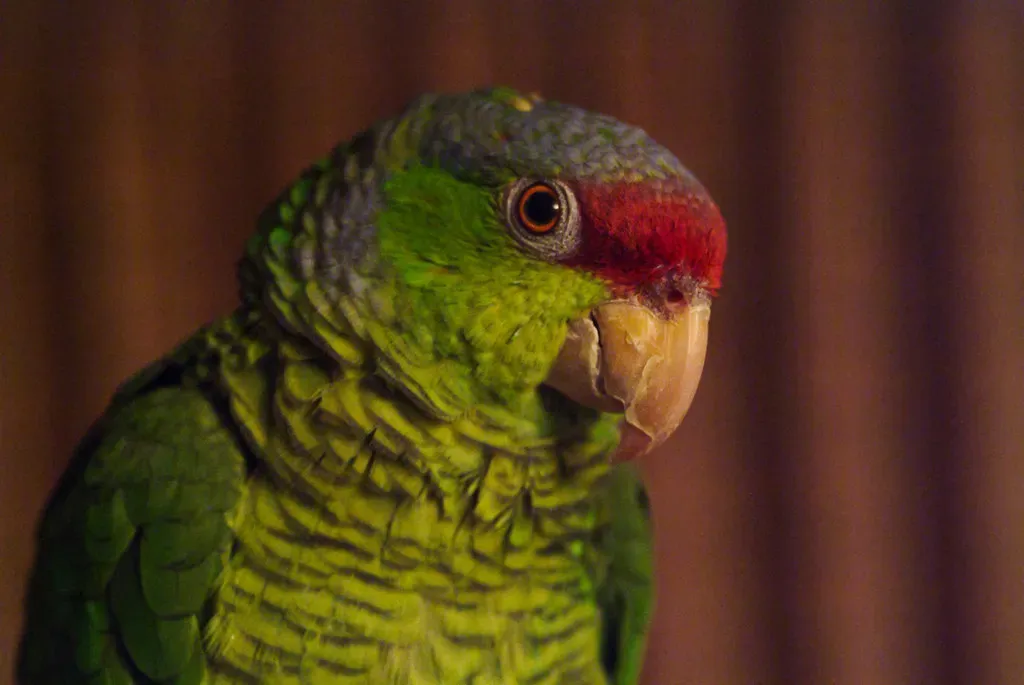
Amazon parrots have average lifespans of 40 to 70 years and frequently outlive their original owners, becoming multi-generational family members. These predominantly green birds are social, talkative, and thrive with human interaction. Amazon parrots are social, talkative, and often live 60 to 70 years, making them lifelong confidants.
What makes Amazon parrots stand out is their personality. They’re known for being outgoing, sometimes loud, and incredibly interactive. They whistle, mimic sounds, and genuinely enjoy being part of the family dynamic. The bond they form with is strong, which makes their multi-decade lifespan both wonderful and challenging.
Like other long-lived parrots, Amazon parrots need varied diets, mental stimulation, and regular veterinary care. They’re not low-maintenance pets by any stretch. Their intelligence means they get bored easily, and a bored parrot can develop serious behavioral problems. Planning for their care beyond your own lifetime isn’t just recommended, it’s practically essential.
Conclusion
Choosing a pet that might outlive you is no small decision. These seven animals offer incredible companionship, yet they also demand long-term planning and commitment that extends beyond your own years. From the intelligent African Grey to the ancient tortoise, these creatures challenge our typical understanding of pet ownership.
The reality is sobering yet beautiful. These animals become living legacies, memories that breathe and continue long after we’re gone. They connect generations, carry stories forward, and remind us that some bonds transcend our limited time on Earth. What do you think about welcoming a companion that might attend your great-grandchildren’s birthdays? It’s worth considering.

- 8 Ways Bobcats Move Through Suburbs Without Being Seen - August 9, 2026
- 7 Reasons Black Bears Return to the Same Food Source - August 9, 2026
- Animal Cognition Says Horses Remember People Who Treated Them Well and Those Who Did Not - August 9, 2026