
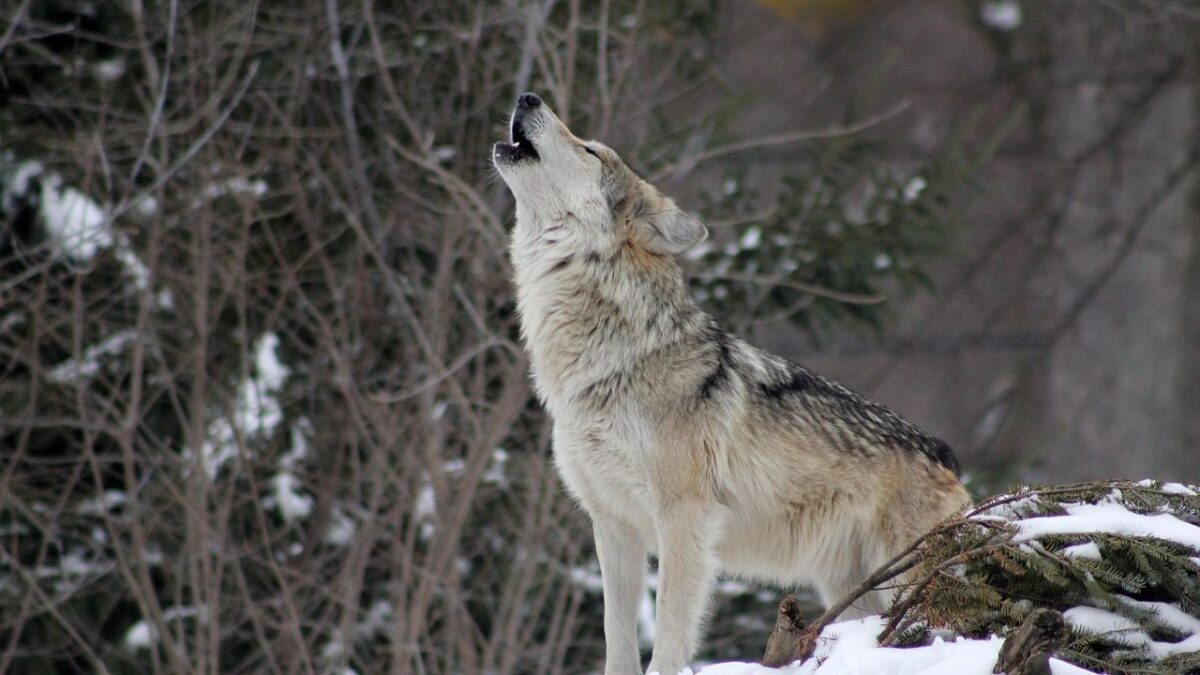
There is something about a wolf’s howl that stops you cold. It cuts through the darkness, rises into the sky, and lands somewhere deep in your chest. It sounds ancient. Lonely. Almost like a warning. For thousands of years, humans have tried to make sense of that sound, wrapping it in mythology, horror stories, and moonlit folklore.
The truth, however, is even more extraordinary than the legend. Behind every howl is a living, breathing intelligence communicating with sophistication most of us never imagined. So let’s dive in, because what science has uncovered about wolf howling will genuinely surprise you.
Wolves Howl to Find Each Other Across Impossible Distances
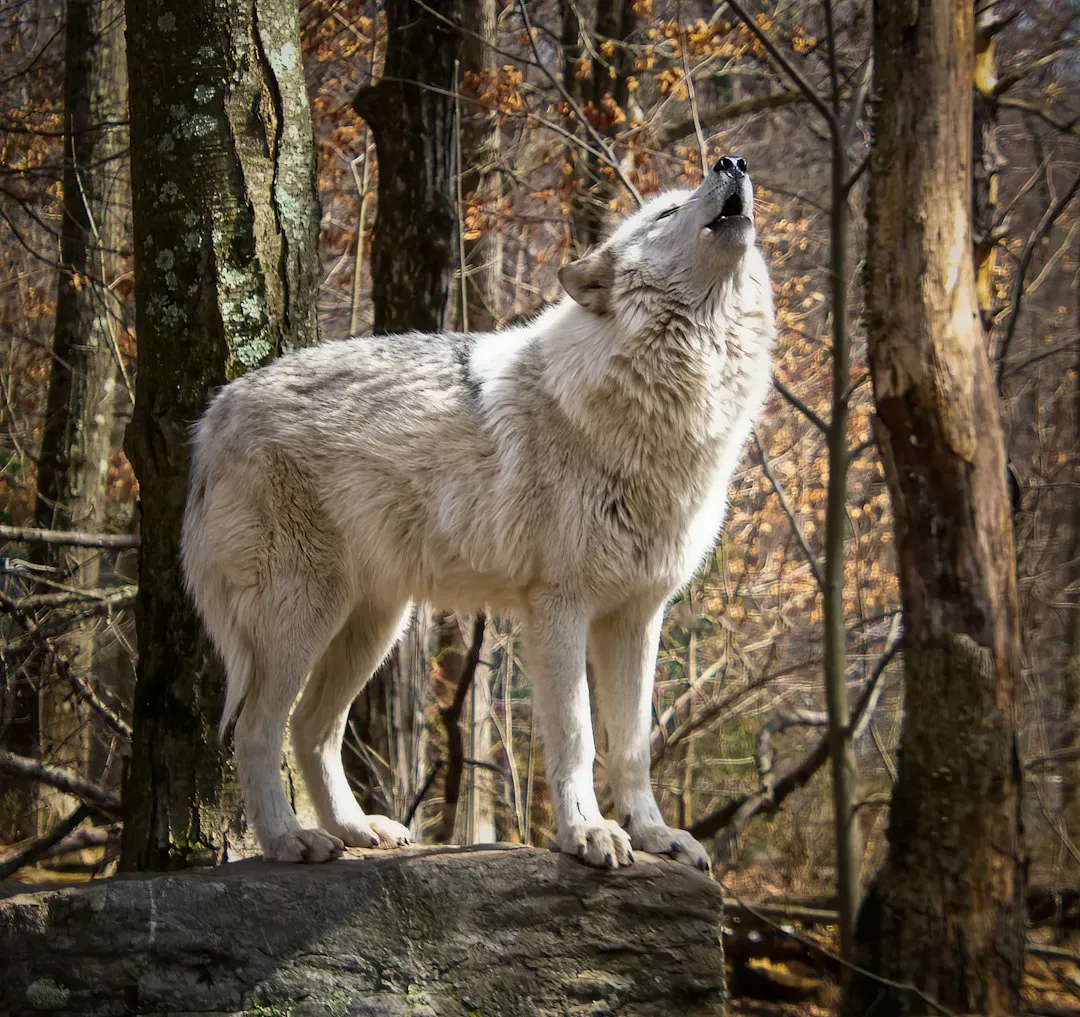
Here’s the thing – imagine trying to find your family in a forest spanning thousands of square kilometres, in total darkness, without a phone. That is the daily reality for a wolf. Wolves may separate from their packs when hunting, so howling becomes an effective way to communicate about location.
A wolf’s howl can carry up to 16 kilometres in the open tundra, though it travels somewhat less in wooded areas. Think about that for a moment. That is roughly the distance between two cities, bridged by nothing but sound and biology.
Howling is the one form of communication used by wolves that is intended for long distance. It is the original long-range telephone, perfected over millions of years of evolution. No wires. No towers. Just a raised head, an open throat, and the night air doing the rest.
The Night Is Not Just a Setting – It Is a Strategic Advantage
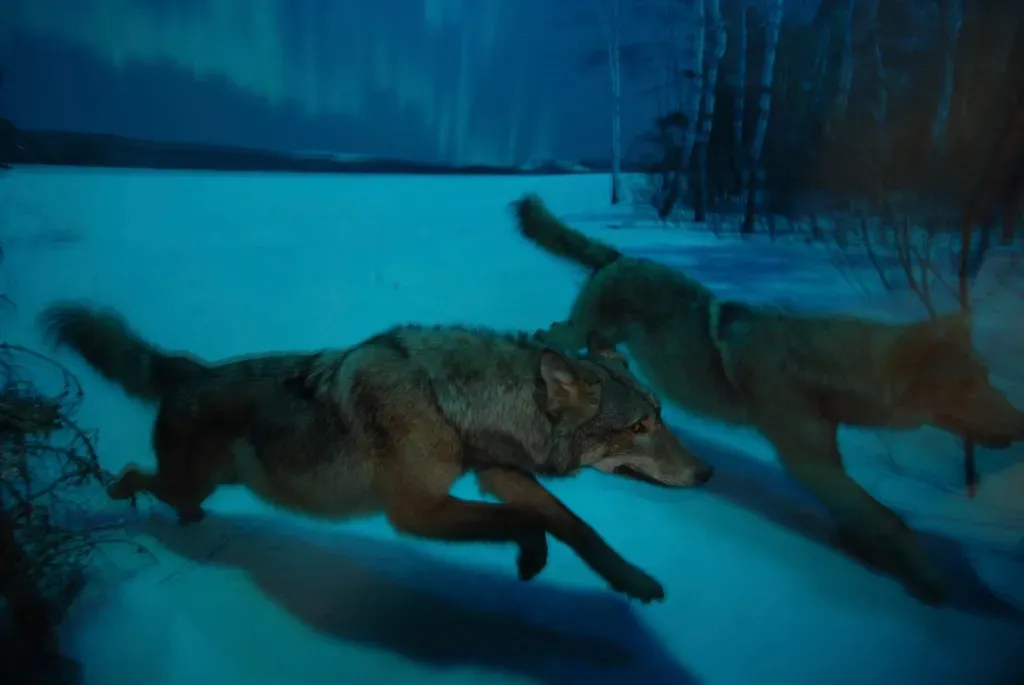
Why night specifically? Honestly, it comes down to pure physics and smart survival. The colder temperatures and fewer human activities at night make it an excellent time for wolves to hunt and communicate. Nighttime howling is even more effective since the noises travel further in the colder, denser air.
Wolves hunt mostly at dusk and at night. That is when they mostly howl. Of course, they also communicate with each other during the day, but that does not impress people as much as wolves howling in the dark of night.
Cold, dense night air is basically an amplifier for sound. Think of it like the difference between shouting across a crowded room versus shouting across an empty hall. The physics favour the wolf, and wolves know it. In regions with a lot of human activity or noise, wolves may howl more often at night to escape discovery and utilize the cover of darkness to communicate.
Howling Is a Declaration of Territory – and a Warning Shot
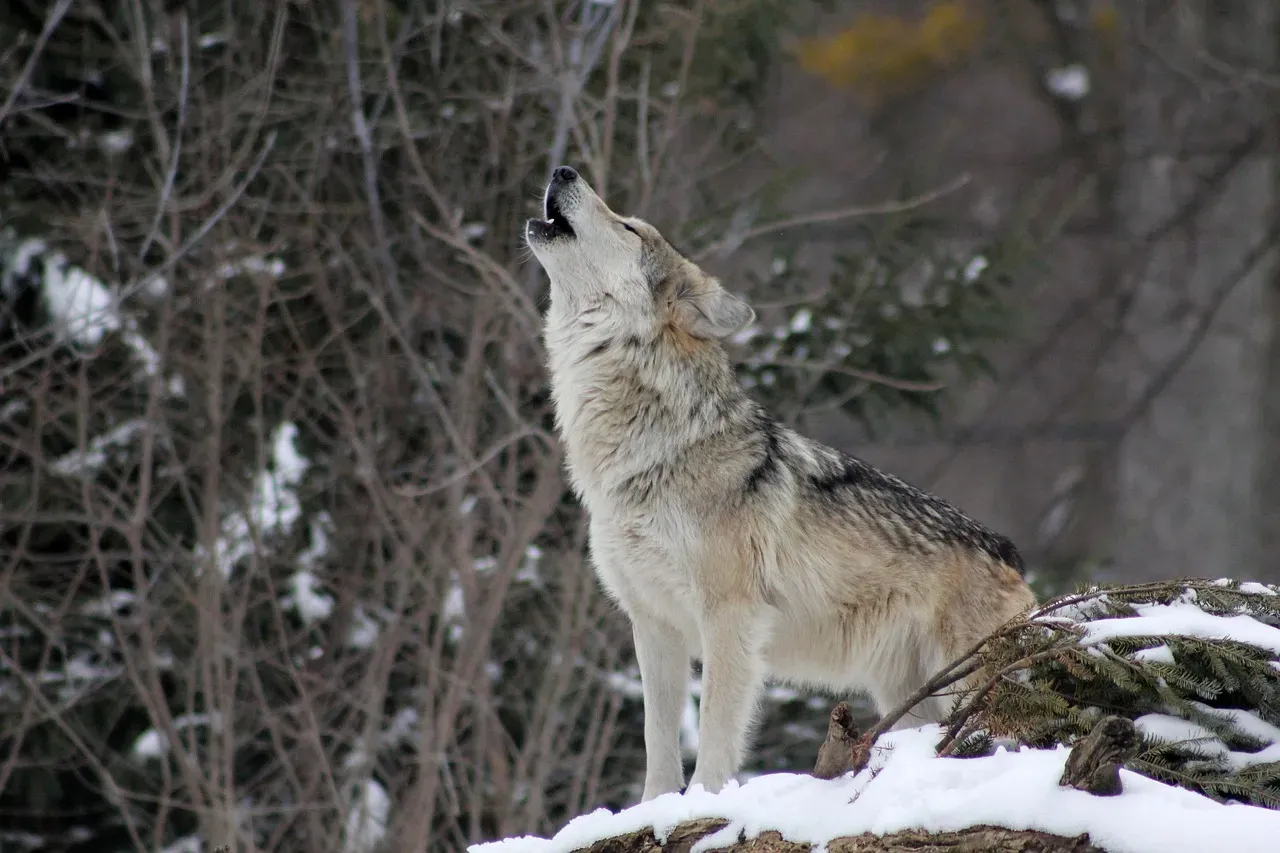
Wolf packs tend to claim large territories for themselves, especially if prey is scarce. These territories can be as large as 3,000 square kilometres. That is a staggering amount of land to defend without fences or weapons.
Another sort of howl is an aggressive howl to other packs. It warns other packs or individual wolves in the area to stay away from the territory. It is essentially a loud, unmistakable “this land is ours.” No confrontation needed, at least not right away.
If foreign wolves cannot be driven out of the hunting ground by the wolf pack, it can lead to battles for territory. The howl is the first line of diplomacy. Violence, for wolves, is always a last resort. I think there is something quietly admirable about that.
Wolves Howl Out of Affection – and Science Can Prove It
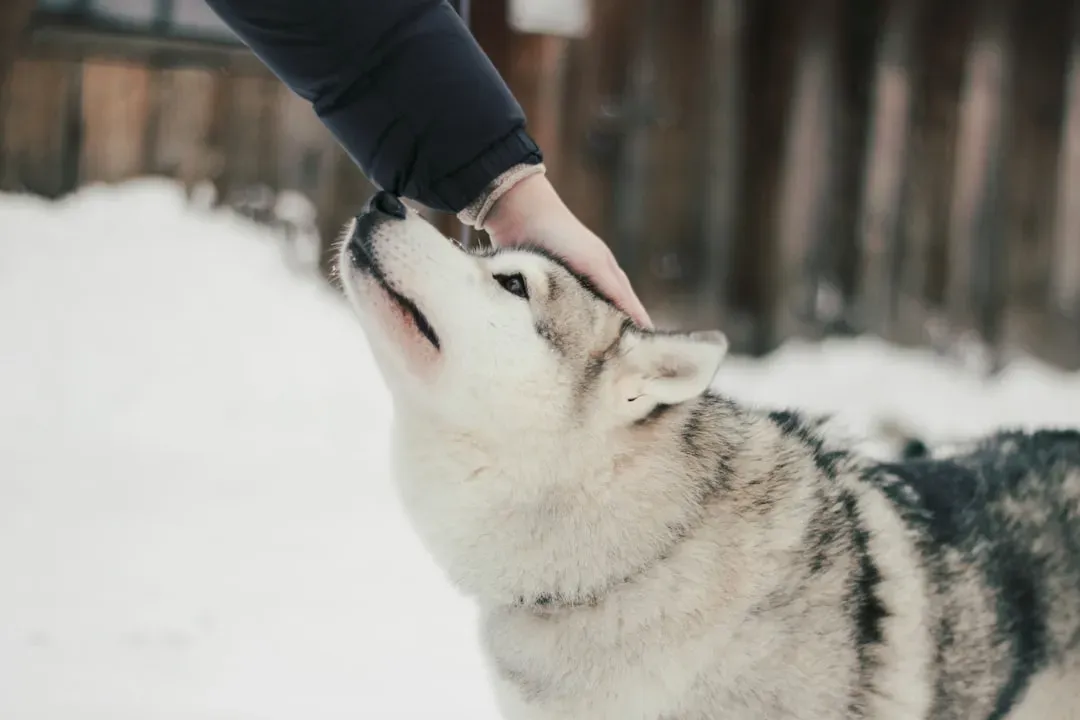
This one genuinely floored me when I first read it. Most people assume wolves howl out of aggression or distress. But science reveals something far more emotionally layered. A 2013 study found that wolves tend to howl more to a pack member that they have a strong connection with, meaning a close social connection.
Researchers measured levels of the stress hormone cortisol from saliva samples of each howling wolf. This allowed scientists to show that howling rate was not strongly tied to stress levels. Some scientists think that animal vocalizations like howling may be a sort of automatic reaction to a stressful condition or emotional state, an idea that this study refutes. Or, at least, stress is not the primary driver of wolves’ howls.
Researchers detected no significant change in cortisol when preferred social partners were removed from the pack, which however led to increased howling. In plain terms: wolves howl more for those they love, not just those they fear losing. That is a remarkably nuanced form of emotional intelligence for an animal we once dismissed as purely instinct-driven.
Every Howl Is Unique – Wolves Have Their Own Voice Signatures
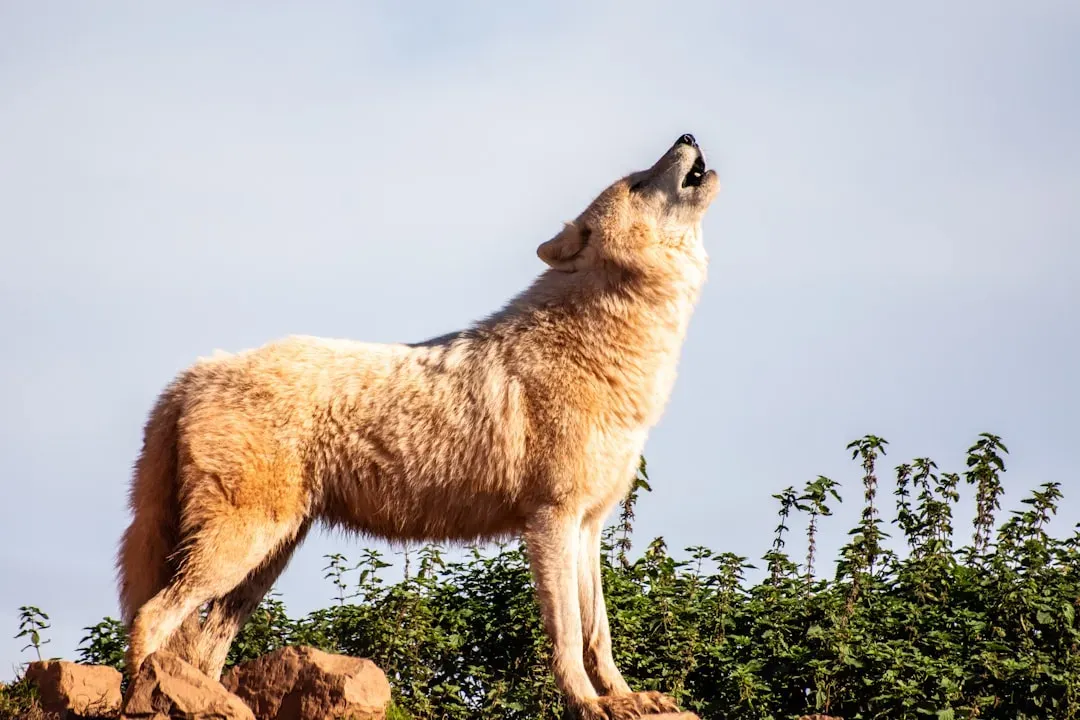
Much like each human has their own distinct voice, each wolf has a unique howl. That individuality is not accidental. It is biological identity broadcasting across kilometres of wilderness.
Male wolves give voice through an octave, passing to a deep bass with a stress on “O”, while females produce a modulated nasal baritone with stress on “U”. Even the pitch changes depending on the message being sent. Howls used for calling pack mates to a kill are long, smooth sounds. When pursuing prey, wolves emit a higher pitched howl, vibrating on two notes. When closing in on their prey, they emit a combination of a short bark and a howl.
There is a whole vocabulary embedded in these sounds. It is layered, contextual, and deeply intelligent. Wolf puppies are capable of howling from about four weeks old. The main emphasis is on individual sound training, as howling is used to establish contact with the family for the first time. The young animals also learn the dialect of the pack, which differs according to areas and species. Yes, wolf packs have regional dialects. Try wrapping your head around that.
The Moon Has Nothing to Do With It – Debunking the Biggest Wolf Myth
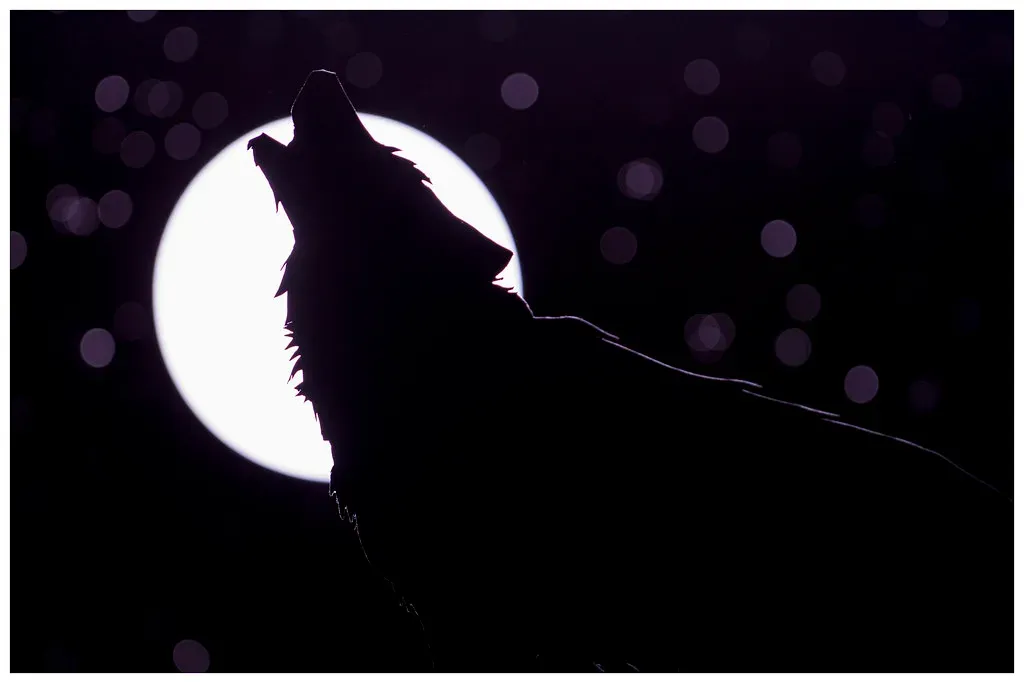
Let’s be real: the image of a lone wolf howling at a full moon is genuinely one of the most powerful and enduring images in all of nature storytelling. It is also largely a myth. The truth is that wolves don’t howl at the moon. Scientists have found no correlation between the canine and Earth’s satellite, except perhaps an increase in overall activity on brighter nights.
Numerous research studies in modern times have shown that wolves do not howl in any sort of pattern in regards to the moon. Whether it is a full moon, a new moon, or anything in between, including a completely cloudy sky, or if the moon has not even risen, wolves are still known to howl.
So why does the myth persist? In Greek, Roman and Norse mythology, there was a strong connection between wolves and the moon, and Native American legends often saw wolves as the guardians of the moon, howling it into existence at night. Centuries of storytelling will do that to a species. The most common argument behind the whole “wolf calling the moon” phenomenon is their upturned heads while howling, but there is a very simple explanation for that: it helps the sound travel further. Physics, not poetry.
Wolves Howl to Grieve, Celebrate, and Bond – It Is Emotional Expression
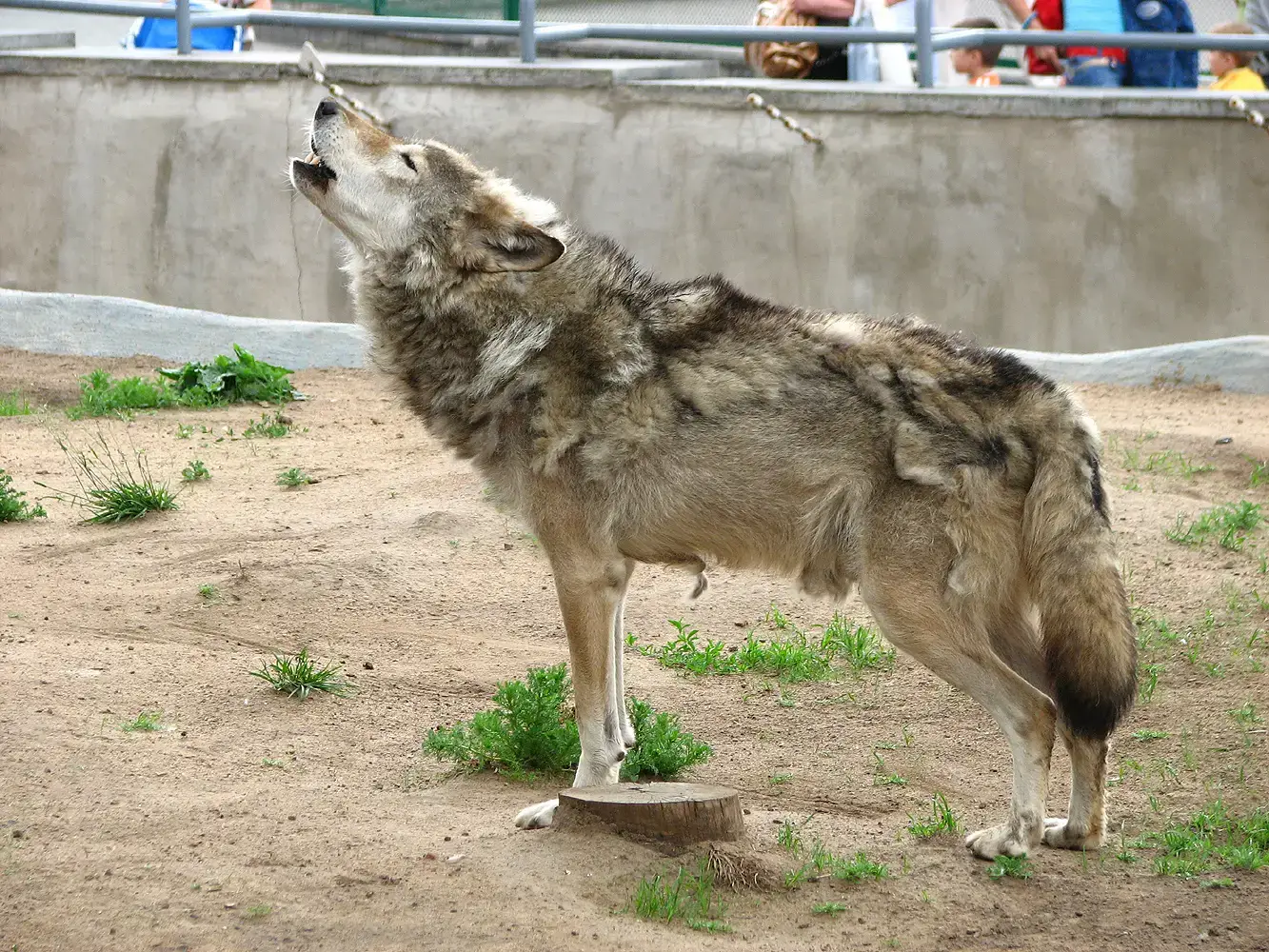
Biologists have identified a surprisingly wide range of possible functions: wolves howl to assemble their pack, attract a mate, mark territory, scare off enemies, signal alarm, or communicate their position. That list alone should make us reconsider how we think about animal emotion and intelligence.
Grief, specifically, is real in wolf packs. In some cases, the wolf howl is actually melancholic: when a member leaves the pack, the animals express their grief with the howling wolf. This is not just interpretation. Researchers observing wolves in the wild have documented solo howling that continued for weeks after the loss of a companion.
A social howl is used to locate one another, rally together, and possibly just for fun. Yes, just for fun. When howling together, wolves harmonize rather than chorus on the same note, thus creating the illusion of there being more wolves than there actually are. It is clever, strategic, and joyful all at once. Communication is especially important for animals like wolves that live together in family groups, where coordinating, cooperating, and reinforcing bonds and status are all part of a necessary daily routine. The howl, ultimately, is how wolves say: we are here, we are together, and we are alive.
Conclusion
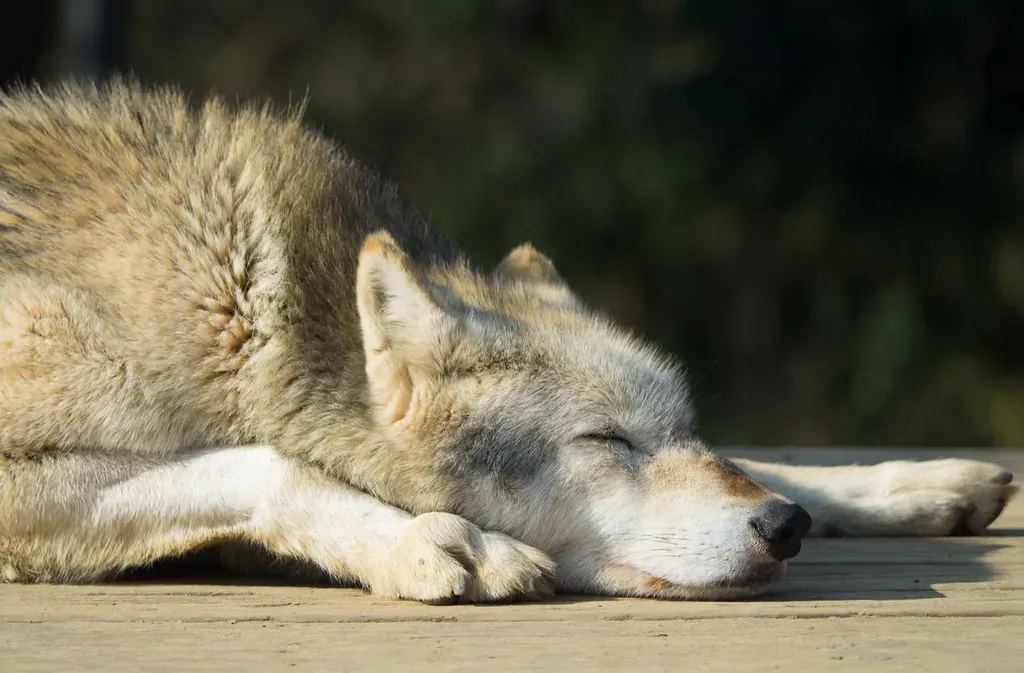
The wolf’s howl is one of nature’s most honest sounds. It carries territory, love, grief, identity, strategy, and joy all at once. It is a voice that travels farther than almost any other creature on Earth can manage, and it does so with stunning purpose.
We spent centuries projecting our fears and folklore onto that sound, turning it into something sinister and supernatural. The reality is richer. Wolves howl because they have something to say, and they have been saying it long before humans ever thought to listen.
Next time you hear that sound echoing through the dark, pause for a second. You are not hearing a monster. You are hearing a family, reaching across the night for each other. What would you have guessed they were saying?

- Why Highly Sensitive People Often Have Highly Reactive Dogs - July 31, 2026
- Avoid These 8 Cat Breeds If You’re a Scorpio - July 31, 2026
- Your Dog Understands More Than Just Your Words – Here’s How - July 31, 2026