
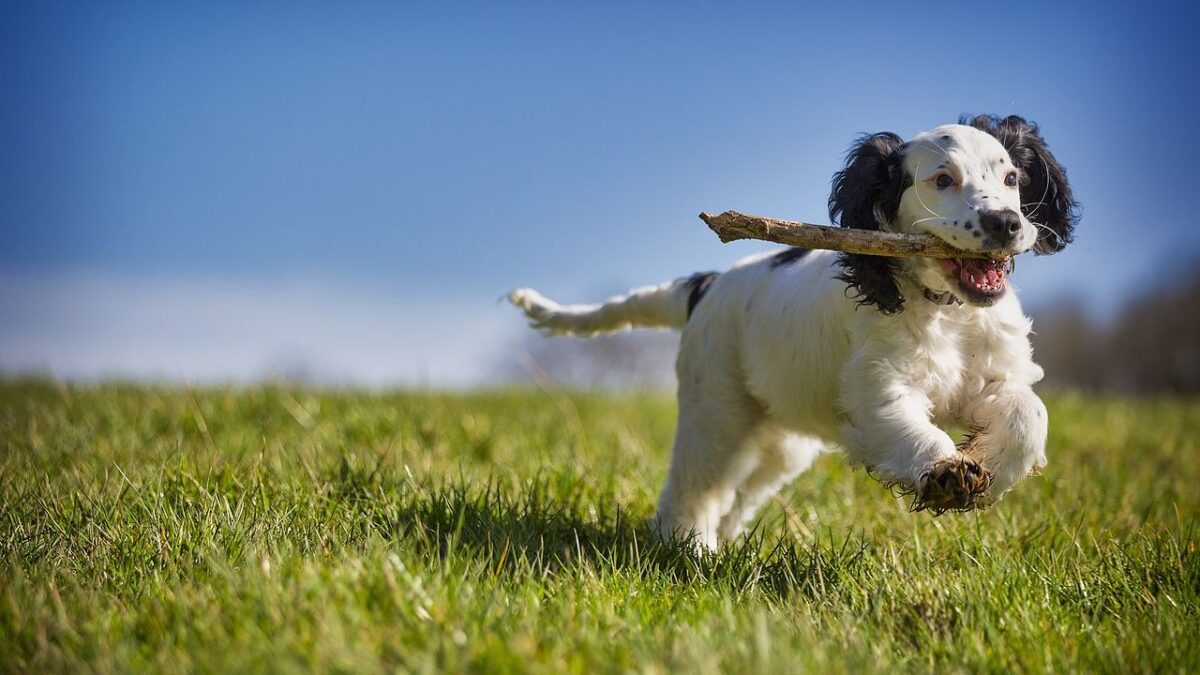
Getting a puppy might feel like the best thing that’s ever happened to you. Those adorable floppy ears, the tiny paws, the sweet puppy breath that somehow makes everything better. It’s magic, right? Yet underneath all that cuteness lurks the potential for frustration, confusion, and a whole lot of training blunders that could stick with your dog for years.
Here’s something veterinarians don’t always say out loud: many behavioral issues they encounter weekly aren’t the dog’s fault. They’re ours. The mistakes we make in those first precious months can shape everything from how your pup interacts with strangers to whether they tear apart your couch cushions every time you leave the house. Let’s be real, no one wants to be that owner whose dog can’t sit still at the vet’s office or lunges at every squirrel on the block. So before those bad habits take root, let’s dive into the mistakes vets witness constantly and how you can sidestep them entirely.
Waiting Too Long to Start Training

One of the most common complaints veterinarians hear sounds something like this: “I wish I’d started earlier.” New puppy owners often regret waiting so long to begin training, not realizing bad behaviors can develop in the interim. You might think your eight week old fluffball is too young to understand commands or too adorable to discipline. That’s precisely the trap.
The critical socialization period in puppies begins at age 3 weeks and continues through age 12 weeks depending on the breed. Those weeks fly by faster than you’d expect. While your puppy might not master agility courses at two months old, basic boundaries, potty training, and simple commands like sit and come should start immediately.
Honestly, puppies are like sponges during this window. Every single day they’re learning something new, whether you’re intentionally teaching them or not. Behavior problems are the number one reason owners give their dogs to animal shelters, yet most behavior problems can be prevented through proper training and socialization as a puppy.
Think of it like this: you’re either shaping good habits or accidentally reinforcing bad ones. There’s no neutral ground when you bring home a puppy. The clock starts ticking the moment those paws cross your threshold.
Starting early doesn’t mean being harsh or demanding perfection. It means establishing routines, setting gentle boundaries, and rewarding positive behaviors right from day one. Your future self will thank you for it.
Inconsistency Across the Board

Picture this scenario: you tell your puppy not to jump on the couch, then your partner lets them snuggle up there during movie night. Or maybe you use the word “down” for lying down, then yell “down” when your pup jumps on visitors. Different family members having different rules creates confusion, with one person allowing the puppy on the sofa while another doesn’t, or one using treats while another shouts, making learning slow and stressful.
Dogs don’t understand nuance or exceptions. They thrive on predictable patterns and clear expectations. When the rules keep changing, your puppy becomes anxious and confused rather than confident and well behaved.
Always be consistent with your choices. If jumping is never allowed, it means never, not just when you’re wearing your work clothes. Get everyone in your household on the same page before your puppy even arrives. Write down the rules if you have to.
Use the same verbal cues, the same reward system, and the same routines every single time. Repetition and clarity are what make training stick. I know it sounds tedious, yet this is where most people falter without even realizing it.
Skipping or Delaying Socialization
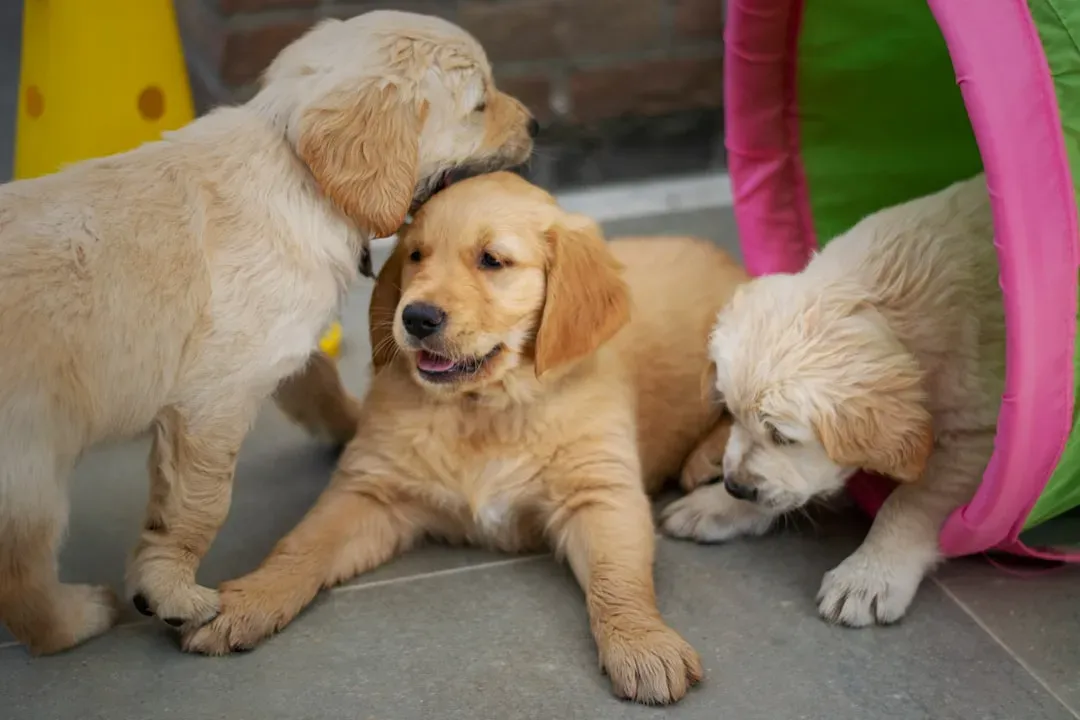
Here’s where things get tricky. Many people wait until their puppy is fully vaccinated before starting any training, especially outside the home, wanting to protect them from illness. That instinct makes total sense, right? Nobody wants their puppy getting sick.
The problem is that veterinarians generally advise dog owners to socialize pets within their first three months of life in order to set them on the right track for life. Miss that critical window and you might end up with a dog that’s fearful, anxious, or even aggressive around other animals and people. The effects of improper puppy socialization can be devastating, leading to fear based aggression towards people and other dogs, plus extreme shyness and anxiety.
You don’t need to throw caution to the wind, though. Vets recommend supervised indoor playdates or carrying dogs through busy areas while allowing observation from a safe distance. Controlled exposure is the key word here.
Puppy socialization classes offer a safe, supervised environment where your little one can interact with other puppies and people. Recent studies show puppies that participated in puppy socialization classes were more likely to be retained in their homes than puppies that did not. The benefits are real and measurable, not just feel good advice.
Using Punishment Instead of Positive Reinforcement
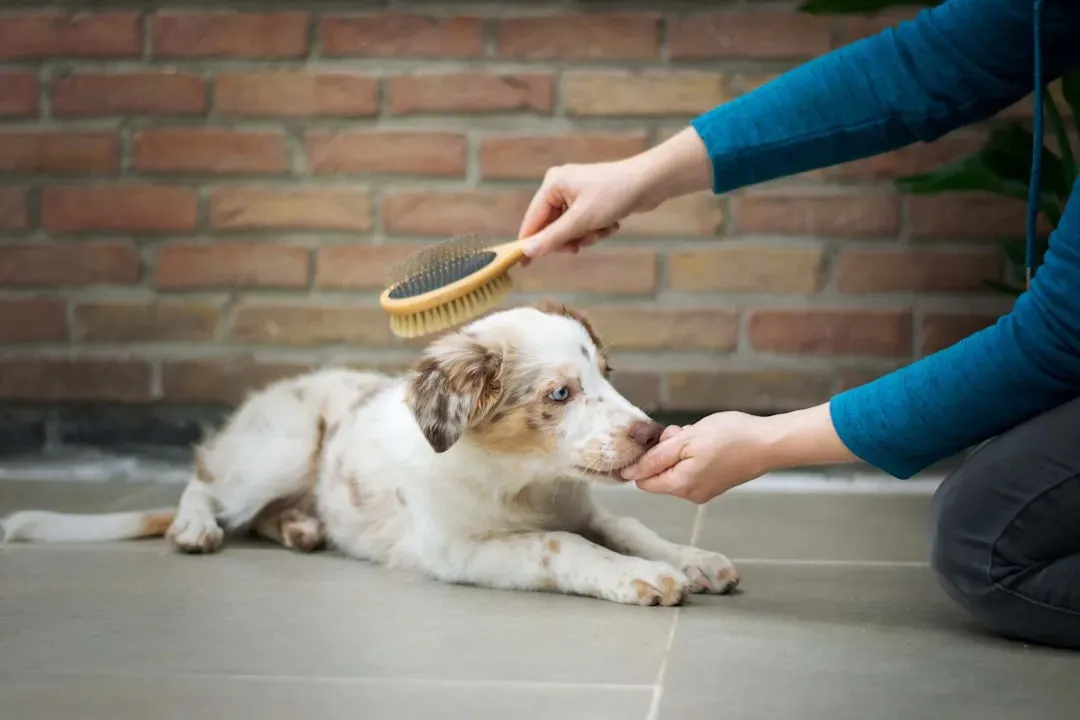
Let’s talk about what happens when your puppy chews your favorite shoe or has an accident on the carpet. Your first instinct might be to scold, yell, or even smack them on the nose. I get it. Frustration is a natural human response.
When a puppy makes a mistake like having an accident indoors or chewing on a shoe, owners often respond with punishment such as yelling or smacking, yet these methods are not only ineffective, they can damage the relationship and create fear, anxiety, and defensive behaviors that are harder to unlearn. Puppies should not be punished after a mistake, as after the fact they do not associate punishment with their inappropriate elimination, and the guilty look they display is really just a scared look as they anticipate something bad.
Your puppy isn’t being defiant or trying to get revenge. They’re just being a puppy, learning how the world works. Pets don’t think the way we do and they don’t really understand the concept of punishment, with time, patience, and consistency being key.
The fix here is straightforward but requires patience: reward what you want, ignore what you don’t. Positive reinforcement builds trust and encourages learning, as when a puppy does something right, rewarding it immediately with a treat, affection, or play helps them understand what behavior earns approval, making them more likely to repeat it. Catch your puppy being good and make a big deal out of it. That’s how trust and good habits develop.
Repeating Commands Over and Over
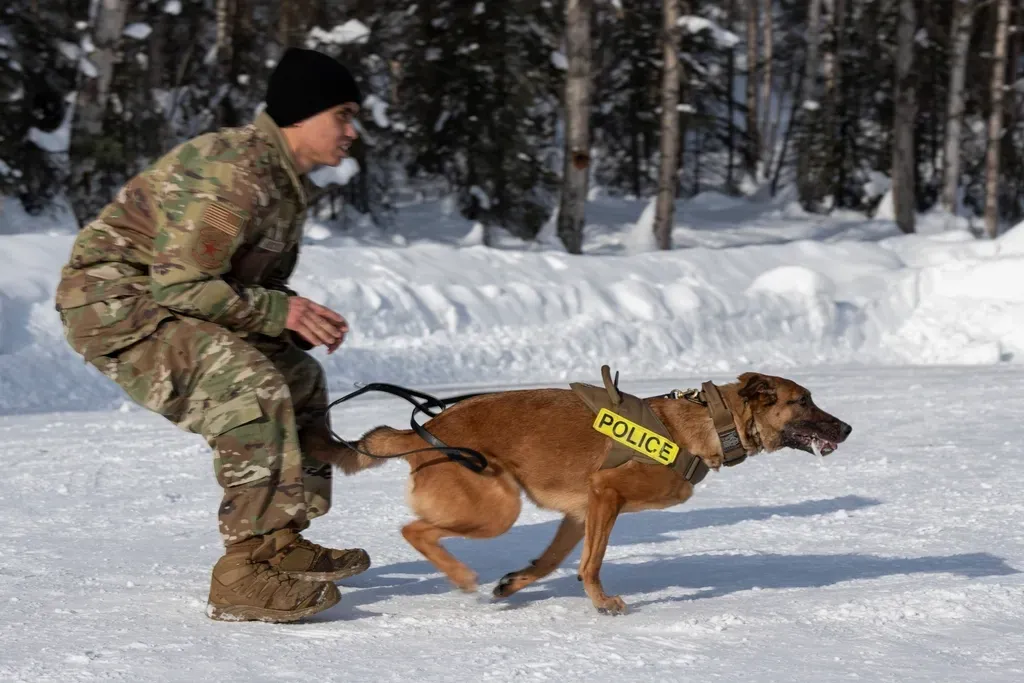
“Come. Come! COME!” Sound familiar? It’s tempting to repeat a cue if your dog doesn’t respond immediately, yet cue nagging only teaches your dog they don’t have to listen the first time, and they’ll think the cue is actually the repeated version and won’t do anything if they hear the word said only once.
This happens so often that trainers have a specific term for it: cue nagging. Cue nagging is when your dog doesn’t respond to a cue so you keep repeating it, which often happens with the word come. Pretty soon your dog learns that “sit” doesn’t really mean sit until you’ve said it three or four times.
The solution requires discipline on your end. Say the command once, clearly and calmly. If your puppy doesn’t respond, don’t repeat it. Instead, help guide them into the correct behavior or wait them out. When they finally do what you asked, reward immediately.
I know it sounds crazy, but you’re training yourself as much as you’re training your dog. Resist the urge to nag. Your patience will pay off when your dog actually listens the first time you give a command.
Allowing Cute Behaviors That Won’t Be Cute Later
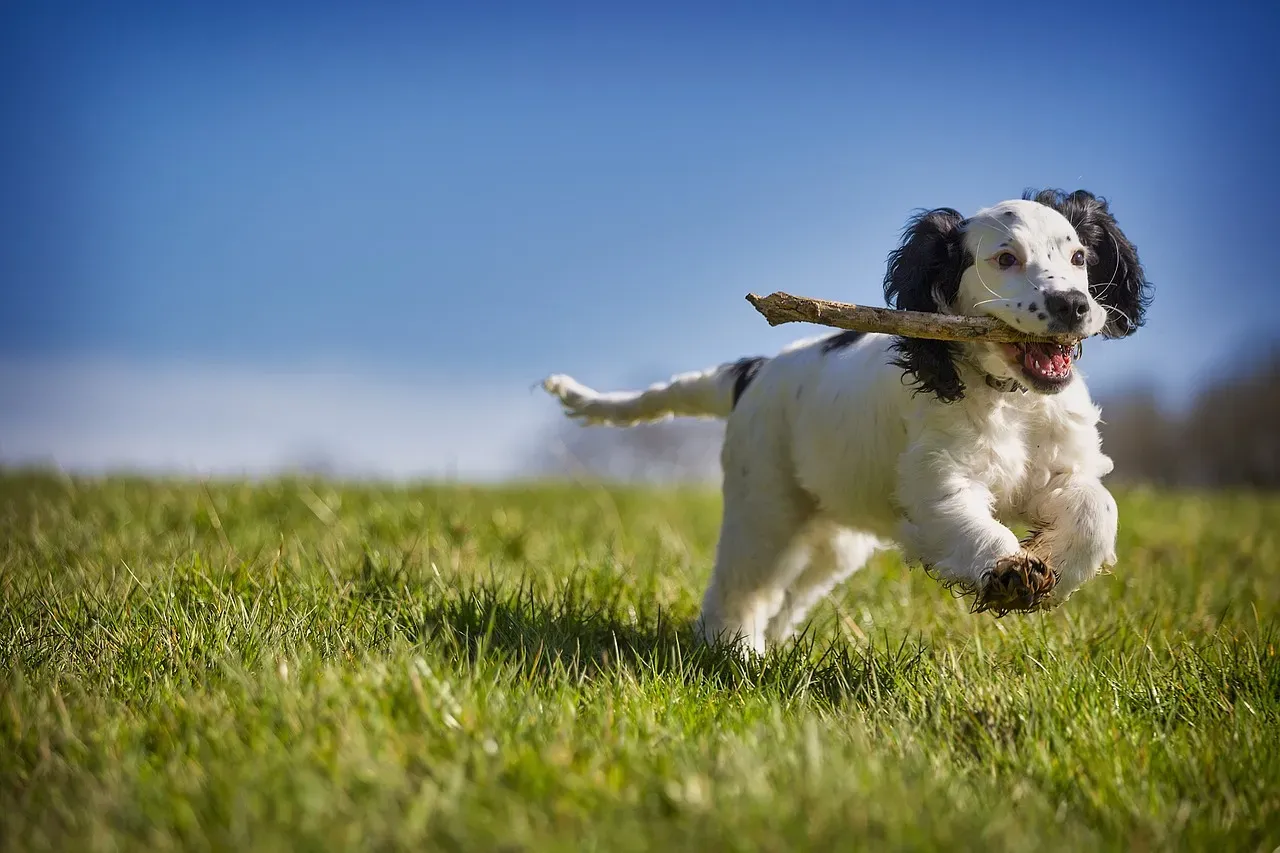
That tiny puppy jumping up to greet you with kisses? Adorable right now. If jumping up is ok now, the puppy will assume it’s still ok later on when they weigh 80 pounds and can knock people down with enthusiasm. Same goes for begging at the dinner table, pulling on the leash, or playful nipping.
Begging at the table or jumping up to lick your face is super cute now but when the puppy days are over these traits can become annoying and unwelcome. The problem is that what seems harmless or even endearing in a twelve pound puppy becomes a major issue in a seventy pound adult dog.
Think ahead to what your life will look like in a year or two. If you don’t want your full grown dog doing something, don’t allow your puppy to do it either. Dogs do what works for them so if you allow pulling in puppyhood that’s what they will do forever, even when much bigger, making walks not much fun.
Set boundaries early and stick to them. Teach your pup to keep all four paws on the floor by scattering treats on the ground to keep them busy whenever meeting someone new, or train them to sit politely before being petted. It requires consistency now, yet it prevents frustration and potential danger down the road.
Giving Too Much Freedom Too Soon
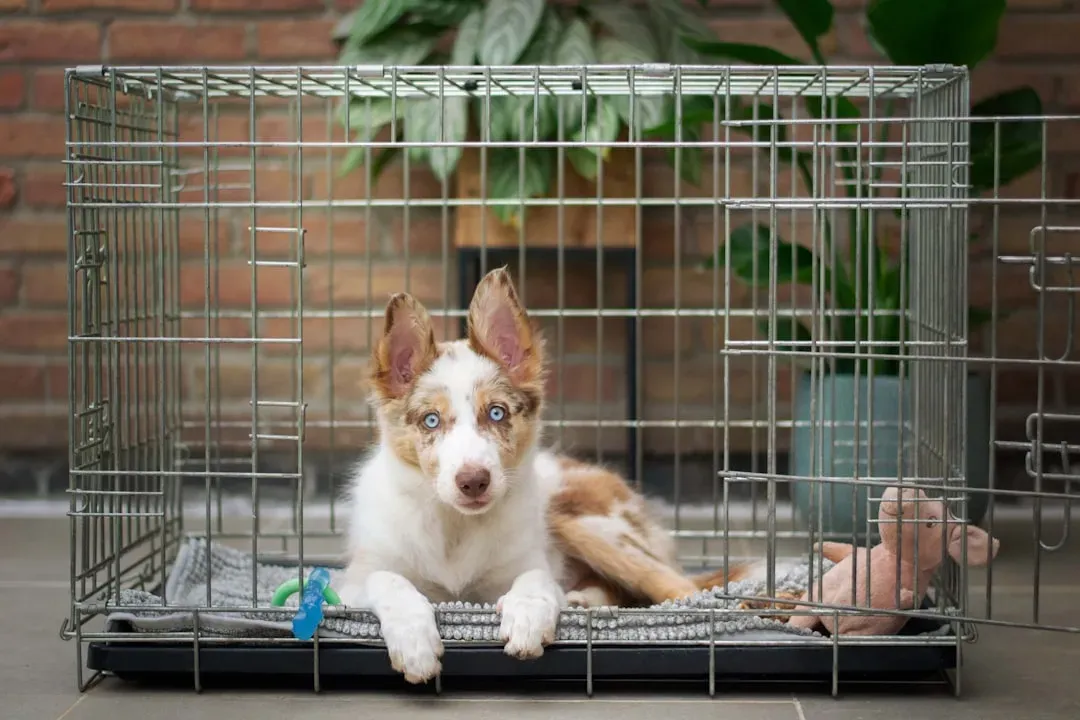
Your adorable new puppy deserves to explore their home, right? Well, yes and no. Many problem behaviors start from too much freedom, too soon. Letting your untrained puppy roam freely through the house is basically inviting chaos.
Without structured enrichment, puppies will seek their own outlets, which often become problems later, like digging holes, shredding furniture, barking at everything, or fence fighting. Think of it from your puppy’s perspective: they don’t know the rules yet, and everything looks like a potential toy or bathroom.
Supervision and management are your best friends during those early months. Be consistent and never leave your pup loose and unattended in the house during the training period, as minimizing mistakes is the key. Use baby gates, crates, and playpens to limit access until your puppy has proven they understand the household rules.
This isn’t about being mean or restrictive. It’s about setting your puppy up for success rather than failure. Gradually increase freedom as they demonstrate good behavior and reliable training. Earning privileges teaches responsibility in a way that immediate unlimited access never will.
Conclusion
Training a puppy isn’t rocket science, yet it does require intention, consistency, and a willingness to put in the work during those crucial early weeks. Behavior problems are the number one reason owners give their dogs to animal shelters, yet fortunately most behavior problems can be prevented through proper training and socialization as a puppy. The mistakes veterinarians see every single week aren’t inevitable. They’re avoidable with the right approach and mindset.
Start training immediately, stay consistent with everyone in your household, prioritize safe socialization during that critical window, use positive reinforcement instead of punishment, avoid repeating commands, think ahead about which behaviors you’ll accept long term, and manage your puppy’s environment carefully. These aren’t complicated concepts. They just require commitment.
Your puppy wants to please you and understand what you expect. When you provide clear guidance, patience, and structure, you’re not just preventing problems. You’re building a foundation of trust and communication that will last your dog’s entire life. What’s one change you’ll make today to set your puppy up for success?

- 9 Cat Breeds That Love Kids (And 9 That Prefer Adult Company) - June 30, 2026
- Which Zodiac Signs Would Choose Pit Bull For Their Pet - June 30, 2026
- Gardening Is Becoming More Popular Among Older Americans - June 30, 2026