
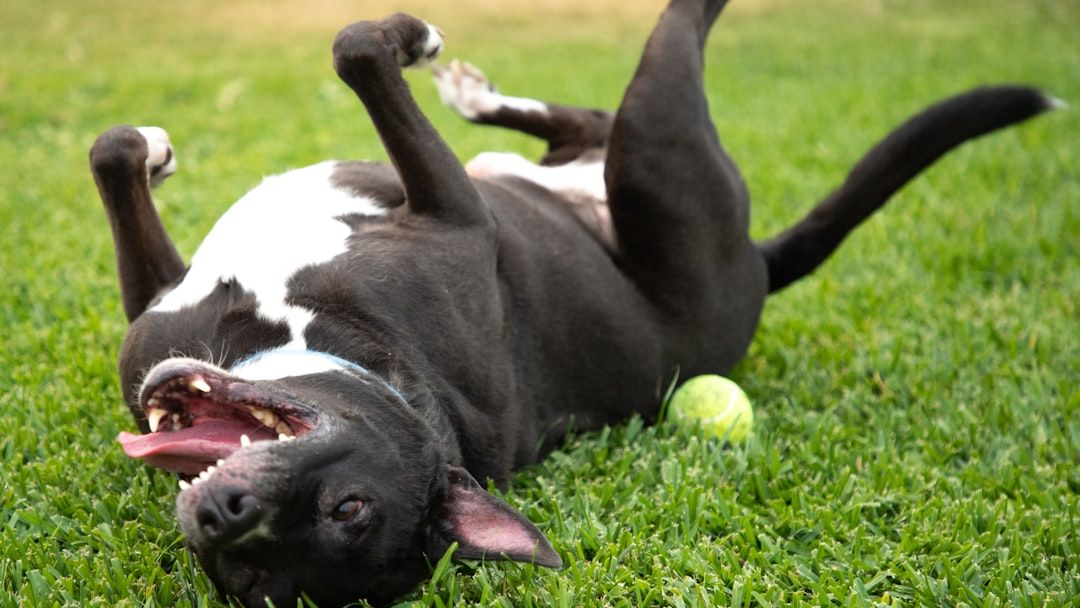
Have you ever noticed your four-legged friend acting out, stealing your shoes, or barking at you for no apparent reason? Let’s be real here, your dog might just be trying to tell you something important. They’re craving more playtime, more interaction, more fun. Dogs aren’t just fluffy companions who sit around all day waiting for dinner. They’re active, intelligent creatures with emotional and physical needs that go far beyond kibble and belly rubs.
Think about it like this. Imagine being stuck inside the same four walls day after day with no stimulation, no challenges, no one to play with. You’d probably start acting a little weird too, right? That’s exactly what happens to dogs when they don’t get enough playtime. The good news is that recognizing the signs early can make all the difference in your dog’s happiness and behavior. So let’s dive into the telltale signals that your pup needs more play in their life, and more importantly, how you can give it to them.
Destructive Behavior Around the House
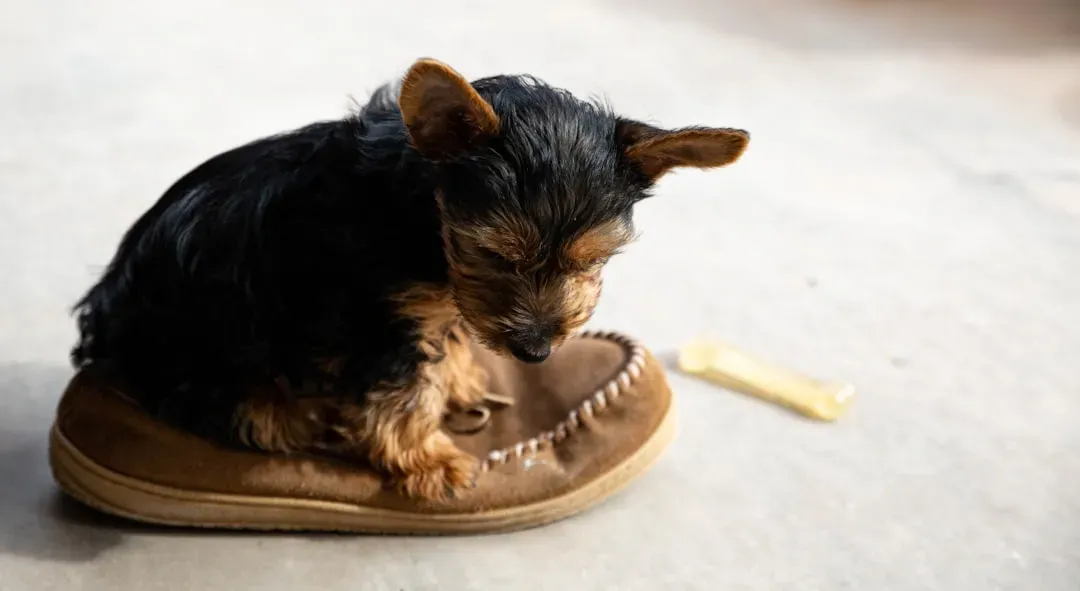
When dogs start chewing items, scratching at doors or carpeting, or raiding trash cans, it’s usually a sign they’re bored and looking for ways to release pent-up energy. Your favorite pair of shoes suddenly has teeth marks. The couch cushions are shredded. The remote control is missing.
Dogs may channel extra energy into chewing shoes or other destructive behaviors when they’re not getting enough exercise. It’s not that they’re trying to punish you or that they’ve turned into bad dogs overnight. They’re just desperately seeking an outlet for all that energy bubbling inside them. Honestly, if I had as much energy as a Border Collie and nothing to do with it, I’d probably start gnawing on furniture too.
Behavioral problems, especially destructive behavior, are commonly a result of not getting enough exercise, particularly in high-energy breeds who become bored and frustrated. The solution isn’t to scold them after the fact. The real fix involves giving them appropriate outlets before they decide to create their own entertainment. More walks, more games, more mental challenges.
Play helps dogs expend physical and mental energy, which is important because dogs with excess energy will look for their own outlets, leading to unwanted behaviors like destructive chewing. Prevention beats correction every single time.
Excessive Barking or Whining
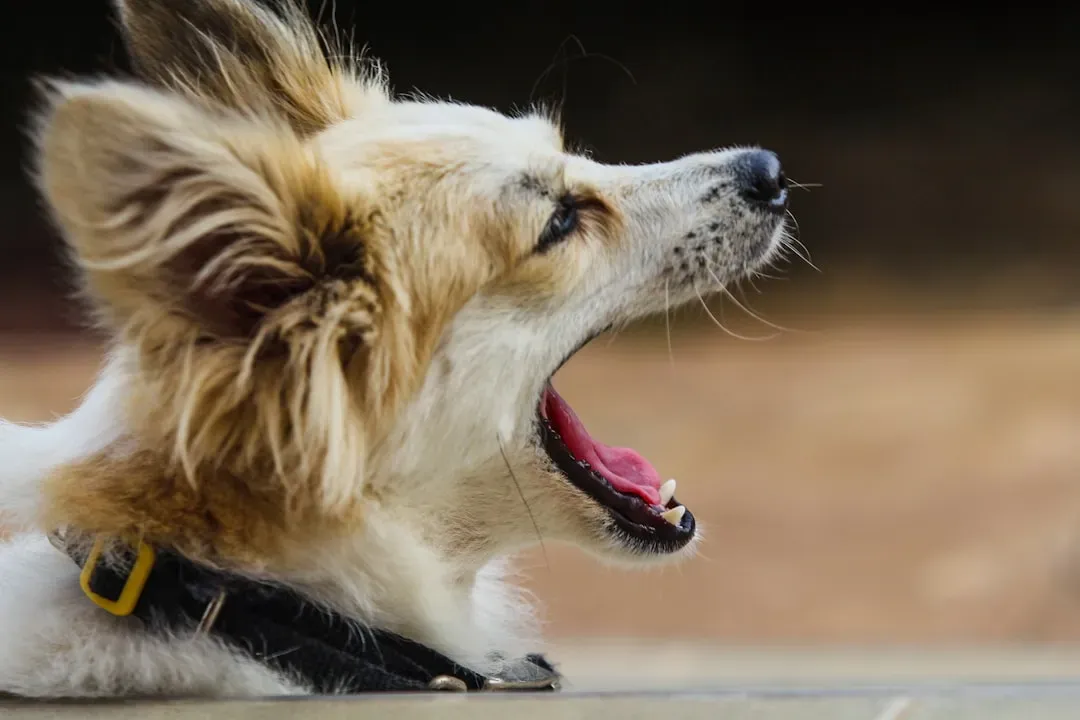
Pups that feel restless might bark or whine a lot more than usual. If your dog has suddenly transformed into a vocal machine, constantly barking at you or whining throughout the day, there’s a good chance they’re trying to communicate a specific need.
Dogs that are restless and bark or whine frequently are just telling you that they need more exercise, because these dogs feel the need to be doing something outdoors and they want to be doing it with their people. They’re not being annoying for the sake of it. They’re basically saying “Hey, remember me? I exist and I need something from you!”
It’s hard to say for sure in every case, but most of the time this behavior stems from boredom or insufficient playtime. Regular outdoor play periods are often the cure to this behavior issue. The barking typically decreases dramatically once you establish a consistent play routine.
Think of it as their way of ringing the doorbell to adventure. When you ignore that doorbell long enough, they just keep ringing it louder and louder.
Hyperactivity and Restlessness
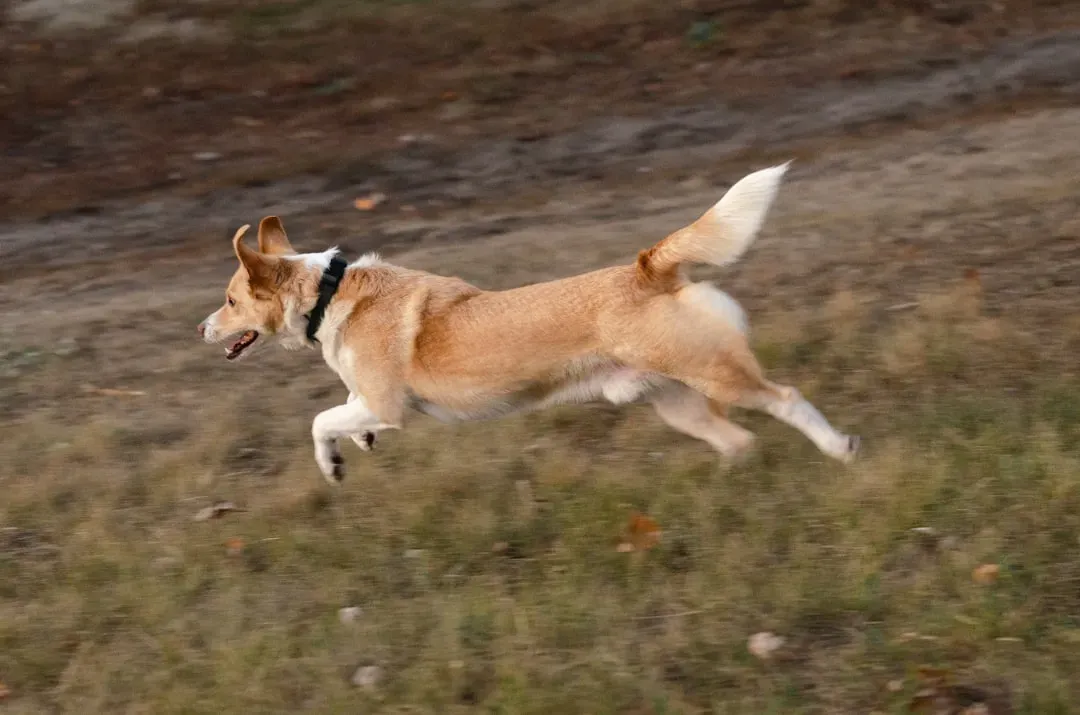
Does your dog seem like they’re bouncing off the walls? Can’t settle down even when you’re trying to relax? If your dog seems to be bouncing off the walls all the time, it could be due to their age, breed, or how much exercise they get, because all dogs, especially high-energy and working breeds, need an outlet for pent-up energy.
Some dogs are naturally more energetic than others. That’s just genetics at work. A young Husky will have vastly different energy requirements than an elderly Basset Hound. Puppies generally have more energy than adult dogs and require more exercise, and your dog’s breed influences the level of physical activity they need.
Here’s the thing though. Even lower-energy breeds need stimulation and activity. When they don’t get it, that restlessness builds up like pressure in a kettle. Eventually something has to give. Without an outlet, that energy may come out in undesirable ways, including hyperactive behavior, garbage can raids, more pronounced barking, or destructive behaviors.
The constant pacing, inability to settle, jumping on and off furniture – these aren’t character flaws. They’re symptoms of understimulation. Your dog’s body is practically screaming for physical activity.
Attention-Seeking Behaviors
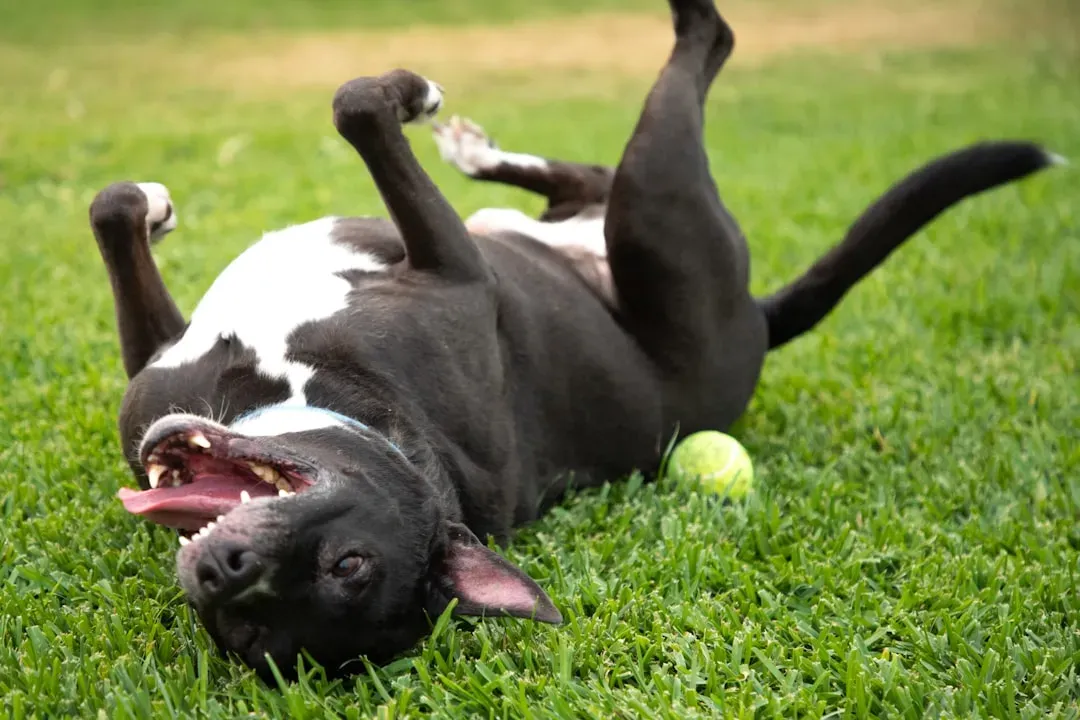
Dogs displaying attention-seeking behaviors such as stealing things in the house might not be getting enough play and are trying to create games of their own. Ever had your dog snatch something valuable right in front of you, then take off running?
Your dog might steal your shoe then show it to you, and once you get up to retrieve it, your dog will run away from you because their goal is to elicit a game of chase. It’s actually kind of brilliant when you think about it. They’ve figured out exactly how to get you moving and engaged.
This behavior is likely a sign your dog is looking for additional playtime with you. They’re not being naughty just for fun. They’re desperately trying to communicate that they need interaction, engagement, something to do with you.
These attention-seeking behaviors can manifest in various ways. Pawing at you constantly, bringing you toys repeatedly, nudging your hand while you’re working. Some dogs even resort to more dramatic tactics. Dogs may display problem behaviors like barking or attention-seeking behaviors such as stealing things because they might not be getting enough play.
Weight Gain and Lethargy
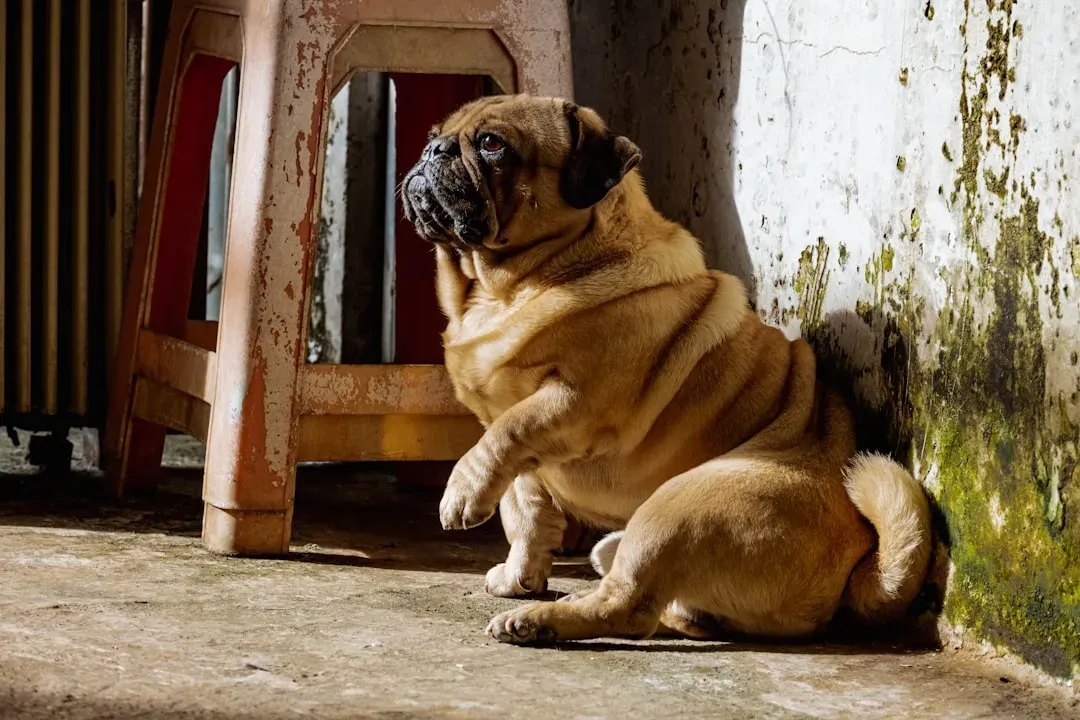
If your dog has been looking a little more plump than usual, it may be an indication that they are overdue for some exercise, though you should start small and build up their endurance before intense exercise. Weight gain isn’t always about food. Sometimes it’s simply about insufficient activity.
If you notice your fur baby has been lazier than usual, lounging around, not interacting much, and spending a lot of time sleeping, they might be withdrawing because they’re not getting enough playtime with you. It becomes a vicious cycle. Less activity leads to weight gain, which makes activity even harder, which leads to more weight gain.
Lethargy can also signal other health issues, so it’s always wise to consult your vet. However, in many cases, the simple addition of regular play and exercise can transform a sluggish dog into an energetic one again. Playtime is essential for building strength and keeping your dog’s joints moving smoothly, and as your pet ages, exercise becomes even more important to maintain a healthy weight and avoid increasing their risk of conditions such as heart disease, diabetes, and osteoarthritis.
Physical activity isn’t optional for dogs. It’s essential for their overall health and longevity.
Decreased Social Skills

Lack of socialization can lead to anxiety and decreased play behavior. Dogs are social animals by nature. When they don’t get enough interaction through play, their social skills can actually deteriorate over time.
Socialization is crucial for dogs of all ages, and isolation can negatively impact their health and happiness, while doggy playtime outside the home in dog-friendly places can enhance this fun time and overall well-being. You might notice your dog becoming more anxious around other dogs, reacting poorly at the dog park, or struggling to read other dogs’ body language.
Playtime with friends is as beneficial for our four-legged family members as it is for children, because just like us, dogs need to learn and improve their social skills through regular interactions with other dogs and people outside their immediate family. These interactions aren’t just nice to have. They’re developmentally necessary.
Dogs who don’t get regular play opportunities with other dogs often become fearful, reactive, or aggressive in social situations. It’s not that they’re mean dogs. They simply haven’t had the practice they need to navigate canine social interactions confidently.
Depression or Withdrawn Behavior
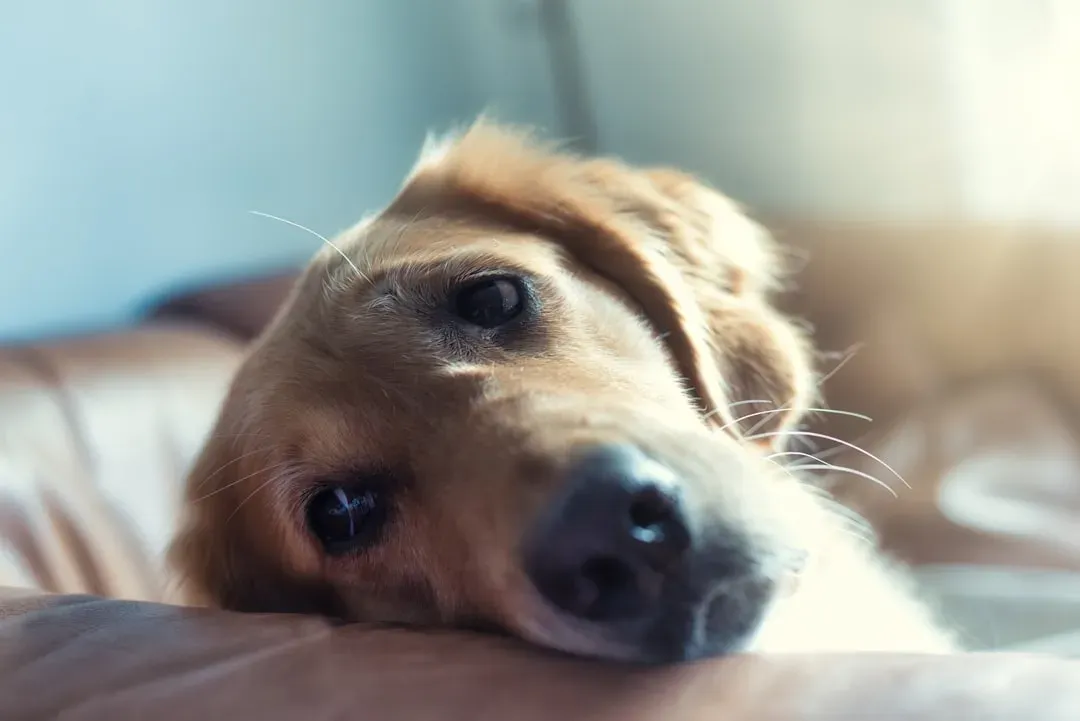
Physical illness or pain can be one possible cause of a lack of play behavior, as dogs who feel unwell often show less interest in playful activities. That said, emotional factors matter just as much. Dogs can experience something very similar to depression when their needs aren’t being met.
In addition to physical causes, psychological factors can also play a role, as stress, anxiety, or depression in dogs, often triggered by changes in the environment, loss of a family member, or traumatic experiences, can significantly reduce the play instinct. Your normally playful pup suddenly seems uninterested in their favorite toys. They spend more time sleeping than usual. They don’t greet you with the same enthusiasm anymore.
Dogs are naturally social and playful animals, and the play instinct is an important part of their development and well-being, promoting not only physical fitness but also mental health by reducing stress and strengthening social bonds, so the loss of this behavior can indicate various health problems.
It’s genuinely heartbreaking to see a dog lose their spark. The good news is that in many cases, reintroducing regular play and enrichment activities can help bring that spark back. Sometimes they just need someone to remind them that life can still be fun.
Increased Stiffness or Joint Problems
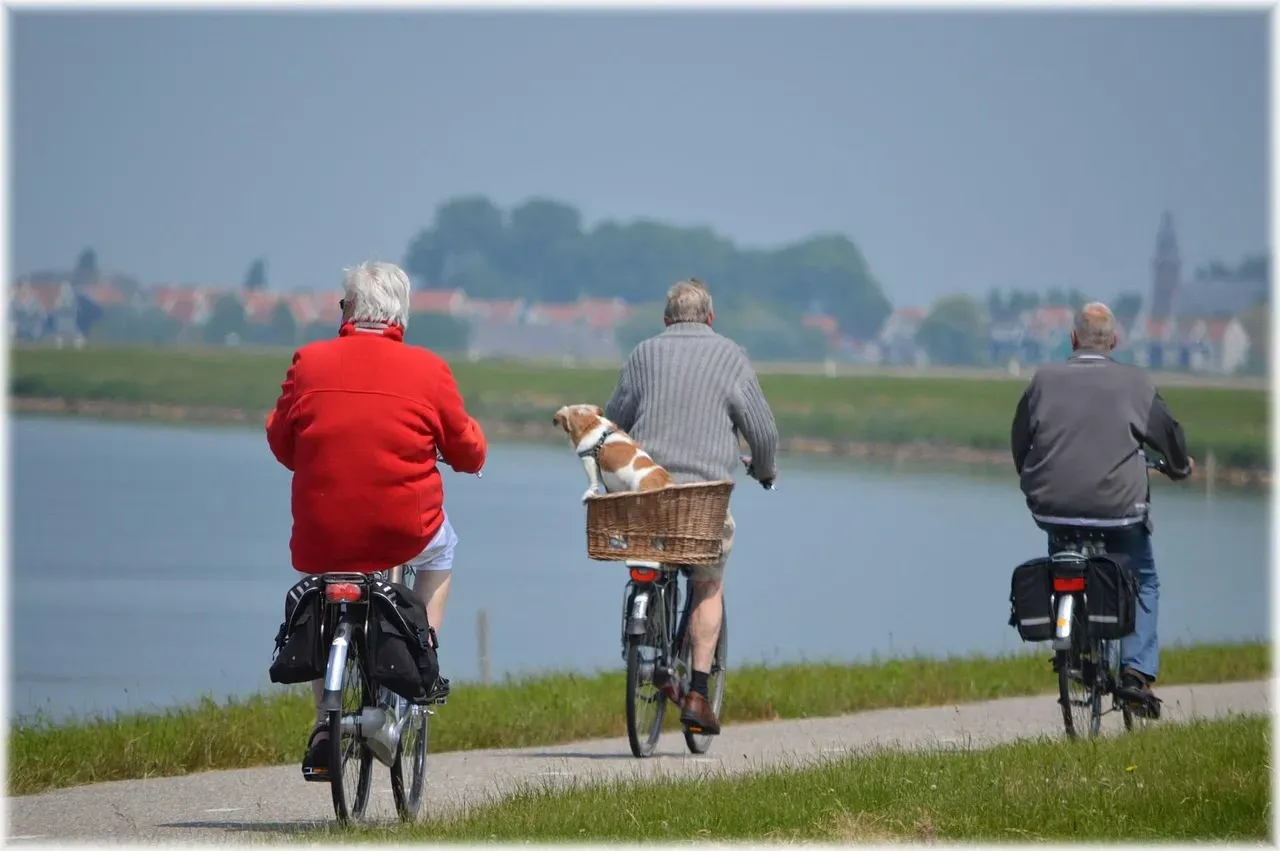
Just like with people, a sedentary lifestyle, especially in older dogs, leads to muscle loss and stiff and painful joints, while daily exercise helps to maintain muscle tone and keep tendons and ligaments loose. It sounds counterintuitive, right? Your dog seems stiff, so you think they need rest.
In reality, appropriate play and movement are often exactly what they need. Playtime can help strengthen core muscles and joints, which is especially important as your pet ages, because as dogs get older, they become more susceptible to heart disease and increased blood pressure, making regular exercise crucial. The key word here is “appropriate.”
If dogs have osteoarthritis, a vision problem, or another condition that impairs their ability to move, then we need to choose appropriate play for the dog, such as more low-impact activities or locations that are more appropriate, like picking a floor that’s not too slippery. Swimming, gentle walks, and low-impact games can keep senior dogs mobile without causing additional strain.
Keeping older dogs active within their capabilities can actually improve their quality of life dramatically. Movement is medicine, even for aging bodies.
How to Give Your Dog More Playtime
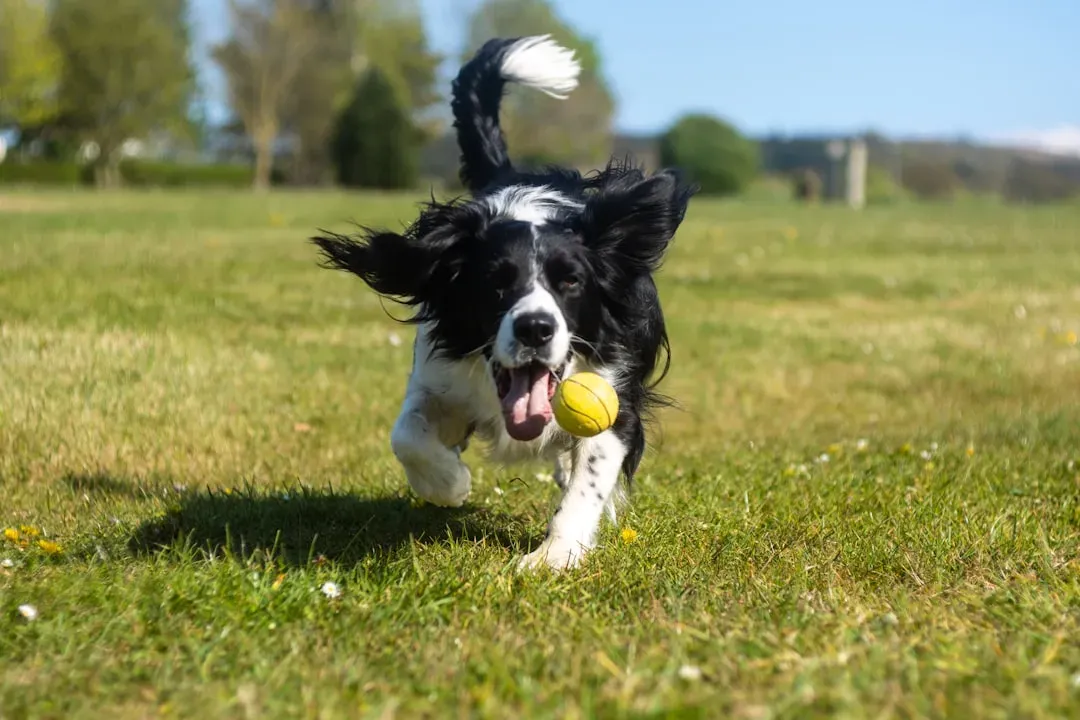
So you’ve recognized the signs. Now what? Generally, an adult dog needs at least 30 minutes of playtime each day, with less active dog breeds needing 30 to 60 minutes of play, while active breeds require much more. Start there as a baseline and adjust based on your dog’s individual needs.
Dog parents should try to provide at least 30 minutes of physical activity every day, and in between walks and training sessions, incorporate playtime with activities your dog enjoys. Variety matters too. Mix up your activities to keep things interesting. Fetch one day, tug-of-war the next, maybe a trip to the dog park, puzzle toys for mental stimulation.
A puppy’s favorite games are chase, fetch, tug-of-war and search or hide-and-seek, and along with walks, you can play games like tug-o-war, fetch and hide-and-seek with your pup. Don’t overthink it. Dogs aren’t picky. They just want to spend time with you doing something fun. Even ten minutes of focused play is better than nothing.
Dr. Bazin recommends tailoring your play style and routine to your individual dog by being aware of your dog’s personality and needs, then adjusting the play you provide based on your dog’s response. Watch your dog. Let them tell you what they love. Some dogs go crazy for squeaky toys. Others couldn’t care less. Some want to run for hours. Others prefer sniffing games and mental puzzles. The best playtime is the kind that matches your dog’s unique personality and energy level.
What do you think? Have you noticed any of these signs in your own dog? Sometimes we get so caught up in our busy lives that we forget our dogs need more than just food and a roof over their heads. They need us, our time, our attention, and our willingness to play. The beautiful thing is that when you give your dog more playtime, you’re not just improving their life – you’re enriching your own too.

- 9 Cat Breeds That Love Kids (And 9 That Prefer Adult Company) - June 30, 2026
- Which Zodiac Signs Would Choose Pit Bull For Their Pet - June 30, 2026
- Gardening Is Becoming More Popular Among Older Americans - June 30, 2026