
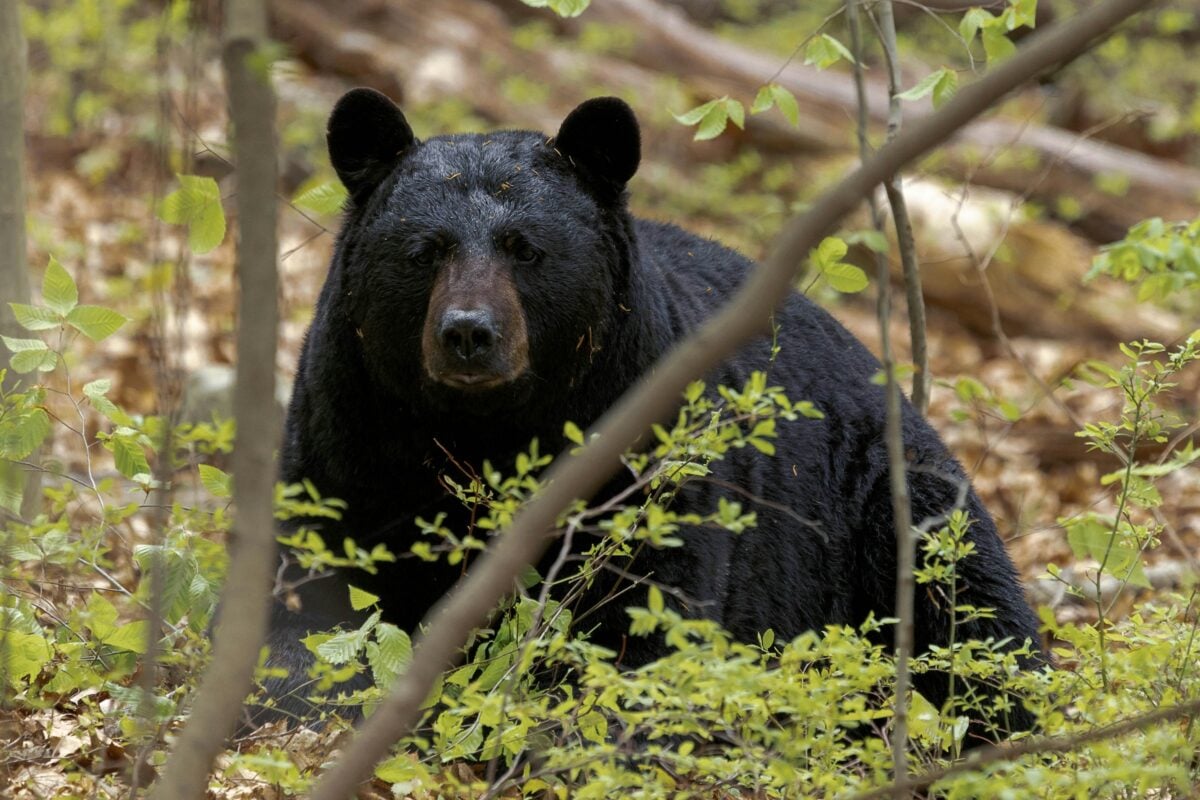
If you grew up in Missouri, there’s a good chance you were taught that black bears were more of an Ozarks ghost story than a real animal you might actually see. Yet here we are in the mid‑2020s, and people are catching bears on trail cams, spotting them on back roads, and even seeing them wander past backyard bird feeders. It feels a little surreal, like the forest is quietly taking back a piece of itself.
The comeback of black bears in Missouri is not some random fluke. It’s the result of decades of ecological change, human decisions, and the surprising resilience of a species that once came close to vanishing from the state. When you start pulling on the threads behind their return, you get a story about forests healing, people changing how they think about wildlife, and a wild animal that refuses to stay gone.
1. Forests Are Growing Back After a Century of Loss
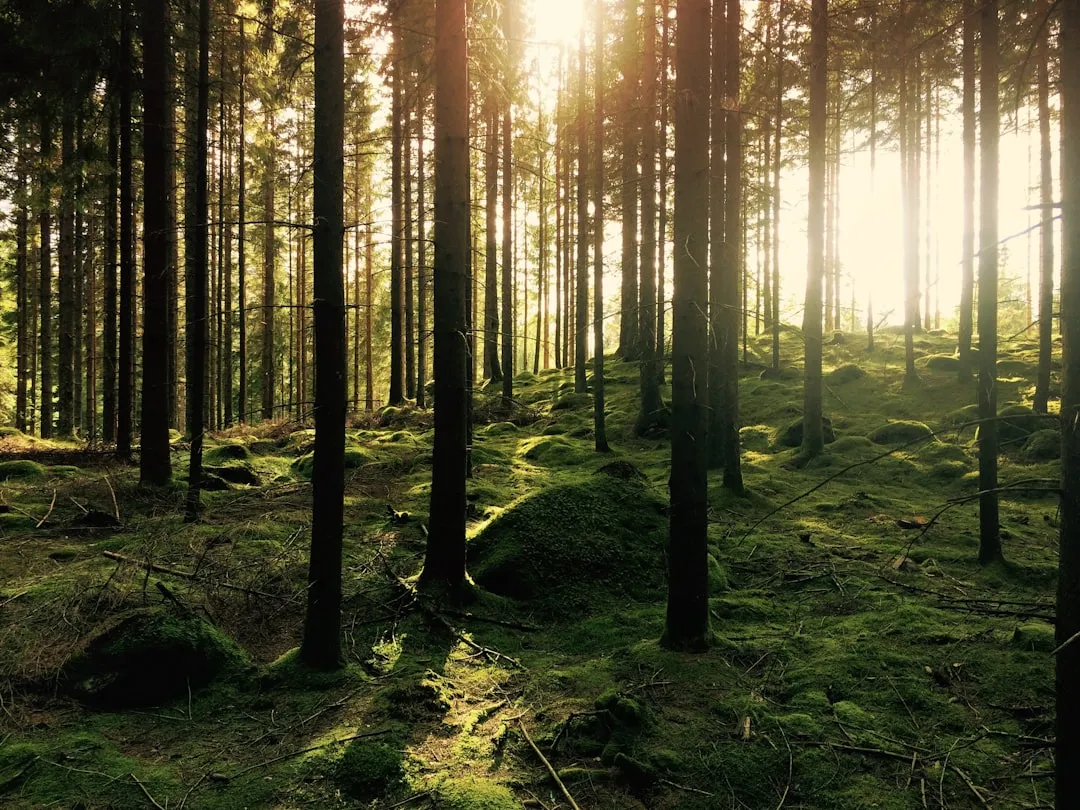
A century ago, a lot of Missouri’s landscape looked nothing like it does today. Large swaths of forest had been cut for timber, cleared for small farms, or burned repeatedly, leaving little cover or food for bears. Black bears need thick woods, hollow trees, and dense understory to hide in; that kind of habitat was shredded by logging and unregulated land use.
Over the past several decades, though, much of that land has slowly grown back into mixed hardwood forests. Former crop fields are now wooded hillsides, and scrubby cutover areas have turned into mature forest that offers acorns, berries, and den sites. In a strange twist, the same rural depopulation and farm consolidation that changed small‑town life has also created more continuous, bear‑friendly habitat.
2. Hunting Regulations and Legal Protections Gave Bears Breathing Room
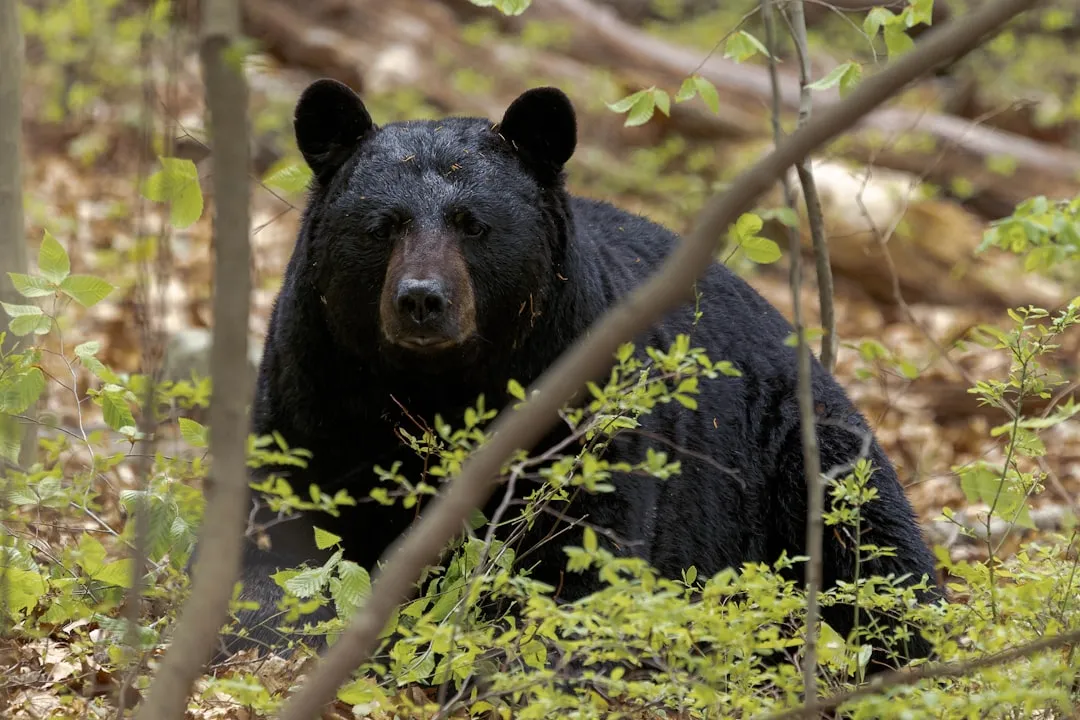
Black bears in Missouri did not just fade away on their own; they were heavily hunted and often killed on sight. In the late nineteenth and early twentieth centuries, there were virtually no limits on shooting bears, and they were treated almost like pests rather than a native species. That level of pressure is simply not something any large mammal can withstand for long.
Modern wildlife laws flipped that script. Missouri and neighboring states put strict protections in place, banning unregulated killing and tightly controlling any legal harvest. Once people could no longer shoot every bear they saw without consequence, the handful that remained, along with bears drifting in from Arkansas, actually had a chance to survive, reproduce, and spread. Legal protection does not sound dramatic, but it quietly changed the math in the bears’ favor.
3. Successful Reintroduction and Neighboring Populations Spilling Over
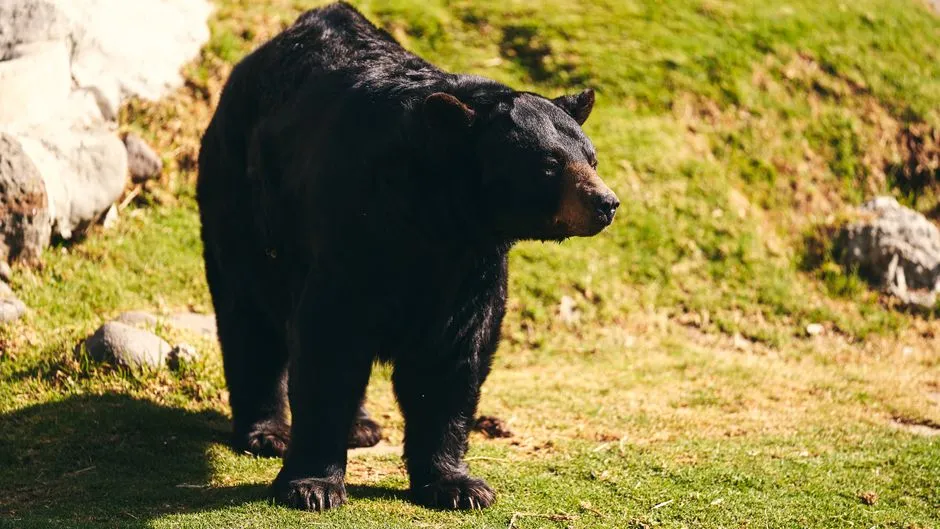
The comeback story in Missouri is closely tied to what happened just over the border. Arkansas launched black bear restoration efforts decades ago, moving bears back into areas where they had disappeared. As those populations stabilized and grew, some of those bears eventually wandered north, following the natural flow of forested ridges and river corridors.
Wild animals do not care about state lines, and bears especially are built to roam. Young males are known to disperse long distances looking for new territory, and females slowly follow as populations expand. Over time, that trickle of pioneering bears became a steady presence, helping re‑seed Missouri’s Ozarks with a genetically connected, wild population instead of a few isolated survivors hanging on by a thread.
4. Abundant Food in the Ozarks Makes Missouri Worth the Journey
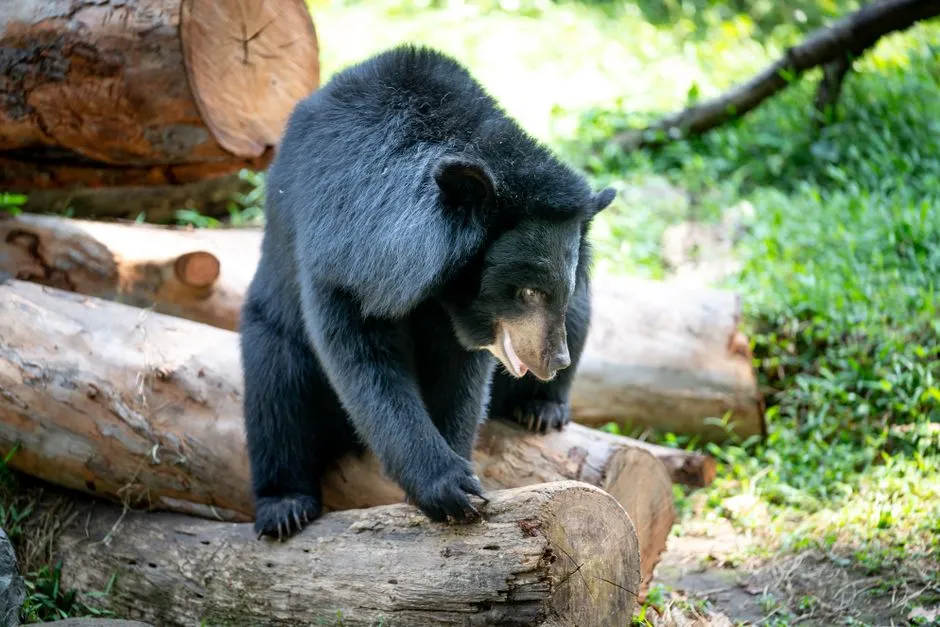
No bear shows up somewhere just because it looks pretty on a postcard; they follow calories. Southern Missouri’s Ozark region offers a buffet that suits black bears almost perfectly. Oak and hickory trees drop heavy mast crops, and the diverse mix of shrubs and forest openings provide berries, insects, and the occasional small animal. It is basically a seasonal all‑you‑can‑eat line for an opportunistic omnivore.
On top of that, patchy openings, powerline cuts, and regenerating clear‑cuts can create thick cover rich with forbs and fruits, while deep hollows and rocky bluffs offer safe spots to den. In good mast years, female bears can build up the fat they need to successfully raise cubs, which is key for a growing population. When the habitat offers both shelter and food across many seasons, it turns from a travel corridor into a long‑term home.
5. Changing Human Attitudes Toward Wildlife and Predators
It is easy to forget how different people’s attitudes were toward big animals just two or three generations ago. Anything large and potentially dangerous was often seen as something to get rid of. Bears were often shot simply because they existed, or out of fear that they might someday cause trouble. That mindset, combined with easy access to firearms, made survival nearly impossible for a slow‑reproducing species.
Today, many Missourians view wildlife, including big mammals like bears, with more curiosity than hostility. Hunters, hikers, and landowners increasingly see bears as part of a healthy ecosystem rather than an enemy. Education efforts about living with bears, securing trash, and avoiding conflict have helped build a culture of coexistence. This shift in mindset sounds soft and social, but it has hard biological consequences: more bears live long enough to raise families.
6. Climate and Landscape Stability Create a Safe Long‑Term Niche
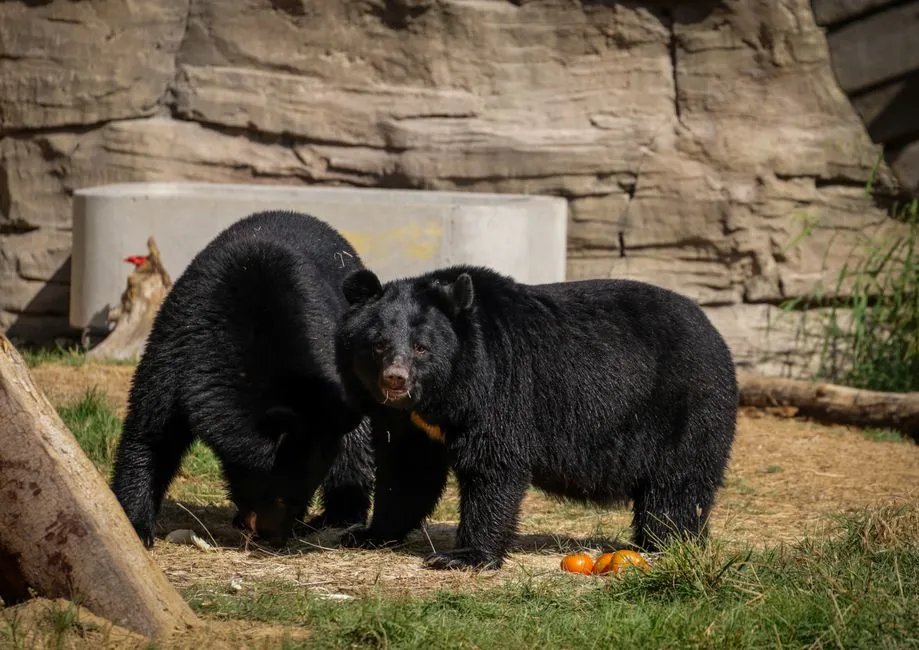
So far, Missouri’s climate and landscape still line up well with what black bears need. Winters are cold enough to support a normal denning cycle, but generally not so harsh that food is impossible to find in the lead‑up to hibernation. Summers bring long growing seasons that allow forests and understory plants to produce nuts, fruits, and vegetation throughout the year.
Even with all the uncertainty around climate change, the kinds of mixed hardwood forests that black bears favor are still prominent here. While some species may get squeezed at the edges of their range, bears are surprisingly flexible when it comes to temperature, as long as they have cover and calories. For now, Missouri offers that combination, making it a relatively stable refuge in a shifting environmental puzzle.
7. Bears Are Simply Tough, Adaptable Survivors
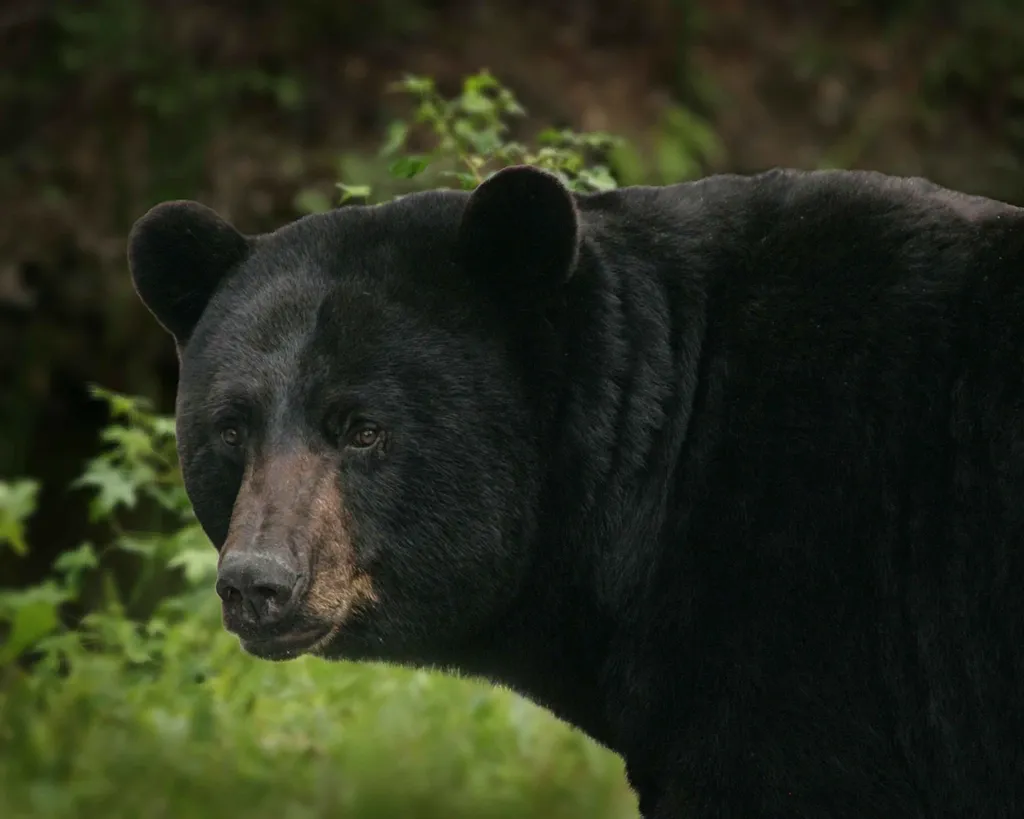
There is also a less technical, but equally true, reason bears are back: they are tough. Black bears are remarkably adaptable, able to live in wild backcountry or on the fringes of human development. They can shift their diets, alter their movement patterns, and figure out how to avoid people most of the time. When a species has that kind of flexibility, any improvement in conditions can spark a surprisingly fast comeback.
I think this might be the most quietly inspiring part of the story. You have an animal that was nearly erased from Missouri, written off as something kids would only see in picture books, now padding back on wide paws as if it never really left. It is a reminder that when we stop pushing a species to the edge and give it half a chance, nature can still surprise us with its willingness to return.
Conclusion: A Wild Neighbor We Chose, Whether We Admit It or Not
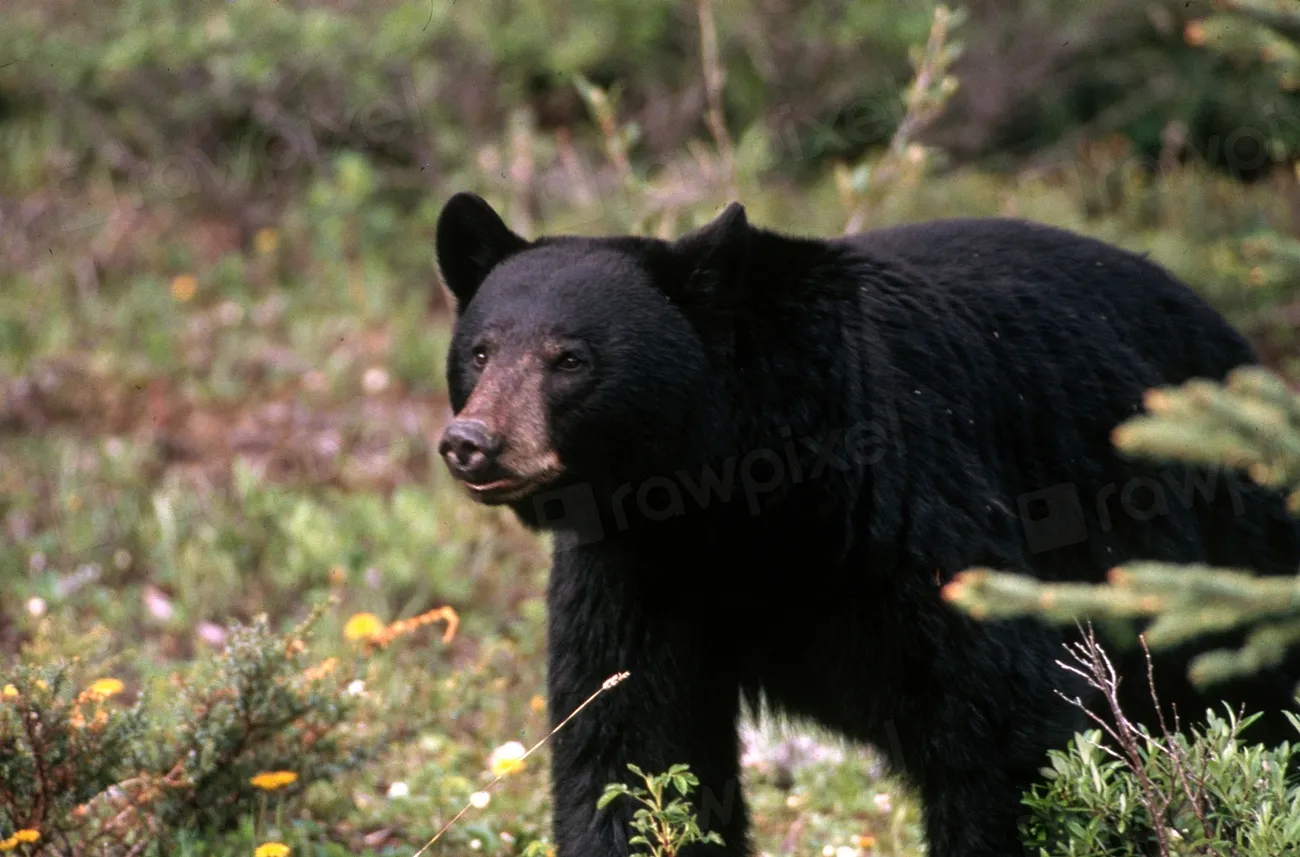
Black bears returning to Missouri is not just a wildlife trivia fact; it is a mirror held up to how we treat the land and the creatures that share it with us. Healthier forests, stronger protections, and a society that no longer sees every wild animal as a threat have all combined to open the door for bears to walk back in. That means their presence is not an accident of biology; it is partly a human choice, made over decades through policy, culture, and land use.
Personally, I see their return as both a privilege and a challenge. It is thrilling to know that a hike in the Ozarks might come with the possibility of crossing fresh bear tracks, but it also means we have to act like grown‑ups about food, trash, and respect for wild spaces. If we get it right, Missouri’s black bears could stand as living proof that not every conservation story has to end in loss. In a world that often feels like it is shrinking, is there anything more hopeful than realizing some wild neighbors have decided to come home?

- 7 Reasons Black Bears Are Returning to Missouri - July 27, 2026
- 7 Species Returning to States Where They Disappeared Generations Ago - July 27, 2026
- 8 American Wildlife Comebacks That Prove Conservation Can Work - July 27, 2026