
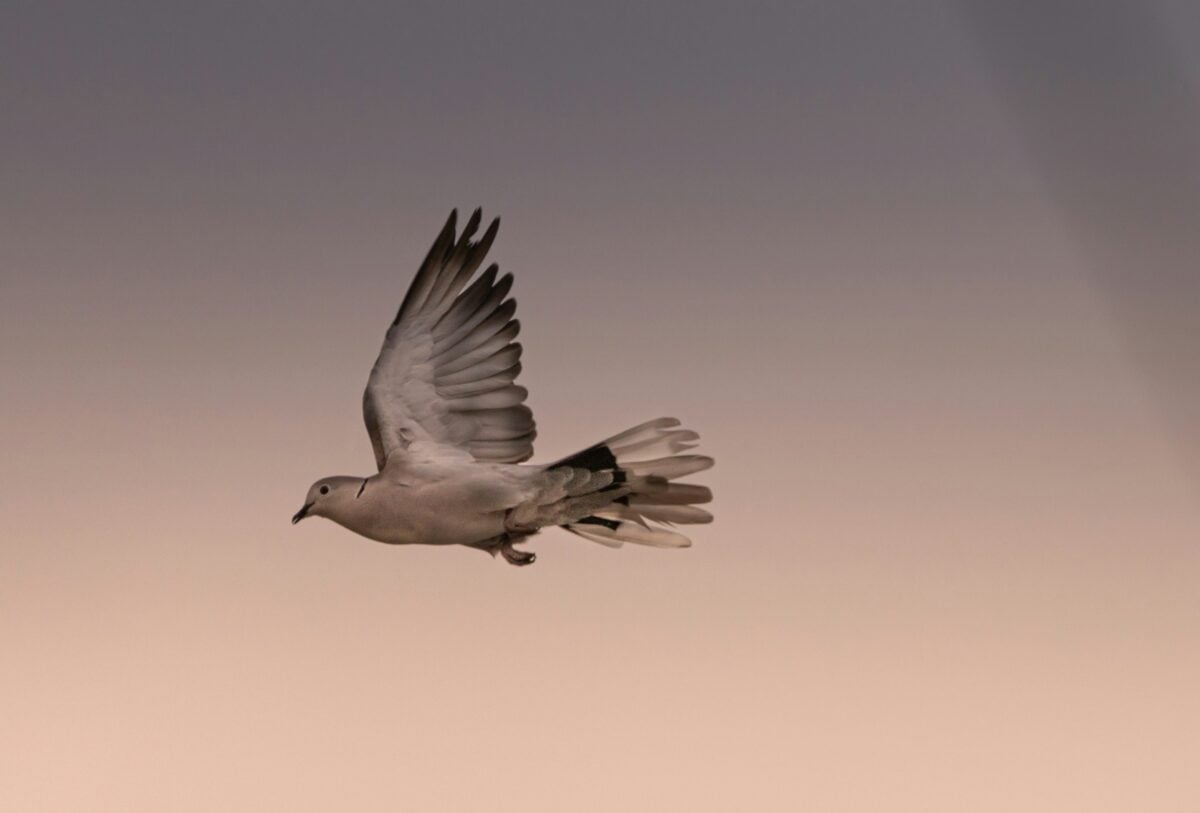
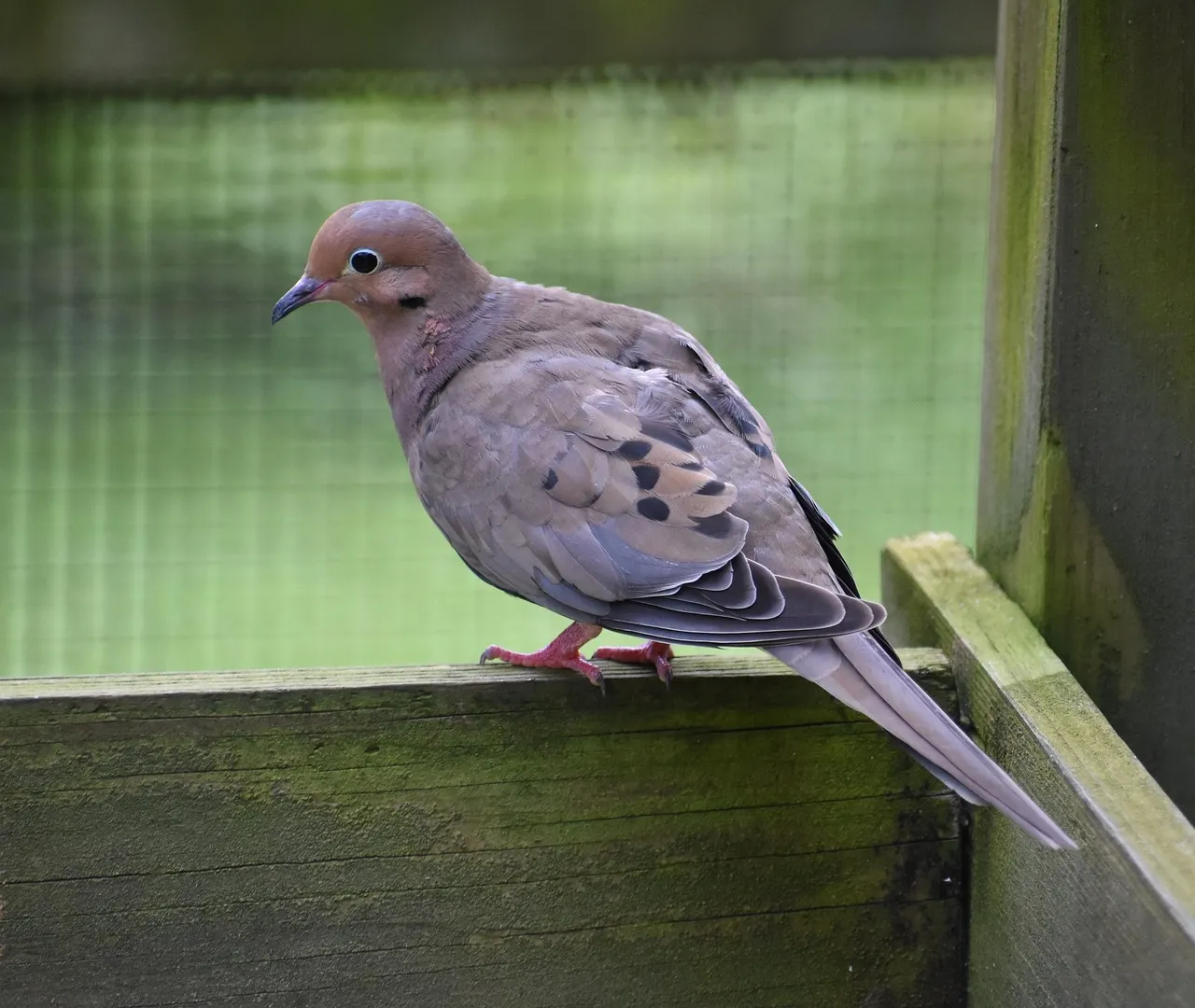
If you’ve ever stared out a window and noticed a mourning dove just… sitting there for ages, you’re not alone. They can look almost statue-like, barely blinking, not moving, as if time has stopped for them. It’s strangely calming and a little mysterious at the same time.
What’s going on in that tiny bird brain while it sits so still on a fence post, power line, or balcony rail? Are they sick, sad, lazy, or secretly doing something important? Let’s unpack what science, bird behavior, and a bit of patient observation tell us about why mourning doves like to stay parked in one spot for what feels like forever.
#1 They Are Conserving Precious Energy
🔥 Would you like to save this?
We'll email this post to you, so you can come back to it later!
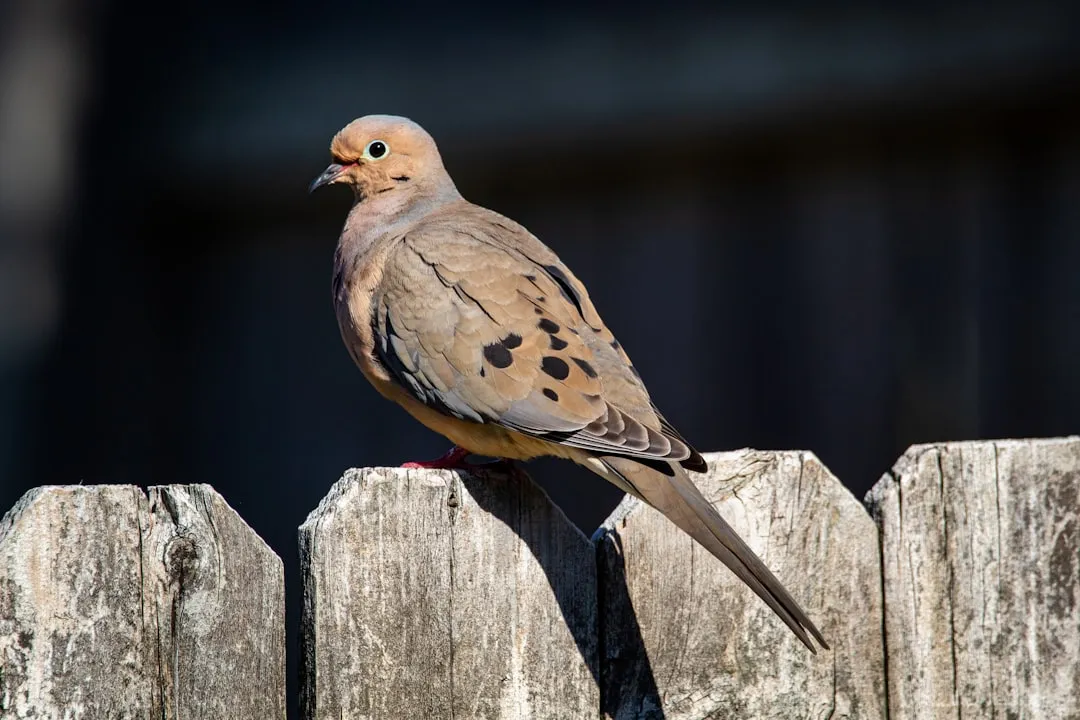
One of the biggest reasons mourning doves sit so still is simple: sitting quietly is an energy-saving strategy. Flying burns a shocking amount of calories for a bird, especially one with relatively heavy, muscular wings like a dove. By parking themselves in one safe spot and minimizing movement, they’re essentially putting their bodies into low-power mode.
Think of it like your phone going into battery-saver mode when it hits a low percentage. Mourning doves often live in environments where food and water can be unpredictable, and conserving energy is key to surviving cold nights, long flights, or stretches of bad weather. Staying still for hours lets them stretch every seed and every sip of water as far as possible.
#2 They Are Digesting Large, Seed-Heavy Meals
🔥 Would you like to save this?
We'll email this post to you, so you can come back to it later!
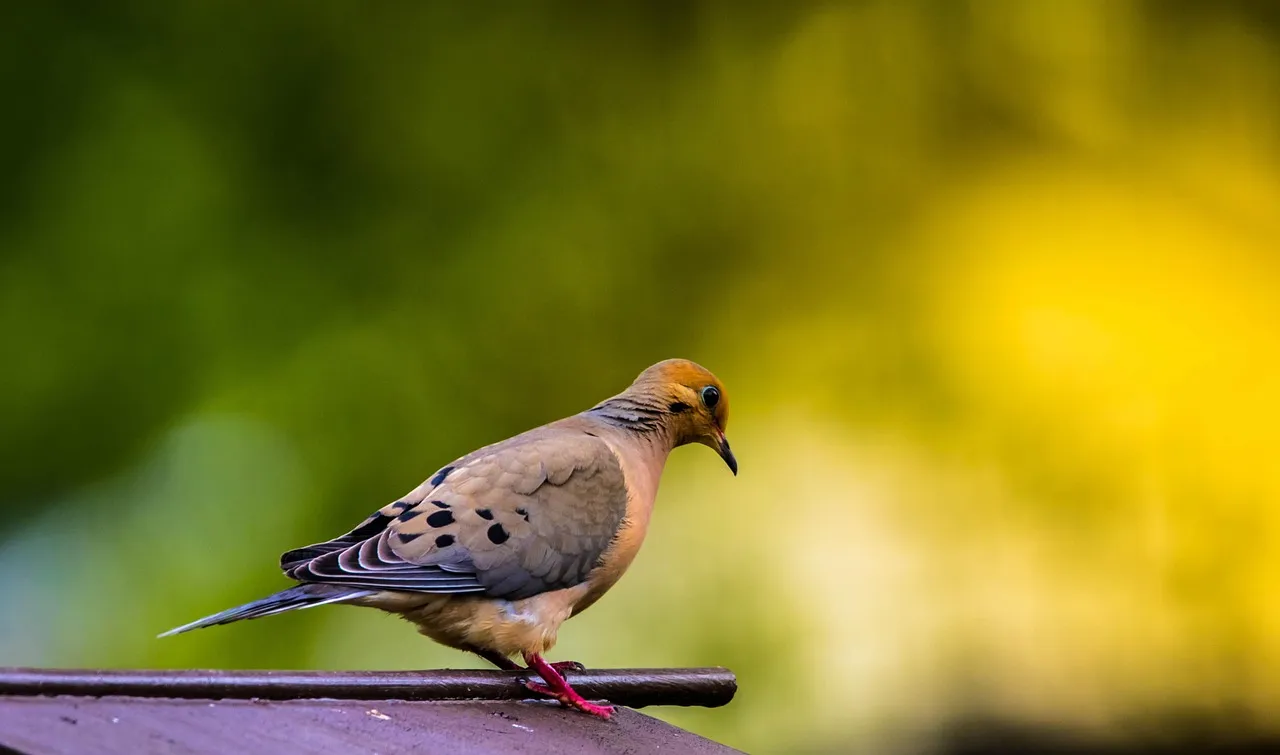
Mourning doves are seed specialists, and they tend to eat a lot in a short window when they find a good feeding spot. They’ll swallow seeds quickly and store them in a special pouch in their throat area (the crop) before later grinding and digesting them. After a heavy feeding session, sitting quietly on a branch or railing is basically their version of a long, slow post-lunch chill.
If you notice a dove looking a little puffed out and completely at ease, there’s a good chance it has a crop full of seeds. Just like you might not want to run a marathon after a massive meal, a dove won’t waste energy flying around when it’s busy processing a big load of food. That long, quiet sit is actually important for efficient digestion and overall health.
#3 They’re Keeping a Low Profile to Avoid Predators
🔥 Would you like to save this?
We'll email this post to you, so you can come back to it later!
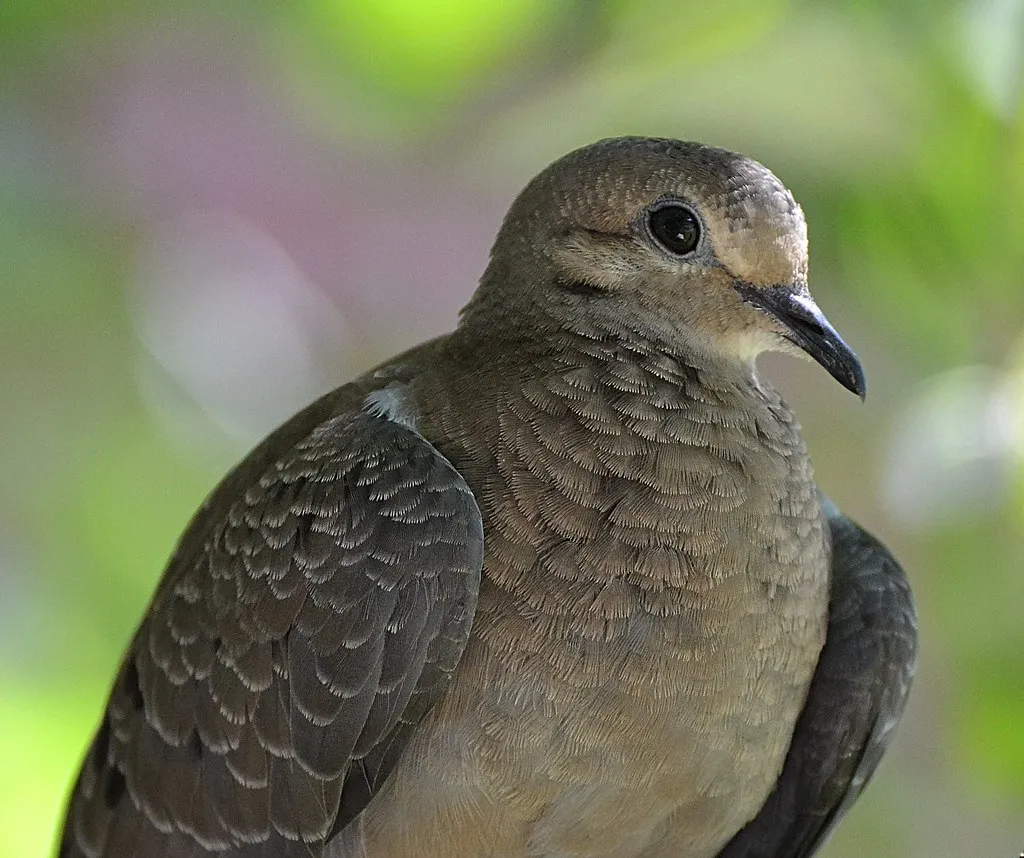
Mourning doves are prey animals, and that shapes almost everything about how they behave. Hawks, cats, and other predators key in on movement, so staying still is one of the safest things a dove can do. A motionless bird perched on a branch blends into the background much more easily than one hopping, fluttering, or shifting constantly.
When a dove finds a spot with a good field of view and some kind of cover, it can sit there for a long time, quietly scanning for danger. Instead of constantly flying from place to place and risking detection, it uses patience as its main defense. It might look passive to us, but that stillness is actually a smart survival tactic honed by evolution.
#4 They Are Resting Between Bursts of Intense Activity
🔥 Would you like to save this?
We'll email this post to you, so you can come back to it later!
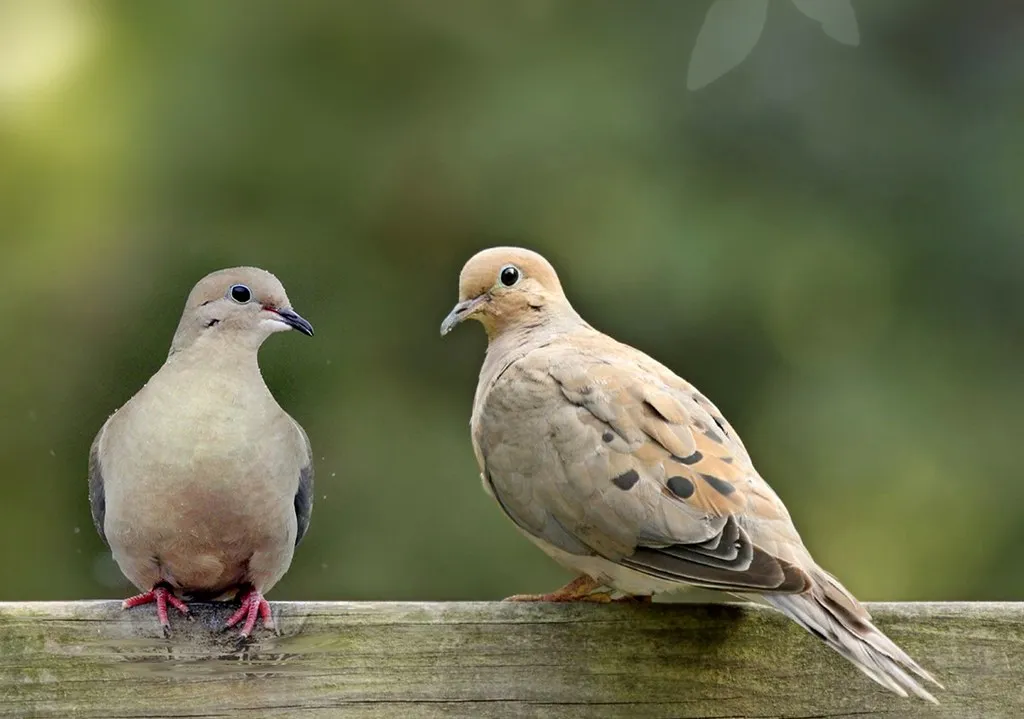
Mourning doves follow a rhythm of life that includes short bursts of intense activity followed by long periods of rest. They may spend the early morning feeding, flying between foraging sites, calling to mates, or defending territories. After that active window, they can switch into extended rest mode, perching quietly and barely moving for long stretches.
From the outside, that long quiet sit might look like boredom or laziness, but it’s more like recovery. Their muscles, especially the flight muscles, need time to recharge. Think about how a runner might train hard for an hour and then spend the next few hours seemingly doing nothing on the couch. The rest is not wasted time; it’s what makes the next burst of energy possible.

Professional 7 in 1 Dog Paw Cleaner for Dogs & Cats - Includes 1 Portable Paw Washer, 1 Bath Brush
Check Price on AmazonAs an Amazon Associate, we earn from qualifying purchases.
10/7/2026 1:26 pm GMTi

PetSafe Oasys Pet Fountain, 1/2 Gallon (64 oz), Small Dogs & Cats
Check Price on AmazonAs an Amazon Associate, we earn from qualifying purchases.
10/8/2026 8:14 am GMTi

Glass Hummingbird Feeder for Outdoors Hanging, 16 oz Leak-Proof Nectar Feeder with Bee Guards & Ant Moat
Check Price on AmazonAs an Amazon Associate, we earn from qualifying purchases.
10/7/2026 1:22 pm GMTi

Earth Rated XL Dog & Puppy Pee Pads, Discreet Top, Max Absorbency
Check Price on AmazonAs an Amazon Associate, we earn from qualifying purchases.
10/7/2026 1:28 pm GMTi

Air Purifiers for Home Pets Large Room Up to 3000 Ft²,HEPA Air Cleaner with Washable Double-Side Filter, PM2.5 Air Quality Monitor,15dB Sleep Mode for Bedroom Odor Dust Pollen,White
Check Price on AmazonAs an Amazon Associate, we earn from qualifying purchases.
10/8/2026 8:23 am GMTi
#5 They Are Guarding a Nest or Partner Nearby
🔥 Would you like to save this?
We'll email this post to you, so you can come back to it later!
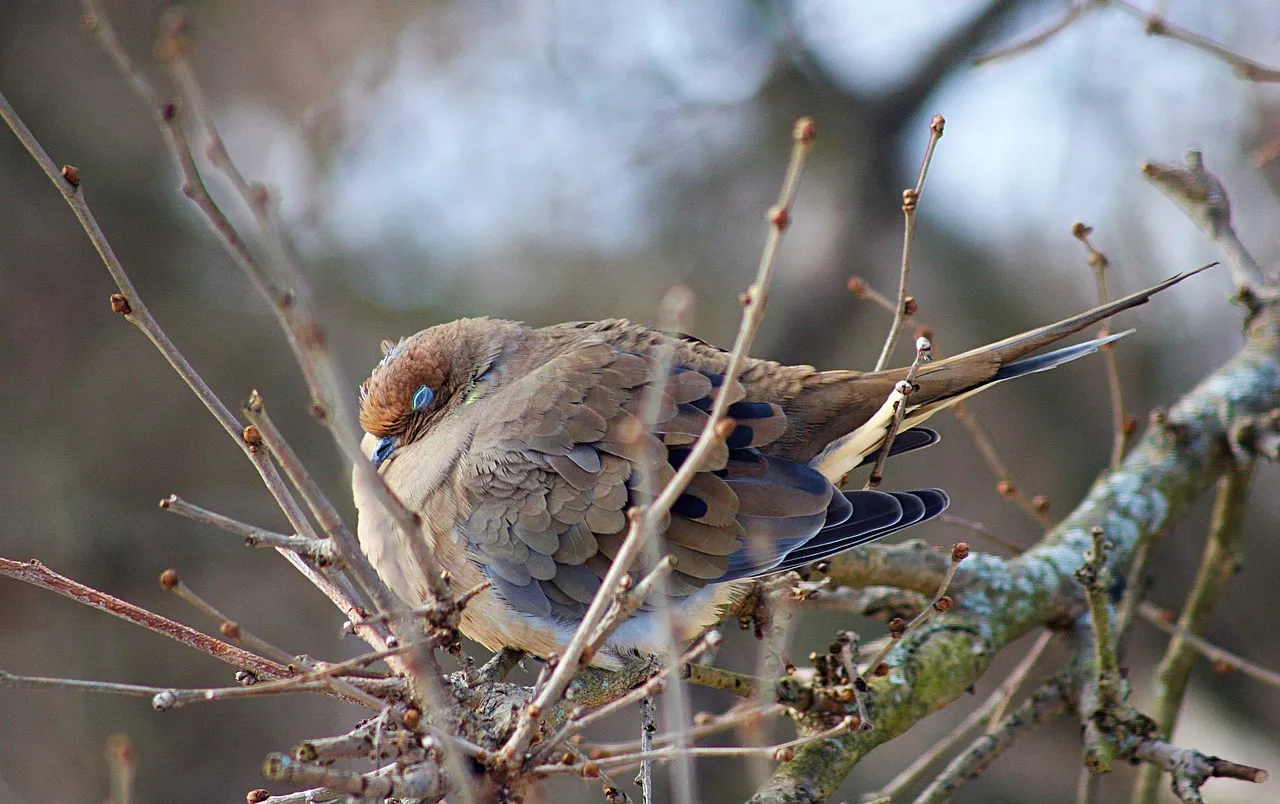
Sometimes that motionless dove isn’t just hanging out at random; it’s on duty. Mourning doves often choose a perch with a purpose, such as one that overlooks a nesting site, a mate, or a regular feeding area. By sitting quietly and watching, they act like a sentinel, ready to sound the alarm or launch into flight if anything suspicious shows up.
You might not even see the nest tucked away in a tree, shrub, or building ledge, but the dove on the nearby wire or branch knows exactly where it is. Its calm pose is deceptive; underneath that stillness is a constant awareness of its surroundings. That quiet watchfulness helps keep eggs, chicks, and partners a little bit safer in a world full of threats.
#6 They Are Regulating Body Temperature and Weathering Conditions
🔥 Would you like to save this?
We'll email this post to you, so you can come back to it later!
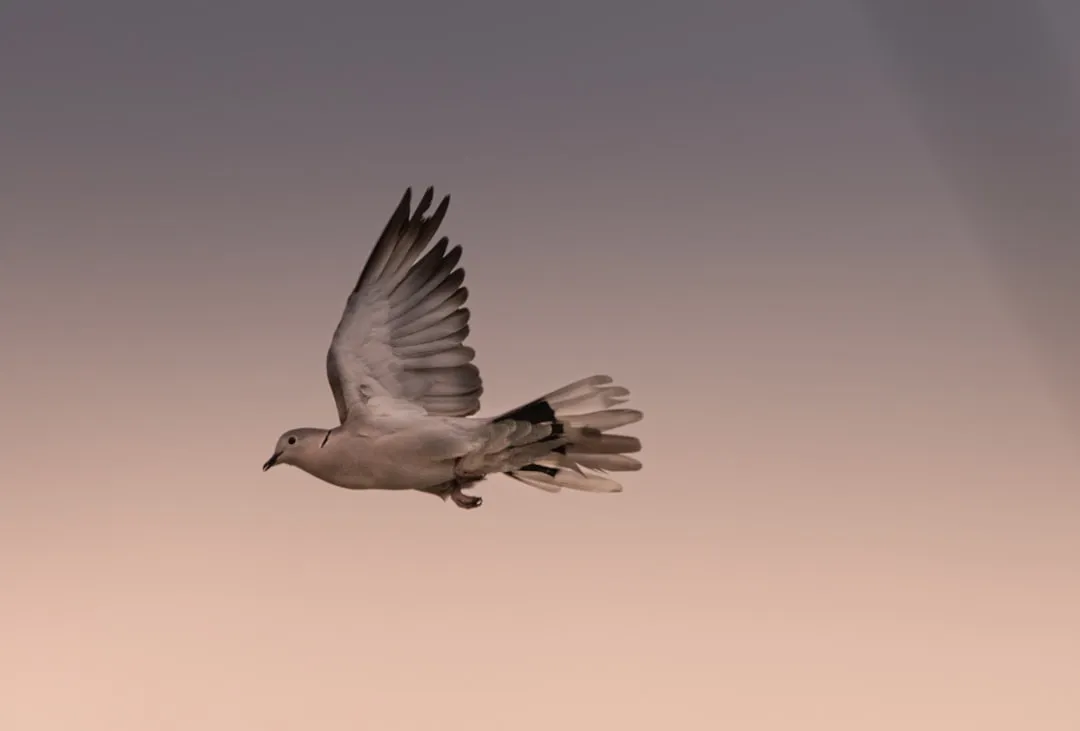
Mourning doves also sit still for long periods as a way of dealing with weather and temperature. On hot days, staying motionless in the shade reduces heat buildup and water loss, sort of like you finding a cool spot and refusing to move in the middle of a heatwave. On colder days, they can fluff their feathers, tuck in their extremities, and sit tight to trap warm air close to their skin.
Movement, especially flight, can make temperature swings feel even more extreme for a small animal. By staying parked in one place, they avoid overheating or chilling too quickly. That seemingly boring perch session is actually a finely tuned balancing act between energy use, warmth, and protection from the elements.

Portable Dog Water Bottle Foldable Dog Travel Water Bottle
Check Price on AmazonAs an Amazon Associate, we earn from qualifying purchases.
10/7/2026 1:29 pm GMTi

Halloween Dog Collar with Bow, Orange Cute Ghost Collar,
Check Price on AmazonAs an Amazon Associate, we earn from qualifying purchases.
10/9/2026 2:43 pm GMTi

2 Pcs Halloween Pet Hat Bandana Set, Witch Pumpkin Costumes for Dogs
Check Price on AmazonAs an Amazon Associate, we earn from qualifying purchases.
10/9/2026 2:45 pm GMTi

Smart Bird Feeder with Camera Solar Powered, 2K HD Live Video, 10,000+ Bird Species AI Identification
Check Price on AmazonAs an Amazon Associate, we earn from qualifying purchases.
10/7/2026 1:22 pm GMTi

Halloween Cat Costume Cloak Witch Hat Pet Accessories
Check Price on AmazonAs an Amazon Associate, we earn from qualifying purchases.
10/9/2026 2:44 pm GMTi
#7 They Might Simply Feel Safe and Content Where They Are
🔥 Would you like to save this?
We'll email this post to you, so you can come back to it later!
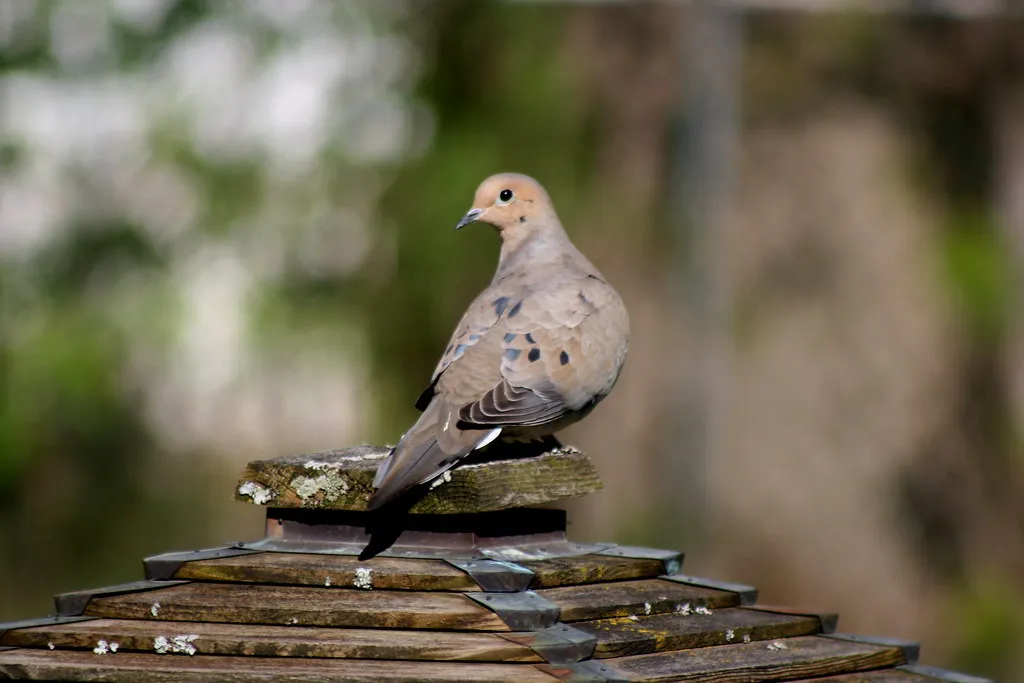
Not every behavior in nature has to be dramatic or desperate; sometimes a bird is sitting still for hours because it has everything it needs in that moment. The perch is safe, the recent meal was good, the weather is tolerable, and there’s no pressing need to move. In that sense, long, quiet perching can be a sign of a dove that feels relatively secure and content in its little corner of the world.
I’ve often watched a mourning dove sit in the exact same spot on a telephone wire outside my window, day after day, and it always gives me the feeling that the bird has found its favorite armchair. It’s a reminder that calm stillness can be a form of success, not just inactivity. Maybe they are not overthinking life like we do; they’ve simply learned that when things are good, you don’t have to rush off and chase the next thing.

Glass Hummingbird Feeder for Outdoors Hanging
Check Price on AmazonAs an Amazon Associate, we earn from qualifying purchases.
10/7/2026 1:21 pm GMTi

Dog Stairs for Bed 18" H, 4-Step Dog Steps for High Bed
Check Price on AmazonAs an Amazon Associate, we earn from qualifying purchases.
10/9/2026 2:42 pm GMTi

Hand Blown Glass Hummingbird Feeders for Outdoors Hanging, 24oz Wild Bird Nectar Feeder
Check Price on AmazonAs an Amazon Associate, we earn from qualifying purchases.
10/7/2026 1:23 pm GMTi

Orthopedic Extra Large Dog Bed, Waterproof Washable XL Pet Bed 44"
Check Price on AmazonAs an Amazon Associate, we earn from qualifying purchases.
10/7/2026 1:32 pm GMTi
Conclusion: Stillness Is Not Emptiness
🔥 Would you like to save this?
We'll email this post to you, so you can come back to it later!
When you understand what’s behind that quiet, unmoving figure on the fence or balcony, the whole scene starts to feel different. What once looked like a blank pause is suddenly full of purpose: conserving energy, digesting carefully, hiding from danger, watching over a hidden nest, riding out the heat or cold, or just existing peacefully in a safe spot. Mourning doves turn stillness into a survival strategy and, in a way, into an art form.
In a world that constantly tells us to hustle, their calm presence can feel almost rebellious. Personally, I think we underestimate how much wisdom there is in a bird that can sit perfectly still for an hour and yet be ready to explode into flight in an instant. The next time you see a mourning dove frozen in place, will you see a boring bird doing nothing – or a quiet expert in the power of staying put?

- 7 Reasons Mourning Doves Sit Quietly in the Same Place for Hours - November 10, 2026
- What Owning a Maine Coon Cat Says About Your Personality - November 10, 2026
- 12 Cat Breeds That Are Night Owls and Keep Owners Awake at 2 A.M. - November 10, 2026