
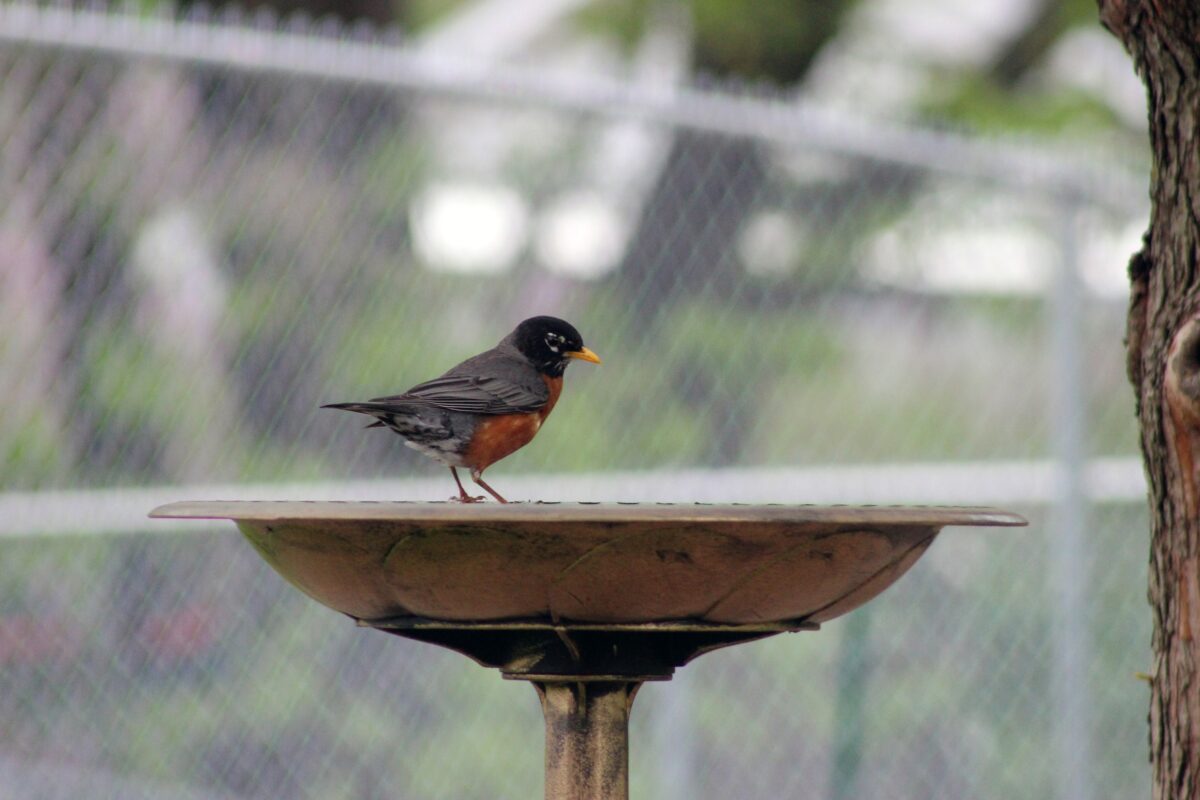
If you’ve ever stepped outside on a chilly March morning and seen the same chunky, red-breasted robin strutting across your grass again, it can feel a little magical, almost like an old neighbor dropping by after a long winter away. But that familiar bird is not just being sentimental. There are real biological and ecological reasons robins come back to the same lawns, year after year.
Once I realized the robin on my own small suburban lawn was following an invisible logic rather than just “liking” my yard, I started to notice patterns – where it hunted, where it bathed, even where it paused to listen. Your yard is part of a finely tuned survival strategy for these birds, and when you understand that, every bob and hop starts to make sense.
#1 A Reliable All‑You‑Can‑Eat Worm Buffet
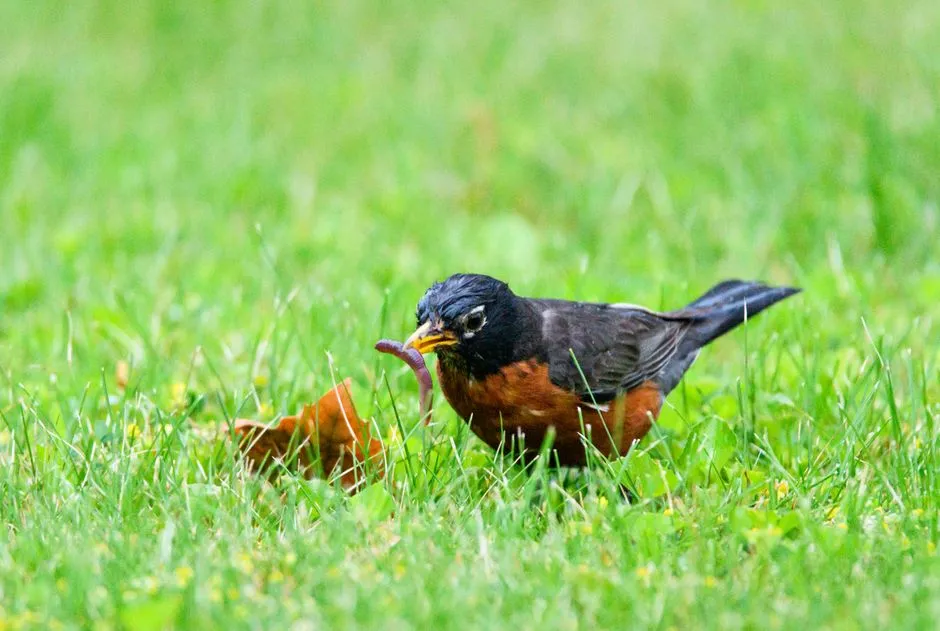
The simplest reason robins keep returning to the same lawn is also the most powerful: food. Robins are heavily dependent on invertebrates during the breeding season, with earthworms, beetle larvae, and other soil-dwelling critters making up a big share of what they feed themselves and their chicks. A lawn that consistently delivers plenty of soft-bodied prey becomes a high-value feeding territory that is absolutely worth revisiting every spring.
Robins learn very quickly which patches of ground pay off and which ones are mostly empty. If your lawn has moist soil, decent organic matter, and is not drenched in harsh chemicals, it often becomes a go-to hunting ground, a bit like that reliable coffee shop where your order is always right. Once a robin has “mapped” your yard as productive, it has a strong incentive to come back and tap into the same dependable food source instead of gambling on unknown places.
#2 A Proven Safe Zone From Predators
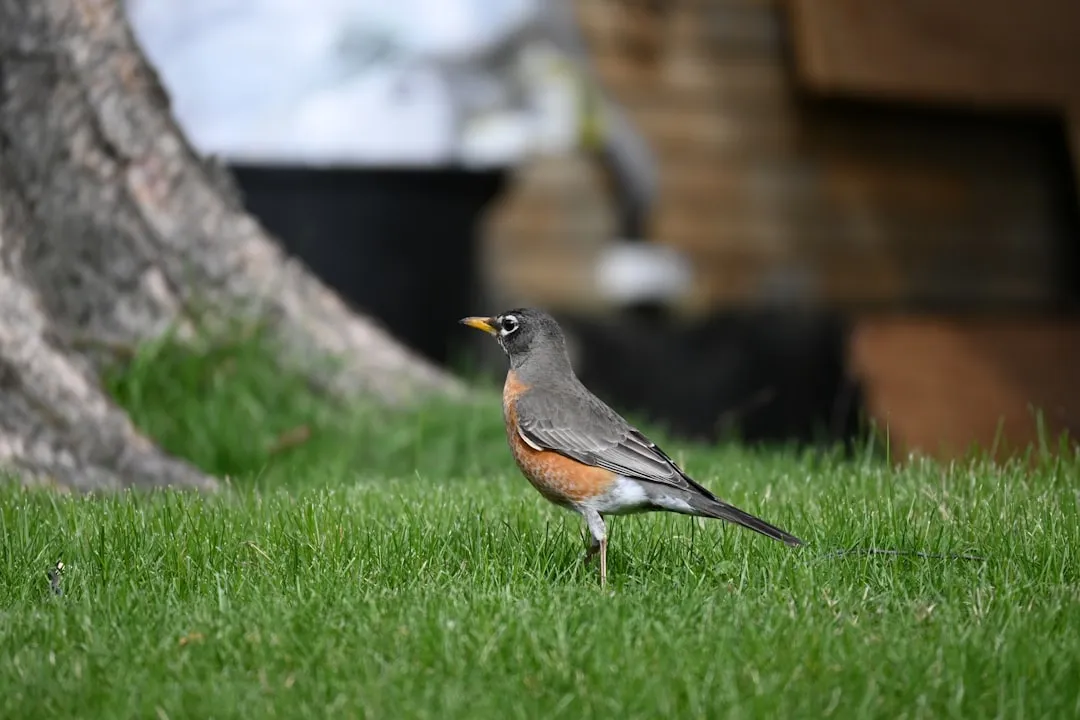
Birds are constantly making calculated risk assessments about where they spend time. A robin that has foraged on your lawn for one or more seasons without experiencing serious threats builds up a mental file: this spot is relatively safe. It learns where neighborhood cats sneak out from, which shrubs offer quick cover, and how often large predators like hawks pass overhead. Over time, this knowledge turns your lawn into a known “safe-enough” area, which is hugely valuable for a wild animal.
That sense of safety is not abstract – it determines whether a robin has enough calm, focused time to hunt, court, and feed fledglings. A lawn with decent sightlines (so the bird can see trouble coming) but also scattered places to duck into cover can strike a sweet balance. Once a robin experiences a season of survival and successful feeding there, it is far more likely to return and cash in on familiarity instead of testing entirely new territory where danger is less predictable.
#3 Strong Site Fidelity and Internal GPS
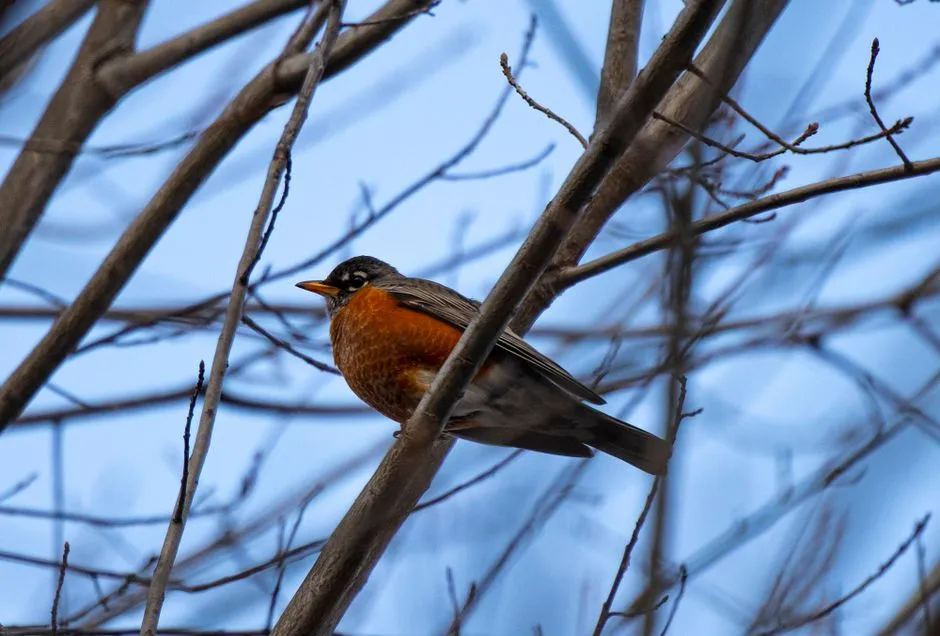
Many migratory birds show what biologists call site fidelity: a strong tendency to return to the same breeding area each year. American robins are no exception. Using a combination of environmental cues, such as the angle of the sun, landmarks on the landscape, and possibly even Earth’s magnetic field, they home back not just to a general region but often to the same neighborhood and, yes, the same lawns. It’s as if they carry a mental GPS pinned to your backyard.
That fidelity pays off because surviving in the wild is partly about reducing uncertainty. A robin that already knows the layout of an area does not have to waste precious spring energy scouting completely new sites. It remembers where the good foraging patches, water sources, and potential nest trees are. So, when the days lengthen and migration pulls birds north, your robin isn’t wandering randomly; it’s actively navigating back to a place it already “knows” works.
#4 Successful Nesting Nearby in Previous Years
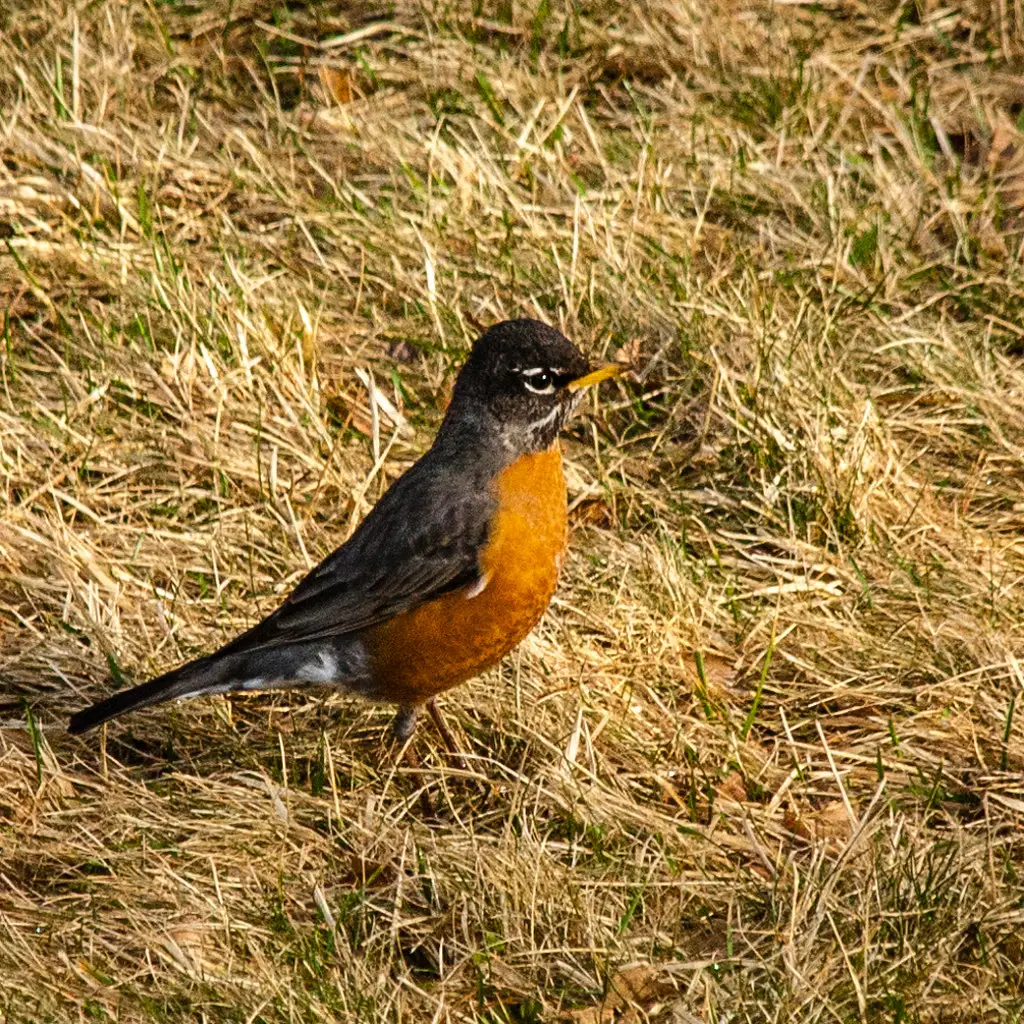
Robins are practical: if raising chicks in or near your yard went well in the past, they are much more likely to try the same general area again. Successful nesting means several things lined up at once: decent food availability, manageable predators, tolerable human disturbance, and appropriate nesting sites in trees, shrubs, or even on sheltered ledges. When all that comes together, a robin essentially receives feedback from nature that says, “This spot works. Repeat this.”
Even if the nest itself wasn’t in your actual yard, your lawn may have been part of the territory that supported the breeding pair. Maybe they nested in a neighbor’s maple tree but hunted for worms on your grass all season. From the bird’s point of view, that whole mosaic of spaces made up a winning formula for raising young. That success becomes a powerful reason to return and try again, like going back to a familiar campsite where you know the best spots for water, firewood, and shelter.
#5 The Right Mix of Grass, Soil, and Messiness
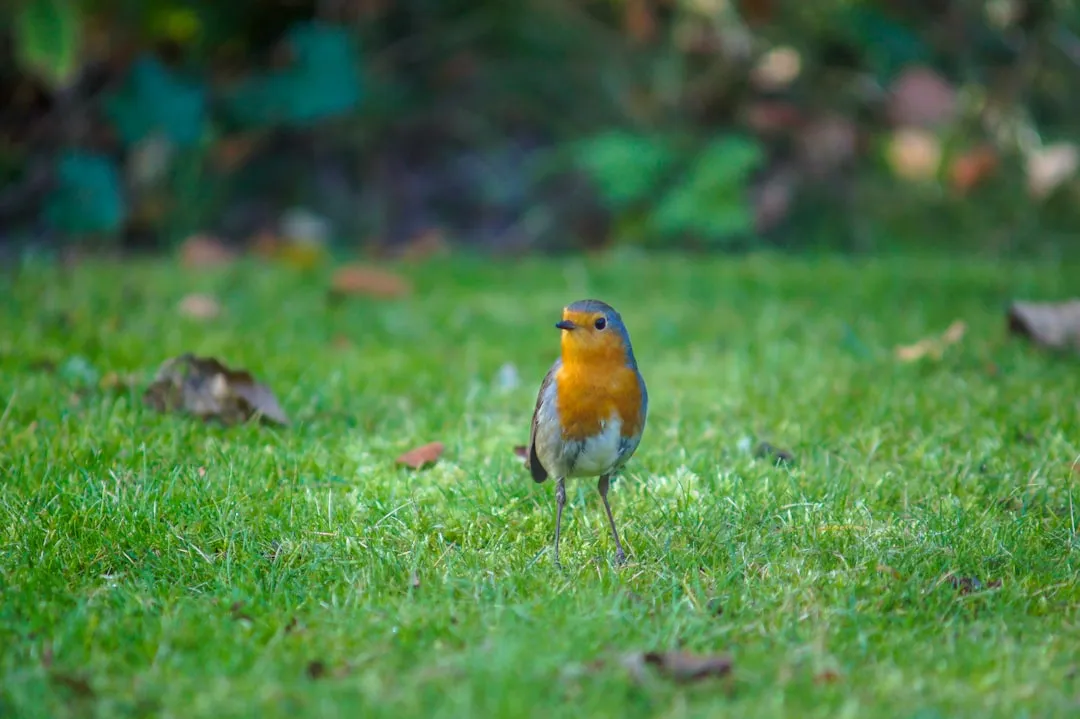
Not all lawns are created equal in a robin’s eyes. Birds are not impressed by a perfectly manicured, golf-course-style turf if it means the soil is compacted, sprayed heavily, and practically lifeless. What robins want is a lawn with living soil, some thatch, maybe a few weeds, and enough moisture that worms and insects can thrive. Ironically, the slightly “imperfect” yard often ends up being an ecological gold mine for them.
If your lawn has areas that stay a bit damp, patches where the grass is thinner, or spots where leaves and organic debris collect, it often supports higher invertebrate activity. Robins quickly learn where those microhabitats are and will trot straight to them as soon as they return in spring. That repeatable pattern of rich, accessible foraging is a major reason they keep coming back, and it is also a pretty good argument for letting your yard be just a little bit messy on purpose.
#6 Easy Access to Water and Cover
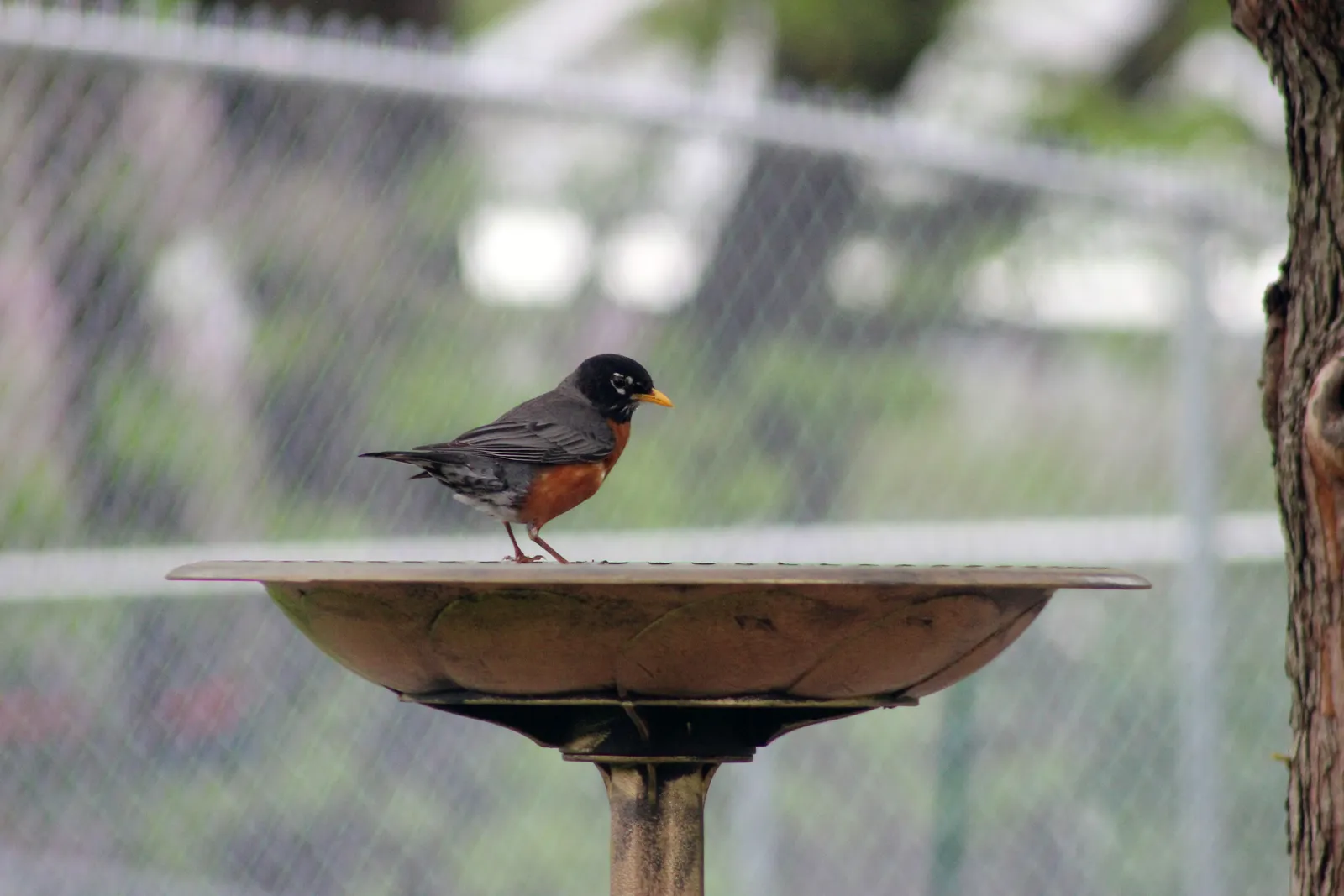
Food alone doesn’t make a perfect robin hangout. Birds also need water to drink and bathe, and they need places to hide from predators and harsh weather. If your lawn is paired with a birdbath, a small pond, or even just a reliably dripping faucet nearby, robins will remember that watery bonus. Water not only keeps them hydrated but also helps them keep their feathers in good condition, which is essential for flight and insulation.
On top of that, shrubs, small trees, hedges, and even dense flowerbeds bordering your grass create a sense of security. Robins like to have a quick escape route – somewhere to dive if a hawk appears or a dog charges across the yard. Over seasons, the combination of ready water and reliable cover turns your property into a sort of neighborhood hub, where a robin can feed, drink, bathe, and retreat within a few wingbeats. That convenience is hard for a wild bird to give up once it has discovered it.
#7 Learning From Past Seasons and From Other Robins
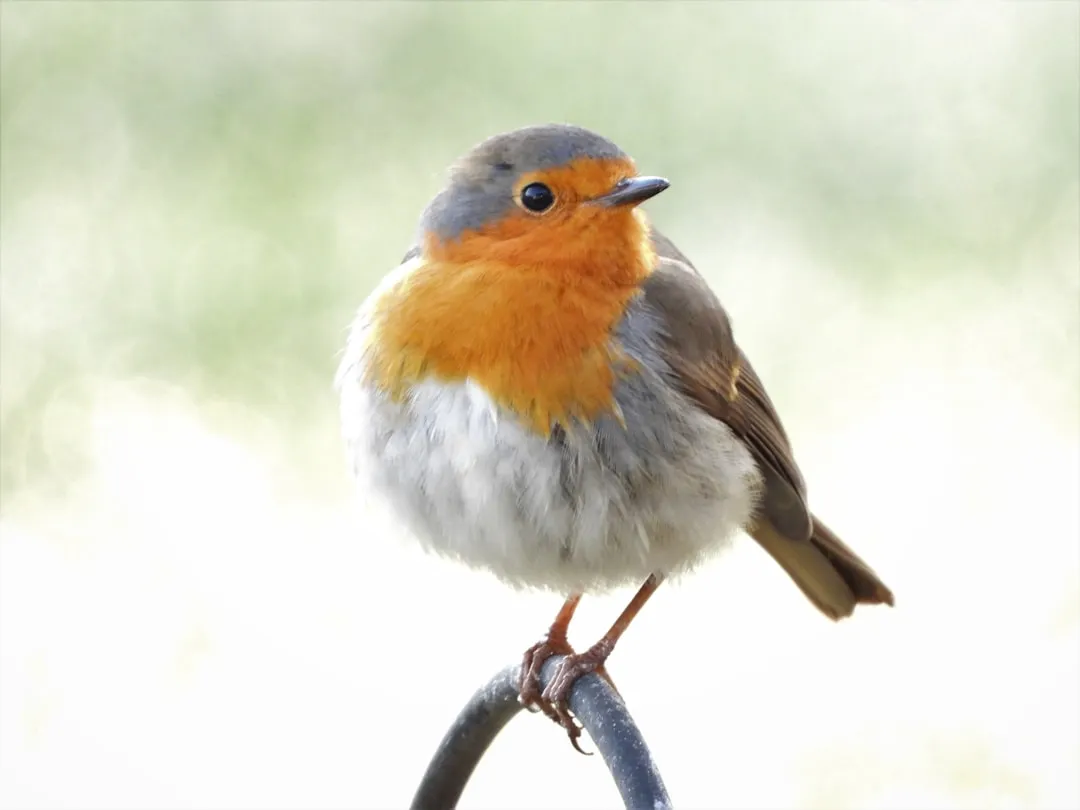
We tend to think of robins as simple creatures just following instinct, but they also learn from experience and from one another. A bird that has spent a spring or two on your lawn picks up a mental library of tiny details: where the earliest worms appear when the soil thaws, which corners are busiest with insects after rain, what times of day the yard is quietest. That lived experience acts like a personal handbook for survival that strongly nudges the bird back to the same place each year.
Other robins may notice successful individuals feeding or nesting near your lawn and be drawn to the same general area, especially younger birds looking to establish their own territories. Over time, your yard can become part of a local robin tradition, a kind of informal hotspot embedded in their social and ecological landscape. When you see that same bird – or one that behaves just like it – returning again and again, you’re watching the result of real memory, learning, and subtle social cues playing out in plain sight.
Conclusion: Your Lawn Is Part of a Bigger Robin Story
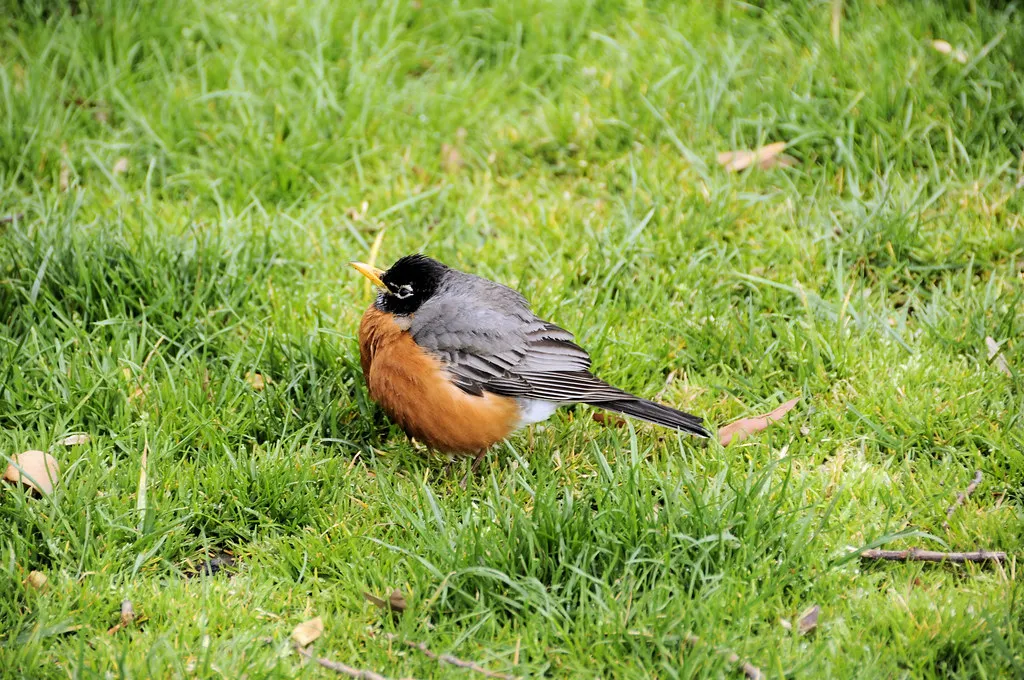
When you put all these pieces together – reliable food, relative safety, successful nesting, a forgiving lawn, good water and cover, plus a strong homing instinct – you realize your yard is not just a random stop on a robin’s springtime tour. It is a carefully chosen, repeatedly tested survival zone that fits into the bird’s long-distance migration and breeding strategy. In my own opinion, that makes even an ordinary patch of grass feel a lot more meaningful than a decorative green carpet.
If you like seeing “your” robins every spring, you actually have quite a bit of power: keep the soil alive, ease up on heavy chemicals, offer water, and keep pockets of your yard a little wild. In return, you get one of the most comforting seasonal rituals in nature – those first bright chests bobbing across the grass, announcing quietly that winter has finally loosened its grip. The next time a familiar robin lands on your lawn and cocks its head, will you look at that bird, and your yard, a little differently?
