
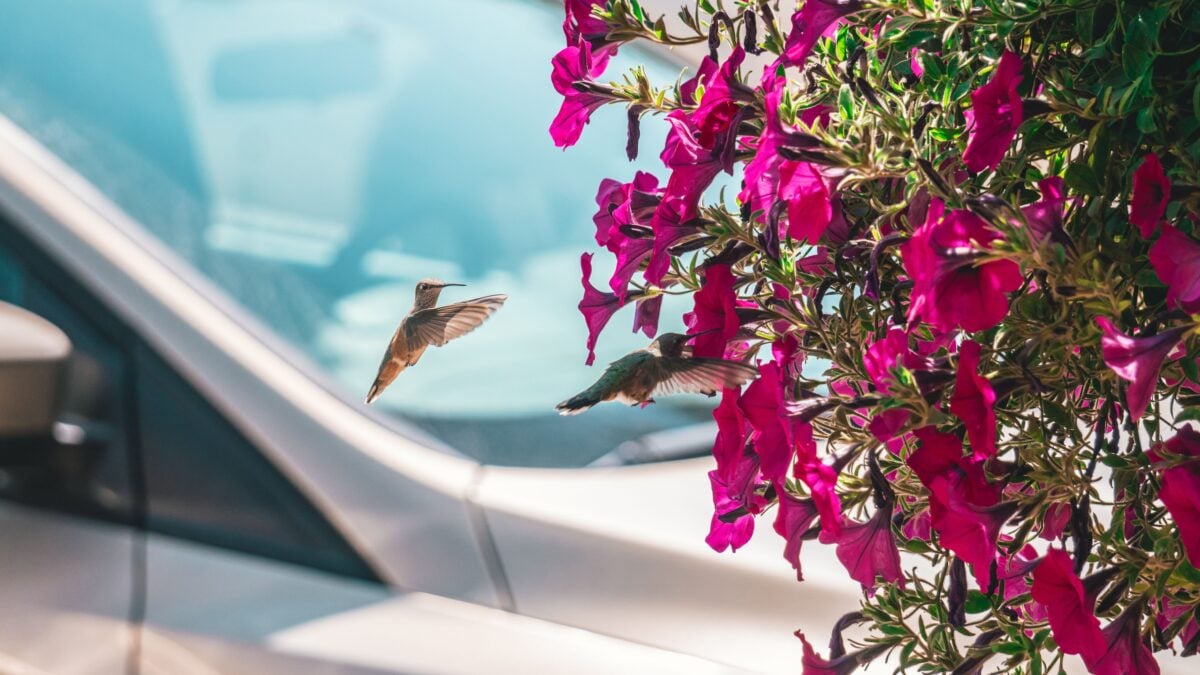
Picture the moment right before a storm hits: sky bruising purple, wind starting to hiss through the trees. Most people assume every hummingbird in the yard just vanishes, tucked away somewhere safe until the danger passes. That image is comforting. It’s also almost entirely wrong.
Biologists and obsessive backyard birders who actually stay outside when the weather turns have watched something stranger: hummingbirds getting calculating, aggressive, and borderline reckless in ways that look nothing like the fragile little ornament we picture in nature documentaries. Some of what they do looks like a death wish until you understand the math behind it. Here’s what really happens when the sky goes dark and the wind starts to howl.
#19 – They Don’t Hide First. They Eat First.
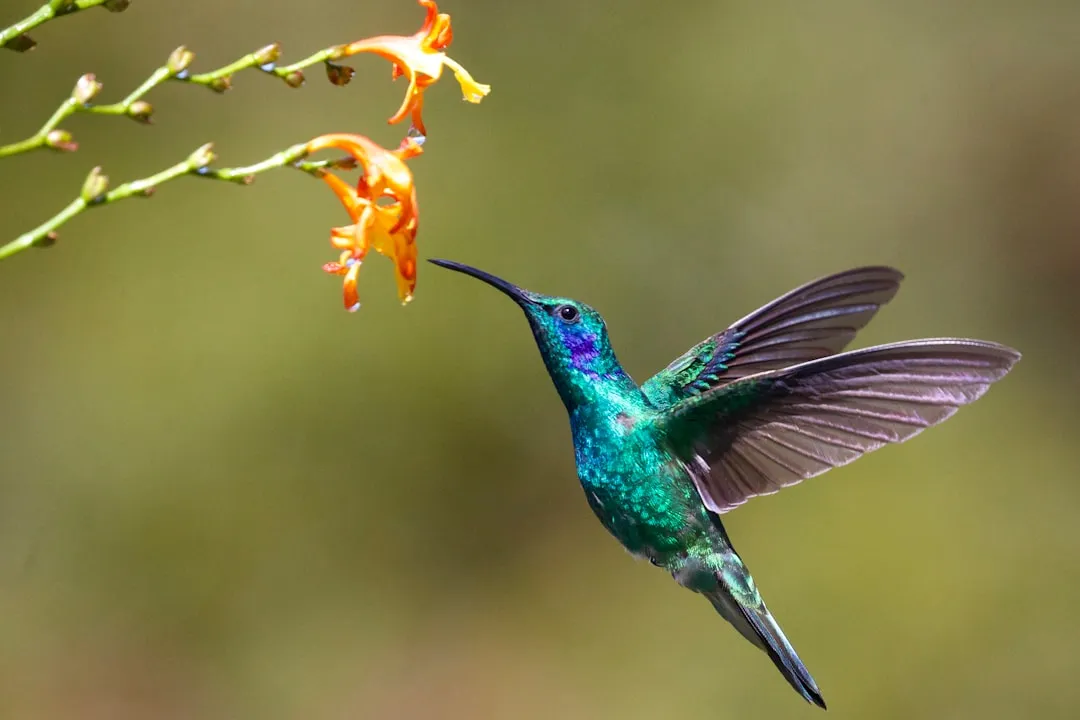
Most people assume hummingbirds bolt for cover the second they hear thunder. In reality, their first move is almost the opposite: a frantic, borderline violent feeding sprint. These birds run on the tightest energy budget of practically any animal in your backyard, and that budget doesn’t forgive mistakes.
If a storm catches them running on empty, they can starve to death while sitting perfectly still, hours before the rain even clears. So as the wind picks up and the pressure drops, you’ll see them hammering feeders and flowers in short, desperate bursts, chasing each other harder than usual right as the sky darkens. It looks like pointless drama. It’s actually survival math – every extra sip might be the calories that get them through the hours of forced stillness ahead.
#18 – They Turn Trees and Houses Into Wind Shields
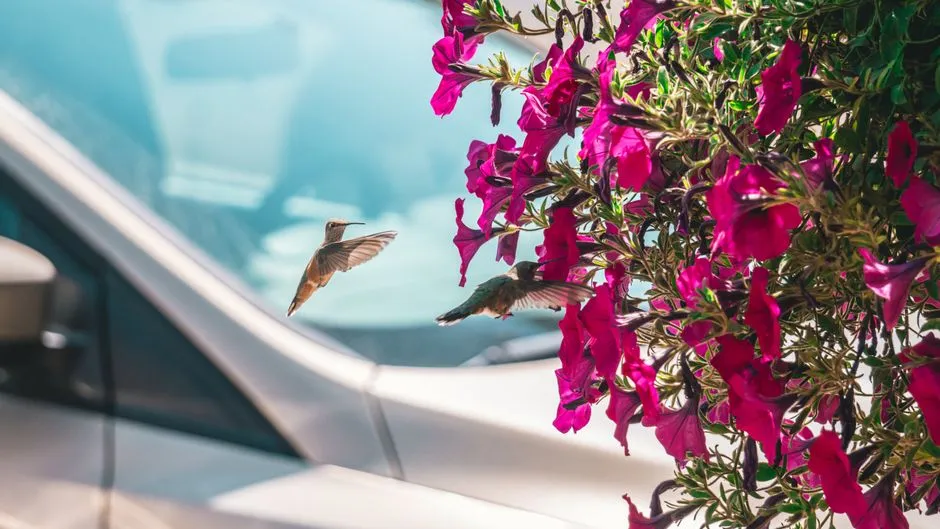
People love the idea that hummingbirds tuck themselves inside flowers to ride out bad weather. It’s a beautiful image. It’s also mostly fiction. In a real storm, they think bigger, lining their tiny bodies up behind tree trunks, thick shrubs, fence posts, and the sheltered side of your house or shed.
They angle themselves like living arrows, facing straight into the wind so the object in front of them absorbs the worst of each gust. You might walk right past one without noticing – a “bare” branch near your porch could be hiding a bird clinging motionless, trusting your wall to do the hard work for it. Once you know to look, you’ll realize your yard is full of invisible hummingbird storm bunkers.
#17 – They Slip Into a Mini-Hibernation Called Torpor
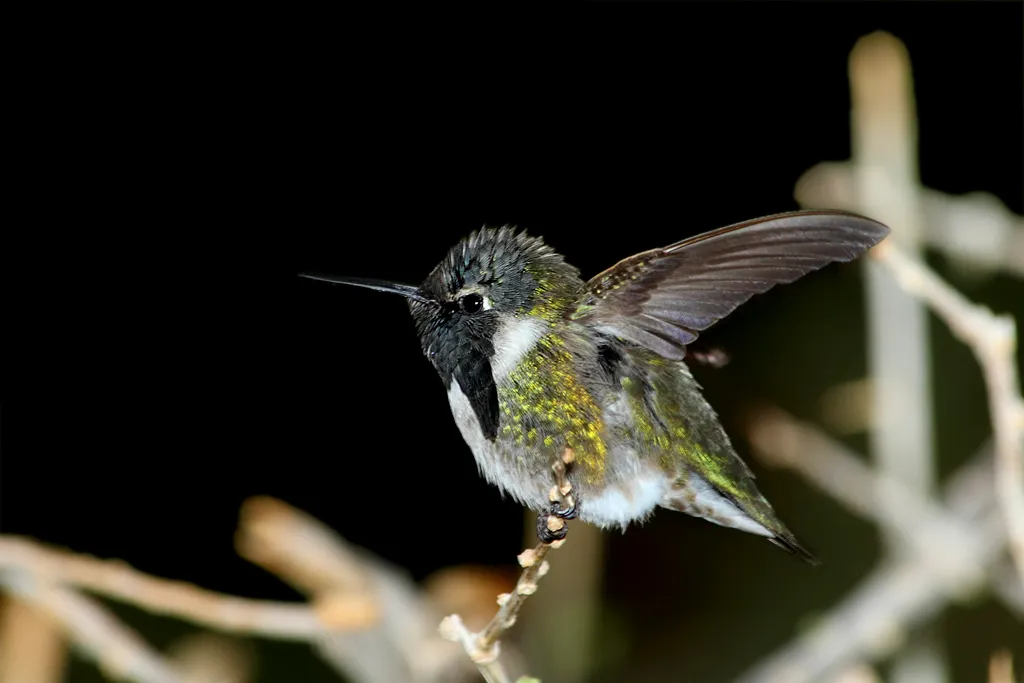
The single biggest storm survival trick a hummingbird has isn’t a hiding spot – it’s a metabolic switch most people have never heard of. When food gets scarce or dangerous to reach, many species drop into a state called torpor, and their heart rate, breathing, and body temperature crash in response.
Energy use can plunge by up to 90 percent, essentially turning the bird into a cold, half-asleep statue. During a long, brutal storm night, that’s the difference between waking up hungry and not waking up at all. It’s so extreme that people have genuinely mistaken torpid hummingbirds for dead ones and tried to “revive” them, not realizing the bird is simply running one of the most extreme energy-saving tricks in the entire animal kingdom.
Fast Facts
- Body temperature can fall from a normal 100°F-plus down into the 50s or even lower during deep torpor.
- Heart rate can drop from well over 500 beats per minute to as low as 50 beats per minute.
- A torpid bird typically “reboots” itself using rapid internal shivering as light and warmth return.
- Torpor usually kicks in overnight or during extended bad weather, not for quick daytime naps.
#16 – They’ll Feed in Heavy Rain, But They Cheat
A lot of people assume hummingbirds simply can’t fly once real rain starts falling. They absolutely can – just not the way cartoons make it look. In moderate to even heavy rain, they’ll still hit the feeders, but they time every move and angle to avoid getting punished by falling water.
They fly lower, hug cover, and dash out for a few seconds instead of hovering casually in the open like they do on a calm day. In real downpours, they’ll sneak in from the “dry” side of a feeder tucked under an eave or thick foliage, because a sideways approach from shelter costs less energy than fighting straight through sheets of rain. If you’ve ever seen one slam in, grab a fast sip, and disappear like a ghost, that was storm feeding in action.
#15 – They Get Soaked and Just Keep Going
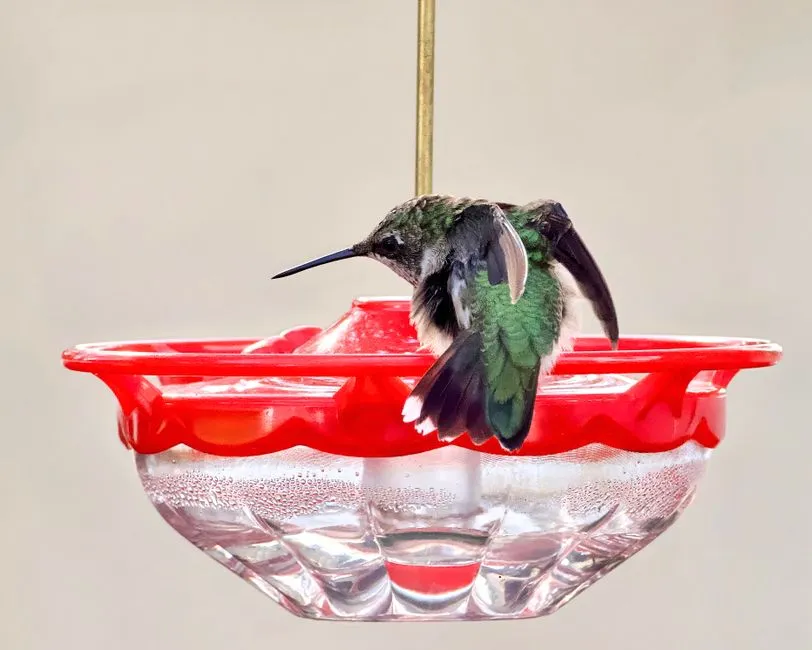
We tend to project our own misery onto animals. See a drenched hummingbird and the instinct is to assume it’s suffering or dying. The truth is far less dramatic: they can get completely soaked and still function surprisingly well.
Their feathers aren’t waterproof the way a duck’s are, but they shed enough water and trap enough insulating air to keep working through it. A storm-soaked hummingbird might look pitiful – spiky feathers, drooping tail, wings slightly out – but it’s usually just managing water and heat, not dying. Ask any longtime birder and they’ll tell you the soggiest, most bedraggled-looking bird at dusk is often the exact same one bullying everyone else off the feeder the next morning.
#14 – They Won’t Give Up Territory, Even When It’s a Bad Idea
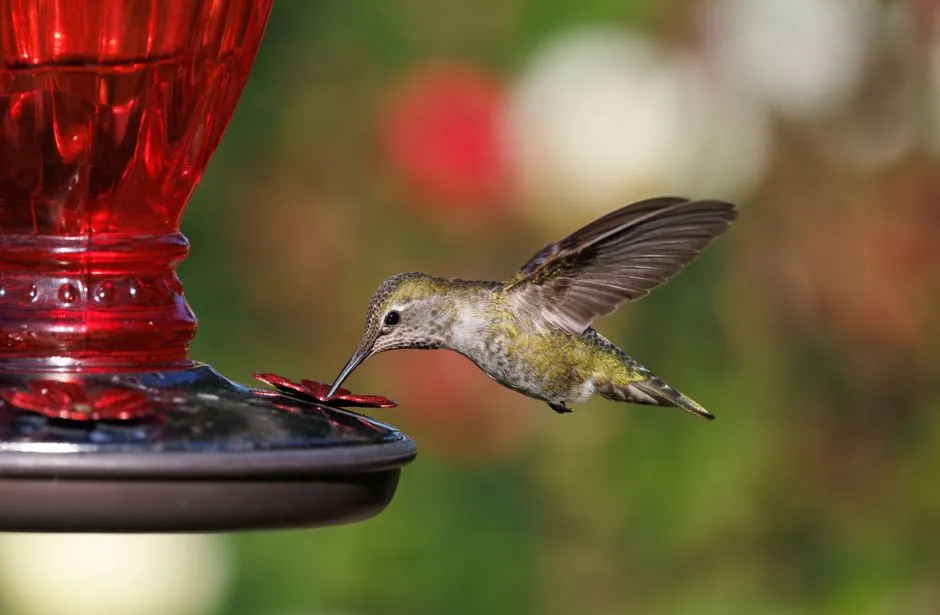
Storm logic says: share resources, save your energy, skip the fights. Hummingbirds apparently never got that memo. Even with wind whipping and rain slamming sideways, dominant birds keep defending their feeders and favorite flowers like nothing has changed.
They’ll burn precious calories chasing rivals off in what looks like an obviously bad strategy – until you zoom out. Controlling the safest, most sheltered nectar source pays off across an entire storm season, not just one afternoon. Backyard watchers often spot one stubborn “storm king” guarding a feeder all day in ugly weather, while the weaker birds only dare sneak in during the worst gusts, when visibility is too poor for the boss to chase them off.
#13 – They Sense a Storm Coming Before You Do
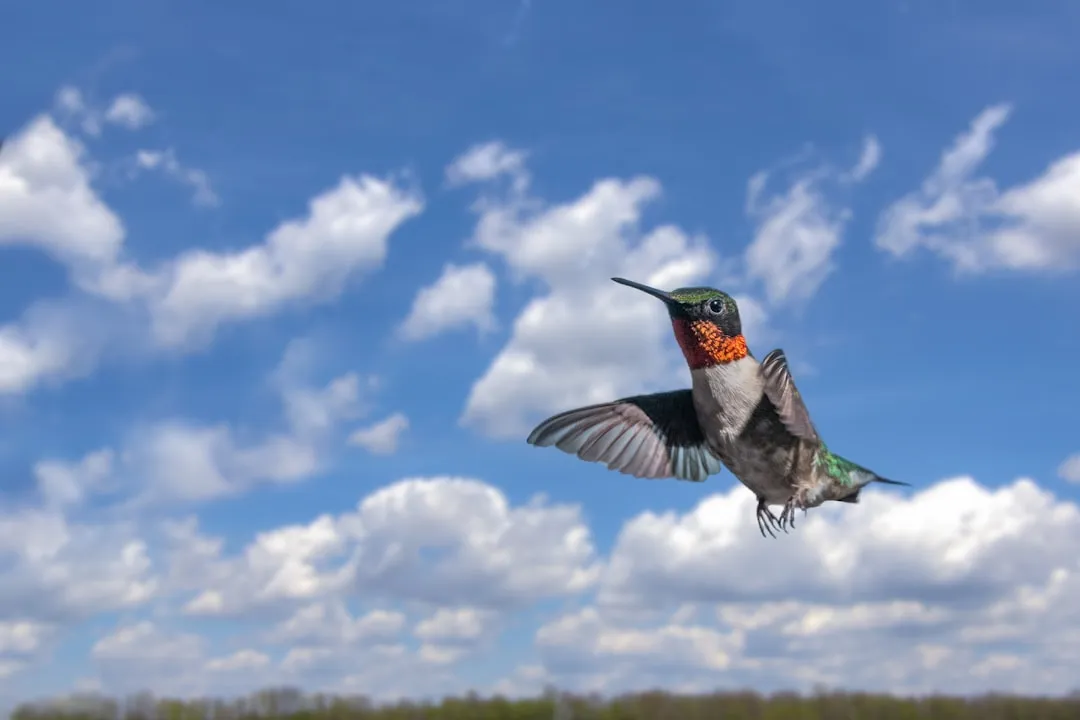
Hummingbirds don’t check weather apps, but they read the sky better than most humans ever will. Tiny shifts in barometric pressure, wind direction, light quality, and insect activity all register with them long before we notice anything’s wrong.
Watch closely and you’ll often catch a sharp “feeding spike” hours before a storm arrives, while the sky above you still looks completely fine. It’s built-in forecasting, shaped by generations of birds that evolved around unpredictable tropical and mountain storms. This is exactly why experienced birders top off their feeders before the rain starts, not after – by the time you see the first drop, the critical window may already be closing.
#12 – They Use Storms to Steal Territory
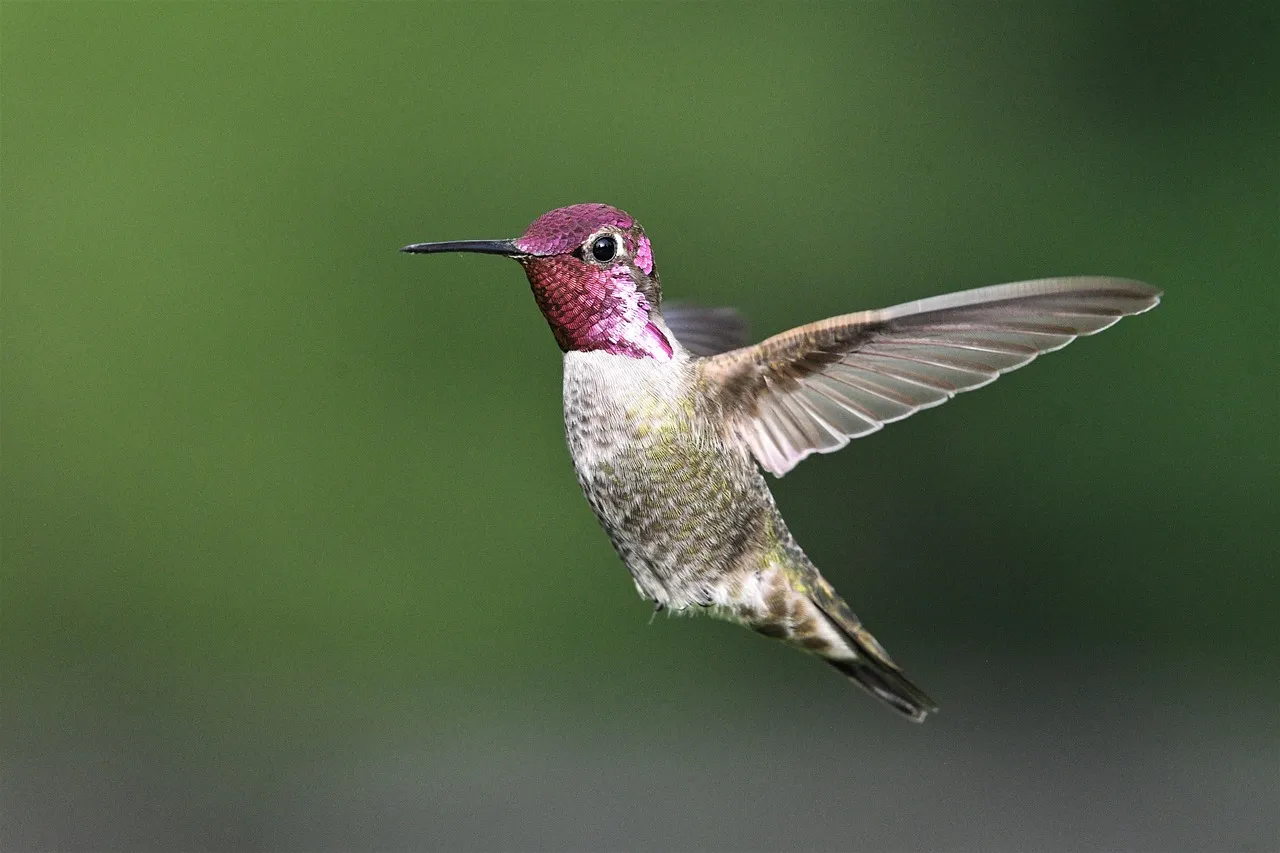
Here’s the part that annoys anyone who insists nature is always calm and cooperative. Storms don’t just threaten hummingbirds – they create opportunity, and challengers know exactly how to use it. A brutal storm can weaken or temporarily displace the dominant bird at a feeder, and the moment that happens, the social order is up for grabs.
Birders have watched longtime feeder “owners” simply vanish after a bad storm, replaced within hours by a new, more aggressive bird that clearly saw its shot. Subordinate birds that survived by hiding deep in cover will sometimes burst out the instant conditions ease, fighting hard for a spot that was untouchable a day earlier. It’s harsh, but it’s exactly how resources get reassigned once nature hits the reset button.
#11 – They Drop Lower Than You’d Expect
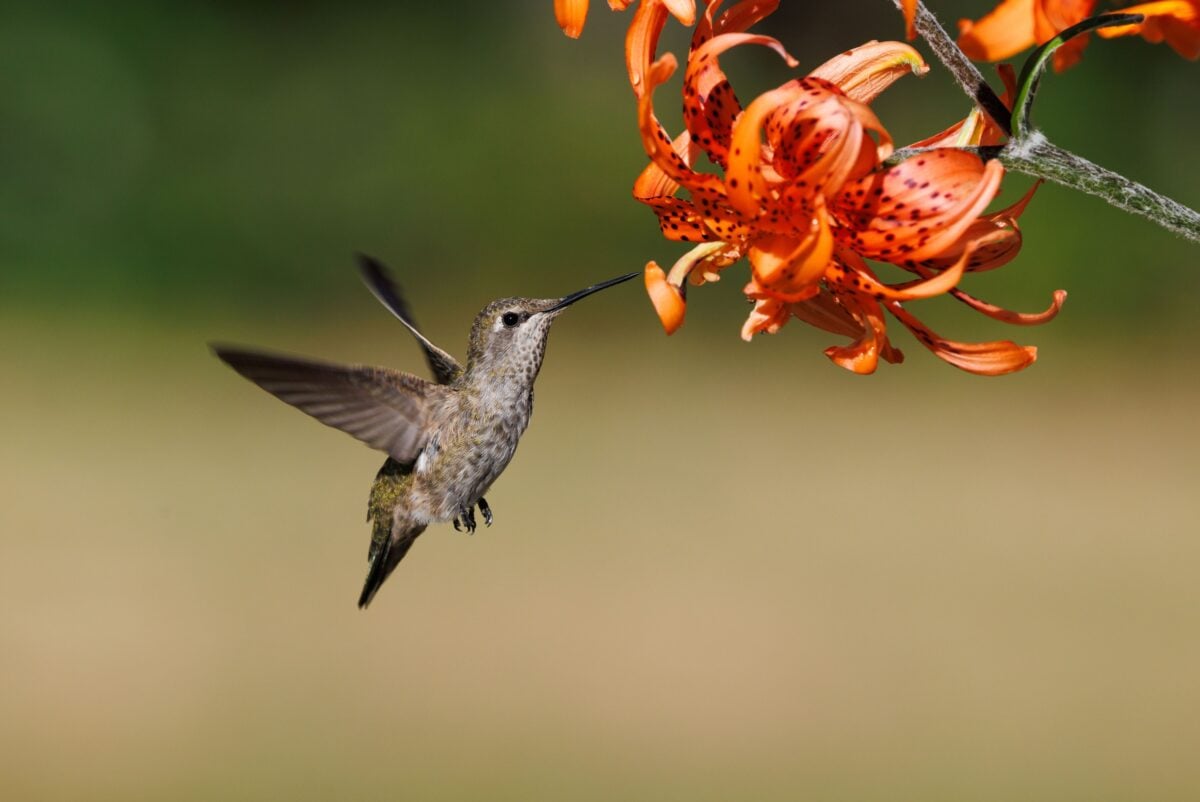
Most people assume hummingbirds are “high” birds, buzzing around at flower-height or above. During a storm, they often flip that script entirely, dropping close to shrubs, ground-level blooms, railings, and fences where the wind is slower and more broken up.
It’s basic physics: wind speed drops the closer you get to the ground, especially near obstacles. You might spot them threading hedge tunnels or approaching a feeder from below instead of above, and it’s not random – it’s tactical flying in rough air. A high, open flight path can turn a five-second trip into a dangerous energy drain, while a longer, low, sheltered route actually costs less effort overall. That upside-down math is why sharp-eyed watchers see so many “mysterious” near-ground hummingbird flashes once a storm rolls in.
#10 – They Sit Perfectly Still for Unsettlingly Long Stretches
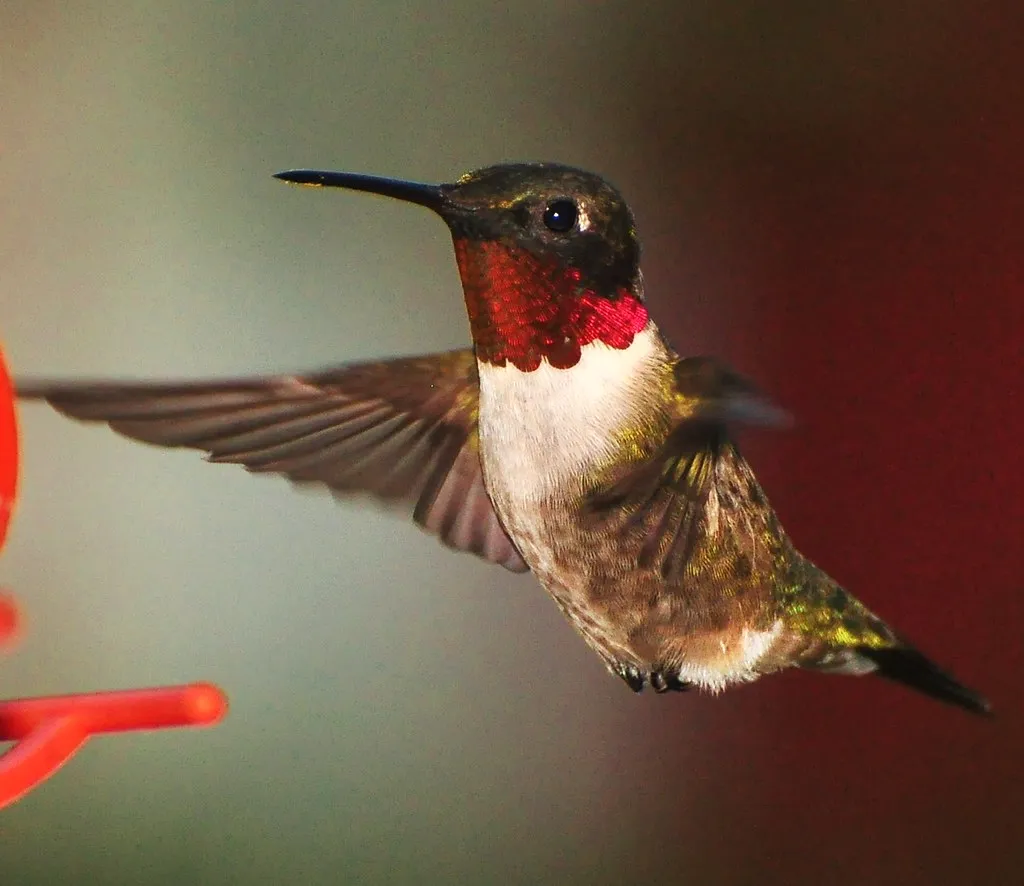
If you only know hummingbirds as hyperactive blurs, this behavior can be genuinely alarming. When the weather really turns, many will clamp onto a perch and stay almost completely still for long stretches – no hovering, no chasing, barely any visible breathing at all.
They’re not giving up. Hovering is outrageously expensive in calories, and gusty wind makes it even less efficient, so stillness becomes their emergency brake. A bird that keeps fighting the storm air can literally run out of fuel mid-flight. This is exactly where people mistake a healthy, smart bird for a sick or dying one – that motionless little statue on the branch might be doing precisely what its biology demands.
Why It Stands Out
- Hovering is one of the most energy-expensive forms of movement in the entire animal kingdom, gram for gram.
- Wingbeats can hit dozens of strokes per second in calm air, and gusty conditions push that cost even higher.
- Staying perfectly still burns dramatically fewer calories than fighting turbulent, unpredictable wind.
- Fat reserves built up during calm weather are what make these long, motionless stretches survivable.
#9 – They Groom Themselves Mid-Chaos, and It’s Not Vanity
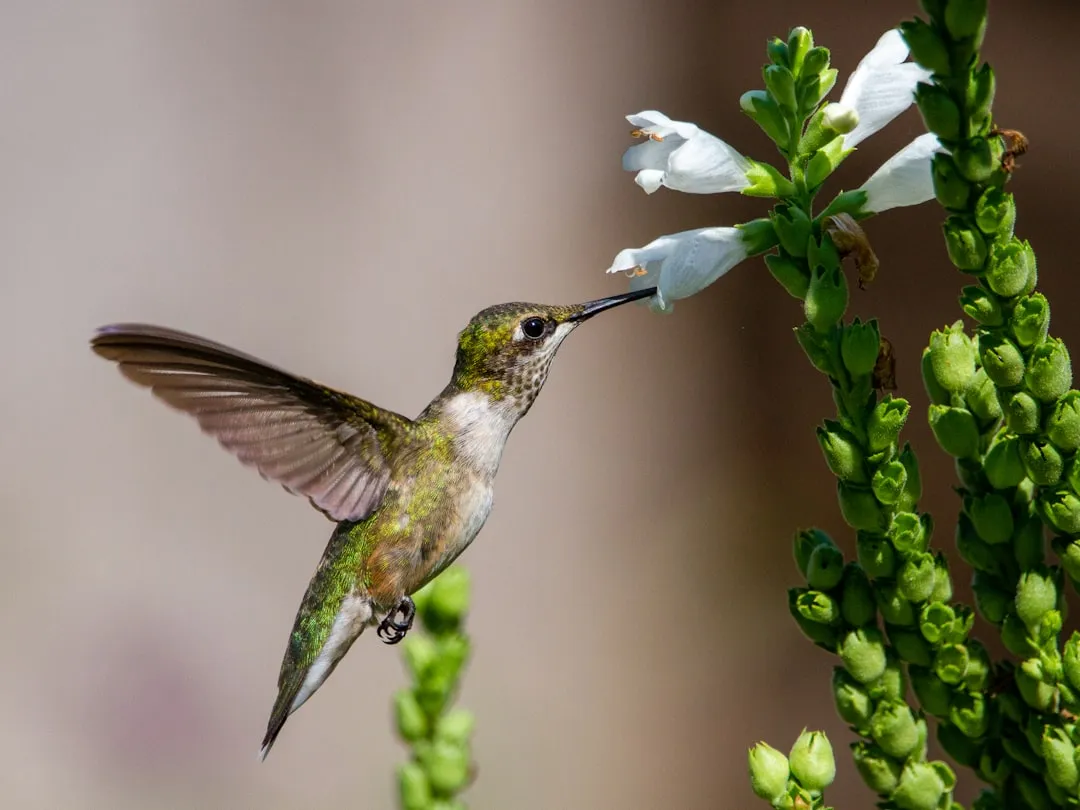
It sounds almost absurd, but grooming isn’t optional, even in a storm. Wet, matted feathers wreck the careful air-trapping structure that keeps a hummingbird warm and aerodynamic, so between downpours or during a lull, they’ll shake, scratch, and preen hard – sometimes on a branch that’s whipping violently in the wind.
A hummingbird with damaged feathers burns far more energy just staying warm and flying straight, and that’s a losing game when every calorie is already spoken for. Watch closely and you’ll catch tiny explosions of water flying off as they shake, then watch them comb their beak through wing and tail feathers with surprising focus. It looks frivolous to anyone expecting pure survival mode, but for a bird living on an energy knife-edge, this is survival mode.
#8 – They Remember Their Best Storm Hideouts and Reuse Them
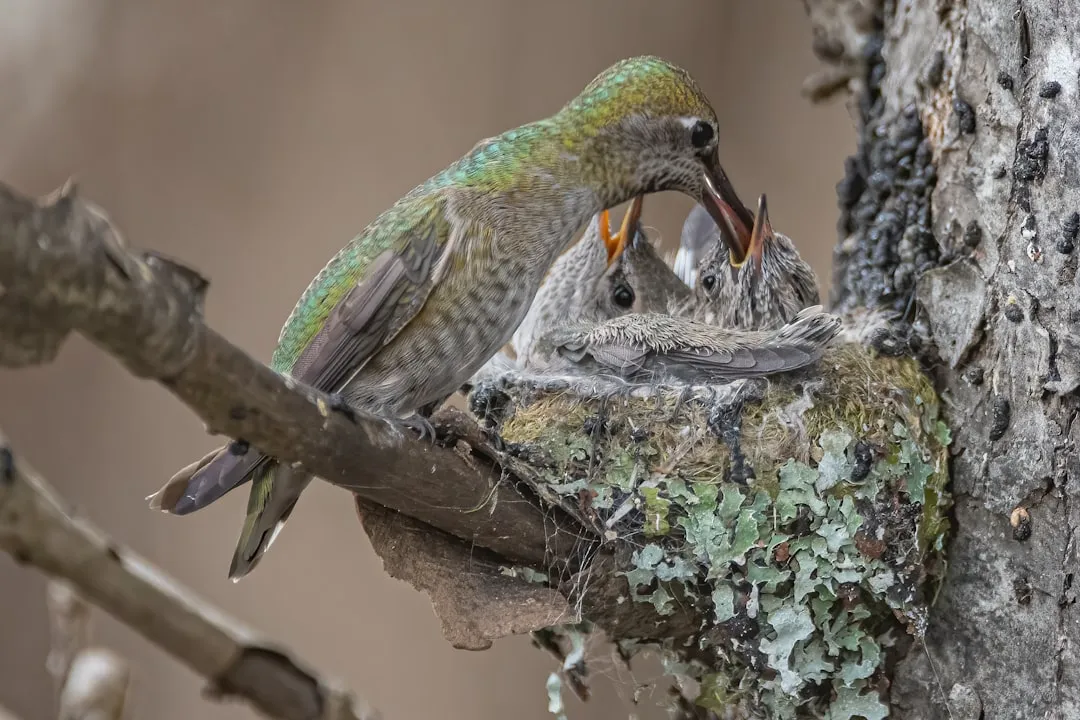
Storm responses aren’t pure instinct – hummingbirds also lean on memory, and their spatial memory is impressive. They remember specific branches, nooks, and micro-shelters that worked during past storms, and they go straight back to them when trouble returns.
That twisted branch under your eave, or the dense knot of leaves in your maple tree, might be a hummingbird’s go-to bunker used storm after storm, sometimes down to the exact same twig. This suggests older birds simply get better at surviving storms with age, learning which spots cost them the least energy and risk. It also means that trimming a tree or ripping out a shrub without a second thought could be demolishing a proven hummingbird safe-room that took seasons to find.
#7 – They Use Your House Like It’s Part of the Wild
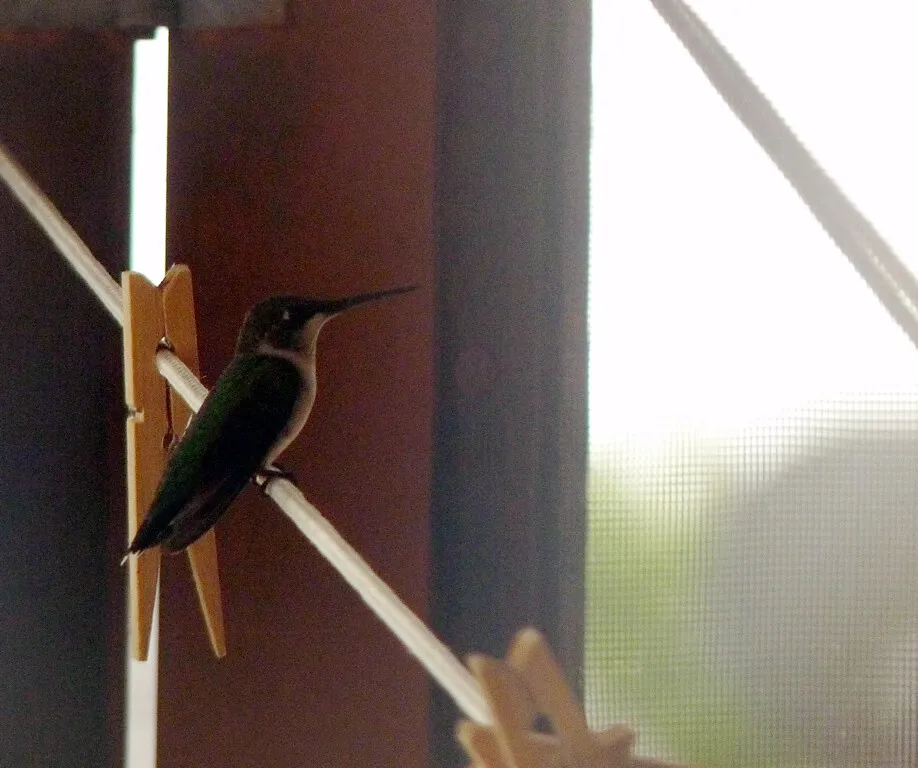
If you picture hummingbirds as strictly “wild only” purists, storm behavior will change your mind fast. They lean on porches, carports, awnings, and even hanging decorations as genuine survival tools, not just decoration in the background of their world.
A feeder hung under a roof overhang doesn’t just stay dry – it becomes a feeding station that costs far less energy to use in nasty weather. People routinely find hummingbirds tucked into odd corners: the top of a wind chime, the curve of a metal bracket, the sheltered underside of a hanging basket frame. To a hummingbird, your porch is just more terrain to exploit, and that “ugly” old shrub against your wall might be doing more life-saving work than anything in your actual garden.
#6 – They Don’t Always Flee, Even From Terrifying Storms
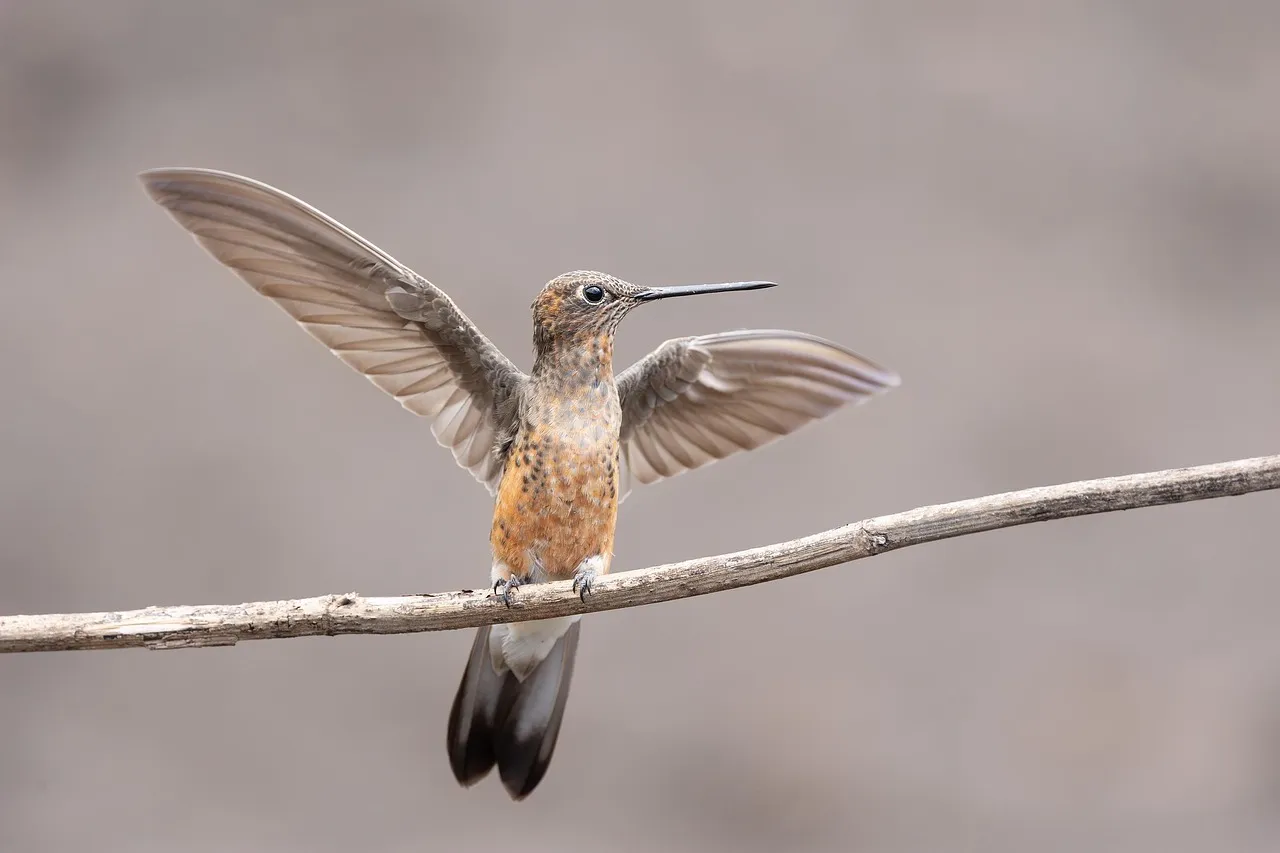
There’s a comforting myth that animals simply move out of the way of danger. For hummingbirds, that’s usually not how it works, because migration is a long-term decision, not a one-storm reaction. In many regions, they simply don’t have the energy reserves or a safe route to escape every severe system that rolls through.
So they stay and tough it out, sometimes even through hurricanes and tropical storms, hunkered into the best cover they can find. Afterward, you might notice fewer birds at the feeder if some didn’t make it, but the survivors prove that leaving isn’t always the better choice – or even a real option. It’s an uncomfortable truth for anyone who likes to imagine nature always adapting smoothly: sometimes the only adaptation is enduring it, right where you are.
At a Glance
- Ruby-throated hummingbirds cross roughly 500 miles of open water over the Gulf of Mexico in a single nonstop migratory flight.
- An adult hummingbird typically weighs just 3 to 4 grams, close to the weight of a single U.S. penny.
- Migration timing is driven mainly by seasonal daylight and food supply, not by short-term weather threats.
- That’s a key reason a single storm, however severe, rarely triggers an early departure.
#5 – They Switch Their Diet on the Fly
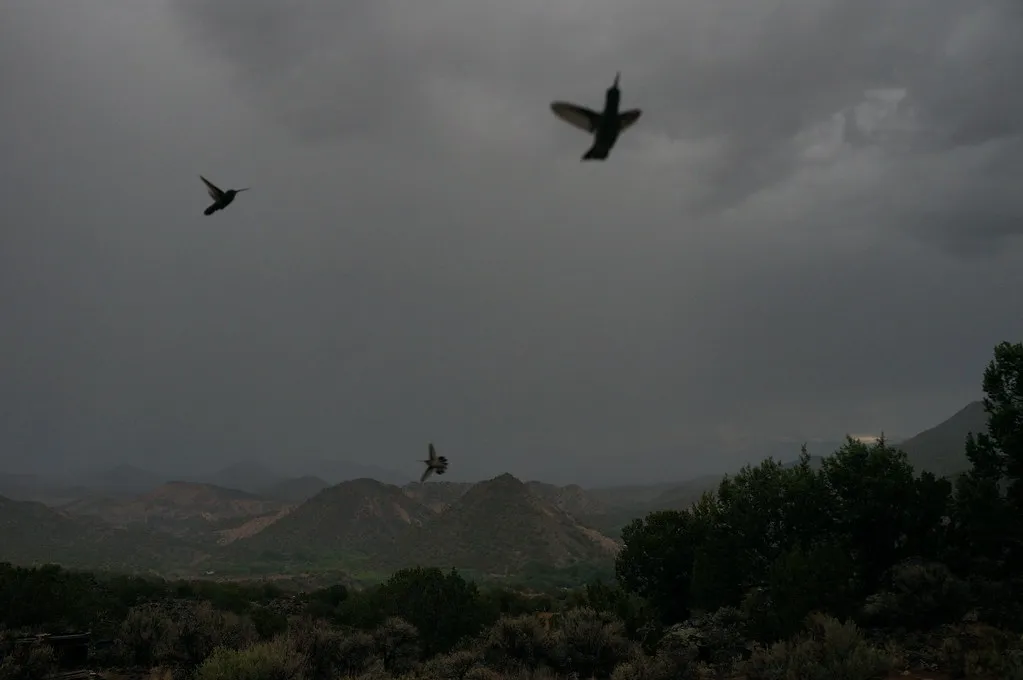
Everyone assumes hummingbirds live on nectar alone. That’s never actually been true, and in a storm it matters more than ever. Hummingbirds also eat small insects and spiders for protein and fat, and when flower access or nectar flow drops during bad weather, those tiny prey items become critical.
They’ll pick gnats off the undersides of leaves, snatch spiders straight from their webs, and grab insects clinging to sheltered surfaces, since storms often knock flying insects down and concentrate them in certain spots. A smart hummingbird takes advantage of that rather than wasting energy hovering at battered, rain-diluted flowers. Far from being sugar addicts, they’re quietly running a diversified survival menu the entire time.
#4 – They Treat Storm Lulls Like Tactical Windows
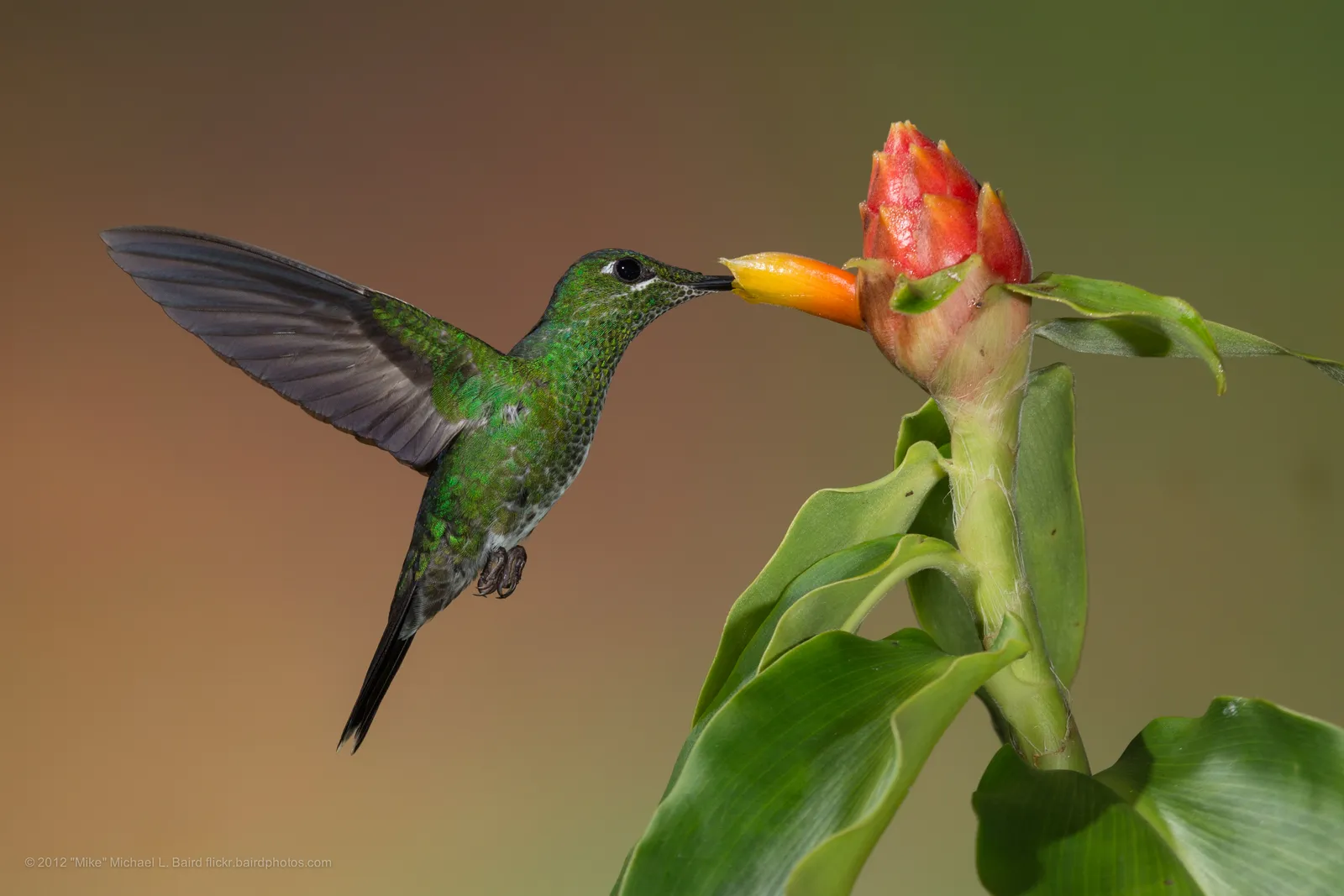
If you only watch the worst of the storm, you’ll miss the most interesting part. Hummingbirds treat brief lulls – when the rain slackens or the wind dips – as mission windows, packing a burst of high-intensity activity into a few short minutes: fast feeding, social reshuffling, quick preening, then straight back to shelter.
To a casual observer, it looks random – suddenly there are birds everywhere, then nothing again. Watch the pattern closely, though, and it lines up almost perfectly with the storm’s own rhythm, like they’re running quick operations between bombardments. This stop-start behavior keeps their energy intake and feather condition just barely adequate without taking huge risks during the worst gusts – a tightrope walk most people never notice from behind a window.
#3 – They Surf Gusts Instead of Fighting Them
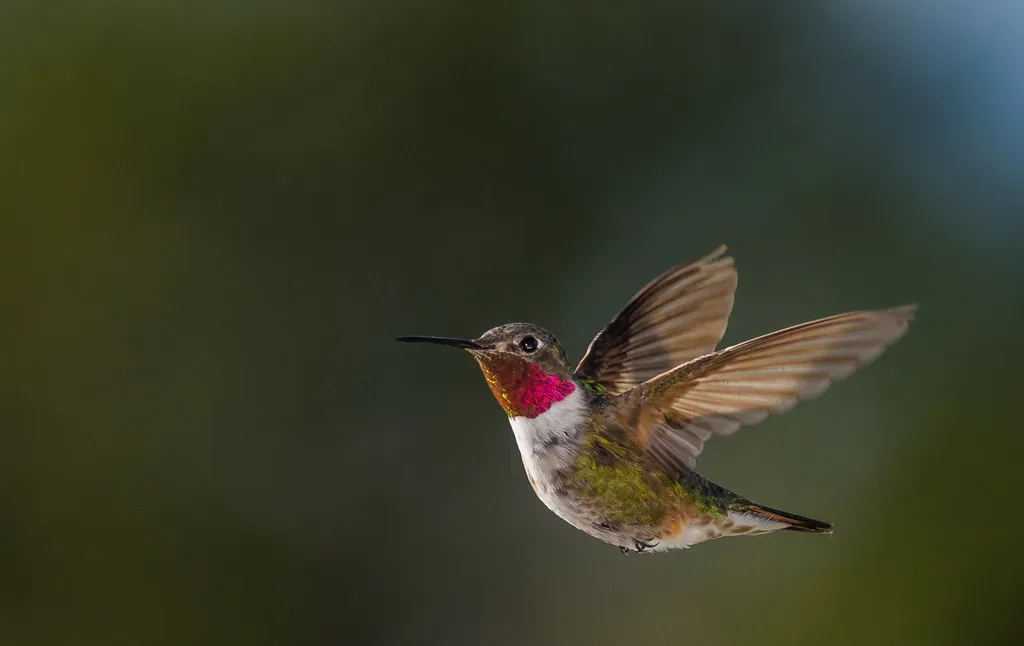
This one sounds like folklore until you actually catch it on a windy day or in slow-motion footage. Skilled hummingbirds will angle their bodies to ride a gust rather than constantly powering straight through it, using diagonal approaches, brief glides, and quick course corrections that piggyback off the moving air.
They’re not literally surfing for fun, but the physics is similar – let the wind do part of the work when it happens to be blowing the right way. In chaotic storm winds, this creates zigzag flight paths that look wild and out of control but are actually efficient, practiced maneuvers. It’s the exact opposite of the “tiny helicopter” myth: they’re not brute-forcing their way through the storm, they’re negotiating with it like veteran pilots.
#2 – They Can Look Completely Dead, Then Snap Back to Life
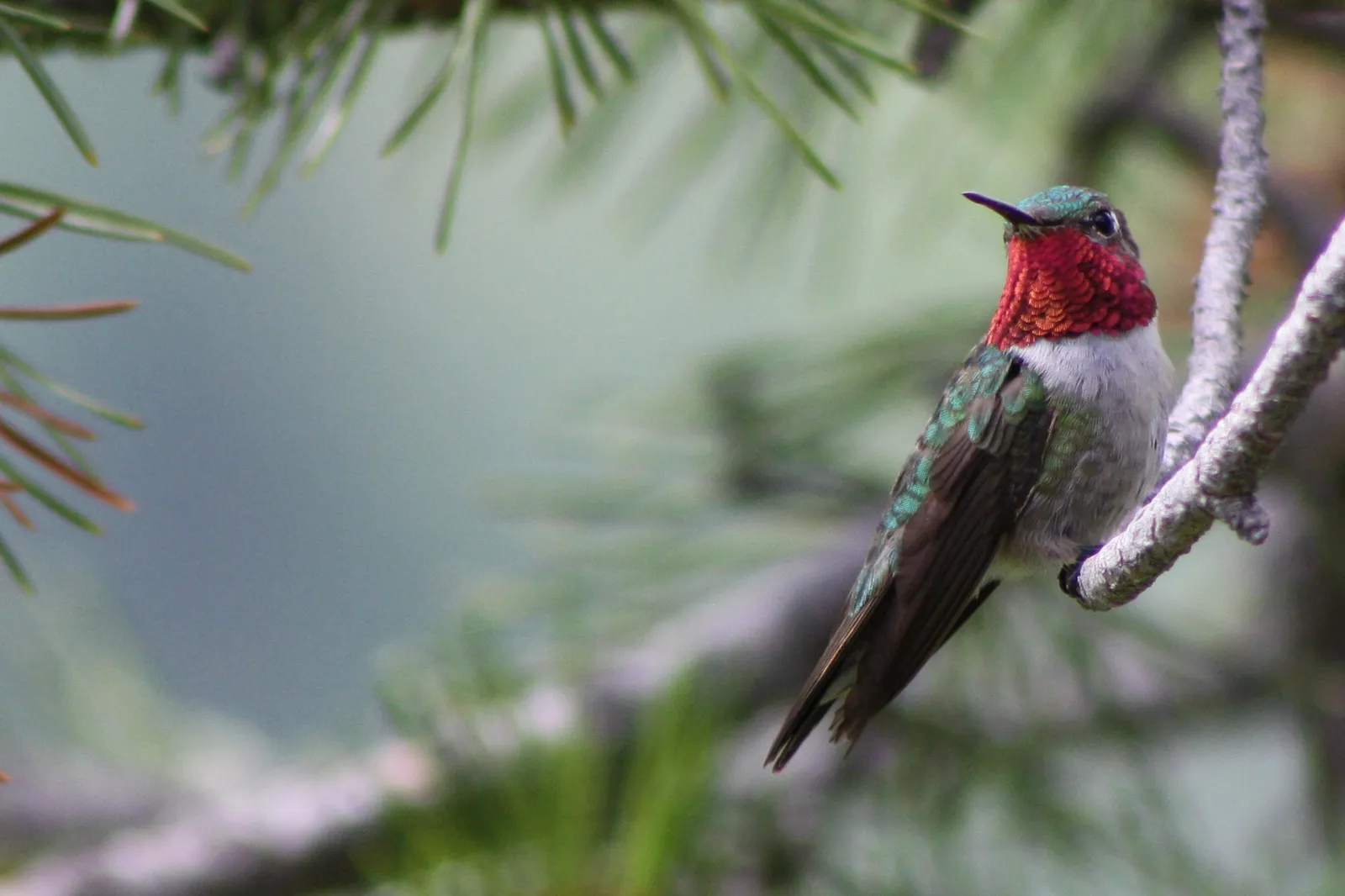
One of the most jarring things for a new hummingbird host is walking outside during or after a cold, wet storm and finding a bird motionless on a feeder or branch. The instinct is to assume the worst. Sometimes that’s exactly right – but sometimes that bird is deep in torpor, an extreme energy-saving mode it can gradually reboot from as conditions warm up.
Observers have watched birds go from motionless, eyes half-closed, barely responsive, to suddenly shivering, fluffing their feathers, and flying off the second sunlight or warm air reaches them. The whole restart can take several minutes as their tiny metabolic engine slowly spins back up. That thin, disturbing line between “on the edge” and “recovering” is exactly why interfering with a torpid hummingbird can do more harm than good if it isn’t clearly injured.
#1 – The “Delicate Jewel” Reputation Is a Complete Myth
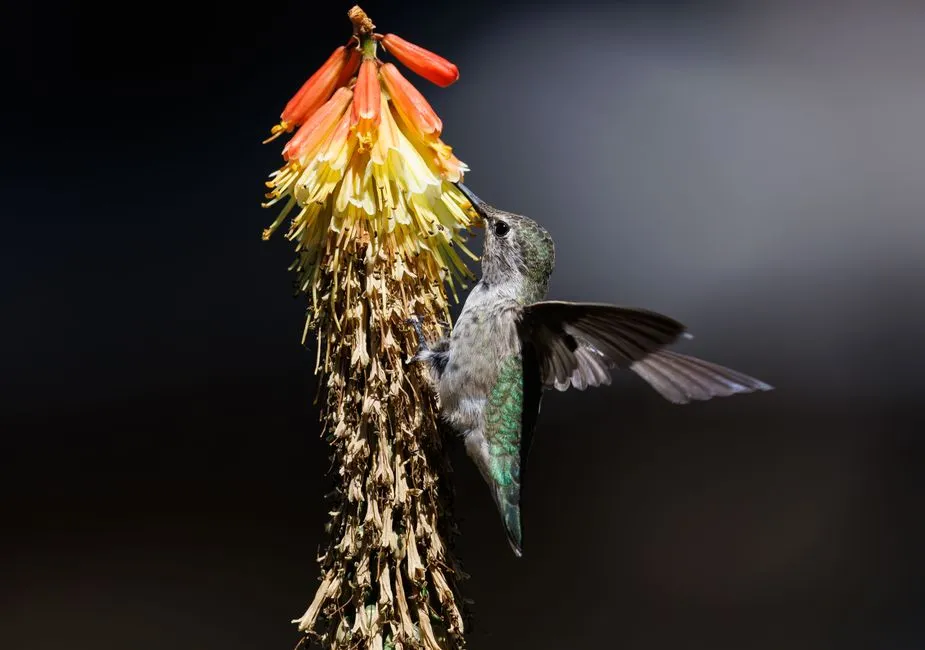
The biggest storm surprise isn’t any single trick on this list – it’s the whole picture once you put it together. Hummingbirds get sold to us as fragile little ornaments, as if one bad storm could wipe them out overnight. Everything we actually know about their behavior in rough weather says the opposite: these birds are built for extremes.
High-stakes energy budgets, torpor, memorized micro-shelters, territorial battles fought under a black sky, tactical feeding timed to the second – none of that is fragility. It’s hard-edged survival engineering. Do some hummingbirds die in severe storms? Absolutely, nature doesn’t hand out guarantees. But the ones that make it through aren’t just lucky; they’re running a sophisticated set of responses that most of us never see because we’re inside with the windows shut, assuming the worst about a bird that’s actually handling the situation better than we would.
Quick Compare
- Myth: They hide inside flowers. Reality: They shelter behind trunks, walls, and dense shrubs used as windbreaks.
- Myth: A soaked, motionless bird is dying. Reality: It’s often just managing water weight or conserving energy in torpor.
- Myth: Storms only bring danger. Reality: A weakened rival can hand a challenger a shot at prime territory.
- Myth: Nectar is their only food. Reality: Insects and spiders become vital backup protein when flowers fail.
The Bottom Line
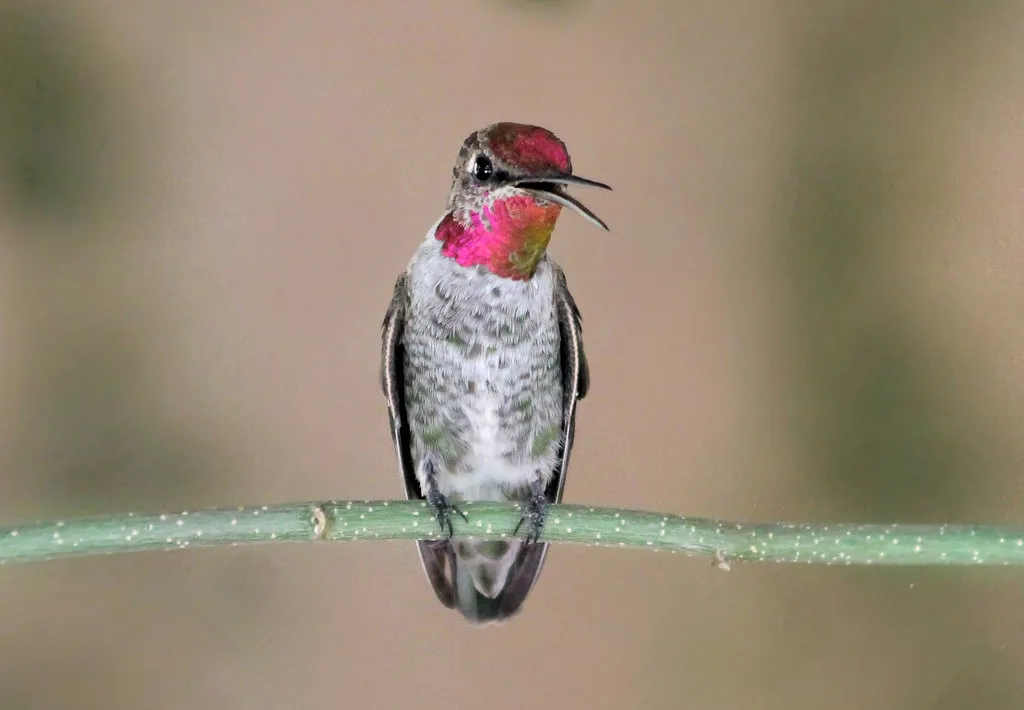
Everything about hummingbird storm behavior wrecks the cozy backyard fantasy most of us grew up with. These aren’t timid, flower-hugging ornaments – they’re ruthless little energy accountants with a built-in emergency shutdown system and a genuine willingness to fight for territory with sideways rain hitting them in the face.
Storms don’t erase a hummingbird’s personality, they amplify it. The bold ones defend, the clever ones exploit lulls and structures, and the toughest ones fly right up to the edge of what their tiny bodies can survive. If the “delicate jewel” myth does anything, it does these birds a disservice – because what you’re actually watching, storm after storm, is a high-performance athlete running one of the most brutal survival routines in the entire animal kingdom.
Did we miss a wild hummingbird storm behavior you’ve witnessed with your own eyes? Drop it in the comments and argue your case.
