

Peppermint: The Classic Disruptor
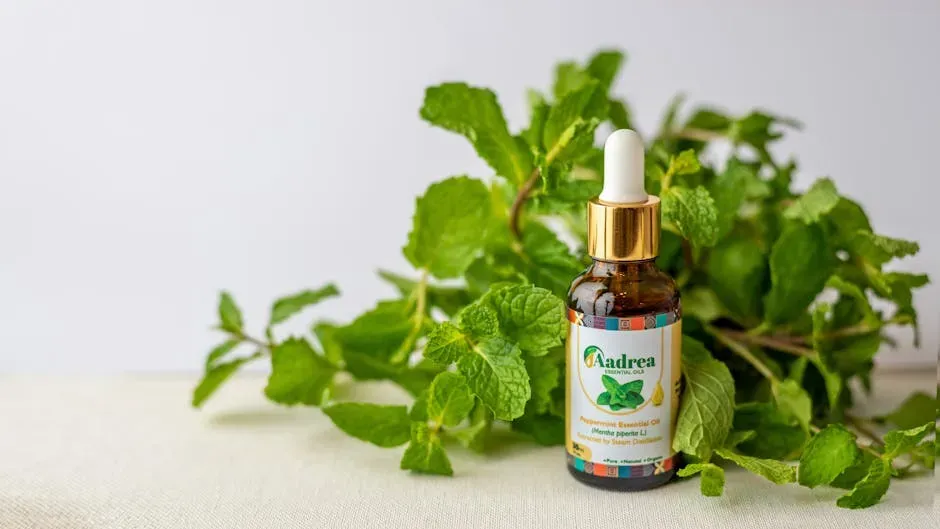
Peppermint oil is probably the most well-documented natural ant repellent available, and the science behind it is genuinely interesting. Its strong scent disrupts ants’ ability to follow scent trails, and this is largely due to menthol, a compound in peppermint oil that ants find highly irritating. The effect isn’t subtle. Ants that encounter treated surfaces tend to turn around and not come back.
One notable study published in the Journal of Economic Entomology showed that peppermint oil significantly reduced ant activity and disrupted foraging trails, indicating its potential as an environmentally friendly ant repellent. A further study in Pest Management Science found that peppermint oil displayed strong repellency against red imported fire ants, leading to a notable decrease in their movement and foraging activity.
To use peppermint essential oil as a deterrent, mix 10 to 20 drops with two cups of water in a spray bottle, then spray the mixture around baseboards and windows, allowing it to dry and repeating as needed. One important note: keep peppermint oil out of reach of pets, especially cats, which can become very ill if exposed.
White Vinegar: The Pheromone Eraser
White vinegar works differently from most scent-based repellents. Rather than simply overwhelming ants, it erases the chemical trails they rely on to find their way back. White vinegar doesn’t just repel ants, it erases their scent trails entirely, as the strong acetic acid disrupts the chemical markers that guide other ants to food sources. Take away the trail, and the colony loses its map.
White vinegar is a cheap and effective way to repel ants and also serves as a natural cleaning agent. A one-to-one vinegar and water mixture works well for cleaning hard surfaces, including floors and countertops, wherever ants are likely to travel. That double function makes it especially practical in a kitchen setting.
Interestingly, the smell continues to repel ants even after it is no longer detectable by humans, and the solution is safe to use around pets and kids when applied as a 1:1 ratio of vinegar to water on surfaces. The odor fades for you but keeps working for quite a while against ant activity.
Cinnamon: A Barrier Ants Won’t Cross
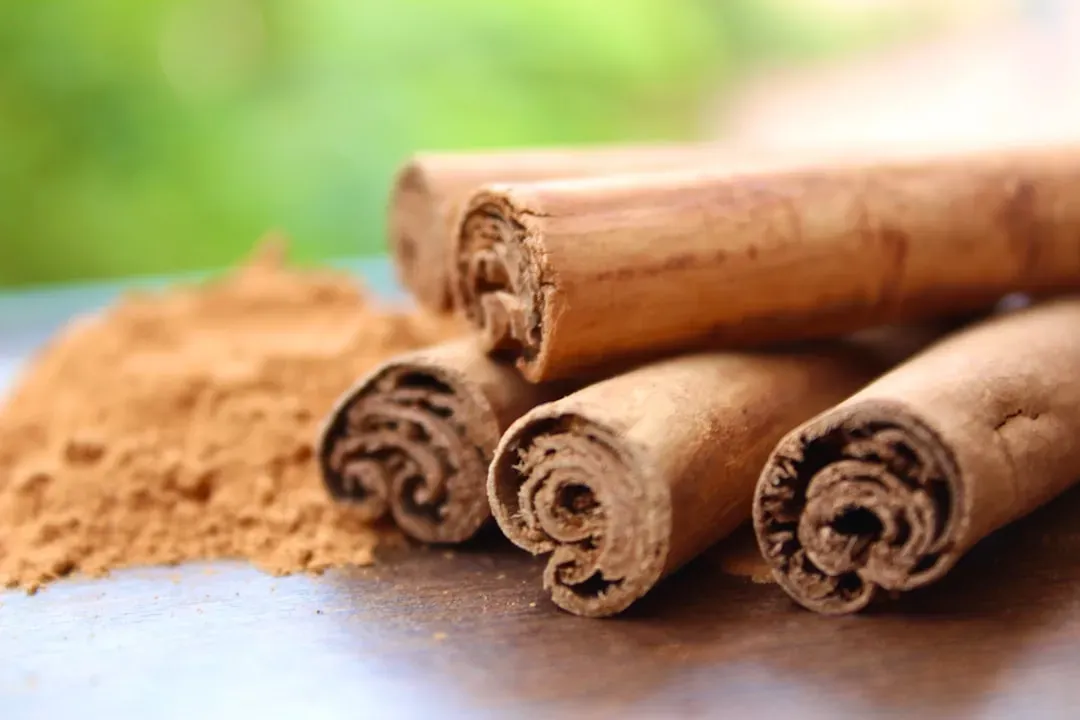
Cinnamon is one of those kitchen staples that turns out to have a surprisingly assertive side. Ants don’t like the smell of cinnamon because cinnamaldehyde disrupts their pheromone trails and irritates them. The active compound, trans-cinnamaldehyde, is the same molecule responsible for that warm, familiar spice smell that humans find so pleasant.
In one study on red imported fire ants, cinnamon leaf essential oil showed both repellent and insecticidal activity, with stronger concentrations producing stronger results. Researchers also identified trans-cinnamaldehyde as the key compound behind that effect. Ground cinnamon is useful for creating physical barriers, while the essential oil is more potent for wiping down surfaces.
Cinnamon can serve as a natural barrier that discourages ants from crossing. Use ground cinnamon along edges of countertops and windowsills, or place cinnamon sticks near entry points for an aromatic and effective solution. Consistency matters here. A gap in a cinnamon line is essentially an open door for ants to walk through.
Citrus: D-Limonene and the Scent of Deterrence
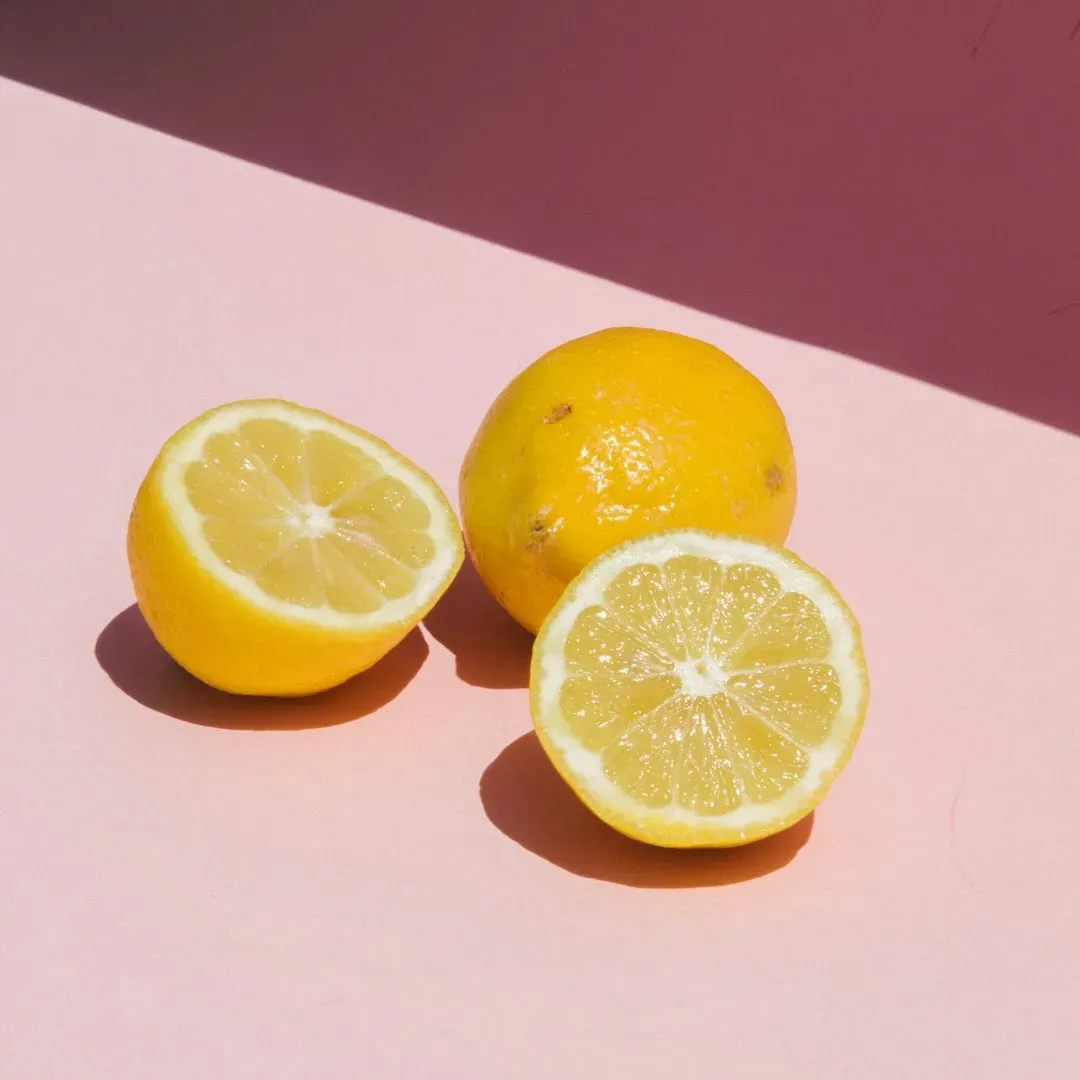
Citrus might smell cheerful and clean to us, but for ants it signals serious trouble. Ants hate citrus scents, which contain D-limonene, a substance that is considered toxic to them. This compound is found across the citrus family, from lemon and orange to grapefruit and tangerine, which means you have plenty of options to work with.
D-limonene is an extract from citrus peel that, at sufficient concentration, works by dissolving the waxy layer covering an insect’s respiratory system. That’s a fairly direct mechanism, and it explains why citrus-based cleaners and sprays tend to be so effective at keeping ants away from treated areas.
Using lemon juice or scattering citrus peels acts as a barrier, as the acidic properties and oils in citrus peels are unappealing to ants. Spraying diluted lemon juice around doorways can create a hostile barrier. Even keeping fresh citrus peels near ant entry points can make a noticeable difference over a few days.
Tea Tree Oil: The Antimicrobial That Doubles as a Deterrent
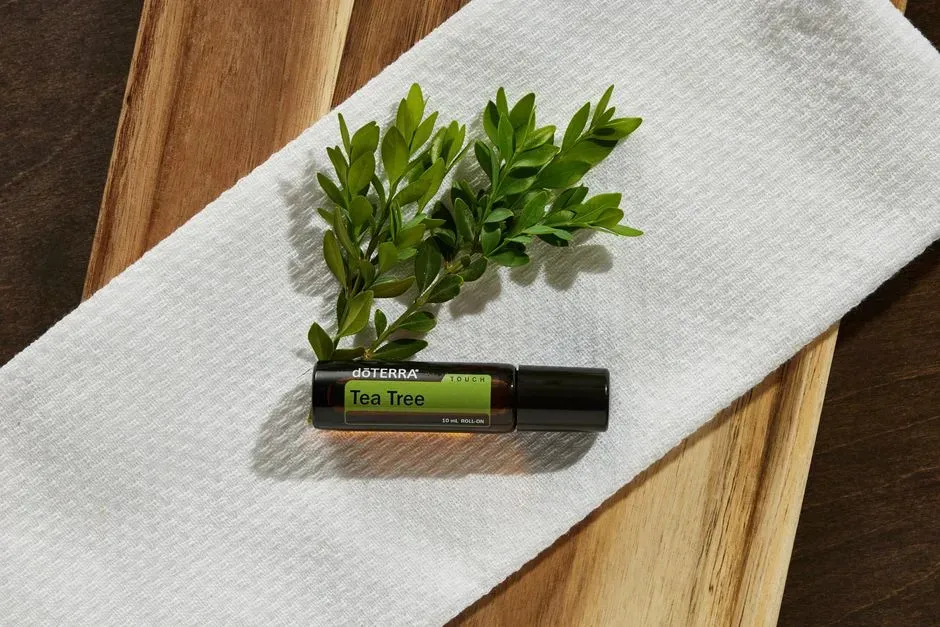
Tea tree oil is well known as a cleaning agent with strong antimicrobial properties, but it also earns its place in ant control. Tea tree oil carries a strong and pungent aroma that’s highly effective in repelling not just ants, but a host of other pests. Its distinctive fragrance overwhelms ants, sending them scurrying away and disrupting their ability to follow established trails. Its natural pesticide properties make it a valuable addition to any pest control toolkit.
Tea tree is a natural antimicrobial and ant deterrent that works especially well for cleaning and repelling simultaneously. When diluted in water and used to wipe down kitchen surfaces, it both sanitizes and leaves behind a scent barrier that ants find deeply unpleasant. That’s a genuine two-for-one for any kitchen.
A word of caution worth keeping in mind: undiluted tea tree oil can be harmful if ingested, so it should not be used near food-preparation areas without proper dilution. Oils such as tea tree can also be toxic to pets if ingested or applied to their skin, so always consult a veterinarian before using essential oils if you have pets in your home.
Lavender: Gentle on the Senses, Unwelcome to Ants
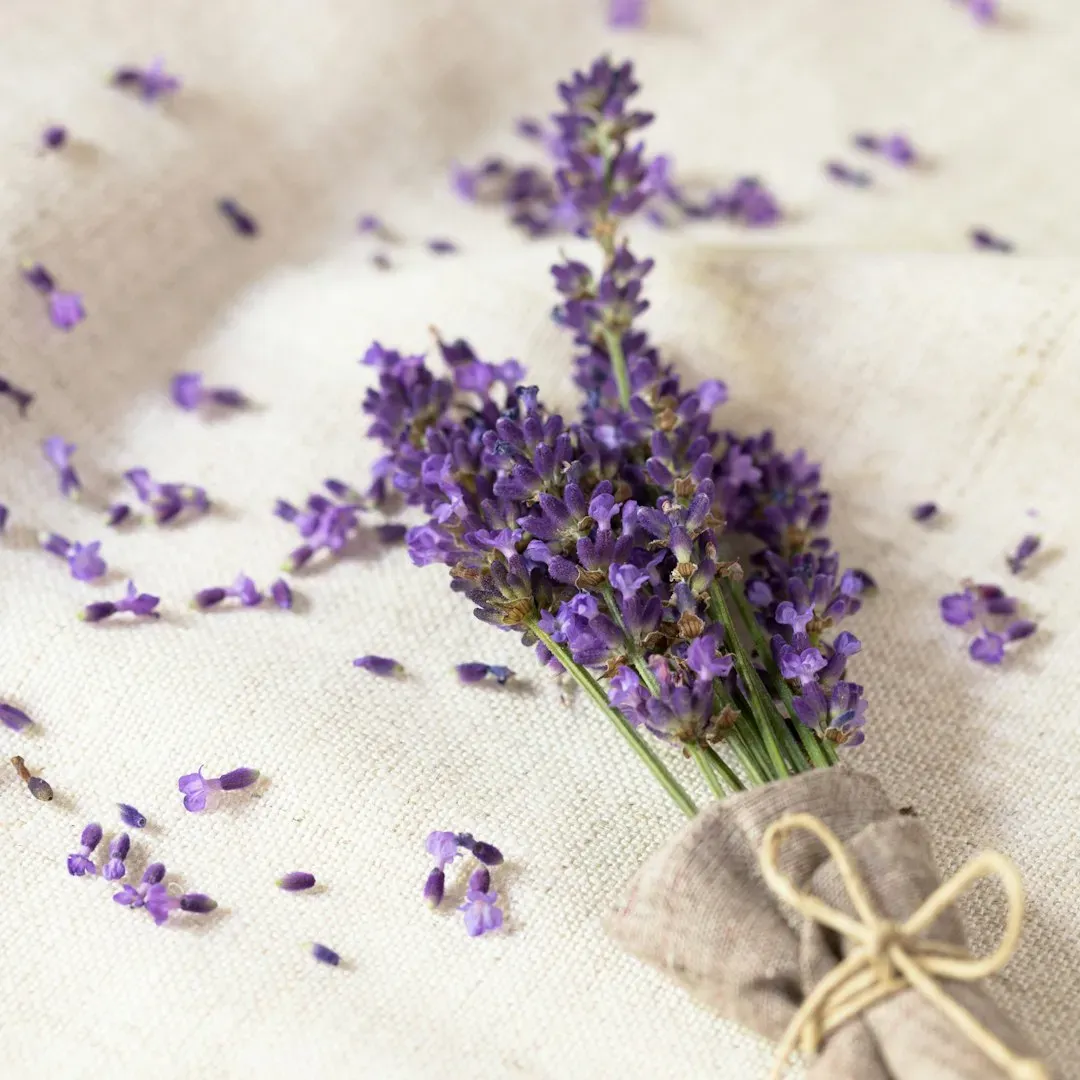
Lavender occupies a slightly different position in this lineup. Its scent is soft and agreeable to humans, far less assertive than peppermint or tea tree. Yet ants respond to it with clear avoidance. Lavender oil has natural insect-repellent properties and a strong scent that can deter ants and other insects. While it may not kill ants on contact like chemical insecticides, it can help keep them away from certain areas when used as a deterrent.
Lavender is a safer, more environmentally friendly substitute for harsher pesticides in the treatment of ants. Its fragrance keeps ants away without having the overpowering smell of other repellents with strong scents. For people who find strong essential oils like tea tree or eucalyptus a bit much indoors, lavender offers a gentler alternative that still does the job.
Lavender pillows and sachets work well in cupboards and will keep away insects while leaving a fresh scent. Lavender oil can be sprayed from an atomizer or left in a saucer to help keep away ants and other insects. Placing small lavender sachets inside pantry shelves or under the kitchen sink is one of the tidiest, least intrusive ways to apply this approach.
Eucalyptus: The Strong, Camphor-Like Barrier
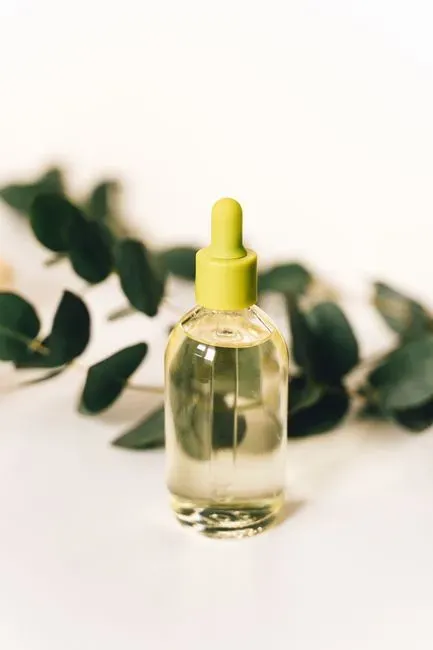
Eucalyptus has a sharp, medicinal quality that many people associate with cold remedies and saunas. Ants, it turns out, want nothing to do with it. Eucalyptus oil serves as a natural antiseptic and repellent with a robust, camphor-like smell that ants actively avoid. It’s one of the more powerful options on this list, and a little goes a long way.
Treating areas with eucalyptus oil sprays works especially well in damp environments, as the oil repels ants and also has antifungal properties that make it ideal for moisture-prone spaces. Under the kitchen sink, near the dishwasher, or around a leaky pipe fitting are all spots worth treating. Moisture draws ants in, and eucalyptus addresses both the attraction and the access.
Oil extracted from the lemon eucalyptus tree contains citronella, the ingredient used in candles to repel mosquitoes. To use it effectively, saturate cotton balls and place them in areas where ants have been seen, replacing the cotton balls weekly. The combination of eucalyptus and citronella in lemon eucalyptus oil makes it one of the broader-spectrum natural repellents available.
Conclusion: Nature Gave Ants One Big Weakness

Ants are extraordinarily organized, resourceful, and persistent. They’ve been doing this for tens of millions of years. Still, their greatest strength, the pheromone communication system that lets a colony function as a single coordinated unit, is also their vulnerability. Disrupt the scent trails, overwhelm the receptors, and that system starts to fall apart.
The seven scents covered here work because they exploit exactly that weakness. None of them are miracle solutions, and each of these natural scent solutions can help deter ants but are short-term fixes that require reapplication, and effectiveness may vary. Consistency matters more than any single application. Reapply regularly, combine a couple of scents if one isn’t enough, and pair everything with basic kitchen hygiene.
What makes this approach worth taking seriously is that it’s proportionate. You’re not bringing chemical warfare into the space where you cook your meals. You’re working with compounds that plants evolved naturally, many of which happen to smell genuinely good in a kitchen. That’s a rare alignment of practical and pleasant, and in pest control, those two things don’t often arrive together.

- 14 Birds of Prey That Dominate the Skies of North America - August 13, 2026
- Signs Your Cat Is Trying to Warn You About Danger - August 13, 2026
- According to Native American Tradition, Coyotes Were Clever Teachers Rather Than Villains - August 13, 2026