
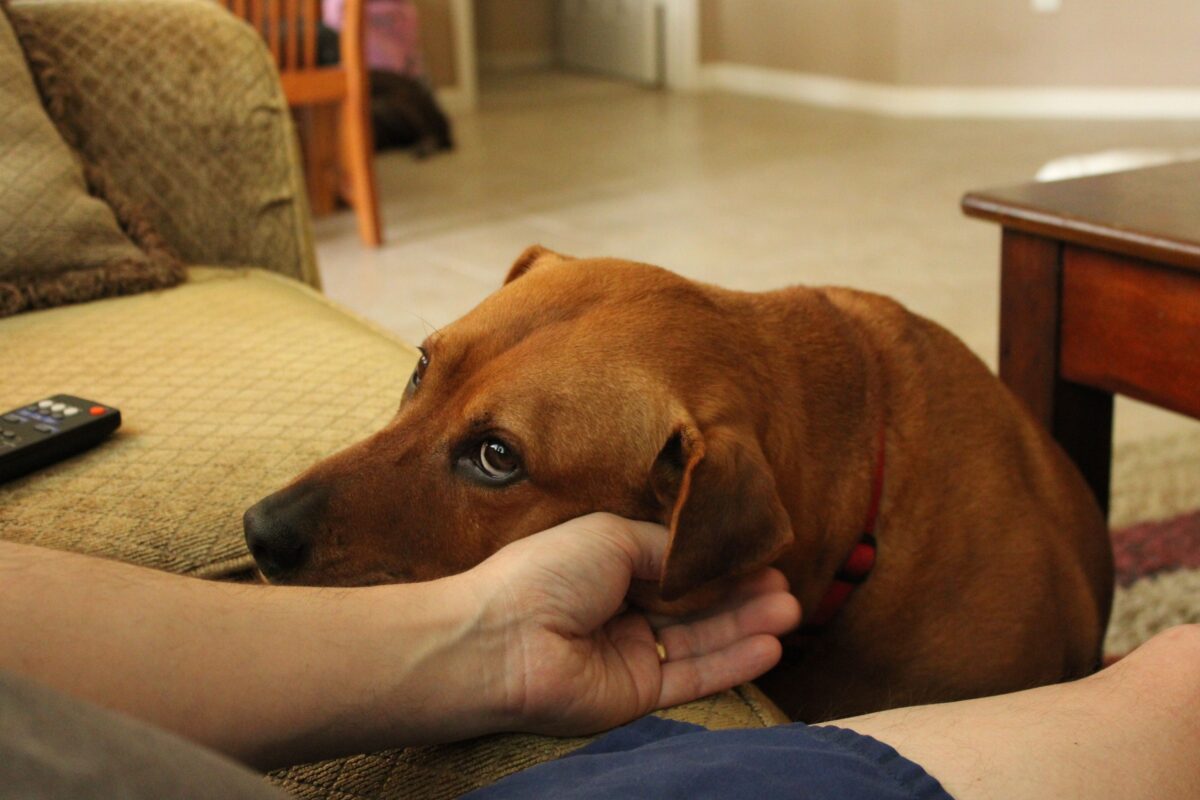
There’s a particular moment every dog owner recognizes: you walk through the door after a long day, and your dog reacts like you’ve returned from war, even if you were only gone twenty minutes. It raises a fair question. Is that just instinct, or is something deeper going on in that furry brain of theirs?
Turns out, science has spent the last couple of decades trying to answer exactly that. Researchers studying canine cognition have found that dogs don’t just tolerate us as food dispensers. Many of them form attachment bonds that look remarkably similar, neurologically and behaviorally, to how human children bond with parents. Here are seven signs that suggest your dog has quietly filed you under “family” rather than just “the guy with the leash.”
#1 They lock eyes with you and hold the gaze
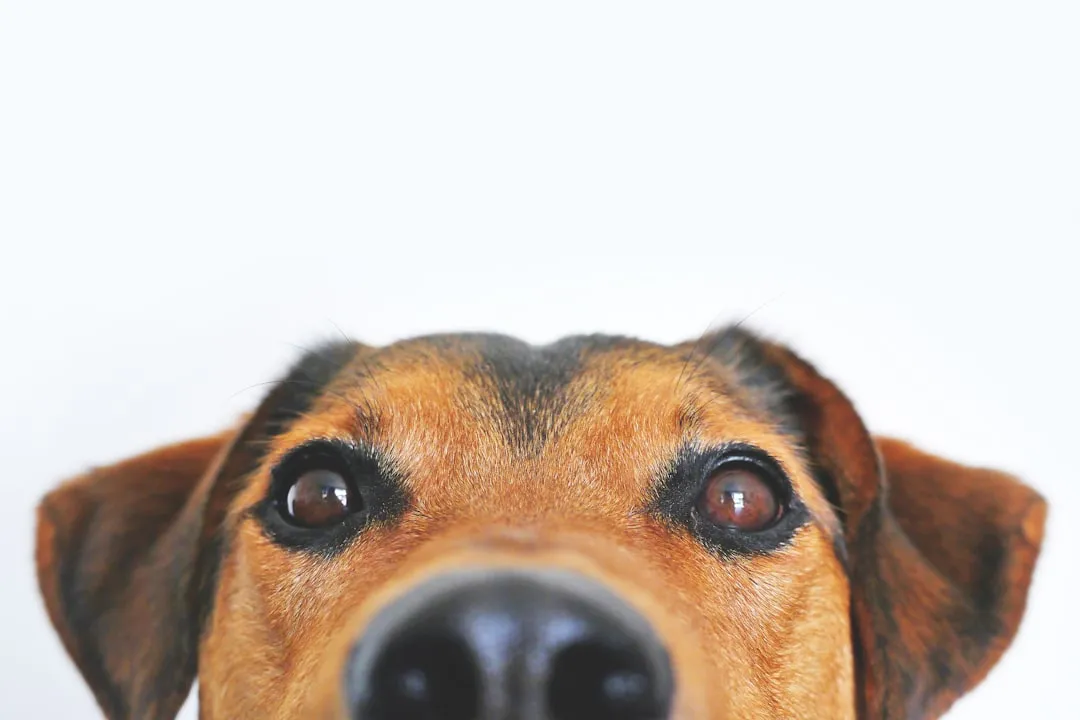
In the wild, prolonged eye contact between animals is usually a threat display, not an affectionate gesture. Wolves avoid staring at each other because it signals aggression. Yet somewhere along the domestication timeline, dogs flipped that script entirely, and now a long, soft gaze from your dog is one of the clearest signals of trust and connection.
A widely cited 2015 study published in the journal Science found that when dogs and their owners gazed into each other’s eyes, both species experienced a rise in oxytocin, the hormone strongly associated with bonding and attachment. That mutual gaze loop mirrors what happens between human parents and infants. So if your dog holds your stare across the room, that’s not a coincidence or a fluke of behavior. It’s a biological handshake that only happens between animals who trust each other completely.
#2 They follow you from room to room
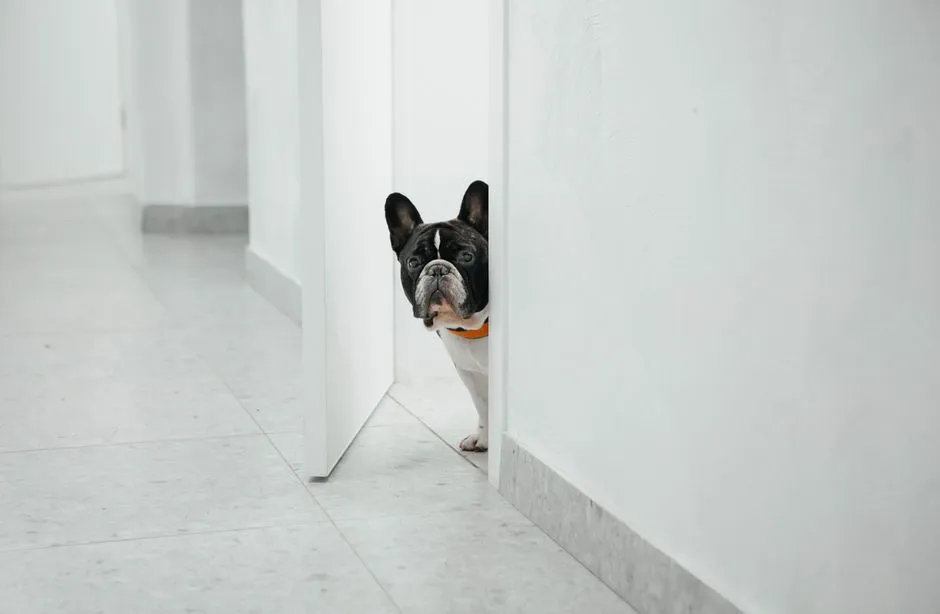
Some dogs are famous for it, trailing their owner to the bathroom, the kitchen, even just to grab a phone charger. Owners sometimes joke about having a “velcro dog,” but this behavior actually has a name in animal behavior science: proximity-seeking, and it’s a core marker of attachment.
Dogs who see you as their secure base want to stay close, not because they’re needy or poorly trained, but because your presence genuinely regulates how safe they feel. This mirrors the classic “strange situation” attachment tests originally developed for human toddlers, which researchers later adapted for dogs with striking similarities in results. A dog who shadows you around the house isn’t just bored. It’s telling you, in its own quiet way, that you are its anchor point in an unpredictable world.
#3 They lean into you or seek physical contact
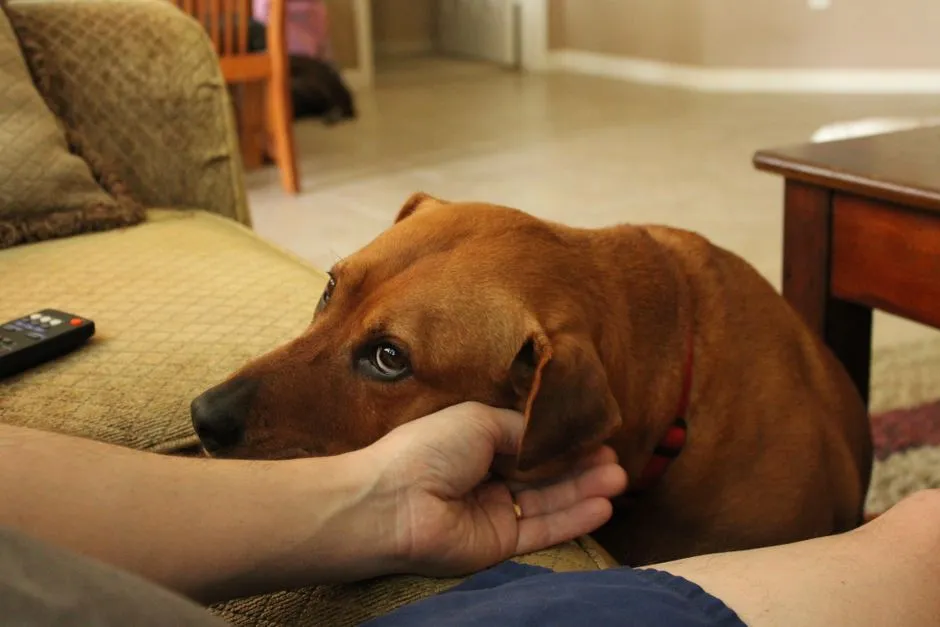
Not every dog is a lap dog, but almost every dog has a version of leaning, whether it’s resting a head on your knee, pressing its back against your leg, or flopping its whole body weight onto your foot while you’re trying to cook dinner. This isn’t clumsiness or random positioning. Physical contact is one of the most direct ways dogs express comfort and affiliation with the people they trust most.
Leaning behavior often intensifies during moments of mild stress, like thunderstorms, vet visits, or unfamiliar guests, which is a telling detail. Your dog isn’t leaning on just anyone in those moments. It’s choosing you specifically as the calming presence in the room, the same way a child might grab a parent’s hand in a crowded space. That instinct to physically connect during uncertainty is a strong indicator of a genuine family bond rather than simple habit.
#4 They yawn when you yawn
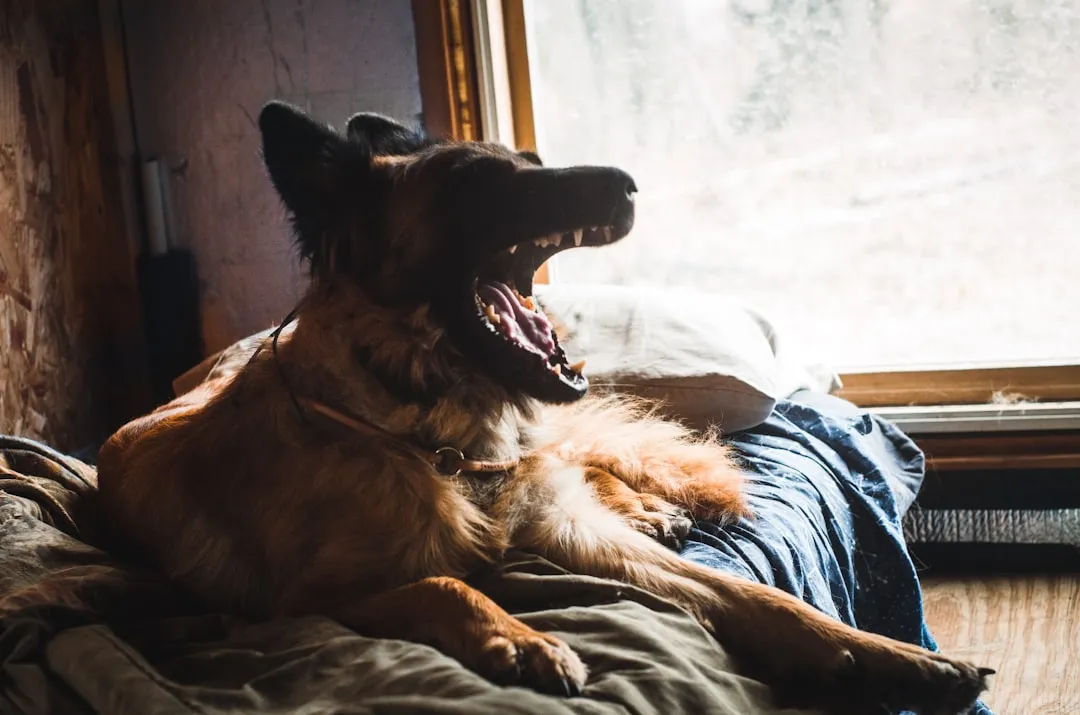
Contagious yawning feels like a strange thing to measure scientifically, but it turns out to be a meaningful behavioral clue. In humans, contagious yawning is linked to empathy and social closeness, and researchers have found dogs display the same pattern, yawning more frequently in response to yawns from familiar people than from strangers.
This might sound like a small, almost silly detail, but it points to something bigger about how dogs process social information. Dogs aren’t yawning simply because they’re tired or bored around you. They appear to be picking up on your emotional and physiological state in real time, the same subtle mirroring that happens between close human companions. It’s a small window into just how attuned dogs can become to the people they consider their own.
#5 They bring you their favorite things
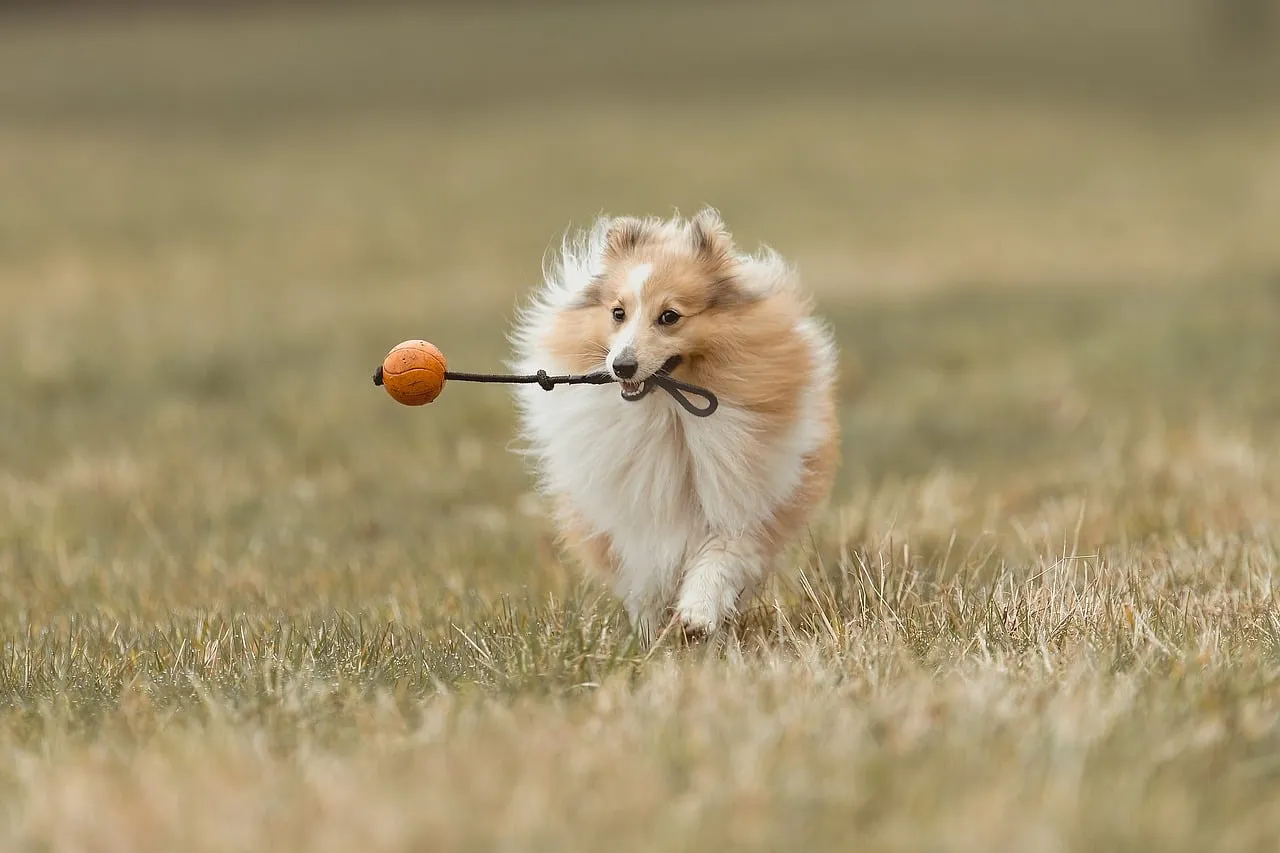
Every dog owner has experienced this at some point: your dog trots over and drops a slobbery tennis ball, a stuffed toy, or even a random sock in your lap, seemingly out of nowhere. It looks like a simple bid for play, and often it is, but the behavior carries a bit more social weight than that.
Sharing objects, especially prized ones, is a form of social bonding behavior seen across several species, including wolves feeding pack members and even some primates. When a dog brings you something it clearly values, it’s engaging in a low-stakes version of resource sharing, a behavior typically reserved for trusted group members. It’s less about the toy itself and more about the gesture of inclusion, a small four-legged version of “I want to share this moment with you.”
#6 They sleep in vulnerable positions near you
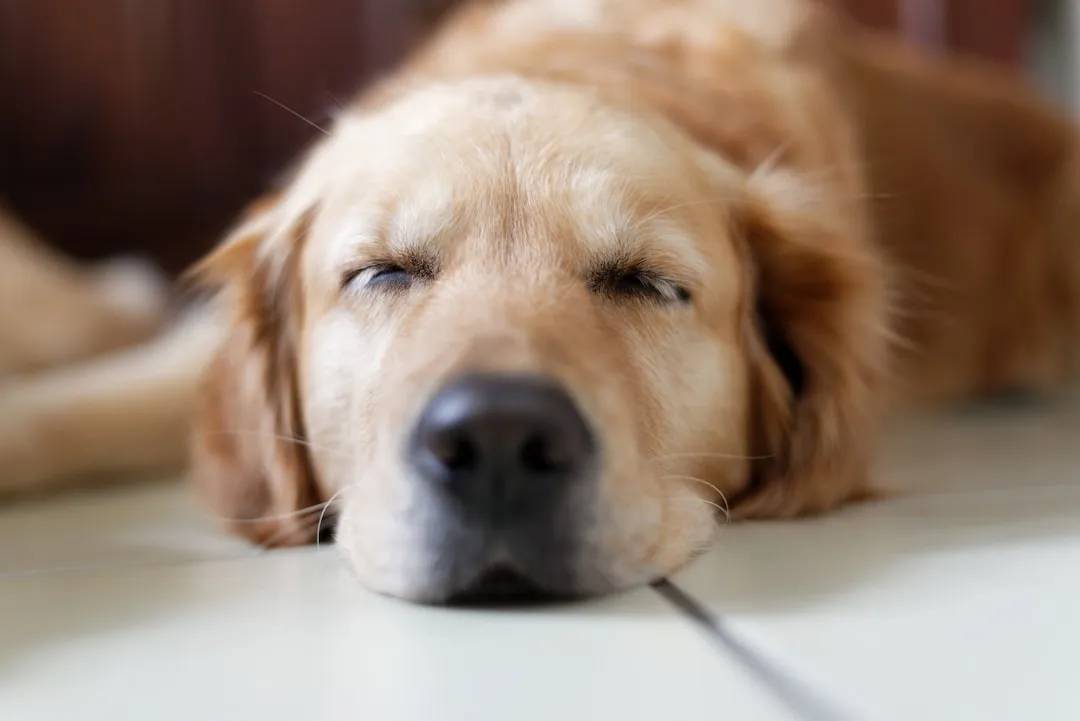
Watch a dog sleep sometime, really watch it, and you’ll notice something interesting about posture. A dog belly-up with legs sprawled, or curled tightly against your side with its back exposed, is doing something it would never risk around an unfamiliar animal or person.
Sleep is the most physically vulnerable state any animal experiences, and dogs are hardwired to protect themselves during it. Choosing to sleep in an exposed position near you signals an extraordinary level of comfort and security, essentially telling you that you’re trusted enough to stand guard while they’re defenseless. It’s one of the quieter signs of attachment, but arguably one of the most meaningful, since it isn’t performed for attention. It happens simply because your dog feels safe enough to fully let its guard down around you.
#7 They get anxious when you leave and settle when you return
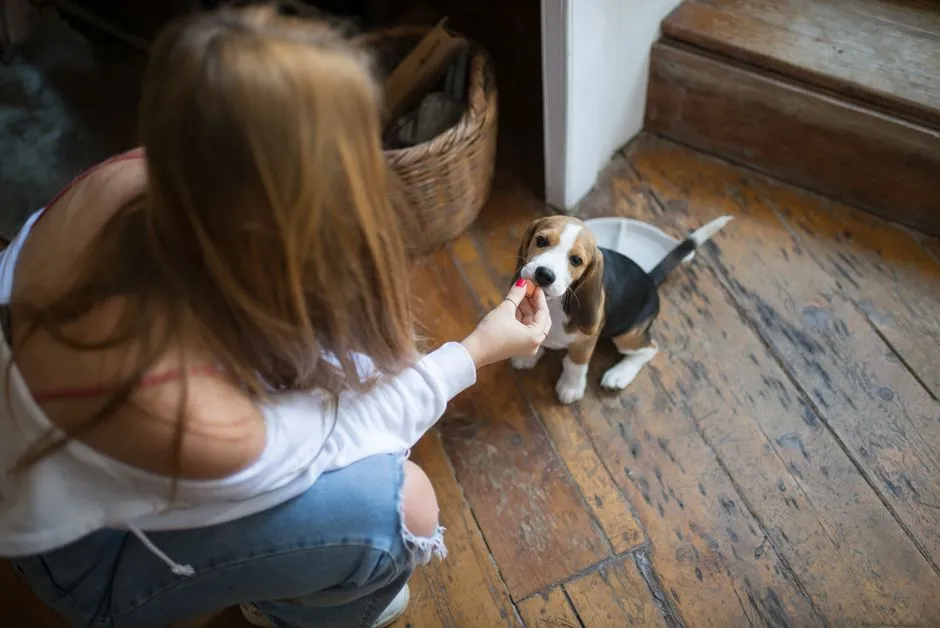
Separation-related behavior, ranging from mild pacing to more noticeable distress, is one of the most studied indicators of attachment in dogs. While excessive anxiety can become a real behavioral issue worth addressing, a baseline level of noticing your absence and reacting to your return is a healthy, expected sign of a bonded relationship.
Researchers using adapted versions of human attachment tests have found that dogs consistently show more exploratory confidence when their owner is present in an unfamiliar space, and more caution or distress when that owner leaves. That reunion greeting, the tail wagging, the whining, the frantic circling, isn’t just excitement about the door opening. It reflects the same kind of relief and joy children display when a trusted caregiver returns, reinforcing that your dog has organized its emotional world around your presence specifically, not just any human presence.
Final thoughts
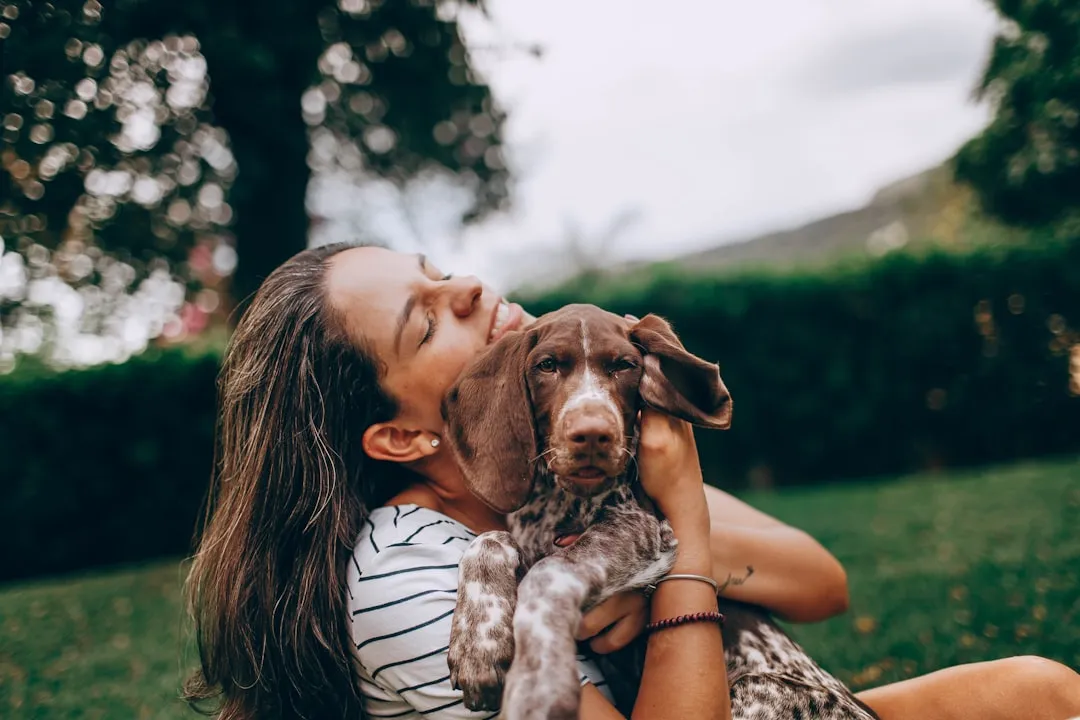
After spending time digging through the research and watching these behaviors play out in real dogs, I’ve landed on a fairly firm opinion: the “dogs just want food” theory undersells them badly. The science on oxytocin, attachment, and social bonding makes a compelling case that dogs experience something functionally close to love, or at least a close cousin of it, and that they direct it specifically at the people who show up for them consistently.
None of these seven signs need a lab coat to notice. They show up in ordinary moments, a held gaze, a sock dropped in your lap, a sigh as they settle against your leg. Taken together, they paint a picture that feels less like coincidence and more like quiet, consistent evidence. Your dog isn’t just living in your house. In every way that matters to a dog, you’ve become its family too.

- 7 Signs Your Dog Thinks You're Family - July 21, 2026
- 6 Surprising Sounds Wild Animals Make and What They Really Mean - July 21, 2026
- 10 Facts About the Philippine Eagle – One of the Strongest Raptors Alive - July 21, 2026