
Most gardeners spend their first few summers reaching for the same familiar names: tomatoes, petunias, marigolds. There’s nothing wrong with that, of course. Comfort plants earn their place. Still, a certain quiet frustration tends to build when those familiar choices struggle in July heat, bolt in August, or simply deliver less joy than expected.
The plants on this list are a different story. Some are edible. Some are purely ornamental. A few are both. What they share is a reputation for being overlooked, underestimated, or simply unknown until the summer a gardener finally gives one a try, usually by accident, and immediately wonders what took so long.
Caladiums: The Shade Garden’s Secret Weapon
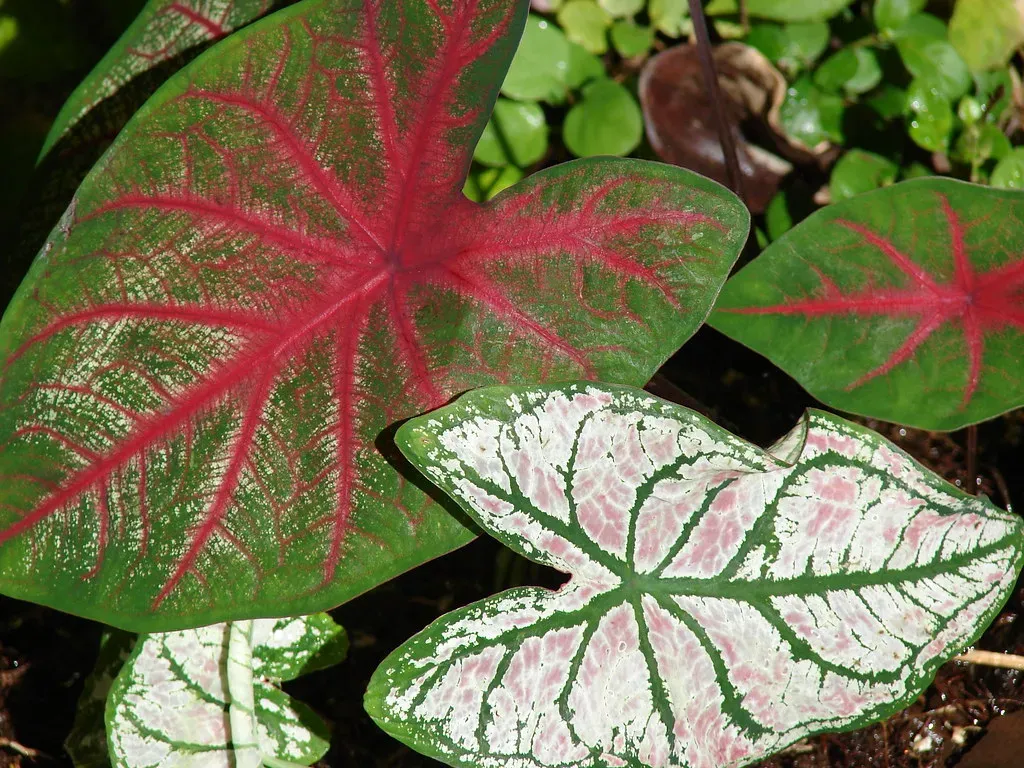
For gardeners who’ve ever stared at a dark, awkward corner of the yard wondering what on earth to plant there, caladiums are the answer they didn’t know existed. With lush multicolored leaves, many larger than the palm of your hand, caladiums have become one of the most popular foliage plants for shady or semi-shady gardens, with many recent introductions being sun tolerant.
Each leaf seems to be hand-painted with striking combinations of green, white, pink, and red. Although these tropical South American natives thrive in hot, humid weather, they can be grown as summer bulbs in more temperate climates, or even as houseplants given the right conditions.
Caladium bulbs originated in the Amazon Basin, which is why they require and thrive in the warm summer day and night temperatures. The key to success is timing. It is critical to wait to plant your caladiums until your soil temperature is at or above 70 degrees Fahrenheit. Cool weather will significantly delay germination.
Caladiums are excellent plants for shady yards and gardens, yet most varieties are surprisingly sun tolerant. Sun tolerance varies from one variety to another, and is also affected by the intensity of the sun and the amount of moisture the plants receive. Once you grow them, the idea of leaving that shady corner bare feels almost wasteful.
Malabar Spinach: The Vine That Feeds You All Summer
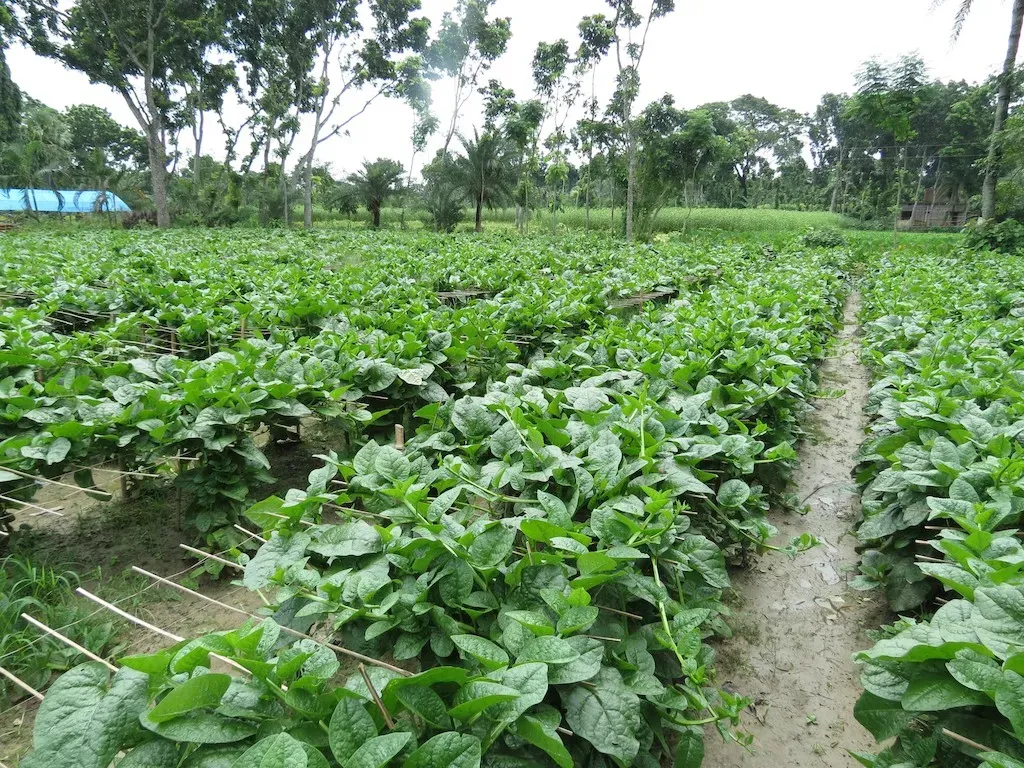
Every summer, countless gardeners plant regular spinach, watch it bolt within weeks in the heat, and then give up on growing greens until fall. Malabar spinach isn’t a true spinach at all, but tastes like it when cooked. It’s great for gardeners in warmer regions who enjoy spinach but don’t have the right climate for it.
The crop is a fast-growing, heat-loving vine prized for its nutritious, edible leaves and ornamental beauty. Malabar spinach can serve multiple purposes in the garden, functioning as both an edible crop and a landscaping ornamental.
This fast-growing plant is a soft-stemmed, twining vine that can grow up to 10 feet long as an annual, longer as a perennial, but generally remains smaller in most gardens. Its ornamental value is real too. The vines are quite attractive, particularly the cultivar ‘Rubra’ which has burgundy stems and leaves with pink veins, so it could be incorporated into any ornamental landscape, trained onto tuteurs to provide a vertical element in a bed or border, or onto a fence or other structure.
High in vitamins A and C, iron, calcium and protein per calorie, this Basella is a good source of soluble fiber and an effective thickening agent for Asian soups and curries. It’s genuinely hard to think of another summer plant that works this hard in the garden while also delivering this much at the table.
Okra: The Heat-Lover Worth a Second Chance
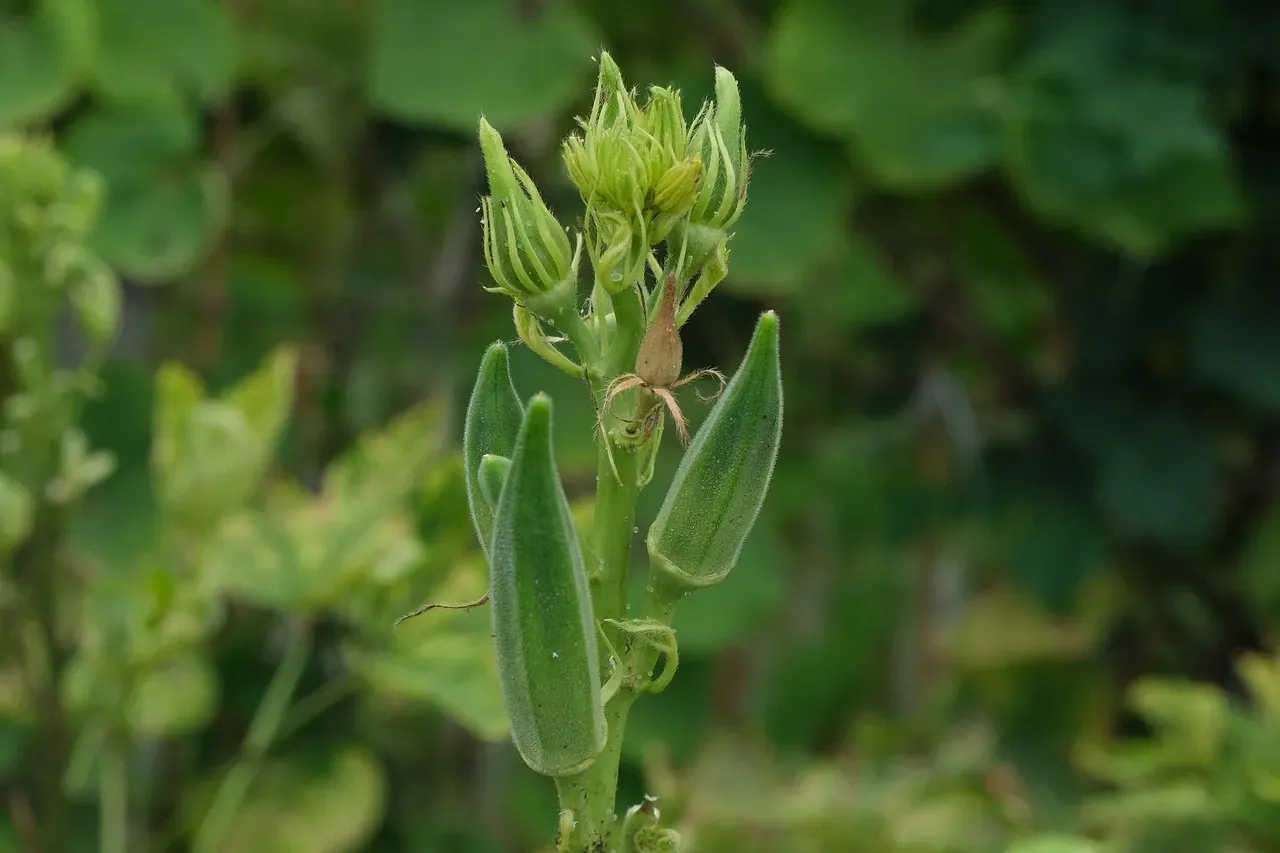
Okra has a reputation problem. Many people who grew up not loving it on the plate haven’t considered that growing it in the garden is a completely different kind of pleasure. Okra is a hot-weather-loving plant. Sow directly in the garden several weeks after the last frost has passed.
Okra is a true warm-season crop that thrives in the heat and even tolerates periods of drought. When the rest of the garden is gasping in August, okra just keeps going. Plant in full sun in rich soil and be sure to harvest regularly. Pick okra pods when they have grown 3 to 4 inches. Do not let pods over-mature or the plant will cease producing.
The plants themselves are genuinely striking, with large tropical-looking leaves and hibiscus-like flowers that bloom before each pod forms. It grows best in warm, rich soil, so compost is ideal here. Seeds should be planted one to two inches deep and about 10 inches apart, as they can take up quite a bit of space. Give it room, give it heat, and it rarely disappoints.
Sweet Potato Vine: The Ornamental That Earns Its Keep
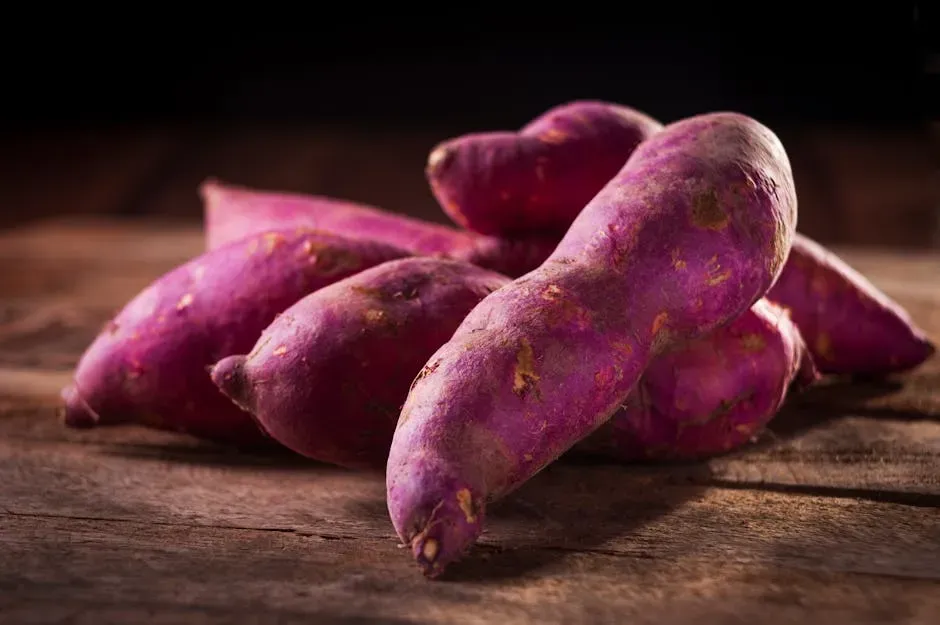
Most gardeners know sweet potato vines exist. Far fewer have actually grown them, and that’s a gap worth closing. These vigorous annual plants for full sun will twine up a trellis, obelisk, fence, or other support in a single season. When planted in containers without upright support, they spill gracefully over the edges with long, trailing stems.
These full sun plants also perform beautifully in the landscape, where they can grow as an annual groundcover. Thanks to their resilience in heat and humidity, these versatile vines are an ideal choice for adding bold color and texture to summer gardens.
Beyond pure ornament, edible sweet potato varieties also shine in summer. Sweet potatoes are another tropical plant popular in the South, and they are becoming a favorite with northern gardeners too. The plants like the heat as long as they have even moisture. Whether you grow them for the foliage drama or the tubers underground, they’re a plant that always delivers more than expected.
Baptisia (False Indigo): The No-Fuss Native Perennial
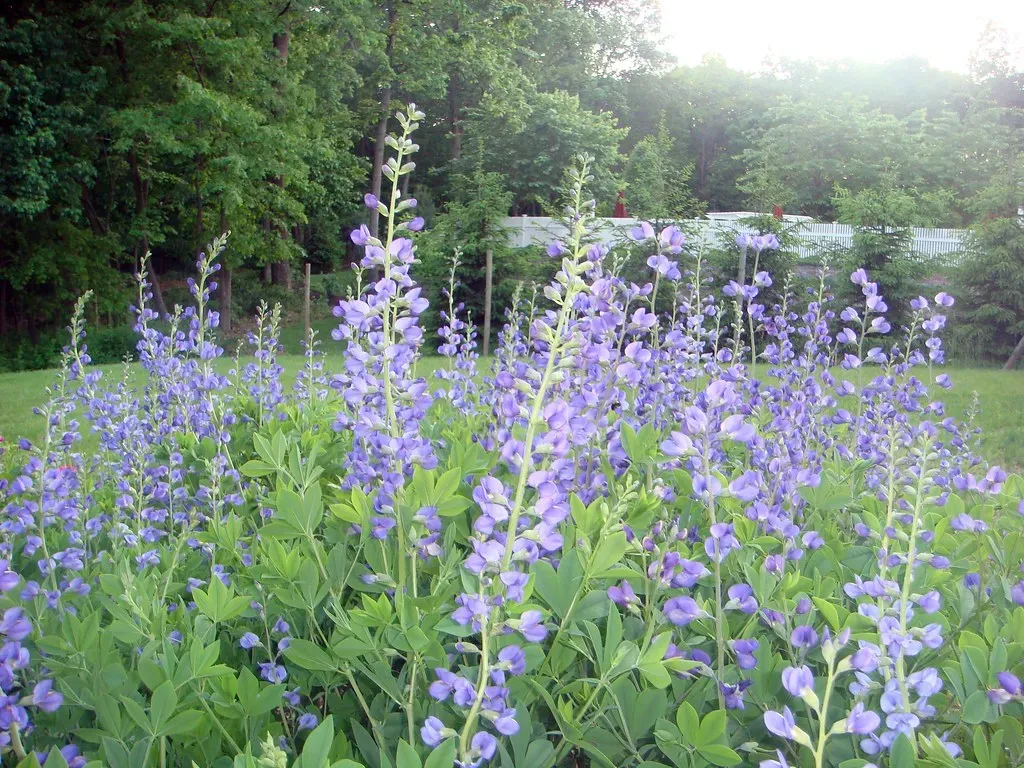
Baptisia, also known as wild indigo or false indigo, is the kind of plant that experienced gardeners tend to mention with a slight air of insider knowledge. A plant of many names, baptisia is an unsung member of the pea family. A North American native perennial, it shows off flower spikes of blue, purple, white, or yellow flowers in late spring and early summer. Set against gorgeous soft blue-green foliage, it offers a long-lasting colorful display for next to no fuss or upkeep.
This plant has become more popular in recent years thanks to new varieties that have come out, but it’s still largely unknown by so many gardeners, and that’s such a shame because it’s so easy to grow.
It’s incredibly heat and drought tolerant, so once it’s established, you don’t really need to do anything but sit back and enjoy this no-fuss perennial for years and years to come. It does take a couple of seasons to fully establish, but gardeners who’ve waited that out tend to say it’s worth every bit of the patience. A perennial that looks after itself in summer heat is, frankly, a rare thing.
Dahlias: The Compact Varieties You’ve Been Ignoring
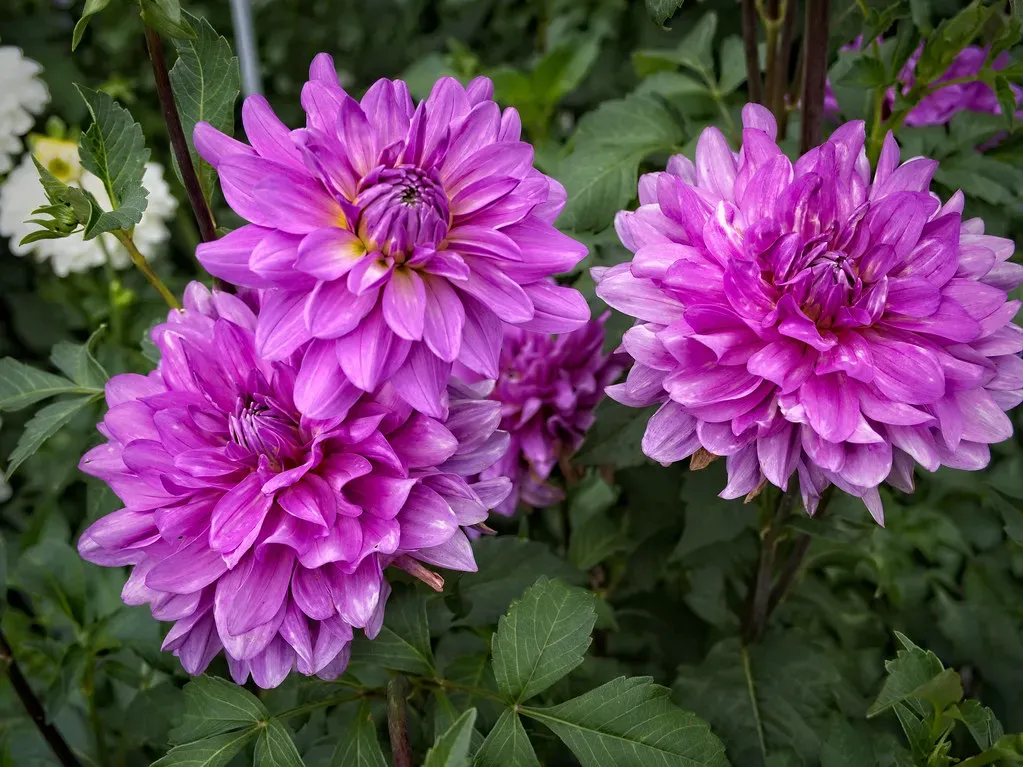
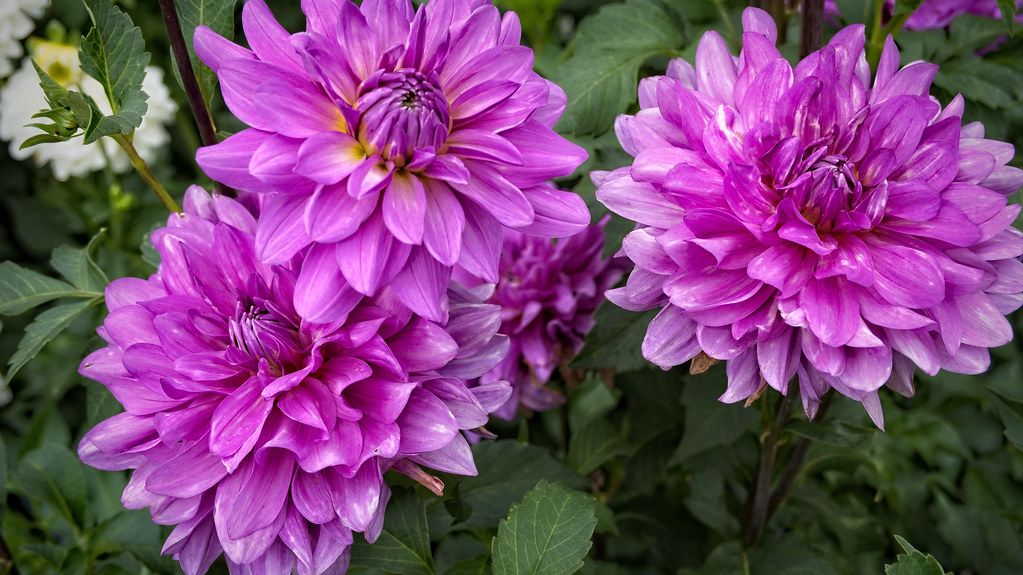
Dahlias are not exactly unknown, but the compact container-friendly varieties that actually suit most modern gardens are still flying quietly under the radar. Many gardeners write off dahlias as too fussy or too tall, not realizing how much the newer, smaller cultivars have changed the picture.
Plants stay compact, growing to roughly 16 inches tall and wide, making them easy to tuck into containers or small garden beds. They bloom steadily through the season and show good resistance to powdery mildew. Bees and butterflies seem to find them quickly.
The range of flower forms available in compact dahlias today is genuinely impressive. Growing a dahlia that delivers plenty of impact without overwhelming the garden is very achievable. The bi-color, anemone-type blooms range from about three and a half to six inches wide. For anyone who loves the look of dahlias but assumed they required a dedicated cutting garden, the compact varieties are a quiet revelation.
New Zealand Spinach: The Heat-Proof Green Nobody Grows
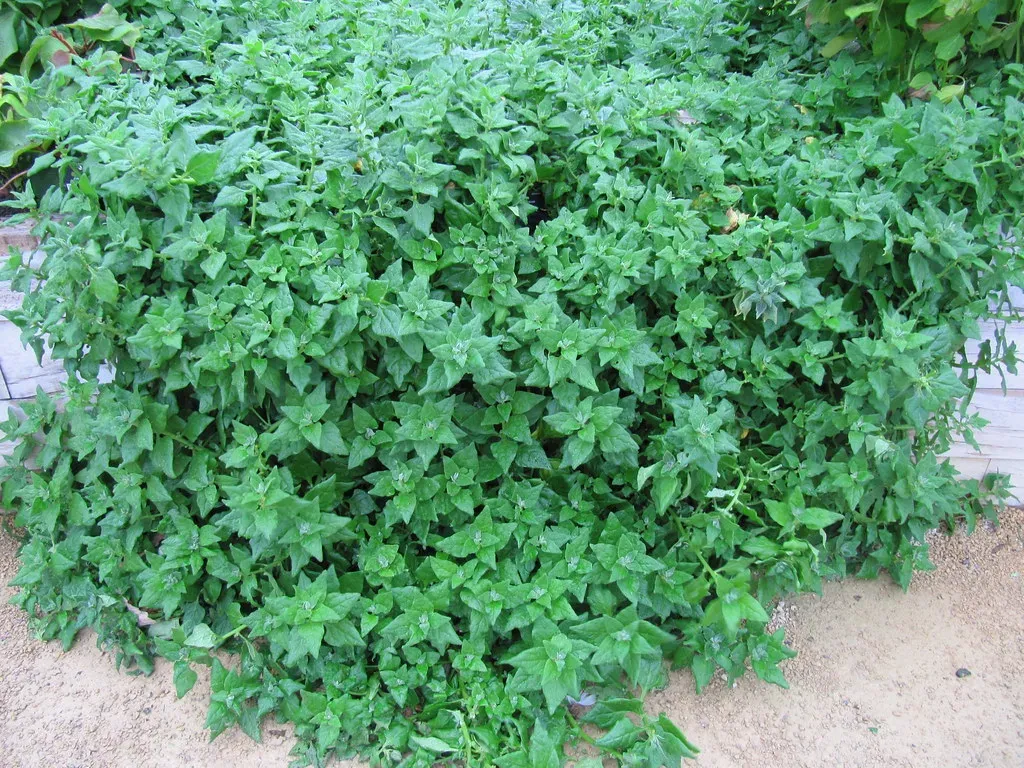
Regular spinach is one of the most beloved greens in the kitchen, and one of the most reliably disappointing plants to grow through a hot summer. New Zealand spinach solves that problem almost entirely. New Zealand spinach is another good summer green. Originally from Australia and New Zealand, it is pretty much pest and disease free along with being heat and drought tolerant. When cooked it tastes just like spinach.
The low-key appearance of the plant belies how productive it actually is. Unlike traditional spinach, which bolts and turns bitter at the first sign of heat, New Zealand spinach just keeps producing. Its thick, glossy leaves can be harvested regularly for salads or to thicken soups and stews. Just like regular spinach, frequent picking promotes new growth.
It’s a plant that requires almost no special attention once established. When looking for heat-loving plants, pay attention to the origin of the species. A plant that hails from a tropical or sub-tropical region will do better in the heat than one from a northern climate. New Zealand spinach fits that profile exactly, which is why it keeps quietly outperforming every cool-season green you wish you could grow in July.
The Bigger Lesson From the Summer Garden
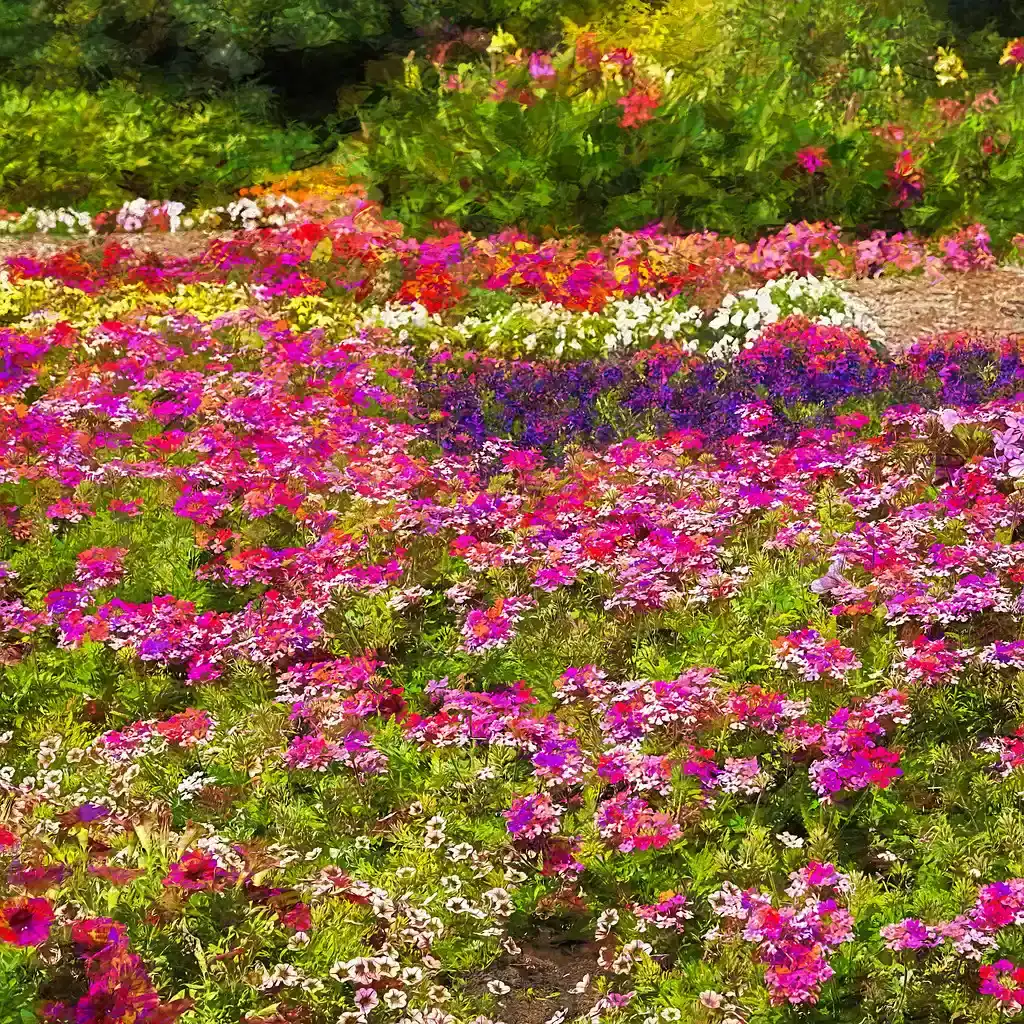
What connects all seven of these plants is less about hardiness or color and more about the gap between what most gardeners reach for and what would actually thrive in their specific conditions. If you’ve ever really struggled to keep plants alive in July or August, you were most likely growing the wrong plants for your climate. The number one key to summer gardening success is filling your garden with plants that will actually like your weather.
Plant breeders continue to focus on varieties that tolerate heat, drought, and other climate stresses, without sacrificing flavor or beauty. That trend is genuinely good news, because it means the range of summer options keeps expanding every year.
The regret most gardeners feel when they finally discover a plant like Malabar spinach, or see their first caladium light up a corner they’d given up on, isn’t a regret about the plant itself. It’s about the seasons they spent settling. The cure is straightforward: pick one of these plants, give it a proper chance this summer, and see what happens. You may not need any more convincing after that.
