
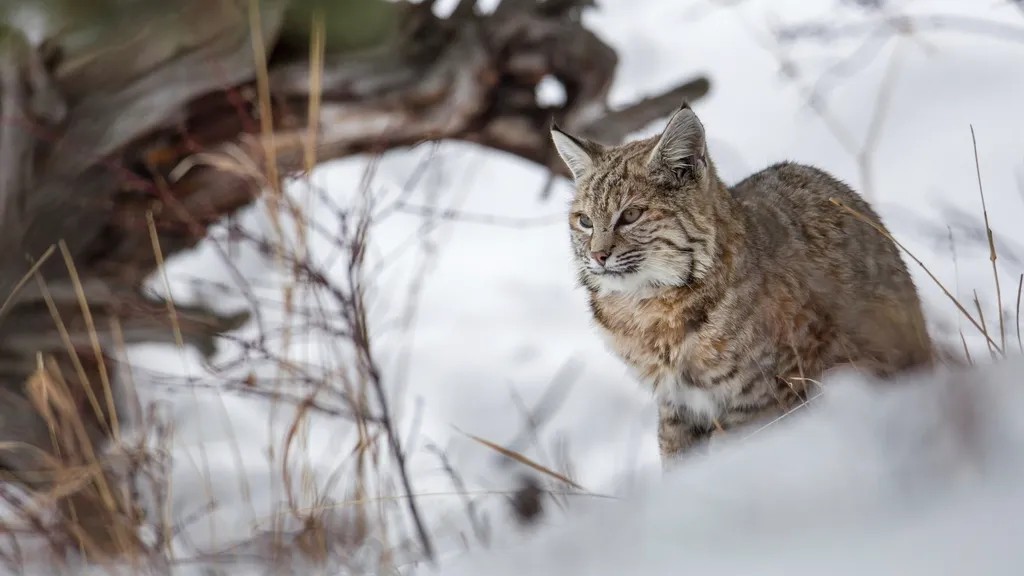
Most people picture a bobcat prowling through a remote wilderness far from any road or rooftop. The reality is far more interesting. Bobcats are the most widely distributed wild felid in North America, and they’ve quietly adapted to a remarkable range of American landscapes, including some that would genuinely catch you off guard.
The species is present in all 48 contiguous United States, with the exception of Delaware. That kind of range means the odds of sharing a zip code with one are much higher than most people expect. The seven places below cover the full scope of where these elusive cats are turning up, from desert suburbs to industrial-era comeback states.
The Florida Everglades and Its Surrounding Wetlands
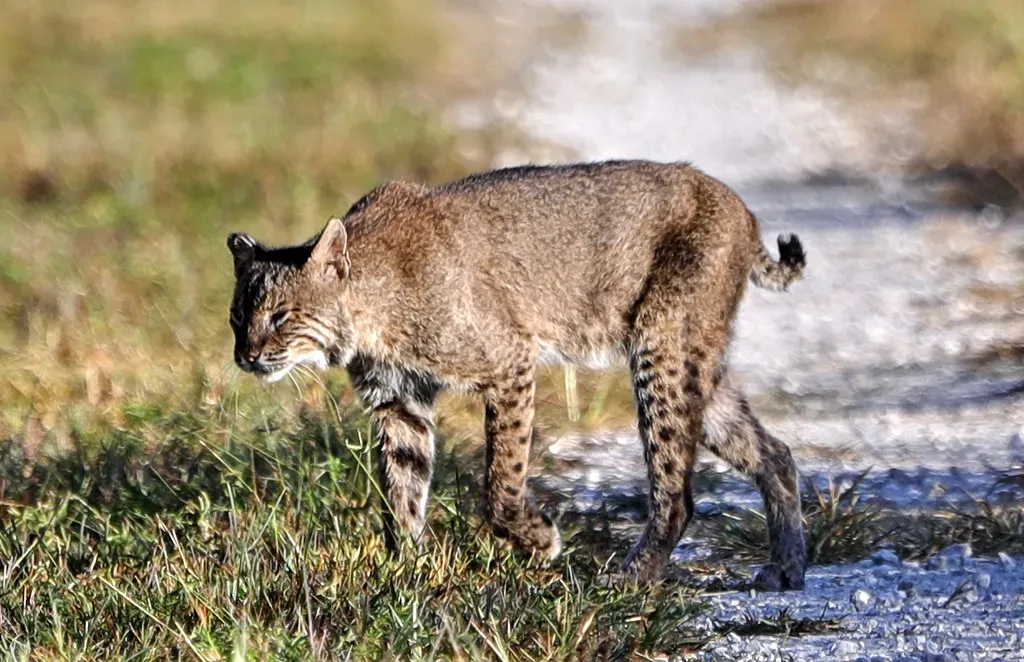
Florida is one of the densest bobcat strongholds in the country, and its southern wetlands are a particular highlight. Bobcats live throughout Florida, from swamps and wetlands to pine forests, and their adaptability allows them to coexist in areas close to growing human communities.
Bobcats in Florida are often more active at night, making them less likely to be seen by people, but they can sometimes wander into suburban neighborhoods in search of food. The Everglades provide exactly the kind of layered, mixed terrain that suits them best.
In Florida, The Nature Conservancy partnered with Big Cat Rescue to release bobcats into the Tiger Creek Preserve. That kind of active conservation work points to just how serious Florida has gotten about keeping its bobcat population healthy and well-connected across the landscape.
The Sonoran Desert of Arizona
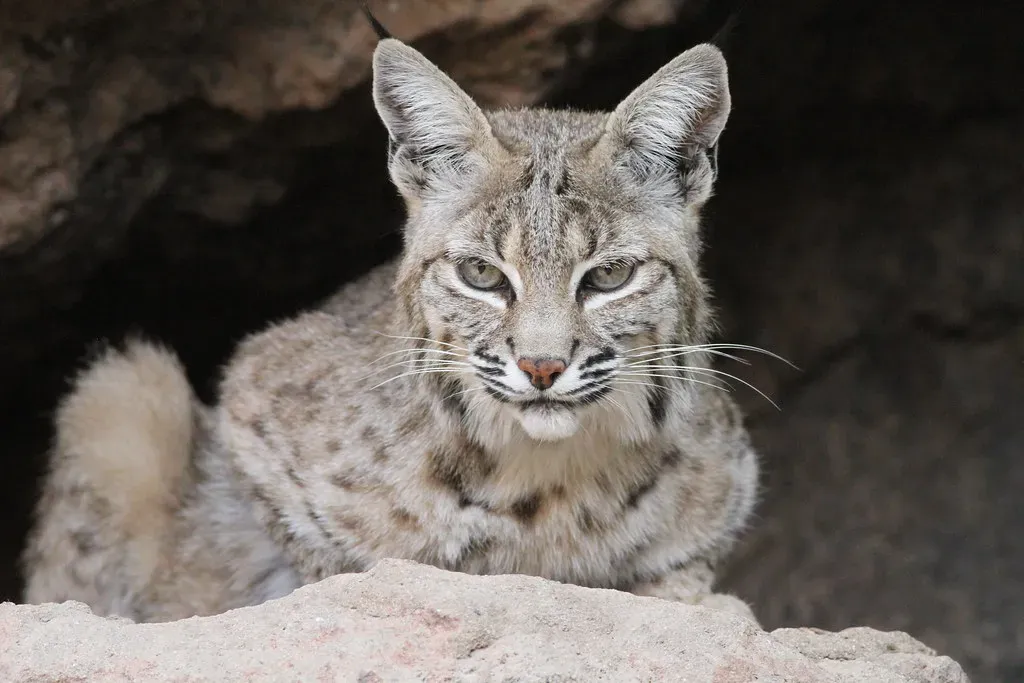
Arizona is one of those states that consistently surprises people with the density of its bobcat population. Though seldom seen because of their secretive nature, bobcats are very common and broadly distributed throughout the state. In Arizona, they are particularly abundant in rugged and brushy habitats associated with Sonoran Desert scrub and interior chaparral.
In Arizona, bobcats roam the deserts, mountains, and forests, where they are well adapted to the harsh conditions. The state’s rugged terrain offers plenty of hiding spots and prey, including desert rodents, birds, and cottontail rabbits.
Despite decreasing habitat due to human development, bobcat populations remain stable. Although bobcats are elusive and tend to avoid people, it is not uncommon to observe them in some suburban areas, including Phoenix and Tucson. Finding a wild cat within city limits of a major metro area is about as surprising as it gets.
The Dallas-Fort Worth Metroplex, Texas
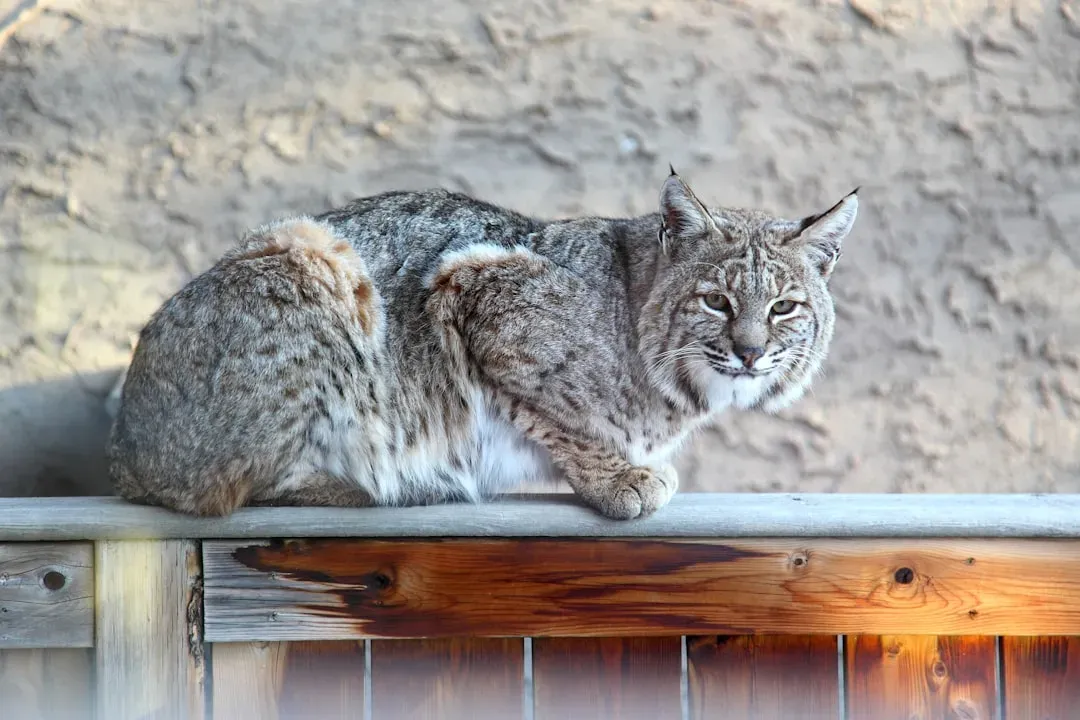
Texas as a whole has a staggering bobcat population, with some estimates placing the statewide number at around two hundred thousand animals. What’s more unexpected is where some of them are living. Researchers evaluated how bobcats exploit a highly urbanized section of the Dallas-Fort Worth metroplex and found that bobcats use more natural habitat areas within urban areas, such as agricultural fields and creeks, and avoid highly anthropogenic features, such as roads.
A published study of the Dallas-Fort Worth metroplex found bobcats using natural habitat areas within a highly urbanized setting, especially creeks and agricultural patches inside the urban matrix. In Texas, bobcats are not everywhere in town, but they are clearly a lot more at ease around development than many residents assume.
This study highlights how bobcats are able to navigate a built environment and the importance of green space in such places. Creek corridors threading through the metroplex function as invisible highways for these cats, connecting otherwise fragmented pockets of habitat in one of America’s most populated metros.
The Colorado Front Range and Its Suburban Edges
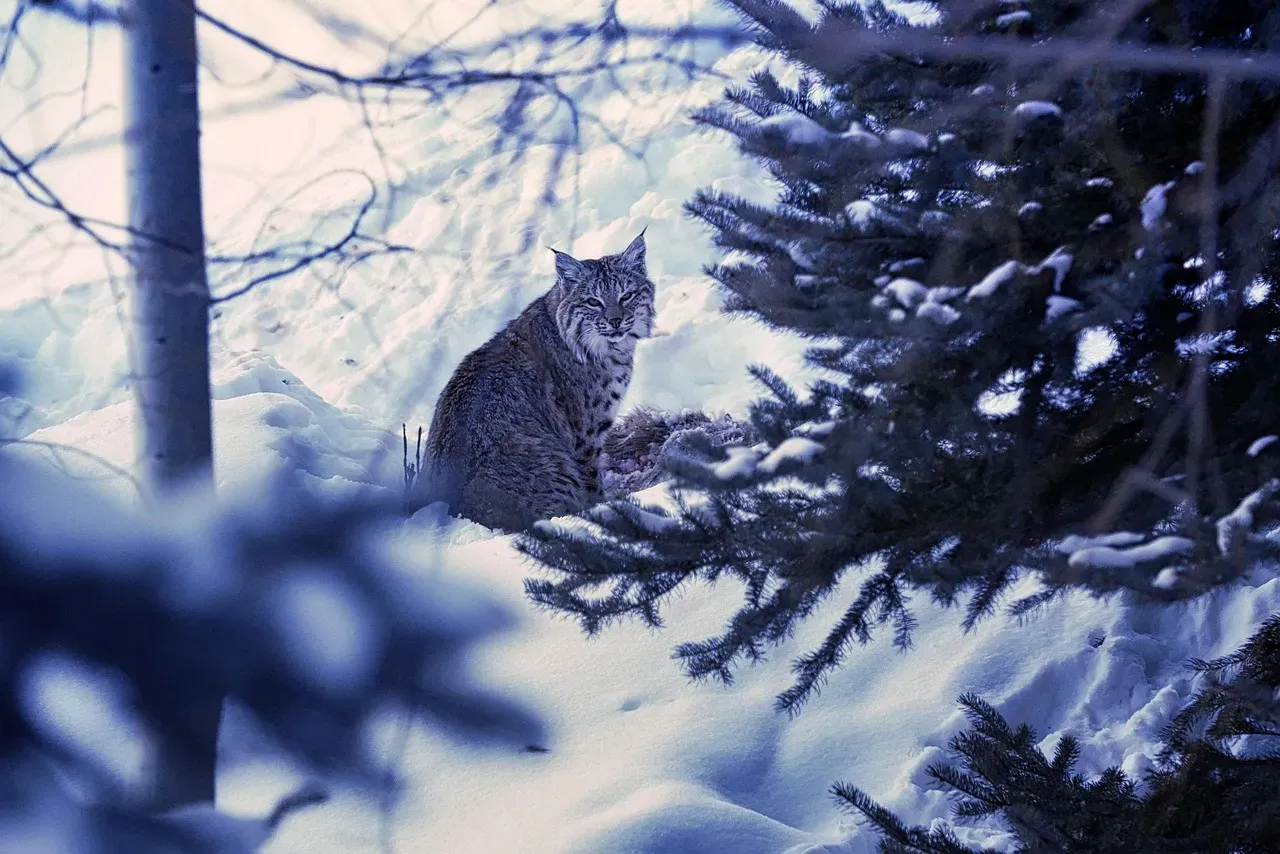
The state of Colorado offers a wide range of environments through its combination of mountainous regions and forested areas and grassland territories. The state’s extensive wilderness areas help maintain healthy populations. What’s less obvious is how close to towns those populations actually reach.
Lafayette, Colorado, said in February 2025 that bobcats are highly adaptable to city landscapes and that residents may see one in a backyard or neighborhood. That is about as direct as local wildlife messaging gets.
Open space, creek corridors, foothill edges, and suburban growth all overlap in a lot of Front Range communities. Once prey animals, bird feeders, and yard habitat pull smaller wildlife into neighborhoods, it makes sense that bobcats start working those same edges too. The mountains are just close enough to make the whole Front Range a genuine corridor for wildlife moving between wild land and neighborhood.
New Jersey’s Forests and the “Bobcat Alley” Corridor
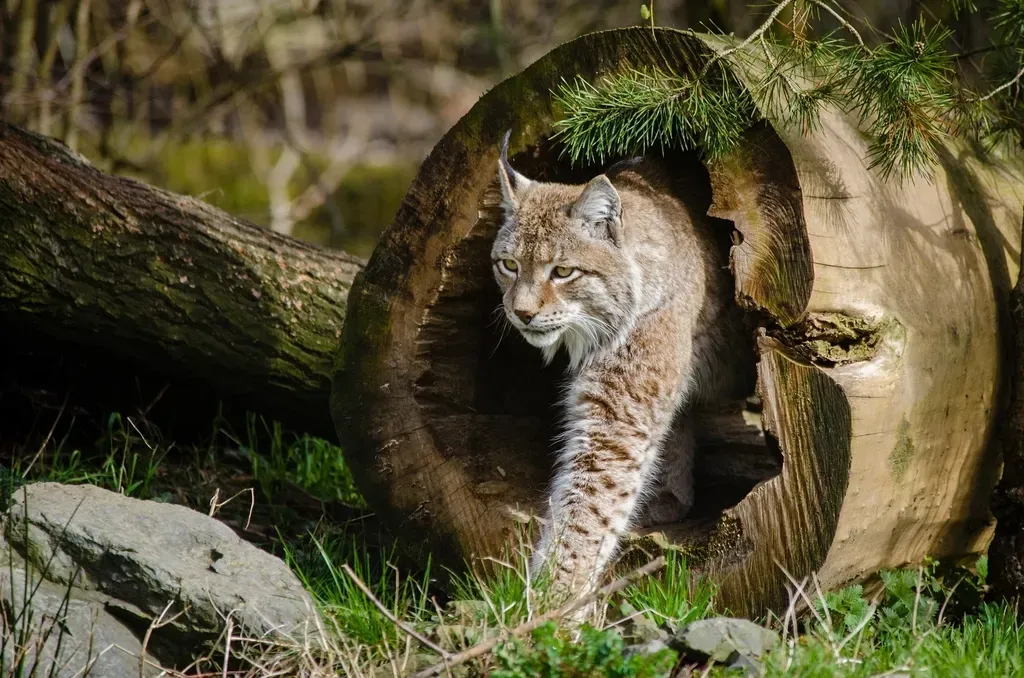
New Jersey isn’t the first state that comes to mind when people think about wild cats. Yet its northern forests have quietly become one of the more compelling bobcat comeback stories on the East Coast. In January 2025, the NJDEP updated the bobcat’s status from endangered to threatened, due to increased research and wildlife management techniques, which has allowed the population to increase in northern portions of the state.
In New Jersey, where the bobcat was once nearly extinct, The Nature Conservancy is working to conserve a corridor of connected lands, called Bobcat Alley, to benefit the species’ population. The name alone suggests how seriously this recovery is being taken.
Although the bobcat is the most far-ranging wild, native feline in North America, it faces countless threats, including habitat degradation, disease, and the fur trade. In New Jersey, there is a serious risk of vehicular collisions with the species, resulting in injury or death. Still, the trajectory is positive, and New Jersey is now a genuine case study in how sustained conservation work can bring a species back from the edge.
Michigan’s Upper Peninsula and Northern Forests
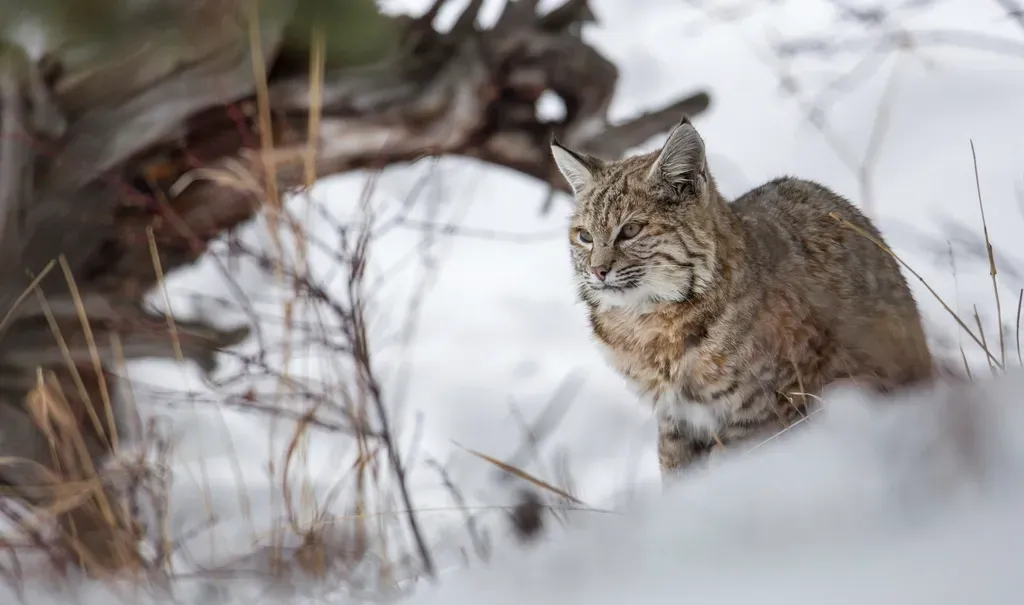
Michigan’s Upper Peninsula has long been known for its rugged wilderness, and bobcats are very much part of that landscape. Michigan’s Upper Peninsula, together with its northern forests, creates an ideal environment which supports bobcat populations. Researchers have used winter snow tracking methods to demonstrate that bobcat populations have increased during the last few years.
The Upper Peninsula is home to a healthy population of bobcats. These wildcats thrive in the state’s dense woodlands, where they hunt for rabbits, squirrels, and other small mammals. Michigan’s bobcats are known to be elusive and stealthy, often leaving behind only faint tracks in the snow during the winter months.
Snow tracking is one of the more reliable ways researchers confirm bobcat presence in this region, since the cats themselves almost never offer a direct sighting. The Upper Peninsula rewards patient observers, especially in the quieter months when human activity drops and the cats move more freely through the forest. It’s one of the few places in America where you can still follow a bobcat’s trail through fresh powder and feel entirely alone with the wilderness.
Suburban Indiana and Ohio: The Quiet Comeback States
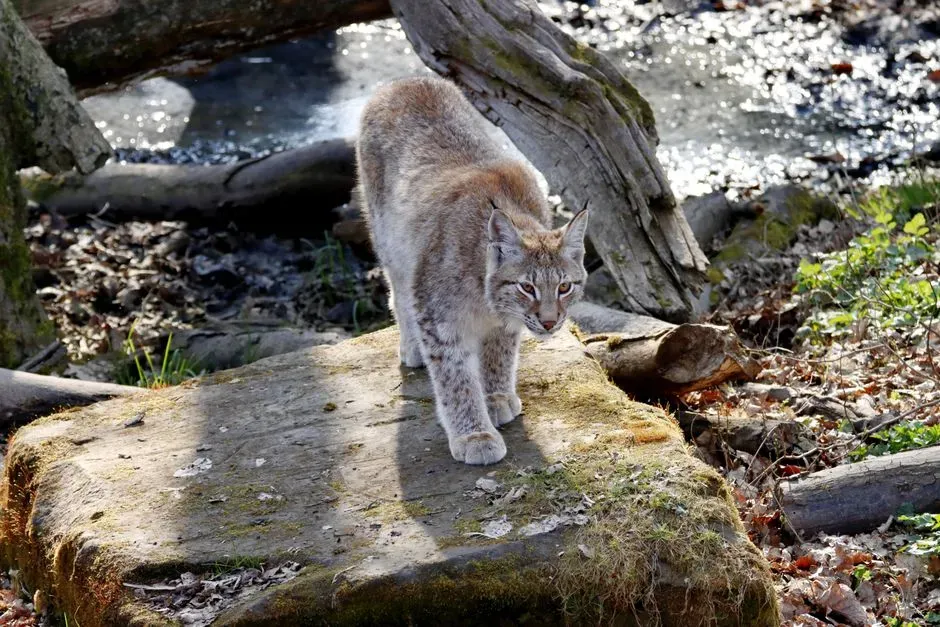
Perhaps the most genuinely surprising entries on this list are the Midwest states that most Americans would never associate with wild cat sightings. Indiana has quietly become a much stronger bobcat state than a lot of people realize. The Indiana Department of Natural Resources’ 2024 bobcat status update says the state now has a recorded bobcat sighting in nearly every county, even if not every county has an established reproducing population yet.
Ohio also belongs on this list, because the Ohio Department of Natural Resources says bobcats make use of human-altered landscapes in rural, suburban, and urban areas. The state’s bobcat management plan notes sightings outside the best habitat zones and along riparian corridors in heavily agricultural landscapes.
Bobcats are one of wildlife conservation’s greatest success stories in most of the United States. Whereas population decline occurred in Midwest states, leading to local extinction in states like Iowa and Ohio, a rebound led to growing populations from the 1990s until now. The Midwest comeback is real, it’s documented, and it’s happening in backyards and cornfield margins that nobody ever imagined would be bobcat territory.
Conclusion
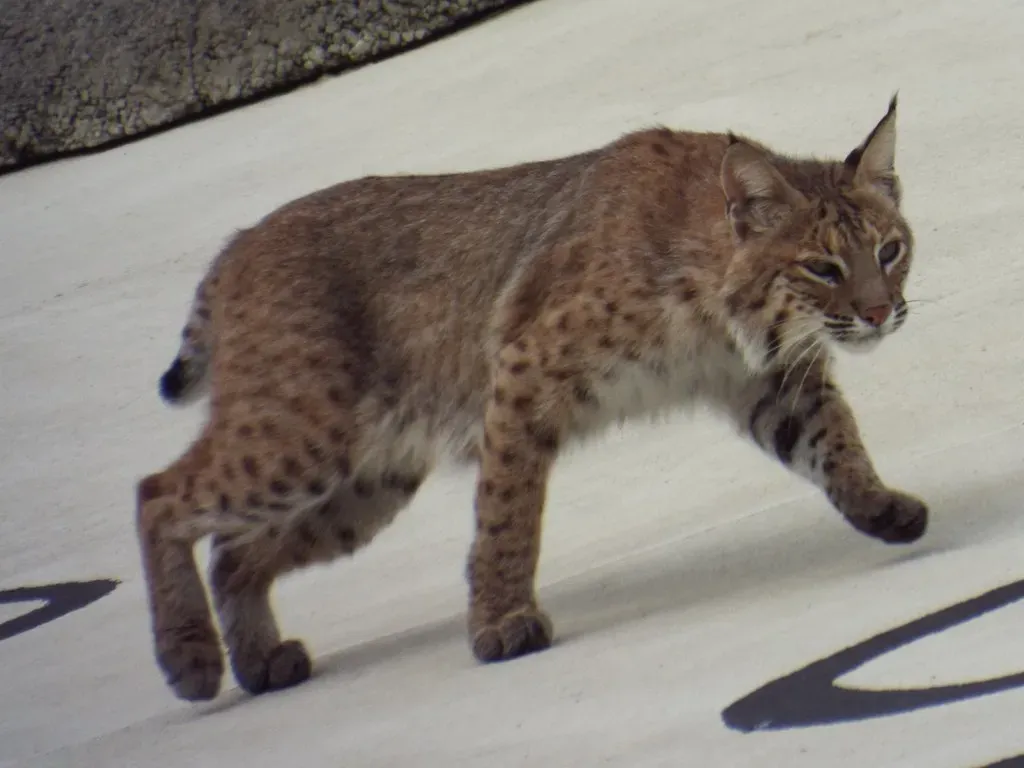
The bobcat’s story across America is one of quiet resilience. The bobcat’s range does not seem to be limited by human populations, but by availability of suitable habitat; only large, intensively cultivated tracts are unsuitable for the species. That distinction matters. It means that wherever green space, prey, and even a modest degree of cover exist, there’s a real chance a bobcat has already moved in.
Bobcats are shy and reclusive animals, and they remain that way even in urban areas. Most of the encounters people report come as a genuine surprise, a flash of spotted fur through a backyard fence or a set of small tracks crossing a suburban trail in the early morning.
What these seven locations share isn’t remoteness. It’s adaptability on both sides of the equation: a cat that bends its behavior to fit a changing landscape, and communities learning to make room for a predator that was there long before the subdivisions were. The bobcat doesn’t need wilderness to survive. It just needs enough wild left to work with.

- 10 Orca Quirks That Will Make You Forget the Boat Attacks - June 19, 2026
- What Do Animals Dream About When They Sleep? - June 19, 2026
- 6 Winter Pests That Can Ruin Your Garden - June 19, 2026