

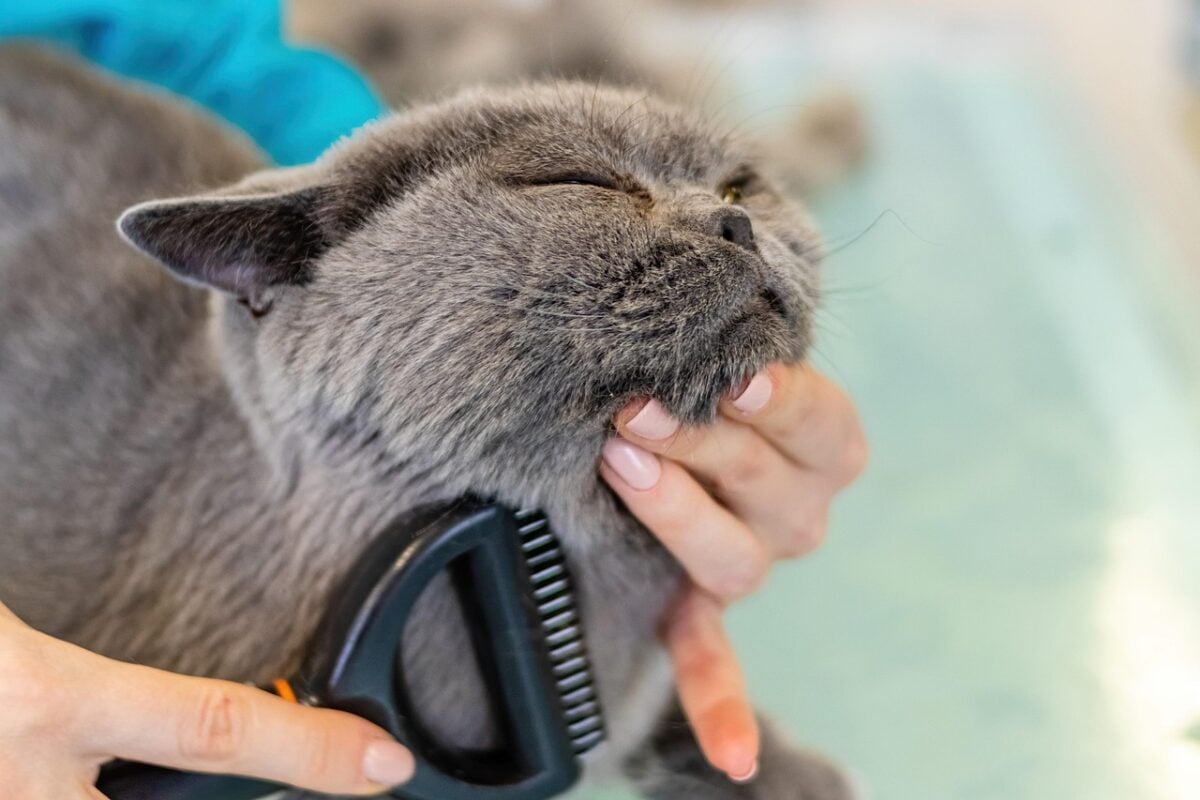
Most people picture cat grooming as a quick bath, a trim, and a cute bandana at the end. Professional groomers see something completely different: a fragile, easily-panicked animal that could go from calm to crisis in under a minute. That’s why the best groomers quietly turn cats away more often than owners realize – sometimes before they’ve even touched a comb.
The truth is, a safe groom starts long before the first snip of fur. It runs through a silent checklist most owners never hear about – hidden health red flags, bite risk, matting under the fluff, even how the cat is breathing. Skip that checklist, and you’re not just risking a bad haircut. Here’s exactly what experienced groomers look for before they ever start on a cat.
#7 – Overall Health & Red-Flag Symptoms
🔥 Would you like to save this?
We'll email this post to you, so you can come back to it later!
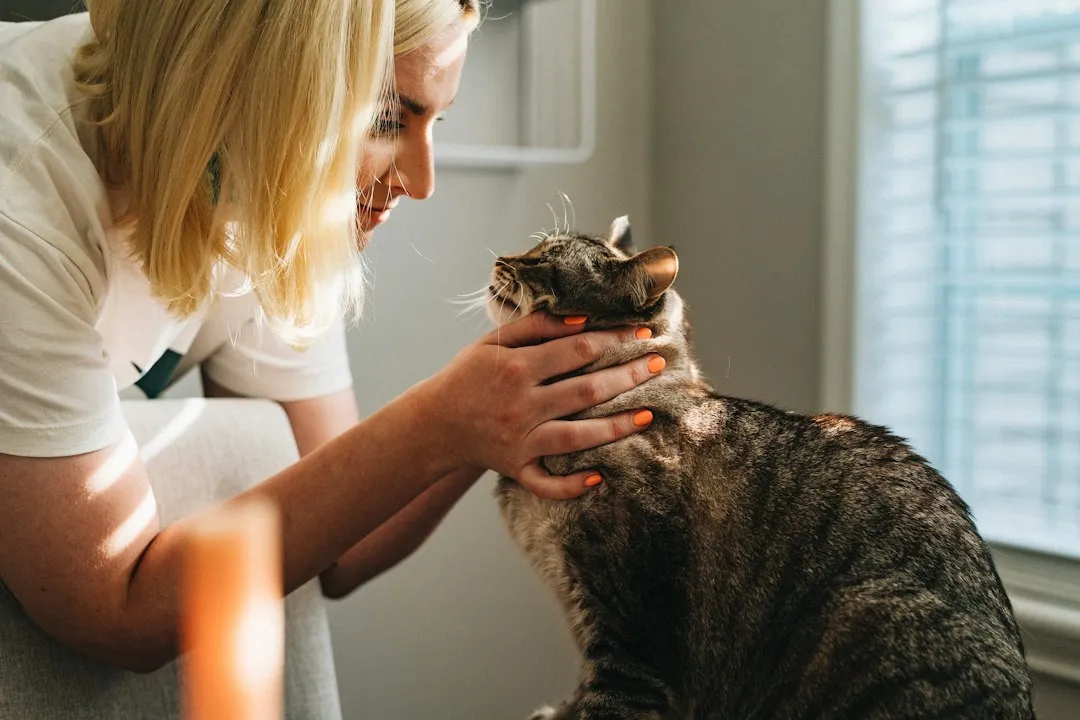
Here’s the part most owners never think about: a grooming table isn’t an emergency room, and a good groomer knows it. Before anyone reaches for a brush, they’re quietly reading your cat’s body for signs of medical trouble – because stress during a groom can push a fragile cat over the edge fast.
They’re scanning for things like:
- Labored, noisy, or open-mouth breathing
- Extreme lethargy or wobbliness on the table
- Flinching or crying out when handled normally
If a cat has blue-tinged gums or seems unusually weak, many groomers will simply refuse to start. Stress from grooming can spike heart rate and blood pressure, which is genuinely dangerous for a cat with hidden heart or respiratory disease. That casual line owners love to say – “he just gets tired easily” – is a red flag a good groomer never ignores.
They’ll also check the eyes for discharge or cloudiness, the nose for crusting or thick mucus, and the mouth for drooling or foul odor. These can point to infections or dental disease that grooming will only aggravate. Some of the strictest salons now require veterinary clearance for senior or medically complex cats before they’ll book an appointment at all.
Fast Facts
- A cat’s normal resting heart rate sits well above a human’s, so stress spikes register fast on the table
- Cats instinctively mask pain and illness – a survival trait that makes visual checks essential
- Bluish or pale gums are treated as a medical emergency, not a grooming decision
- Many salons now require written vet clearance for cats with known heart or breathing conditions
#6 – Temperament, Stress Level & Bite Risk
🔥 Would you like to save this?
We'll email this post to you, so you can come back to it later!
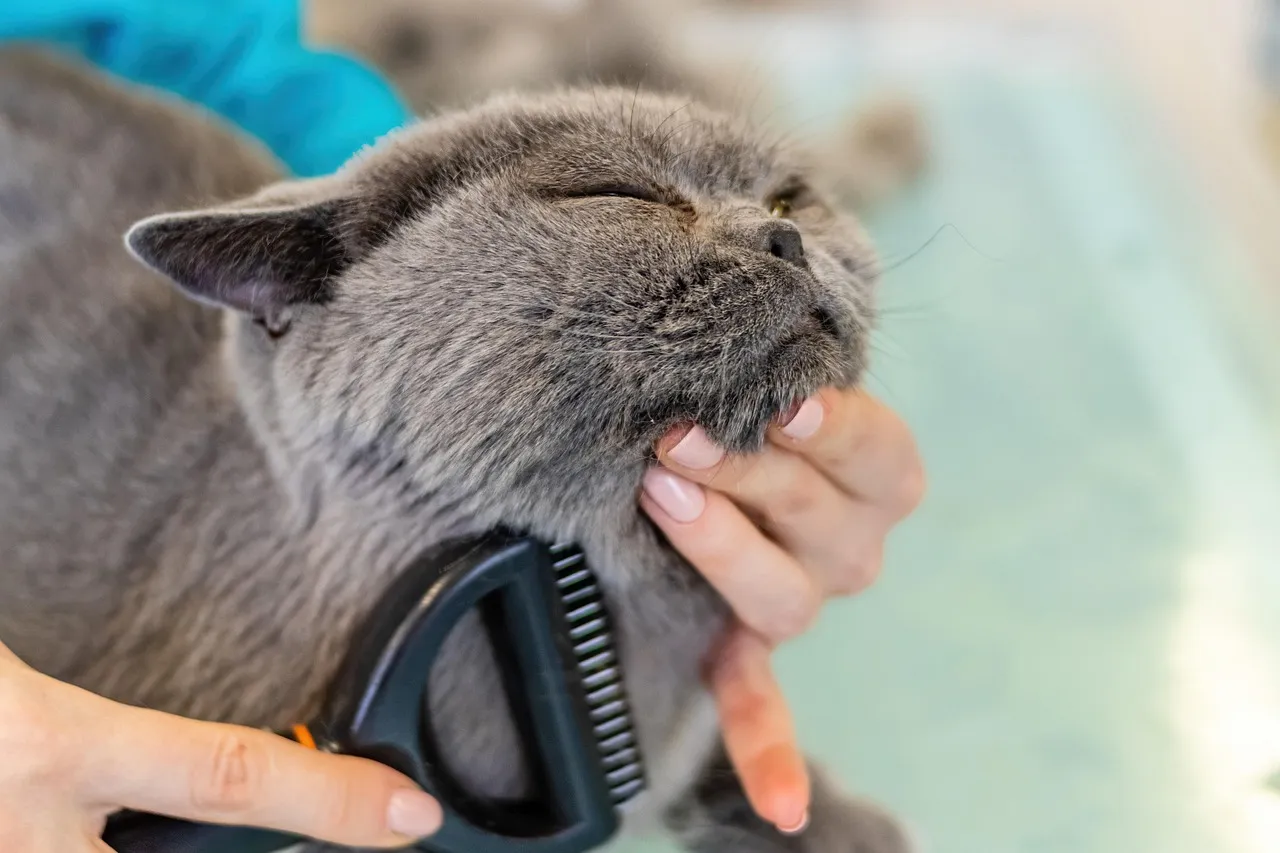
“My cat is sweet at home, she’ll be fine.” Groomers hear this constantly, and it’s one of the lines that makes them the most nervous. A grooming salon is loud, bright, and full of unfamiliar smells – basically a cat’s worst-case scenario – so temperament gets evaluated before anything else.
They’re watching closely for how a cat reacts:
- Coming out of the carrier – frozen, hissing, or curious?
- Being touched – tensing, swatting, or leaning in?
- Hearing new sounds – jerking at clippers, dryers, even a closing door?
Here’s the uncomfortable part: a terrified, aggressive cat isn’t just difficult – it’s dangerous to itself. A panicked cat can twist and thrash hard enough to snap a nail, pull a muscle, or slice its own skin on a clipper blade. Many groomers draw a hard line here – if the fear response is too extreme, the only ethical move is to stop and recommend sedation grooming through a vet.
Some owners get genuinely offended by that suggestion, as if it’s about laziness. It isn’t. It’s about preventing bites and deep scratches that can turn into serious infections, avoiding a traumatic memory that ruins every future grooming visit, and protecting a small, fast heart from an extreme stress spike. “Just hold him down” is exactly how accidents – and lasting trauma – happen.
#5 – Coat Condition, Matting & Hidden Skin Damage
🔥 Would you like to save this?
We'll email this post to you, so you can come back to it later!
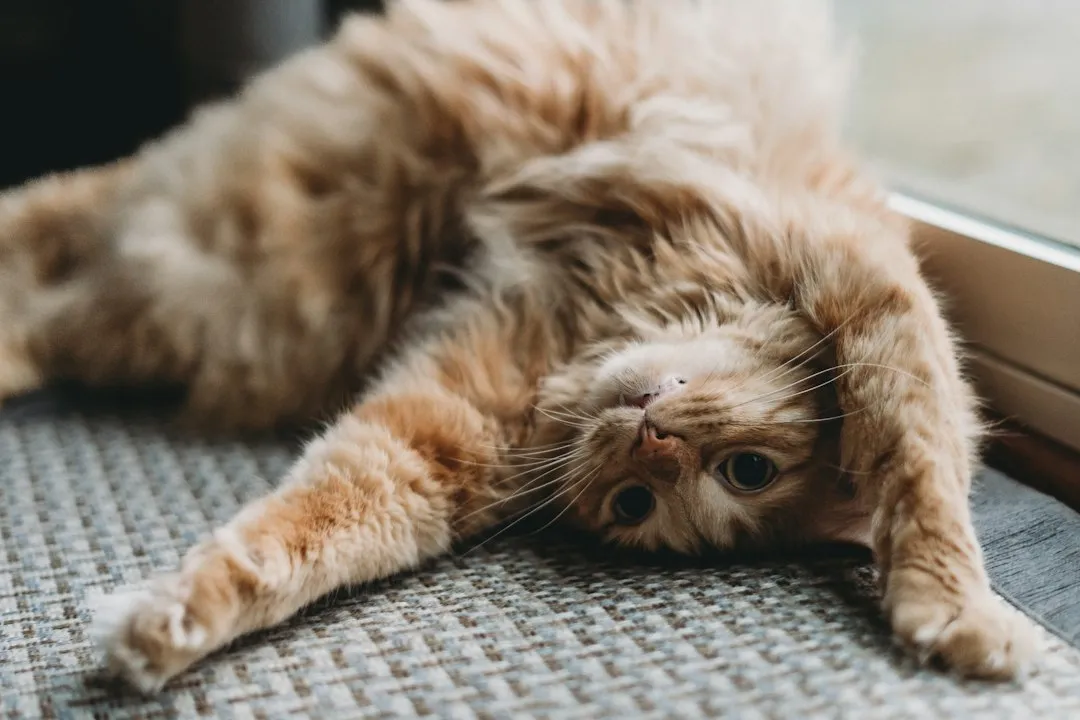
Here’s what most owners get wrong: long-haired cats don’t just get “a little knotty.” Left unchecked, their fur can form tight, felted mats that literally pull and deform the skin underneath. Before any groom begins, a pro runs their hands – not just their eyes – through the entire coat.
They’re feeling through the trouble zones every time:
- Armpits and groin
- Belly and inner thighs
- Behind the ears and along the spine
- Base of the tail and under a collar, if worn
A quick glance can be deeply misleading. Plenty of cats look fluffy on top while being fully pelted underneath – like wearing a tight wool sweater glued to the skin. Trying to “just brush that out” isn’t just unrealistic, it’s painful for the cat, since serious mats tug with every movement and trap moisture and urine against raw skin.
Worth Knowing
- Moisture trapped under mats can lead to painful skin infections and sores
- A cat’s skin is notably thinner than a dog’s, which is part of why shaving is often safer than forcing a brush through severe mats
- Heavy matting can restrict movement and put pressure on circulation in the affected area
- Brushing long-haired breeds two to three times a week prevents most matting emergencies before they start
That’s why ethical groomers will often decline a brush-out entirely and shave under the mat instead of yanking through it. You might hear something like, “We’ll need to do a lion cut today – brushing alone would hurt too much.” Owners sometimes push back, wanting a more natural look, but the cat’s comfort has to win. And whatever’s hiding under those mats often leads straight into the next concern.
#4 – Parasites, Skin Lesions & Contagious Conditions
🔥 Would you like to save this?
We'll email this post to you, so you can come back to it later!
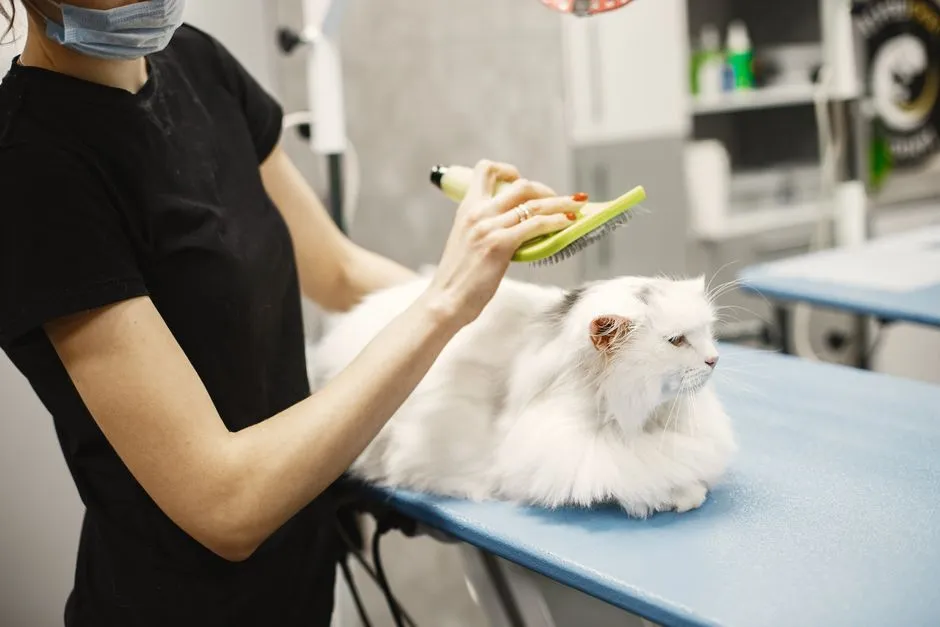
This is the part groomers rarely say out loud: they’re not just protecting your cat, they’re protecting every other animal that walks through the door after yours. Before starting, a conscientious groomer scans for anything contagious or medically urgent.
They’re specifically checking for:
- Fleas, flea dirt, or live ticks
- Bald patches, scabs, or raw “hot spots”
- Thick yellow crusts, ring-shaped lesions, or flaky, greasy patches
The reality is blunt: if a cat arrives crawling with fleas, many salons will – and should – refuse the groom or charge a mandatory de-flea treatment first. A flea problem can spread through a grooming space in hours, and ticks carry diseases that affect humans too. “Just a couple of fleas” can quietly become a salon-wide outbreak by closing time.
Ringworm is another major pause button – it’s a fungal infection that’s highly contagious and can survive on tools and surfaces long after the cat has gone home. Open sores or oozing skin change the entire plan, since running clippers over broken skin is a fast track to infection. Some groomers will stop, photograph the lesion for the owner and vet, and simply refuse to shave over the area. Grooming over disease doesn’t fix it – it just hides it under a nicer-looking coat.
#3 – Age, Medical History & Recent Sedation
🔥 Would you like to save this?
We'll email this post to you, so you can come back to it later!
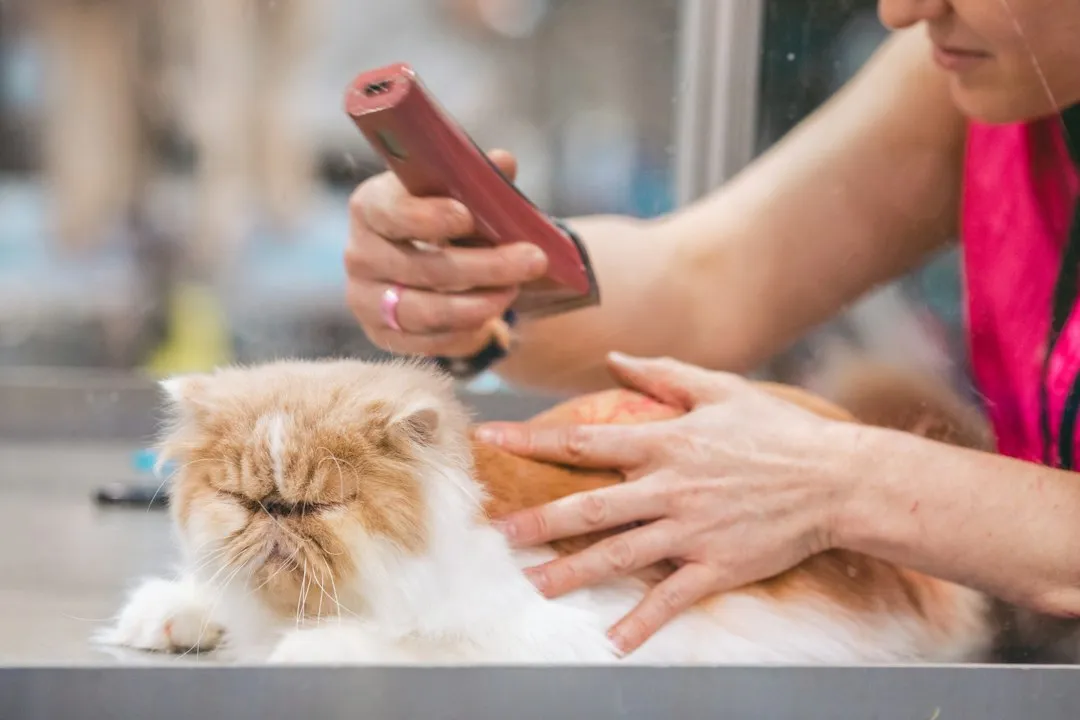
This is where a groomer starts acting less like a stylist and more like a triage nurse. Age and medical background completely change what’s safe to attempt, and ignoring that is exactly how a “routine groom” turns into an emergency room visit.
Before starting, many groomers will ask directly:
- How old is your cat, really?
- Any known heart, kidney, or thyroid issues?
- Any seizures, collapsing episodes, or breathing trouble?
- Has a vet ever mentioned a heart murmur or high blood pressure?
Senior cats, often 10 years and up, simply don’t tolerate heat, stress, or long handling the way younger cats do. An elderly cat with kidney disease can become dehydrated or dangerously low on blood pressure frighteningly fast if it’s over-handled. For those cats, groomers shorten sessions, keep the room cooler, and build in rest breaks – or decline non-essential styling altogether.
Quick Compare
- Young, healthy cat: full groom possible, longer sessions tolerated, minimal breaks needed
- Senior cat (10+): shortened sessions, cooler room, frequent rest breaks, vet clearance often required
- Recently sedated cat: groom typically postponed until the cat is fully recovered from anesthesia or calming medication
Sedation is its own red flag entirely. If a cat was sedated at the vet that morning, recently anesthetized for dental work, or given calming medication at home, a responsible groomer may refuse to work on them until they’re fully cleared. Layering grooming stress onto a system that’s still recovering from sedation can suppress breathing and heart function. Yet owners will casually say, “he’s a little sleepy, we gave him something to calm him down,” with no idea how risky that timing actually is.
#2 – Nail Length, Paw Sensitivity & Handling Safety
🔥 Would you like to save this?
We'll email this post to you, so you can come back to it later!
Most owners completely overlook this one. Groomers never do – because those tiny claws at the end of each paw can turn a routine groom into a bloodbath in seconds.
Before a bath or shave ever begins, groomers run a full nail check and assess:
- How long and sharp the nails have gotten
- Whether they’re starting to curve back into the paw pad
- How the cat tolerates having a paw touched at all
Overgrown nails can literally embed into the pad, causing painful puncture wounds, infection, and limping that owners often mistake for arthritis or “old age stiffness.” Groomers regularly spot tiny bloody dots or scabs where a nail has pierced the skin – an entirely preventable source of pain that’s more common in older, less active cats than most people realize.
At a Glance
- Indoor cats often need nail trims roughly every two to four weeks
- Overgrown nails can curl inward and pierce the paw pad if left untrimmed
- Declawed cats usually need extra-gentle paw handling due to heightened sensitivity
- Shorter nails mean far less injury risk to both the cat and the groomer during a stressful moment
Nail length also matters for pure safety math: shorter nails mean a panic scramble does far less damage to the cat’s own skin and far less damage to the groomer’s hands. A skilled groomer also watches which paw the cat reacts to most – an extreme response on one foot specifically can signal pain, old injury, or a neurological issue, and it changes how the whole session gets handled.
#1 – The Owner’s Honesty and Willingness to Accept a Humane Plan
🔥 Would you like to save this?
We'll email this post to you, so you can come back to it later!
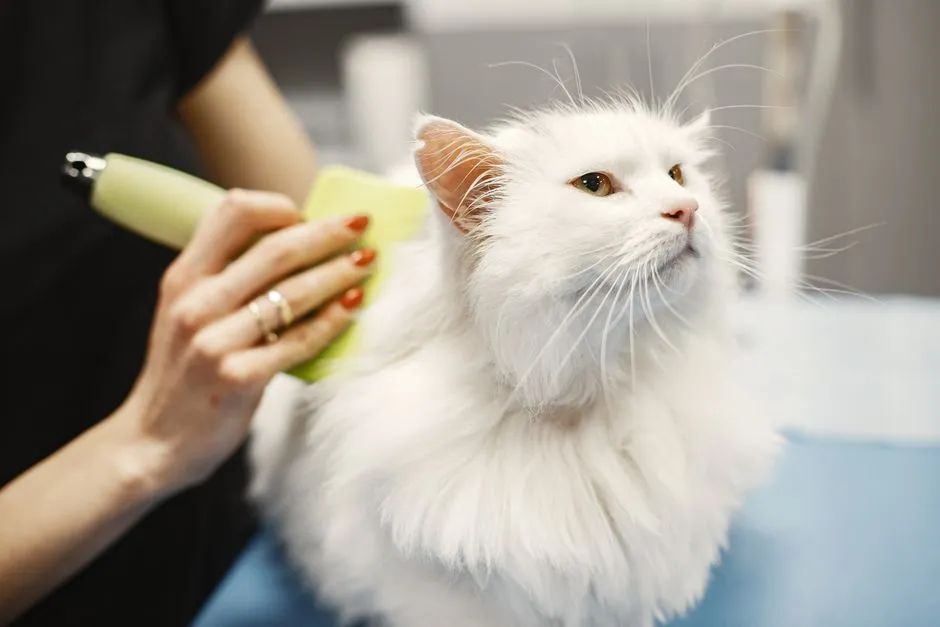
Here’s the part almost no one expects: the single biggest factor in whether a groom goes safely often isn’t the cat at all. It’s you. Before anything starts, experienced groomers are quietly reading your expectations, your honesty, and how much reality you’re actually willing to accept.
They’re listening for the red-flag phrases that make them brace themselves:
- “He’s fine, he just scratched the last groomer once or twice.”
- “I don’t want him shaved – just get the mats out, no matter what.”
- “The vet said he should be sedated, but I don’t want to pay for that.”
No amount of skill can make an impossible or inhumane request safe. If you insist on saving a pelted coat without shaving, your cat is the one who pays for it – in pain, in stress, in torn skin. If you downplay aggression or hide a medical issue, you put both your cat and the groomer in real danger.
The groomer’s job is not to make the cat look the way you imagined – it’s to make sure the cat leaves in better shape than it walked in.
Common professional grooming ethic
A good groomer will explain what’s realistic, ask you to sign off on a humane plan – a short lion cut instead of hours of painful de-matting, for example – and reserve the right to stop mid-groom if your cat becomes too stressed or unsafe. If you truly want what’s best for your cat, this is the box you have to check first: are you willing to let comfort and safety outrank your ideal “after” photo?
The Bottom Line
🔥 Would you like to save this?
We'll email this post to you, so you can come back to it later!
When you drop your cat off, you’re probably thinking, “just make him look nice.” The best groomers are thinking something entirely different: is this cat medically stable, emotionally safe, and physically comfortable enough to handle what’s about to happen? They’re reading breathing, age, temperament, parasite load, nail length, skin health, and yes, your attitude, before a single hair hits the floor.
Here’s my honest take: the “annoying” moments – a refused brush-out, an insisted-on lion cut, a recommendation to sedate through the vet – are almost always signs of a groomer who’s protecting your cat, not inconveniencing you. Anyone can buy a pair of clippers and call themselves a groomer. The ones who stop, ask hard questions, and sometimes flatly say no are the ones actually earning your trust.
So here’s the real question worth sitting with: would you rather have a shaved, slightly awkward-looking cat that’s safe and pain-free, or a picture-perfect coat that came at the cost of your cat’s comfort? Drop your honest answer in the comments – groomers are probably reading.

- 14 Wildlife Permits Waived for Americans the Year They Turn 62 - November 5, 2026
- Machu Picchu’s Engineering Feats Were Far Ahead of Its Time - November 5, 2026
- 12 Most Beautiful American Cities To See Before You Die - November 4, 2026