

They Belt Out Songs From High Perches
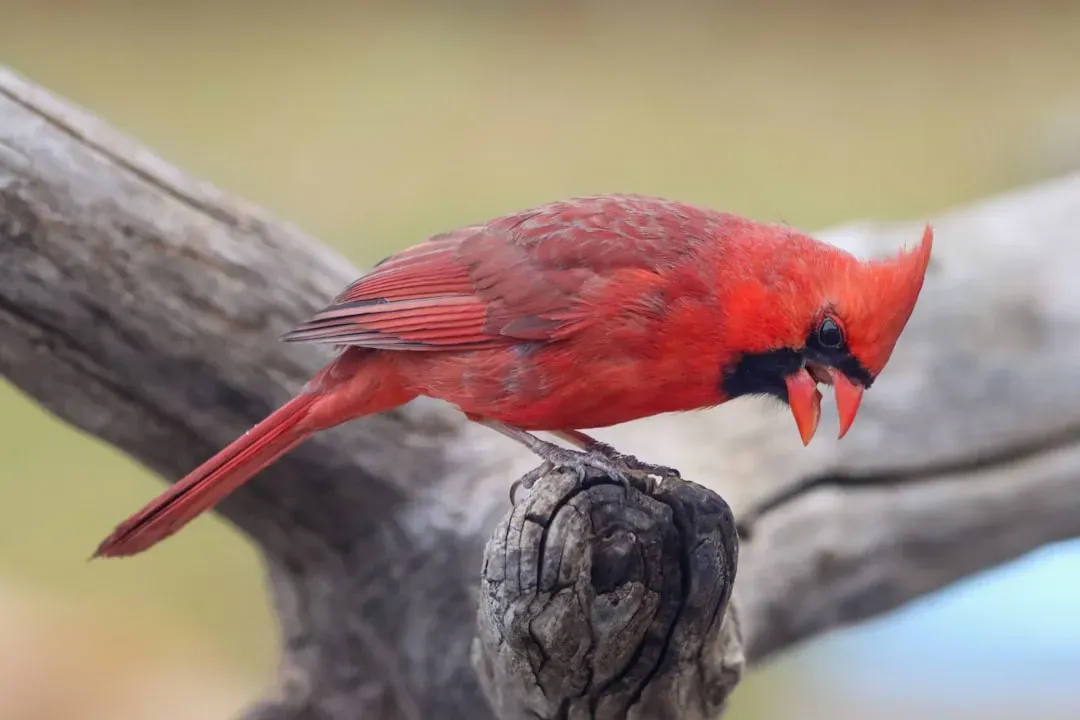
Cardinals pick out the tallest branches or rooftops in sight and pour out their clear, whistled tunes. These songs carry far and serve as a clear announcement that the space is taken. A male will repeat the same phrases over and over, sometimes for hours at a stretch, especially in the early hours when the air is still.
The repetition builds a kind of boundary line that other males recognize and usually respect. Females may join in with their own softer versions once a pair forms. Over time the chosen perch becomes a regular stage, and the bird returns to it like clockwork.
They Take On Their Own Reflections
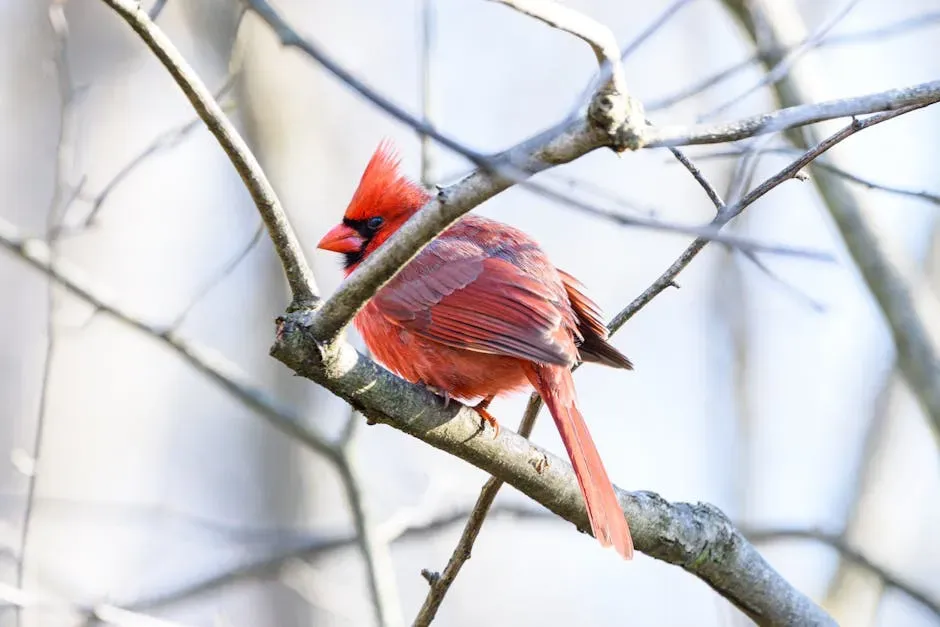
A cardinal that has started to feel possessive will launch itself at windows or car mirrors again and again. It sees another red bird staring back and treats the reflection as a direct challenge. The attacks can last for minutes or stretch across several days until the bird tires or the surface changes.
Both males and females have been known to do this, though males tend to be more persistent. The behavior peaks when breeding season approaches and the urge to protect space grows stronger. Homeowners often notice the tapping or fluttering first thing in the morning.
They Chase Away Unwanted Visitors
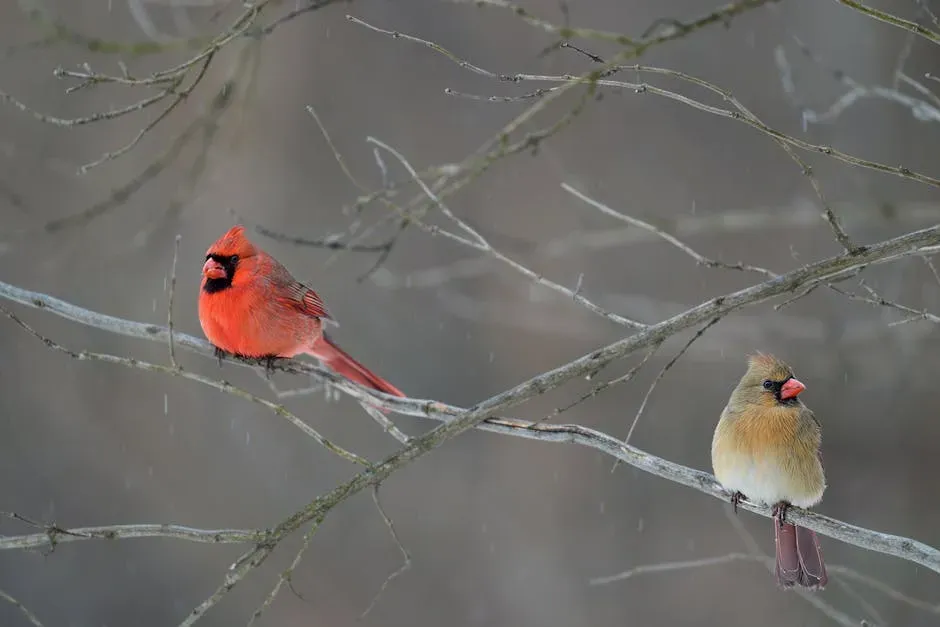
Smaller songbirds suddenly find themselves escorted out of the yard with surprising speed. A cardinal will fly straight at an intruder, sometimes calling sharply as it closes the distance. The chase rarely lasts long, but it sends a clear message about who controls the resources.
Even other cardinals from neighboring yards get the same treatment if they cross an invisible line. The defending bird may follow the outsider for several yards before circling back. This active patrolling keeps the area clear for the resident pair and any future nestlings.
They Patrol The Area Regularly

Once a cardinal decides the yard is home, it begins making steady rounds through shrubs, trees, and open ground. These loops happen at predictable times, often right after sunrise and again in late afternoon. The bird moves with purpose, pausing to scan for threats or food sources.
Paired cardinals sometimes patrol together, staying within sight of each other. The routine helps them learn every corner and spot potential dangers early. Over a few weeks the pattern becomes so consistent that observers can almost set their clocks by it.
They Show Off With Bold Displays
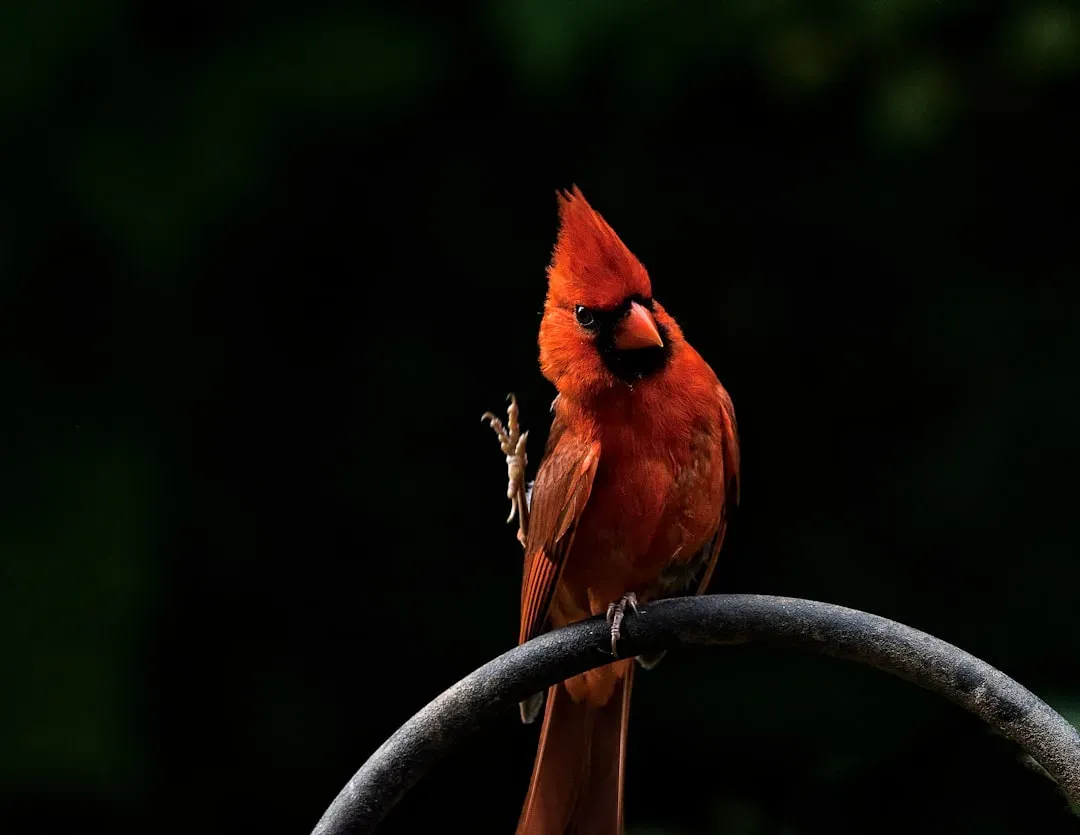
When another bird lingers too long, the cardinal may puff its feathers, raise its crest, and spread its wings slightly. These postures make the bird look larger and more intimidating without immediate contact. The display often ends with a quick dive or a sharp call that startles the intruder away.
The same moves appear during boundary disputes with neighboring cardinals. Both sexes use these signals, though the male tends to be more dramatic. The behavior serves as a first warning before any physical contact occurs.
They Bring A Mate Along For The Ride

A lone cardinal that begins claiming space will soon appear with a partner in tow. The pair feeds side by side and moves through the yard as a unit. Courtship feeding, where the male offers seeds beak to beak, often happens right in the open.
Once the bond forms, both birds start treating the yard as shared property. They arrive at feeders together and leave together, reinforcing their joint presence. This teamwork makes the territory feel even more firmly established.
They Start Scouting For Nest Sites
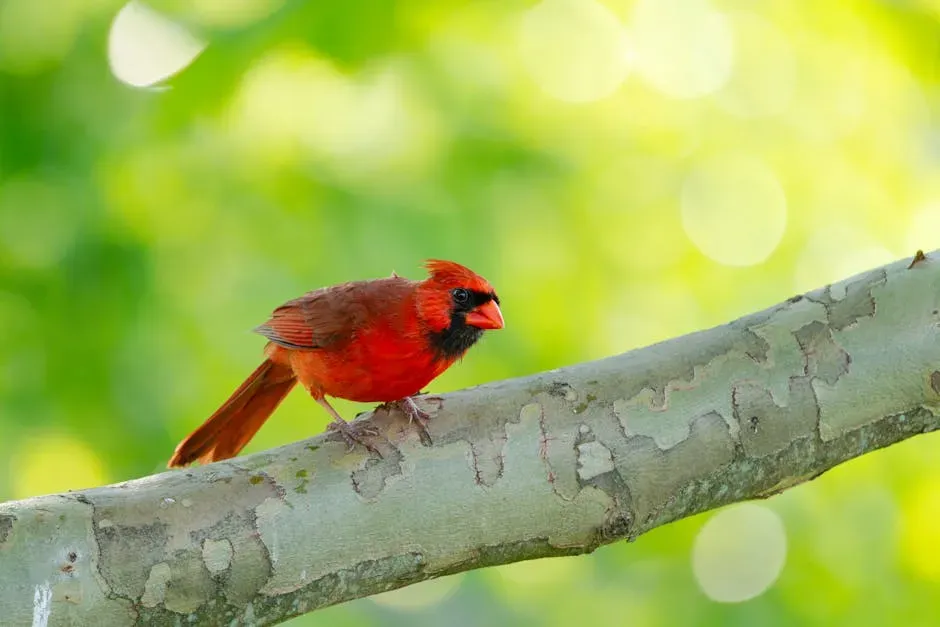
Low shrubs, dense evergreens, and tangled vines suddenly receive extra attention. The pair flies in and out of potential spots, sometimes carrying bits of grass or twigs. They test several locations before settling on one that feels secure.
The search usually happens in the quieter parts of the day when fewer people are around. Once a site is chosen, the birds become even more protective of the surrounding area. The presence of nesting material is one of the clearest signs that the yard has been fully adopted.
Cardinals bring a steady rhythm to a yard once they settle in, and watching the process unfold can turn an ordinary patch of grass into something more alive. The small daily dramas they create remind us that even familiar spaces hold layers of activity we might otherwise miss.
- 10 Remarkable Facts About the African Cheetah: The Lightning of the Grasslands - July 29, 2026
- 10 Most Heroic Horses in History - July 29, 2026
- Why You Should Never Play Dead When Attacked by a Black Bear - July 29, 2026