

Your dog can sit, shake, and maybe fetch a ball on a good day. Meanwhile, the squirrel in your backyard is running a sophisticated food management operation, outsmarting your bird feeder, and possibly deceiving you while doing it. Most people walk right past squirrels without a second thought, treating them as little more than fluffy nuisances. That might be the biggest underestimation in nature.
The more researchers have looked into squirrel cognition, the harder it has become to dismiss these animals as simple creatures. While not considered as intelligent as dolphins, elephants, or great apes, squirrels are generally regarded as smarter than dogs and cats. That’s not a small claim. Here are seven very real behaviors that back it up.
#1: They Remember the Location of Thousands of Hidden Food Caches
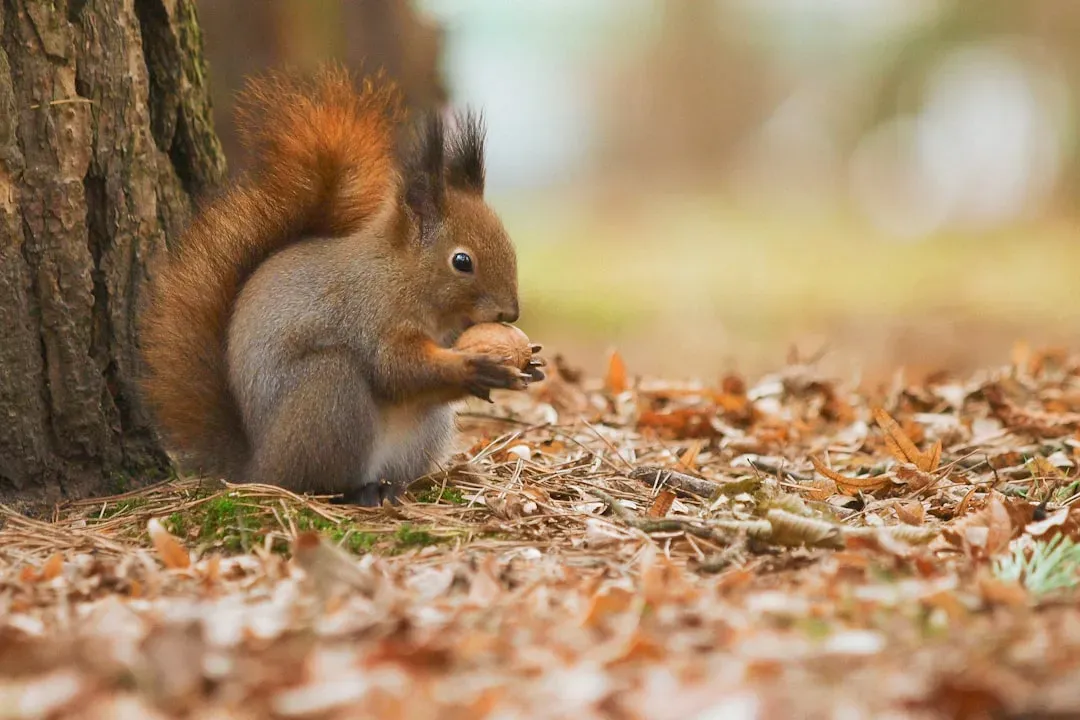
Most dogs struggle to remember where they buried a single bone. Squirrels operate on an entirely different level. Squirrels possess remarkable spatial memory, using mental maps and landmarks to remember the locations of thousands of buried nuts, and studies indicate they successfully retrieve somewhere between ninety and ninety-five percent of their caches, even months later.
The brain science behind this is genuinely impressive. The hippocampus, the brain region associated with memory and spatial navigation, is well-developed in squirrels, and experiments have shown they can remember the locations of thousands of individual caches over the course of several months. To put that in human terms, it would be like memorizing the precise location of thousands of objects you buried across an entire neighborhood, then finding nearly all of them after a long winter.
Parts of a squirrel’s brain linked to spatial memory, including the hippocampus, can actually expand during autumn when caching activity is at its peak. That’s a brain that physically adapts to meet cognitive demand, and it’s one of the more striking examples of biological intelligence in the animal kingdom.
#2: They Deliberately Create Fake Food Caches to Deceive Competitors
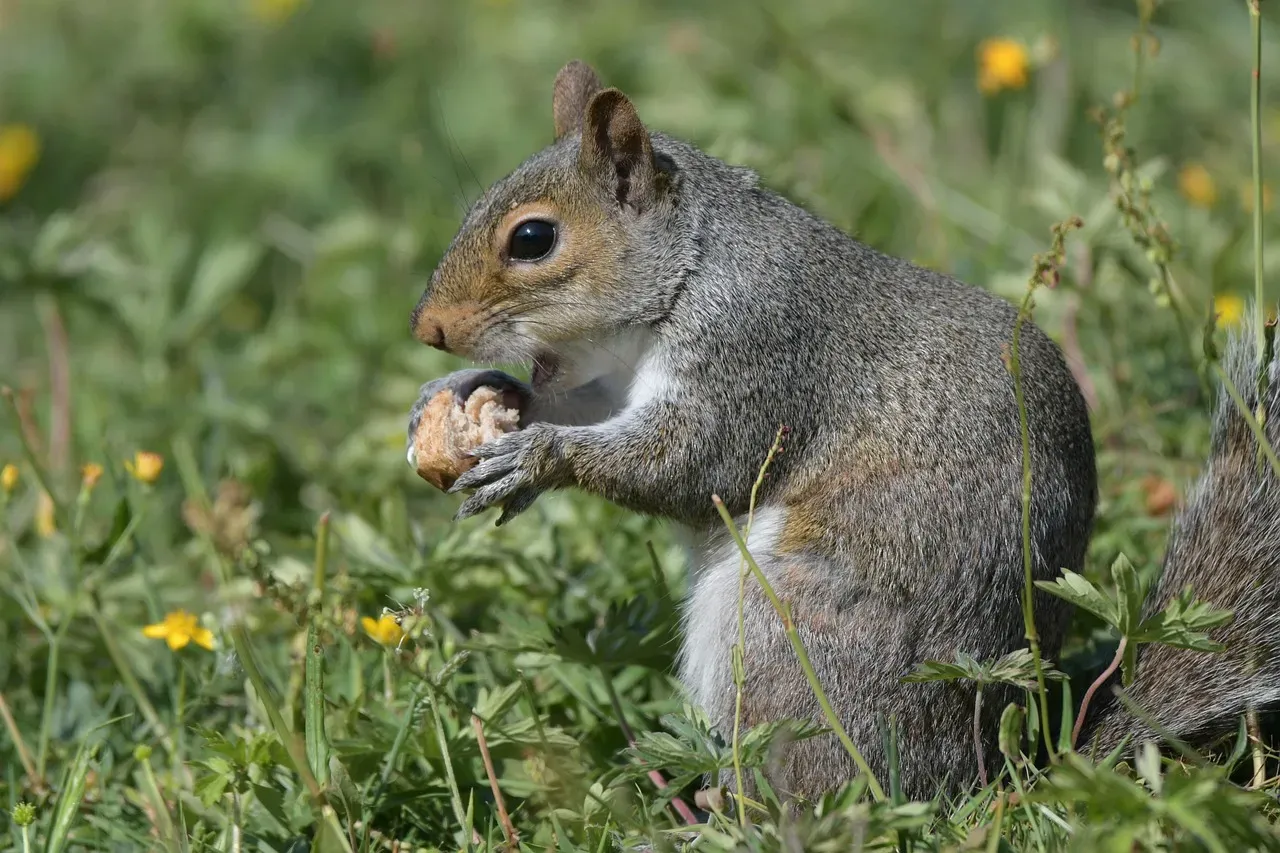
This is where things get genuinely remarkable. Squirrels don’t just hide their food. They actively lie about where it is. A 2010 study found that squirrels engage in deceptive behavior: when being watched, they’ll construct fake caches, going through the complete motion of digging a hole and patting it down, while actually concealing the nut near their body and making the real cache somewhere else.
This behavior requires the ability to understand the perspective of others and anticipate their actions. That’s not instinct. That’s theory of mind, a cognitive trait researchers often associate with more complex animals. This kind of deceptive caching isn’t just instinct, it shows real social awareness and planning. Your dog, for comparison, has no real reason to deceive you and generally no ability to do so in any planned way.
#3: They Solve Problems and Remember the Solutions for Nearly Two Years
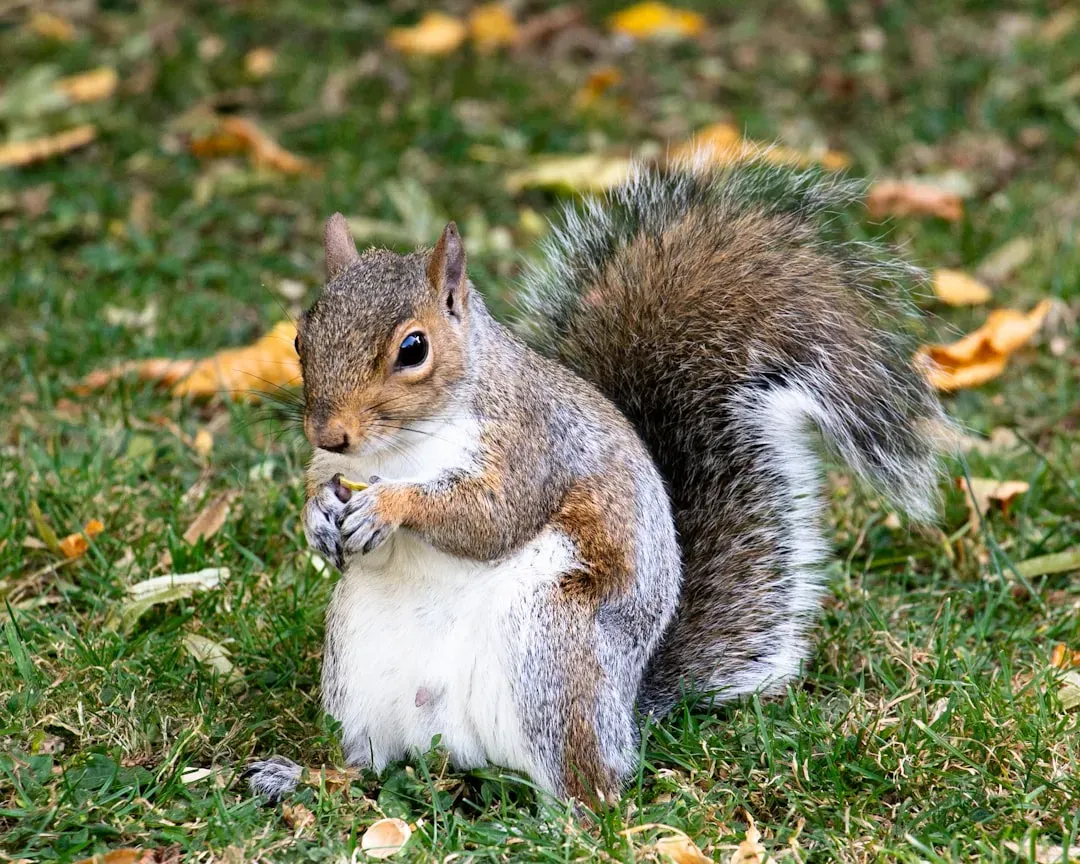
Problem-solving is one thing. Remembering the specific solution for an extended period and applying it to new situations is another thing entirely. Squirrels can remember problem-solving techniques for long periods and apply them to new situations, as researchers have discovered. The timeframe involved is what makes this remarkable.
University of Exeter scientists found that grey squirrels quickly remembered how to solve a problem they had not encountered for almost two years, and then quickly worked out how to apply those same skills to a redesigned version of the test. Think about what that means practically. Tree squirrels have figured out how to open bird feeders, flip lids, and time their raids for when humans aren’t around. Every time someone buys a supposedly squirrel-proof feeder, the squirrel treats it as a slight variation on a puzzle it has already solved.
#4: They Sort Nuts by Type, Quality, and Nutritional Value
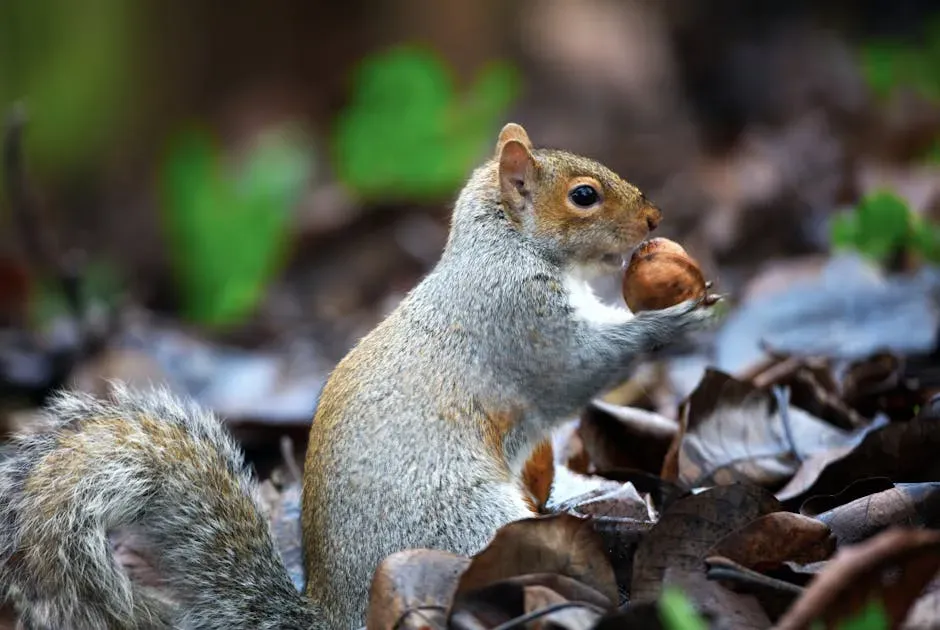
A dog offered two different snacks will usually eat both without hesitation. Squirrels take a more considered approach. Their memory isn’t limited to remembering locations: squirrels can also differentiate between various types of nuts and seeds, judging their nutritional value and preferring certain ones, which implies a deeper level of cognitive processing allowing them to make informed choices about what to store and how much.
Scientists have observed behaviors such as squirrels sorting nuts by type, which hint at how their minds process and organize information. Researchers studying fox squirrels found evidence of what they describe as “chunking,” a cognitive strategy where similar items are grouped together to make retrieval easier later. Squirrels depend on solid spatial memory to manage all those food caches, and fox squirrels, for example, bury thousands of nuts each year and often group similar nuts together so they can find them later. That’s organized thinking, not random behavior.
#5: They Communicate Using a Layered, Context-Sensitive System
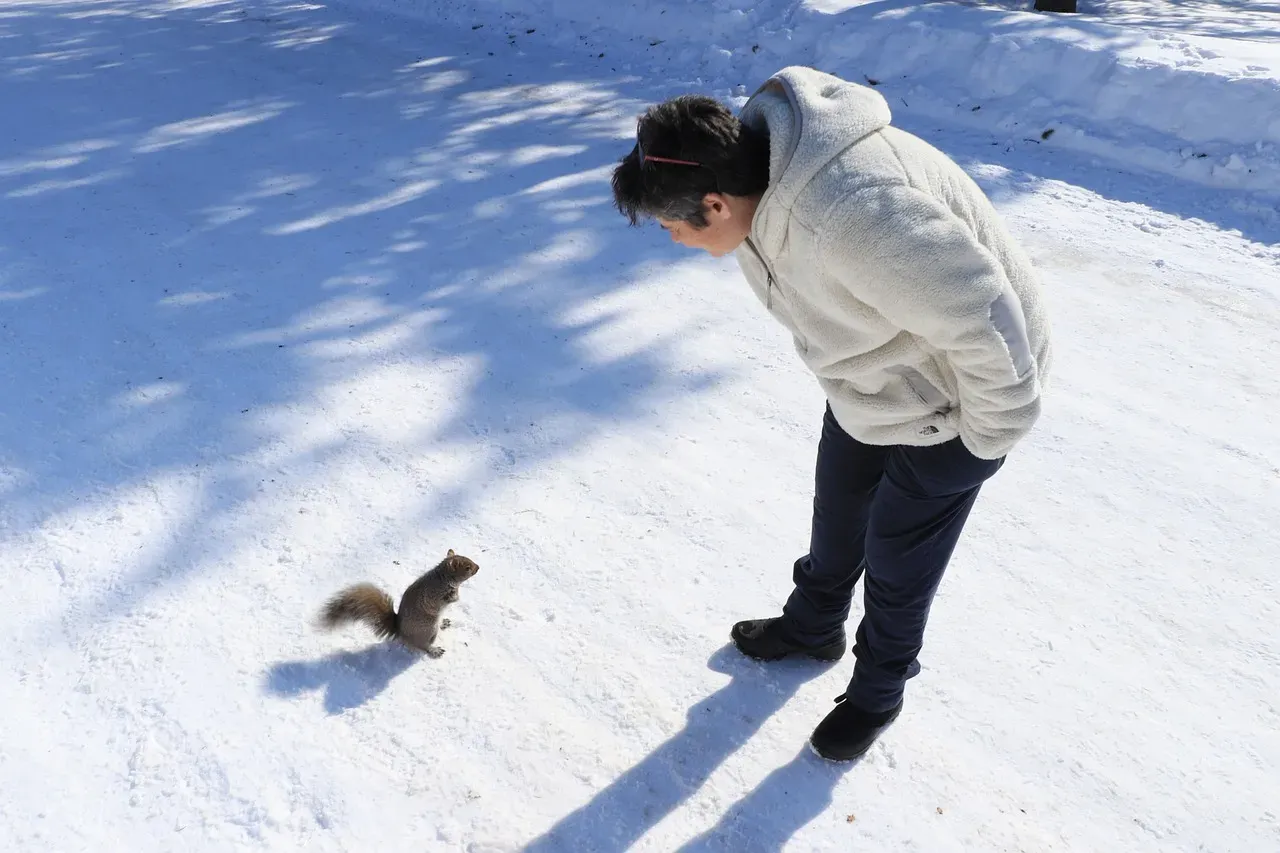
Dogs bark. Squirrels, it turns out, have a much more nuanced communication system. They store food for winter, show strong problem-solving abilities, and have a complex communication system that uses both sound and scent to share information with other squirrels about potential danger and food sources. The sophistication here goes beyond simple alarm calls.
California ground squirrels use three acoustically distinct alarm calls in response to predators, with whistles being common for aerial threats and chatters used specifically in response to large mammalian predators. Beyond vocalizations, squirrels layer in physical signals too. Their use of tail signals to convey messages is not random movement but deliberate, nuanced gestures serving specific purposes in social interactions, and combined with vocalizations, this layered system makes squirrels far more expressive than they appear at first glance.
Research has shown that frequency and pitch variations in squirrel calls are influenced by environmental factors: squirrels in noisy urban environments produce calls with higher frequencies to avoid being drowned out by background noise, adapting their communication style to wherever they’re living. That kind of real-time behavioral adjustment is notable in any animal.
#6: They Recognize and Respond to Individual Humans
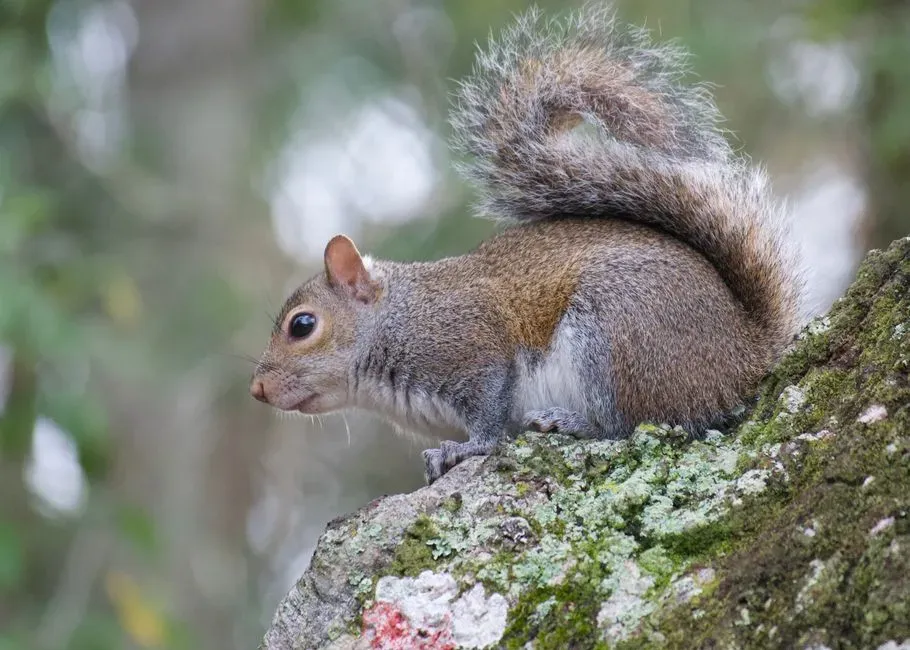
Most people assume squirrels see all humans as more or less the same. Research suggests otherwise. Squirrels can learn to tolerate human presence when people move predictably, and they can even distinguish between individual humans, recognizing those who provide food versus those who pose a threat, modifying their interactions accordingly. This ability highlights their flexible intelligence.
According to a study published in the journal PLoS ONE, eastern gray squirrels eavesdrop on non-alarm auditory cues from other animals as indicators of safety and adjust their vigilance level in accordance with the vigilance level of those other animals. They’re essentially reading social cues from other species and recalibrating their own behavior. Unlike dogs, squirrels most of the time will conceal their intelligence and future intentions. There’s something quietly impressive about an animal that stays unreadable on purpose.
#7: Their Intelligence Is Innate, Not Just the Result of Training
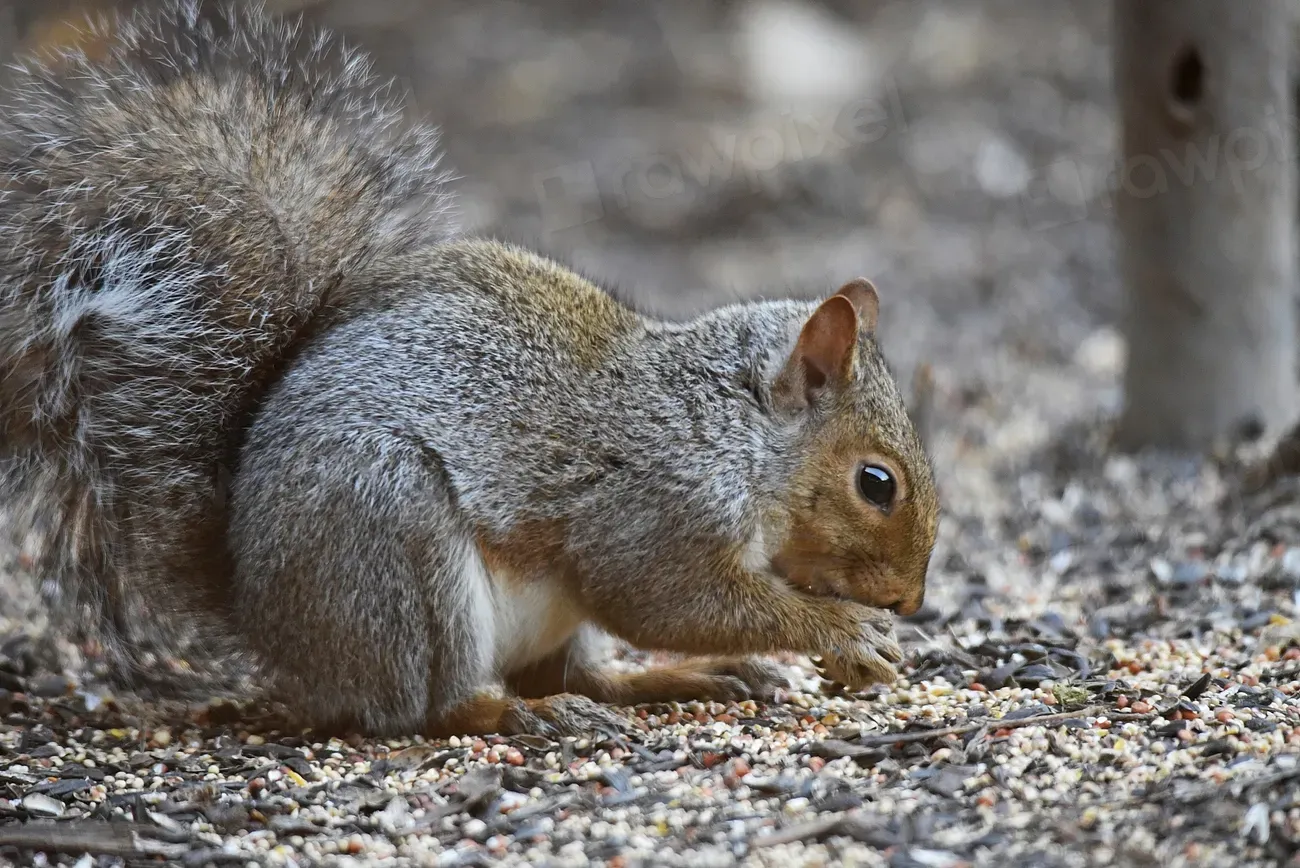
A dog’s intelligence, impressive as it is in many ways, is largely shaped by thousands of years of selective breeding for human interaction and trainability. Squirrel intelligence is a different story. Researchers studied populations of grey squirrels in England and the United States to determine whether squirrels possess innate intelligence or whether their problem-solving is due to adapting to new habitats, testing groups across four locations on two continents for memory, innovation, and spatial learning.
All four groups of squirrels had similar results, leading researchers to the conclusion that squirrels have a level of innate intelligence regardless of their environment. No training required. No selective breeding. No rewards system. The researchers concluded that enhanced cognition is a “pre-adaptive phenotypic trait” in gray squirrels, meaning inherent characteristics make them more competitive against other species and less fit squirrels. Their smarts come built in.
Urban squirrels have adapted remarkably well to city living, learning to forage amidst human activity while avoiding dangers like traffic and predators. They figured all of that out themselves, without a trainer, a leash, or a treat pouch. That’s a kind of independence that deserves more credit than we typically give it.
The Bigger Picture
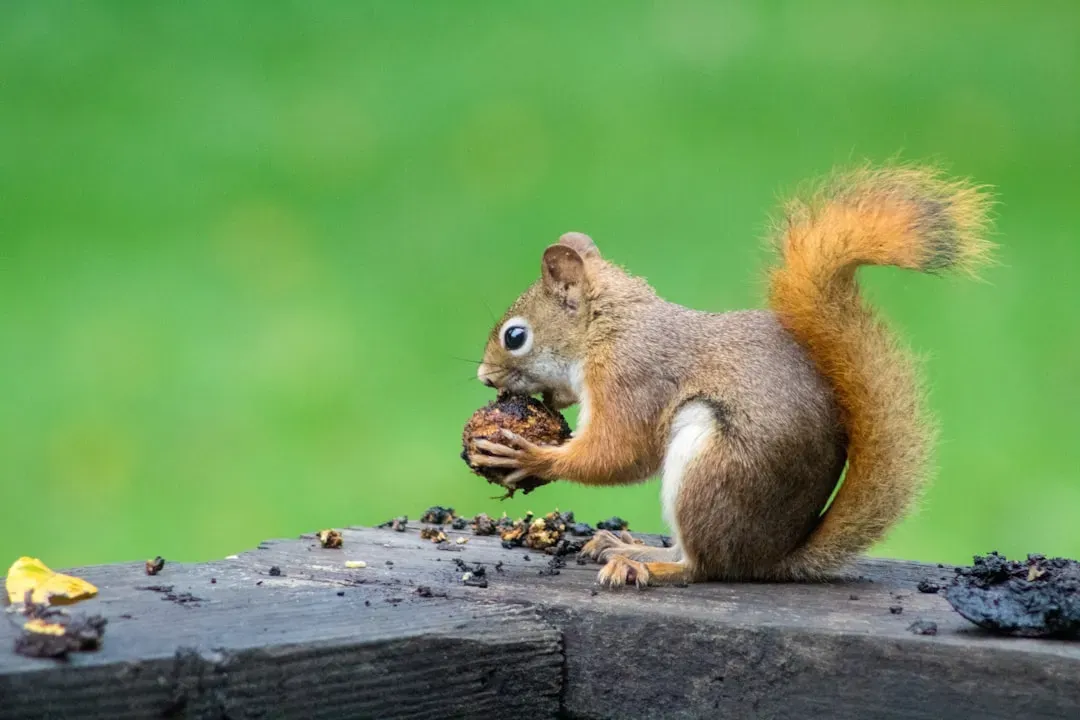
None of this is meant to diminish dogs, which have genuinely evolved remarkable social and emotional intelligence in their own right. The point is that squirrels have evolved a completely different kind of intelligence, one built for deception, spatial reasoning, long-term planning, and environmental adaptation, and it’s easy to miss entirely because they look like they’re just running around your yard.
It’s easy to assume squirrels aren’t smart because they can’t use tools or perform commands, but that assumes intelligence is equal to how similar an animal’s cognitive process is to ours. Measured on their own terms, squirrels are extraordinary. Scientists are still studying them, and it turns out the secret lives of squirrels are more complex than previously thought.
Next time a squirrel freezes on your lawn, stares at you for a moment, then darts off in a direction that seems oddly deliberate, consider that it may have just assessed you, categorized you, and made a calculated decision. It probably has places to be and thousands of things to remember.
