
Picture this. You’re walking down a familiar street in a coastal city, maybe grabbing coffee or heading to work. The sun’s shining, life feels normal. Now imagine that same street flooded regularly, not from a hurricane or freak storm, but just because the tide came in. Sounds dystopian, right? Yet this is becoming reality for several American cities as sea levels creep higher each year.
Sea levels along U.S. coastlines are projected to rise around 10 to 12 inches by 2050, which might not sound like much at first. Still, when you factor in storm surges, high tides, and aging infrastructure, that foot of water makes a huge difference. Some cities will face chronic flooding that could render entire neighborhoods uninhabitable. Let’s be real, we’re not talking about cities disappearing overnight like some lost Atlantis. While scientists don’t believe communities will go completely underwater by 2050, episodic flooding could become extremely damaging and disrupt daily life in ways we’re only beginning to understand. So which cities are most at risk? Buckle up.
Miami, Florida
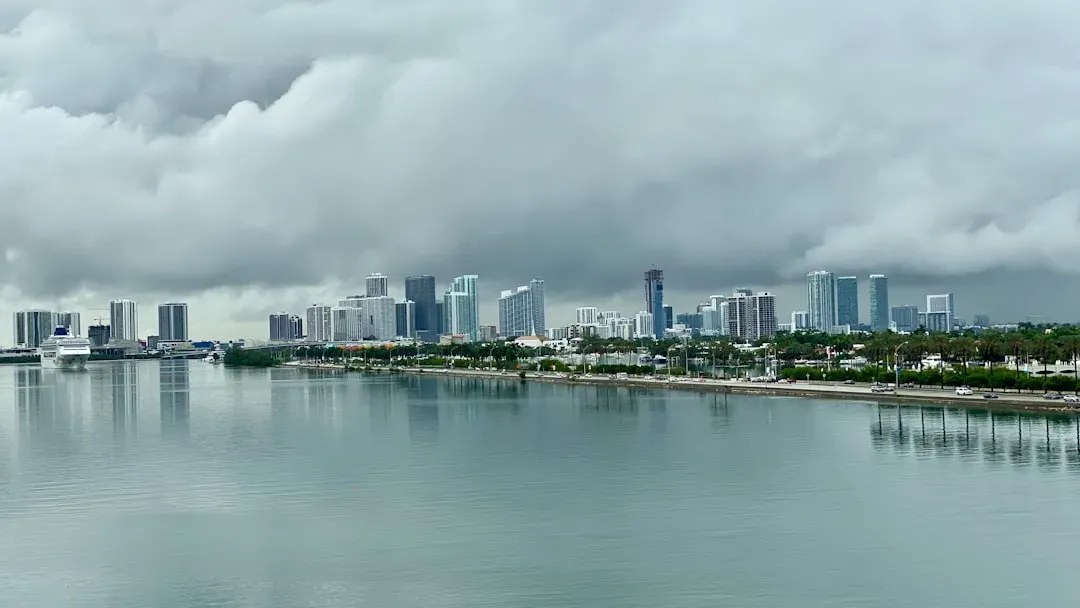
Miami is rated by some as the most vulnerable coastal city in America for natural disasters, and honestly, that’s not surprising when you consider its geography. The city sits on porous limestone, which means seawater doesn’t just lap at the edges during high tide. It literally bubbles up through the ground. Studies suggest that between $15 billion to $23 billion of property , which is a staggering number even for a real estate market as hot as Miami’s.
What makes Miami’s situation particularly tricky is that the very foundation it’s built on works against it. The porous limestone rock means there is no stopping the Atlantic Ocean from seeping through, no matter how many seawalls get built. Meanwhile, development continues at a breakneck pace, with luxury condos still rising along the waterfront as if the ocean isn’t creeping closer every year.
New Orleans, Louisiana
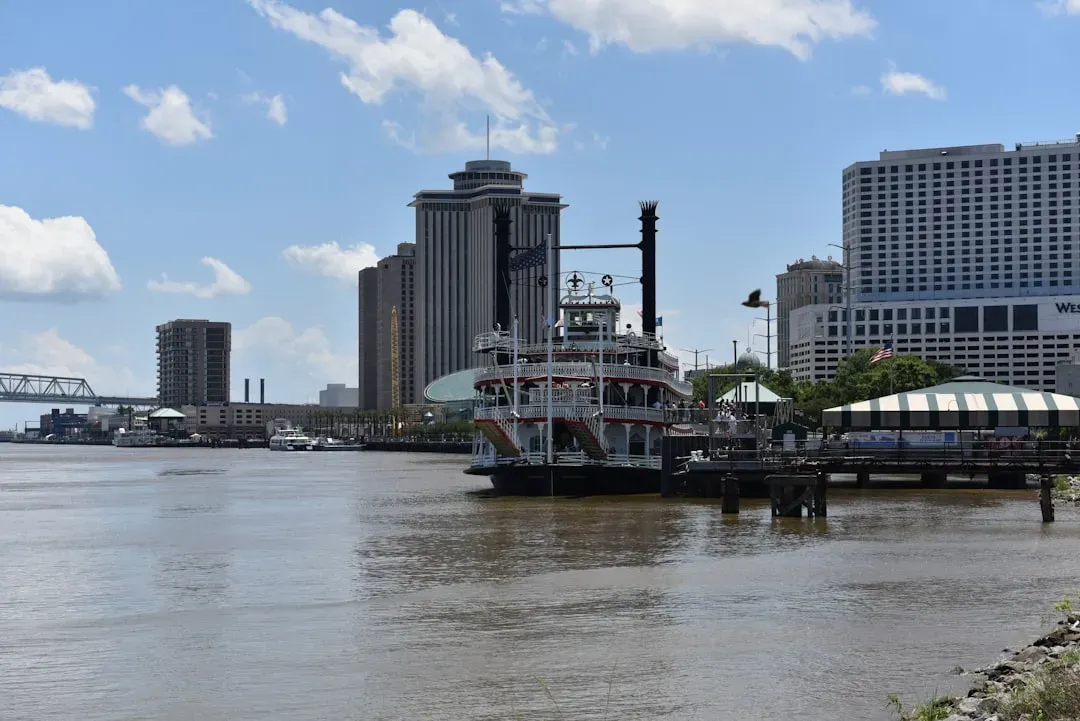
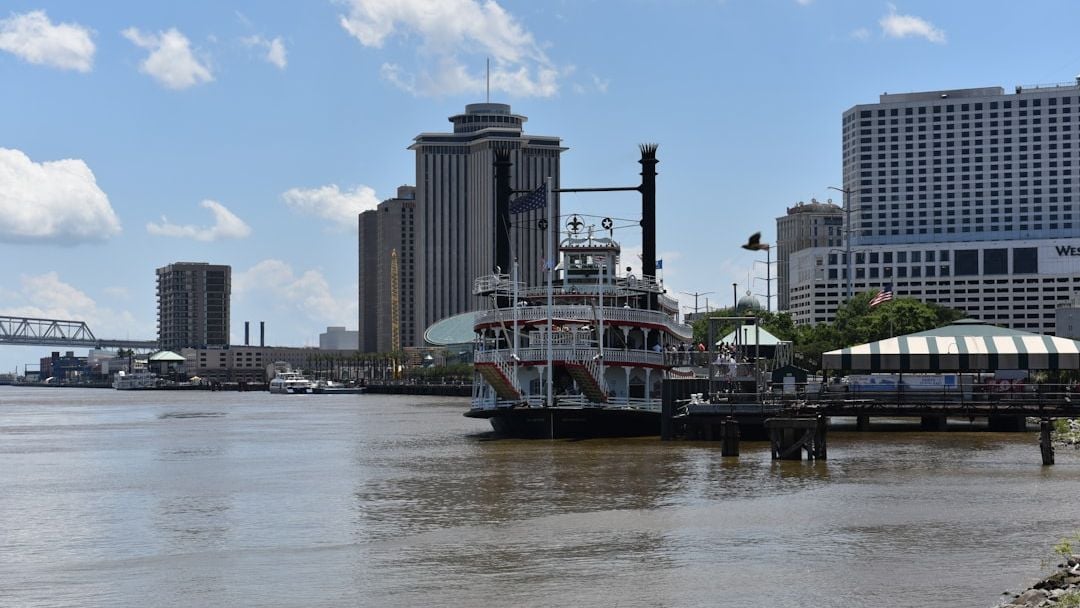
If any city knows the brutal cost of flooding, it’s New Orleans. The city rests about 6 feet below sea level on average, which is genuinely wild when you stop to think about it. Living in a bowl surrounded by water is risky enough without climate change accelerating the timeline.
New Orleans ranked last among 426 global cities for climate preparedness, facing risks from floods, heat, hurricanes, dwindling population, and high insurance costs. That’s a harsh verdict, yet the city has invested billions in upgraded levees and pumping systems since Hurricane Katrina. The city now has one of the most advanced flood protection systems in the world, significantly reducing vulnerability during hurricanes. Whether that’s enough to keep pace with rising seas and intensifying storms remains an open question, though.
Norfolk, Virginia
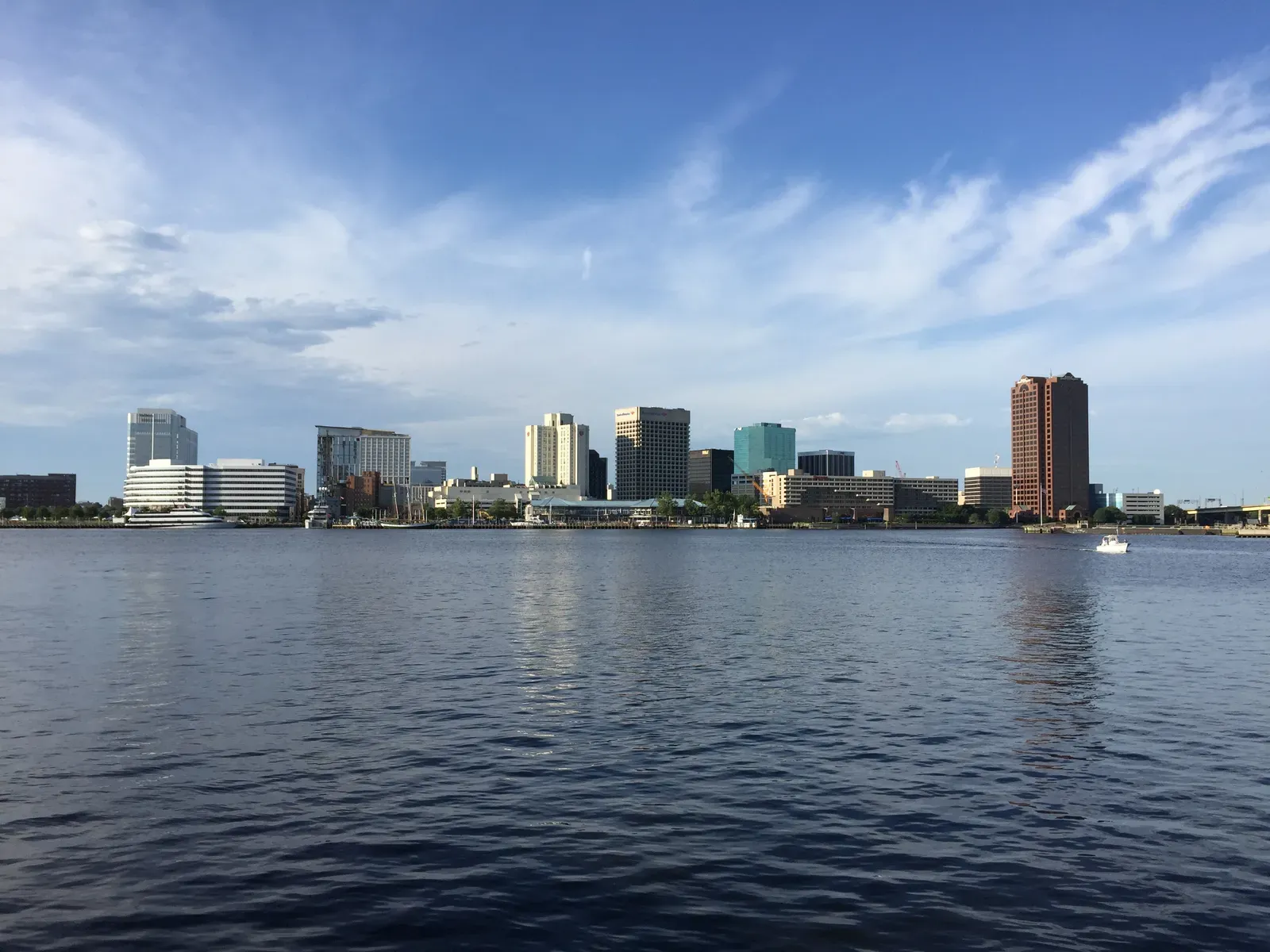
Norfolk is considered a national hotspot for sea level rise, and the numbers back that up in a big way. Hampton Roads can expect a little more than 1.5 feet of sea level rise by 2050, which is among the highest projections on the East Coast. Norfolk isn’t just dealing with rising oceans – it’s also sinking.
Virginia is also experiencing land subsidence, partly due to natural geological processes and human activities such as groundwater extraction. The combination creates a double whammy that few other cities face. To make matters more complicated, the area houses the world’s largest naval station, Naval Station Norfolk, meaning flooding here isn’t just a local issue. It’s a national security concern too.
Charleston, South Carolina
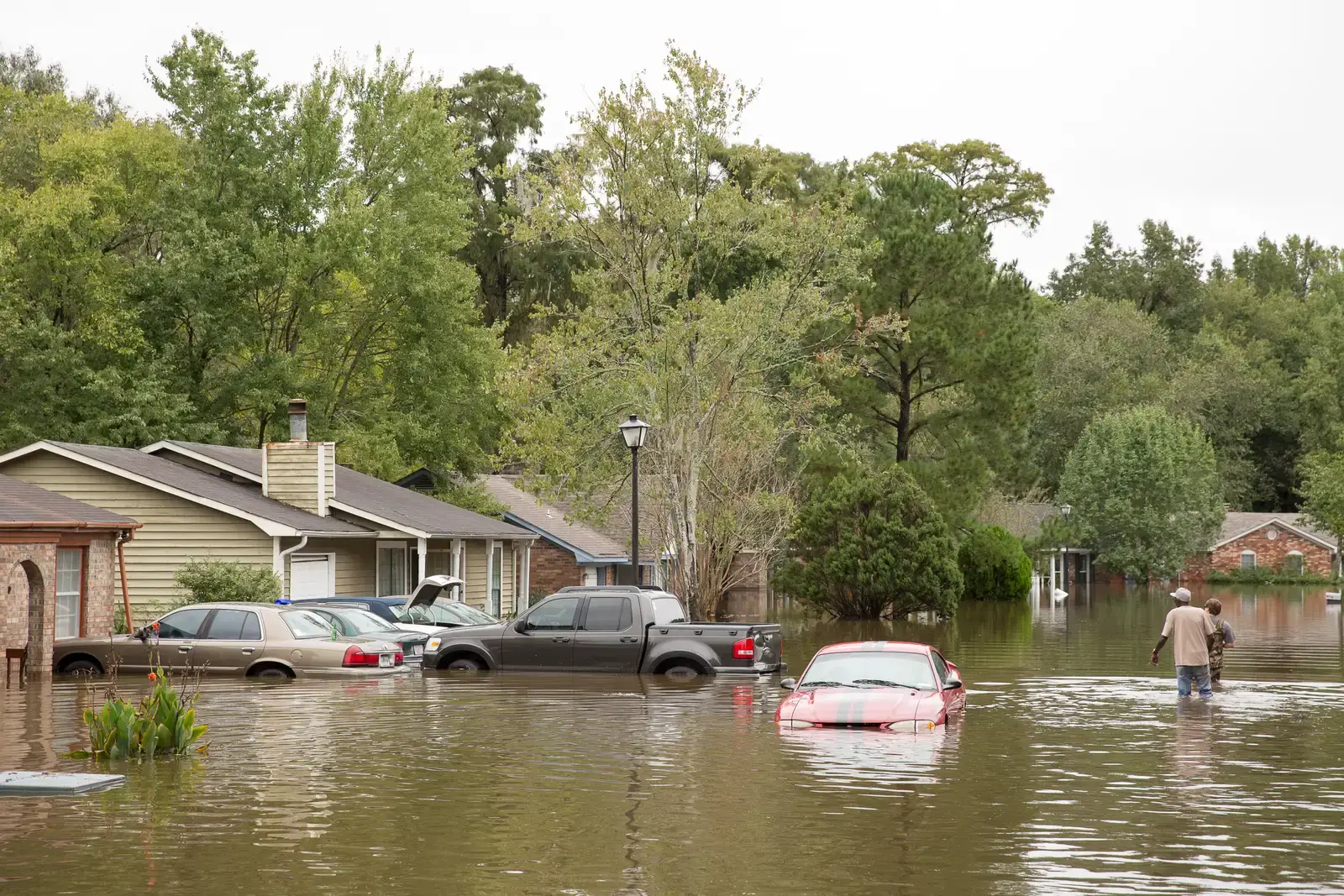
Charleston’s historic charm draws millions of visitors each year, yet that picturesque waterfront is increasingly vulnerable. Charleston could see huge changes to its seafront and communities as waters continue to rise. The city already experiences regular tidal flooding, often called “nuisance flooding,” where streets fill with water during high tides even on sunny days.
I know it sounds crazy, but this kind of flooding is becoming so common that residents have started treating it like an annoyance rather than an emergency. That normalization is dangerous because it masks the larger trend. The city’s low elevation and proximity to multiple bodies of water make it exceptionally exposed, and projections suggest things will only intensify as we approach mid-century.
Key West, Florida
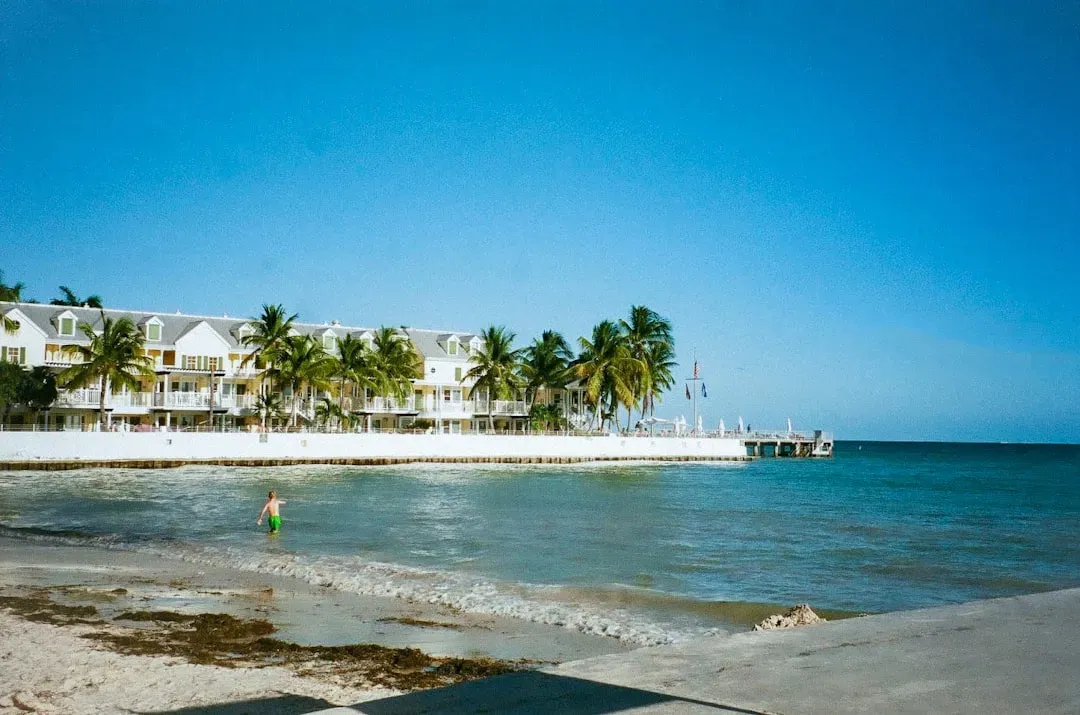
By 2060, it’s estimated that over 60% of the livable land in Key West will be flooded, rising to nearly the entire island by the end of the century. Key West is basically the canary in the coal mine for sea level rise because it’s already feeling the effects now, not decades from now. Being an island city means there’s nowhere for the water to go but up and inward.
Some critical roads in Key West are expected to flood by 2025 due to sea rise, which means infrastructure is already struggling to keep up. The famous Duval Street, Hemingway’s house, the quirky charm that defines the place – all of it sits precariously close to water that’s not retreating. It’s hard to say for sure, but the city might become one of the first American casualties of climate-driven displacement.
Galveston, Texas
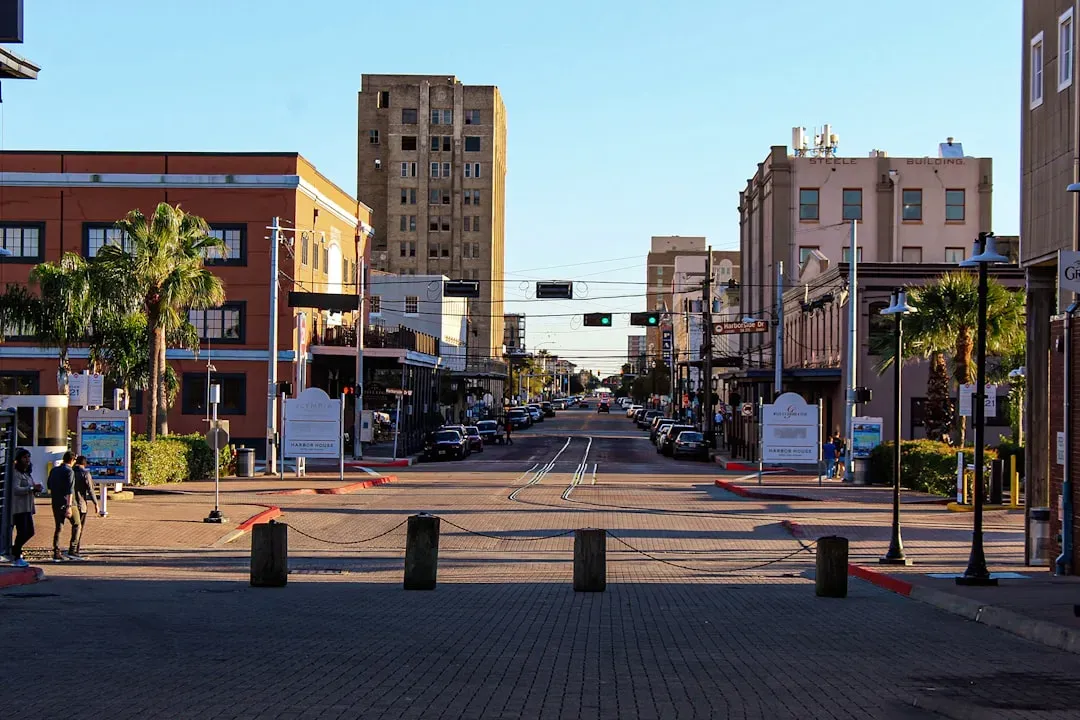
Galveston has a long, brutal history with hurricanes and flooding, dating back to the catastrophic 1900 storm that killed thousands. Fast forward to 2026, and Texas faces high rates of land subsidence due to withdrawal of fossil fuel and groundwater, making coastal cities like Galveston even more vulnerable. The combination of sinking land and rising seas creates a dangerous situation.
The city sits on a barrier island, which means it’s exposed to storm surges from the Gulf of Mexico with very little natural protection. While seawalls and other defenses exist, they were designed for yesterday’s climate, not tomorrow’s. Projections suggest that regular flooding could become the norm here, disrupting both the tourism economy and the daily lives of residents who call the island home.
Atlantic City, New Jersey
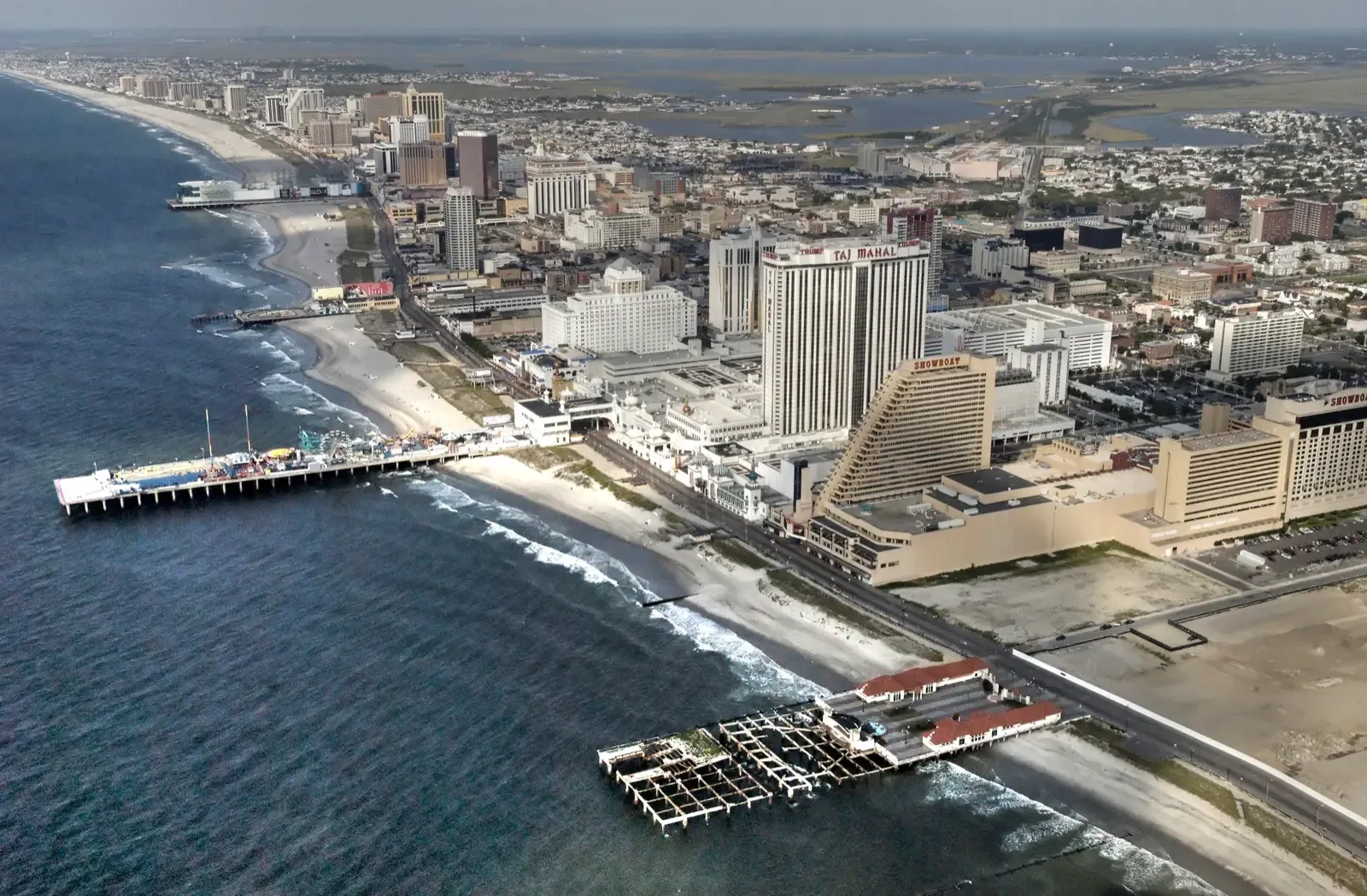
Atlantic City is expected to be completely underwater in the coming 58 years, though that timeline might sound dramatic, the city is undeniably at serious risk. Anyone who remembers Hurricane Sandy in 2012 saw a preview of what’s coming – boardwalks destroyed, casinos flooded, entire neighborhoods under feet of water.
Atlantic City would be submerged in water under more extreme sea level rise scenarios, and even moderate projections show significant portions of the city facing chronic flooding by 2050. The famous boardwalk that draws tourists from around the world? It’s already being rebuilt and reinforced repeatedly. Here’s the thing, though. You can only rebuild so many times before people start asking whether it’s worth it anymore.
Conclusion
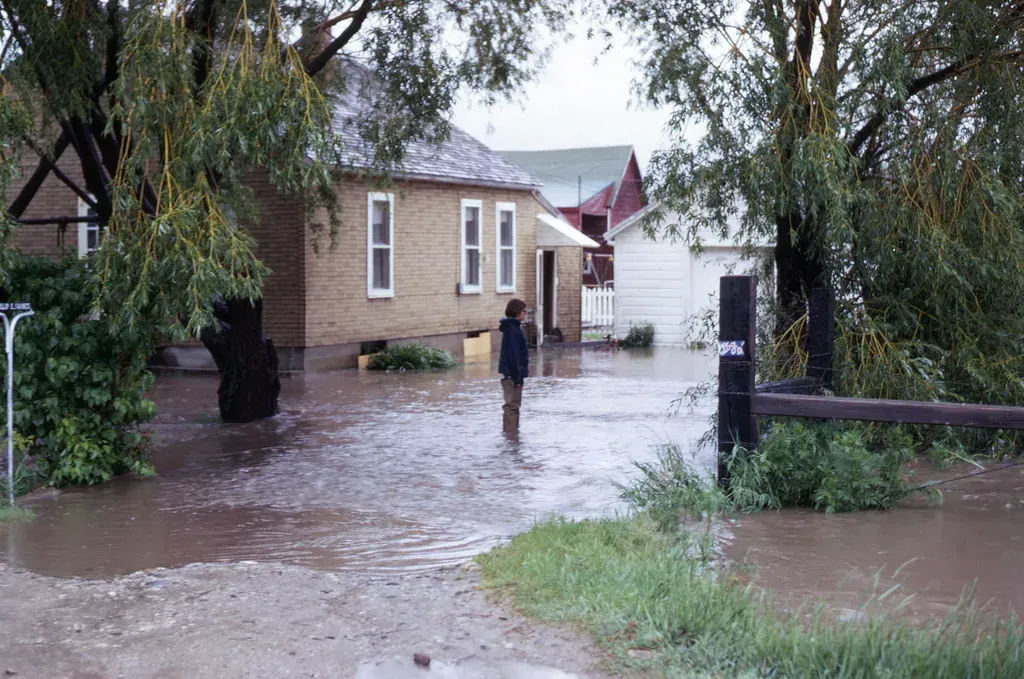
These seven cities represent just a fraction of the coastal communities facing an uncertain future as waters rise. Some are investing heavily in infrastructure, elevating buildings, constructing seawalls, and restoring natural barriers. Others are still figuring out how to balance economic growth with the reality of encroaching tides. What’s clear is that the next few decades will test American resilience in ways we haven’t seen before.
The conversation around sea level rise often feels abstract until you picture real streets, real homes, real communities dealing with water where it shouldn’t be. These aren’t distant problems for our grandchildren to solve. They’re happening now, and the clock is ticking toward 2050 faster than most of us realize. What do you think – should these cities double down on defenses, or is managed retreat the more realistic option? Tell us in the comments.

- What Happens to Your Brain in the Final 60 Seconds Before Death – Neuroscientists Just Mapped It - August 13, 2026
- The Most Dangerous Myths About Tornadoes at Night - August 13, 2026
- How To Ride A Horse Safely - August 13, 2026