
Ancient Roots and Early Cultural Significance
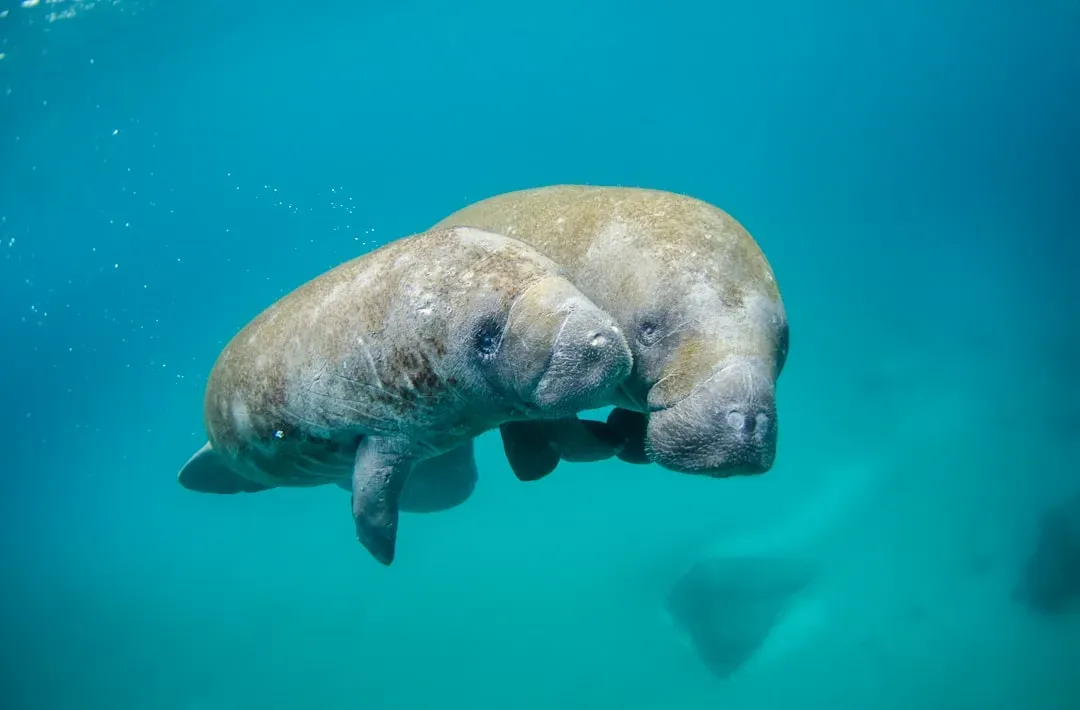
Long before conservation was a word anyone used, the Florida manatee held a place in human imagination. Native American tribes in Florida, such as the Calusa and Timucua, revered manatees and featured them in their folklore. These gentle creatures held cultural significance, symbolizing harmony with nature and embodying qualities of peace and gentleness.
With their large size, slow-moving nature, and fondness for seagrass, it’s easy to see why they’re nicknamed “sea cows.” They’ve long been fascinating to humans, inspiring tales of mermaids among sailors of yore. Christopher Columbus himself noted what he described as three “sirens” rising from the sea during his 1493 voyage, confused by what were almost certainly West Indian manatees.
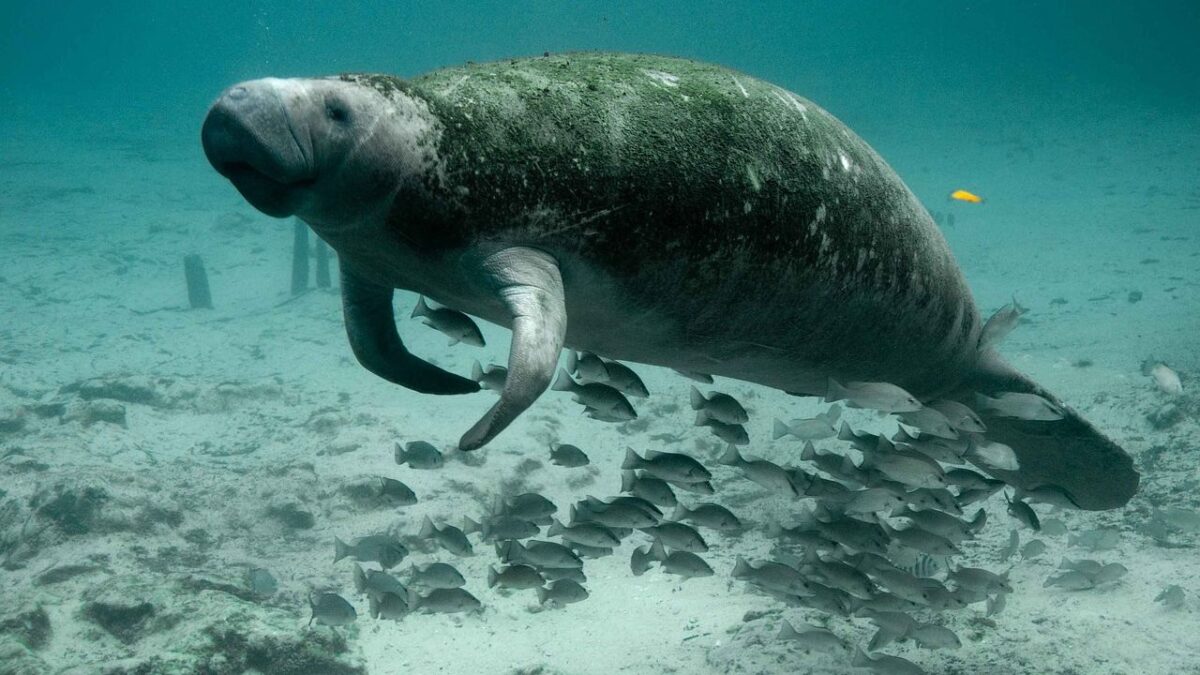
Manatees belong to the order Sirenia, which includes the Amazonian, African, and West Indian manatee species. Though Sirenian fossils have been found globally, only Florida and the Caribbean contain specimens from every epoch over the past 50 million years. The modern manatee, as we know it, emerged in the Caribbean about 2 million years ago. That deep evolutionary lineage gives the species a weight that extends far beyond its aquatic celebrity status.
The Road to Legal Protection
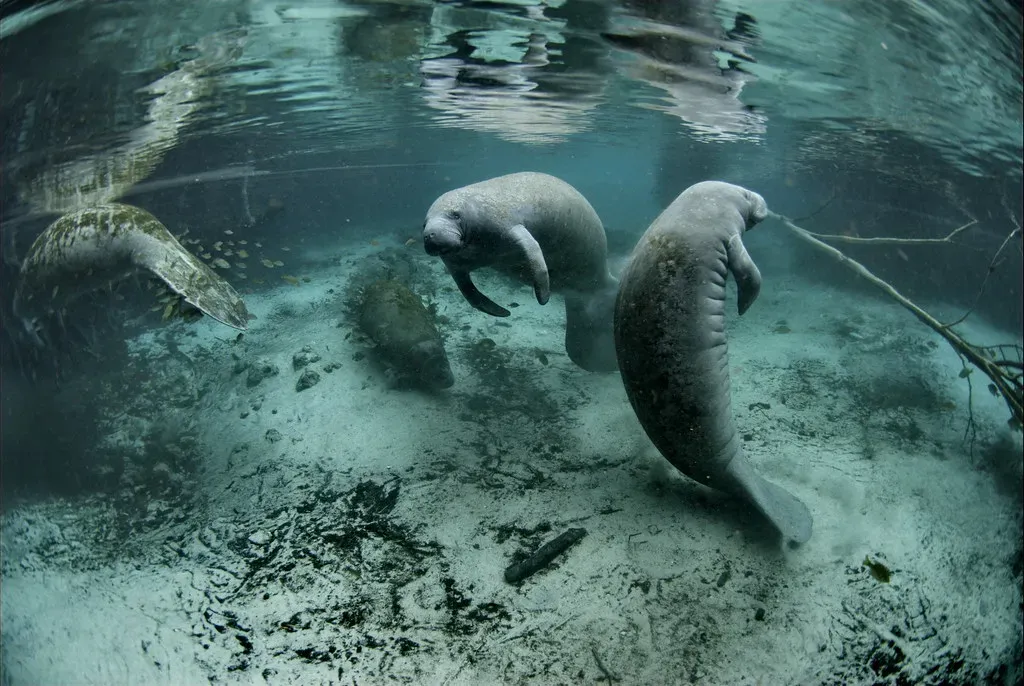
The modern conservation story of the Florida manatee begins with crisis. It’s estimated there were fewer than 1,000 manatees living in the wild in Florida in the mid-1960s. The species was in genuine peril, caught between a rapidly expanding human population and a coastal ecosystem being steadily degraded.
The Florida manatee was listed as endangered in 1967 under the Endangered Species Preservation Act of 1966. In 1893, manatees first received protection under Florida law, and in 1907 this law was revised to impose a fine of $500 and six months of jail time for assaulting or killing a manatee. These early state-level efforts were meaningful, but they lacked the enforcement teeth and federal funding that the animal truly needed.
In 1972, the manatee was designated a marine mammal protected under the Federal Marine Mammal Protection Act. Then came a cascade of legislative milestones that gradually built the scaffolding of modern manatee protection. In 1979, Florida Governor Bob Graham made November Manatee Awareness Month, and the first state-designated protection zones were established. The year 1980 saw Congress allocate $100,000 to the Marine Mammal Commission and the development of the initial Federal Manatee Recovery Plan by the U.S. Fish and Wildlife Service.
The Save the Manatee Club and the Power of Public Engagement
Few chapters in the manatee’s conservation history are as unexpected as the involvement of a Grammy-winning musician. Save The Manatee Club was established in 1981 by former Florida Governor Bob Graham and singer and songwriter Jimmy Buffett. It was started so the public could participate in conservation efforts to save endangered manatees from extinction.
There are currently about 40,000 active members of Save the Manatee Club. The organization raises funds from the Adopt-A-Manatee program to support public awareness and education projects, manatee research, rescue and rehabilitation efforts, and advocacy and legal action to ensure better protection for manatees and their habitat. That citizen-led model proved genuinely effective, pulling conservation out of government offices and into everyday public life.
Designated in 1975 as the Florida state marine mammal, manatees today are as ubiquitous a symbol of the Sunshine State as oranges, alligators, and Disney World. One of the most popular efforts to raise money for manatee research and conservation is the sale of license plates by the Florida Fish and Wildlife Conservation Commission. The proceeds of these sales have raised $34,000,000 since 1990. That figure alone speaks volumes about how deeply the animal is woven into Florida’s public identity.
A Population That Actually Recovered
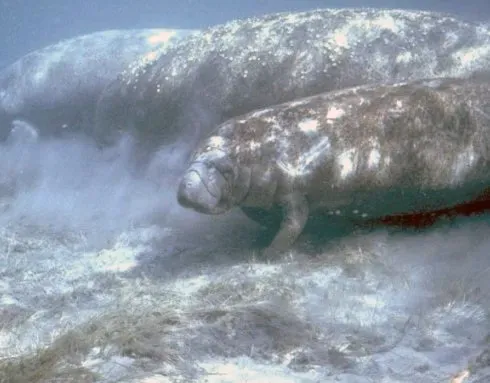
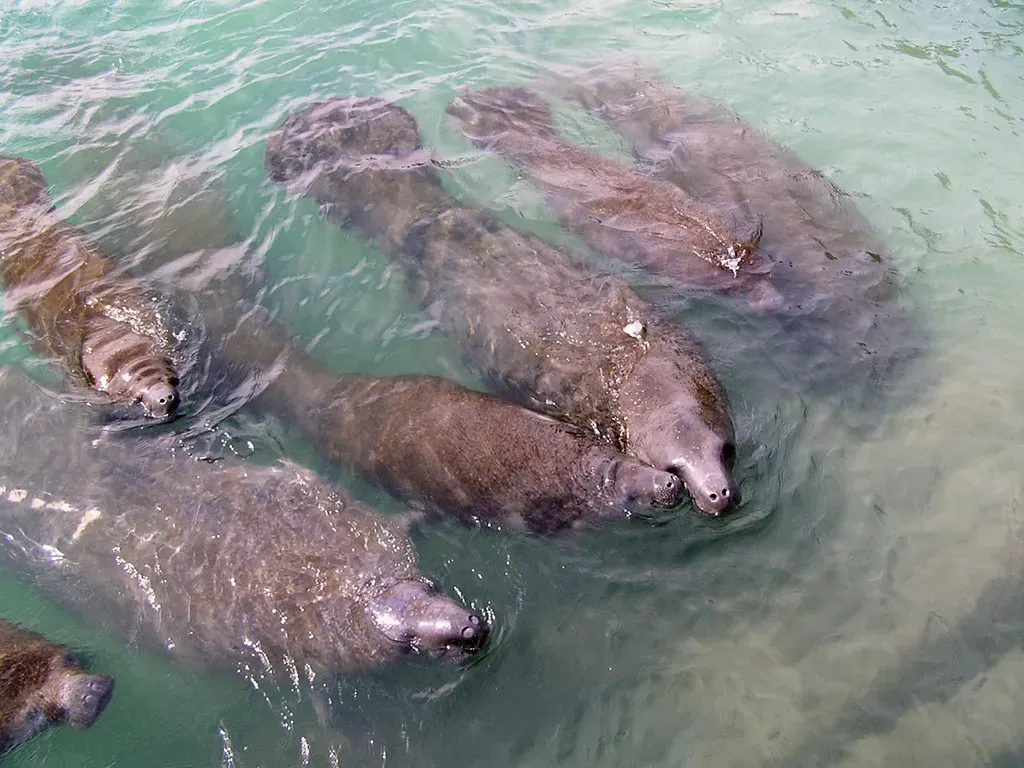
The numbers tell a story that conservation advocates rarely get to tell. The range-wide minimum known population is estimated to be at least 13,000 manatees, with more than 6,300 in Florida. When aerial surveys began in 1991, there were only an estimated 1,267 manatees in Florida, meaning that the last 25 years saw a roughly 400 percent increase in the species’ population in that state.
The recovery came after diverse conservation efforts and collaborations by Florida and other manatee states, the Commonwealth of Puerto Rico, Caribbean nations, and public and private organizations and citizens. No single law or agency achieved this. It was a collective effort, shaped by decades of political will, scientific monitoring, and public pressure.
Abundance of the subspecies increased over the last 30 years, which prompted the U.S. Fish and Wildlife Service to downlist the West Indian manatee from endangered to threatened in 2017. The federal government reclassified the Florida manatee from endangered to threatened, based on scientific projections that the population would remain above 4,000 individuals over the next 100 years. It was a moment of cautious celebration, though one tempered by the knowledge that threats remained very much in play.
The Threat That Never Disappeared: Boat Strikes and Habitat Loss
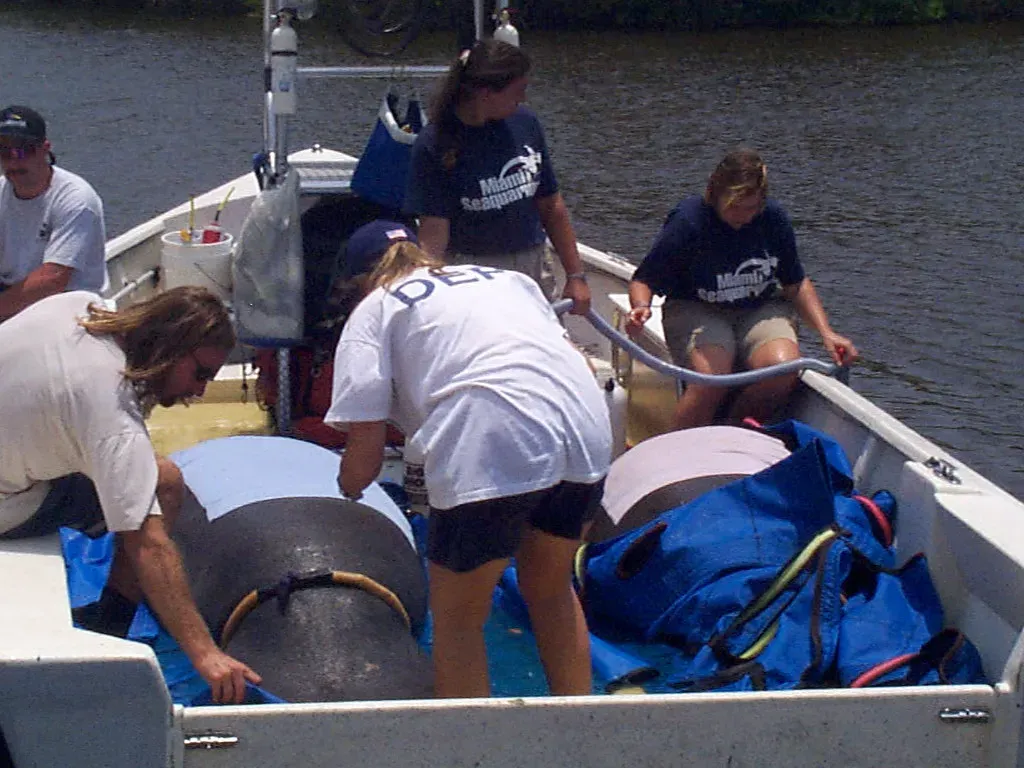
Even as population numbers climbed, manatees were dying in ways that were entirely preventable. Due to their slow speed and relatively high buoyancy, manatees are often struck by vessels, which is the primary cause of human-related deaths of the species. Manatees face threats from habitat loss, watercraft collisions, and pollution. Many of them can be found with scars on their backs from propeller blades, and every year, manatees are killed from contact with boats.
The first manatee protection zone rules were adopted for Martin County in 1990, and today 18 counties have manatee protection zone rules. Slow-speed manatee protection zones require boaters to slow down or idle to reduce the risk of collisions. The zones are marked with clear signage and are enforced seasonally or year-round, depending on manatee activity. These zones are most commonly found in seagrass beds, shallow waters, and areas where manatees are most likely to congregate, such as rivers and springs.
As the number of recreational boats in the state increases, with upwards of 1 million registered as of 2024, manatee-boat collisions have risen as well. The tension between Florida’s boating economy and its manatee population isn’t going away. It’s one of the central, unresolved conflicts in the animal’s ongoing conservation story.
The Unusual Mortality Event and a Sobering Wake-Up Call
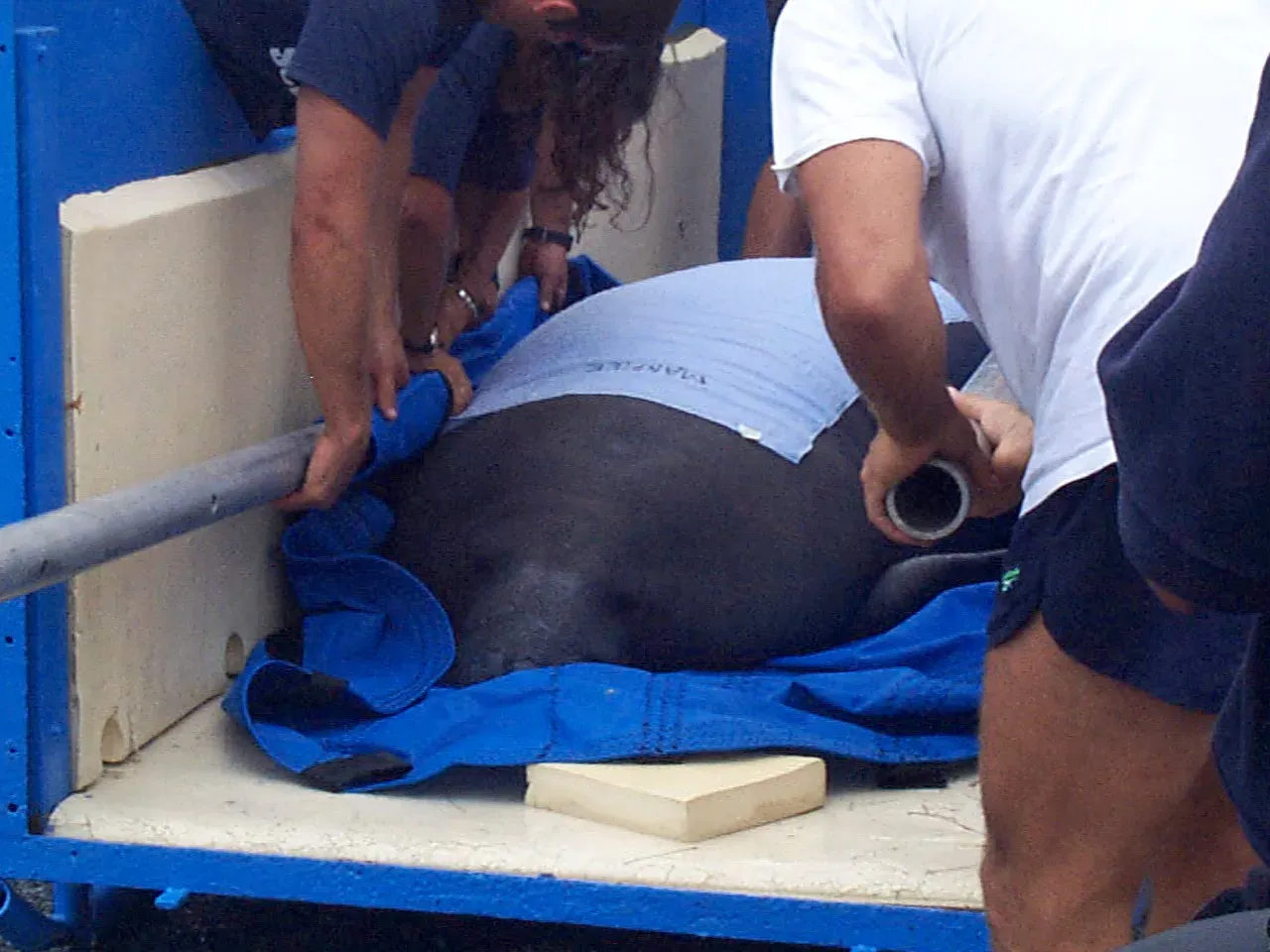
Even after decades of recovery progress, a crisis emerged that no one had fully anticipated. Beginning in December 2020, a drastic uptick in carcasses and manatees requiring rescue was observed along the Atlantic coast of Florida. The increased number of stranded and dead manatees led FWS to declare an Unusual Mortality Event in March 2021 that lasted until April 2022. FWC recorded a total of 1,255 mortalities during the period of the UME.
The high mortality was caused by starvation due to lack of forage in the Indian River Lagoon, where for over a decade, phytoplankton blooms fueled by excess nutrient loading have led to extensive seagrass losses. The Indian River Lagoon provides vital habitat for manatees in all seasons and is central in manatee migration on the Atlantic coast. The culprit was not a single dramatic event but the slow, compounding damage of agricultural runoff, leaking septic systems, and nutrient pollution.
Between December 1, 2020 and April 30, 2022, an unprecedented 1,255 dead manatees were found, and 137 starving animals had to be rescued. The UME was officially closed on March 14, 2025. Still, scientists remain watchful. Concerns remain about the potential for future harmful algal blooms, which triggered the UME by killing off most of the seagrass in the Indian River Lagoon. These blooms develop in water at high nutrient concentrations, caused by things like leaky septic systems and agricultural and stormwater runoff.
Manatees as an Ecological Indicator and Economic Driver
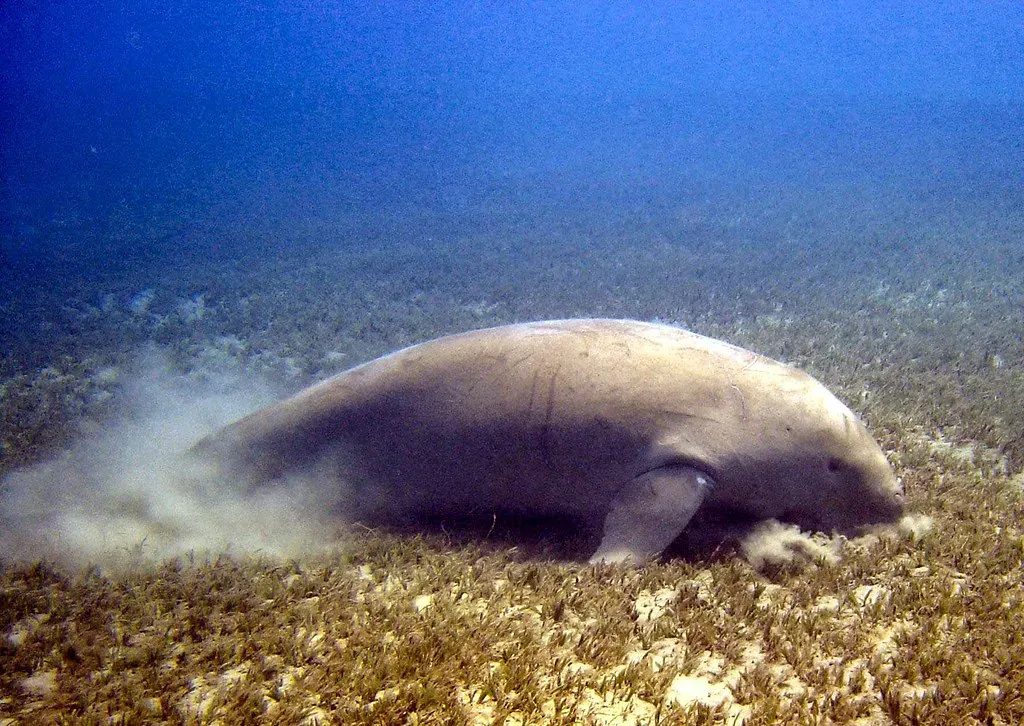
The manatee’s significance extends well beyond its own survival. Manatees are a critical part of the overall marine habitat. They act as natural “farmers” to prevent overgrowth of vegetation in waterways and they eat invasive plants. That helps keep seagrass beds and estuary bottoms healthy for other species.
More than 33 million tourists visit Florida’s coastal waters each year, driving more than $56 billion and 900,000 jobs, according to a 2024 report from the state Department of Environmental Protection. That includes manatee havens in the Crystal River area, where tourism drove more than $500 million in spending in 2024. The economic case for protecting manatees is no longer separate from the ecological one.
Seagrass beds are a vitally important habitat that indicates the overall health of ecosystems. When they suffer, problems emerge for humans as well. These beds are also critical for healthy fisheries, which humans rely on as a source of scallops, clams, oysters, and fish. The manatee, in a sense, is a living barometer for the health of an entire coastal system.
Where Things Stand in 2026 and What Comes Next
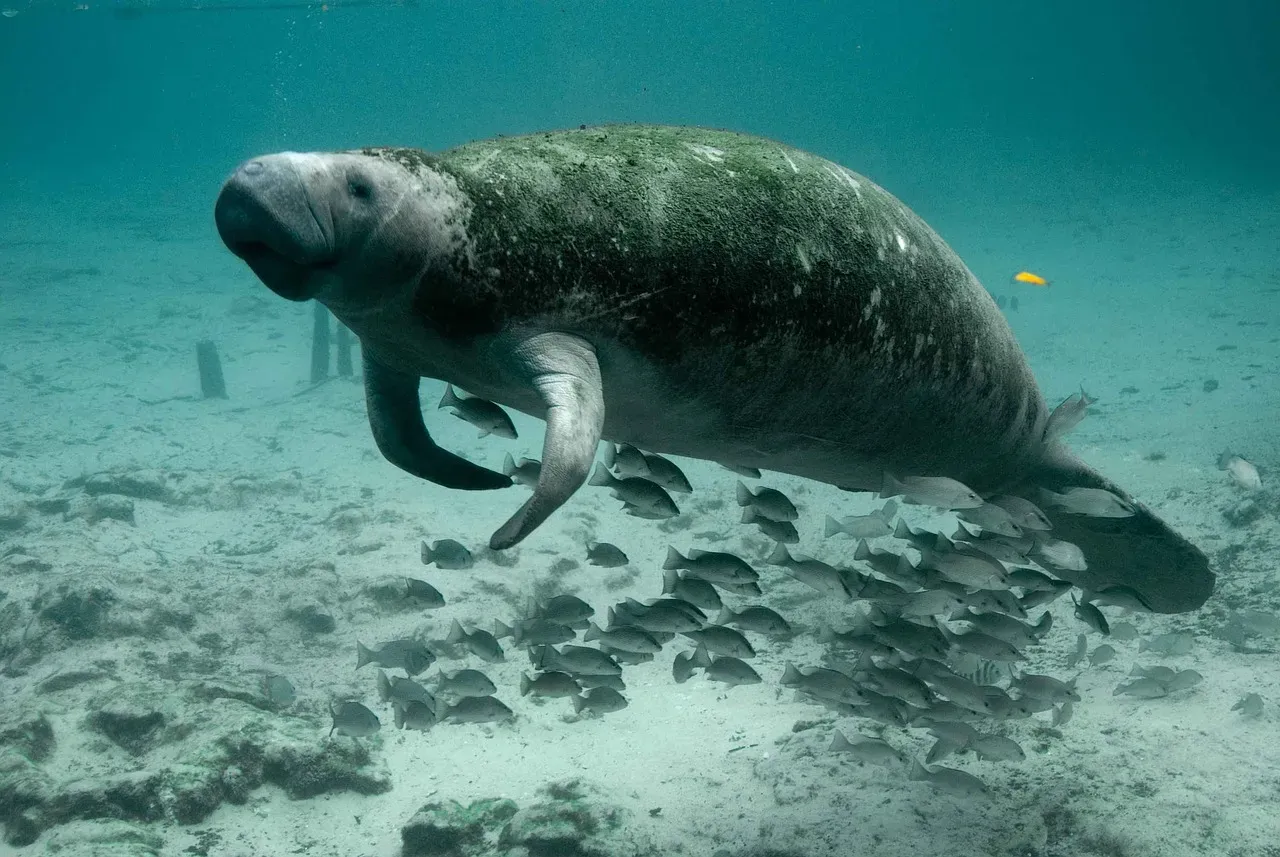
The Florida manatee’s status today is genuinely complicated. Current estimates place the Florida manatee population between 8,000 and 12,000. That’s a remarkable recovery from the verge of extinction. Yet the pressures haven’t eased, and several of them are intensifying.
In 2024, under a legal agreement secured by the Center for Biological Diversity and allies, the Fish and Wildlife Service proposed to protect 1.9 million acres of critical habitat for Florida manatees and about 78,000 acres for Antillean manatees in Puerto Rico. In January 2025, FWS announced the completion of their five-year review of the West Indian manatee and issued a proposed rule to replace the existing listing with two separate listings. The rule proposes to retain threatened status for the Florida manatee and uplist the Antillean manatee to endangered.
A lesser-known concern could turn out to be manatees’ biggest test: the potential loss of life-saving warm water refuges provided by power plants, which attracted manatees to parts of Florida they did not previously inhabit in large numbers. Power plants became critical refuges for manatees. As those plants go offline, the U.S. Fish and Wildlife Service, the Florida Fish and Wildlife Conservation Commission, and other partners are working to implement a warm-water habitat action plan.
Conclusion: A Symbol Worth Sustaining

- What Happens to Your Brain in the Final 60 Seconds Before Death – Neuroscientists Just Mapped It - August 13, 2026
- The Most Dangerous Myths About Tornadoes at Night - August 13, 2026
- How To Ride A Horse Safely - August 13, 2026