

Have you ever heard of the kit fox? Most people haven’t. It’s one of those creatures that slips through the cracks of popular wildlife knowledge, yet it’s among the most fascinating animals prowling the arid landscapes of the American West. This tiny, big eared predator has carved out a life in some of the harshest environments on the continent. While you won’t find kit foxes lounging in your backyard unless you live in very specific parts of the country, knowing where to look can reward you with glimpses of one of North America’s most elusive canids.
These foxes are the smallest of the four species of Vulpes occurring in North America and are among the smallest of the vulpines worldwide. Their massive ears aren’t just for show; they help dissipate heat and give them almost supernatural hearing abilities. Think you know where to find them? Let’s dive in.
California: The San Joaquin Valley and Beyond
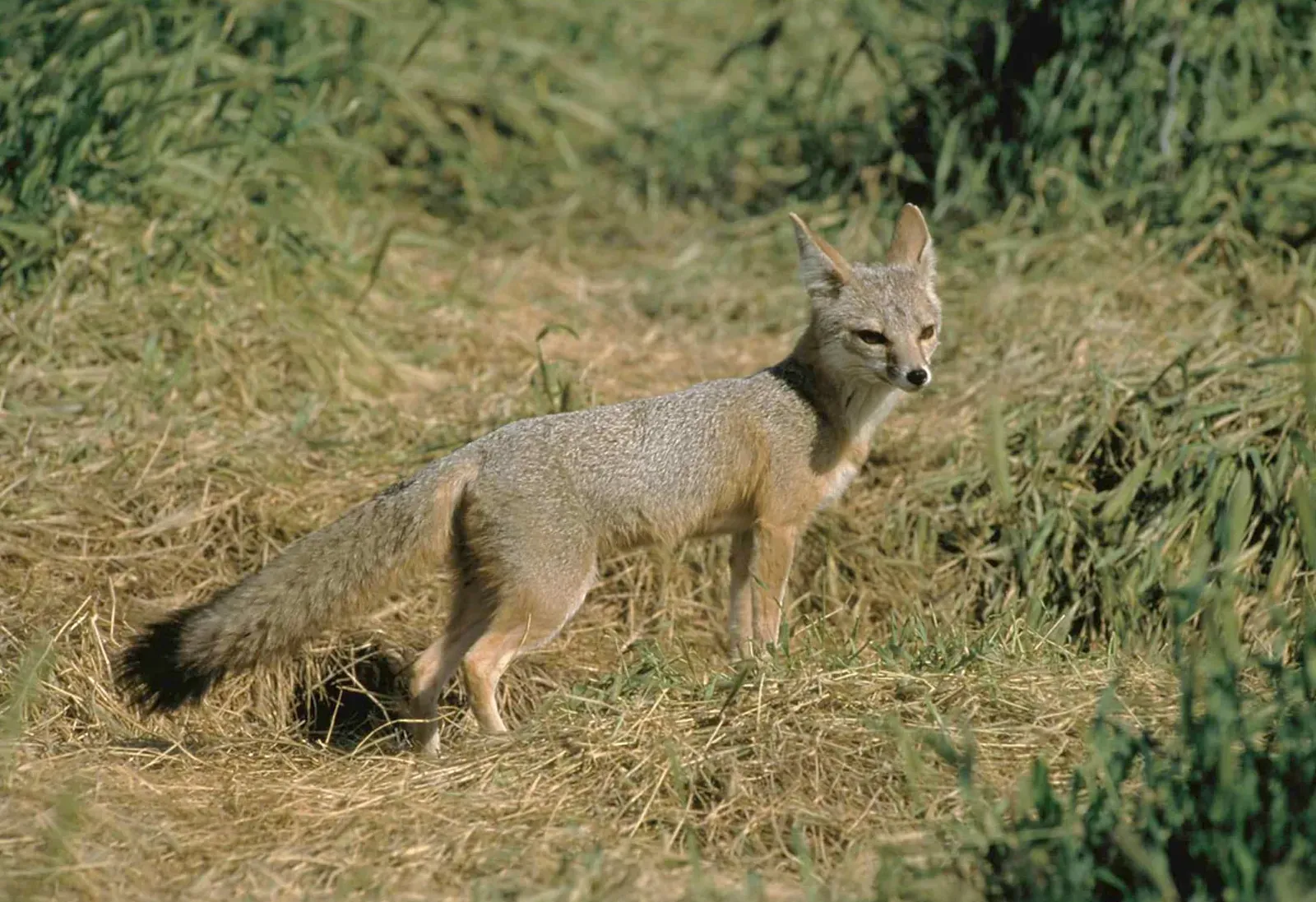
The San Joaquin kit fox roams throughout much of the valley floor and foothills of the San Joaquin Valley in California, from San Joaquin County in the north to Kern County in the south. This subspecies has become the poster child for kit fox conservation, though not for happy reasons. The endangered San Joaquin kit fox was formerly very common in the San Joaquin Valley and through much of Central California, and this subspecies is still endangered, after nearly 50 years of being on the Endangered Species List.
Kit foxes have been found on all the larger, scattered islands of natural land on the Valley floor in Kern, Tulare, Kings, Fresno, Madera, San Benito, Merced, Stanislaus, San Joaquin, Alameda, and Contra Costa counties. Despite habitat loss from agriculture and urban sprawl, these scrappy survivors persist in pockets throughout Central California. The desert regions of southeastern California also harbor kit fox populations, particularly in the Mojave Desert. If you’re patient and willing to spend twilight hours scanning desert scrubland, California offers your best chance of spotting one.
Nevada: Desert Dwellers of the Silver State
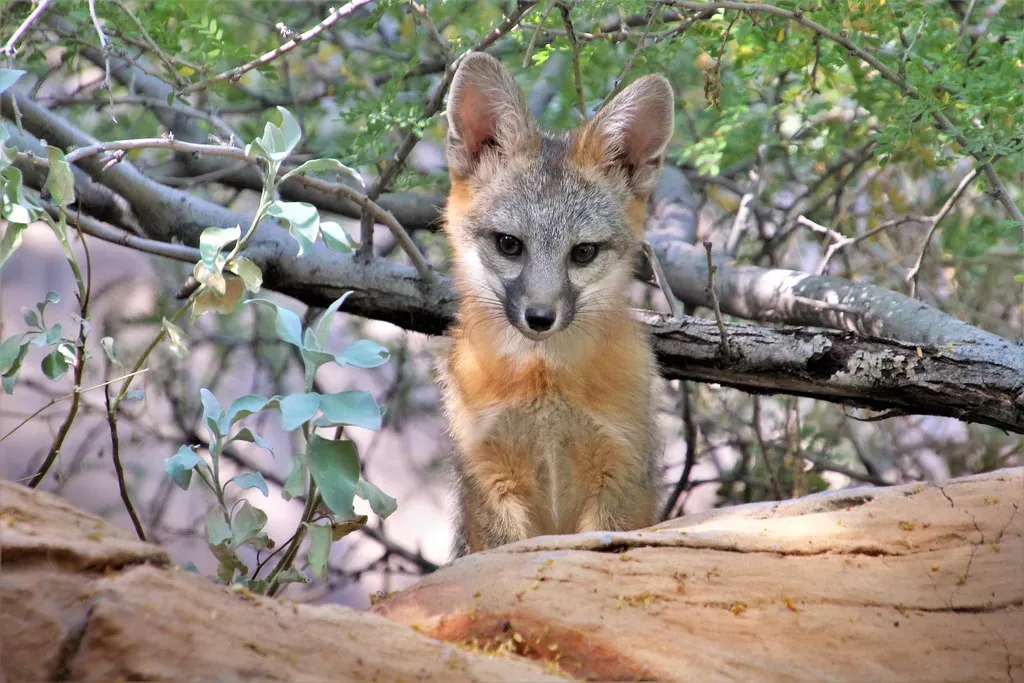
In Nevada, they live in the Mojave Desert where there are flat, arid lands with abundant bushes and desert scrub. Nevada represents prime kit fox territory, with vast stretches of sagebrush and desert habitat that these animals prefer. The state’s relatively low human population density in rural areas means kit foxes face fewer threats here than in more developed regions.
Populations are relatively large and trends are assumed to be relatively stable in Nevada based on extensive remaining suitable habitat. You might encounter them in places like the Great Basin or around the fringes of Las Vegas, where desert meets civilization. These foxes are surprisingly adaptable, sometimes venturing near human areas under cover of darkness.
Utah: High Desert Foxes
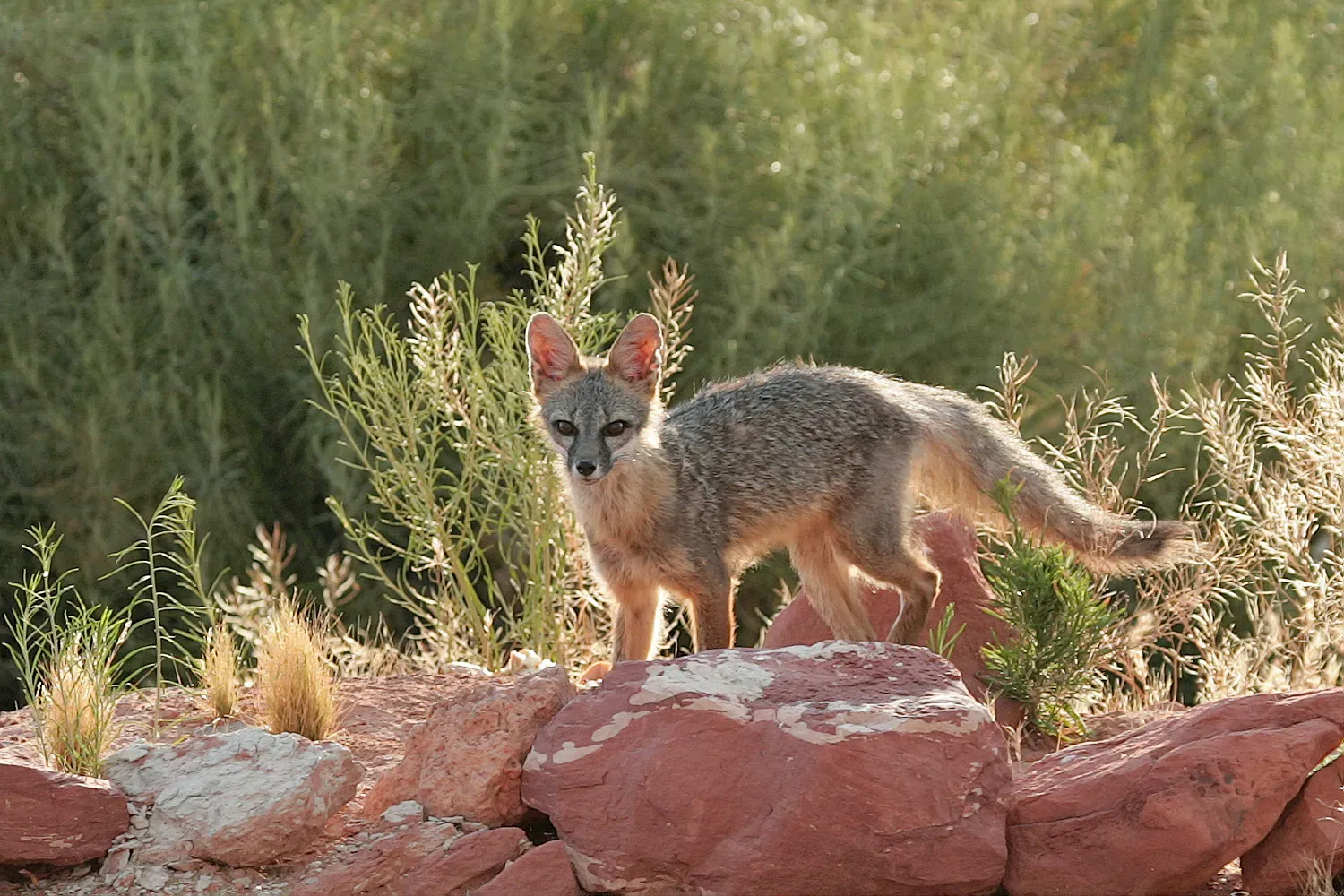
Kit foxes occur in western Utah and Washington County, and range extensions were noted in central Utah, and in Carbon, Emery, Grand, Wayne, and Garfield counties in east-central Utah. Utah’s kit fox population has expanded understanding of the species’ range more than many researchers initially expected. Throughout their range in the state kit foxes are generally associated with desert soils and desert shrub vegetation, elevations below 5,500 feet, and relatively mild winters.
The western third of Utah has historically been recognized as kit fox habitat, but recent surveys have documented populations much farther east than previously thought. If you’re exploring Utah’s red rock country or the salt flats of the west, keep your eyes peeled during evening hours. These foxes are out there, even if spotting one requires considerable luck.
Arizona: Thriving in the Sonoran
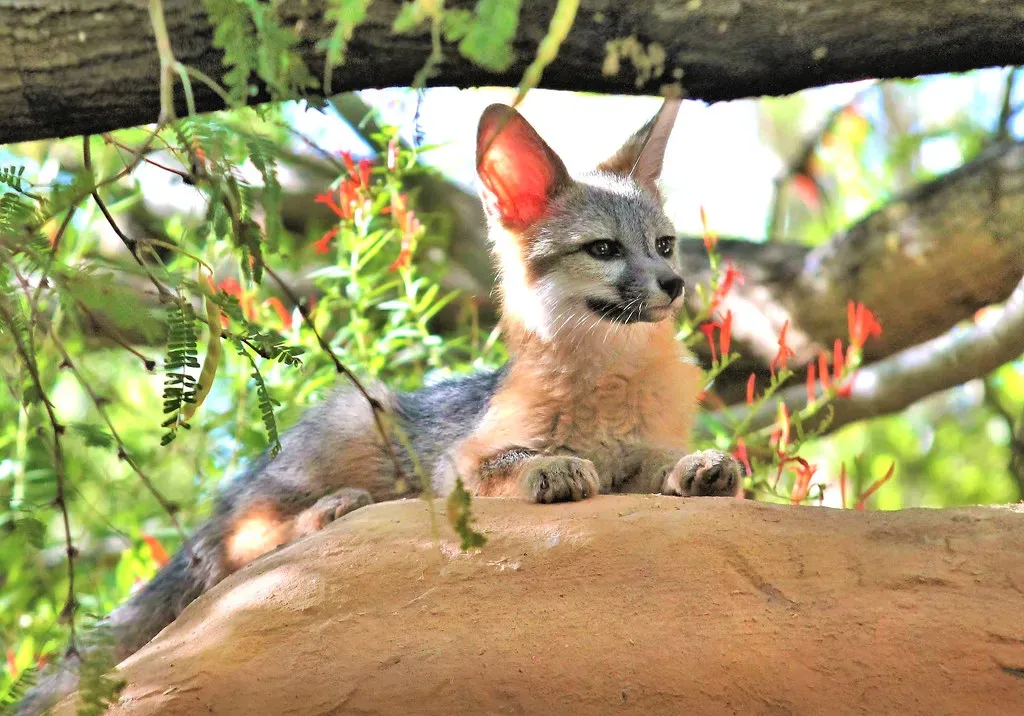
Kit foxes can be found in Arizona, particularly in the state’s northwestern and southwestern desert regions. Populations in Arizona are relatively large and trends are assumed to be relatively stable based on extensive remaining suitable habitat. The Sonoran Desert provides an ideal environment with its mix of sandy washes, rocky outcrops, and abundant small prey.
Arizona’s kit foxes benefit from large tracts of protected desert managed by the Bureau of Land Management and other agencies. Areas around Yuma, the lower Colorado River valley, and parts of the desert near the Mexican border all support populations. These foxes hunt kangaroo rats, pocket mice, and insects under the desert stars, their enormous ears swiveling to detect the slightest rustle in the sand.
Oregon: The Northern Frontier
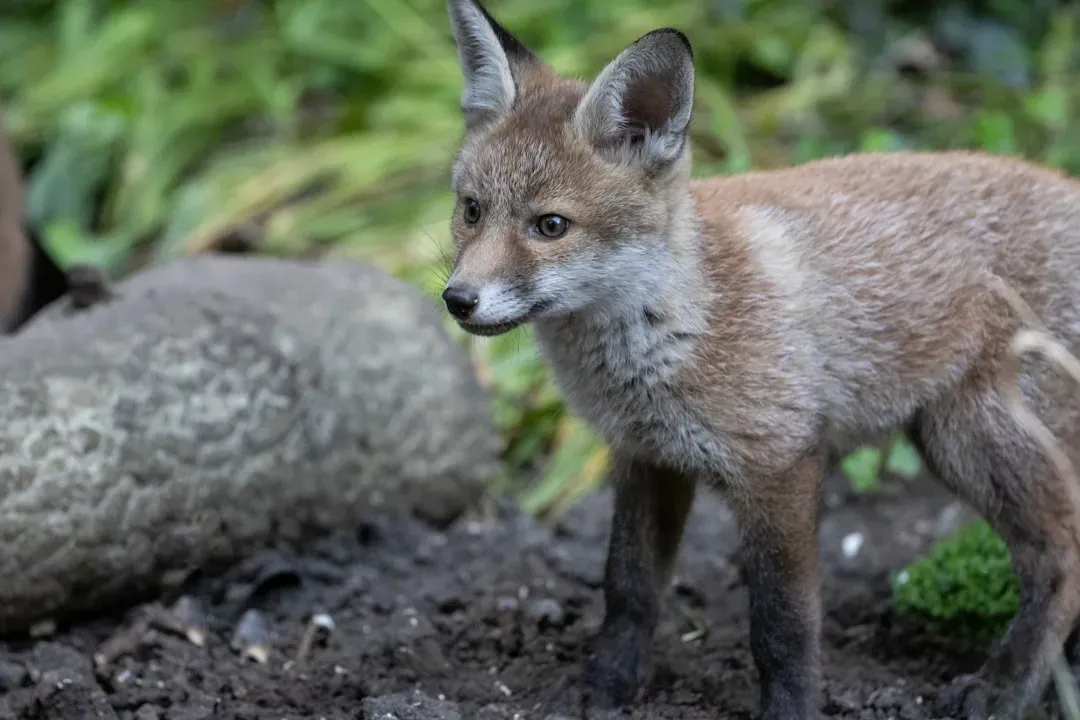
The northernmost part of kit fox range is the arid interior of Oregon. This might surprise people who associate Oregon with rainforests and greenery, but the southeastern corner of the state is high desert country. The Kit Fox has always been rare in Oregon where it reaches its northern limit in the southeastern part of the state.
Research aims to collect updated information on Kit Fox distribution and habitat use in Southeastern Oregon, with camera surveys in southern Malheur County spreading to areas of potential Kit Fox habitat in Harney and Lake Counties. Kit foxes are considered state endangered in Oregon. Spotting one here would be exceptionally rare and memorable, a true wilderness encounter in one of the state’s most remote corners.
New Mexico: Land of Enchantment and Elusive Foxes
Kit foxes can be found in New Mexico, where they inhabit grasslands, desert scrub, and semi-arid regions throughout much of the state. Populations in New Mexico are relatively large and trends are assumed to be relatively stable based on extensive remaining suitable habitat. The eastern part of New Mexico is particularly interesting because this is where kit fox range overlaps with their close relative, the swift fox.
Interbreeding between the two species does occur where their ranges overlap in eastern New Mexico and western Texas, but this hybridization is quite restricted in scope. New Mexico’s vast open spaces and relatively untouched prairie dog towns provide excellent habitat. If you’re camping in the high desert or exploring remote BLM land, you might just catch the reflection of eyes in your headlights as a kit fox darts across a dirt road.
Texas: Where Foxes Meet the Gulf
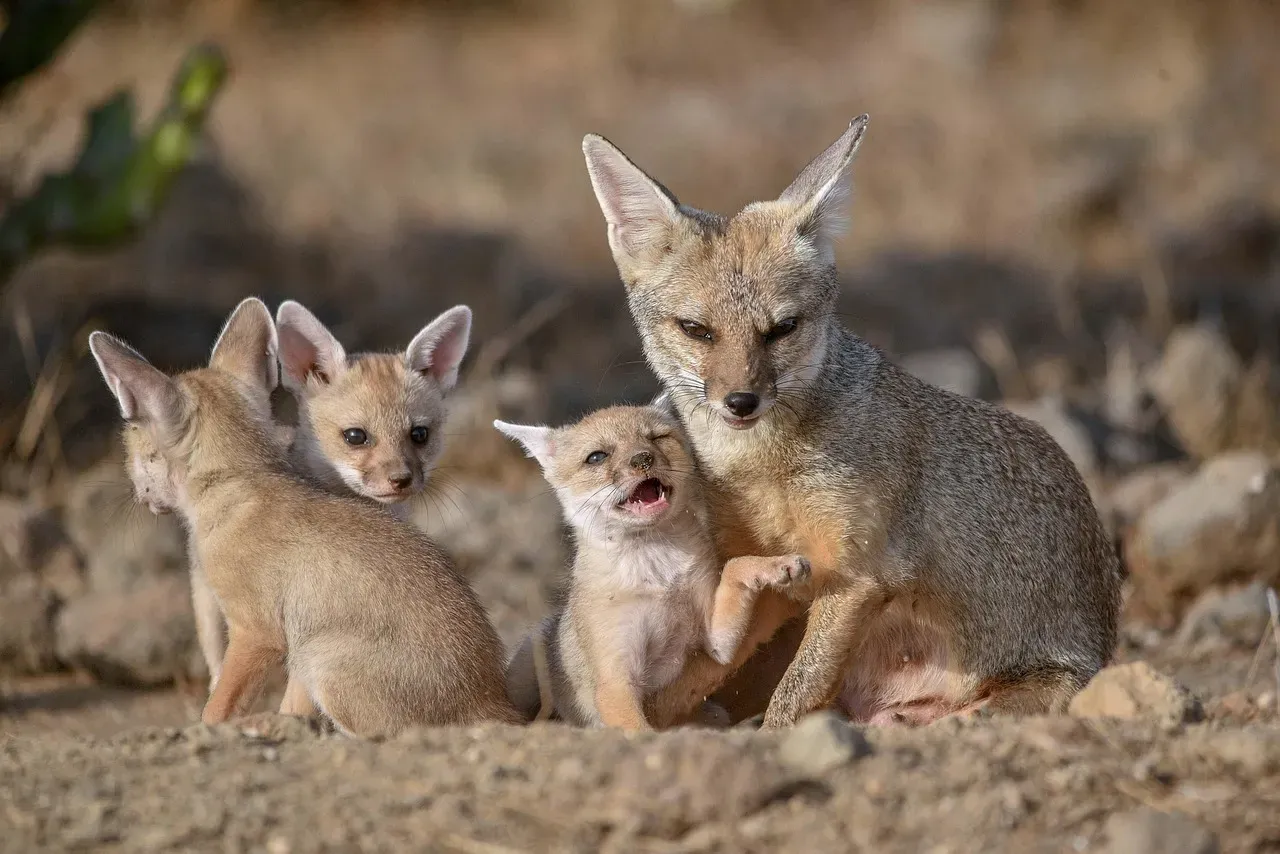
Kit foxes can be found into western Texas. The western portions of the Lone Star State mark the eastern edge of kit fox territory. Populations in Texas are relatively large and trends are assumed to be relatively stable based on extensive remaining suitable habitat. These foxes occupy the Trans-Pecos region and areas of the Panhandle where suitable arid habitat persists.
Texas kit foxes face challenges from agricultural conversion and oil and gas development, but large ranches and public lands still provide corridors for movement and breeding. It’s hard to say for sure, but some biologists believe Texas populations may serve as important genetic links between northern and southern kit fox groups. Honestly, spotting one here might be easier than in Oregon, but you’ll still need patience and a bit of desert savvy.
Conclusion: A Rare Reward for the Patient Observer
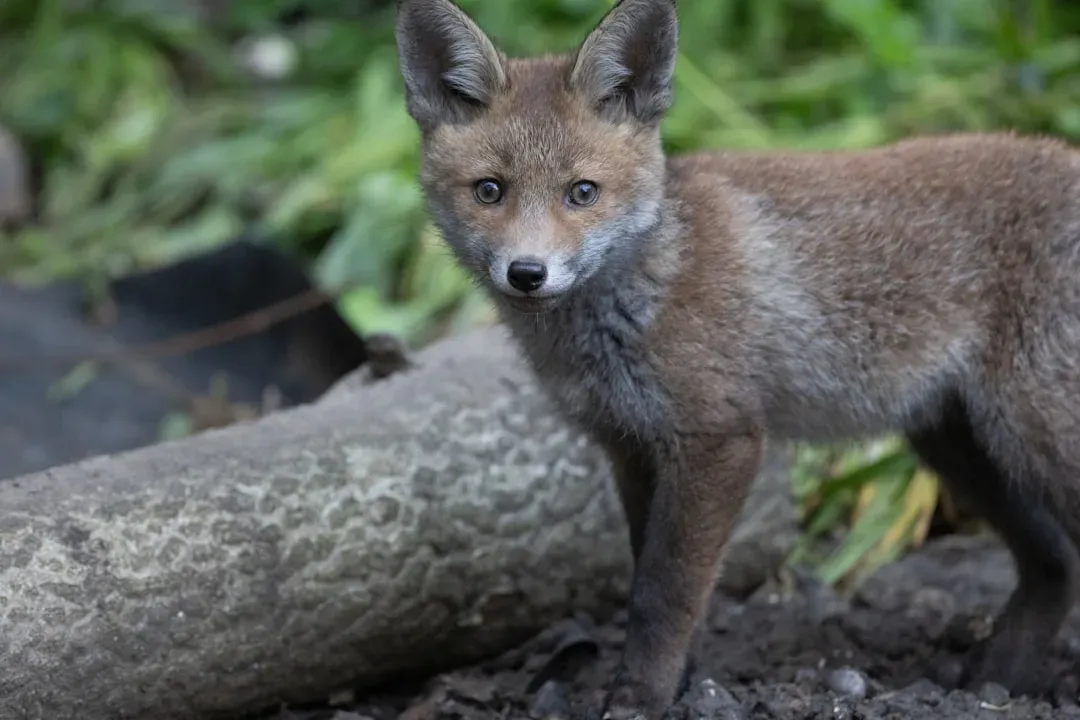
Kit foxes remain one of the American West’s best kept secrets. The kit fox inhabits arid and semi-arid regions of the southwestern United States, and these foxes are the smallest of the four species of Vulpes occurring in North America. While populations in some states face serious conservation challenges, others are relatively stable across the seven states we’ve explored.
Generally, they live five to eight years in the wild, and during that time, they lead mostly solitary, nocturnal lives. The next time you find yourself in the desert Southwest as the sun sets and the landscape cools, remember that these tiny phantoms might be watching you from the shadows. Will you be lucky enough to spot one? Have you ever seen a kit fox in the wild? What would you do if you encountered one of these rare desert gems?

- 10 of The World’s Most Striking Birds - July 17, 2026
- 6 Grizzly Bear Facts That Explain Their Raw Power - July 17, 2026
- America’s Wild Horses Are More Than Just a Symbol; They’re a Vital Part of the Ecosystem - July 17, 2026