
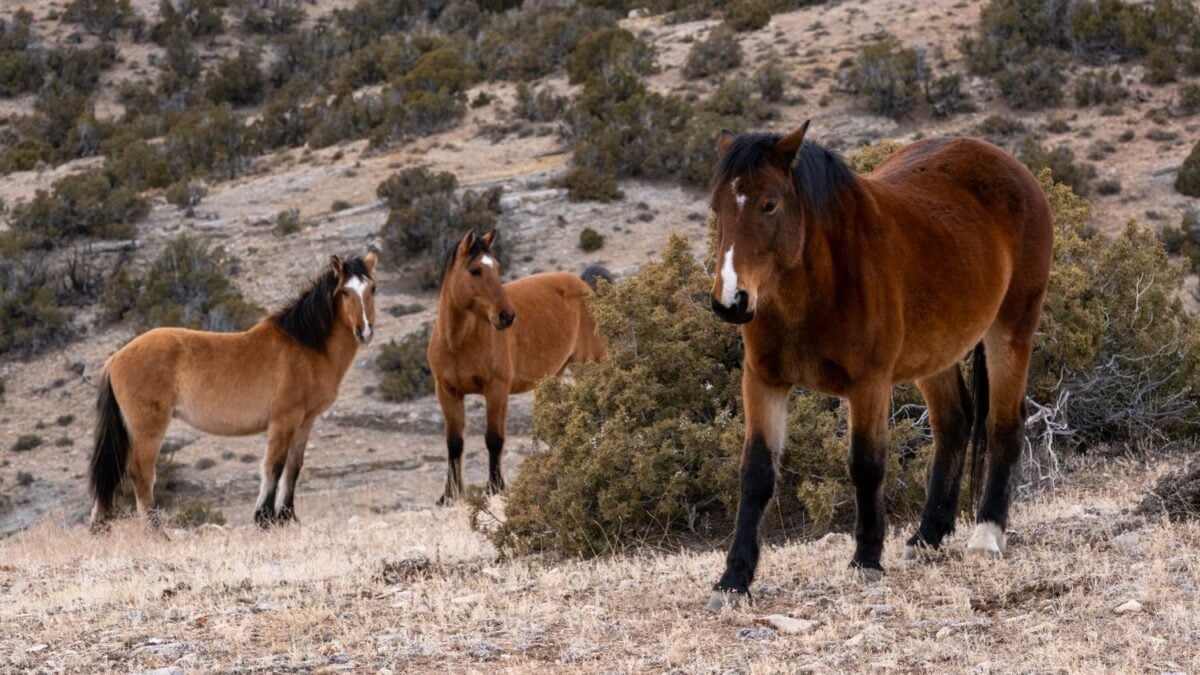
There’s something instinctively compelling about seeing a band of mustangs moving across an open Nevada plain. It feels ancient, almost like the land itself is remembering something. For most people, that image carries the weight of national identity, the untamed West, freedom in motion. What that image rarely carries is the full ecological story underneath it.
Wild horses in America are far more than a cultural emblem. They are living participants in a complex web of biological relationships that shape the landscapes they occupy. The science around their role is nuanced, sometimes contested, and always more interesting than the mythology.
Ancient Roots: Horses Belong to North America More Than We Think
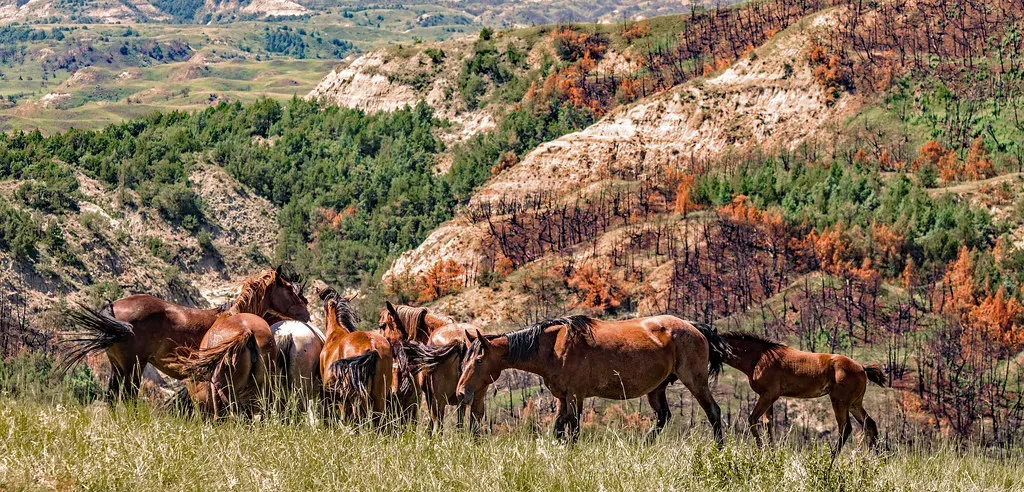
For millions of years, North America was a haven for vast populations of large grazing herbivores, including wild equids like the ancestors of modern horses. That context matters enormously when evaluating whether today’s mustangs are “native” or “invasive,” a debate that has fueled policy disputes for decades.
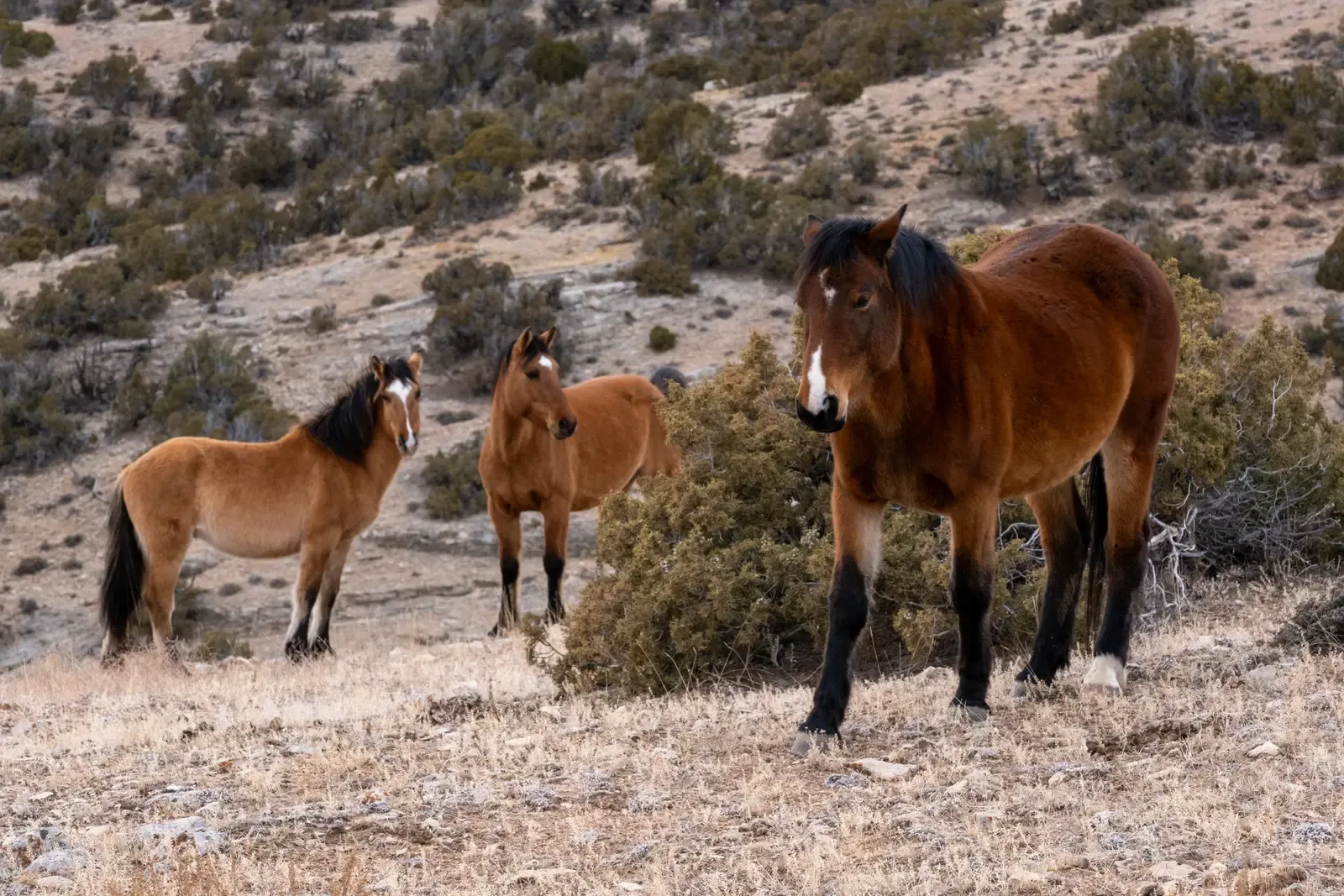
Horses originally roamed North America during the Pleistocene but were extinct by 7,500 years ago at the latest. The ancestry of Nevada’s wild mustangs stretches back to Spanish conquistadors, who brought horses to North America in the 16th century. Over time, some horses escaped or were released, forming wild herds. The mustangs we see today are descendants of these hardy survivors, having adapted over centuries to thrive in the challenging environments of the American West.
These animals shaped ecosystems, influencing plant diversity, water cycles, and fire regimes. The eventual extinction of many of these species, exacerbated by human activity, left ecosystems imbalanced, contributing to phenomena such as increased wildfire intensity and diminished biodiversity. Seen through that lens, the return of horses to the West is less an intrusion and more a reoccupation.
Today these animals can be found primarily in government-designated Herd Management Areas in ten western states: Arizona, California, Colorado, Idaho, Montana, Nevada, New Mexico, Oregon, Utah, and Wyoming. Six states have already lost their entire wild horse populations.
Ecosystem Engineers: What Wild Horses Actually Do for the Land
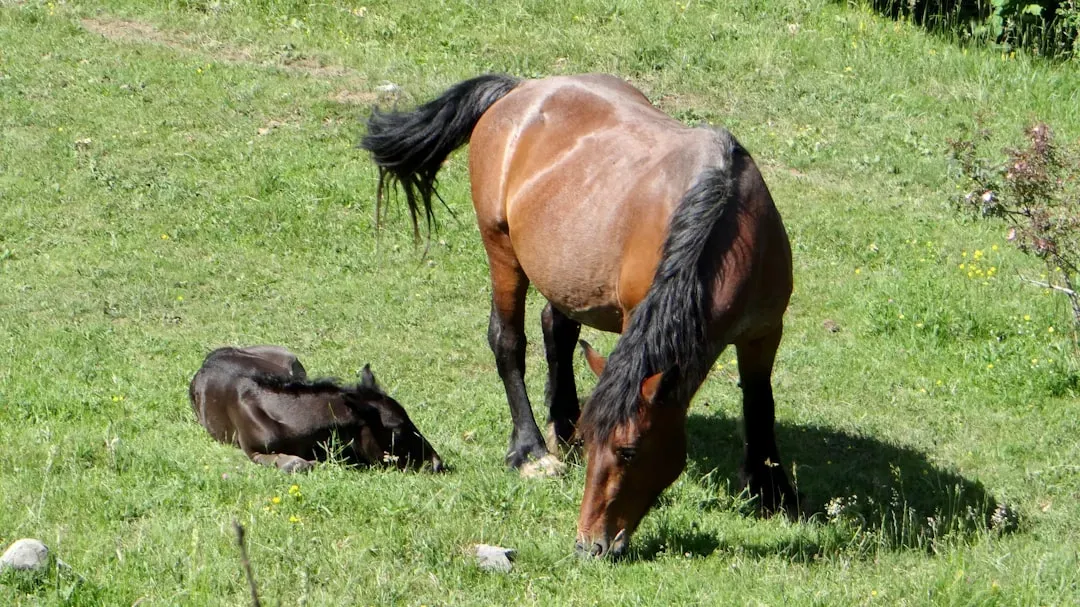
Wild mustangs play a vital role in maintaining the delicate balance of ecosystems in the American West. As grazers, they help control vegetation growth, prevent wildfires, and disperse seeds, contributing to the overall health of the climate and the diversity of the landscape.
The movement and grazing patterns of wild horses help aerate the soil and distribute seeds across large areas. Their hooves break up compacted soil, allowing water to penetrate more easily and encouraging plant growth. Additionally, their droppings act as natural fertilizer, enriching the soil with nutrients.
Large grazing animals also play a vital role in mitigating climate change by enhancing carbon sequestration. By consuming slow-to-decompose vegetation, they stimulate ecosystem metabolism, shifting carbon storage from above-ground vegetation, prone to burning, to more stable soil pools. Wild horses and other large herbivores thus contribute to long-term carbon storage, an essential tool for combating rising atmospheric CO₂ levels.
Beyond fire and climate benefits, wild equids contribute significantly to biodiversity. Their grazing creates habitat mosaics that support diverse plant and animal communities. This patchwork effect is something a single, uniform grazer like a cow in a managed pasture rarely produces.
Water in the Desert: The Surprising Role of Wild Horse Wells
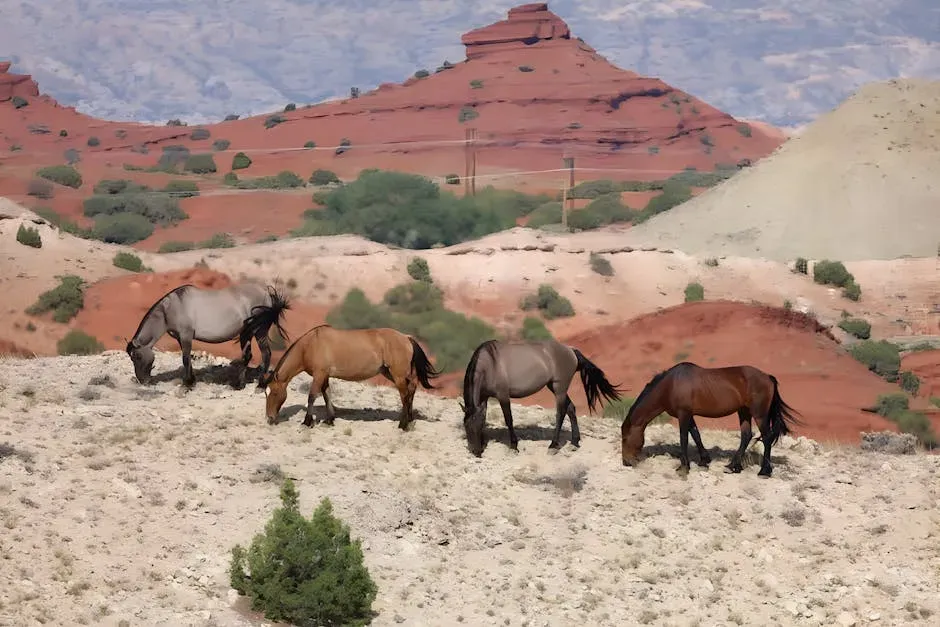
Wild horses have been shown to increase water availability in arid ecosystems by digging wells that reach groundwater. These natural wells benefit a variety of desert wildlife and make ecosystems more resilient to aridification caused by human activity.
Wild burros and horses are known as natural well-diggers. They use their hooves to dig into dry stream beds and arid soil, creating water holes that collect rainwater and groundwater. These water sources become critical for over 50 species of wildlife, including birds, reptiles, and mammals, especially during dry seasons.
Research indicates the animals are generating distinct water sources that are utilized by more than 60 native vertebrate species, serve as nurseries for essential trees, and in certain instances, serve as the sole water source in the region. That’s a quietly remarkable contribution, one that no federal irrigation program replicates.
Desert springs fenced off from wild burros have experienced extinctions of endemic fish species due to the loss of open-water habitats that burros maintain through their activities. The absence of these animals, it turns out, can be just as consequential as their presence.
The Real Tensions: Population, Land Use, and a Complicated Balance
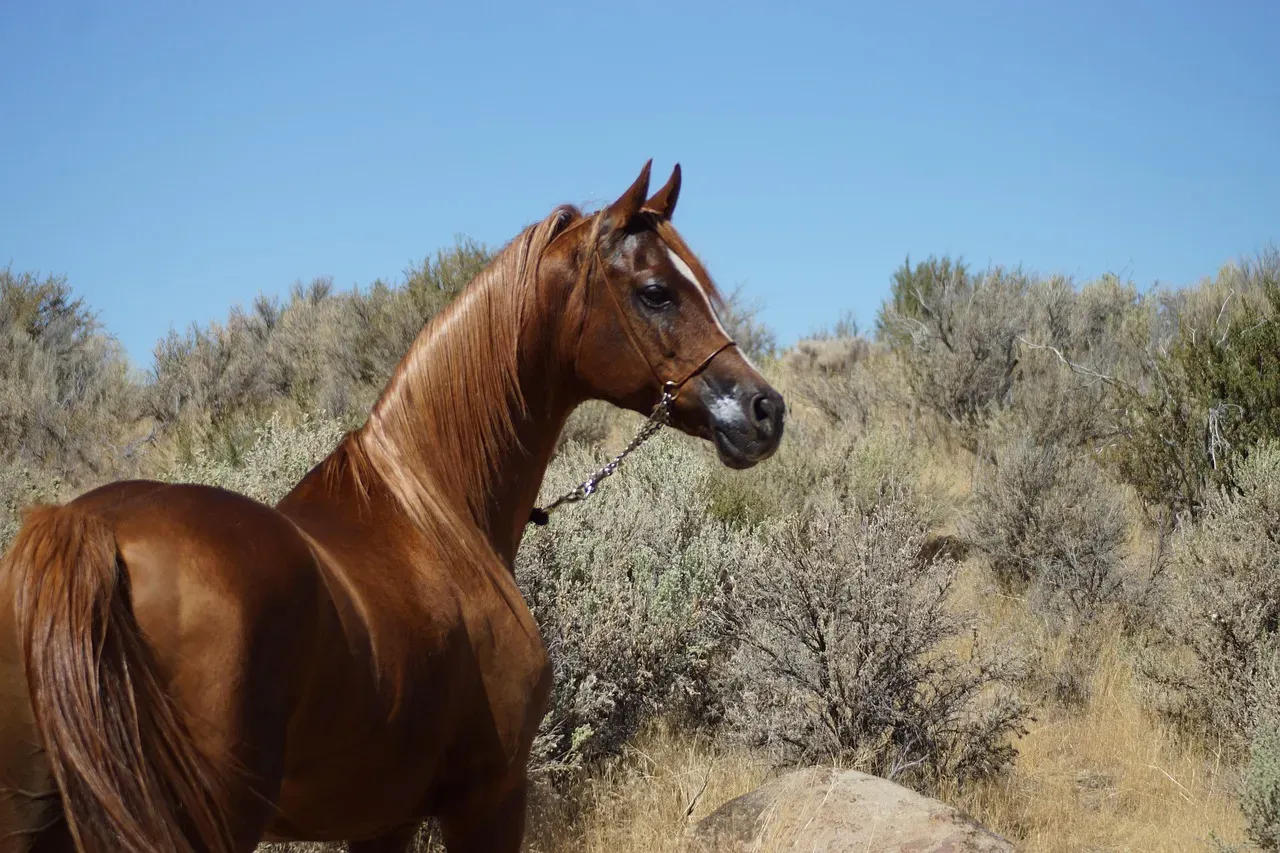
The ecological picture is genuinely mixed, and it’s worth being honest about that. In arid desert ecosystems of the Southwest, the negative impacts include soil compaction along established trails, yet the positive includes increased native plant diversity near the trails and anywhere feces was left by roaming horses.
Of the 245 million acres of public land managed by the Bureau of Land Management, the agency allows livestock grazing on roughly 155 million acres. Wild horses and burros are restricted to just 25.6 million acres. The scale of that disparity is often absent from conversations that frame wild horses as the primary problem on public lands.
Wild horse overpopulation is a growing problem across the United States. Population growth is largely influenced by minimal natural predation and management efforts, along with high breeding and birth rates. Their growth is unsustainable and puts an enormous strain on the land and native ecosystems.
As of January 2025, there were 68,143 captured wild horses and burros in off-range holding facilities, only about seven percent fewer than the number the agency estimates are living on the range. As of Fiscal Year 2024, off-range holding cost 101 million dollars, representing 66 percent of the BLM’s annual Wild Horse and Burro Program budget. Managing these animals has become expensive, contested, and politically tangled.
The Path Forward: Science, Policy, and Humane Management
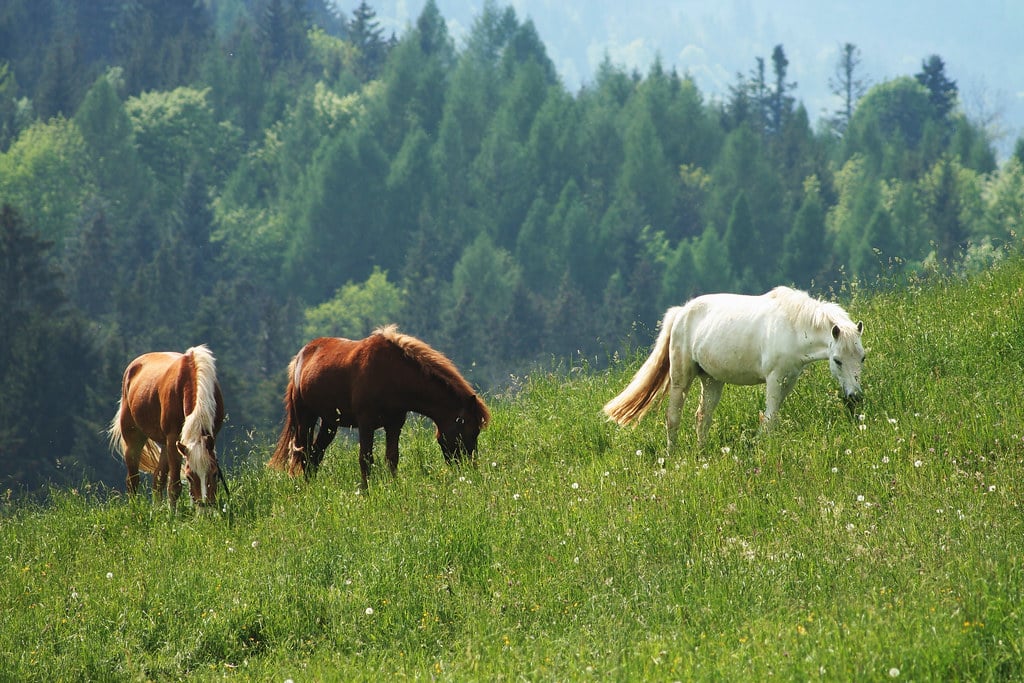
Rewilding, the reintroduction of large-bodied animals to restore ecosystems, is gaining momentum as a central strategy for ecological restoration. By re-establishing functionally diverse populations of large-bodied animals including wild equids, scientists and conservationists aim to repair ecosystems degraded by human activities.
Fertility control is a humane, effective, and scientifically proven method to manage wild horse and burro populations. By implementing fertility control programs, it is possible to reduce the need for large-scale roundups and ensure that these animals continue to thrive in their natural habitats. This approach is increasingly supported across the conservation community as the most pragmatic middle ground.
Population modeling has shown that immediately implementing fertility control alongside any removals that the BLM is already conducting is the only realistic way to stabilize herd growth, replace removals as the agency’s primary management tool, and save taxpayer dollars over the long run.
Research increasingly demonstrates that these animals are not only compatible with the ecosystems they inhabit but are also critical for their health and resilience. From promoting trophic complexity to enhancing resistance to abrupt ecosystem changes, wild horses provide ecosystem services that no other species can replicate. The challenge is building land management policy that actually reflects that evidence.
Conclusion
The story of America’s wild horses resists a clean narrative. They are not innocent, unbothered passengers on the landscape, nor are they the ecological villains that some interests have portrayed them to be. They are active participants in a system that needs thoughtful, science-grounded stewardship.
What the growing body of research does confirm is that the wholesale removal of wild horses from western rangelands is not a neutral act. It carries consequences that ripple outward: into water availability, plant diversity, soil health, and the web of species that depend on all three. Their presence combats desertification, enhances habitat complexity, and increases ecosystem resistance to climate change. These benefits extend far beyond the rangelands they occupy, offering valuable tools for addressing some of the most pressing environmental challenges of our time.
The mustang has long carried the weight of American symbolism. Perhaps it’s time to also let it carry the weight of ecological fact. The land shaped by wild horses for millennia is asking, in its quiet way, that we pay closer attention.

- 6 Grizzly Bear Facts That Explain Their Raw Power - July 17, 2026
- America’s Wild Horses Are More Than Just a Symbol; They’re a Vital Part of the Ecosystem - July 17, 2026
- 7 US States Where You Can Spot The Kit Fox - July 17, 2026