
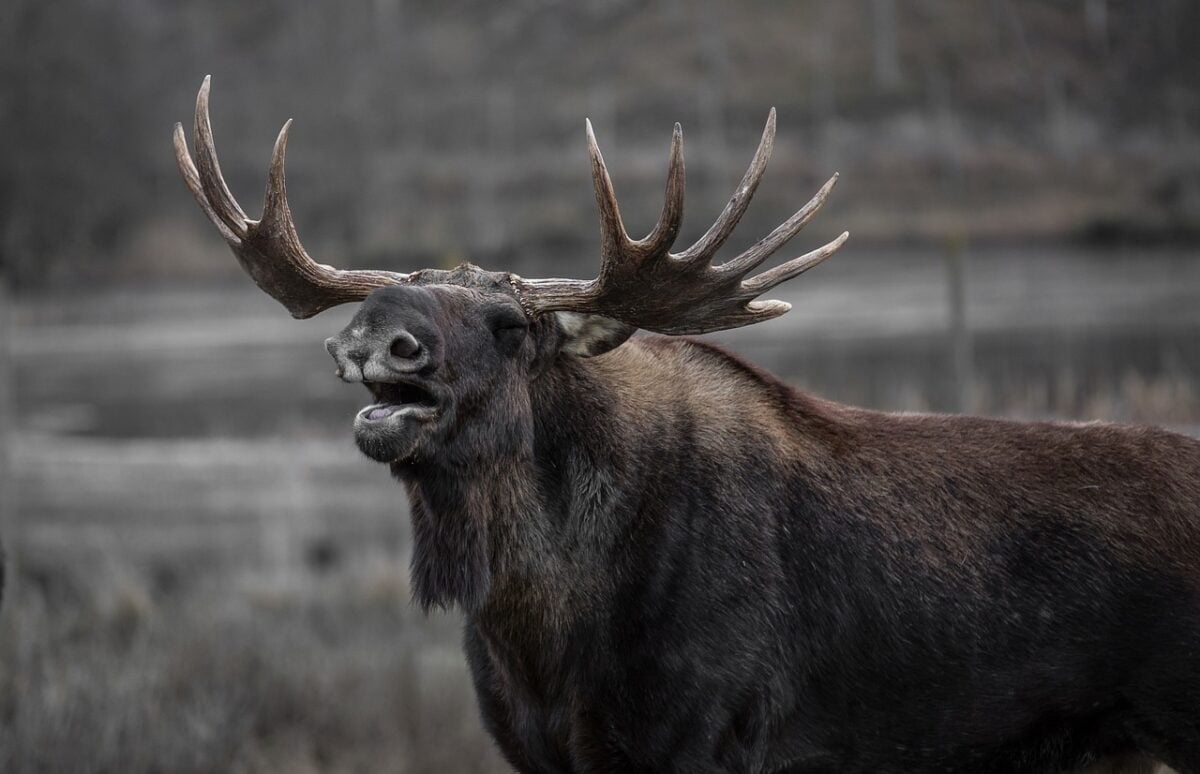
If you have never met a moose in the wild, it is hard to grasp how huge, strange, and oddly graceful they really are. Picture a horse, then give it stilts, a swollen nose, and an attitude that says it owns the swamp, and you are getting close. In the United States, these giants are quietly thriving in a handful of northern states where winters are long, forests are thick, and people know better than to mistake a moose for a big deer on the road.
Moose numbers can rise and fall with disease, winter ticks, predators, and climate change, so no list is set in stone forever. Still, a clear pattern holds: the biggest American moose strongholds sit close to Canada, with cold climates and endless habitat. Let us walk through the seven states that stand out today, from the absolute moose capitals to places where the population is smaller but still surprisingly significant.
#1 Alaska: America’s Undisputed Moose Kingdom
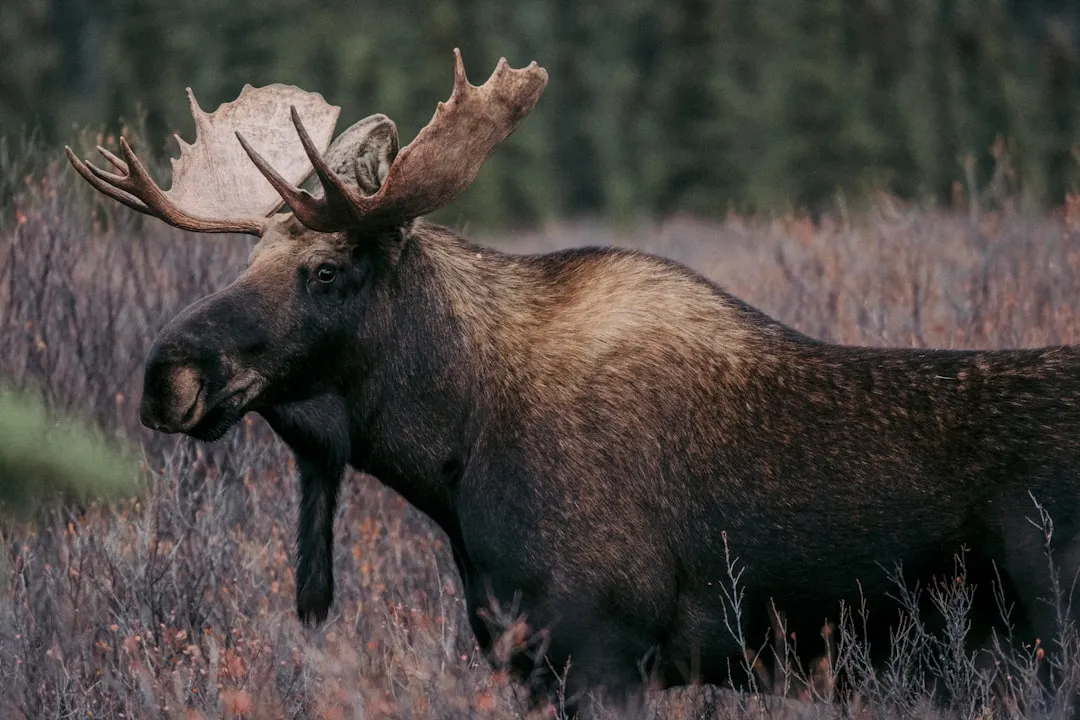
Alaska is in a league of its own when it comes to moose. Estimates commonly run into the tens of thousands, far beyond any other US state, scattered across boreal forests, river valleys, and tundra from the Kenai Peninsula to the Interior. In many Alaskan towns, moose strolling down the street, bedding in yards, or blocking traffic are just part of normal life, the way pigeons are in big cities elsewhere.
What makes Alaska such prime moose country is its vast, relatively unfragmented habitat paired with cold, snowy winters that moose are built to handle. Deep snow actually works in their favor by slowing down predators like wolves and making it easier for moose to escape into dense cover. Add in widespread willow and birch browse along rivers and burns, and you have a landscape that functions like an all‑you‑can‑eat bar for a very large, very hungry herbivore.
#2 Maine: The Lower 48’s Moose Powerhouse
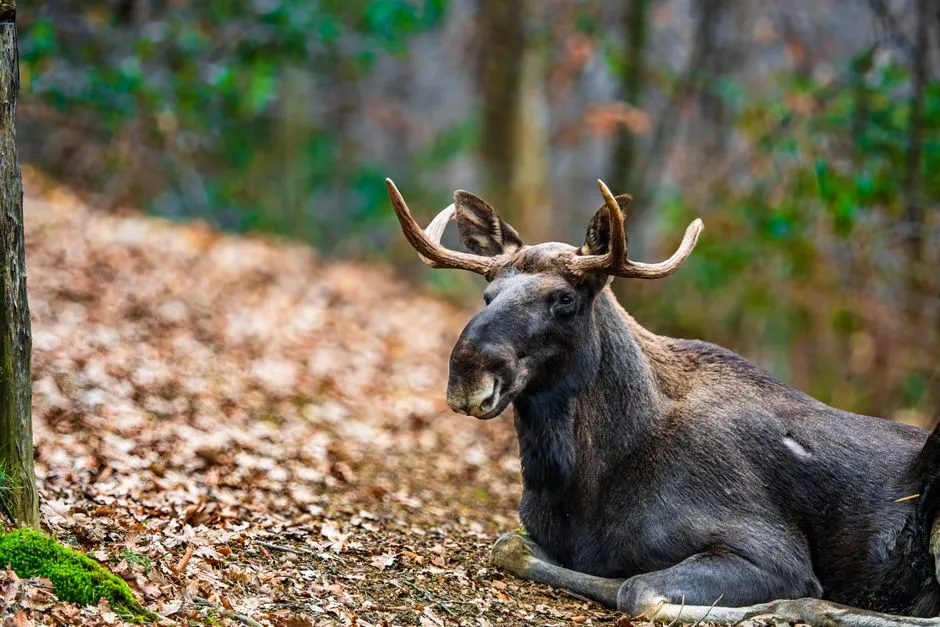
In the continental United States, Maine is the heavyweight champion of moose. The northern and western parts of the state, especially the sprawling commercial forest and lake country north of Bangor, hold many thousands of animals. Drive the back roads at dawn or dusk and you quickly understand why moose warning signs are everywhere; these animals are tall enough that a collision often takes the legs out from under them and brings the full body through the windshield.
Maine’s moose boom is tied to a mix of cutover forest, regrowth, and wetlands that offer rich browse year after year. Cold, snowy winters historically kept parasites somewhat in check, although wildlife biologists have become increasingly concerned about winter ticks and how warming trends might shift that balance. Even so, Maine remains the iconic place in the East to see a moose, with careful hunting quotas and research projects aimed at keeping the population healthy rather than just large.
#3 Minnesota: Moose on the Edge of Their Southern Range
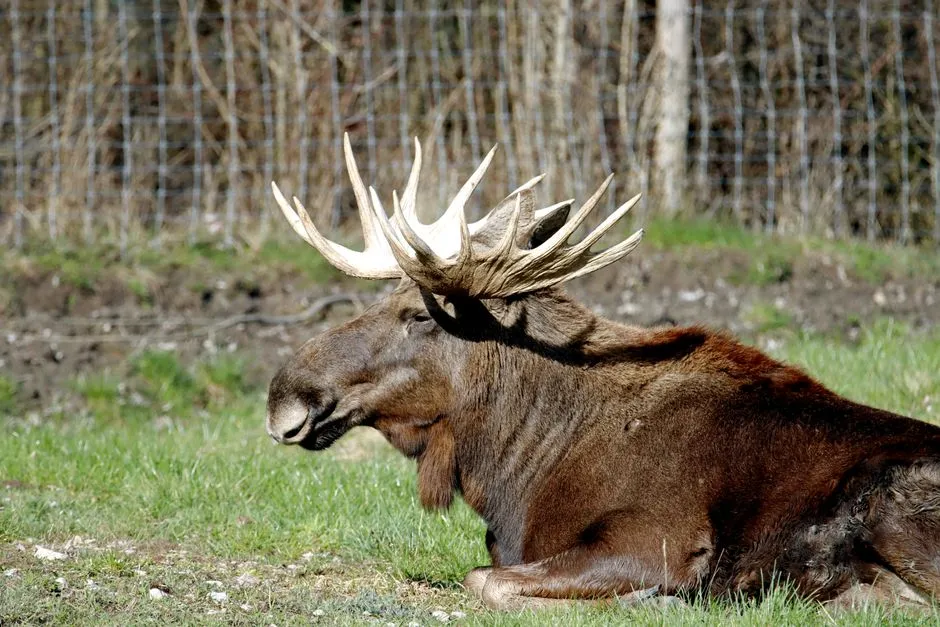
Minnesota once had a robust moose presence, especially in the northeastern part of the state around the Boundary Waters and the Arrowhead region. That area still holds one of the largest moose populations in the lower 48, but the story here is more fragile than in Alaska or Maine. Over the past couple of decades, numbers have dropped in many places, and biologists have been racing to understand the full mix of causes.
Heat stress during warmer summers, parasite loads from ticks and brainworm, and changing habitat all appear to be stacking the deck against Minnesota’s moose. The animals that remain are mostly concentrated in the cooler, more remote forest and wetland mosaics near Lake Superior and the Canadian border. Seeing one there can feel almost like stepping back in time, a reminder that this is the southern edge of a cold‑adapted species trying to hang on as the climate shifts underneath it.
#4 Wyoming: Yellowstone’s Quiet Moose Stronghold
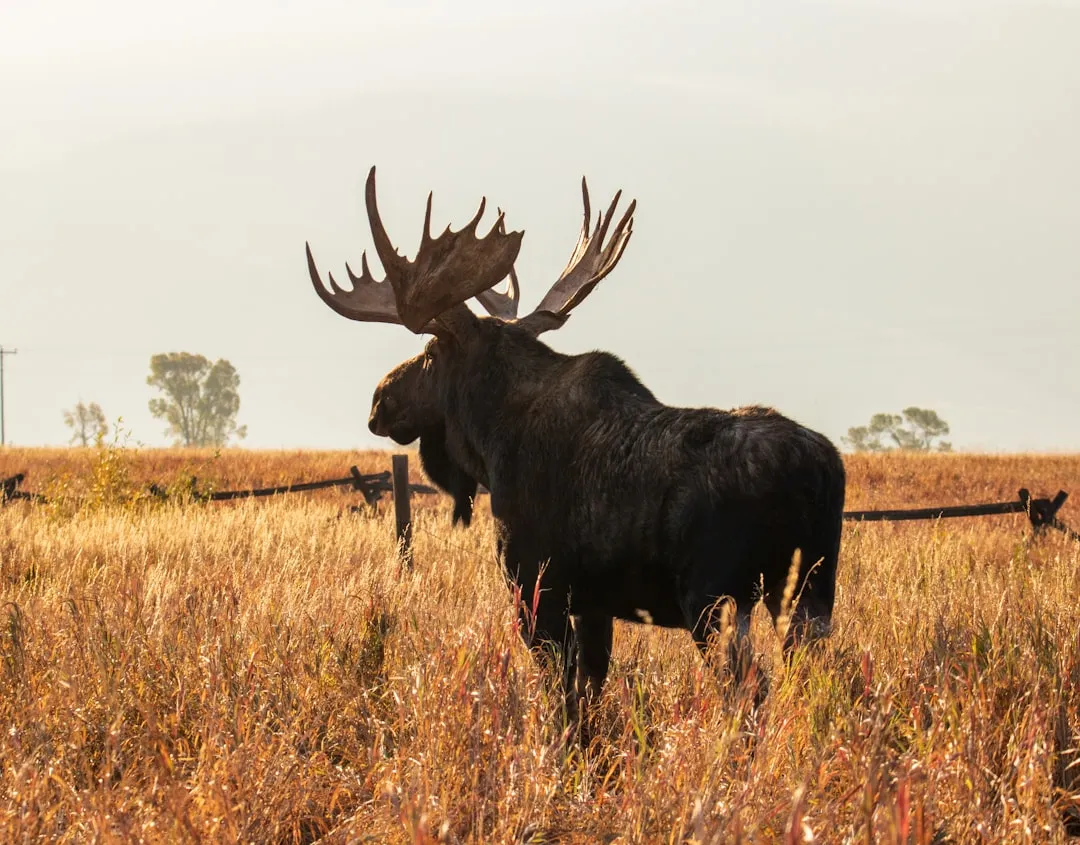
When people think of Wyoming wildlife, they usually picture bison, elk, and grizzlies long before moose. Yet parts of Wyoming, especially around Yellowstone and Grand Teton National Park and along river corridors like the Snake and Gros Ventre, support one of the larger moose populations in the American West. These are Shiras moose, a smaller subspecies than the Alaskan giants, but still impressive when one steps out of a willow thicket and towers over your car.
Wyoming’s moose favor riparian zones with dense willows and cottonwoods, plus nearby conifer forests that offer cover and winter shelter. Harsh winters, predators like wolves and bears, and disease have all nudged numbers up and down over time, and in some regions populations have declined from historical peaks. Even so, compared with neighboring states, Wyoming remains one of the best bets in the Rockies if you want a decent chance of seeing a moose meandering through a river bottom at first light.
#5 Montana: River Valleys and Mountain Moose
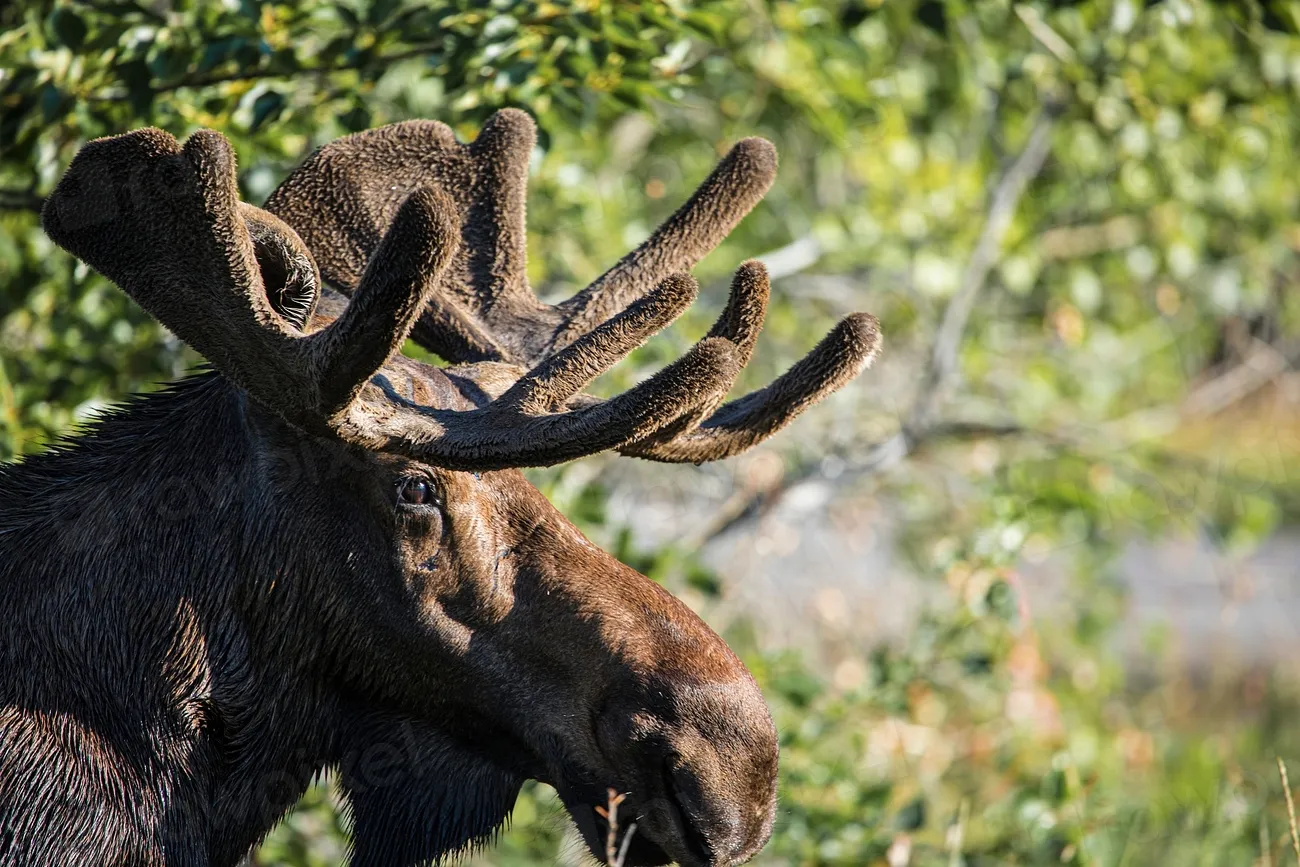
Montana’s moose are scattered, but collectively substantial, stretched across river valleys and mountain foothills from the northwest corner of the state to central forested ranges. You are not likely to see them in big herds; instead, encounters often feel solitary and almost secretive, like you have stumbled onto a very large recluse nibbling on willows in a side channel. That sense of rarity can make the state’s moose feel more mysterious than in places where they crowd the roads.
Habitat here is a patchwork of wetlands, beaver ponds, and mixed conifer forests, with elevation playing a big role in where moose can comfortably live. Long winters and relatively cool summers are still the norm in many of these mountain landscapes, which helps these cold‑adapted animals cope. Management is usually conservative, with limited hunting tags and close monitoring of local populations, reflecting an attitude that moose in Montana are something to be guarded carefully rather than taken for granted.
#6 New Hampshire: A Small State with Big Moose Energy
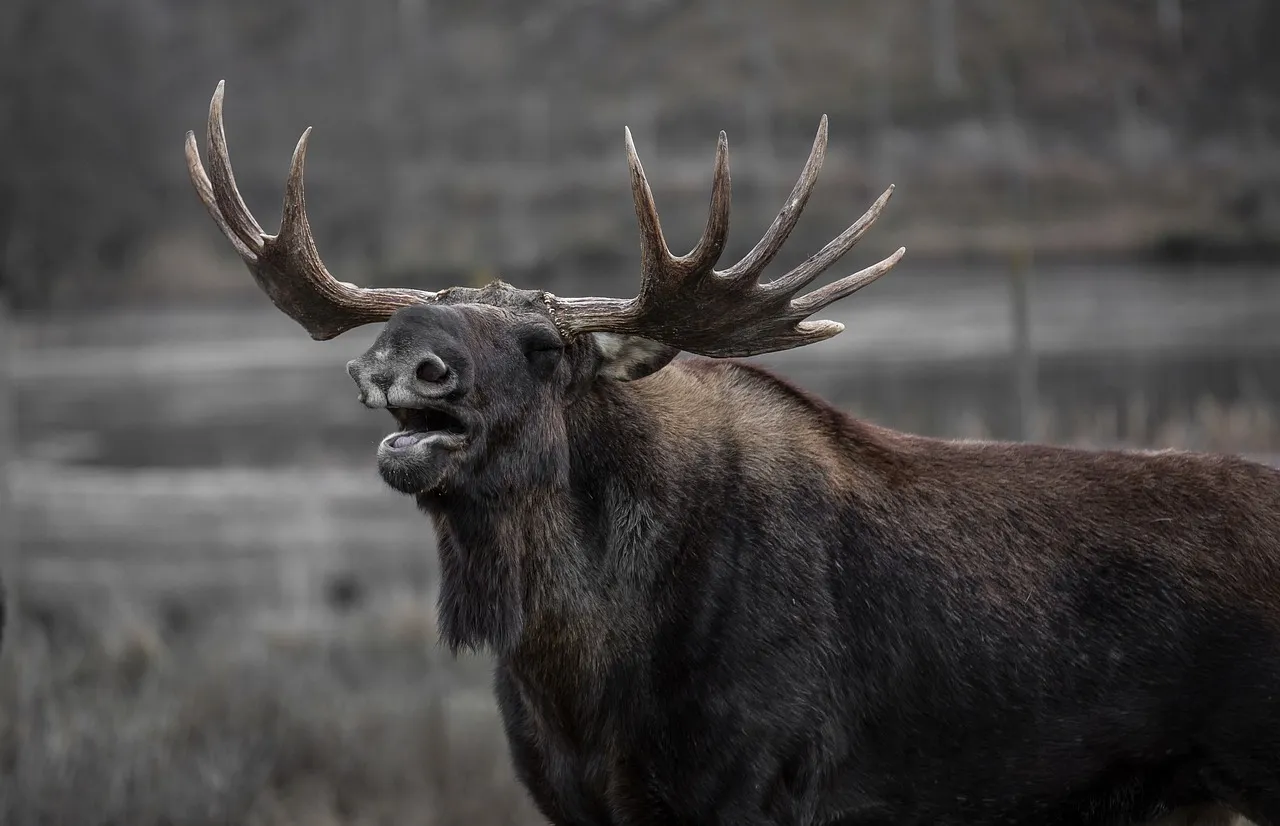
For such a small state, New Hampshire punches well above its weight in moose culture and visibility. Northern areas like Coos County, the White Mountains, and the Connecticut Lakes region have supported a few thousand moose in recent decades, making roadside sightings almost a rite of passage for summer tourists. Locals plan drives at dusk in certain seasons knowing that the odds of seeing a moose browsing in a bog or crossing a logging road are actually pretty good.
New Hampshire’s forests, shaped by logging and regrowth, create a buffet of young saplings and shrubs that moose love. At the same time, biologists there have been sounding alarms about winter ticks and the toll they take on calves in warmer, shorter winters. The population has fluctuated, but compared with most of the country, New Hampshire still counts as one of the core moose states, and you feel that pride in everything from road signs to local art and stories.
#7 Vermont: Neighbor to Moose‑Rich Maine and New Hampshire
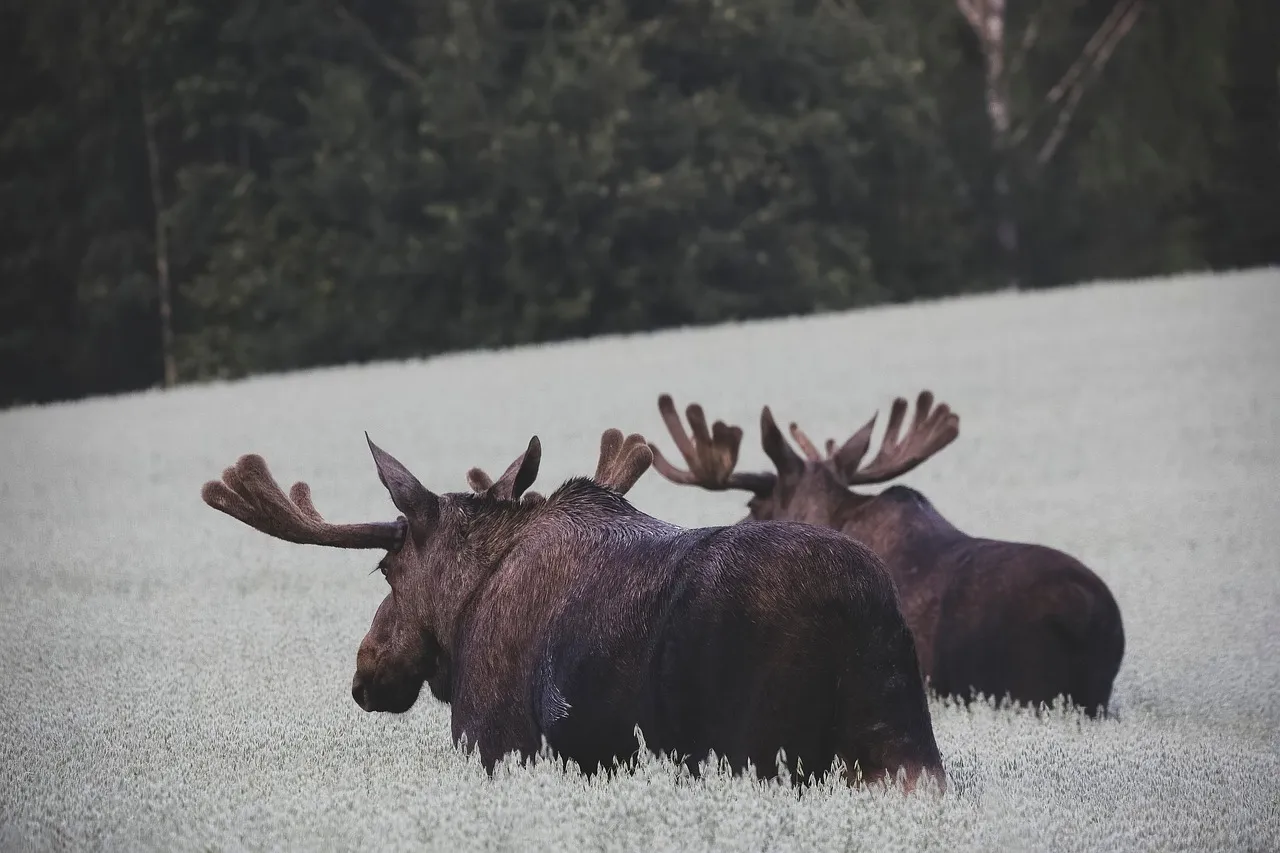
Vermont’s moose population is smaller than those of Maine or even New Hampshire, but it still ranks among the larger ones in the United States. Northern and northeastern Vermont, especially the so‑called Northeast Kingdom, offer the kind of deep woods, wetlands, and regenerating cuts that moose prefer. For a state better known for fall foliage and maple syrup, stumbling on a moose in a misty bog can feel like discovering a secret second version of Vermont running parallel to the postcard scenes.
As in its neighboring states, Vermont’s wildlife managers juggle concerns about parasites, warming trends, and habitat changes with the desire to keep moose both watchable and huntable. Public attention tends to spike when harsh winters or tick outbreaks lead to visible declines, but there is a growing recognition that moose are a sort of living thermometer for the broader health of the northern forest. In that sense, every moose you see on a back road there is not just a thrill, but also a quiet indicator that the landscape is still holding onto some of its wild character.
Conclusion: Why These Moose States Matter More Than Ever
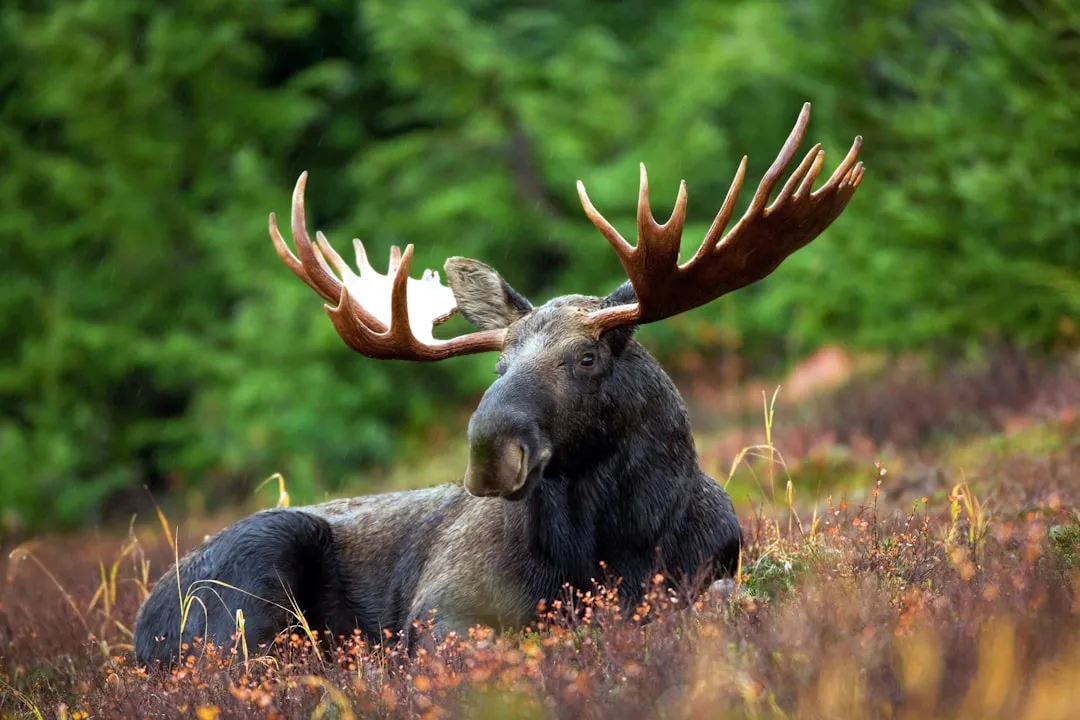
Looking across these seven states, a pattern emerges that is both reassuring and unsettling. It is reassuring because moose still thrive in big numbers in places like Alaska and Maine, and they remain woven into the identity of smaller states like New Hampshire and Vermont and rugged western landscapes in Wyoming and Montana. It is unsettling because in borderline areas like Minnesota, and even in parts of the Rockies and New England, you can see how quickly things can tilt when winters warm, parasites surge, or habitats fracture just a little too much.
My own view is that moose are one of the clearest tests of whether we are serious about keeping northern ecosystems functioning, not just scenic. Protecting them means accepting that they need space, cold, and messy, regenerating forests, not just pretty postcard trees along highways. If, a few decades from now, these same seven states still anchor healthy moose populations, it will be a sign that we made some wise choices about land, climate, and wildlife. And if not, we will have to explain to future generations how we let one of North America’s most unforgettable animals fade from the very places that once defined it – what do you think we will choose?

- 7 US States With the Largest Moose Populations - July 31, 2026
- Which Zodiac Signs Bond Best With Large Dogs - July 31, 2026
- 12 Unique Animal Mating Rituals That Are Stranger Than Fiction - July 31, 2026