

Somewhere far beneath the ground you’re walking on right now, there are enormous cathedral-like chambers, underground rivers, crystal-lined corridors and formations so bizarre they look like they belong on another planet. The United States is home to some of the most jaw-dropping cave systems on Earth, and honestly, most people have no idea just how incredible they are.
So far in the United States alone, roughly 17,000 caves have been discovered. Think about that for a second. Seventeen thousand. Each one a window into a world shaped over millions of years. Yet only a handful truly stop you in your tracks and make you question everything you think you know about what’s hiding beneath the surface.
Ready to go underground? Let’s dive in.
Kentucky: Home of the World’s Longest Cave System
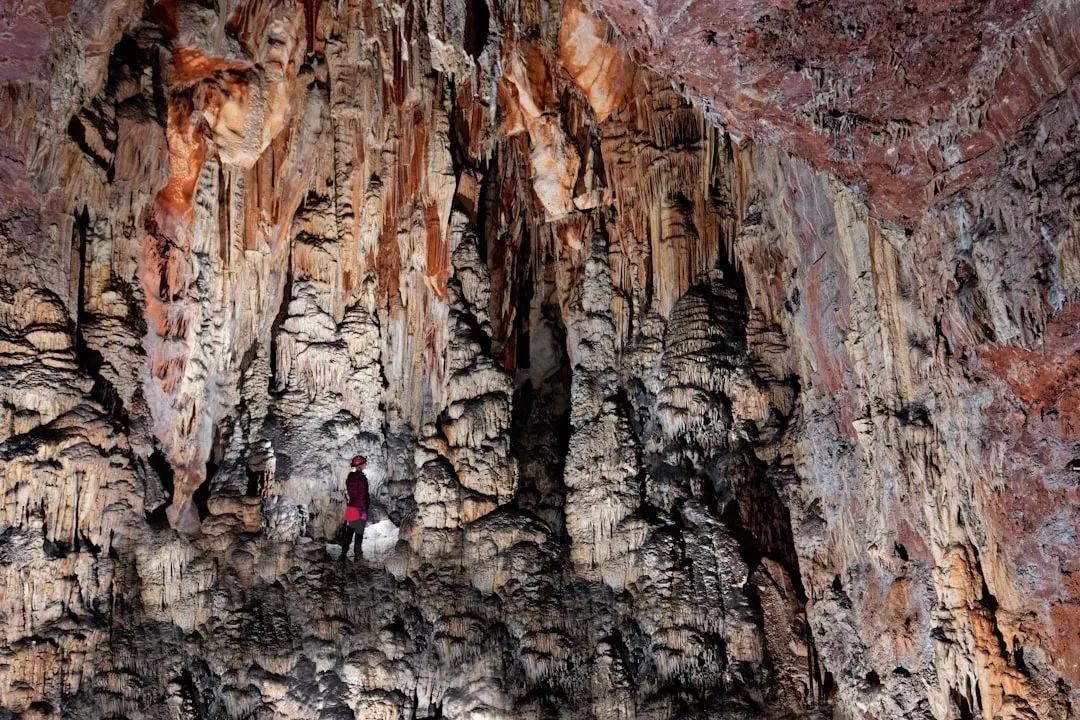
If there’s one state that immediately earns its place on this list, it’s Kentucky. No contest. Mammoth Cave boasts the title of the world’s longest cave system, with over 400 miles of explored passageways – and it’s still growing. That’s longer than the drive from New York City to Cleveland. Underground.
This subterranean marvel is an intricate network of vast chambers, tight crawlways, eerie underground rivers, and cathedral-like rooms that echo with silence. Think of it like a subway system, except nobody built it, and it took hundreds of millions of years to form.
The site has been granted World Heritage and Biosphere Reserve status by UNESCO in recognition of its 100 million years of history and geological value – it contains almost every kind of known speleothem. That word, speleothem, just means geological formations made by mineral deposits. Basically, Mammoth Cave is a collector’s dream for nature.
You can choose from more than 15 tours, including an Accessible Tour, a Great Onyx Lantern Tour, and an Extended Historic Tour. If you’re more adventurous, Mammoth Cave also provides opportunities to experience challenging ranger-led cave tours like a crawling tour known as the Wild Cave Tour. It’s the kind of place where you could visit a dozen times and still feel like you’ve barely scratched the surface.
New Mexico: A Desert Hiding an Underground Masterpiece
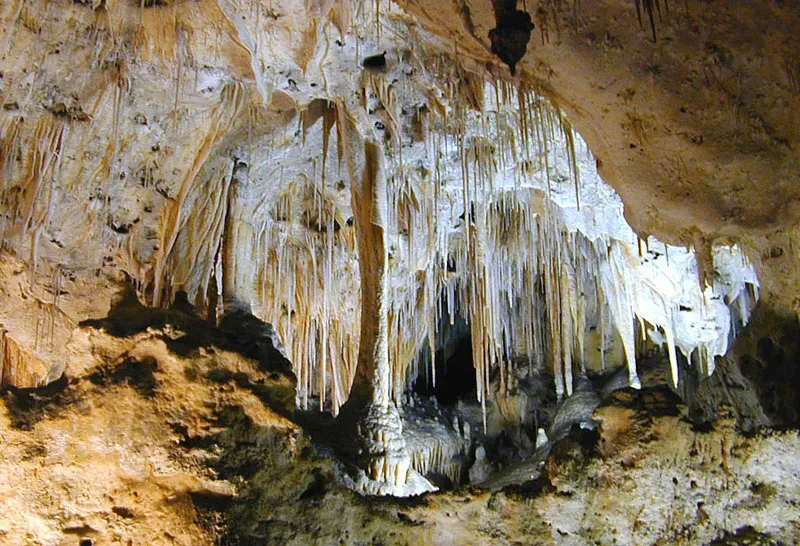
Here’s the thing about New Mexico – you’d never guess that one of the most spectacular underground worlds on the planet is lurking beneath a dry, sunbaked desert. In the Chihuahuan Desert of southern New Mexico, Carlsbad Caverns is an underground wonder with over 119 caves formed by sulfuric acid dissolution. That process is surprisingly rare in cave formation, which makes Carlsbad genuinely one-of-a-kind.
The cave’s main chamber, the Big Room, is one of the largest natural underground chambers in North America at 4,000 feet long, 625 feet wide, and 255 feet high. To put that in perspective, imagine fitting more than six American football fields inside a single underground room. That’s the Big Room.
When dusk falls, an unforgettable spectacle takes place: a swirling vortex of Brazilian free-tailed bats takes flight from the cave’s entrance in search of their evening meal. It’s theatre. Pure, wild theatre.
New Mexico also holds another extraordinary secret entirely off-limits to the public. Lechuguilla Cave’s true magnitude was unearthed in 1986, revealing over 138 miles of passages filled with remarkable gypsum and aragonite crystals. The cave’s “Chandelier Ballroom” houses giant gypsum chandeliers, some of the largest formations of their kind in the world. In addition, Lechuguilla serves as a pristine laboratory for studying microbes adapted to life in extreme conditions. Unfortunately, this wondrous site remains closed to the public to preserve its delicate ecosystems.
South Dakota: Two World-Class Caves in One State
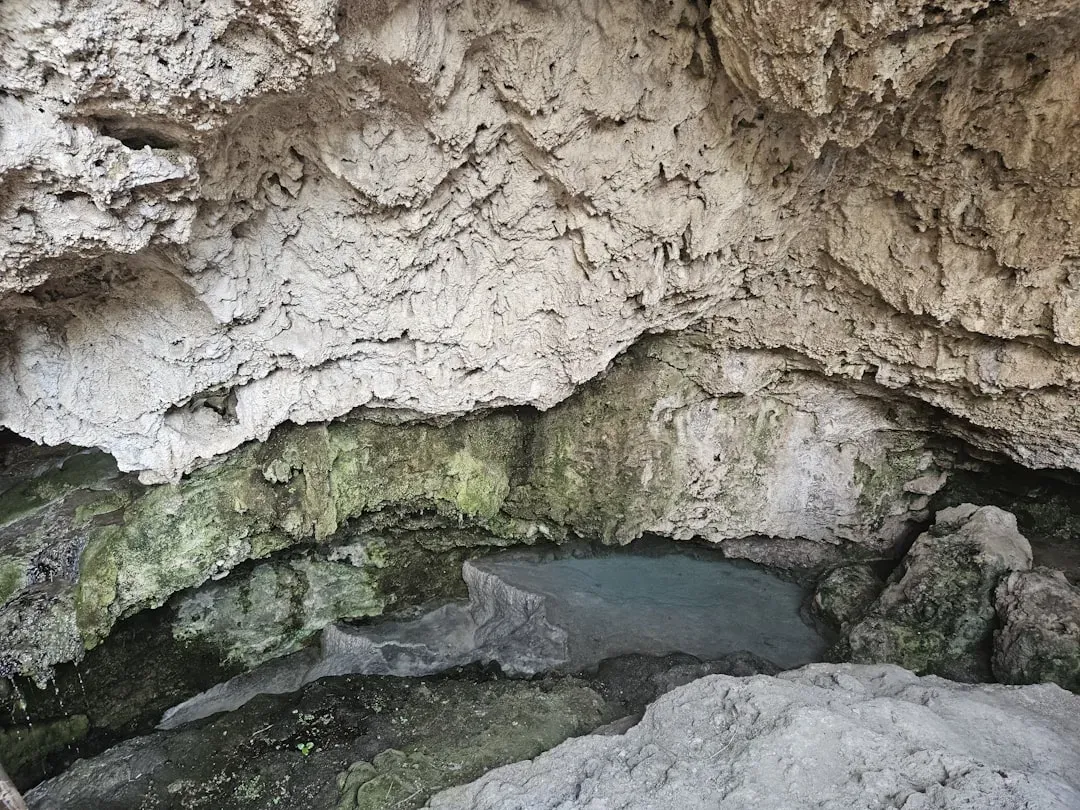
South Dakota is criminally underrated as a cave destination, and I think that’s a genuine shame. This single state hosts two of the most remarkable cave systems on the entire planet, side by side in the Black Hills. Jewel Cave is the third-longest cave system in the world, with more than 208 miles of mapped passages. And explorers believe they’ve only barely started.
What’s particularly exciting about Jewel Cave is that explorers estimate only roughly three to five percent of the cave has been discovered. The complex continues to yield new passages with each expedition, with airflow studies suggesting the system may be vastly larger than currently mapped. It’s almost eerie how much remains unknown.
Then there’s Wind Cave, its neighbor. Billed as the sixth-longest cave in the world at 140 miles, Wind Cave is also considered to be the densest and is home to approximately 95 percent of the world’s discovered boxwork formations. Boxwork is that honeycomb-patterned mineral structure that makes cave walls look like nature decided to try abstract art. It exists almost nowhere else on Earth.
Established in 1903 by President Theodore Roosevelt, Wind Cave National Park is one of the first national parks in the country and the first ever to protect a cave system. That’s a historical footnote worth appreciating the next time you walk through its entrance.
Tennessee: The Underground State That Earns Its Nickname
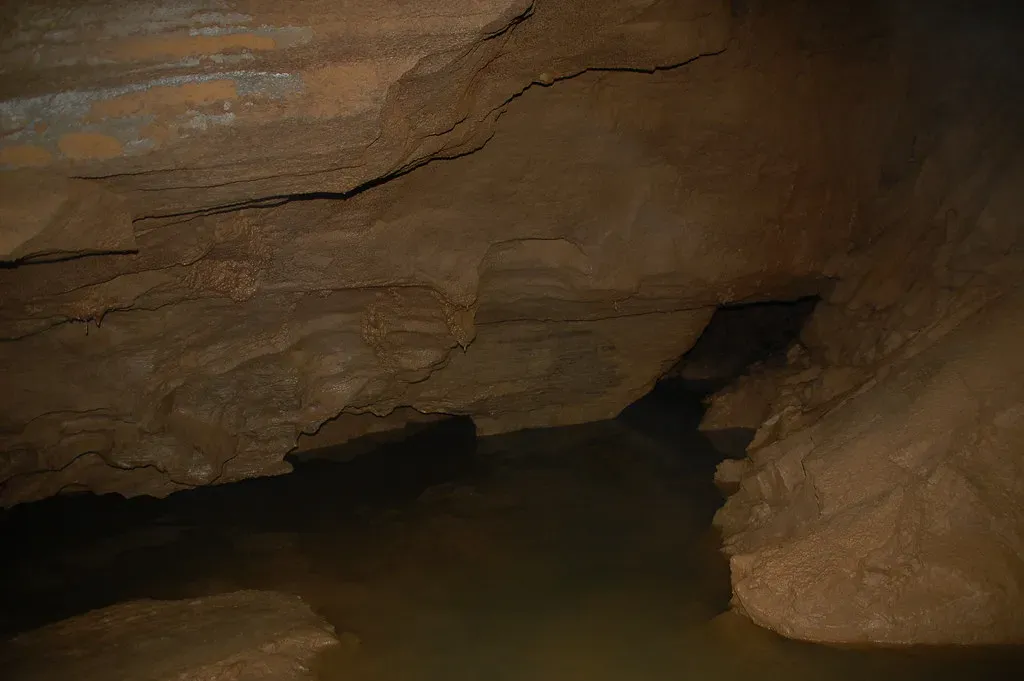
Tennessee doesn’t just have caves. Tennessee is practically made of them. An astonishing roughly 10,000 caves wind their way through the limestone bedrock, earning Tennessee the nickname “The Underground State.” That number genuinely floored me when I first came across it. Ten thousand. Beneath country music and rolling hills, there’s essentially an entire parallel world.
The most visited attraction is Ruby Falls near Chattanooga, and it’s unlike anything else. Located more than 1,120 feet below Lookout Mountain, Ruby Falls is a unique cave system with a 145-foot underground waterfall that cascades over a series of rocks into a pool below. An underground waterfall. Inside a mountain. Lit up in brilliant color. It almost sounds made up.
Hidden beneath the mountains of Sweetwater, Tennessee, is Lost Sea Cave, the largest underground lake in the United States. Discovered in 1905, this cavern has a vast clear blue lake that you can glide across on a glass-bottom boat ride. The tour includes stories about the cave’s history and information about its rare animal inhabitants, such as blind cavefish and albino crayfish.
Blind cavefish and albino crayfish. It sounds like the setup to a science fiction novel, but it’s entirely real, and entirely Tennessee. This state rewards the curious like few others.
Virginia: Where Nature Plays Music Underground
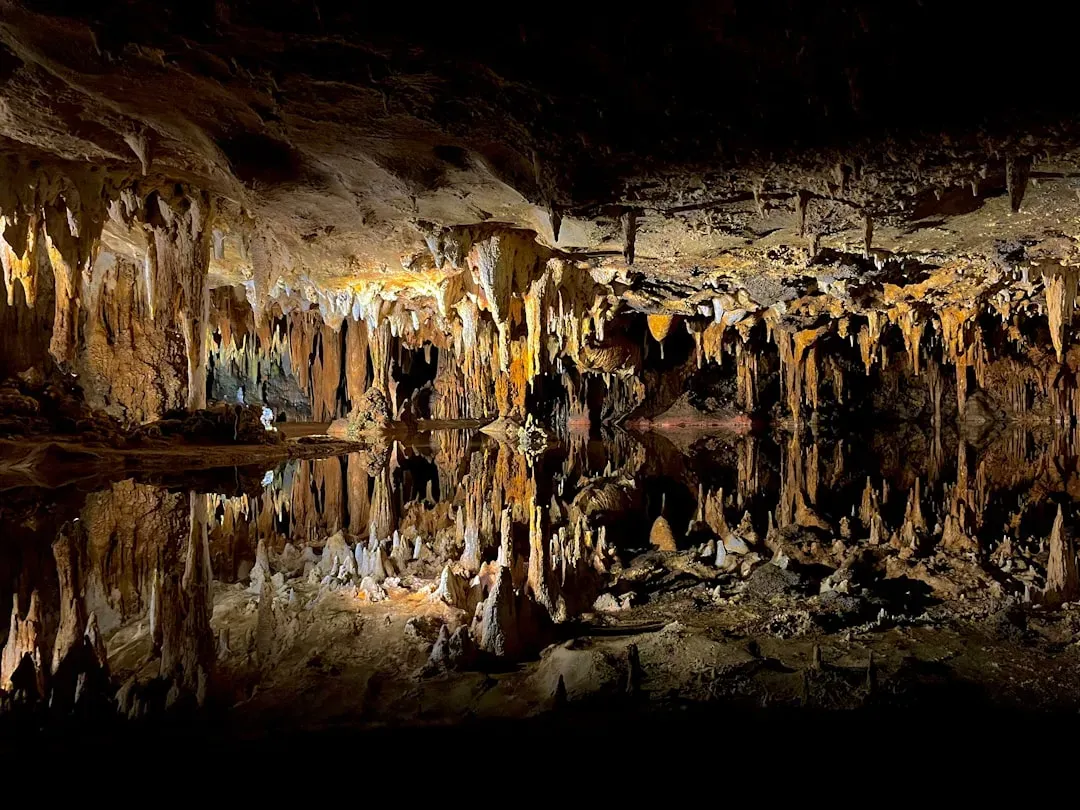
Virginia is home to what is widely considered the most visited cave in the entire country, and once you understand what’s inside, it’s not hard to see why. Luray Caverns in Virginia is a subterranean wonderland. This U.S. Natural Landmark sits beneath Virginia’s Blue Ridge Mountains and is the most visited cave in the U.S., known for its cascades, columns, stalactites, stalagmites, and pools.
Here’s the part that sounds completely absurd until you actually experience it. Luray Caverns is home to a unique musical experience – the Great Stalacpipe Organ. This instrument is the largest of its kind and transforms the cave’s natural formations into a symphony. Instead of piano keys, it uses ancient stalactites of different sizes, each one producing its own natural tone. The cave literally plays music.
The “Saracen’s Tent,” a drapery formation that looks remarkably like folded fabric, is one of the most well-formed drapery structures globally and a visitor’s favorite. Nature sculpting what looks like flowing silk out of solid mineral deposits. It’s hard to wrap your head around.
Another standout feature of Luray Caverns is Dream Lake, a crystal-clear subterranean lake where you can see reflections of the surrounding formations. The reflections are so perfect that visitors often can’t tell where the real formations end and their mirror images begin. Honestly, it’s the kind of place that makes you feel quietly speechless.
Oregon: Marble Halls and the Largest Sea Cave in America
Oregon is a state that never runs out of surprises, and underground it’s no different. Oregon Caves National Monument is the culmination of eons of acidic water seeping into marble rock, which ultimately created one of the state’s grandest natural wonders. Known as the “Marble Halls of Oregon,” the Oregon Caves are a stunning spectacle that absolutely belongs on your bucket list.
The caves are known for their intricate formations, such as “cave bacon,” layered calcite deposits that resemble thin slices of meat hanging from cave walls. Visitors can also spot rare “moonmilk,” a creamy white substance of microscopic crystals and bacteria. Cave bacon. Moonmilk. The naming conventions in speleology are, if nothing else, wonderfully creative.
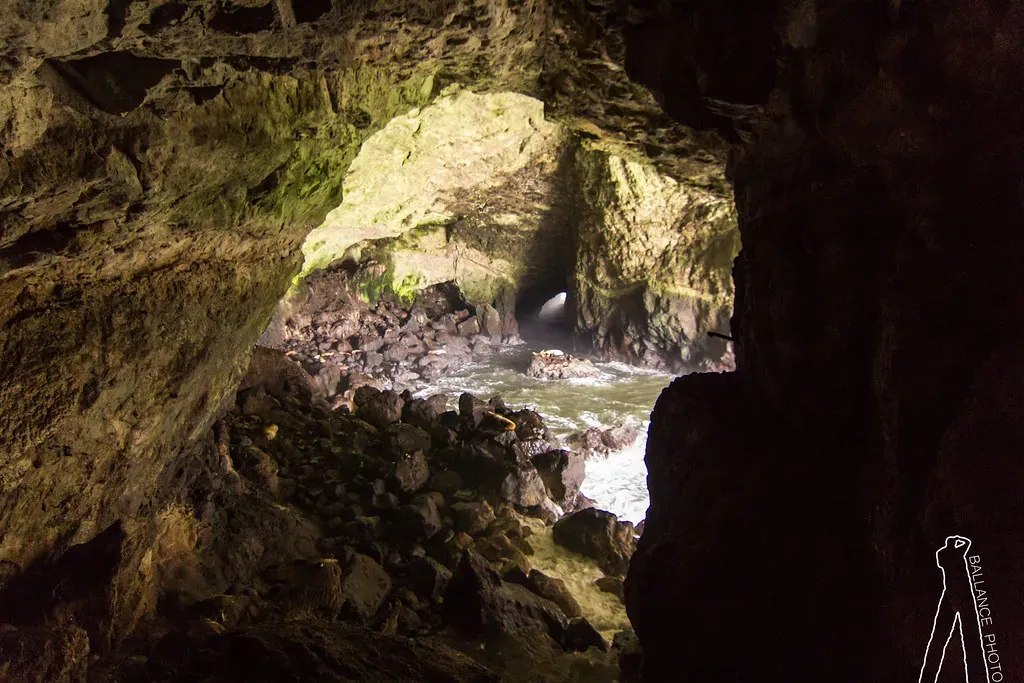
The Sea Lion Caves in Florence, Oregon, stand as the largest sea cave in the United States. It’s also a bustling habitat for a large population of Steller sea lions and California sea lions who come to rest, breed, and socialize. So yes, Oregon offers you both an ancient marble labyrinth and a massive oceanside cave packed with roaring sea lions. It’s a two-for-one that no other state on this list can match.
Missouri: The Cave State With Over 6,000 Reasons to Go Underground
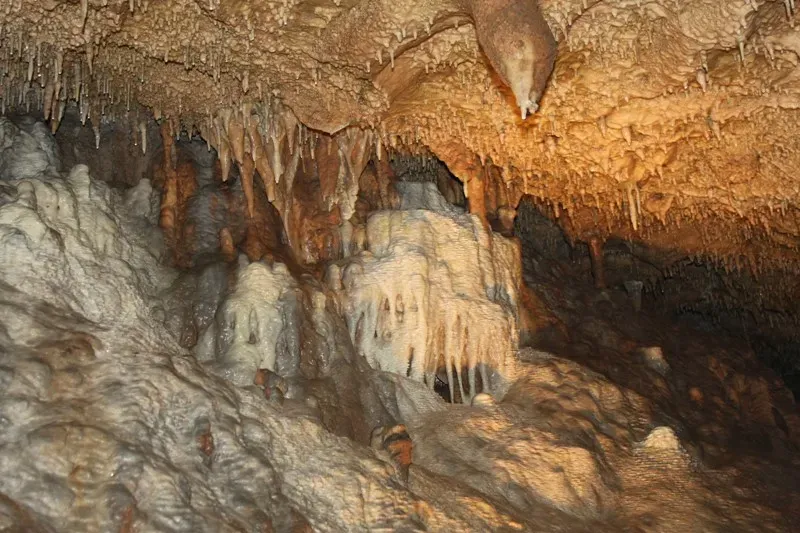
Missouri wears its cave culture like a badge of honor. One of Missouri’s nicknames is “The Cave State,” and with good reason – more than 6,300 surveyed caves lie beneath its surface. That’s not a geological coincidence. The state sits on a vast limestone karst landscape that has been quietly dissolving and hollowing out underground for millions of years.
The rich history of the Meramec Caverns alone designates it as one of the best caverns in the USA. The cave stretches about 4.6 miles of limestone deposits created over a million years ago. Meramec is a place where geology and history collide in the most unexpected ways.
The cavern system attracts thousands of tourists because of its historical significance related to the Confederate war, the hideout of the infamous Jesse James, and the filming location of some known movies. It’s hard not to love a cave that has its own outlaw legend. Jesse James allegedly used its labyrinthine passages as a hideout, and it’s easy to imagine why – once you’re inside, the outside world simply vanishes.
Missouri also offers Fantastic Caverns, which takes a more unusual approach to exploration. Becoming a speakeasy during the Prohibition era and later a mid-century live music venue, the site is now known as a “ride-thru” attraction, hosting informative Jeep-drawn tram tours that follow the scars left behind by a dried-up ancient river. A speakeasy, a music venue, and now a Jeep cave tour. Missouri doesn’t do anything halfway.
Conclusion: The Underground World Is Closer Than You Think
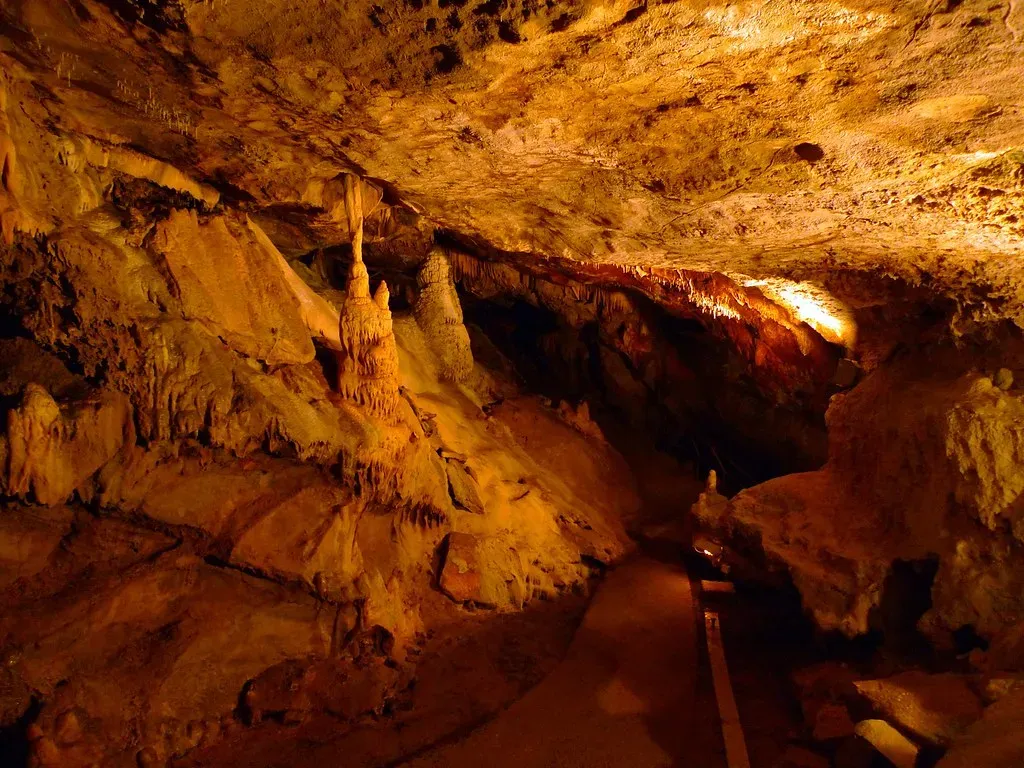
It’s easy to think of natural wonders as something you have to travel to the other side of the world to find. These seven states prove that’s simply not true. From the record-shattering depths of Kentucky’s Mammoth Cave to the sea-lion-packed shores of Oregon, America’s cave systems are extraordinary, strange, and waiting to be explored.
What’s remarkable is how different each experience really is. One cave plays music on stalactites. Another hosts nightly bat spectacles that block out the sky. One holds an underground lake you can sail across on a glass-bottom boat. No two are alike, which is exactly the point.
The next time you’re planning a trip and staring at a blank map, consider going not just across the country, but beneath it. The most jaw-dropping landscapes in America might just be the ones you can’t see from the surface. Which of these would you visit first?
