
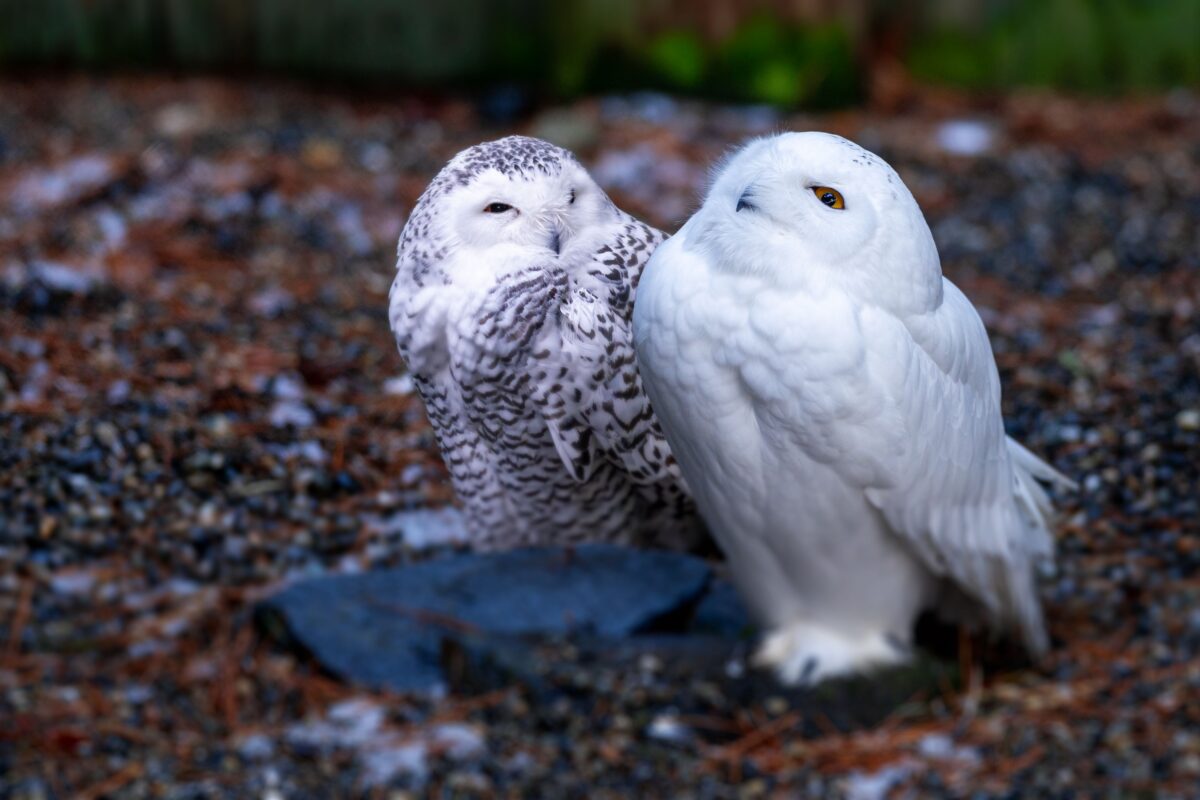
Every few winters, social media suddenly fills with photos of big white owls perched on fence posts, airport runways, even city rooftops. It feels almost magical, like the Arctic has spilled into everyday America. Those birds are snowy owls, and when they head south in larger numbers, they turn certain US states into temporary Arctic outposts.
But these snowy owl “winters” are not random. Some states consistently see more birds, more often, and in more accessible places than others. If you’ve ever dreamed of spotting one of these ghostly hunters in real life, understanding where they tend to show up – and why – can turn a vague hope into a real plan.
Minnesota: Where the Arctic Meets the Midwest
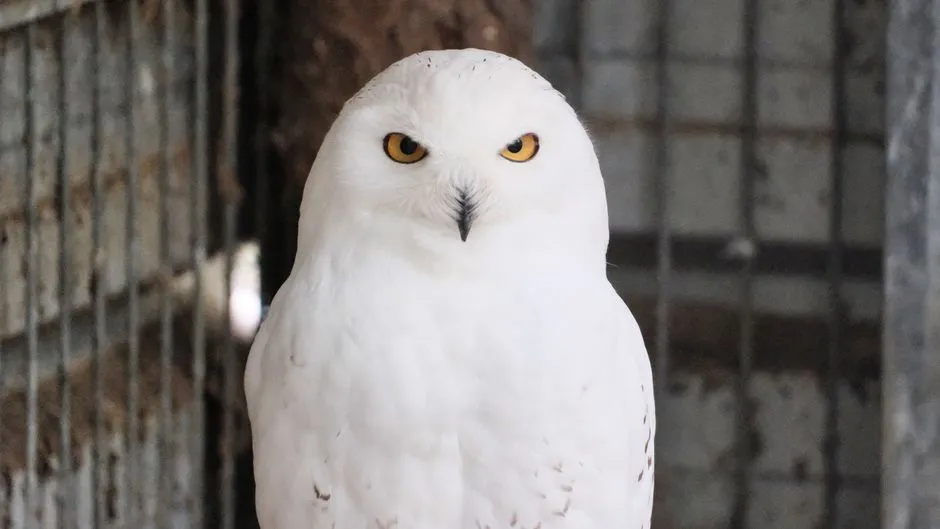
Minnesota is one of those states where, in the right winter, it can suddenly feel like the Arctic has dropped in for a visit. Long stretches of open farmland, frozen lakes, and a brutal winter climate create exactly the kind of landscape snowy owls know how to use. They are birds of treeless tundra, and Minnesota’s wide, flat agricultural regions do a pretty good tundra impression.
In irruption winters, when more snowy owls than usual fly south from the Arctic, Minnesota often lights up on birding reports. You’ll see sightings from rural roads, grain elevators, and even busy highway corridors. Birders there know to scan fence posts, power poles, and the edges of frozen fields, especially in the northern and western parts of the state where the habitat is most open.
Wisconsin: Farm Fields, Lake Winds, and Winter Owls
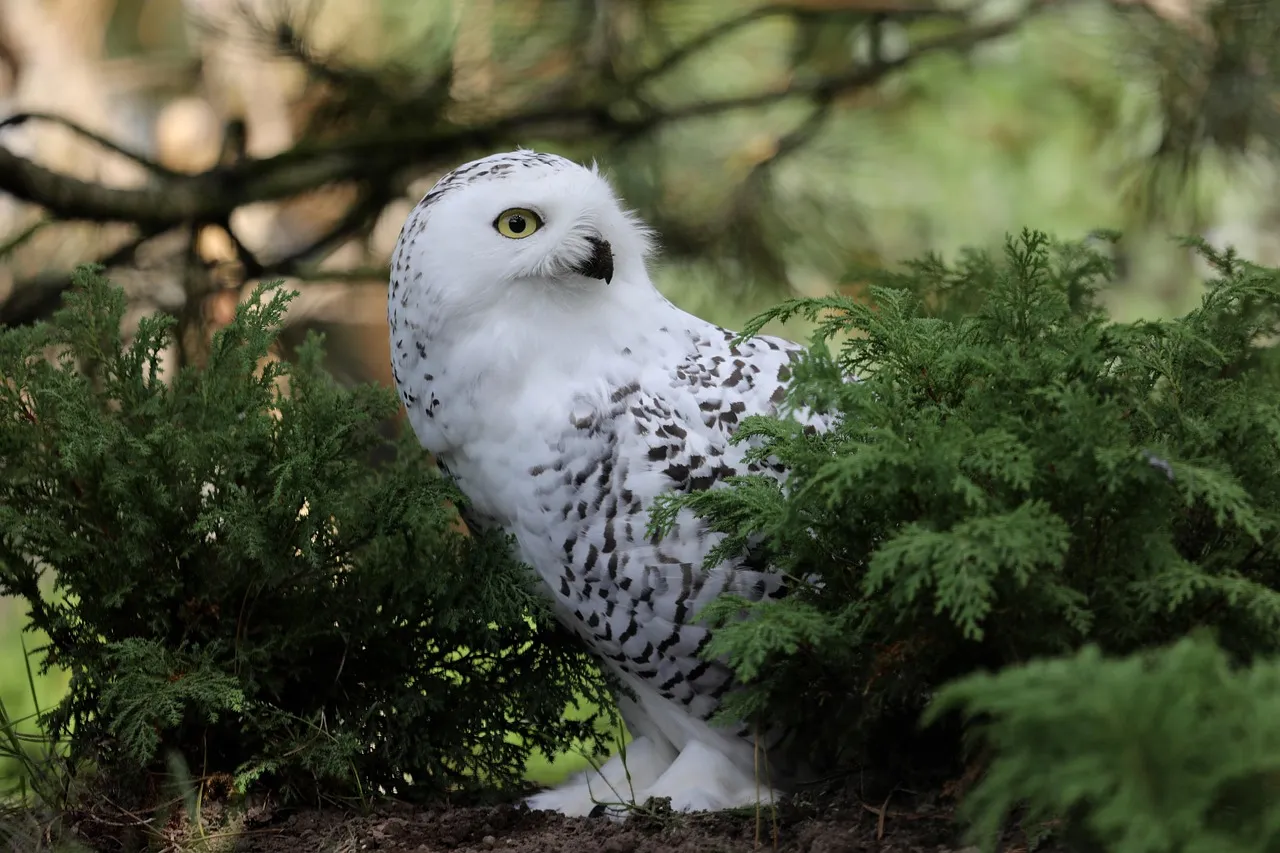
Wisconsin punches well above its weight when it comes to snowy owl sightings, especially along the Lake Michigan shoreline and across its vast farmland. The combination of open country and proximity to the Great Lakes creates natural flyways that owls seem to follow. In some winters, it can feel like every county is reporting at least one bird.
What makes Wisconsin especially interesting is how often snowy owls turn up in very human spaces. They love open, flat areas, and modern landscapes like airports, harbor piers, parking lots, and industrial shorelines mimic the endless openness of Arctic tundra. So a Wisconsin birder might get a lifer snowy owl at a quiet rural field, while someone else might see one sitting on a warehouse rooftop within sight of downtown.
Michigan: Great Lakes Hotspot for Winter Visitors
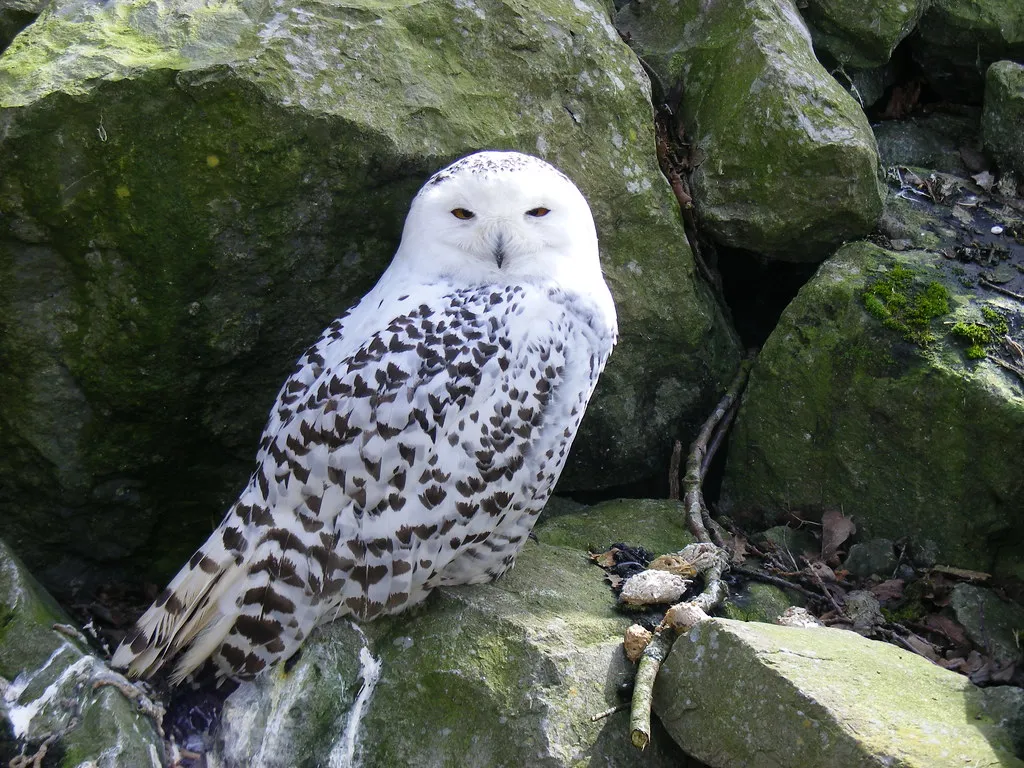
Michigan’s geography is like a snowy owl magnet: huge shorelines on Lakes Superior, Michigan, and Huron, and a long north–south profile that channels birds moving down from Canada. The Upper Peninsula especially can see a steady trickle of these owls in many winters, while big irruption years bring them deep into the Lower Peninsula as well.
Harbors, breakwalls, and open agricultural land in Michigan have become classic snowy owl stakeouts. You’ll often hear about birds hanging around shipping ports or patrolling the edges of frozen lakes where waterfowl concentrate. For many people in the state, the first time they ever think seriously about migration or Arctic ecology is when a birder friend texts them a phone photo of a snowy owl sitting calmly on a light pole in the dead of winter.
New York: From Rural Fields to Big-City Skies
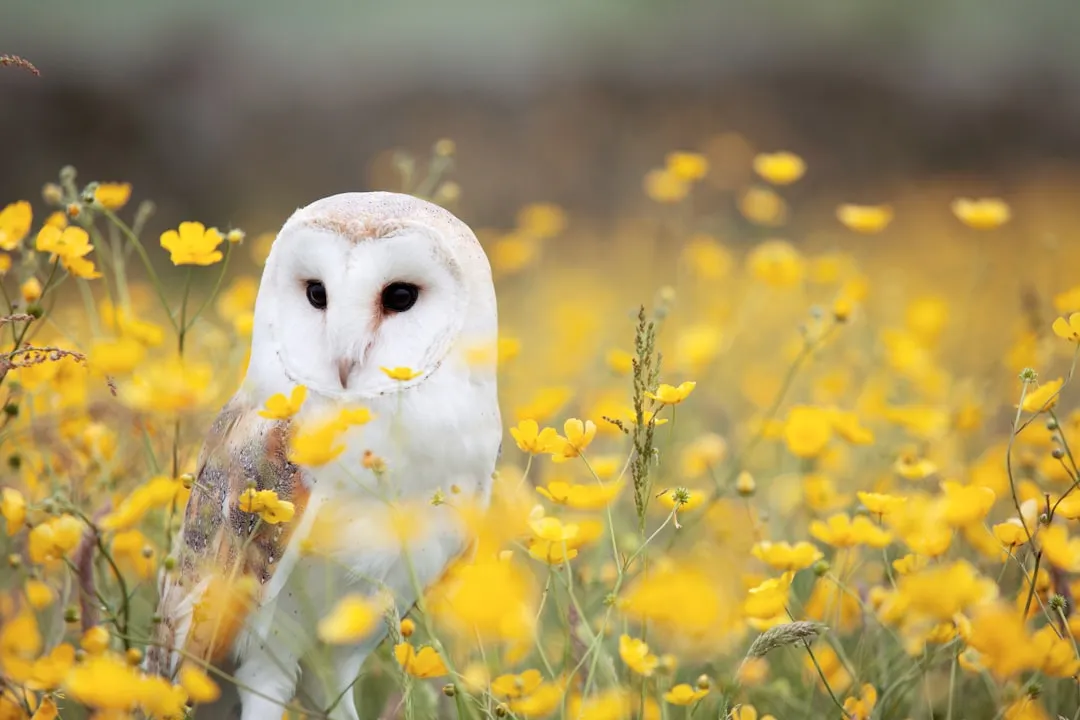
New York might surprise people who picture snowy owls only in remote wilderness. In reality, the state is one of the most consistent hotspots in the Northeast. Upstate, vast open fields, airports, and the shores of Lake Ontario create ideal hunting grounds. Downstate, coastal areas like barrier beaches and coastal marshes can host owls resting or hunting over dunes.
One of the more surreal experiences in modern birding is seeing photos of a snowy owl against the backdrop of the New York City skyline. It happens. Open spaces like beaches, runways, and landfills in the region mimic tundra much more than dense forest does, so an owl looking for a winter home can end up within commuting distance of millions of people. It’s a reminder that wildlife and big-city life overlap far more than most of us realize.
Massachusetts: Coastal Dunes and Harbor Sentinels
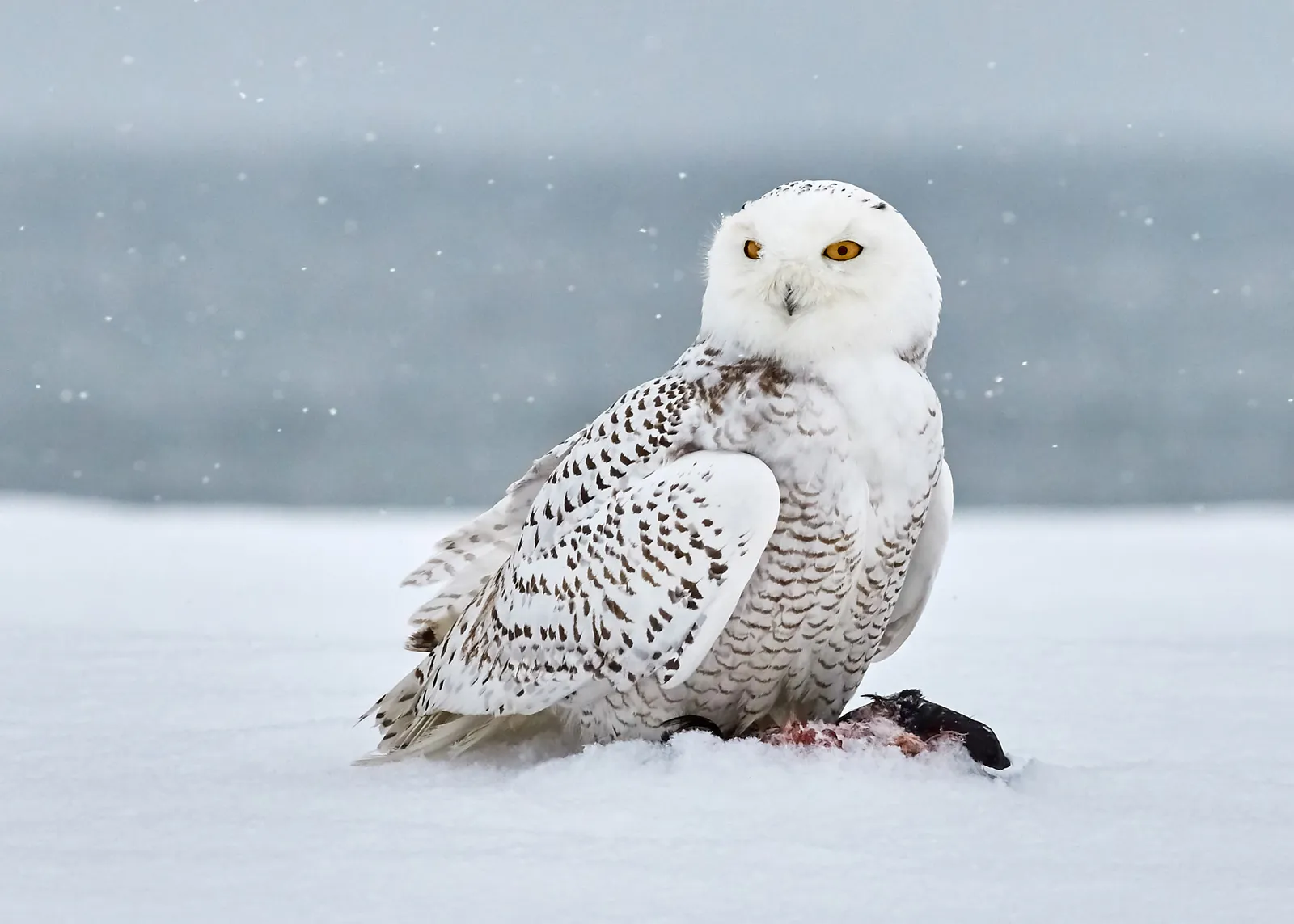
Massachusetts has earned a reputation as one of the best places in the country to see snowy owls in certain winters, especially along its coast. Long sandy beaches, dunes, and open marshes look and feel a lot like the low, treeless Arctic terrain these birds evolved in. When irruption years hit, it is not unusual for multiple owls to be reported along a single stretch of coastline.
Harbor jetties, barrier beaches, and even airport areas around Boston have all hosted snowy owls, sometimes drawing crowds of people with cameras and spotting scopes. There is something almost surreal about watching an owl that nested under the midnight sun now perched on a windswept dune overlooking the Atlantic. For many New Englanders, a snowy owl on a beach is the kind of sighting that sticks in your memory for decades.
Maine: Winter Stronghold at the Edge of the Continent
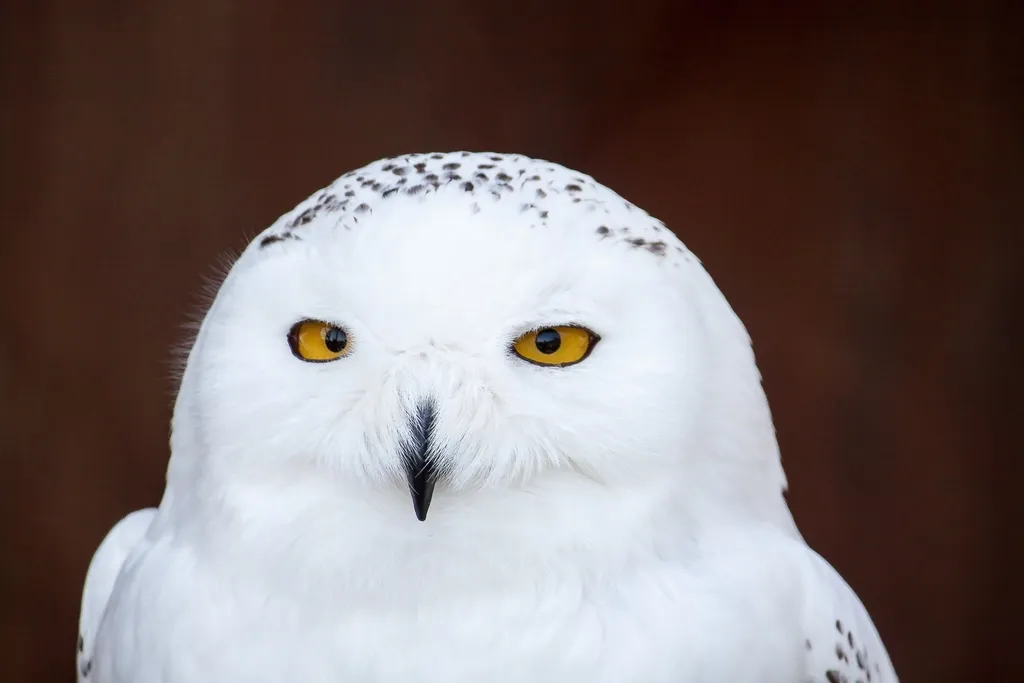
Maine sits close to the core of the snowy owl’s regular winter range, so while numbers go up and down, the state is on the shortlist of places where these birds show up again and again. The combination of rugged coastline, offshore islands, and open inland fields offers a variety of tundra-like habitats. Some coastal headlands and islands are almost legendary among birders for producing snowy owl sightings over multiple winters.
Unlike the more urbanized states farther south, Maine’s landscapes can give you a more solitary, wild-feeling encounter. You might scan a rocky shoreline in biting wind and finally pick out a white shape on a distant boulder, or see a bird cruising low over a snow-covered field at dusk. Those moments drive home that this is a true Arctic predator, temporarily sharing space with us before vanishing back north again.
North Dakota: Quiet Fields, Big Skies, and Surprise Owls
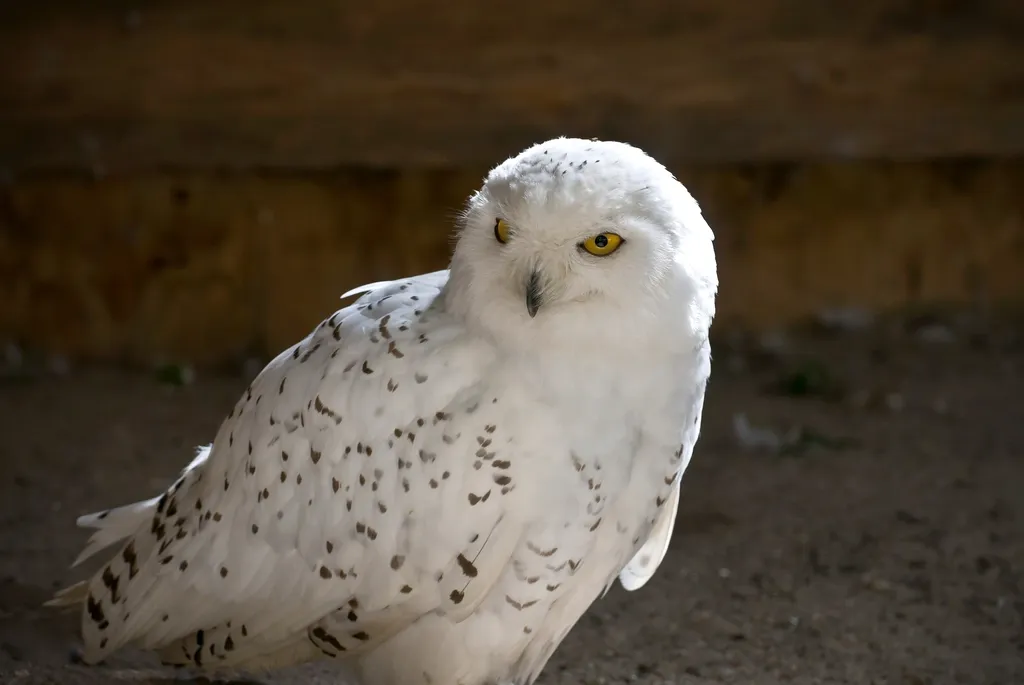
North Dakota does not always grab national headlines for snowy owl numbers, but anyone who follows bird reports knows it is a key state in many winters. The state’s enormous expanses of prairie, pasture, and agricultural land offer almost uninterrupted open country. To a snowy owl moving south from Canada, this looks like safe, familiar hunting territory with plenty of small mammals to chase.
Because North Dakota is sparsely populated, snowy owl encounters there can feel almost private and unhurried. A birder might spend an afternoon slowly cruising back roads, scanning fence posts, hay bales, and irrigation equipment. When you finally see a big white shape sitting like a snowball on a distant post, the silence and big sky make the moment hit a little harder than if you were standing in a crowded harbor parking lot.
Why These States See So Many Snowy Owls
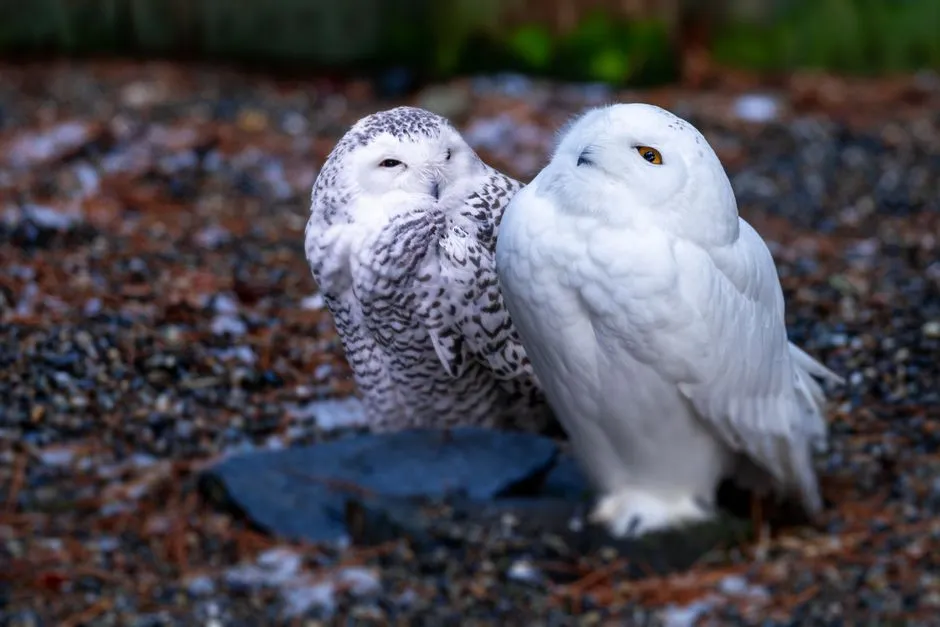
When you look at these seven states together, a pattern jumps out: they all offer huge areas of open, mostly treeless habitat, often shaped by agriculture or coastlines, and many are aligned with routes straight down from Arctic Canada. Snowy owls are not forest birds; they want sightlines, space, and enough prey to make the energy cost of migrating worthwhile. States like Minnesota, Wisconsin, and North Dakota serve up enormous stretches of the kind of terrain they know best.
Coastal states like Massachusetts, Maine, and New York add another ingredient: shorelines and barrier beaches that act like natural landing strips for north–south migrants. Toss in Michigan’s Great Lakes geography, and you get a set of states perfectly positioned to catch birds that have wandered south during irruption years. In my view, it is less that these places are magical and more that they fit a very precise Arctic checklist, even if we usually think of them in very non-Arctic terms.
How to Look for Snowy Owls Ethically in These States
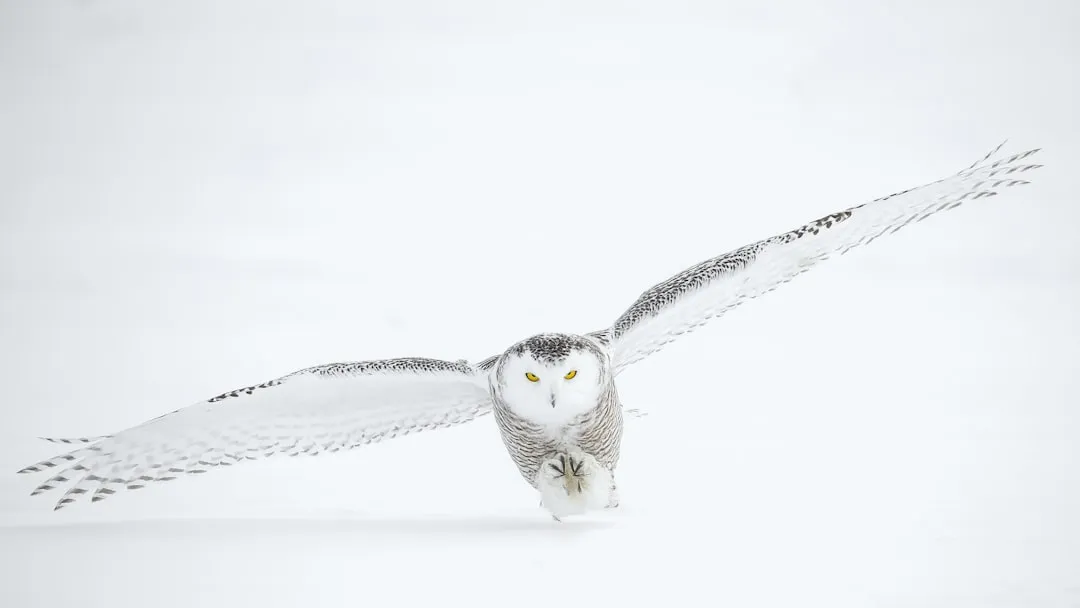
Knowing where snowy owls tend to show up is only half the story; how you look for them matters just as much. These birds may look tough and unbothered, but they are often living right on the edge energetically, especially in big irruption years when more young, inexperienced owls are forced farther south. Chasing them across fields, walking too close, or crowding them with huge groups of people can push them to burn precious calories they cannot easily replace.
The best approach is to treat a snowy owl like a wild athlete in the middle of a marathon you are lucky to witness. Watch from a respectful distance with binoculars or a scope, stay on roadsides or established paths, and resist the urge to flush the bird just to get a better photograph. In a way, the discipline of holding back is part of the experience; it forces you to see the owl on its own terms, as an Arctic hunter making a brief, risky visit into our world.
Opinionated Conclusion: Why These Owls Matter More Than Just a Checklist Tick
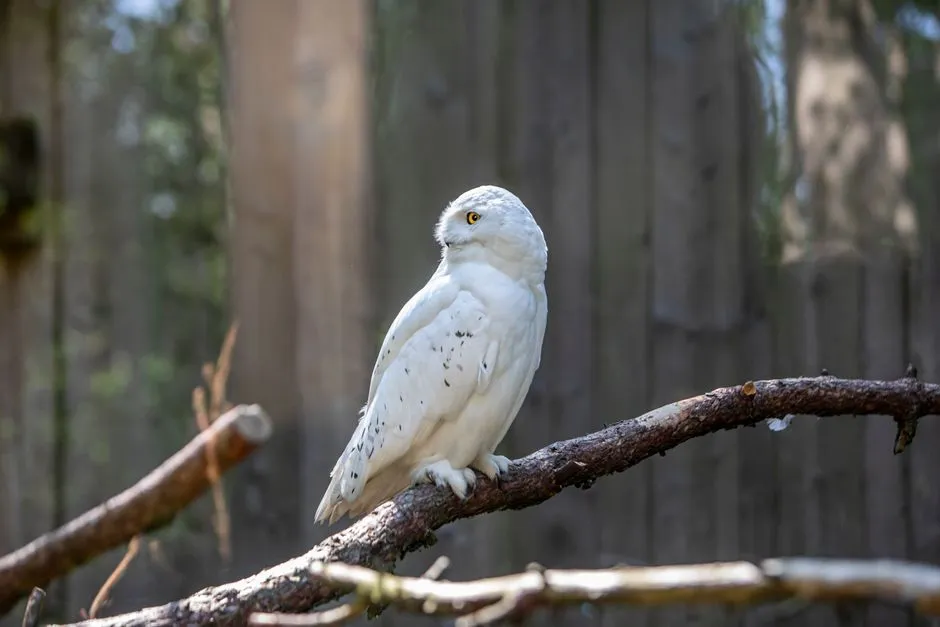
It is tempting to treat snowy owls as a bucket-list species, something to chase for a weekend and then move on from. I think that view sells them short. When an Arctic predator travels hundreds or even thousands of miles to show up on a Midwestern fence post or a New England beach, it is quietly telling us a story about changing ecosystems, shifting prey cycles, and a planet under pressure. Those white birds against dark winter fields are not just pretty; they are data points with feathers.
If you are lucky enough to live in or visit one of these seven states during a good snowy owl winter, you have a front-row seat to that story. Go see them, by all means – but let the encounter change how you think about distance, migration, and the invisible threads that tie a Maine beach, a Minnesota cornfield, or a North Dakota prairie to windswept Arctic tundra. The next time someone posts a snowy owl photo from a supermarket parking lot, will you see just a rare bird, or a rare chance to pay attention to the bigger picture?

- 7 US States With the Most Snowy Owl Sightings - August 9, 2026
- What Guardian Dog Breed Are You According to Your Zodiac Sign - August 9, 2026
- The Horse Breed Most Compatible With Each Zodiac Sign - August 9, 2026