

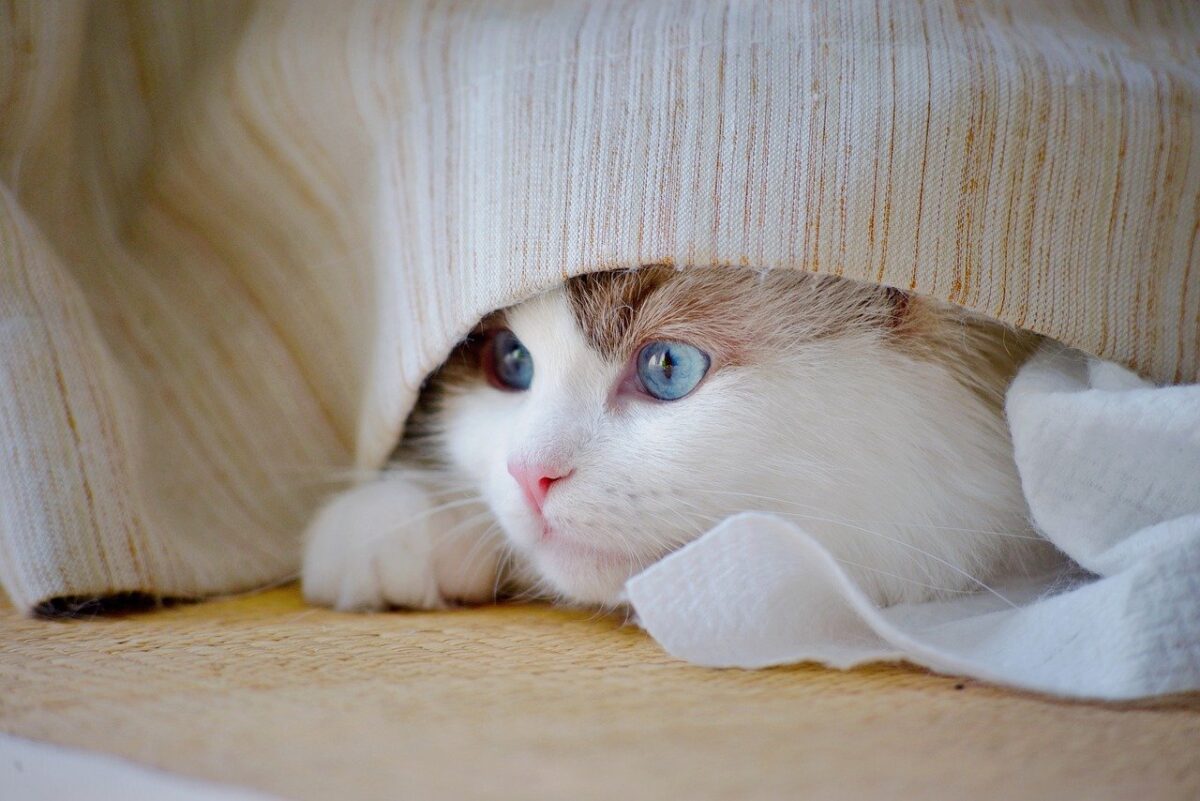
There’s something profound about the connection we share with our feline companions. They’ve been part of our daily routines, our quiet moments, and our most chaotic days. But when your cat begins to show signs that their time is drawing near, recognizing these signals becomes one of the most important gifts you can offer them. These aren’t just random changes in behavior – they’re your cat’s way of communicating something deeply significant. Understanding what to look for can help you provide the comfort and care they need during their final chapter, ensuring their departure is as peaceful as possible.
They Start Hiding Away from Everything They Once Loved
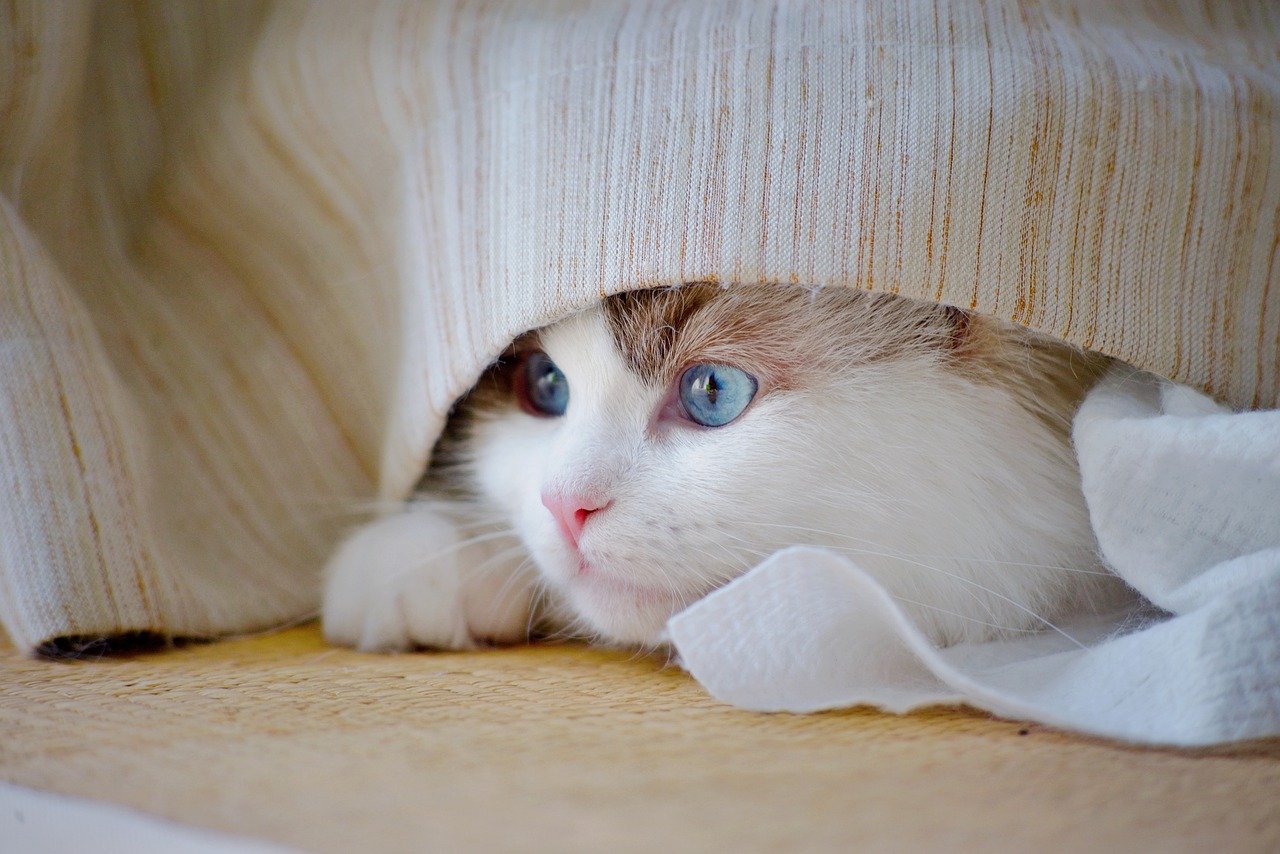
Many animals, including cats, will hide away when they are dying. Dying cats often secret themselves away somewhere safe and quiet, as an innate instinct to protect themselves from predators that would target a weak animal. Your once social butterfly might suddenly prefer the space under your bed, behind the washing machine, or in that rarely-used closet. This isn’t them being antisocial – it’s actually a deeply rooted survival mechanism. Your cat may seek out quiet, secluded areas as they approach the end of their life. In the wild, a dying cat instinctively understands that they are more vulnerable to predators. Hiding is a way to protect themselves. Domestic cats have adopted a similar instinctive behaviour, which helps them feel secure. Even though your house cat has never faced a wild predator, this ancient programming still kicks in when they’re at their most vulnerable.
Their Appetite Completely Disappears
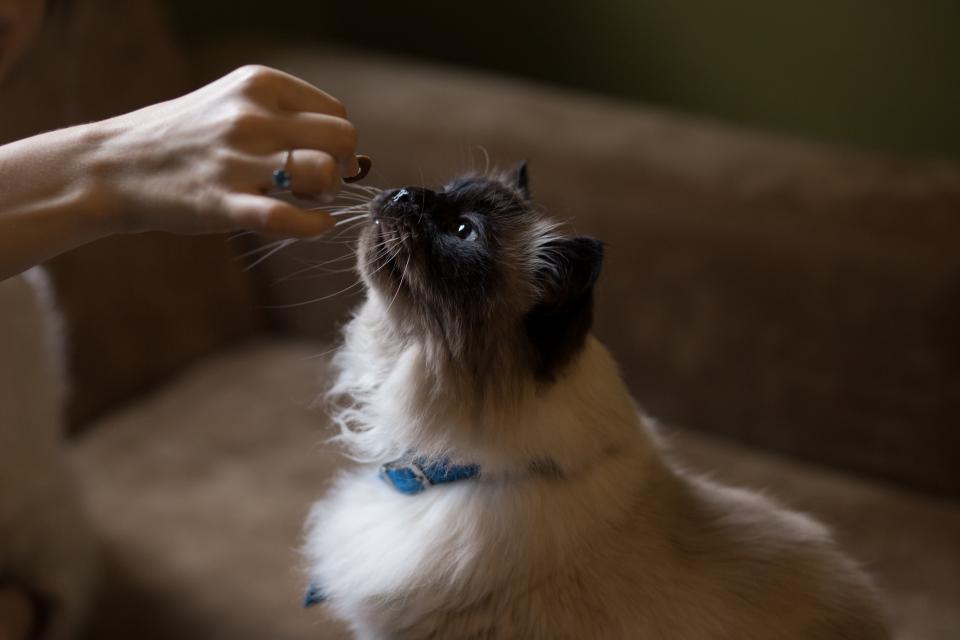
Loss of appetite is one of the first signs that a cat may be dying. When a cat is dying, it’s normal for their appetite to slow down and for them to eventually stop eating altogether. That cat who used to race to their food bowl at the sound of a can opener now barely glances at their favorite treats. This change can be heartbreaking to witness, especially when you’re desperately trying anything to tempt them back to eating. For all animals, illness often culminates in a lack of interest in food or water. This is because an animal’s body knows it takes work to process any food or drink, and sometimes a cat is simply too sick or tired to expend the additional energy. Their body is essentially conserving every ounce of energy for more critical functions. Even offering their most beloved treats might not spark any interest, and this refusal isn’t stubbornness – it’s their body’s natural response to shutting down.
They Can’t Keep Up with Their Grooming Routine
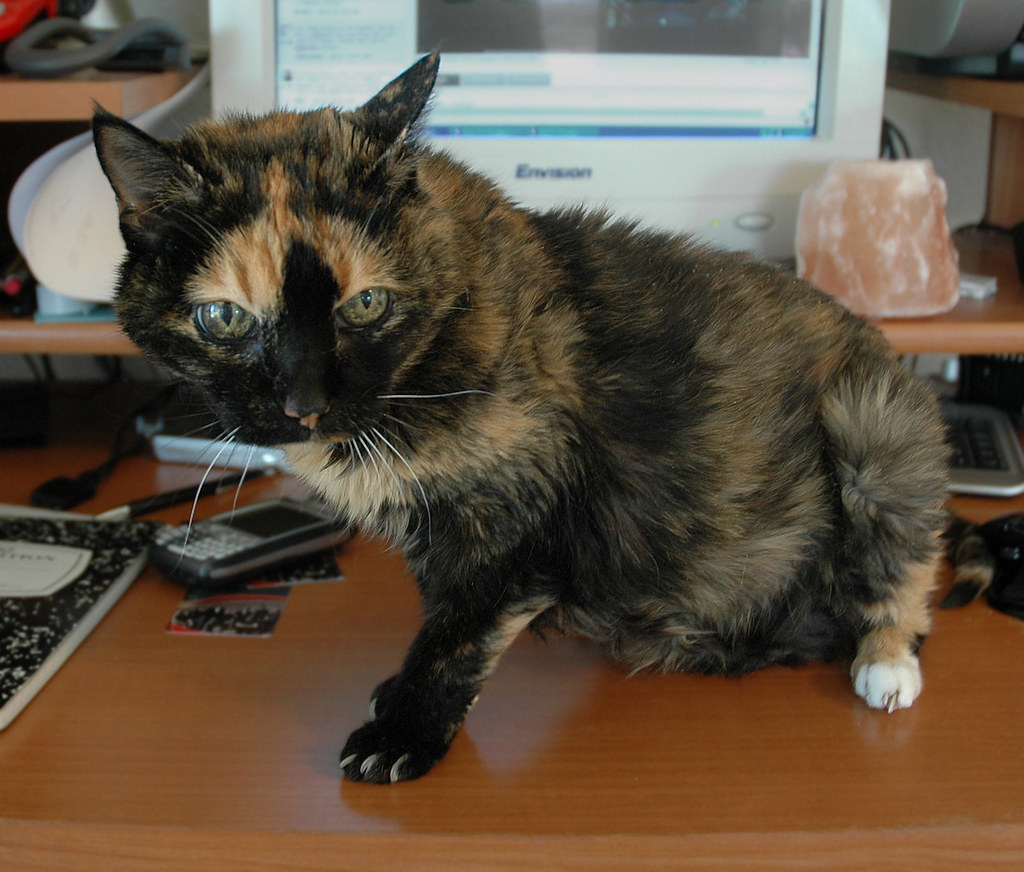
Cats spend a lot of time and energy grooming themselves when they’re healthy, so it makes sense a cat with less energy to burn simply can’t keep up. Dying cats might begin to look messy and unkempt, and might even develop a detectable odor. Your typically pristine cat might start looking disheveled, with matted fur or an overall unkempt appearance that would have horrified their healthier self. When cats don’t feel well, they frequently stop grooming themselves. This leads to a greasy, scruffy-looking coat. Long-haired cats may develop mats, particularly on their hind end, underbelly, and behind the ears. This dramatic shift from their usually meticulous grooming habits represents more than just physical weakness – it signals that their priorities have fundamentally changed as their body focuses on essential functions only.
They Sleep Almost All the Time
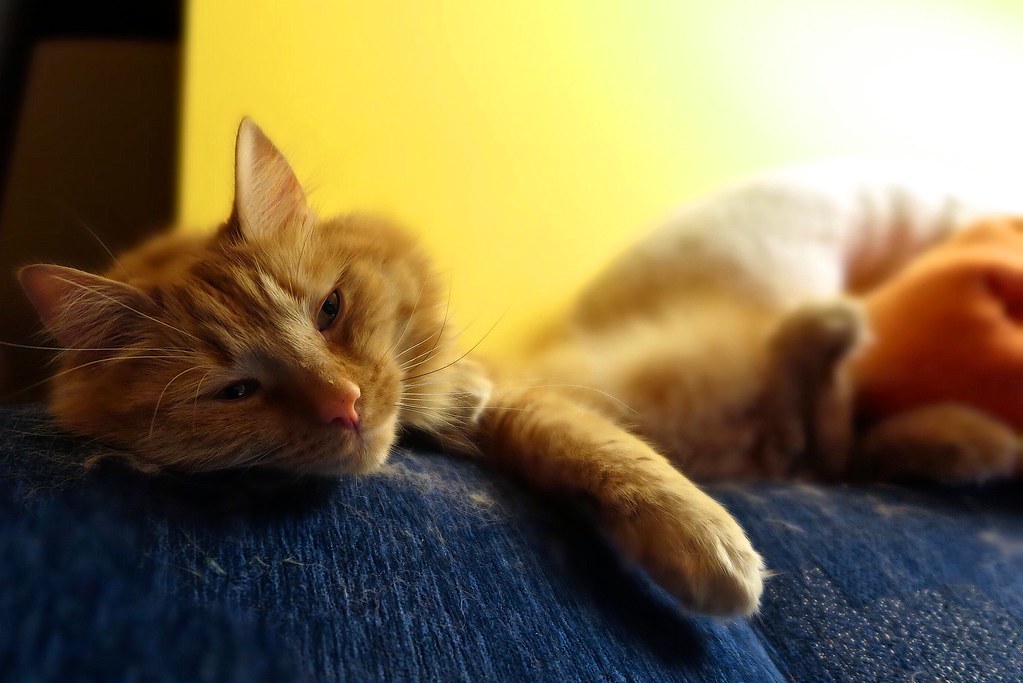
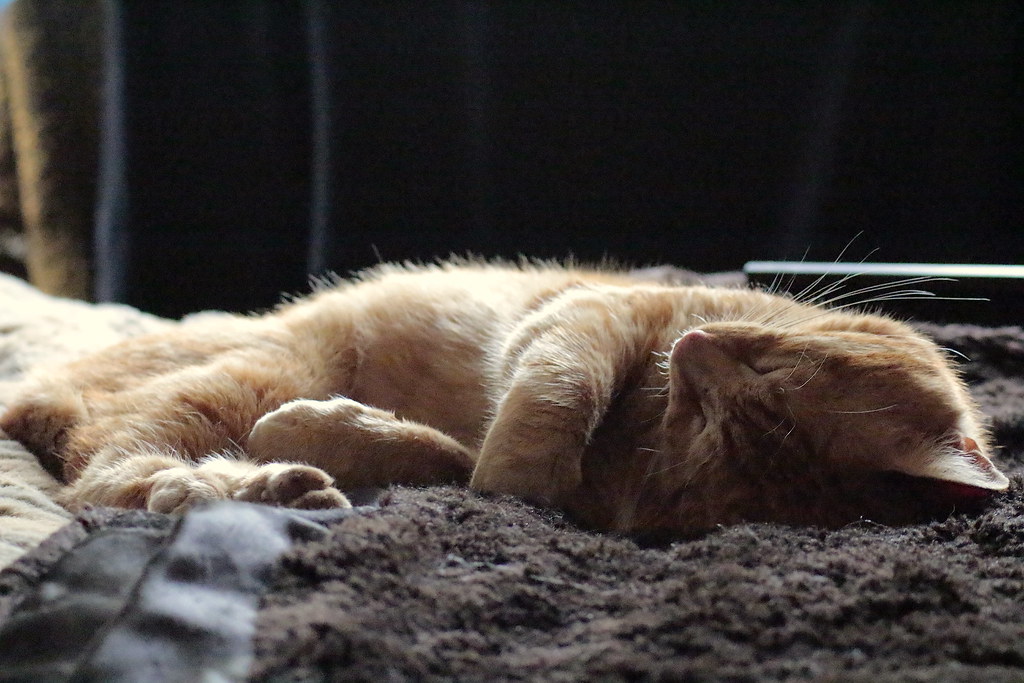
A cat sleeping is not an unusual sight, and they can indeed snooze for around 12 to 20 hours a day! However, in the last days of life, your cat might show extreme weakness and lethargy. They might not rouse as usual for fuss and attention, and might even sleep through meals and toileting. While cats are naturally champion sleepers, there’s a distinct difference between normal cat napping and this profound exhaustion. A cat nearing the end of life often appears too tired to move. They may stop walking, struggle to reach their litter box or food bowl, and sleep more than usual. This isn’t just being lazy or comfortable – it’s their body conserving every bit of energy for essential functions. You might notice they don’t even lift their head when you enter the room, something that would have been unthinkable in their healthier days.
Their Breathing Becomes Labored or Irregular
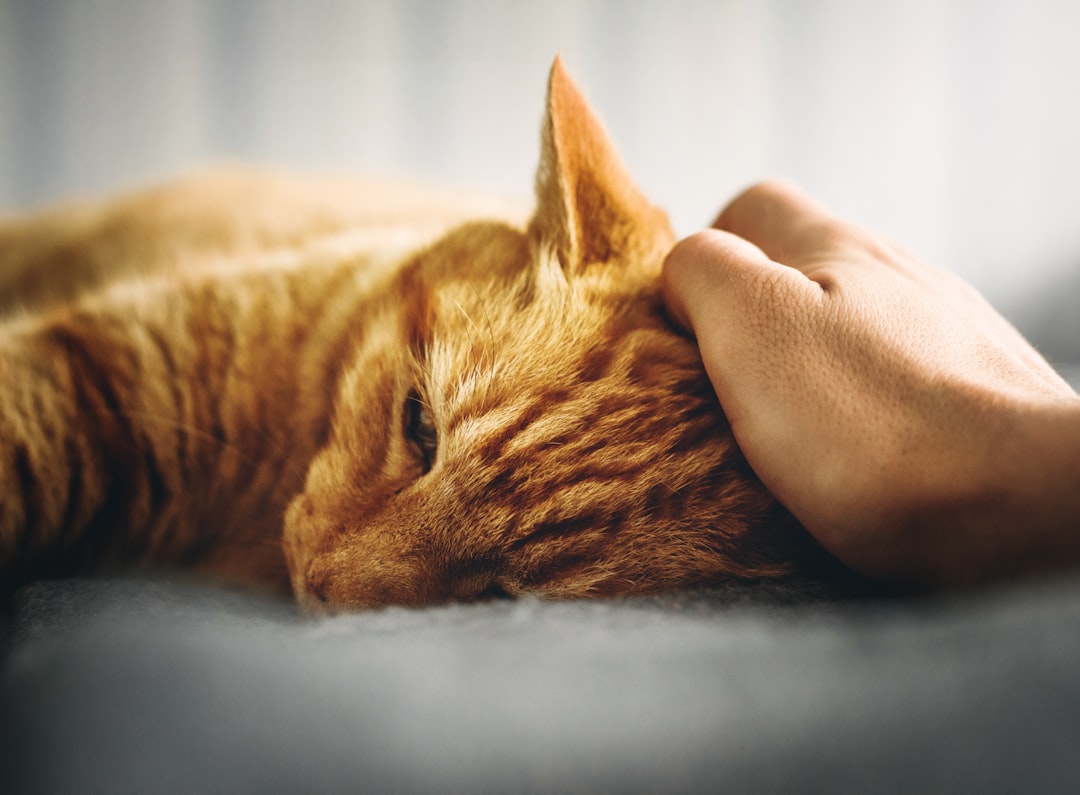
If your cat is panting, struggling to breathe, or breathing rapidly, these could be signs of pain. They could also be symptoms of advanced heart disease, lung disease, or metabolic conditions. Either way, pet parents should take breathing changes seriously as they may indicate the end is near. Normal, quiet breathing transforms into something you can actually hear and see – shallow, rapid breaths or pauses that seem to stretch on forever. Agonal breathing occurs, meaning the cat takes very deep, irregular, individual breaths. These breathing changes can be particularly distressing to witness, but understanding that this is a natural part of the process can help you remain calm and comforting for your cat. Their respiratory system is working harder now, and each breath requires more effort than it used to.
They Want All Your Attention or None of It
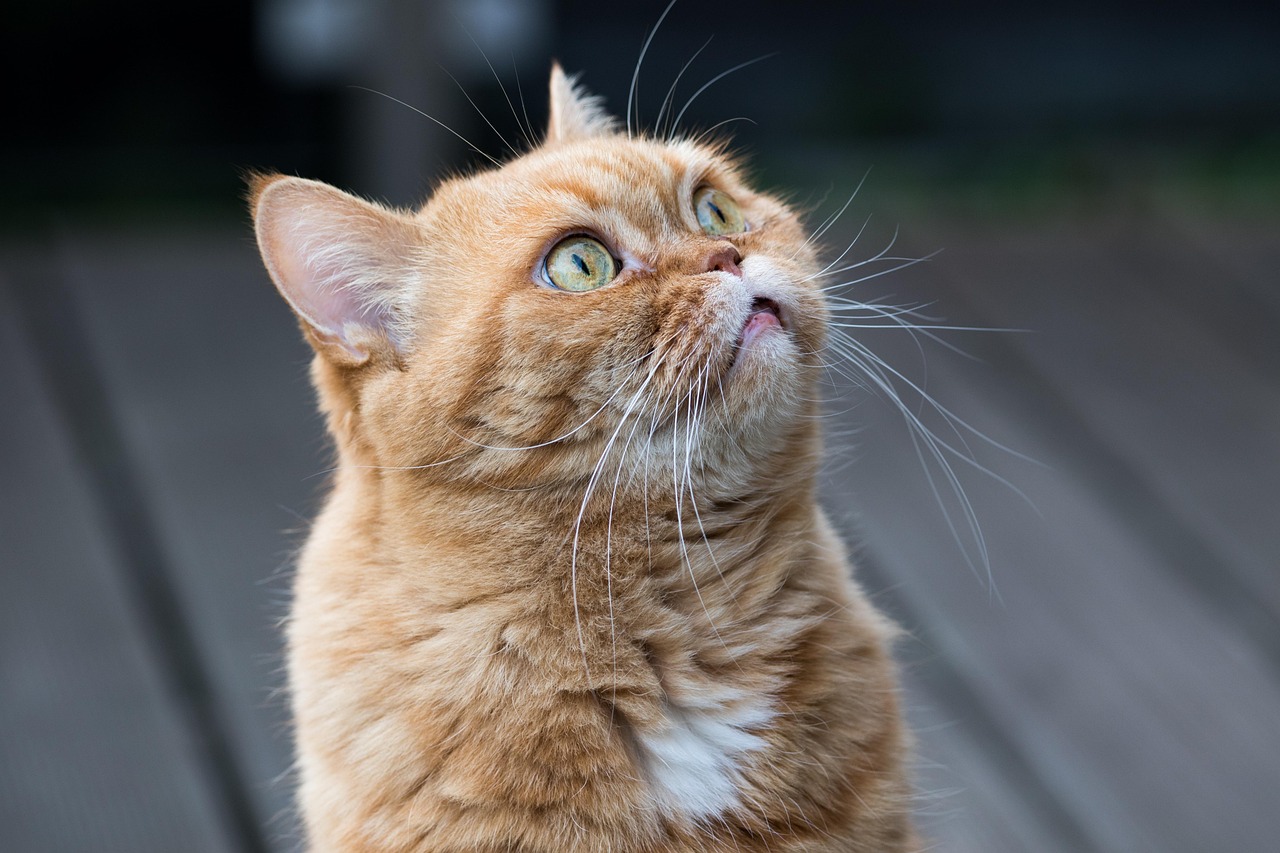
A dying cat’s behavior might change significantly as they approach the end. Some cats become more loving near the end, and they may want to stick close and follow you around. Some cats become incredibly clingy, following you from room to room, demanding constant physical contact and attention. They might purr loudly when you pet them, as if trying to communicate something important through their touch. Some cats don’t hide but in fact do the opposite as the end-of-life approaches. They become clingy to their human companions and can seem more affectionate than usual. On the flip side of the coin, some cats completely withdraw socially during their final moments, appearing introspective and totally disinterested in engagement, but not necessarily aggressive. The cat who once ignored you might now refuse to leave your side, or conversely, your lap cat might suddenly want nothing to do with physical affection. Both responses are completely normal ways of coping with their changing physical state.
Their Body Temperature Drops Noticeably
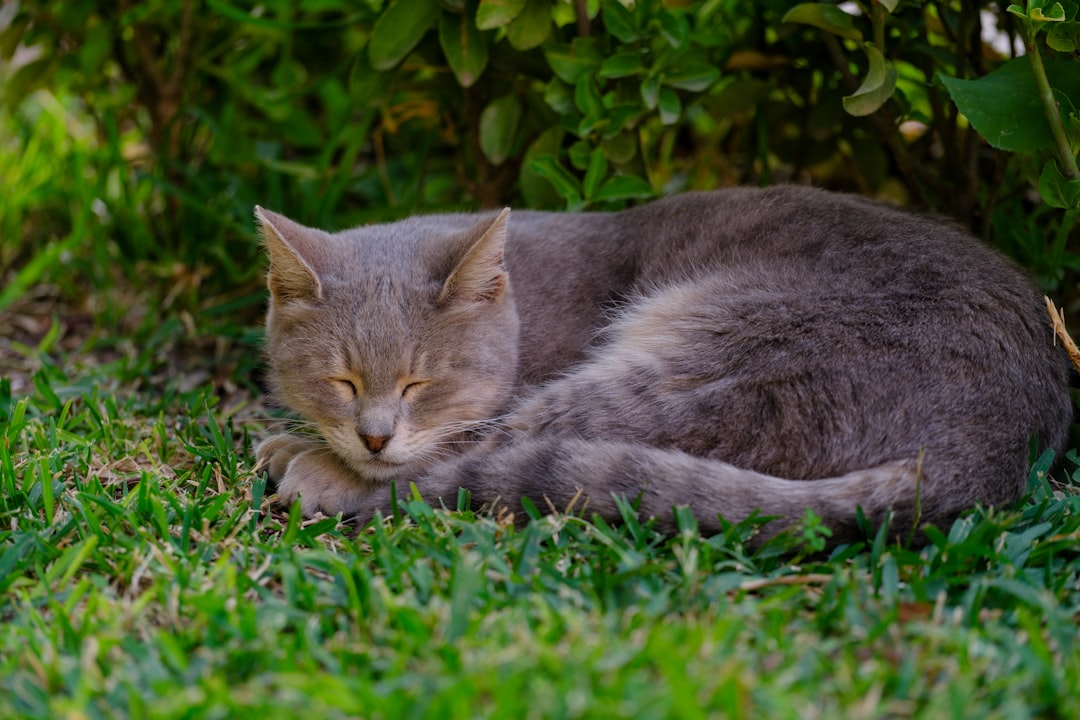
Senior cats increasingly have trouble regulating their body temperature, and will be more susceptible to heat and cold than healthy adult cats. Even when provided with a warm bed and environment, cats nearing death often have a low body temperature. You may notice that your cat’s limbs feel cool to the touch. When you pet your cat, their ears, paws, and nose might feel surprisingly cold, even in a warm room. This isn’t necessarily uncomfortable for them, but it’s your cat’s circulatory system slowing down. Their body may feel cooler to the touch, especially in their extremities like ears, paws, and tail. This cooling typically starts at the extremities and gradually moves inward as the body’s circulation decreases. You might find yourself instinctively wanting to warm them up with blankets, and gentle warmth can indeed provide comfort during this time.
Conclusion
Recognizing these signs isn’t about giving up hope – it’s about giving your beloved companion the greatest gift possible: a peaceful, comfortable transition surrounded by love. Each cat’s journey is unique, and not every cat will show all these signs. Some might display just a few, while others might surprise you with different behaviors entirely. The most important thing is paying attention to changes from their normal patterns and responding with compassion and understanding. The best thing pet parents can do, for both themselves and their animals, is be prepared. When a cat reaches the end of their life, certain behaviors and physical symptoms may start to show. By learning the signs that a cat is dying, you can know when it’s time to seek veterinary support to make your cat’s passing as comfortable and pain-free as possible. What do you think about recognizing these final signs? Tell us in the comments how understanding your cat’s needs helped you provide comfort during their most vulnerable time.

- 30 Plants That Absolutely Love Full Sun - July 15, 2026
- 25 Houseplants That Will Transform the Way Your Home Smells - July 15, 2026
- 25 Dog Breeds Perfect for Families With Kids - July 15, 2026