

Walk into a healthy longleaf pine forest in south Georgia and the first thing you notice is how open it feels. Tall, widely spaced pines stand over a ground layer of grasses and wildflowers, with sunlight reaching the soil in a way it rarely does in a dense woodland. It looks a bit like a savanna that wandered into the Southeast.
That openness isn’t an accident, and it isn’t something the forest can keep up by itself. It depends on a force most people associate with disaster, not with life. Here are seven animals whose survival is tangled up with this landscape.
Gopher Tortoise, the Engineer Underground
🔥 Would you like to save this?
We'll email this post to you, so you can come back to it later!
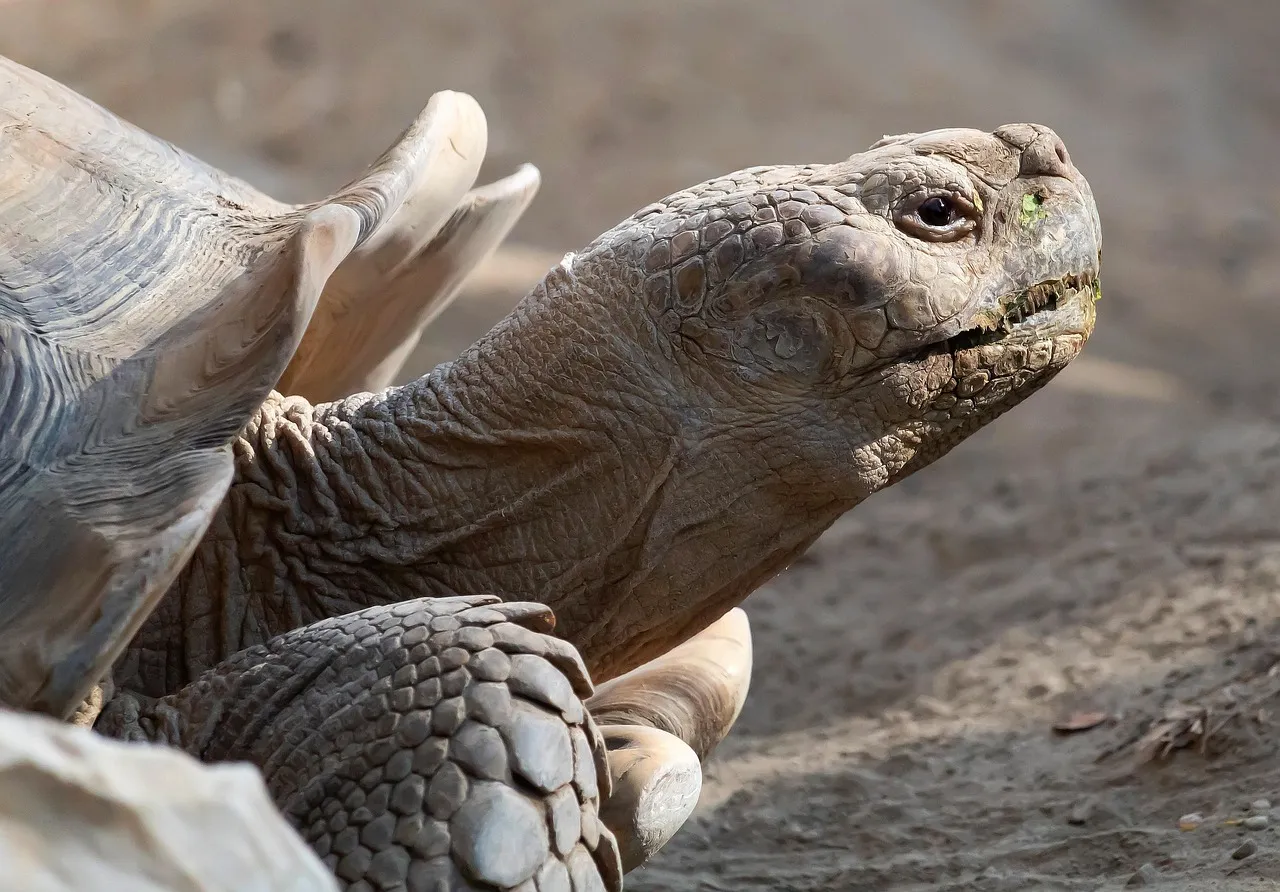
The gopher tortoise is often called a keystone species, and the title fits. Its burrows can run deep and long, and they give shelter to a surprising crowd of other animals. Snakes, mice, frogs, and insects all use them, especially when the weather turns hot or a fire sweeps overhead.
Tortoises need sunny, open ground for nesting and low plants for grazing, which is exactly what frequent fire maintains. When fire is kept out, shrubs and trees crowd in, the groundcover thins, and the tortoises lose food and nesting space. The species is listed as threatened in Georgia, and keeping its habitat open is a major part of the effort to protect it.
Red-Cockaded Woodpecker, a Bird That Needs Old Pines
🔥 Would you like to save this?
We'll email this post to you, so you can come back to it later!
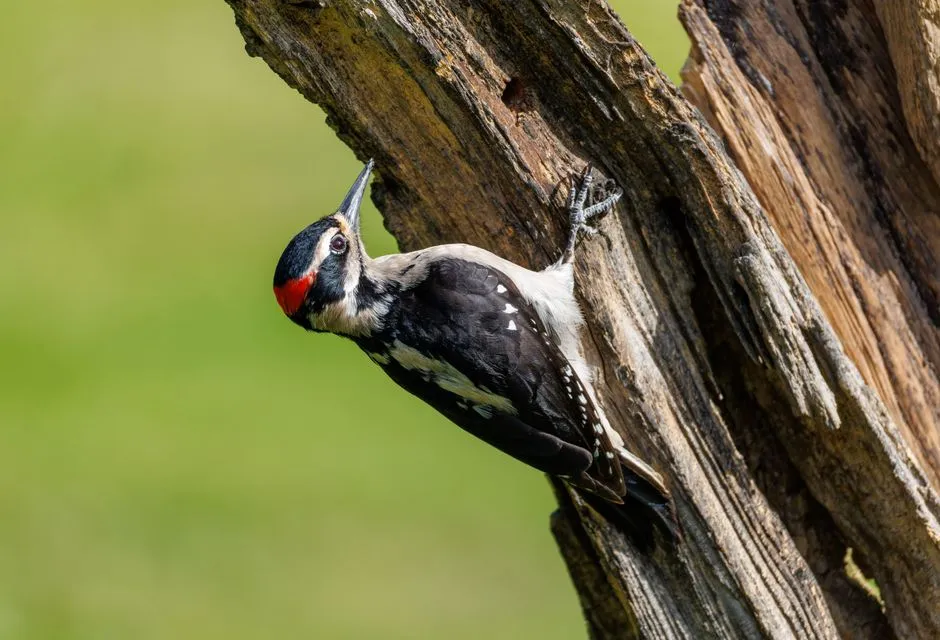
This small black and white woodpecker does something unusual. It excavates its nesting cavities in living pines, and it favors older trees, often those affected by a fungal heart rot that softens the wood. Carving a cavity can take years, so the birds can’t simply move somewhere else on short notice.
Open, grassy forest with a sparse midstory suits them well. If hardwoods grow up near the cavity trees, the birds tend to abandon them. Fire keeps that understory down, which is one reason prescribed burning is central to recovery work for a species that was once listed as endangered and has since been moved to threatened status.
Eastern Indigo Snake, North America’s Giant Among Snakes
🔥 Would you like to save this?
We'll email this post to you, so you can come back to it later!
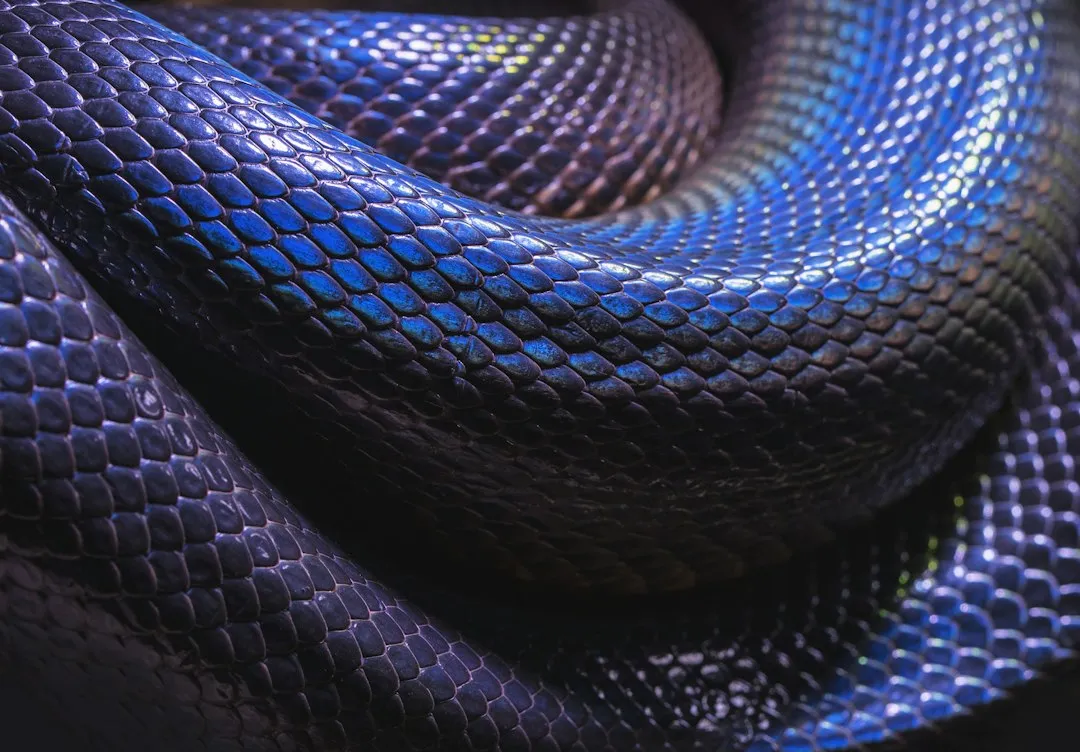
The eastern indigo snake is the longest native snake in the United States, with glossy blue black scales that shine in sunlight. It roams widely and often uses gopher tortoise burrows as winter shelter. That link means the snake’s fortunes are closely tied to the tortoise’s.
It’s a federally threatened species, and longleaf habitat in southern Georgia is among its strongholds. Large, connected stretches of open pine land give it room to hunt and move. Habitat loss and fragmentation remain the main worries, so protecting intact longleaf tracts matters a great deal.
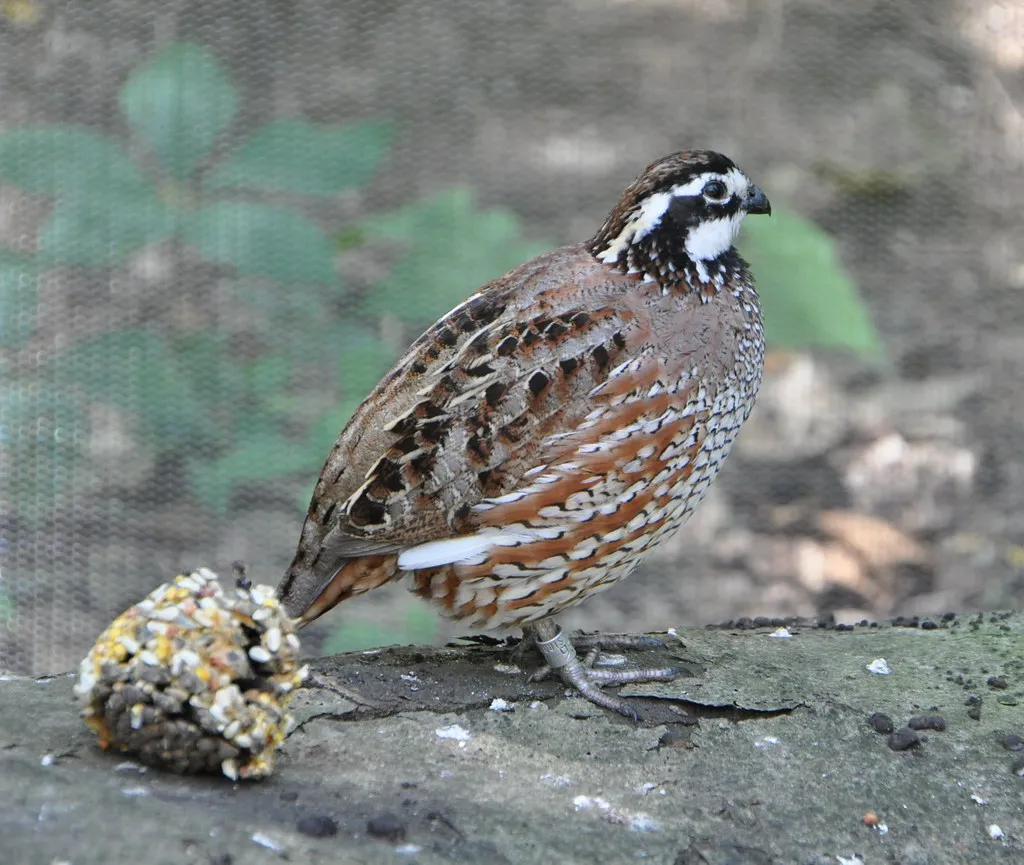
Bobwhite Quail, the Voice of the Pine Grasslands
🔥 Would you like to save this?
We'll email this post to you, so you can come back to it later!
Northern bobwhites are small, plump ground birds, and their whistled call was once a familiar sound across Georgia’s countryside. They need bare ground to move through, bunchgrass for nesting, and plenty of seeds and insects. Longleaf forests that burn regularly offer all of that together.
Bobwhite numbers have fallen across much of the Southeast as farmland and forest changed. Landowners and wildlife agencies often use prescribed fire and open pine management to bring habitat back. Quail are a useful gauge here, since they tend to do well only when the ground layer is in good shape.
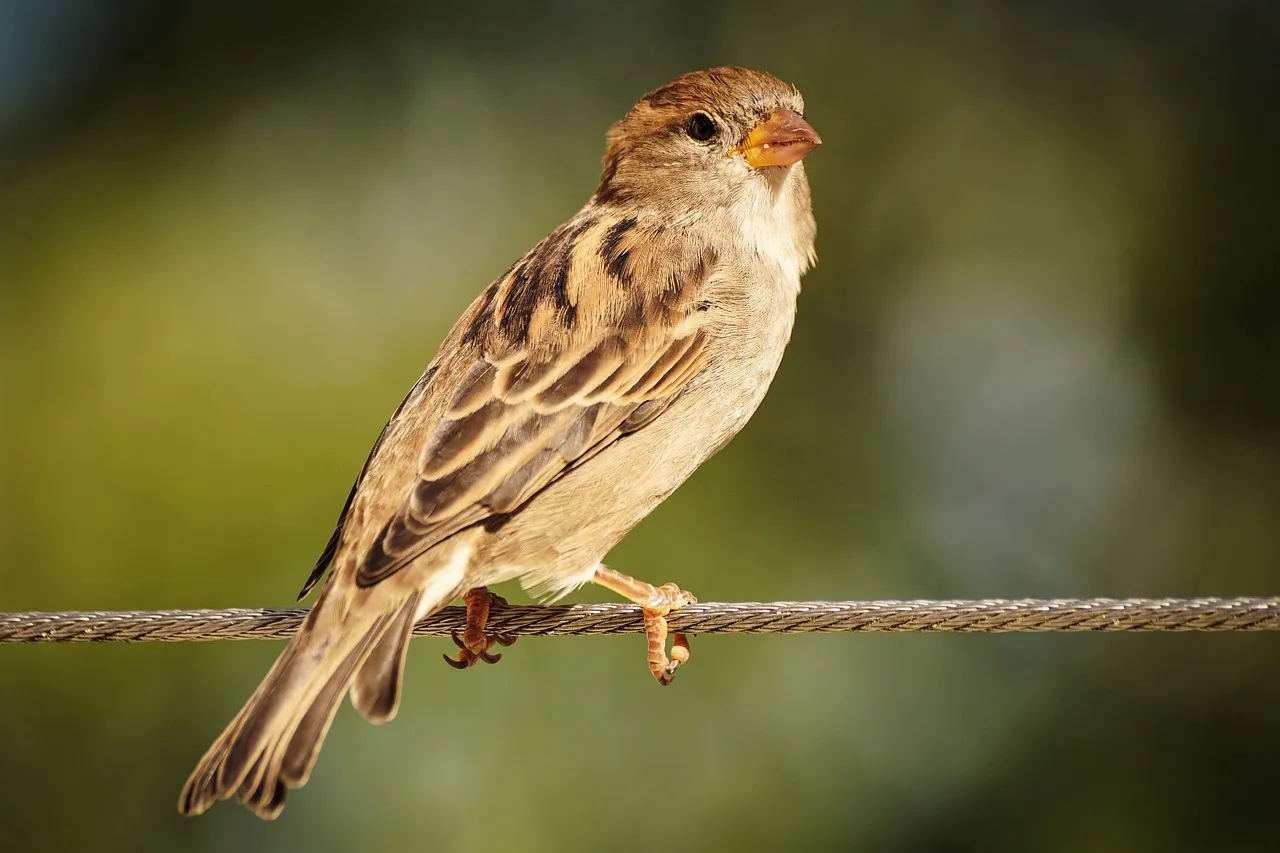
Bachman’s Sparrow, a Shy Bird of the Grassy Floor
🔥 Would you like to save this?
We'll email this post to you, so you can come back to it later!
Bachman’s sparrow is easy to miss. It’s a modest, brownish bird that spends much of its time low in the grass, though males sing clearly from low perches in spring. It prefers open pine woods with a thick herbaceous layer and very little shrub growth.
Because it relies on that kind of ground cover, the sparrow responds quickly to fire. Habitat tends to be best in the first few years after a burn and declines as vegetation thickens. Its numbers have dropped over time, and its dependence on well managed pine woods makes it a good example of how finely tuned this ecosystem is.
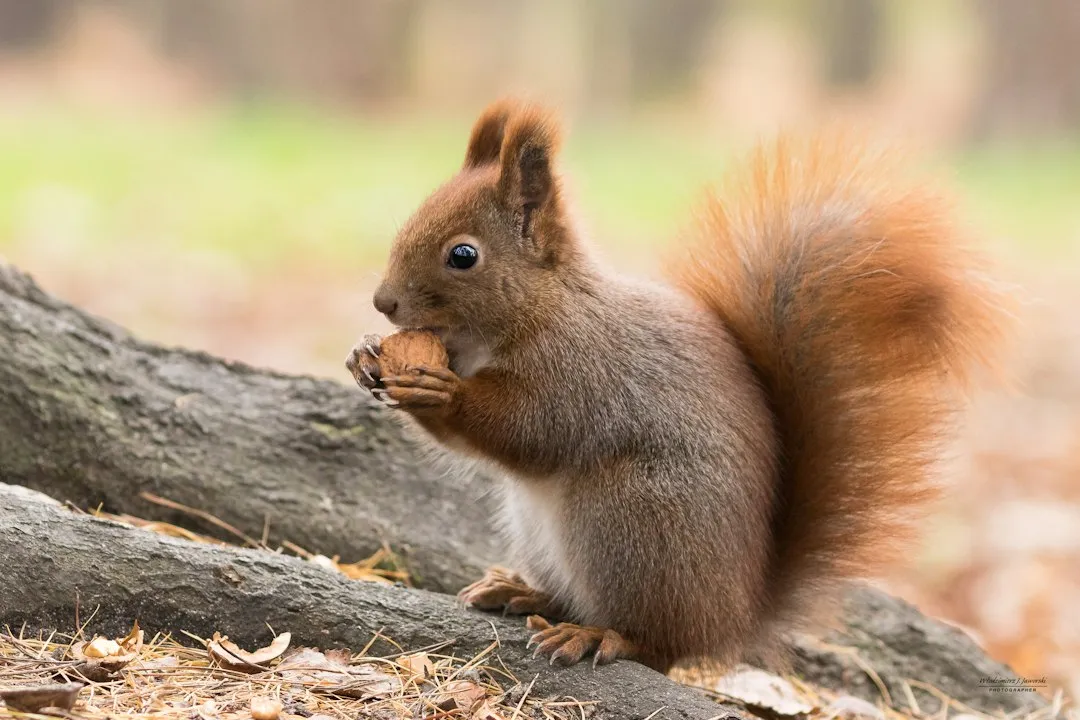
Fox Squirrel, the Big Squirrel With a Taste for Open Woods
🔥 Would you like to save this?
We'll email this post to you, so you can come back to it later!
Southeastern fox squirrels are noticeably larger than the gray squirrels most people see in yards. They’re often seen foraging on the ground in open pine and oak woodlands, and they eat pine seeds, acorns, fungi, and more. Their habit of traveling across open floor suits the park-like structure of a burned longleaf stand.
Dense, unburned forest isn’t much use to them. They do better where the midstory is thin and the ground is easy to cross. Loss of longleaf habitat has shrunk their range, which makes them another animal that quietly signals the health of fire managed woodland.
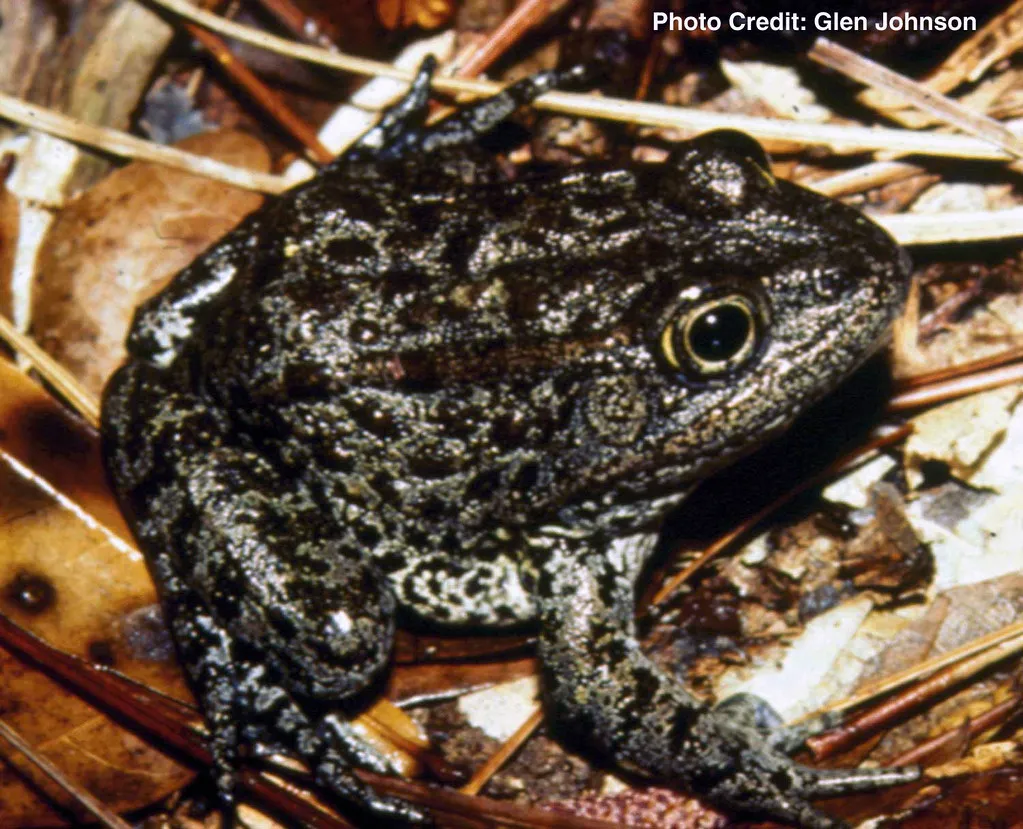
Gopher Frog and Other Pine Flatwoods Amphibians
🔥 Would you like to save this?
We'll email this post to you, so you can come back to it later!
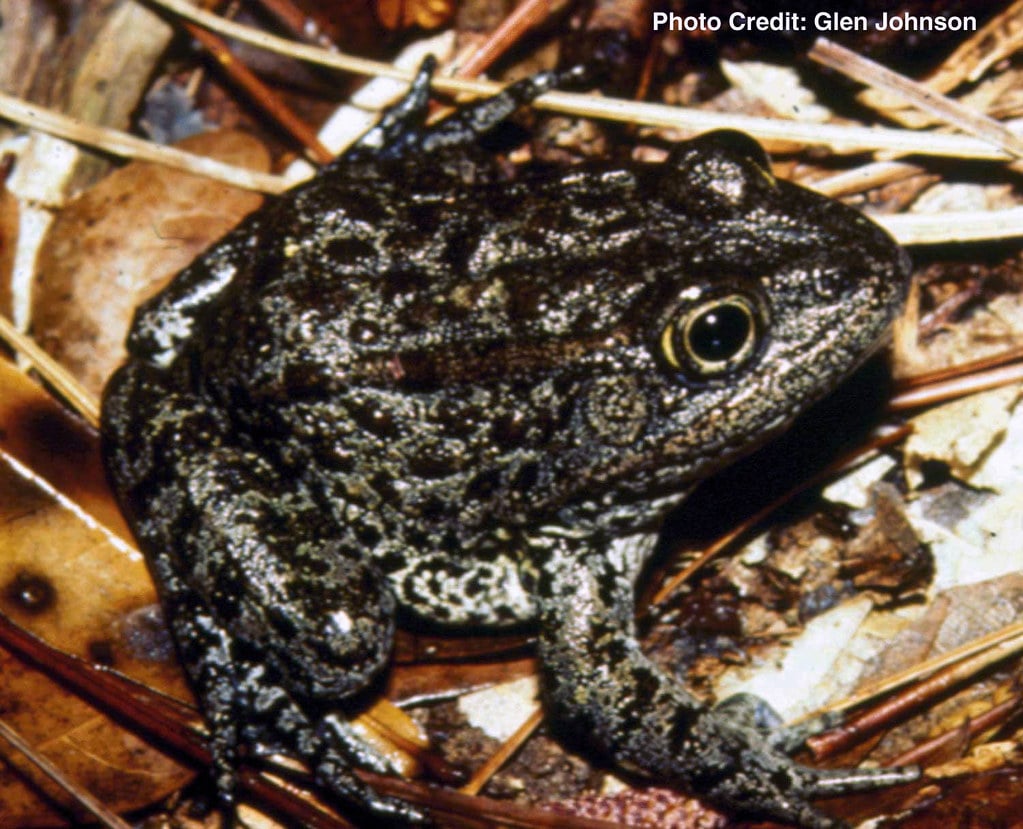
The gopher frog is a stocky, secretive amphibian that spends most of its life on land, often in gopher tortoise burrows. It breeds in small, isolated wetlands, so it needs both upland pine forest and clean ponds within reach. Losing either one can break the chain.
Fire matters here too. Open canopies and grassy edges around breeding ponds help create the conditions these amphibians use, and regular burns keep wetland margins from filling with dense shrubs. Gopher frogs are rare, and researchers and land managers work to protect the pairing of ponds and pine uplands they need.
Final Thoughts
🔥 Would you like to save this?
We'll email this post to you, so you can come back to it later!
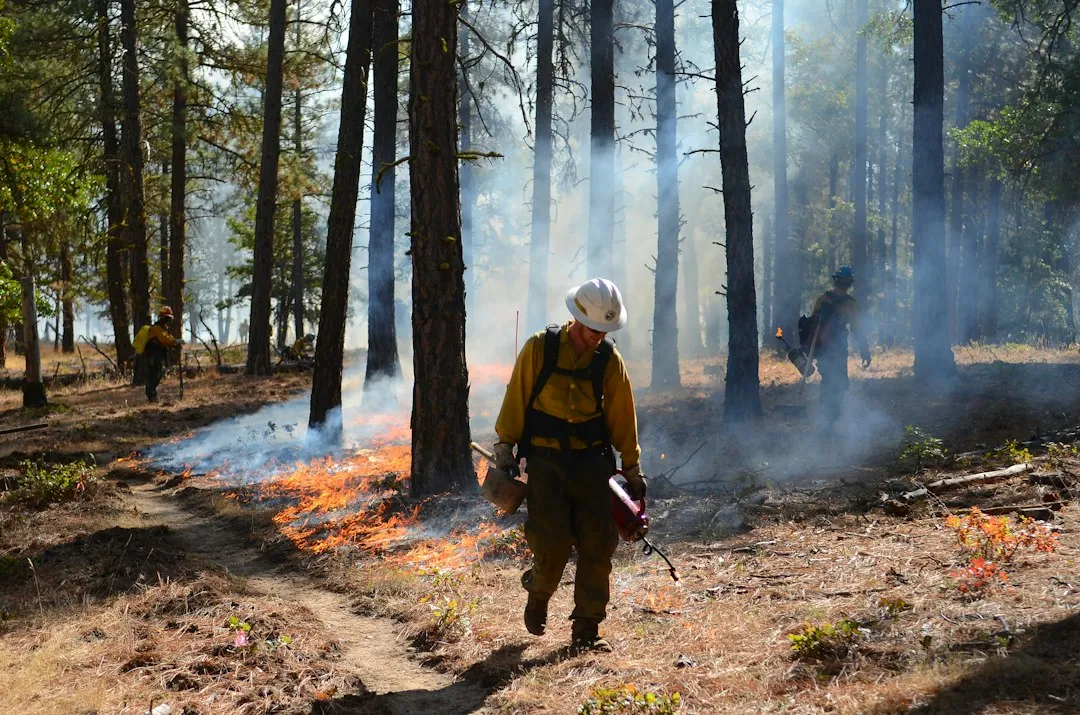
I think the most striking thing about longleaf country is how it flips an instinct. We’re taught to see fire as something to prevent, yet here it’s the very thing holding the whole community together. Take it away and the forest doesn’t get safer, it gets poorer.
So I’d argue that prescribed burning deserves more public patience than it usually gets. A little smoke on a spring day is a small price for tortoises, woodpeckers, and sparrows still having a home in Georgia. If you ever get the chance to visit a well burned longleaf stand, go, and look down as well as up.

- 14 Wildlife Permits Waived for Americans the Year They Turn 62 - November 5, 2026
- Machu Picchu’s Engineering Feats Were Far Ahead of Its Time - November 5, 2026
- 12 Most Beautiful American Cities To See Before You Die - November 4, 2026