
The natural world is full of behaviors that look almost impossible on paper. A butterfly the weight of a paperclip navigating thousands of miles across a continent. A sea turtle returning, decades later, to the exact beach where it was born. A worker bee tearing itself apart to protect a hive it will never benefit from again.
Animal instincts are behaviors that animals can perform with little or no training, because the behavior is built into their biology. That sounds clean and simple, but scratch the surface of nearly any instinct and you quickly run into layers of unanswered questions. Scratch the surface of any complex, adaptive behavior and one is confronted with a seemingly endless array of hard questions spanning evolutionary and developmental time. The more we dive into these matters, the harder it is to settle on any clear notion of what an instinct actually is.
The Monarch Butterfly’s Multi-Generational Navigation
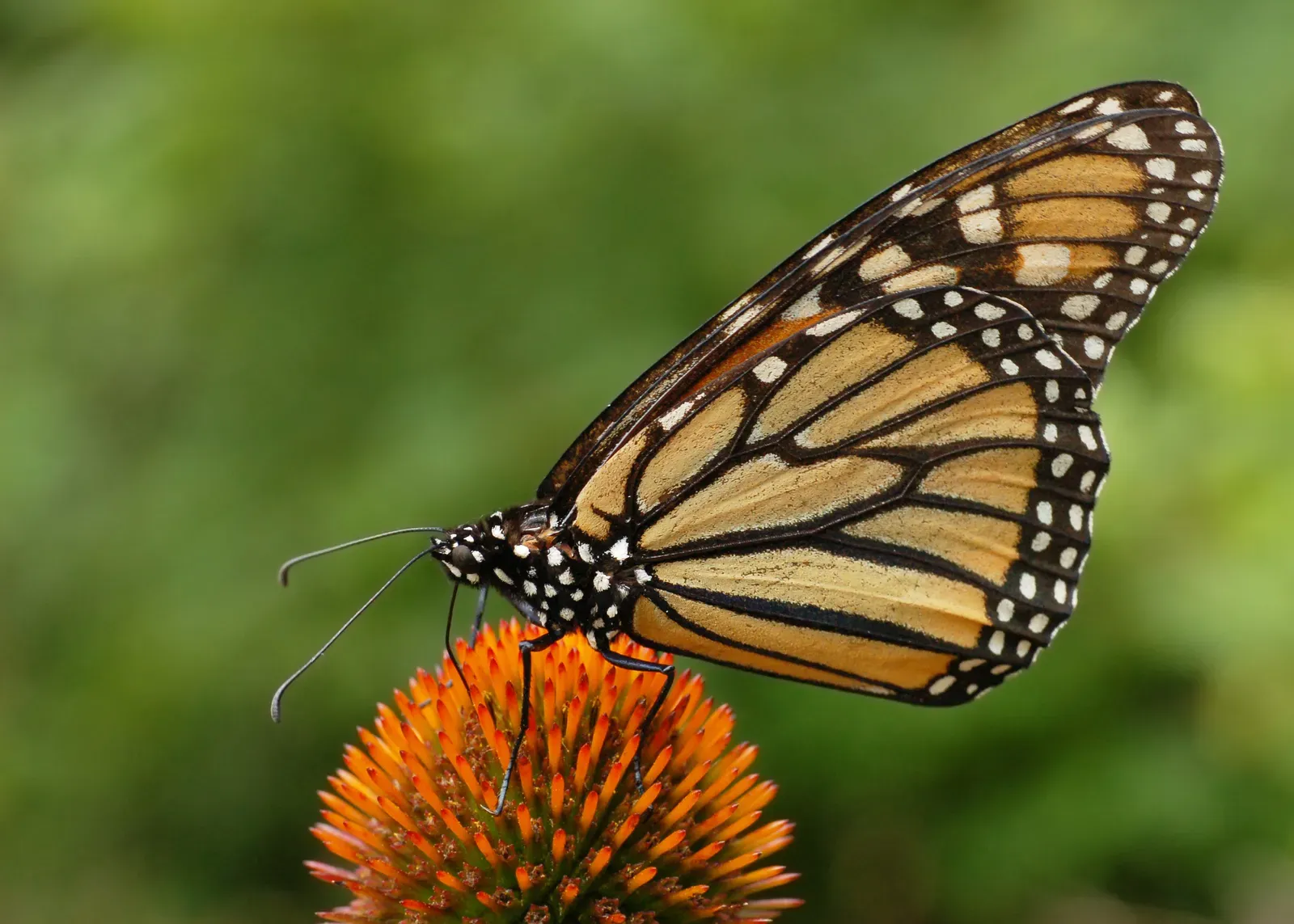
Of all the migrations on Earth, the monarch butterfly’s may be the hardest to explain rationally. Every year, delicate monarch butterflies undertake one of the longest insect migrations known to science, flying over 3,000 miles from North America to central Mexico despite weighing less than a paperclip.
These creatures don’t navigate with experience. They do it purely on instinct. No single butterfly completes the entire round trip. Each generation picks up where the last one left off. Monarchs do not learn the route from their parents, since only about every fourth to fifth generation of North American monarchs actually migrates.
Monarch butterflies use the Sun as a compass to guide their southwesterly autumn migration from Canada to Mexico. Research also suggests they may possess an additional magnetic sense. Monarchs might also use a magnetic compass because they possess two cryptochromes that have the molecular capability for light-dependent magnetoreception. How all of these systems combine in a creature with no memory of the destination remains genuinely unresolved.
Sea Turtles and Their Built-In Geomagnetic Map
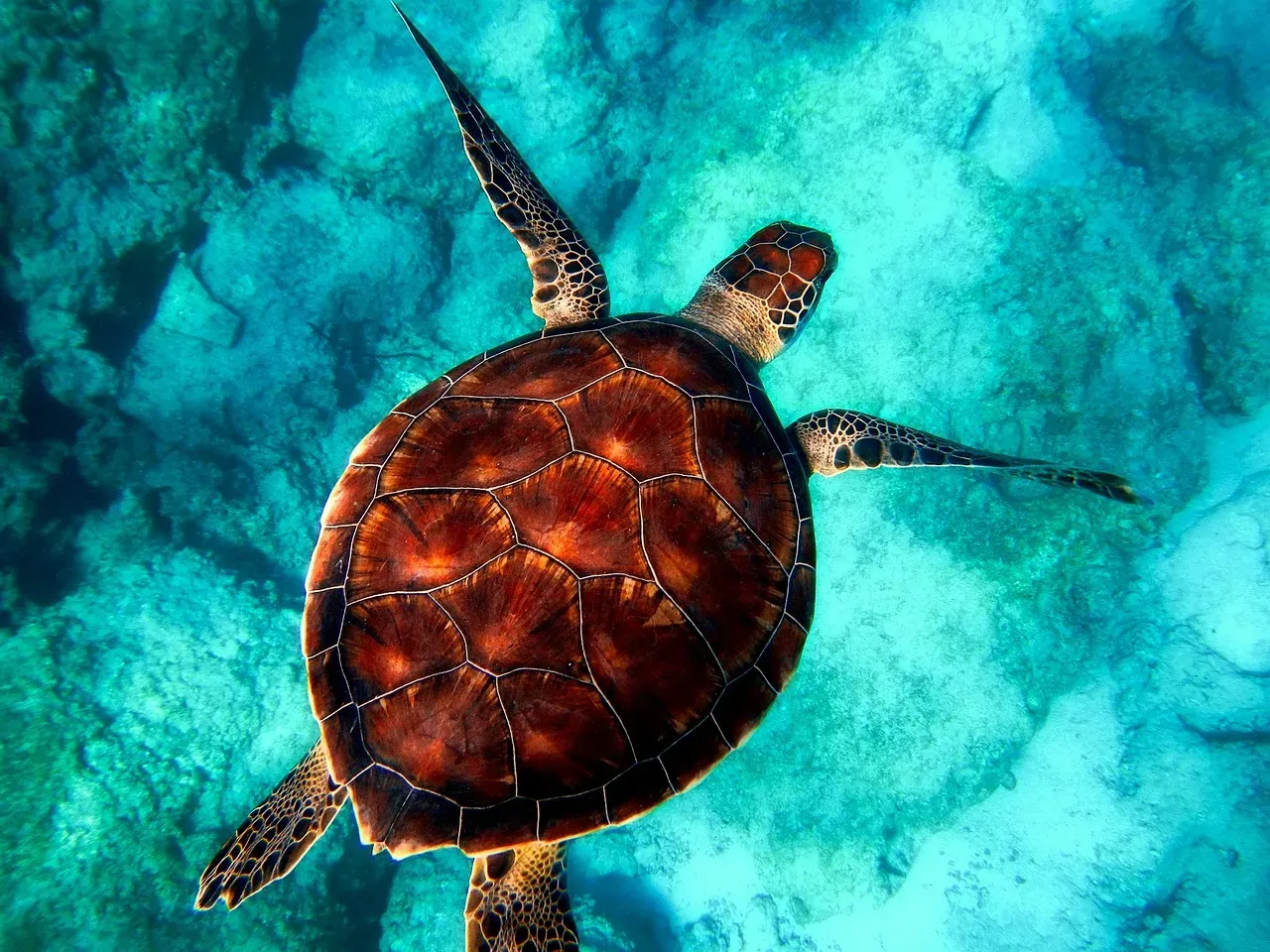
The enigma is epitomized by loggerhead sea turtles, which leave their home beaches as hatchlings and migrate across entire ocean basins before returning to nest in the same coastal area where they originated. For a long time, scientists had no plausible explanation for how they pulled it off.
Researchers have proposed that salmon and sea turtles imprint on the magnetic field of their natal areas and later use this information to direct natal homing. This hypothesis provides the first plausible explanation for how marine animals can navigate to natal areas from distant oceanic locations.
Loggerhead sea turtles, which undergo long-distance migrations, can learn magnetic signatures associated with different geographic areas and have two different magnetic senses, each based on a different underlying mechanism. Still, much is yet unknown about exactly how they process and store this magnetic information across years of ocean travel. Relatively little is known about how turtles navigate to particular goal areas, though both juvenile and adult turtles use the Earth’s magnetic field as a source of navigational information.
Salmon’s Remarkable Homing Instinct
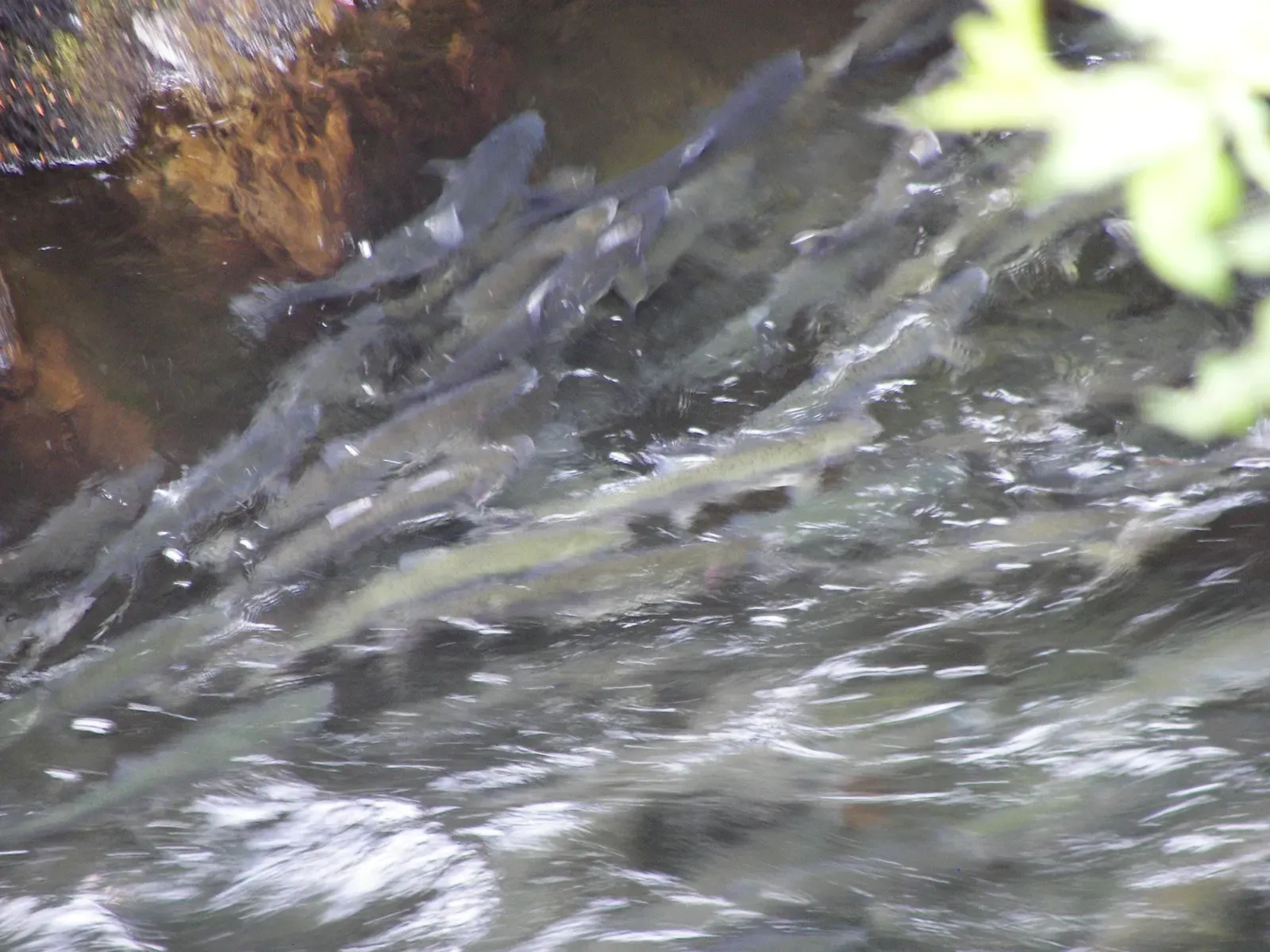
Salmon travel vast distances across open ocean, then somehow find their way back to the exact river where they were born to spawn. The precision involved is staggering. Salmon likely use a biphasic navigational strategy in which magnetic cues guide fish through the open sea and into the proximity of the home river, where chemical cues allow completion of the spawning migration.
Salmon are known to use chemical cues to identify their home rivers at the end of spawning migrations. Such cues, however, do not extend far enough into the ocean to guide migratory movements that begin in open-sea locations hundreds or thousands of kilometers away. That gap in understanding is precisely what makes the magnetic imprinting hypothesis so compelling.
Both turtles and salmon have the sensory abilities needed to detect the unique magnetic signature of a coastal area. Analyses have revealed that, for both groups of animals, subtle changes in the geomagnetic field of the home region are correlated with changes in natal homing behavior. The molecular details of how this sensory information is encoded and recalled remain an active area of research.
Bird Migration and Stellar Navigation
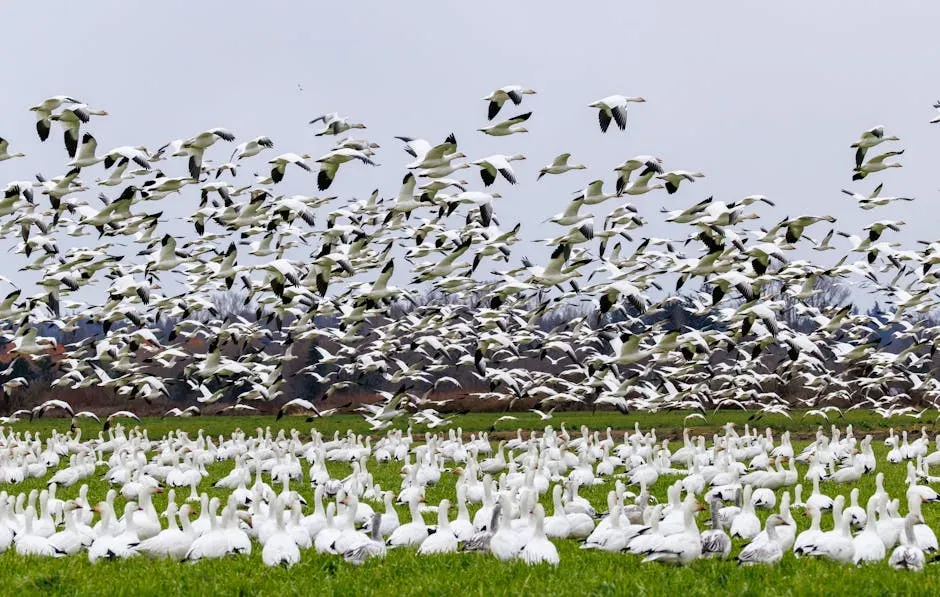
Migratory birds accomplish feats that would humble a seasoned sea captain. In a pioneering experiment, warblers placed in a planetarium showing the night sky oriented themselves toward the south. To navigate by the stars, birds would need both a built-in ability to read patterns of stars and an accurate time-of-day clock.
Despite considerable advancements in molecular genetics over the past decade, the molecular mechanisms underlying migratory behavior in birds remain largely unexplained. The specific genes and molecular pathways that regulate the complex processes of orientation, navigation, and migration timing are still not fully understood.
New data indicate that first-time migrants may not have a complete map but rather a system of beacons, possibly based on geomagnetic cues or other cues that help first-year birds navigate their location along the migration route. That means a bird making its very first solo journey across continents may be working from an internal set of navigational landmarks it has never once tested in the real world. The fact that most of them arrive safely is remarkable.
Animal Altruism and Self-Sacrifice
One area of stereotyped behavior that has puzzled scientists since the time of Darwin is altruistic behavior. The puzzle is genuine. Evolution favors individuals who survive to reproduce, so behaviors that reduce survival seem to work against nature’s basic logic.
A definitive act of self-sacrifice is seen in honeybees. When a worker bee stings an intruder to defend the hive, its barbed stinger becomes lodged in the victim’s skin. As the bee pulls away, the stinger and part of its digestive tract, muscles, and nerves are ripped from its abdomen. This fatal injury ensures the venom sac remains with the stinger, pumping toxins and releasing alarm pheromones that incite other bees to attack. The worker bee dies, but its action provides a powerful defense for the entire colony.
Dolphins support sick or injured animals, swimming under them for hours at a time and pushing them to the surface so they can breathe. Wolves and wild dogs bring meat back to members of the pack not present at the kill. Velvet monkeys give alarm calls to warn fellow monkeys of predators, even though in doing so they attract attention to themselves. Theories around kin selection offer partial explanations, but cases of altruism between unrelated animals remain a persistent challenge to clean evolutionary models. Altruism is one of the great mysteries of social behavior in animals, as it appears to contradict our understanding of natural selection. Even 100 years after the birth of Darwinism, scientists are still continuing to debate the causes and effects of altruistic behavior.
The Dung Beetle’s Galactic Compass
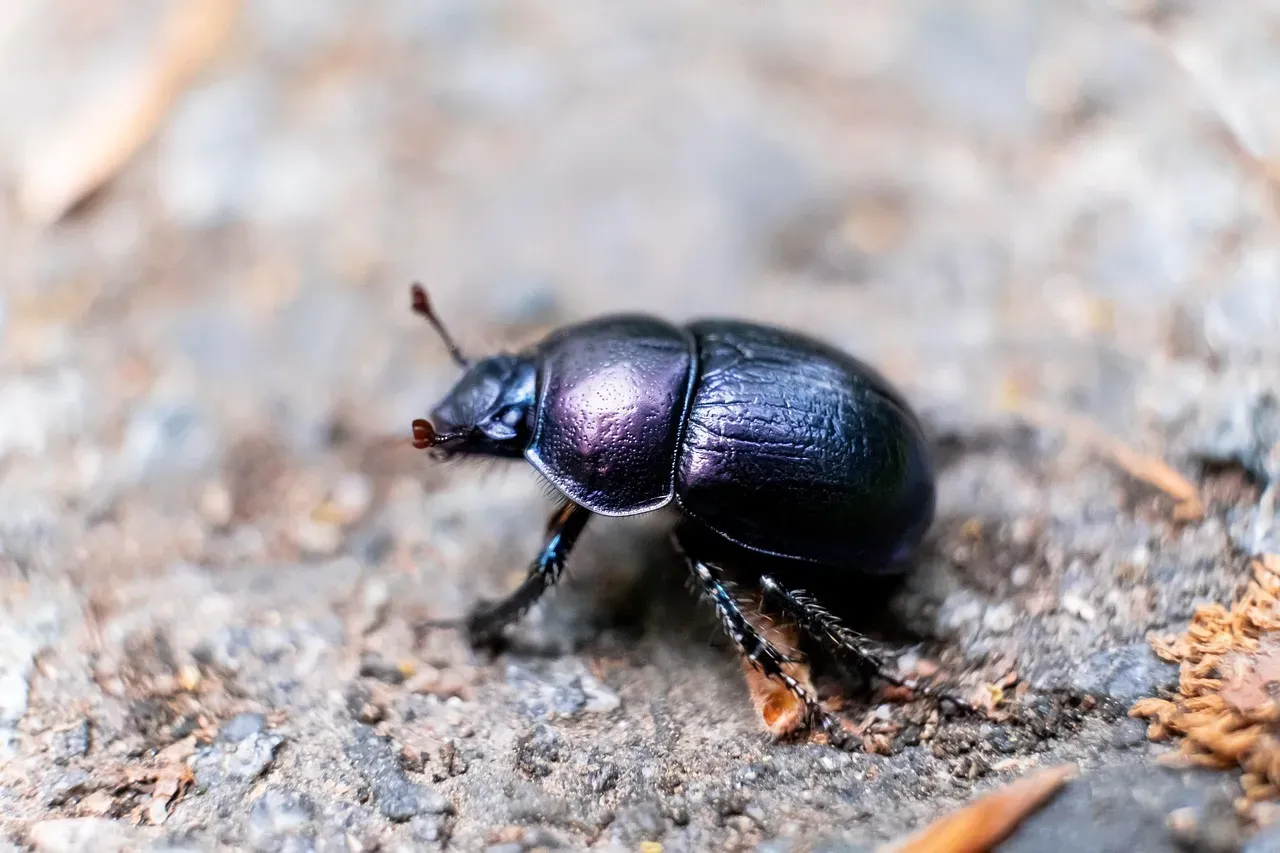
Few animals illustrate the strangeness of instinctive navigation quite like the humble dung beetle. These insects use some of the most unusual orientation tools ever discovered in any creature. In 2003, the African dung beetle was shown to navigate using polarization patterns in moonlight, making it the first animal known to use polarized moonlight for orientation.
In 2013, it was shown that dung beetles can navigate when only the Milky Way or clusters of bright stars are visible, making dung beetles the only insects known to orient themselves by the galaxy. The biological mechanisms that allow a small insect’s nervous system to process galactic light patterns and translate them into directional movement are not well understood at all.
What makes this particularly striking is that dung beetles navigate to roll their dung balls in a straight line away from a pile so they aren’t stolen. A straight line, oriented by the galaxy. The precision of that behavior far exceeds anything the task seems to demand, which raises deeper questions about why such elaborate instincts evolved in the first place.
Nest Building as Instinctive Architecture
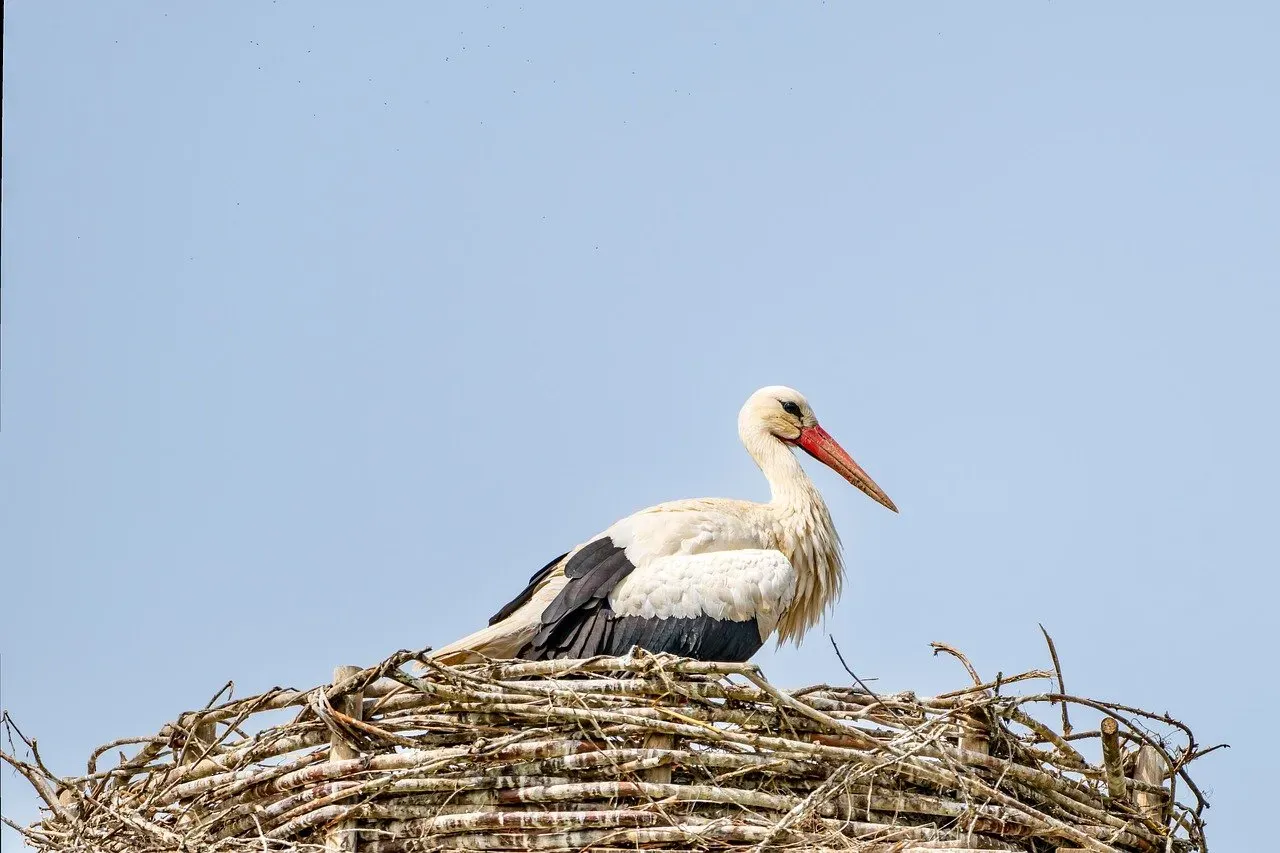
The precision with which animals build shelters, often without ever having observed or been taught the process, is one of the more quietly astonishing things in nature. Nest-building is a powerful example of animal instincts at work. Some birds build nests with consistent structure. Some animals create shelters, dens, or even impressive constructions that look engineered.
Some animals show flexibility: if materials change, they adapt the structure. That suggests instinct is not always a rigid script. It can be a template that supports real-time decisions. This interaction between fixed instinct and flexible adjustment is something researchers are still working to understand at a neurological level.
Ethology, the scientific study of animal behavior, emerged in the 20th century, focusing on these innate behaviors, including complex activities like courtship rituals and nest building. Decades of study later, the exact neural and genetic mechanisms that allow an animal to construct a structurally sound home on its first attempt remain incompletely mapped. Building instincts show how complex behavior can emerge from simple rules repeated in the right order, though explaining precisely how those rules are encoded and executed is another matter entirely.
The Octopus: Distributed Intelligence Without a Blueprint
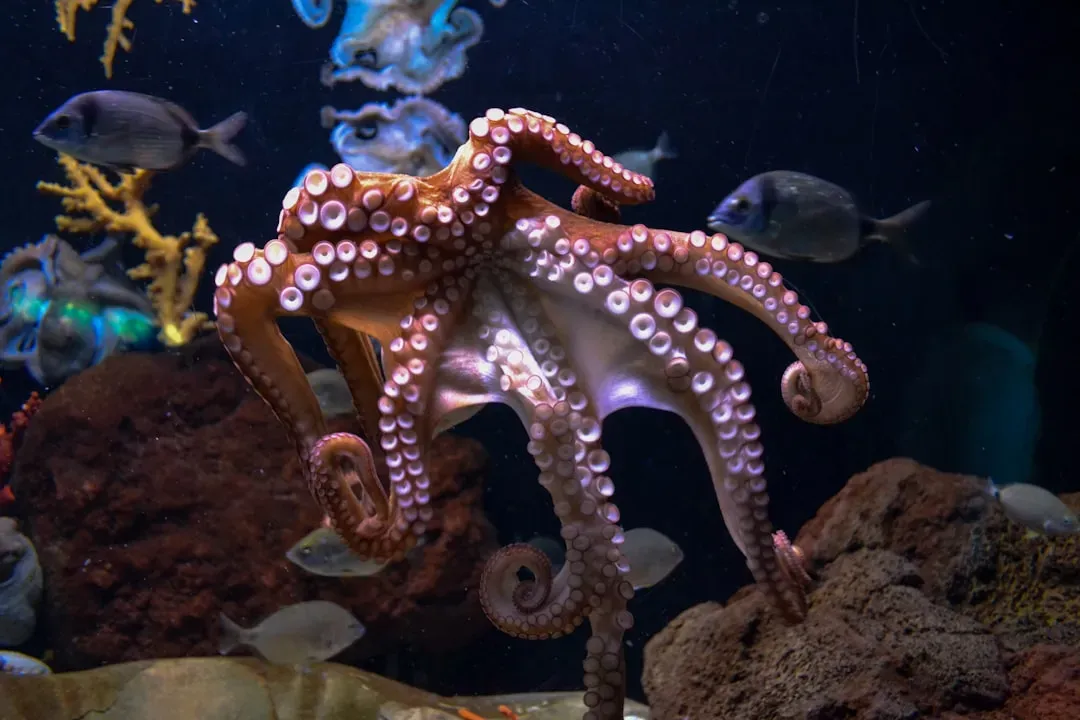
The octopus represents one of the most compelling cases of intelligence and instinct merged in a form we barely understand. Octopuses have large, distributed nervous systems, with a big central brain and complex mini-brains in their arms. They solve puzzles, escape enclosures in ways that look like deliberate exploration, and seem to show individual quirks of behavior that look a lot like personalities.
Watching an octopus investigate its environment can feel uncanny, as if you’re meeting an intelligence that evolved along a completely separate path. With no social structure to learn from, no parental guidance, and an extremely short lifespan, octopuses develop complex behaviors essentially from scratch. That’s what makes them so puzzling.
Most of their nervous system lives in their arms, not their brain, which means each limb processes information semi-independently. When we talk about animal consciousness in 2026, we’re usually talking about a spectrum of inner lives, ranging from simple sensations to something that might, in a few species, border on what we’d call a personality with a viewpoint and preferences about the future. The octopus sits provocatively near the more complex end of that spectrum, while remaining deeply alien to us in almost every other way.
Conclusion: The Deeper We Look, the More Questions We Find
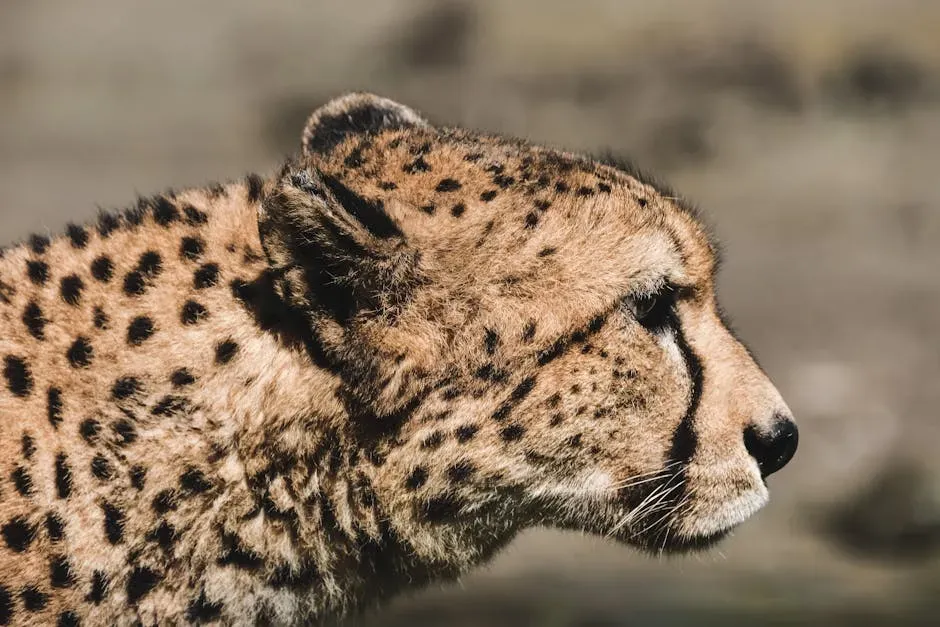
Animal instincts are inborn behaviors shaped by evolution, refined by experience, and triggered by specific environmental cues. That sentence sounds complete, but it barely begins to describe what’s actually happening when a first-year bird navigates by stars it has never used, or when a bee destroys itself to protect a queen.
While the nature versus nurture debate continues regarding the extent of genetic versus learned contributions to behavior, recent research in neurobiology and genetics suggests that instinctive behaviors are influenced by both inheritance and environmental factors. The clean line between “instinct” and “intelligence” keeps blurring the closer researchers look.
What these eight instincts share is a kind of quiet humility they impose on us. The planet is full of creatures navigating by galaxies, memorizing magnetic fields, and giving up their lives for the collective, all without a moment of conscious deliberation as we understand it. Perhaps what these behaviors ultimately reveal is that instinct isn’t a primitive force. It’s a form of accumulated wisdom, written not in books or memory, but in the very structure of an animal’s body and brain. That we’re still learning to read it says as much about the limits of human knowledge as it does about the depths of the animal world.

- 10 Unique Animal Sounds You’ve Never Heard Before - July 19, 2026
- 6 Unusual Animal Habitats Around the World You Won’t Believe - July 19, 2026
- 7 Incredible Journeys Animals Take That Will Leave You Breathless - July 19, 2026