
Nature is full of surprises, especially when it comes to animal architecture. From the smallest insect to the largest mammal, animals exhibit extraordinary skills in building homes, nests, and other structures that serve various purposes—from protection to attracting mates. Let’s explore eight fascinating animal architects whose creations rival some of the most ingenious human designs.
1. Termites – Masters of Climate Control

🔥 Would you like to save this?
We'll email this post to you, so you can come back to it later!
Termites may be small, but the structures they build are nothing short of remarkable. These tiny engineers construct towering mounds made from a combination of soil, mud, chewed wood, and saliva. A termite mound can reach up to 30 feet in height and is often equipped with intricate internal architecture that includes tunnels, chambers, and even ventilation systems to regulate temperature and humidity. This sophisticated climate control is essential for maintaining the delicate ecosystem inside that houses millions of termites.
2. Beavers – Dams and Lodges

🔥 Would you like to save this?
We'll email this post to you, so you can come back to it later!
Beavers are perhaps the most well-known animal architects, famous for their ability to alter entire landscapes. Using their strong teeth, beavers fell trees and branches to build dams across streams, creating ponds that protect them from predators. Within these ponds, beavers construct lodges — dome-shaped homes built with sticks and mud. The lodge has underwater entrances, adding another layer of protection. These industrious creatures significantly impact their environment by maintaining ecosystems beneficial for many other species.
3. Weaver Birds – Intricate Nest Weavers

🔥 Would you like to save this?
We'll email this post to you, so you can come back to it later!
Weaver birds get their name from their exceptional nest-building skills. These birds create elaborately woven nests using blades of grass, leaves, and twigs. The construction process is a test of dexterity and craftsmanship, with the male often building multiple nests to attract a mate. The nests, usually suspended from branches, are designed to keep eggs and chicks safe from predators. Some species, like the sociable weaver, build massive communal nests that can house hundreds of birds.
4. Coral Polyps – Builders of Underwater Cities

🔥 Would you like to save this?
We'll email this post to you, so you can come back to it later!
Coral polyps may be tiny, but together they construct sprawling underwater cities known as coral reefs. These vibrant ecosystems are built from calcium carbonate, which the polyps secrete and accumulate over time. Coral reefs support a diverse range of marine life, providing food, shelter, and protection. Sadly, these magnificent structures face threats from climate change and pollution, making the conservation of coral reefs critically important for maintaining marine biodiversity.
5. Paper Wasps – Paper-Thin Constructions

🔥 Would you like to save this?
We'll email this post to you, so you can come back to it later!
True to their name, paper wasps create their nests from a paper-like substance. These insects chew wood fibers mixed with their saliva to produce a papery material, which they use to construct multi-layered nests that often resemble gray, honeycomb-like structures. Typically found hanging from eaves or tree branches, these nests house colonies and serve as a protective environment for raising young wasps. Their papery construction is surprisingly durable, yet lightweight.
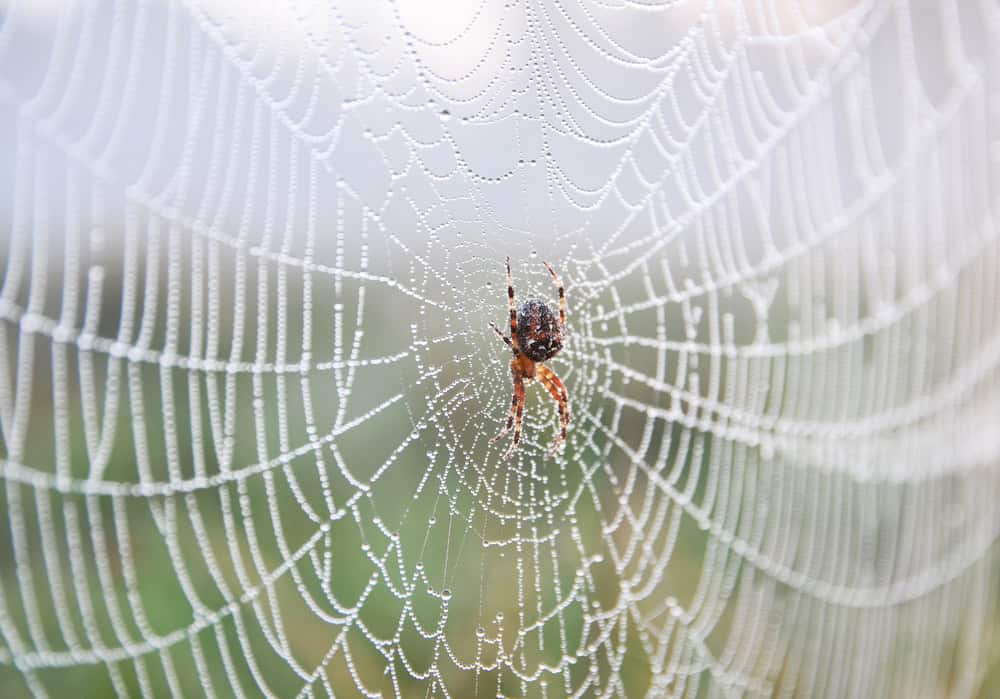
6. Spiders – Web Architects
🔥 Would you like to save this?
We'll email this post to you, so you can come back to it later!
Spiders are renowned for spinning intricate webs that serve both as homes and hunting tools. Made from silk excreted from spinnerets, a spider’s web is both strong and flexible, qualities that are essential for catching prey. The design of webs varies across species, with some creating elaborate orb webs, while others weave funnel-shaped traps. Beyond their functional purposes, spider webs are often admired for their symmetrical beauty and ingenuity.
7. Prairie Dogs – Community Builders

🔥 Would you like to save this?
We'll email this post to you, so you can come back to it later!
Prairie dogs are social rodents known for creating vast underground burrow systems called “towns.” These burrows are complex networks that can span thousands of acres and include multiple levels, tunnels, and chambers used for nesting, food storage, and even waste disposal. Prairie dog towns enable these animals to thrive in their prairie habitats, offering protection against predators and harsh weather conditions.
8. Bowerbirds – Lovers’ Architects

🔥 Would you like to save this?
We'll email this post to you, so you can come back to it later!
Bowerbirds are famous for their unique approach to construction — males build elaborate structures called bowers to attract mates, rather than for shelter. These bowers are typically arch-shaped and adorned with colorful objects like flowers, leaves, and even man-made items like bottle caps. Each species of bowerbird has distinct preferences for design and decoration, showcasing not only their architectural prowess but also their aesthetic creativity in the animal kingdom.
Conclusion: Celebrating Nature’s Architects

🔥 Would you like to save this?
We'll email this post to you, so you can come back to it later!
The incredible architectural feats of these animals demonstrate the diverse and ingenious ways in which life on Earth adapts and thrives. From towering termite mounds to delicate spider webs, each structure is a testament to the remarkable creativity and intelligence found in nature. As we continue to learn and draw inspiration from these natural architects, it is crucial to protect their habitats to ensure that these marvelous creations continue to be a part of our world’s rich tapestry.

- Simple Ways to Keep Your Pumpkins Safe from Squirrel Attacks - October 26, 2026
- Transform Your Garden with Vibrant and Everlasting Strawflowers - October 22, 2026
- How to Win Over Judges in Dressage Competitions - October 19, 2026