

Male bees, also known as drones, have a very specific role. Their main purpose is to mate with the queen bee.
The Mating Process

🔥 Would you like to save this?
We'll email this post to you, so you can come back to it later!
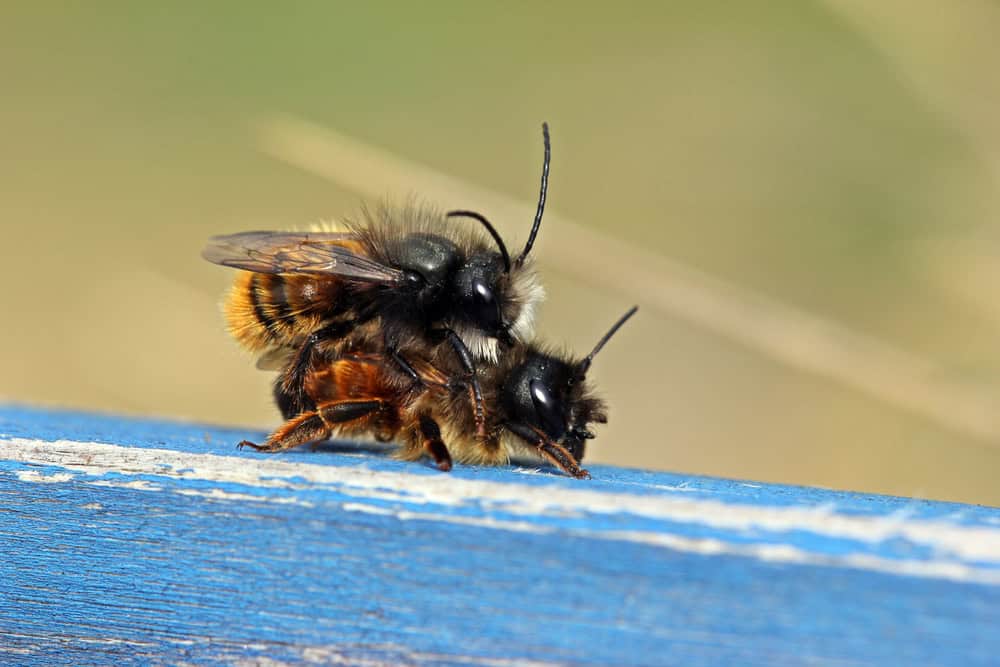
During mating, male bees transfer their genetic material to the queen. This ensures the continuation of the hive.
The Queen Bee’s Role

🔥 Would you like to save this?
We'll email this post to you, so you can come back to it later!
The queen bee is the only female in the hive that mates. She can mate with multiple drones during her mating flights.
The Final Act

🔥 Would you like to save this?
We'll email this post to you, so you can come back to it later!
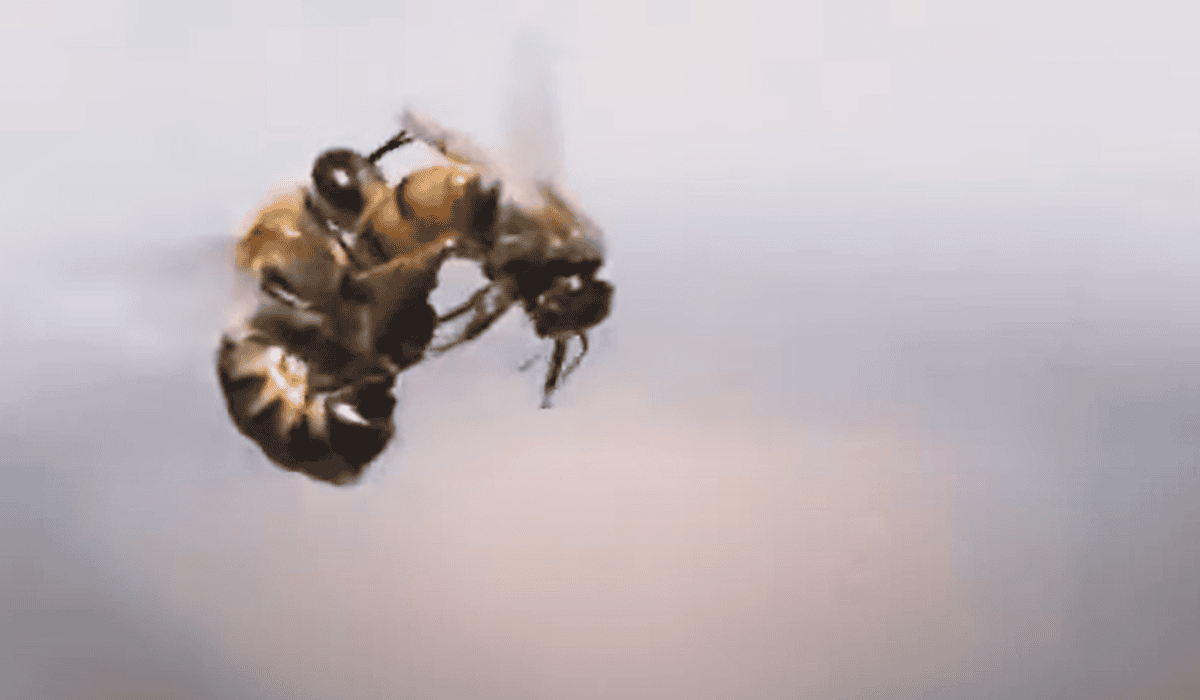
After mating, the drone’s abdomen is torn open. This fatal injury leads to the drone’s immediate death.
A One-Time Event

🔥 Would you like to save this?
We'll email this post to you, so you can come back to it later!
Male bees mate only once in their lifetime. This single act of mating seals their fate.
A Sacrificial Role
🔥 Would you like to save this?
We'll email this post to you, so you can come back to it later!
The drone’s sacrifice ensures the hive’s genetic diversity. This is crucial for the survival of the colony.
The Importance of Diversity

🔥 Would you like to save this?
We'll email this post to you, so you can come back to it later!
Genetic diversity helps the hive resist diseases. It also ensures stronger and healthier bees.
The Queen’s Storage
🔥 Would you like to save this?
We'll email this post to you, so you can come back to it later!
The queen stores the sperm from the drones. She uses it to fertilize eggs throughout her life.
The Hive’s Continuation
🔥 Would you like to save this?
We'll email this post to you, so you can come back to it later!
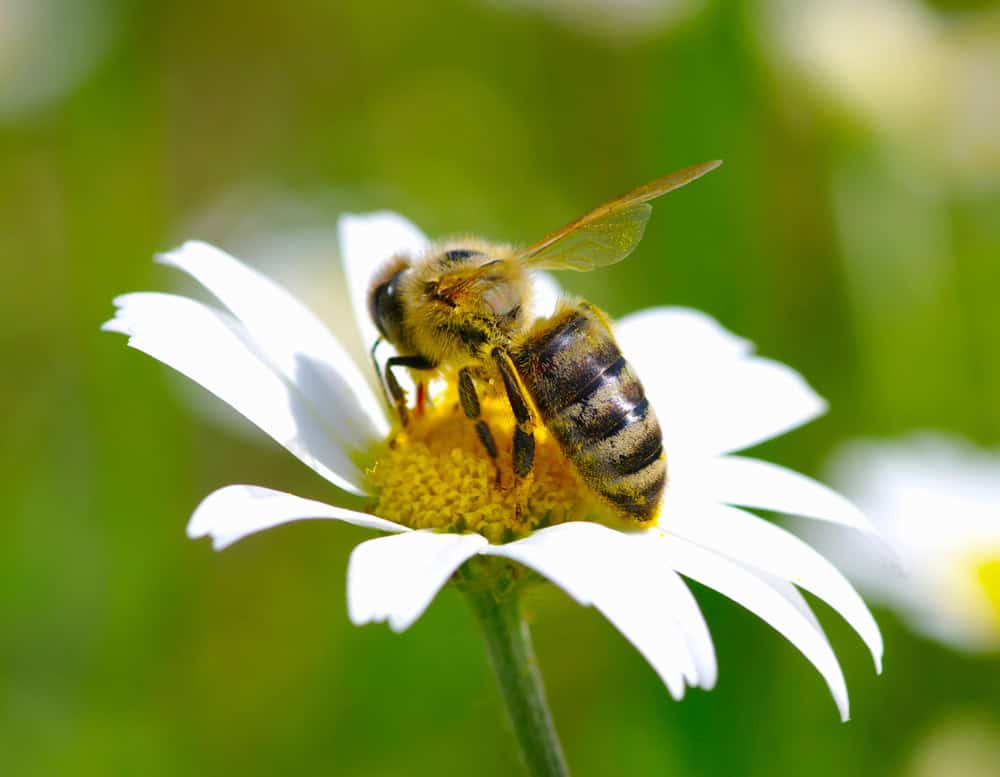
Fertilized eggs become worker bees. These bees perform all the tasks needed for the hive’s survival.
The Drone’s Contribution

🔥 Would you like to save this?
We'll email this post to you, so you can come back to it later!
Though their lives are short, drones play a vital role. Their genetic contribution is essential.
The Queen’s Selection

🔥 Would you like to save this?
We'll email this post to you, so you can come back to it later!
The queen chooses drones for their genetic quality. This ensures the best traits are passed on.
The Hive’s Balance

🔥 Would you like to save this?
We'll email this post to you, so you can come back to it later!
Drones make up a small portion of the hive. Most of the bees are workers, maintaining the hive.
Preparing for Mating

🔥 Would you like to save this?
We'll email this post to you, so you can come back to it later!
Drones are raised specifically for mating. They live a carefree life until their final act.
The Queen’s Mating Flights

🔥 Would you like to save this?
We'll email this post to you, so you can come back to it later!
The queen takes several mating flights. This increases the genetic diversity of the hive.
The Aftermath

🔥 Would you like to save this?
We'll email this post to you, so you can come back to it later!
After mating, the queen returns to the hive. She resumes her role of laying eggs.
The Workers’ Role

🔥 Would you like to save this?
We'll email this post to you, so you can come back to it later!
Worker bees clean up after the drones. They remove the deceased drones from the hive.
The Drone’s Legacy

🔥 Would you like to save this?
We'll email this post to you, so you can come back to it later!
Despite their short lives, drones leave a lasting impact. Their genes live on in the hive.
A Necessary Sacrifice
🔥 Would you like to save this?
We'll email this post to you, so you can come back to it later!
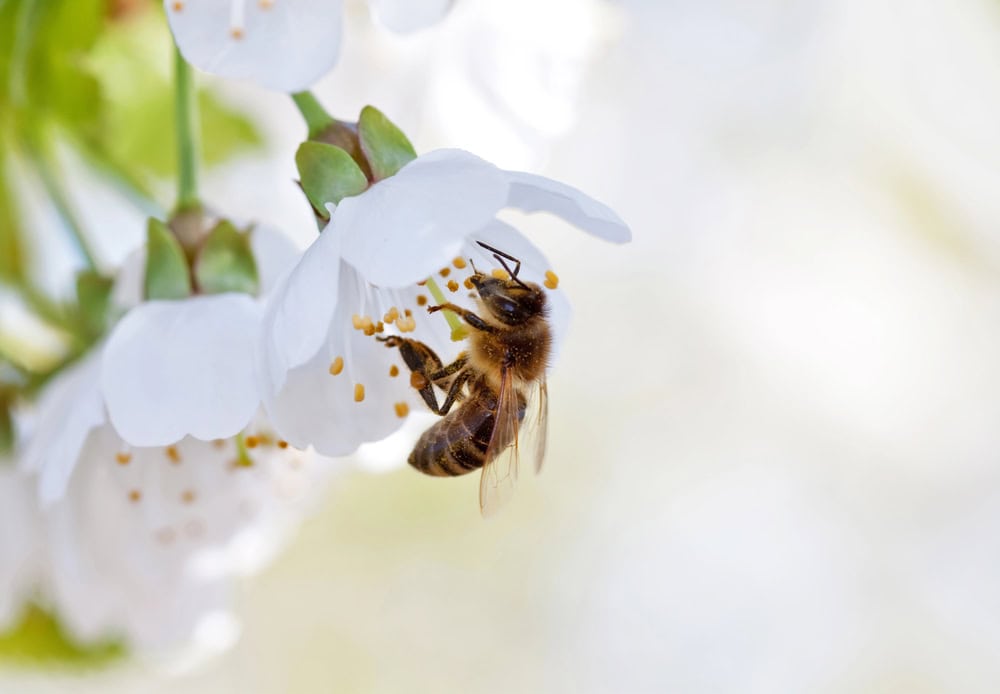
The drones’ sacrifice is essential for the hive’s future. It’s a small price for the colony’s survival.

Tara enjoys writing about marine animals like whales, sharks, dolphins and nudibranchs.
Please send any feedback to feedback@animalsaroundtheglobe.com
- 10 Animals That Mourn and Grieve - November 4, 2026
- 45 Incredible Migrations of North American Wildlife - November 2, 2026
- Sandprawns: Unsung Heroes Of Threatened Coastal Ecosystems - November 1, 2026