
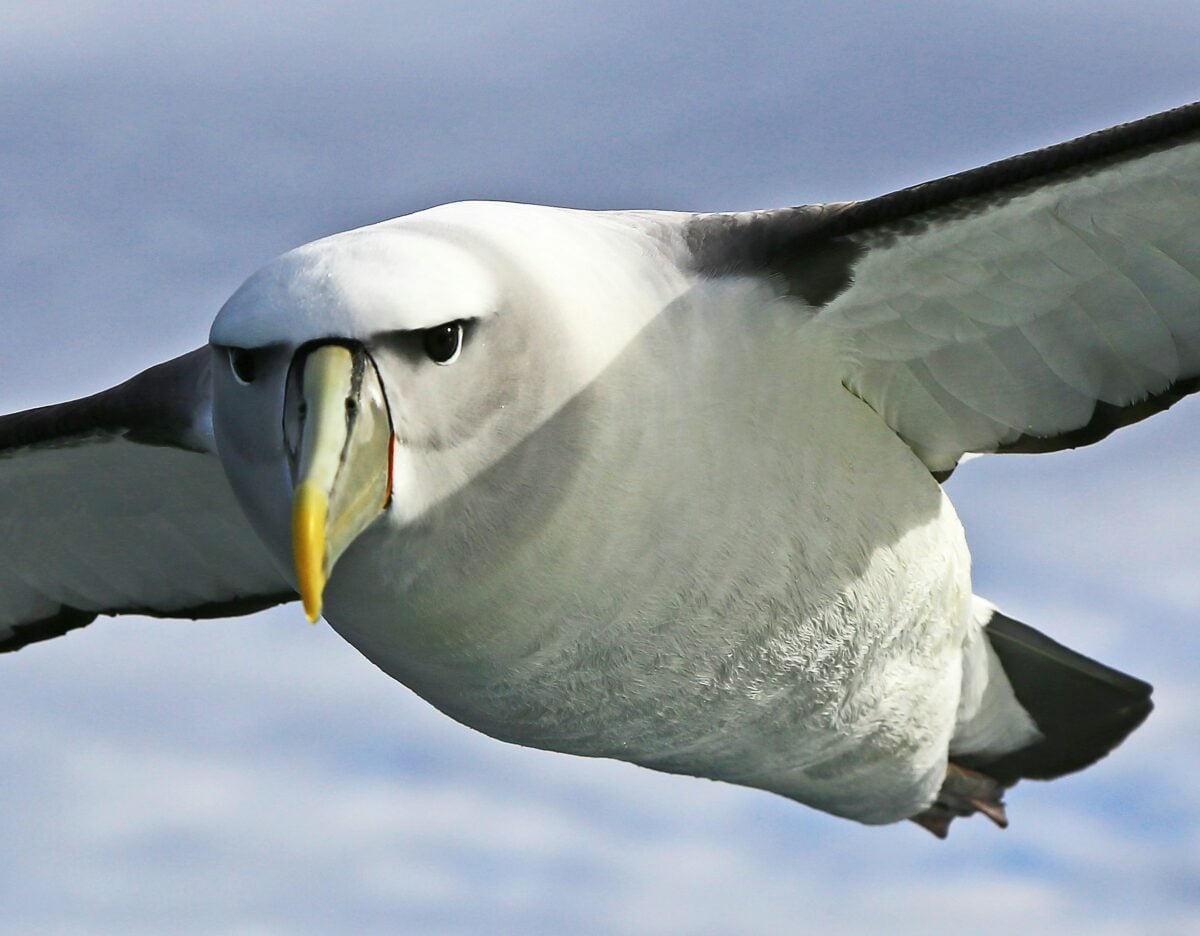
Think about the longest flight you’ve ever taken. Maybe it was ten or twelve hours, cramped in a metal tube, counting down the minutes until landing. Now imagine doing that without engines, without a seat, and without ever really “landing” for days or even months. Some birds quietly pull off this kind of aerial marathon as if it were no big deal, and most of us have no idea just how extreme their lives in the sky really are.
These are not just good fliers; they are on a different level. Some sleep while gliding, some cross entire oceans without stopping, and others spend so much time airborne that researchers had to rethink what “rest” even means for a bird. Let’s dive into eight species that shatter our expectations of what is possible in the air – and by the end, you might never look at a bird overhead the same way again.
1. Common Swift: The Bird That Basically Lives in the Sky
The common swift looks almost ordinary at first glance – dark, scythe-shaped wings and a fast, darting flight. But this bird is a quiet record-breaker. Researchers tracking some individuals have found that outside of the breeding season, they can stay continuously airborne for many months at a time, feeding, sleeping, and even bathing on the wing as they chase insects high in the air.
That sounds almost mythical, but it makes sense when you look at their lives. Swifts have tiny, weak legs and hardly ever perch on branches; they’re built like flying boomerangs with wings that do almost all the work. They soar on air currents, making small flaps when needed, and use rising warm air like invisible elevators. Compared to them, our eight-hour red-eye flights feel tame – these birds turn the sky itself into their home address.
2. Alpine Swift: Long-Haul Glider Over Mountains and Continents
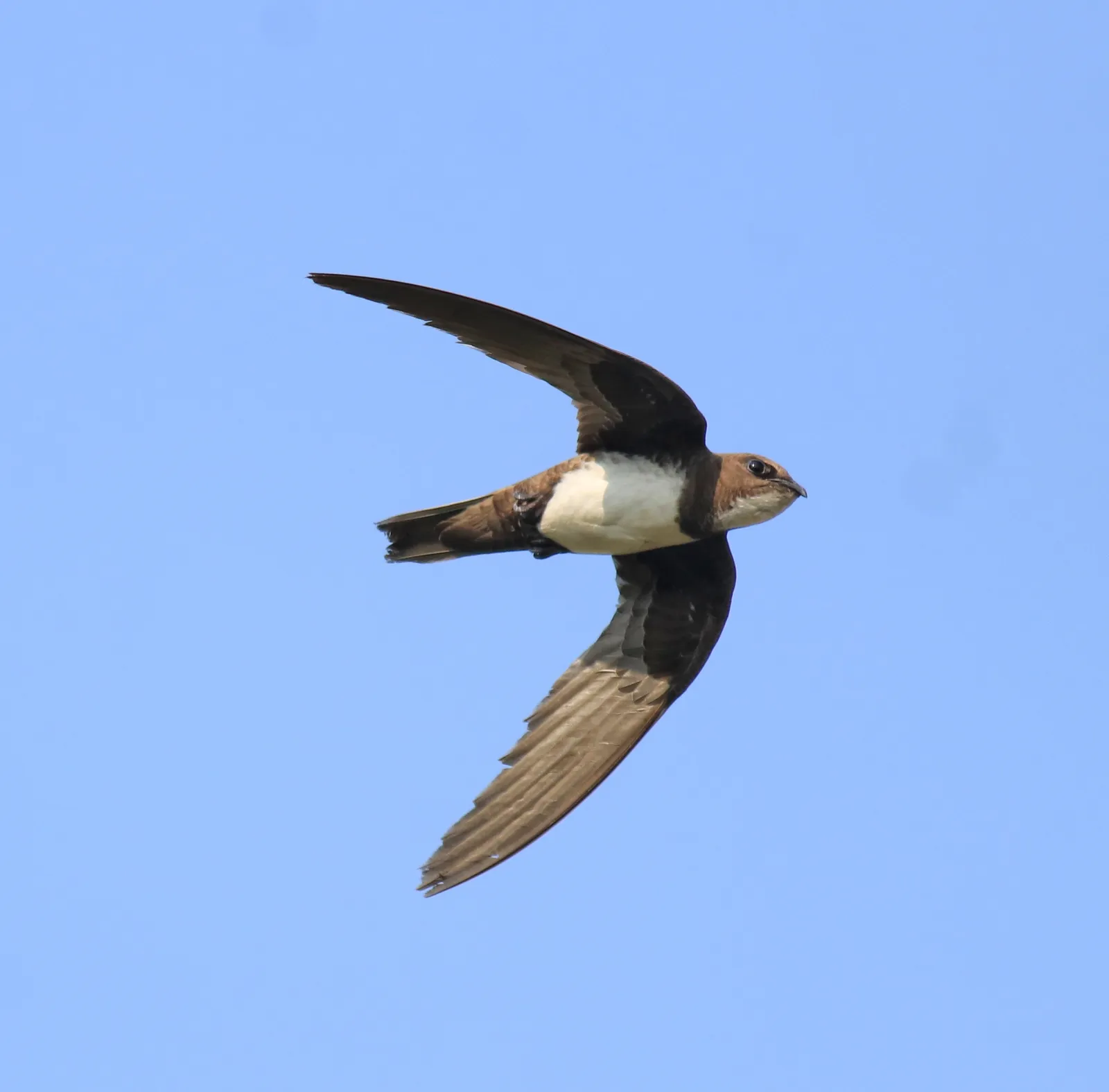
The alpine swift is the bulkier cousin of the common swift, and it has its own jaw-dropping record. With long, pointed wings and a white belly, it skims over mountain ranges and valleys, sometimes staying in the air for months during migration and wintering periods. Using tracking devices, scientists have found alpine swifts that seem to treat the entire journey between Europe and Africa as one long, continuous flight.
What makes them so good at this is their gliding efficiency. They ride rising air over cliffs and mountains like expert surfers riding a perfect wave. Whenever I see a big bird circling lazily over a hillside, I used to think it was “resting.” Now I understand that, for birds like the alpine swift, that relaxed spiral climb might be part of a journey spanning thousands of miles, with the ground serving more as a backdrop than a destination.
3. Common Nighthawk: Dusk Patrol on Endless Wings
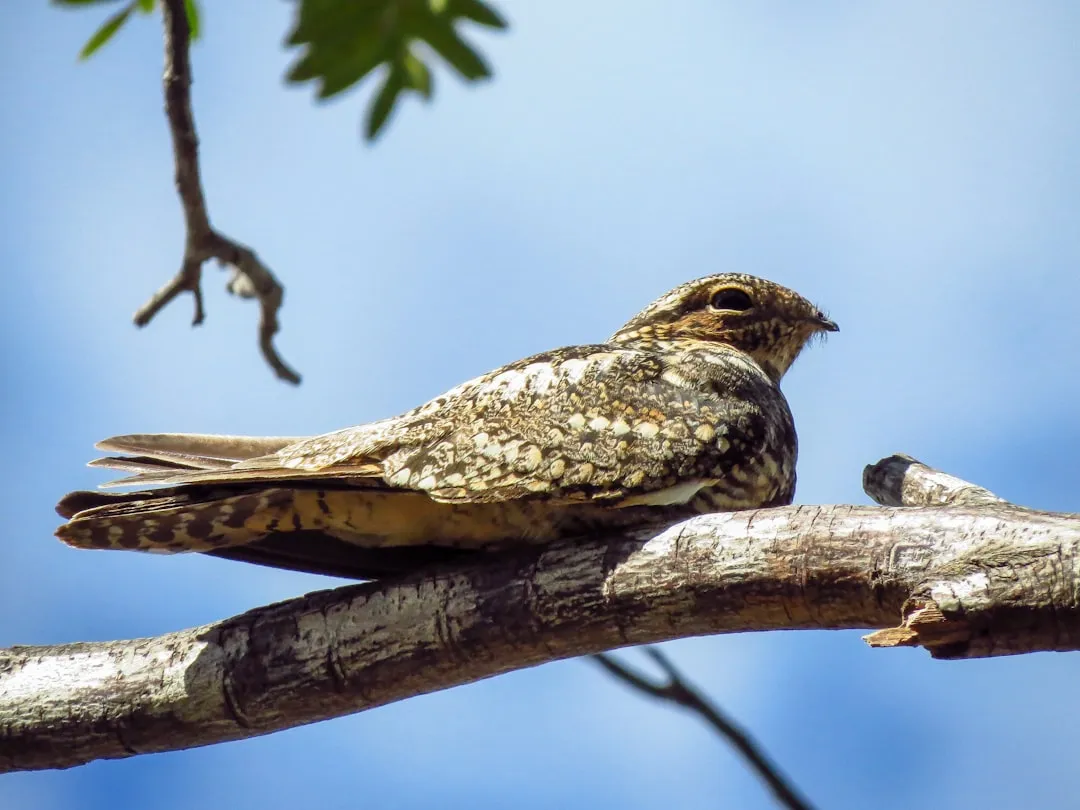
The common nighthawk is one of those birds you could easily overlook, thinking it’s “just” a night insect-eater. But once you watch one at dusk, zig-zagging across the sky with seemingly limitless energy, you start to realize how aerial their life really is. During feeding bouts, nighthawks can stay aloft for hours at a time, scooping up insects with their wide mouths and rarely bothering to rest until the night is well advanced.
They are migration overachievers as well. These birds travel huge distances between their breeding and wintering grounds, crossing parts of North and South America on long, sustained flights. Imagine jogging a marathon while eating every mosquito in your path, then doing it again the next night. That is basically the nighthawk’s strategy: stay in the air, keep the food coming, and let their pointed wings and buoyant flight carry them through night after night.
4. Frigatebird: Ocean Nomad That Sleeps on the Wing
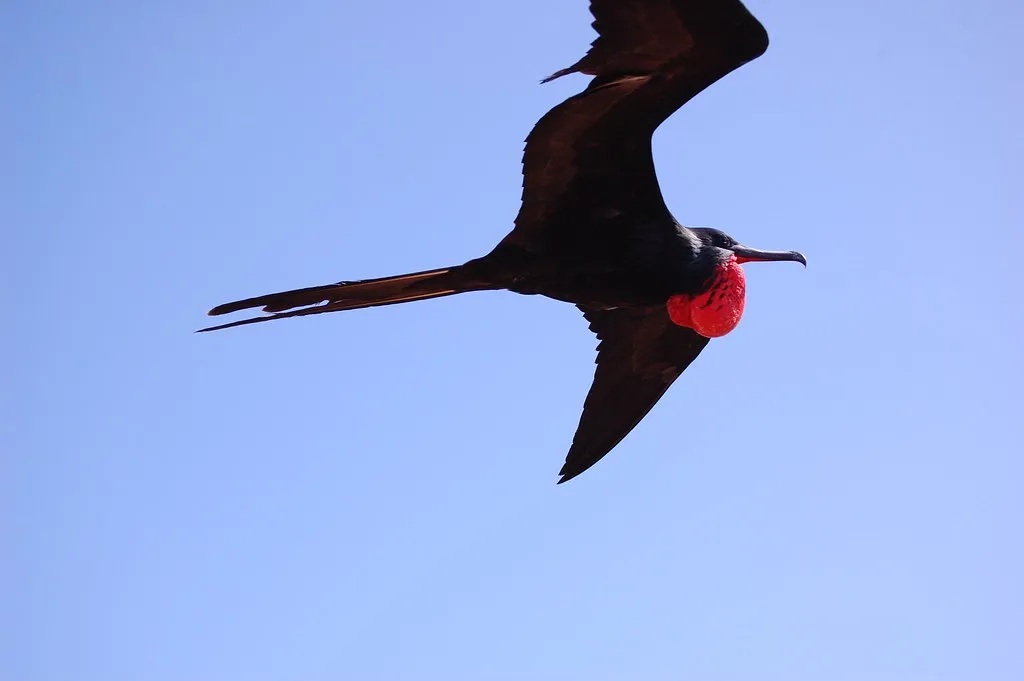
Frigatebirds might be the closest thing we have to a real-life flying pirate ship. With enormous wingspans and light bodies, they wander over the tropical oceans for days or weeks, often never touching the water because their feathers are not waterproof. They steal fish from other seabirds, snatch prey from the ocean surface, and ride towering columns of tropical air high into the sky, where they can glide for long stretches with almost no effort.
What truly blows people’s minds is that these birds appear able to sleep while still airborne. Studies of brain activity suggest they take short, partial “power naps” during soaring flight, keeping enough awareness to avoid disaster while still getting some rest. The idea of napping in midair over the open sea sounds like pure fantasy, but frigatebirds have quietly evolved to make that fantasy their daily routine.
5. Albatross: The Ultimate Long-Distance Glider
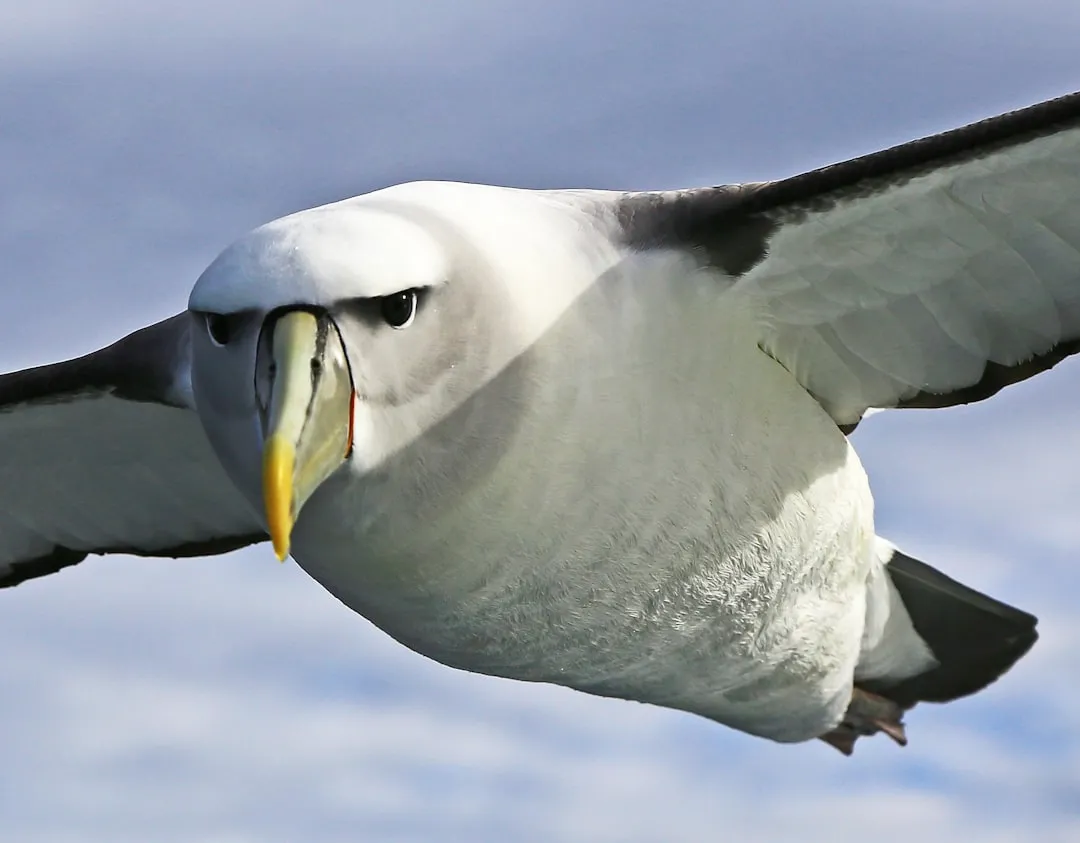
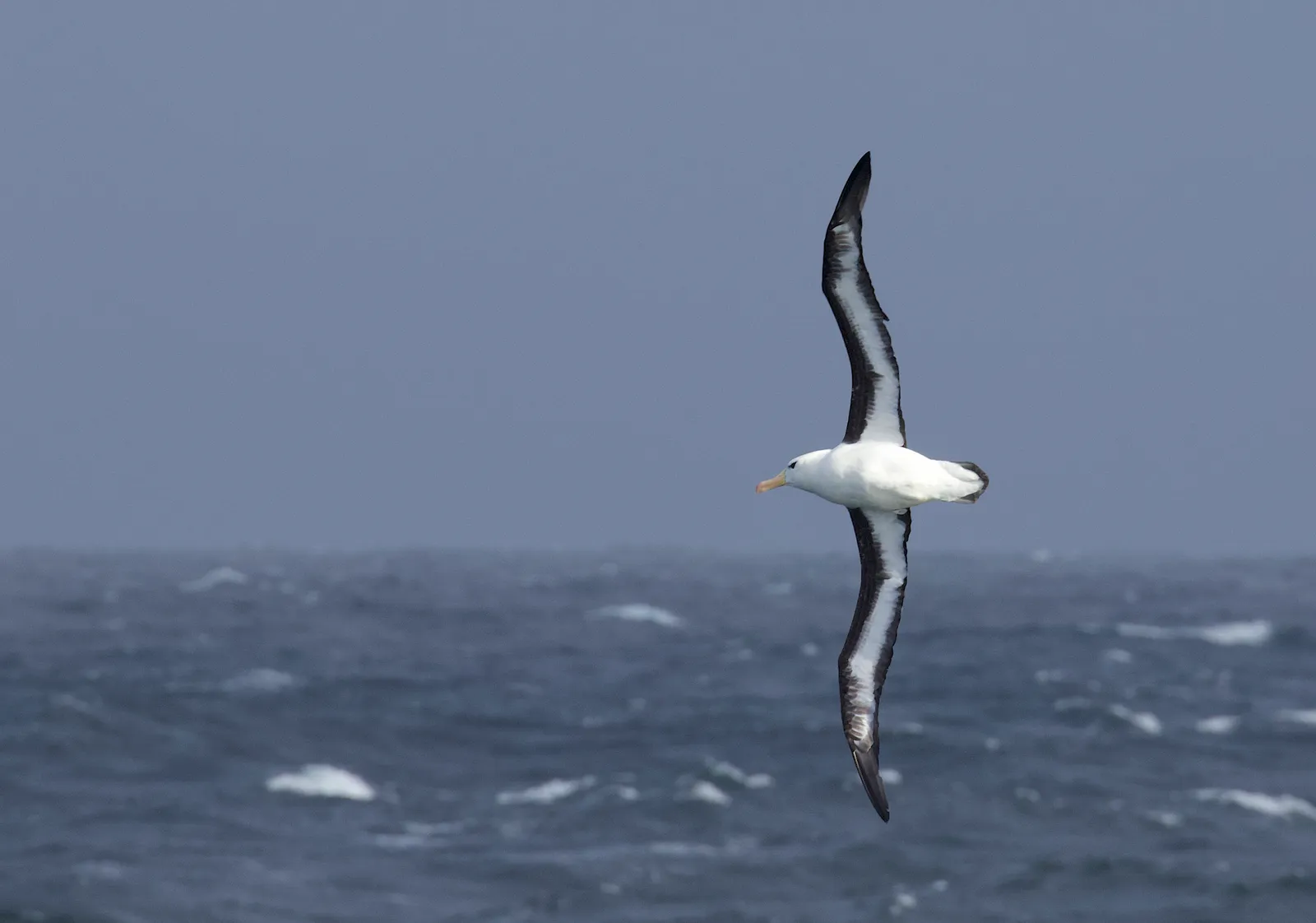
When people picture a bird built for epic journeys, they often think of the albatross – and for good reason. With some of the largest wingspans on Earth, these birds can cross entire ocean basins, staying airborne for hours or days by mastering a technique called dynamic soaring. They repeatedly climb into the wind and then swoop down, gaining speed from the changing air layers and barely needing to flap at all.
What surprised me when I first learned about them was how little time some albatrosses actually spend near land outside the breeding season. A bird might leave its nesting island and then just roam the open ocean for weeks, covering vast distances in search of food, turning wind and waves into an endless highway. The next time someone complains about a long-haul flight, it is hard not to think of an albatross cruising above the waves, effortlessly racking up more miles than any frequent flyer.
6. Arctic Tern: Chasing Endless Summer Around the Globe
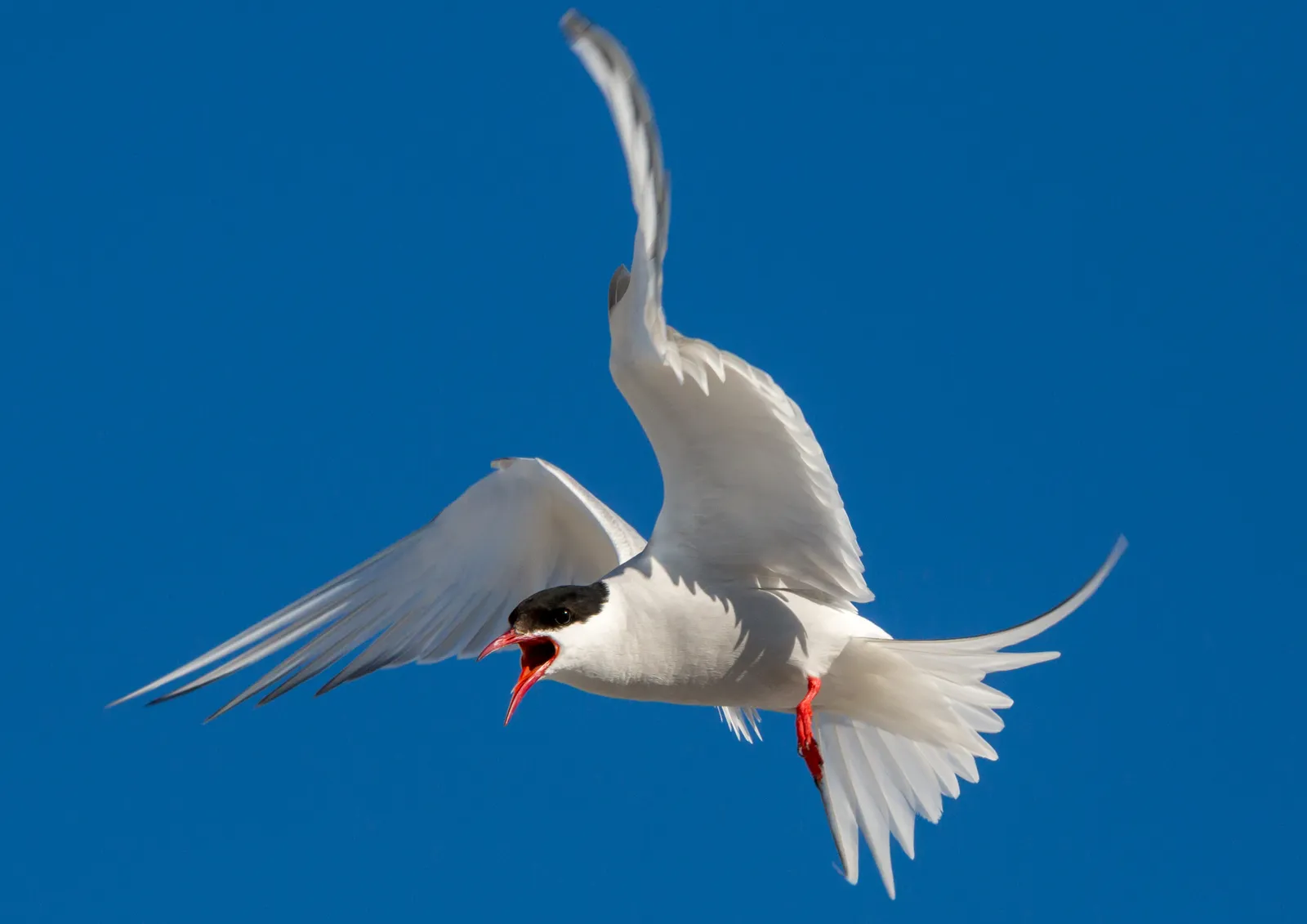
The Arctic tern may not stay continuously airborne for months in the same way a swift does, but the length of its journeys is almost beyond belief. These slim, elegant birds migrate from Arctic breeding grounds to Antarctic waters and back again, effectively chasing summer from one end of the planet to the other. Over the course of a year, a single tern can travel distances that add up to circling the Earth several times.
During these migrations, they spend countless hours in flight over cold ocean waters, often far from any place to rest. Their wings are shaped for efficient gliding and steady flapping, letting them move through the air like long-distance runners pacing themselves through a desert. If you imagine a tiny bird crossing from one polar region to the opposite one and back again, mostly on its own power, it puts into perspective how limited our sense of “far” really is.
7. Bar-Tailed Godwit: Nonstop Migrant With an Unbelievable Flight
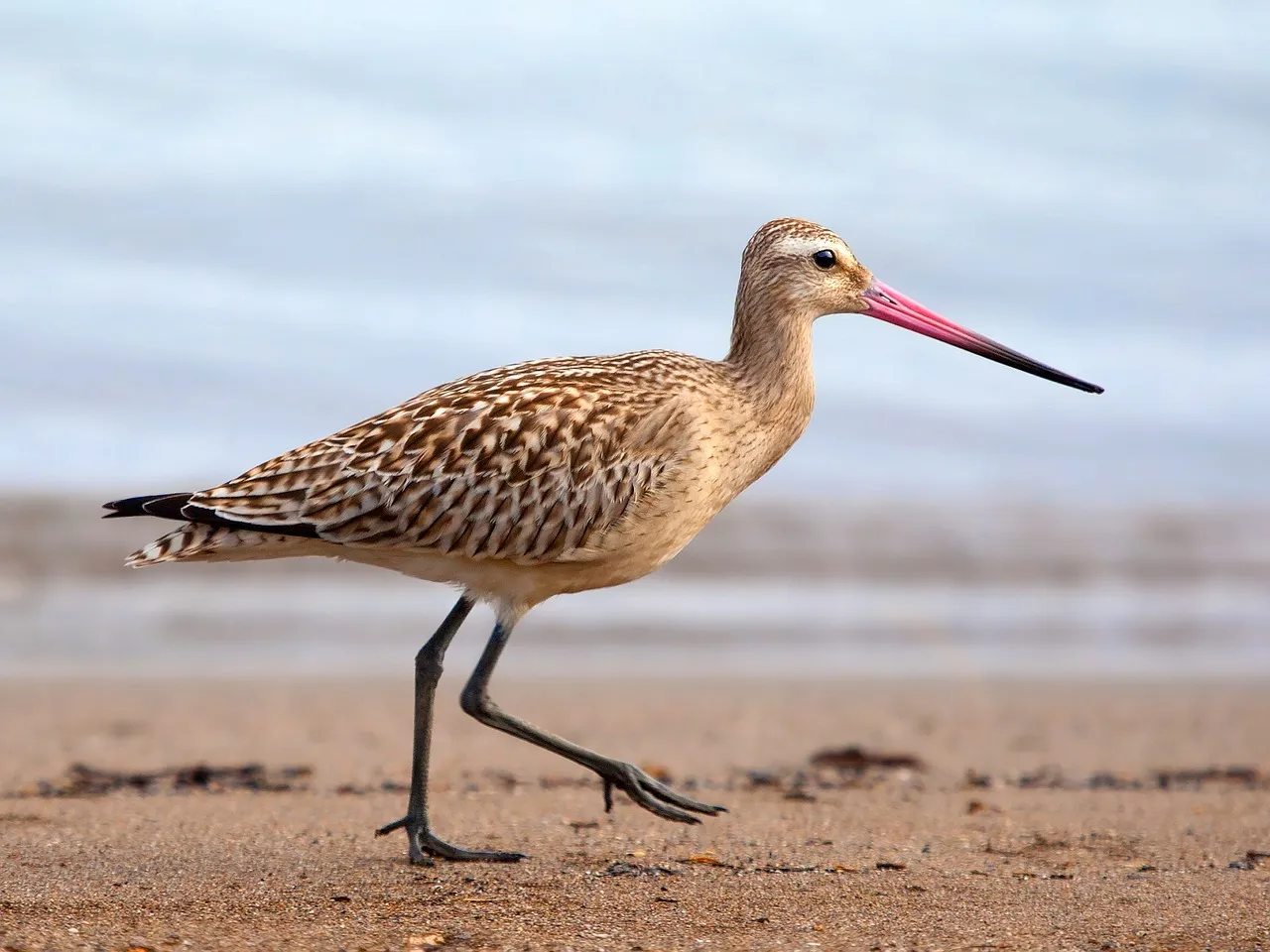
The bar-tailed godwit might not look particularly dramatic – just a medium-sized shorebird probing mudflats with a long bill. But hidden behind that plain exterior is one of the most extreme nonstop flights on record. Some individuals are known to travel thousands of miles in a single, continuous journey over the open ocean, with no islands or coasts to rest on along the way.
To pull this off, they pack on fat like a tiny, feathered ultramarathoner carb-loading before a race. Once they launch, there are no pit stops, no floating breaks, just constant flight powered by their reserves and efficient wingbeats. People often underestimate shorebirds because they seem humble and small, but a bar-tailed godwit quietly outflies most of the dramatic raptors we love to photograph, proving that endurance champions do not always come with flashy plumage.
8. Sand Martin (Bank Swallow): River Acrobat With Serious Staying Power
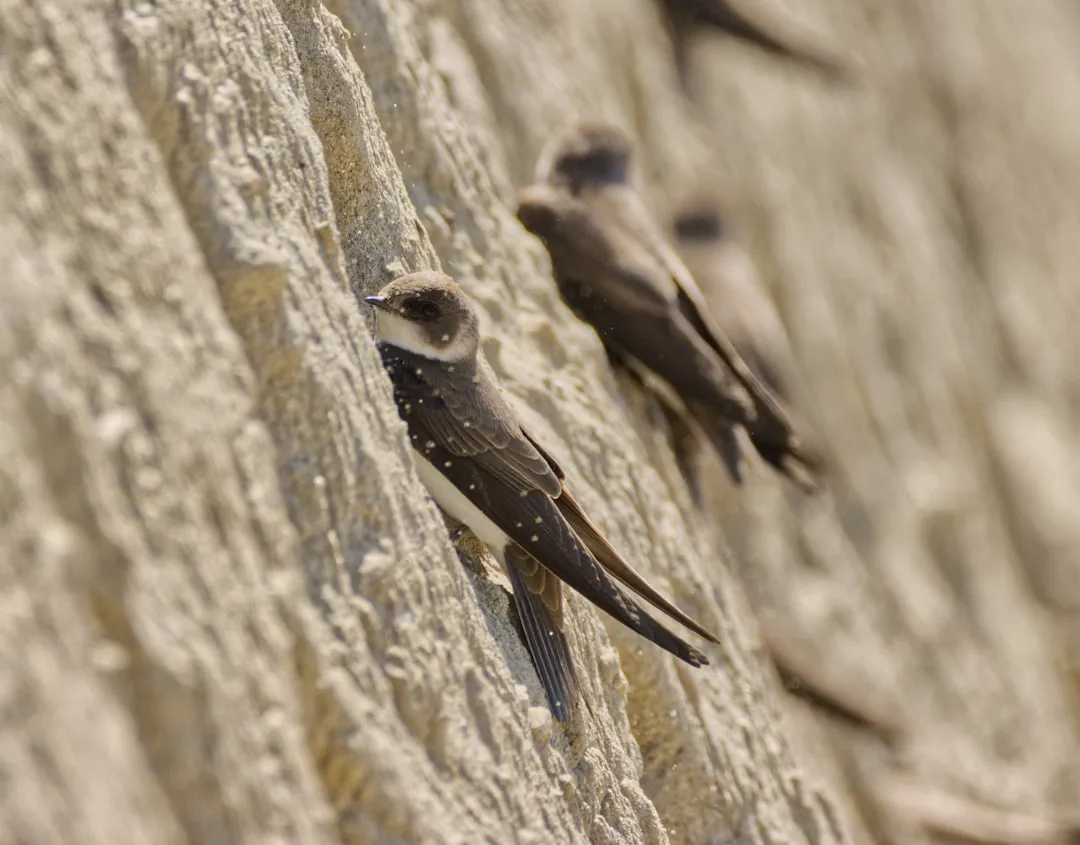
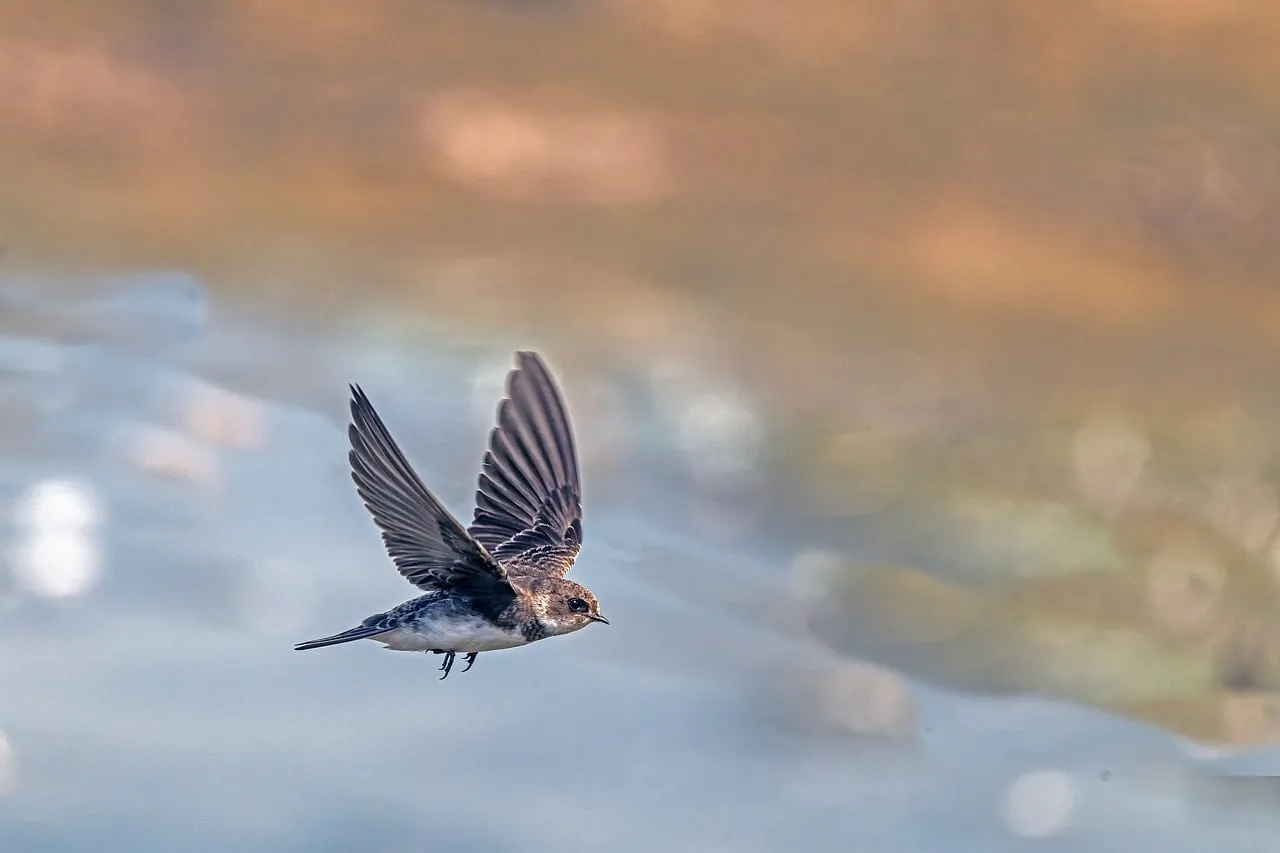
The sand martin, known as the bank swallow in North America, is a quick, brown blur over rivers and lakes, scooping up insects with flickering, agile flight. It might not set absolute records the way swifts or frigatebirds do, but it spends an astonishing proportion of its life in the air. These birds feed, socialize, and commute over long distances on the wing, often remaining airborne for hours at a time during busy feeding periods and migrations.
Watching a flock of sand martins over water is like watching a choreographed dance, full of sharp turns and sudden dives that never seem to wear them out. Compared to a human trying to sprint and twist for even ten minutes, these tiny birds can keep going far longer than seems reasonable. Their combination of agility and stamina makes them quiet examples of aerial endurance hiding in plain sight along everyday rivers and ponds.
Conclusion: Rethinking What “Flight” Really Means
When you put all these species side by side, our basic idea of flying as “taking off, going somewhere, landing” starts to feel hilariously small. For swifts, frigatebirds, albatrosses, and the others, the sky is not a route from point A to point B – it is where they eat, rest, court, migrate, and, in some cases, almost live their entire lives. I used to think of birds pausing on a branch as “normal” and long flights as exceptional, but to many of these species, landing is the weird part.
There is something humbling about realizing that while we pride ourselves on our planes and rockets, small, feathered creatures have been quietly mastering long-duration flight for ages, using nothing more than muscle, clever anatomy, and the free energy in the wind. The next time you see a small shape circling high overhead or darting at dusk, it might be one of these unsung aerial athletes, halfway through a journey your body could never survive. Which of these birds surprised you the most in how long they can stay in the air?

- 8 Birds That Can Stay in the Air Longer Than Most People Think Possible - August 24, 2026
- Animal Cognition Says Chimpanzees Can Remember the Location of Hidden Objects After Long Delays - August 24, 2026
- Animal Cognition Says Pigeons Can Learn Abstract Categories That Go Far Beyond Simple Pattern Matching - August 24, 2026