
Florida is a state defined by water. It has more coastline than nearly any other state in the continental U.S., rivers that cut deep through limestone, springs that push clear water up from underground, and estuaries where the ocean hesitates before giving way to land. With that kind of geography, it makes sense that some of the most remarkable creatures here have learned to live in more than one world.
Most animals in the water are stenohaline, meaning they are restricted to either salt or fresh water and cannot survive in water with a different salt concentration than they are adapted to. The few that break that rule are called euryhaline species, and Florida happens to be home to a particularly fascinating group of them. What they share is an ability to rewrite their own internal chemistry on the fly, managing salt and water in ways that would quickly kill most other creatures. Some of them are well known. Others, you’d be surprised to find lurking in a Florida canal or river.
#1 Bull Shark
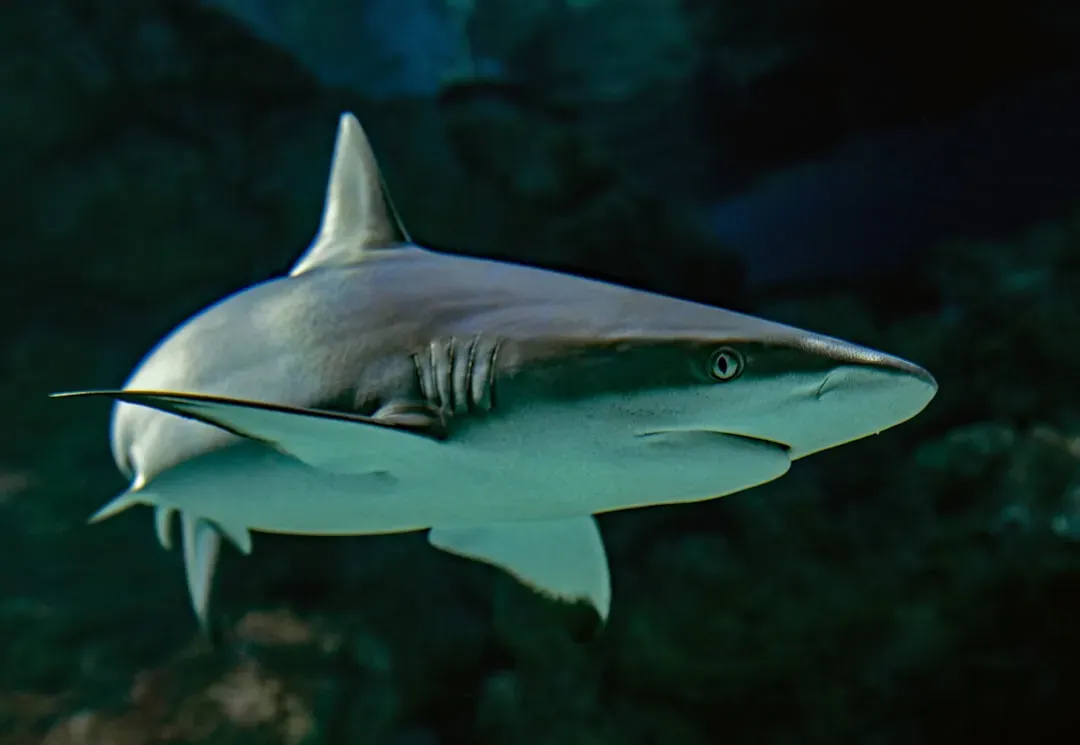
The bull shark is diadromous, meaning it can swim between salt and fresh water with ease, as it is a euryhaline fish able to quickly adapt to a wide range of salinities. This is extraordinary for a shark. Bull sharks are the only shark species that can tolerate long periods of freshwater exposure, sometimes venturing hundreds of miles inland via coastal river systems.
In Florida specifically, this plays out in rivers like the Loxahatchee and Caloosahatchee, where young bull sharks push far upstream. Bull sharks possess specialized kidneys, gills, and rectal glands that work together to manage salt levels, and when they enter freshwater, their bodies retain salt while flushing out excess water as urine. Reproduction is one of the reasons adult bull sharks travel into rivers. It is thought to be a physiological strategy to improve juvenile survival, as the young are not born with a high tolerance for high salinity, so they are born in fresh water and stay there until they are able to travel out. There is also recent evidence from Crystal River, Florida, where researchers found juvenile bull sharks using a spring system as a long-term nursery, which had never been formally documented before.
#2 Florida Manatee
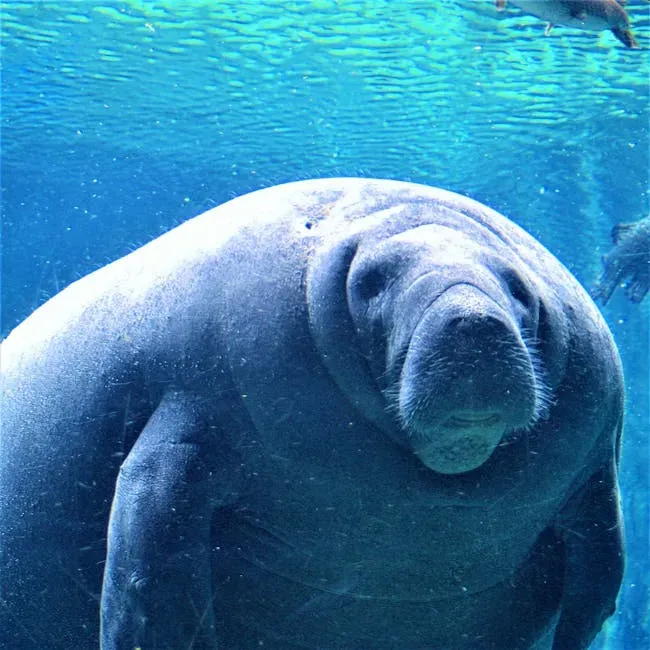
The Florida manatee is one of the state’s most beloved animals, a slow-moving, gentle giant that draws snorkelers to springs and kayakers to coastal waterways in equal measure. What many people don’t realize is just how freely it moves between radically different environments. Manatees live in marine, brackish, and freshwater systems in coastal and riverine areas throughout their range.
The West Indian manatee, which includes the Florida subspecies, moves between freshwater and saltwater. This kind of flexibility allows them to graze across a wide territory and follow food sources regardless of salinity conditions. Florida manatees can be found throughout Florida for most of the year, though they are cold-intolerant and cannot tolerate temperatures below 68 degrees Fahrenheit for extended periods. During winter months, many concentrate near warm-water springs, which are freshwater, making their ability to shift between water types not just a convenience but a survival necessity.
#3 Common Snook
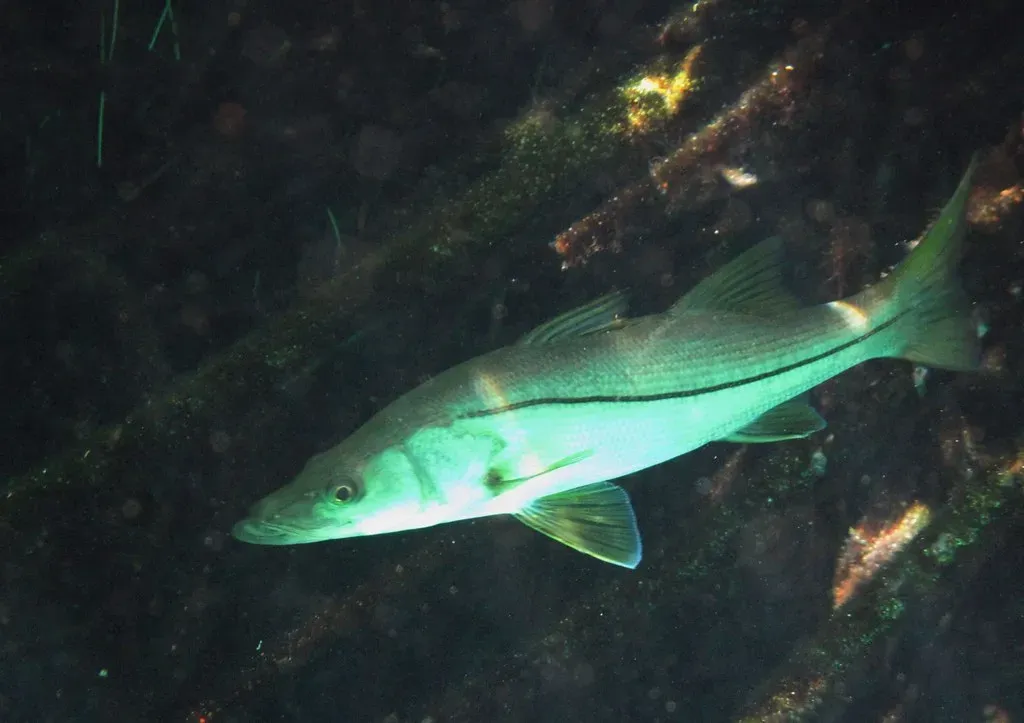
The common snook is one of Florida’s most prized sport fish, known for powerful runs and explosive jumps. It’s also one of the cleanest examples of a euryhaline fish that most anglers interact with regularly. Snook are euryhaline, meaning they can move freely between fresh and salt water. That mobility is baked right into their life cycle from the very start.
In their early stages, snook prefer habitats with low salinity or freshwater backwaters, where they can feed on planktonic insects, mollies, and mosquito fish, seeking areas with dense vegetation or emergent plants to protect them from predators like birds. As they mature, they migrate toward saltier water to spawn, then cycle back through the whole system again. Snook can live in fresh water but are unable to spawn in it. That single limitation shapes nearly everything about how they move through Florida’s waterways, making them a species genuinely dependent on access to both environments throughout their lives.
#4 Tarpon
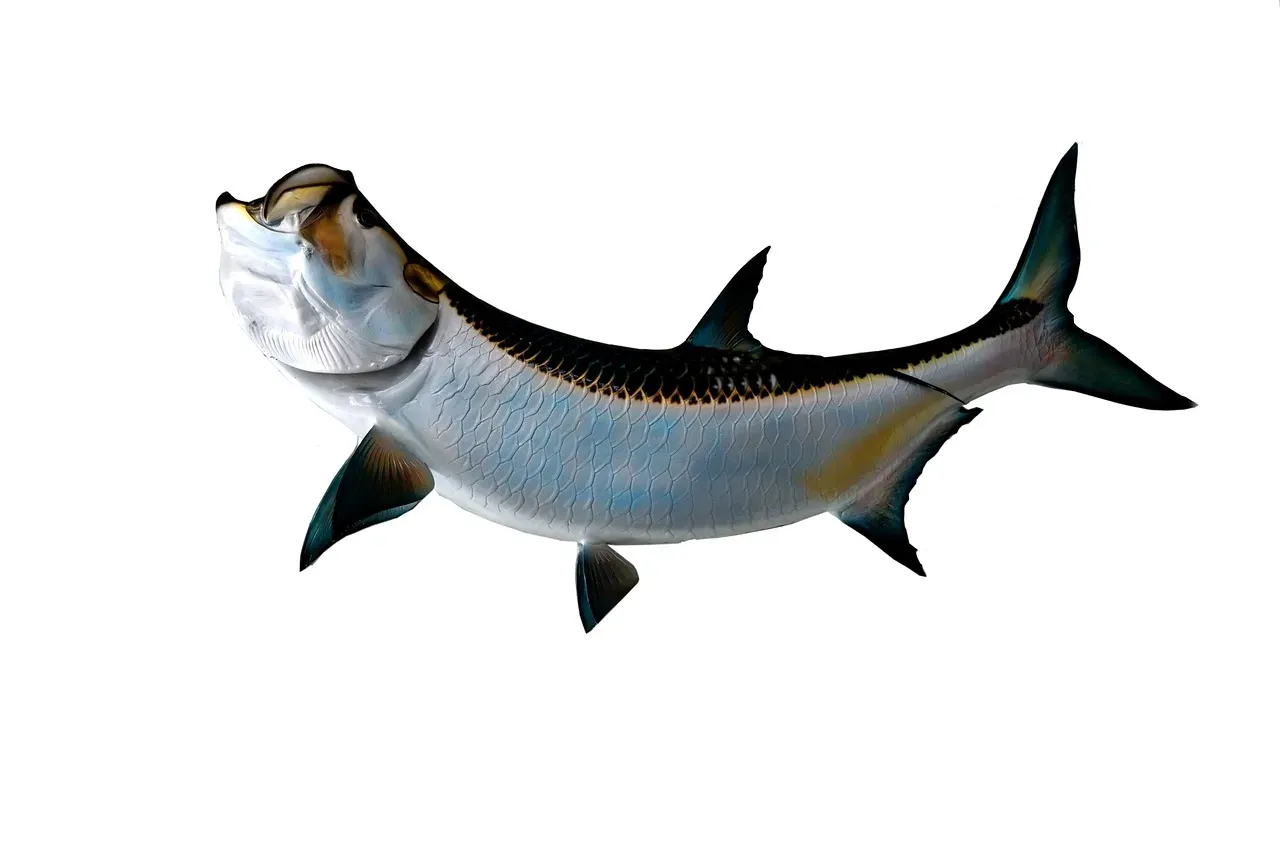
Tarpon are the stuff of fishing legend in Florida. Few fish command as much reverence from anglers, and for good reason. Reaching over 200 pounds, they’re built like armored silverware, and they fight like something that doesn’t know when to quit. But beyond the sport fishing mystique, tarpon are genuinely remarkable creatures when it comes to salinity tolerance. Tarpon are large fish popular among anglers, often migrating between freshwater rivers and marine environments.
What makes tarpon especially unusual is an anatomical quirk that supports their freshwater capability. Tarpon, along with bonefish, ladyfish, and eels, are part of the suborder leptocephali, meaning they have leptocephalus larvae, which are small, ribbon-like and free-floating. As a result, tarpon lay their eggs offshore, allowing the free-floating larvae to drift into protected mangrove areas where they spend their early lives. Juvenile tarpon are commonly found deep inside freshwater creeks and canals, and their air-breathing ability, made possible by a modified swim bladder that works like a primitive lung, lets them survive in low-oxygen backwaters that would suffocate most other fish of their size.
#5 American Eel
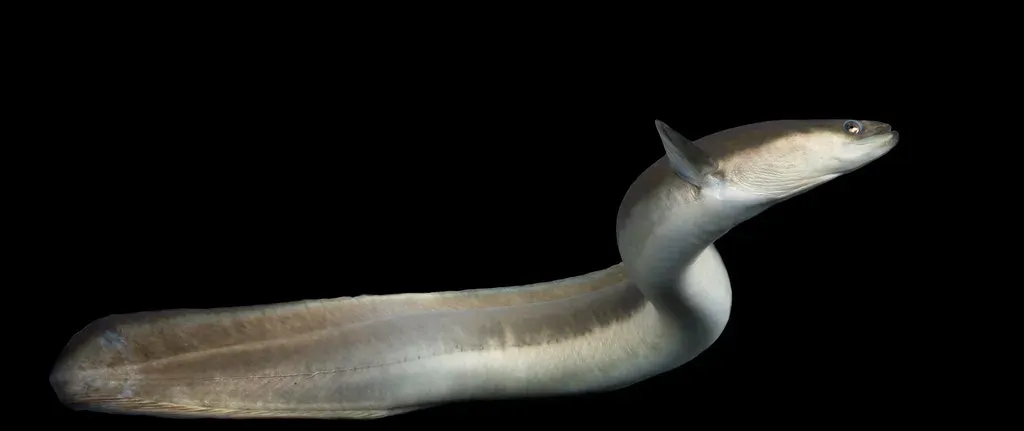
The American eel is perhaps the most biologically improbable creature on this list. It lives most of its adult life in freshwater, but it is born in the ocean and must return to the ocean to die. That’s a full reversal of the salmon life cycle, and it requires just as dramatic a physiological shift. American eels are considered catadromous, which means they live in freshwater and go to the sea to spawn. They spawn in the Sargasso Sea but spend most of their lives in estuarine or riverine systems where they grow and mature.
The adults migrate to the ocean during autumn, and during the long trek the fish metamorphose into a “silver eel” stage and stop eating. They head to a location near the Sargasso Sea where they spawn en masse and apparently die. This journey may take many years to complete, with some eels traveling as far as 6,000 kilometers. After reaching freshwater bodies, they feed and mature for approximately 10 to 25 years before migrating back to the Sargasso Sea to complete their life cycle. American eels are present in Florida’s river systems along the Gulf coast, quietly navigating between two entirely different worlds in the span of a single lifetime.
#6 Atlantic Stingray
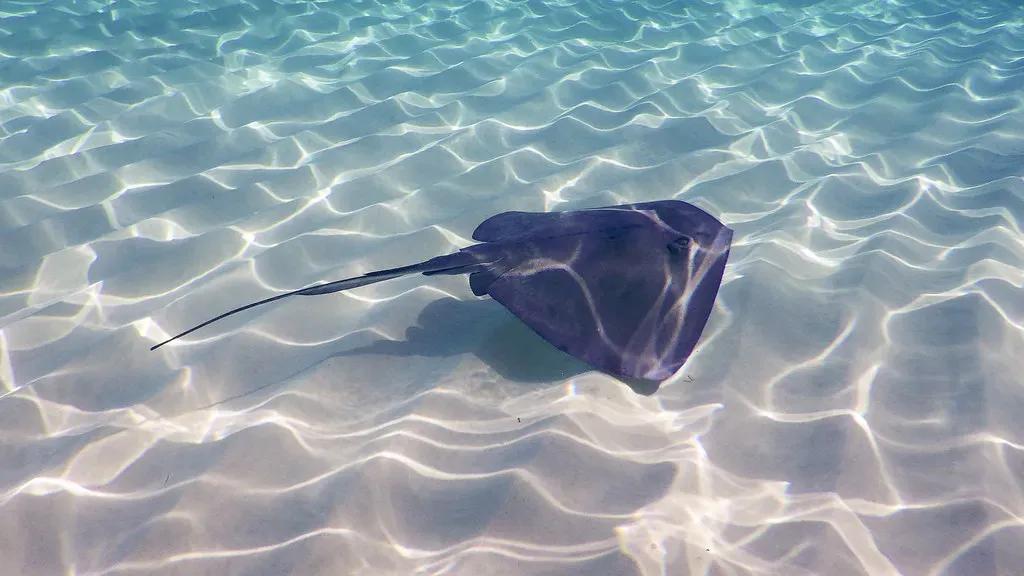
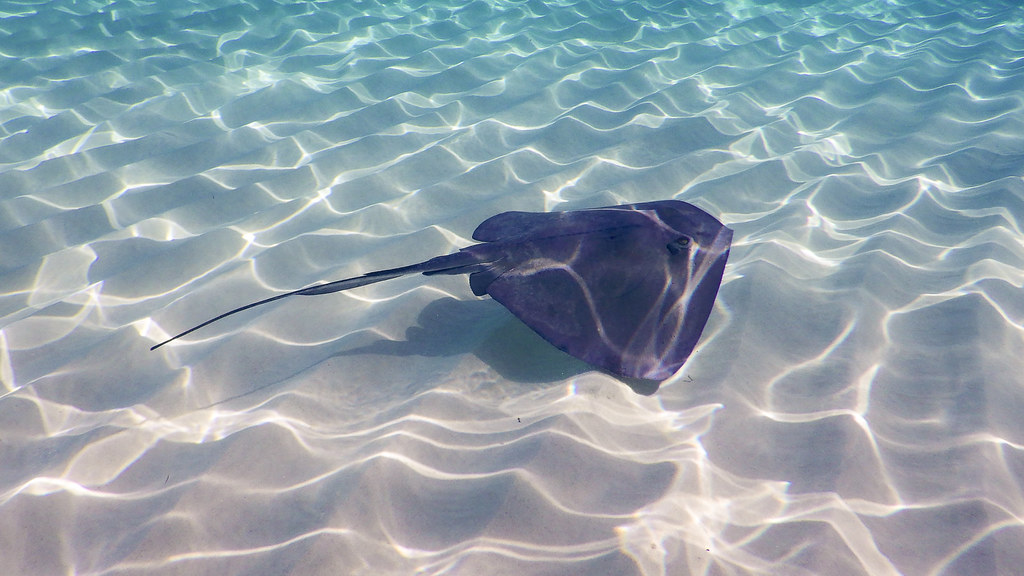
Most people think of stingrays as a coastal ocean creature, something to shuffle your feet away from in the shallows at the beach. In Florida, though, the Atlantic stingray has a well-documented freshwater presence that surprises many people. Atlantic stingrays are found in coastal waters, but some populations have adapted to freshwater environments like rivers and lakes in Florida. These rays have specialized cells in their gills that help them manage salt levels, and their tolerance for different salinity levels makes them stand out from most ray species.
The Atlantic stingray tolerates varying salinities and has been found in freshwaters of rivers including the St. Johns River in Florida. The St. Johns River runs north through central Florida and has a landlocked population of Atlantic stingrays that has adapted over time to a life almost entirely in freshwater. This stingray inhabits shallow sandy waters of coasts, lakes, and estuaries with temperatures ranging from 15 to 30 degrees Celsius. Their ability to bury themselves in sand and ambush prey carries over seamlessly from salt to fresh water, making them effective and largely unnoticed hunters in either environment.
#7 Sailfin Molly
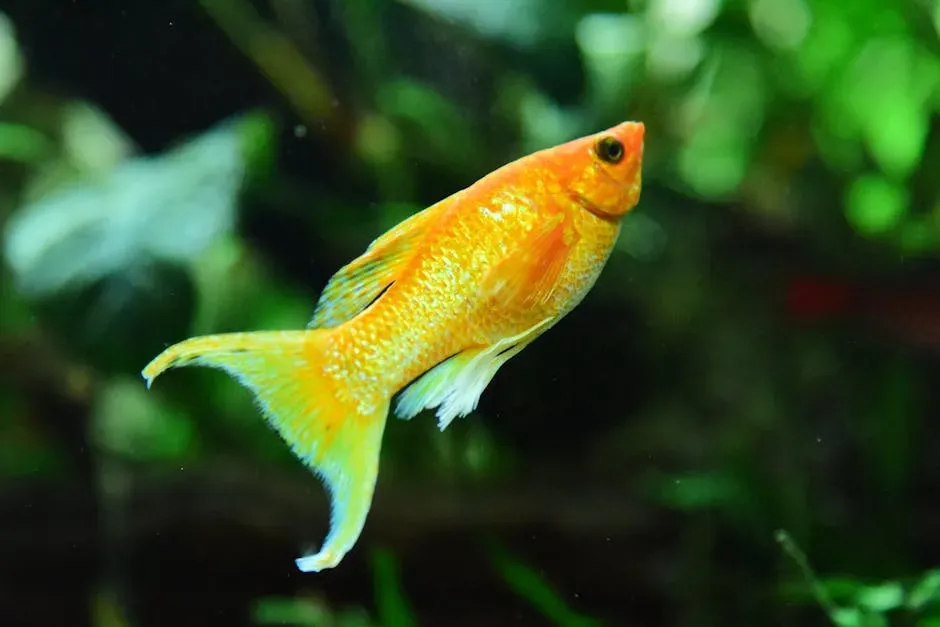
The sailfin molly doesn’t carry the dramatic reputation of a bull shark or the mythological status of a tarpon, but as a euryhaline species native to Florida, it deserves far more attention than it typically gets. The sailfin molly, Poecilia latipinna, is a euryhaline species, and both freshwater and saltwater-acclimated individuals have been studied for their salinity preferences and responses to environmental changes.
Found from coastal salt marshes to inland freshwater streams, the sailfin molly represents everyday euryhalinity at its most resilient. Euryhaline organisms are able to adapt to a wide range of salinities, and the short-finned molly, a close relative, can live in fresh water, brackish water, or salt water. The sailfin molly, native to Florida and the Gulf Coast, displays the same remarkable range. Euryhaline organisms are commonly found in habitats such as estuaries and tide pools where salinity changes regularly, and the molly has made itself at home in exactly those unstable, shifting edges of water that other species avoid.
#8 Killifish
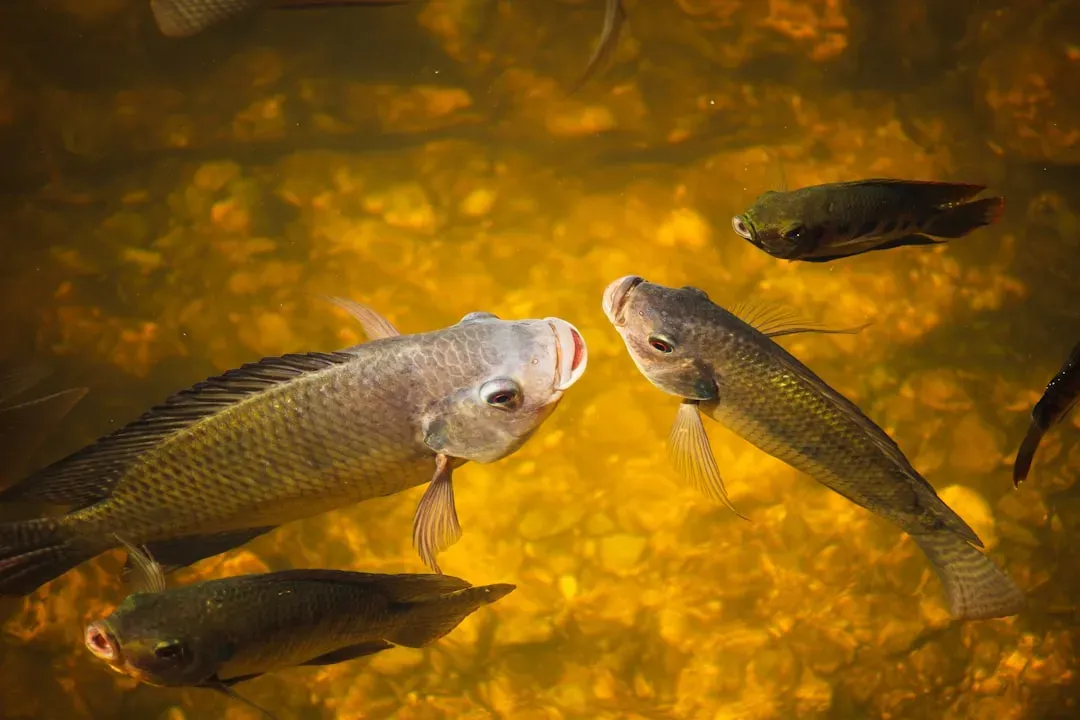
Killifish are small, unassuming fish that punch well above their weight when it comes to environmental toughness. They are arguably the most broadly tolerant fish found in Florida’s coastal zones, capable of surviving conditions that would eliminate almost anything else sharing their habitat. Some killifish species live in tidal areas where the water constantly shifts between salty and fresh, and they have adapted to survive sudden changes in salinity without stress.
Florida is also notable for hosting the pike killifish, an introduced euryhaline species with a particularly broad tolerance. The pike killifish was first introduced to south Florida in 1957 as a result of an intentional release from a medical research program, and it is euryhaline, residing in waters ranging from freshwater to full-strength seawater. Native killifish like the mummichog and gulf killifish are equally tough. The killifish species is well known for its hardiness, the ability to survive in different salinities and temperatures, and it can also tolerate very low oxygen levels. In a state where water conditions shift rapidly with the seasons, tides, and rainfall, that level of adaptability isn’t just impressive. It’s a survival strategy that genuinely works.
Why Florida Is the Perfect Place for These Creatures
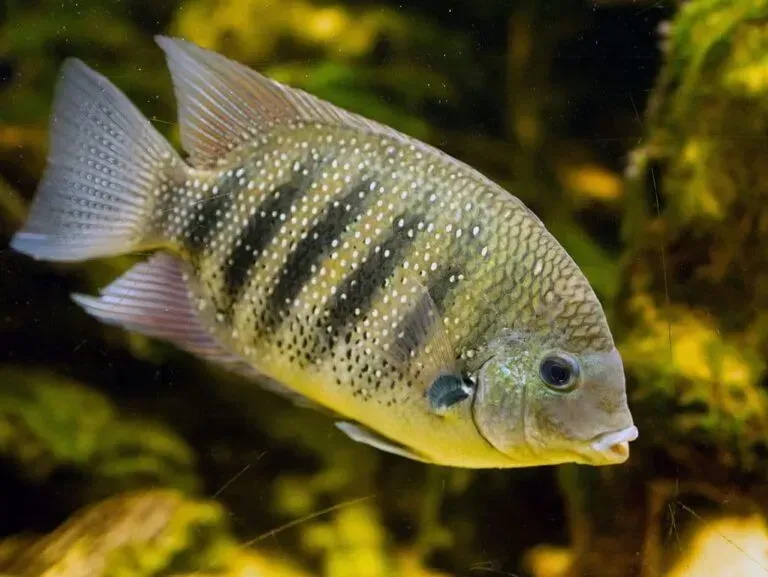
The fact that eight such different species, ranging from a two-hundred-pound shark to a two-inch killifish, share this same fundamental ability says something important about Florida as an ecosystem. Euryhaline organisms are commonly found in habitats such as estuaries and tide pools where salinity changes regularly, and some organisms are euryhaline because their life cycle involves migration between freshwater and marine environments. Florida has both of those things in extraordinary abundance.
These animals play important ecological roles by connecting marine and freshwater ecosystems through their migrations and feeding patterns, and Florida’s mix of coastline, springs, rivers, and estuaries creates the exact conditions where that connectivity matters most. The common thread across all eight species isn’t size, diet, or appearance. It’s a willingness, built in the bone and blood, to inhabit the uncertain in-between. Florida, in a sense, rewards exactly that kind of flexibility. The water here doesn’t stay the same, and the creatures that thrive are the ones that learned, over millennia, not to need it to.
