
North America faces an unprecedented wildlife crisis, with over 1,600 species listed as threatened or endangered. Yet amid this environmental catastrophe, an inspiring conservation renaissance is unfolding across tribal lands. Native American tribes are emerging as the unexpected champions of biodiversity, wielding traditional ecological knowledge alongside modern science to pull iconic species back from extinction’s edge.
From the towering California condor to the elusive black-footed ferret, Indigenous communities are leading restoration efforts that federal agencies once thought impossible. These aren’t just conservation projects. They’re acts of cultural reclamation, spiritual healing, and environmental justice rolled into one powerful movement that’s transforming how America approaches wildlife recovery.
California Condors: The Yurok Tribe’s Sacred Mission
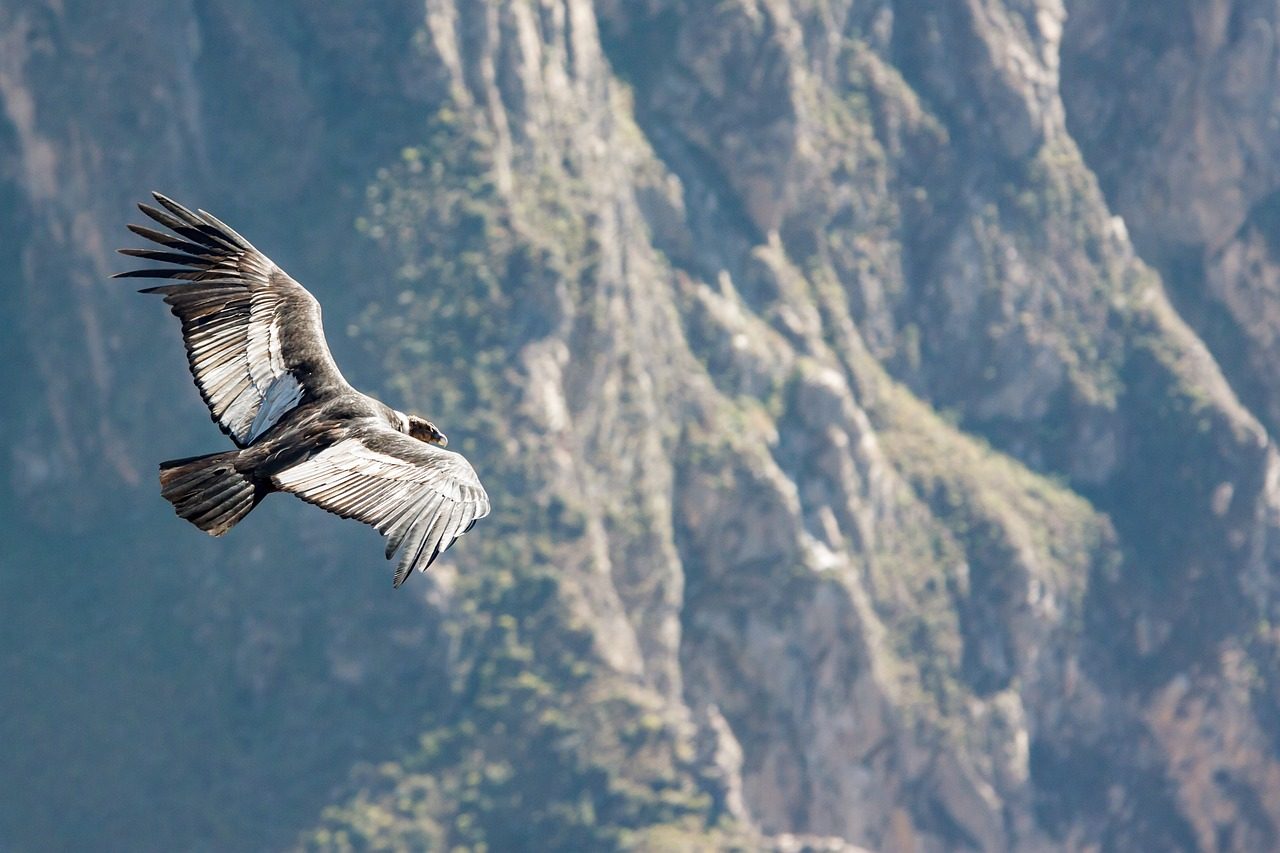
When the last wild California condor disappeared from northern skies nearly a century ago, the Yurok people lost more than just a bird. They lost prey-go-neesh, a sacred messenger integral to their World Renewal ceremonies and creation stories. The Yurok Tribe is one of many indigenous cultures that considers condors sacred. California condors, or prey-go-neesh in Yurok, have been spiritually tied to the Yurok Hlkelonah – the cultural and ecological landscape – since the beginning of the world.
The Yurok Condor Restoration Program represents something unprecedented in American conservation history. The Yurok Tribe will be the first tribal nation to reintroduce the California Condor; since 2008, they’ve led the effort that now includes 16 federal, state, nonprofit and private partners. Honestly, watching this massive bird with a ten-foot wingspan soar above redwood forests feels like witnessing resurrection itself. Condors provide crucial ecological services and are significant contributors to the process of removing the remains of large carcasses from the landscape. As obligate scavengers – organisms that feed exclusively on dead animals – condors utilize their powerful bills to tear through tough hides, making those carcasses available to smaller scavengers, such as turkey vultures, ravens, crows, raccoons, foxes, and skunks.
Black-Footed Ferrets: Prairie Guardians Return Home
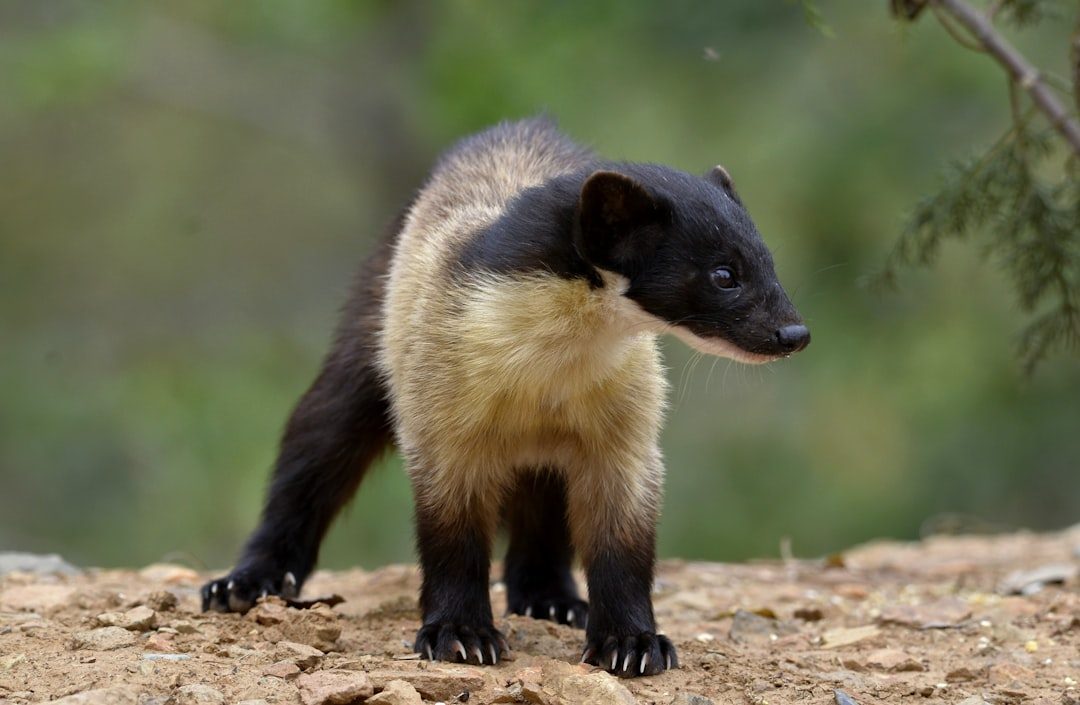
Picture this: a sleek, masked bandit emerging from prairie dog burrows at twilight, hunting with deadly precision across the Great Plains. Black-footed ferrets once numbered in the tens of thousands, but by the 1980s, they’d vanished so completely that scientists declared them extinct. Then came a miraculous discovery in Wyoming, followed by one of the most intensive captive breeding programs in conservation history.
These ferrets are likely descendants from those that Grassel helped release during the South Dakota reservation’s reintroduction efforts. Before the reintroductions that started in 2006, the reservation lost all its black-footed ferrets, a federally endangered species once common in the Midwest prairies. Now, based on a fall 2020 survey, their population stands at approximately 25, says Grassel, who studied ferret populations on the reservation during his Ph.D. program. Native tribes like the Lower Brulé Sioux have become the species’ lifeline, managing prairie dog colonies and monitoring ferret populations with incredible dedication. Footed Ferret recovery project, resulting in a permanent self-sustaining population. This is to be accomplished on ~5,000 acres of prairie dog colonies throughout the Cheyenne River Reservation with approved backup sites secured as well. Objectives include: surveying potential ferret habitat sites; submitting a proposal to the National Black Footed Ferret Conservation Center for an allocation of ferret kits; treating prairie dog colonies to prevent plague; releasing and recording ferret kit identification with the use of GPS/GIS technologies; conducting spotlight surveys on ferret release colonies to evaluate short-term survival; and attending conservation and ferret seminars/workshops.
American Bison: Sacred Thunder on the Plains
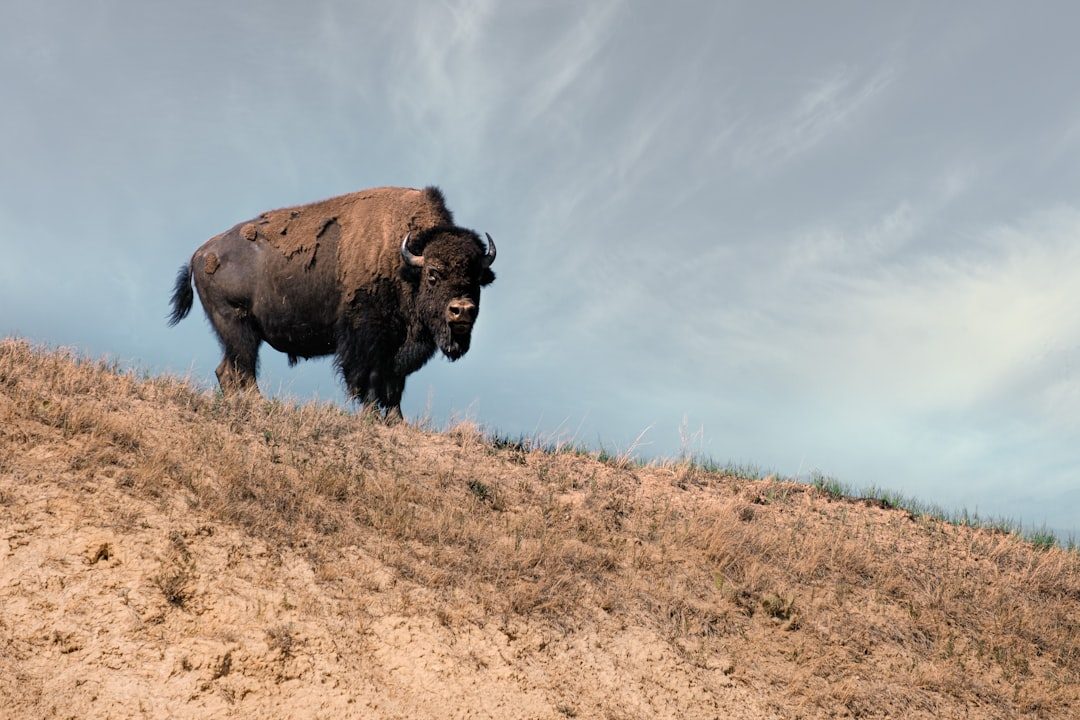
Let’s be real here, nothing symbolizes the systematic destruction of Indigenous life quite like the near-extinction of American bison. From an estimated 30 million animals to fewer than 1,000 by 1900, this wasn’t just ecological collapse – it was cultural genocide by design. Buffalo weren’t just food for Plains tribes; they were everything: shelter, clothing, tools, spiritual connection to the Earth itself.
Today’s tribal bison programs represent profound acts of resistance and restoration. American bison, grizzly bears, and gray wolves hold important cultural significance to the Indigenous peoples of North America. Despite their important ecological roles and cultural symbolism, during the 19th and 20th century each of these species were hunted to the point of eradication from most of their historic range throughout the continental United States. The elimination of these animals from their traditional ranges has dramatically compromised the integrity of their former ecosystems. The recent introduction of the Tribal Heritage and American Bison, Grizzly Bear, and Wolf Restoration and Coexistence Act shows how tribes are fighting for permanent federal protections. Authorize federally recognized Indian Tribes, in consultation with the Secretary, to manage bison, grizzly bears and wolves reintroduced on tribal land. Several tribal nations now manage their own herds, using traditional knowledge to guide modern conservation strategies that federal agencies couldn’t achieve alone.
Grizzly Bears: The Great Bear’s Tribal Protectors
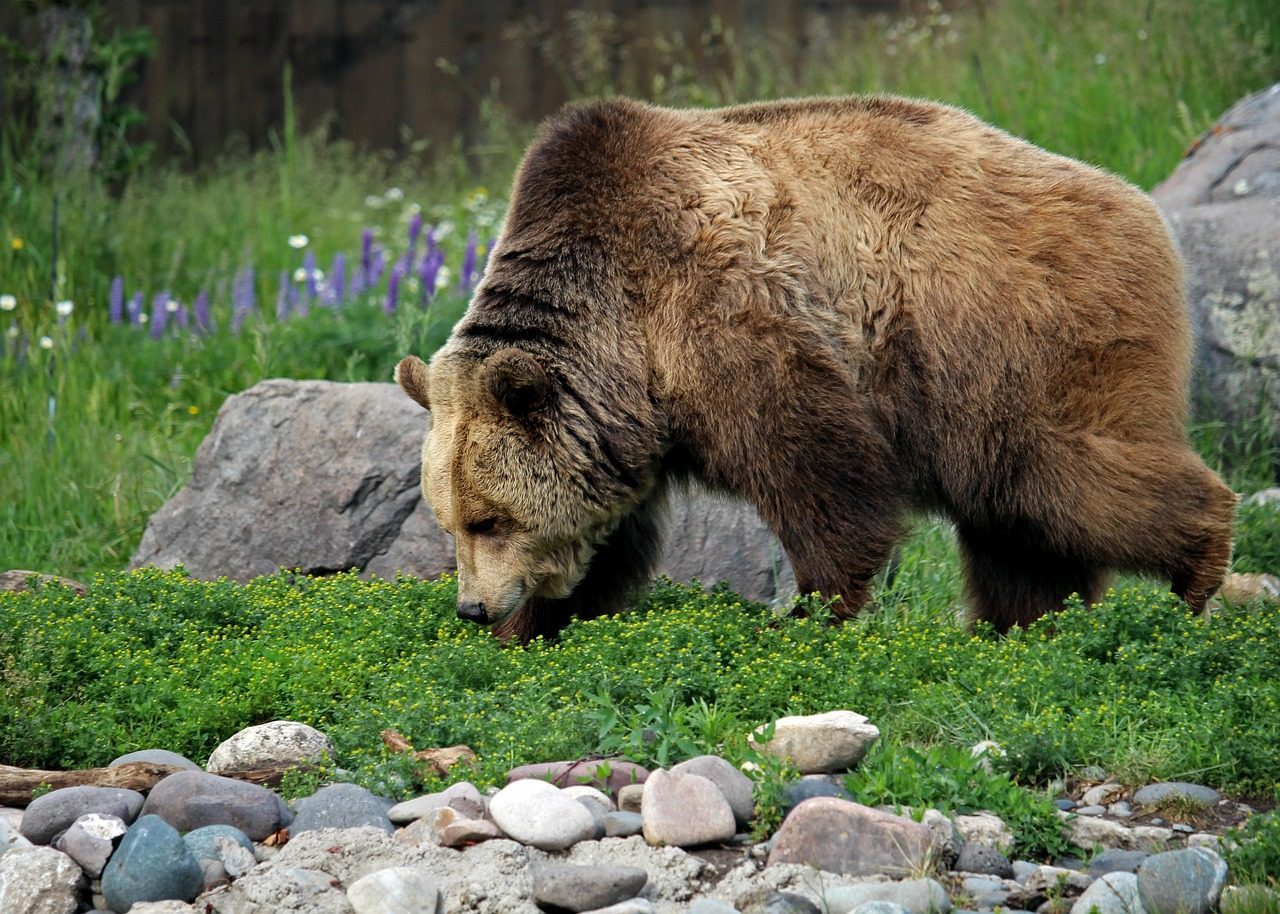
Grizzly bears once roamed from Alaska to Mexico, commanding respect and reverence across dozens of tribal nations. These massive predators weren’t just animals – they were teachers, healers, and spiritual guides woven into the very fabric of Indigenous identity. When European settlers arrived, they brought fear, rifles, and a determination to eliminate every bear that stood between them and their version of progress.
The current grizzly bear recovery efforts showcase how tribal nations are pioneering innovative approaches to large carnivore conservation. When it comes to large carnivores like grizzly bears or wolves, coordination across all levels of government, Tribes, and stakeholders becomes even more important to our shared success. Working towards recovery of these apex species brings challenges, but we have also seen substantial progress. The Service is committed to recovery of these species and engaging with States, Tribes, and other stakeholders to ensure regulatory mechanisms and conservation tools are in place to protect the species into the future. In the North Cascades, tribes are working closely with federal agencies to develop grizzly bear reintroduction programs. The Service will develop memorandums of understanding with Federal, State, and Tribal agency partners to document roles and responsibilities and identify sources for support in implementing the rule. Funding for programs, including outreach and education, nonlethal control measures, conflict management, livestock depredation compensation, and improvements to sanitation and food storage infrastructure is often in partnership with other agencies, States, Tribes, and nongovernmental organizations. The Service will continue to work with our Federal, State, Tribal, and other partners to prioritize Service staff time to conduct grizzly bear outreach and education, provide technical assistance, and assist with conflict management.
Gray Wolves: Howling Back from the Brink
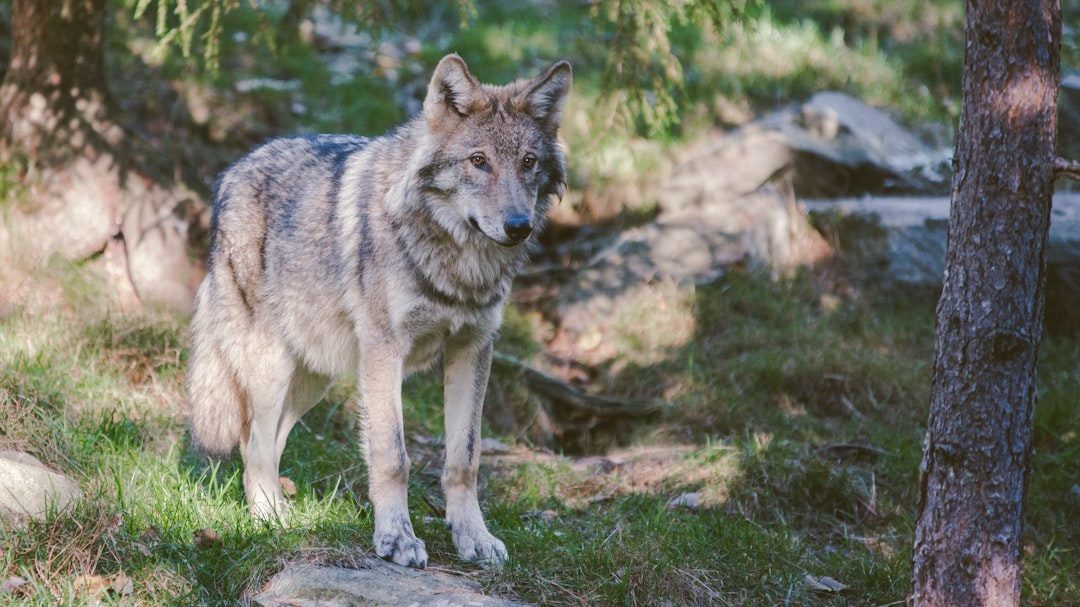
You can’t talk about wildlife persecution in North America without mentioning wolves. These apex predators faced the most systematic extermination campaign in American history – bounties, poison, traps, and aerial gunning reduced their numbers from hundreds of thousands to just a few hundred survivors in remote wilderness areas. For tribal nations that considered wolves as brothers, teachers, and clan totems, this was spiritual devastation.
The wolf recovery story is incomplete without recognizing tribal leadership. Apache and other Native American Tribes around the U.S. are leaders on countless wildlife restoration projects involving species ranging from wolves and bears to black-footed ferrets and bison. An exciting initiative that started in 2017, the Tribal Youth Conservation Program, employs Tribal members for three or four months a year on wolf and rangeland conservation efforts. Some of the most successful wolf recovery programs operate on tribal lands, where traditional ecological knowledge informs management decisions. So there’s a lot of examples of tribes reintroducing species to their lands, like the lynx on Confederated Colville Tribal lands or the Yurok Tribe reintroducing the So there, tribes along with conservation groups have been really successful wielding ESA litigation along with treaty rights to move the conversation towards dam removal. This year, the first of four Klamath dams has been removed, and just last week on the Snake River, the federal government announced that it would support a path towards dam removal of the Lower Snake River dams.
Salmon: Returning the Silver Spirits
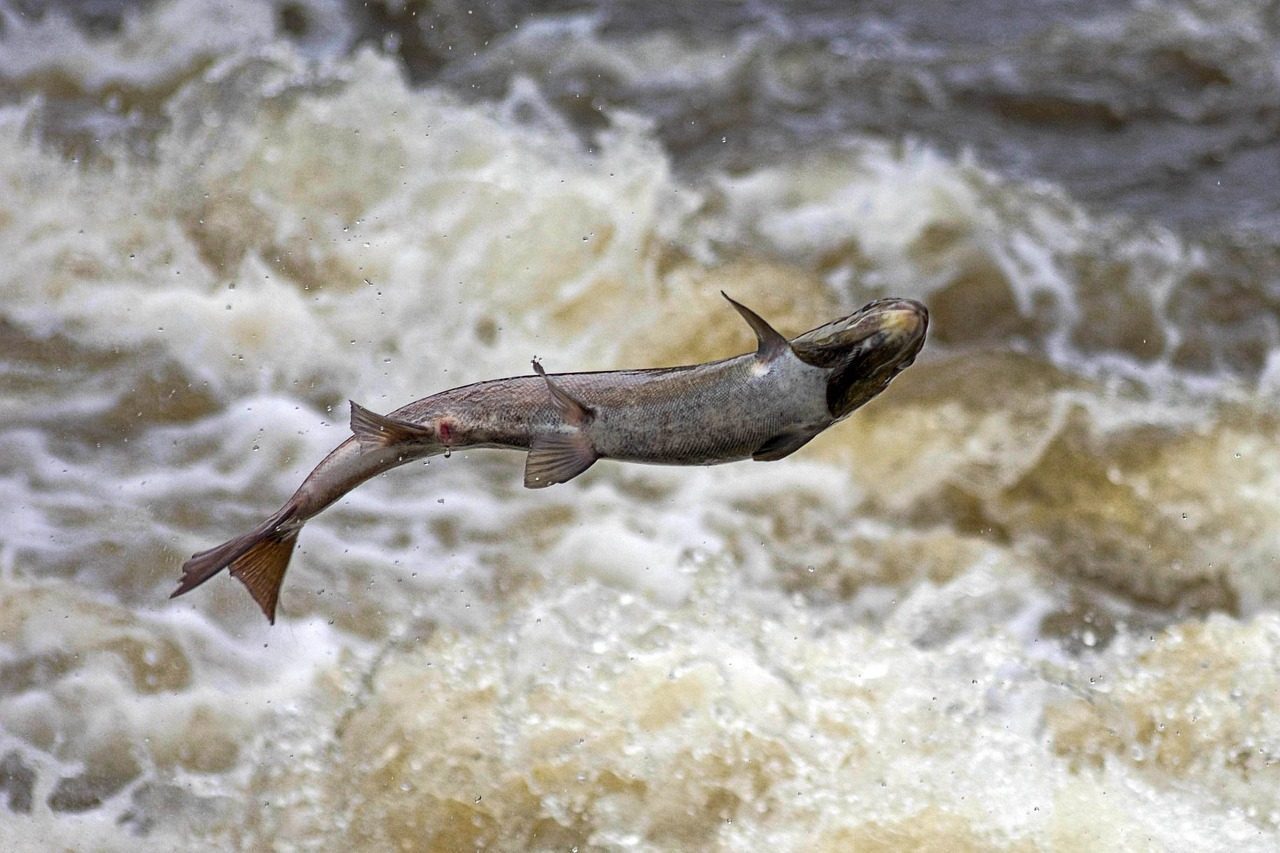
Pacific salmon runs once supported entire civilizations along the West Coast, with millions of fish returning to their natal streams each year. These weren’t just protein sources – they were the lifeblood of Indigenous economies, cultures, and spiritual practices. Dam construction, habitat destruction, and overfishing pushed many salmon populations to critical levels, threatening treaty rights and traditional ways of life.
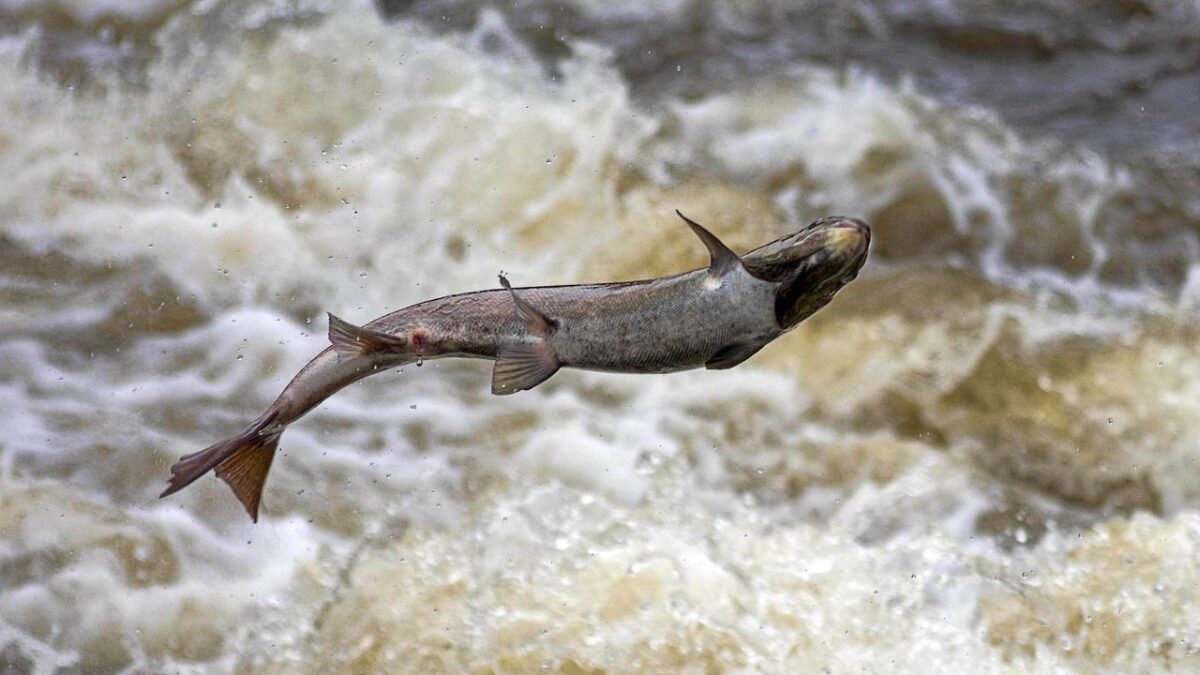
Tribal salmon restoration represents one of the most comprehensive ecosystem recovery efforts in North American history. Sockeye salmon were extirpated from Wallowa Lake in the early 1900s. The Nez Perce Tribe has been involved with reintroduction efforts since the 1990s in hopes of restoring this treaty-reserved fishery. The Klamath Dam removal project, supported by tribal litigation and advocacy, represents the largest dam removal in U.S. history. While the mill was in operation, large portions of the land were paved over, and much of the natural channel and floodplain of Prairie Creek was buried. For the last 10 years, the League has partnered with accomplished restoration experts, including the Yurok Tribe Construction Corporation and Fisheries Department and California Trout, to undertake a full restoration of a critical stretch of Prairie Creek on the site for the benefit of federally listed coho salmon and steelhead. Honestly, watching salmon leap up fish ladders feels like witnessing pure determination in motion – and tribal biologists are making it possible again.
Canada Lynx: Ghostly Cats of the North Woods
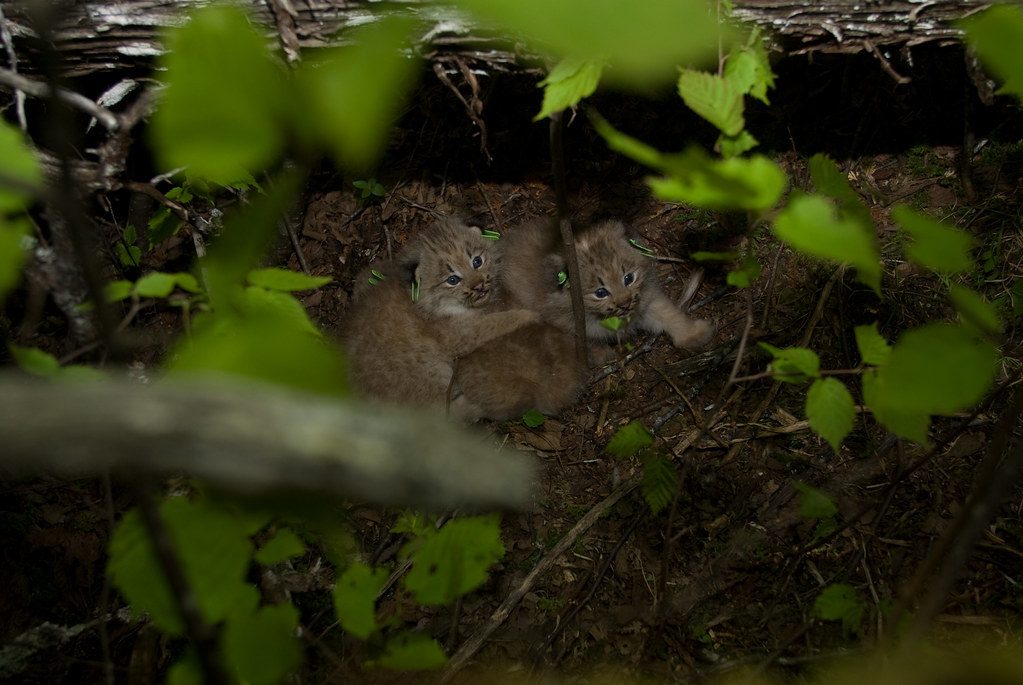
Canada lynx are the phantom predators of northern forests, perfectly adapted to hunt snowshoe hares across deep snow with their oversized paws and tufted ears. These solitary cats once ranged throughout much of Canada and the northern United States, but habitat fragmentation, trapping, and climate change pushed them toward regional extinctions in many areas.
The Colville Confederated Tribes have pioneered one of the most ambitious lynx recovery programs in North America. The Colville Confederated Tribes will use these funds to support the continued implementation of the Canada Lynx Augmentation project. This project is an international effort to live-trap populations of lynx from British Columbia to release on the Colville Indian Reservation. The Tribe anticipates increases in both distribution and occurrence of lynx throughout the Kettle Range as well as in British Columbia and the Cascades. The true realization of this project lies in the evidence of lynx reproduction in the area. Funding of this project will allow Tribal biologists, along with partners, to continue this significant work to return the endangered Canada lynx to the Kettle Range in Northcentral Washington. This international collaboration between tribal nations, Canadian provinces, and federal agencies shows how Indigenous leadership can transcend political boundaries when species survival is at stake.
Tribal Funding and Future Conservation
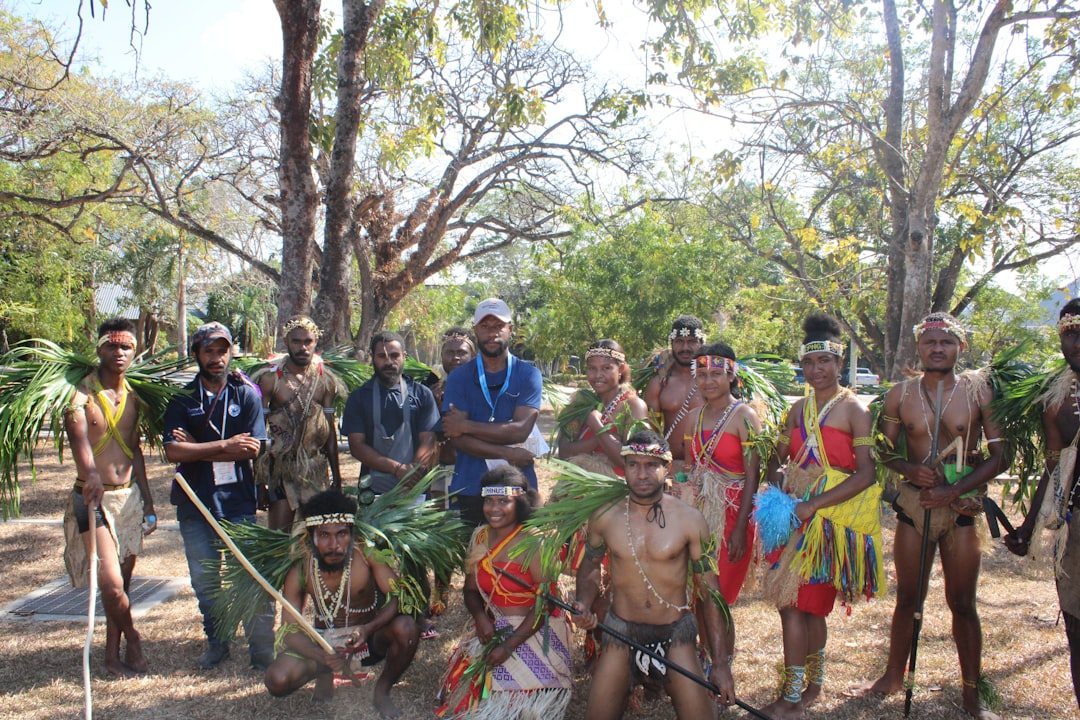
I think the most remarkable aspect of tribal-led conservation isn’t just the success stories – it’s the transformation happening in conservation funding and policy. Knowledge sharing, co-stewardship, and strong relationships with Federally recognized Tribes are critical to conservation. This year, seven of the 35 Tribes receiving funding are first-time recipients under the Tribal Wildlife Grants program, broadening the reach of this vital initiative Since its inception in 2003, including this year’s grants, the competitive Tribal Wildlife Grants Program has awarded more than $124.5 million to Native American and Alaska Native Tribes, providing support for 697 conservation projects.
The proposed Recovering America’s Wildlife Act could be a complete game-changer. The bipartisan Recovering America’s Wildlife Act (Recovering) (S. 1149) will dedicate $97.5 million to Tribal Nations and $1.3 billion to state-level conservation efforts for on-the-ground conservation projects – helping prevent wildlife from becoming endangered in the first place. This funding would allow tribes to build their capacity and develop viable fish, wildlife, conservation and enforcement programs. It would help tribes collect data and work to sustain threatened, endangered and culturally relevant species. What we’re witnessing isn’t just wildlife recovery – it’s the restoration of Indigenous sovereignty over their ancestral responsibilities as Earth’s first conservationists. These programs prove that the most innovative conservation solutions often come from the oldest knowledge systems on the continent.
Conclusion
The story of endangered species recovery in North America is increasingly becoming the story of Indigenous resurgence. From California condors soaring over redwood forests to black-footed ferrets emerging from prairie dog towns, tribal nations are proving that successful conservation requires more than scientific expertise – it demands cultural connection, spiritual commitment, and the kind of long-term thinking that comes from seven generations of responsibility.
These eight species represent just the beginning. As federal funding increases and tribal capacity expands, we’re witnessing the emergence of a conservation model that could transform how North America approaches wildlife recovery. What do you think will happen when traditional ecological knowledge and modern conservation science fully unite? The animals are already voting with their survival.

- 5 Pests That Invade Florida Homes and How To Stop Them - June 12, 2026
- Cats That Adapt Well to Desert States Like Arizona - June 12, 2026
- 6 Household Items That Ants Are Surprisingly Drawn To - June 12, 2026