


The natural world is a rich tapestry of life, brimming with fascinating species, each contributing to the ecological balance of our planet. However, the relentless march of human development has often disrupted this balance, leading to the loss of countless species. Extinction is a natural phenomenon, but the accelerated rate at which it currently occurs is alarming, largely driven by human activities. In this article, we will explore 15 animals that have succumbed to extinction in recent history, each serving as a poignant reminder of our shared responsibility to protect Earth’s remaining biodiversity.
The Baiji Dolphin

The Baiji Dolphin, also known as the Yangtze River dolphin, once gracefully navigated the waters of China’s longest river. However, industrial development, overfishing, and pollution led to its rapid decline. Declared functionally extinct in 2006 after an extensive search failed to locate any individuals, the Baiji is a stark indicator of the impact of human activity on aquatic ecosystems.
Passenger Pigeon

Once gracing the skies of North America in flocks so dense they blocked out the sun, the Passenger Pigeon’s descent into extinction was swift. Mass hunting and habitat destruction in the 19th century wiped out this once-abundant species, with the last known individual, Martha, passing away in captivity in 1914.
Western Black Rhinoceros
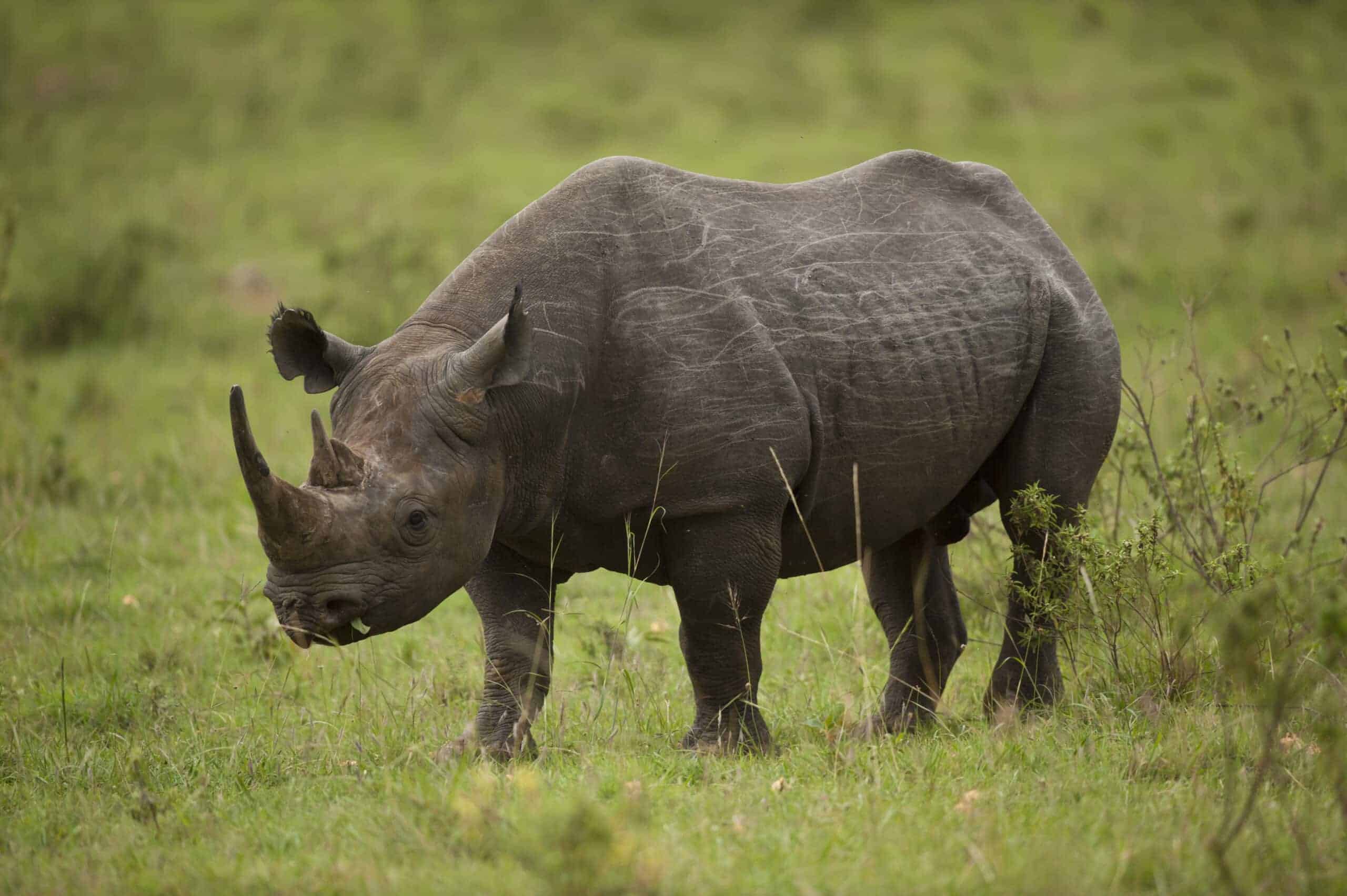
A subspecies of the black rhinoceros, the Western Black Rhino was declared extinct in 2011. Endemic to Africa, this majestic creature fell victim to relentless poaching for its horns and loss of habitat. Despite concerted conservation efforts, sightings dwindled until none remained, a tragic testimony to the poaching crisis facing many rhino species today.
Pyrenean Ibex

This species from the Iberian Peninsula was one of four subspecies of the Iberian ibex. The Pyrenean ibex went extinct in 2000, primarily due to overhunting, disease, and competition with domestic and other wild animals. Interestingly, it was briefly “brought back” through cloning in 2003, but the clone lived for only a few minutes, marking yet another irreversible loss in biodiversity.
Ivory Billed Woodpecker

Esteemed for its striking appearance and impressive size, the Ivory-Billed Woodpecker once thrived in the southeastern United States. Habitat destruction due to logging and urban expansion led to its severe decline. While unconfirmed sightings occasionally emerge, it is widely accepted that this woodpecker has not been seen since the mid-20th century.
Javan Tiger

The once formidable Javan Tiger roamed the island of Java, Indonesia. Unfortunately, agricultural expansion and relentless poaching pressures reduced its numbers throughout the 20th century, leading to its extinction by the 1970s. The loss highlights the fragility of island ecosystems when facing human encroachment.
Great Auk

The Great Auk, a large, flightless bird resembling a penguin, inhabited the North Atlantic coasts. Overhunting for feathers, meat, and oil rendered them extinct by the mid-19th century, with the last confirmed sighting in 1844. Its demise underscores the dire consequences of overexploitation of species.
Golden Toad
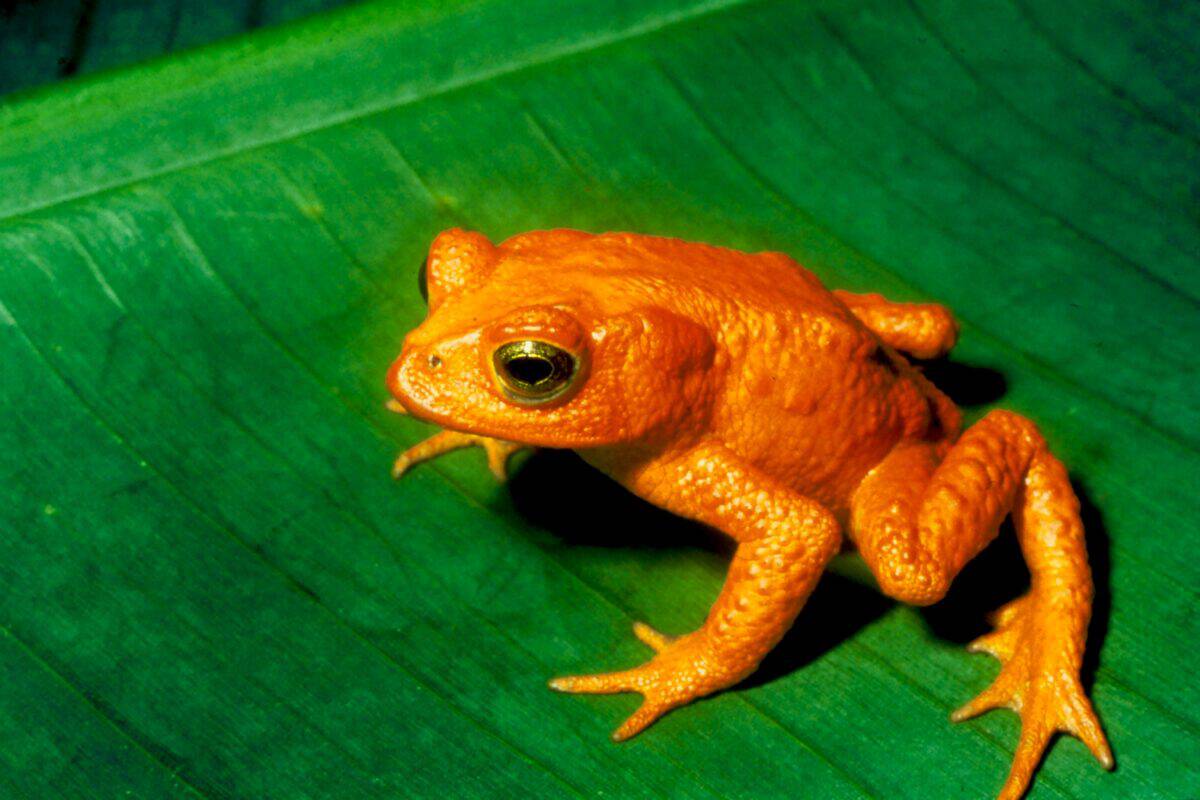
The brilliantly colored Golden Toad was known only to inhabit a small, high-altitude region in Costa Rica. It was declared extinct in 1989, likely due to climate change and habitat loss. This amphibian’s case is a critical early warning of climate change’s potential impacts on biodiversity.
Caribbean Monk Seal
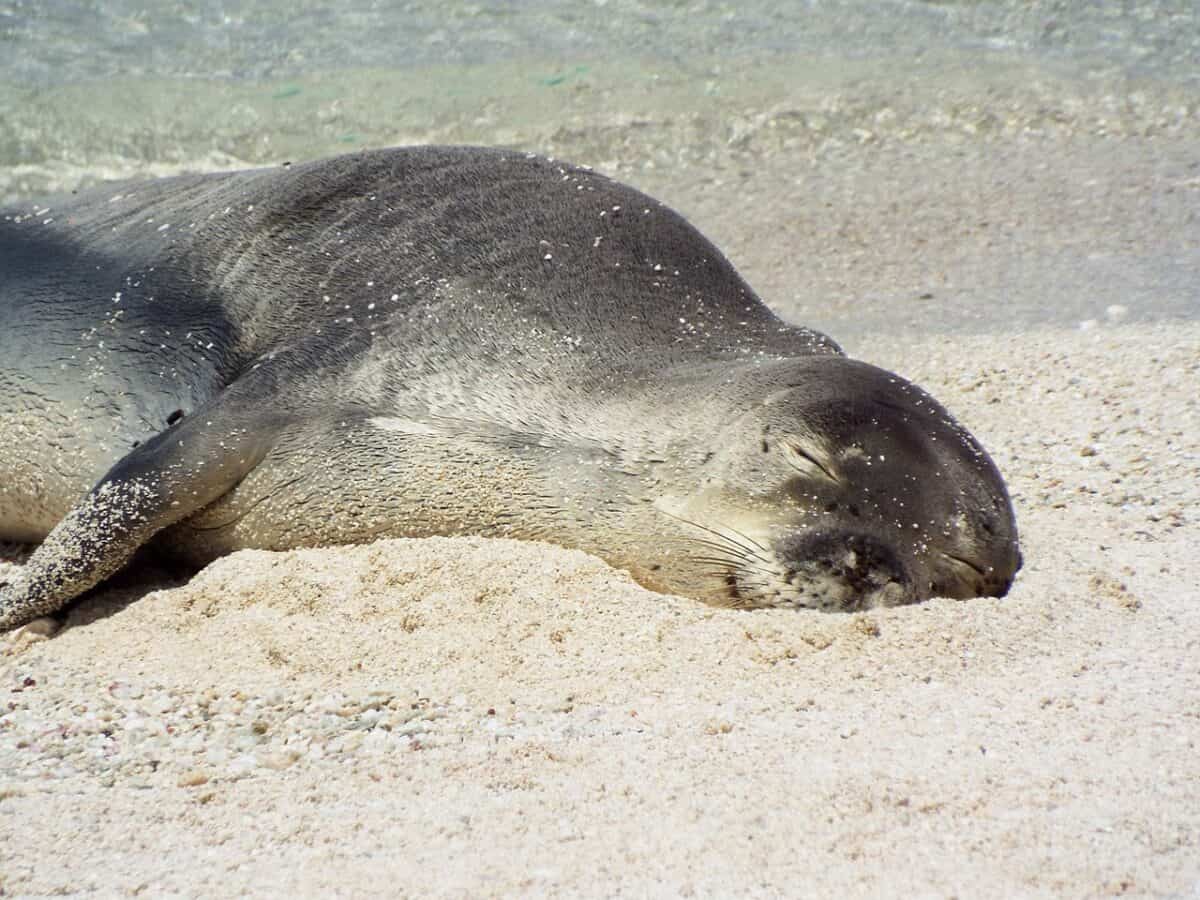
The Caribbean Monk Seal, also known as the “sea wolf,” was native to the warm Caribbean Sea. Hunted for its oil and overfishing of its food sources, its population dwindled, leading to its extinction in the 1950s. Efforts to conserve related seal species underscore the importance of preemptive action to save endangered marine life.
Pinta Island Tortoise
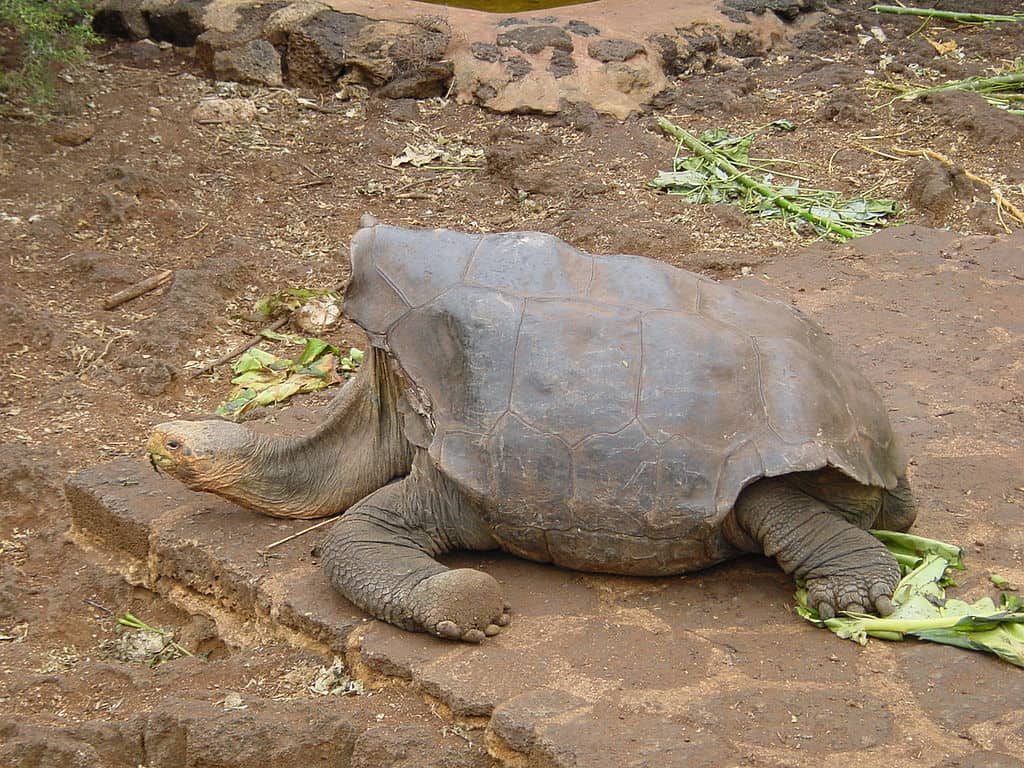
The Pinta Island Tortoise became globally known due to “Lonesome George,” the last known individual, who passed away in 2012. Native to the Galápagos Islands, this species faced challenges from introduced animals and habitat destruction. The tortoise’s story is a poignant call for conservation and ecosystem restoration efforts.
Broad Faced Potoroo
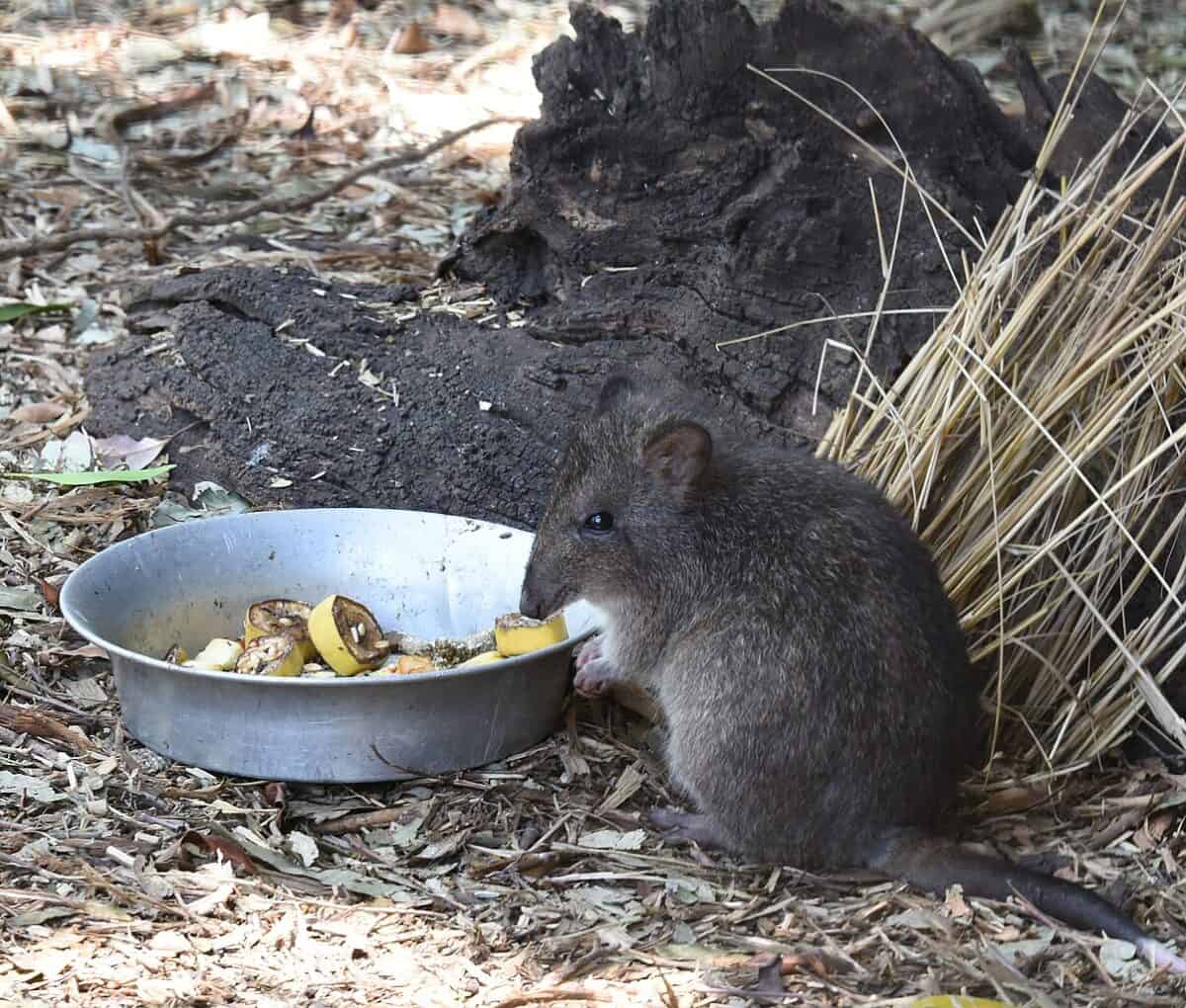
Native to Australia, the Broad-Faced Potoroo was a small marsupial that has not been sighted since the 19th century and was declared extinct due to intense predation by introduced species like cats and foxes, and habitat destruction. Its story emphasizes the vulnerabilities of species lacking natural predators in a disrupted ecosystem.
Tecopa Pupfish
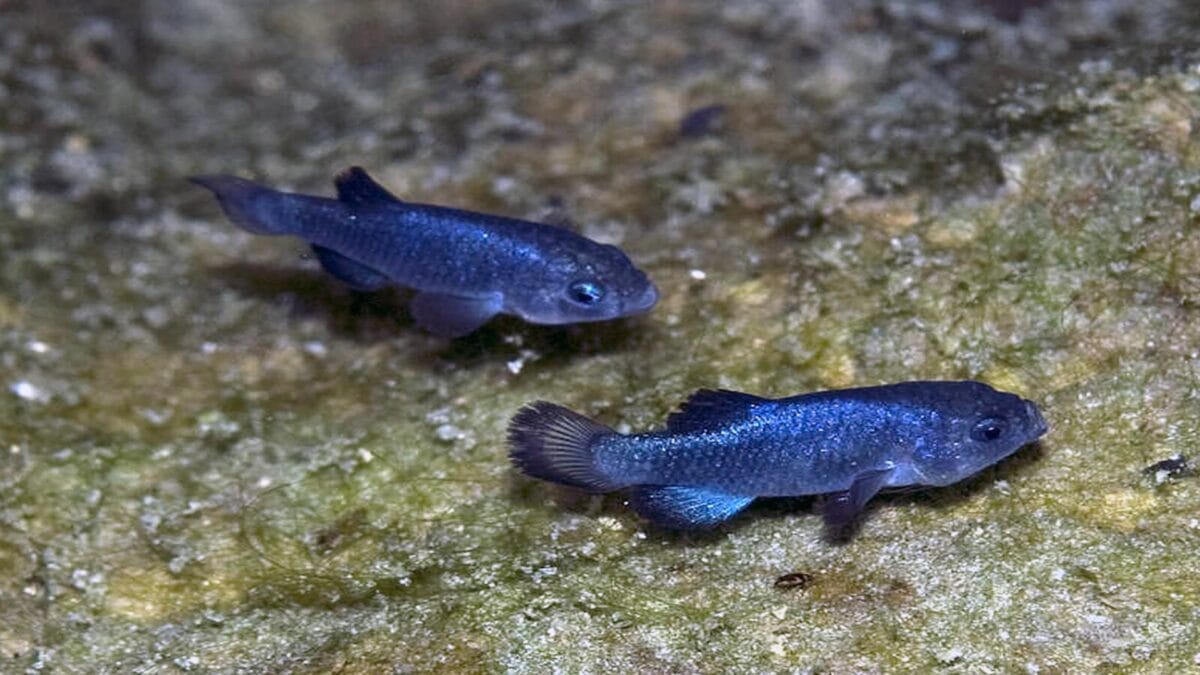
This small fish inhabited the hot springs of California’s Mojave Desert. Changes in the water system due to human recreational development led to its decline, and it was declared extinct in 1981. The Tecopa Pupfish’s disappearance is an early example of human-induced habitat alteration affecting endemic wildlife.
Spix’s Macaw

Known for its vibrant blue feathers, Spix’s Macaw was native to Brazil. It was declared extinct in the wild in 2000, primarily due to habitat destruction and trapping for the pet trade. Conservation efforts continue to try and reintroduce captive populations into the wild, underscoring the potential for recovery if corrective measures are taken.
Yangtze Giant Softshell Turtle
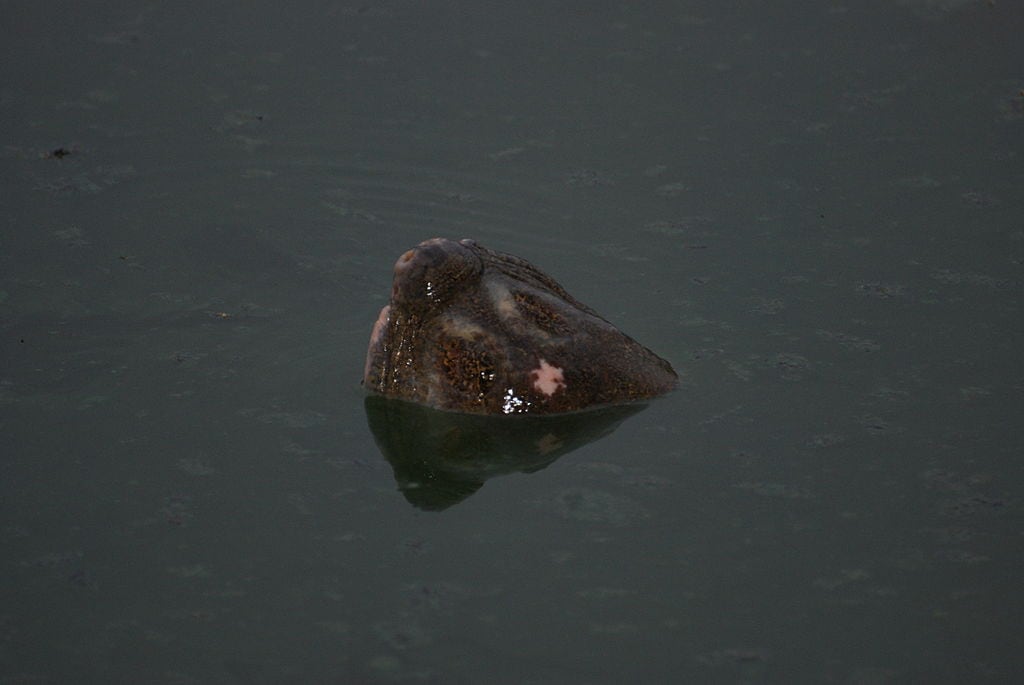
This critically endangered species faced severe population decline due to habitat loss and hunting. Although not officially declared extinct, the recent death of the last known female has all but sealed its fate. The Yangtze giant softshell turtle’s plight underscores the critical status of many freshwater species worldwide.
Dusky Seaside Sparrow

The Dusky Seaside Sparrow, native to Florida’s marshes, was declared extinct in 1990. Its habitat was destroyed by drainage projects and the encroachment of human development, leading to its disappearance. This bird’s extinction is a somber lesson on the impacts of habitat modification and degradation.
Conclusion

The extinctions of these 15 animals highlight the fragile intersection between human activity and the natural world. Each species had unique traits and ecological roles that enriched their environments, and their loss is a diminishment of Earth’s biological diversity. As we reflect on these extinctions, let them serve as enduring reminders of the urgent need for conservation, habitat protection, and sustainable practices. Future generations depend on our actions today to preserve the incredible diversity of life that still graces our planet.

As a little kid, I fell in love with nature, wildlife, and animals. Living in the USA, South Africa, Italy, China and Germany gave me the opportunity to discover the world's Wildlife. My favorite animals are Mountain Gorillas, Siberian Tigers, and Great White Sharks.
I'm a certified PADI Open Water Diver, went to Everest Base Camp and Trekked Gorillas in Uganda. I hold a Master of Science in Economics and Finance.
Please send any feedback to feedback@animalsaroundtheglobe.com
- 14 Most Dangerous Predators Roaming North America - July 28, 2026
- 9 Times Snakes Stay Silent And 3 They Hiss Loudly - July 28, 2026
- 12 Animals Found in the Mariana Trench - July 28, 2026