
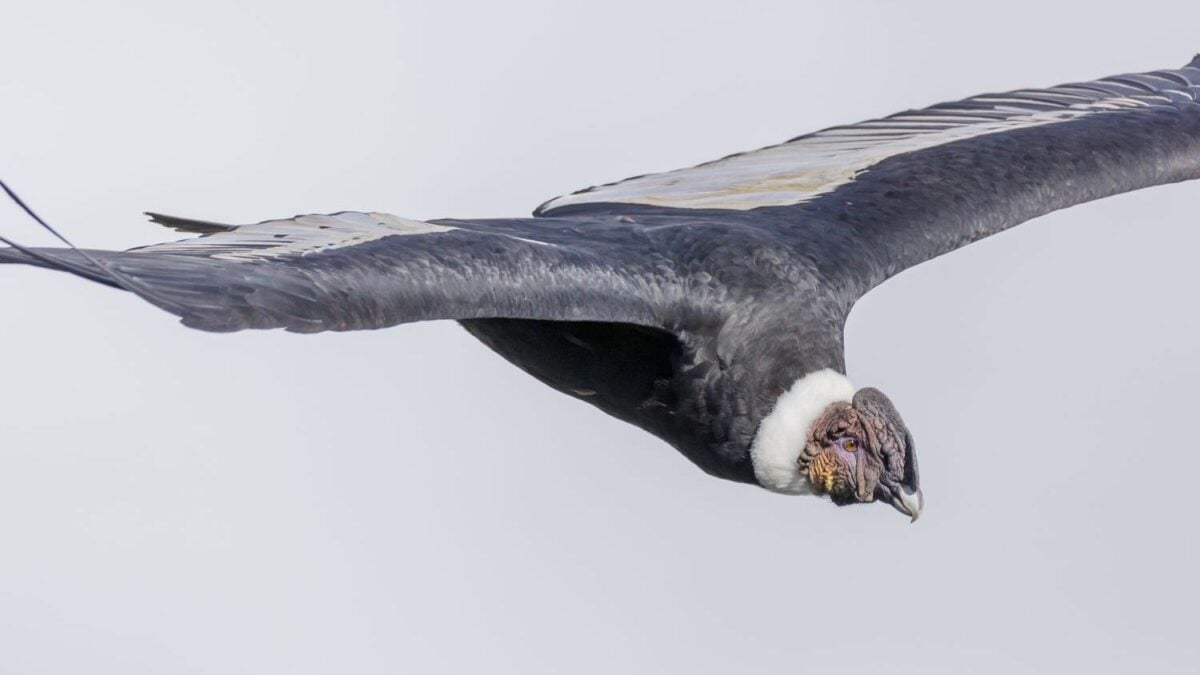
When you think of South America, your mind might wander to the Amazon rainforest or the snow-capped Andes mountains. Yet soaring high above both landscapes is a creature so majestic and mysterious that it has captivated human imagination for centuries. The Andean condor is not just any bird. It’s a living legend, a symbol of power and freedom that glides effortlessly through the skies on wings that stretch wider than most people are tall.
These magnificent creatures have been revered by indigenous cultures for thousands of years, appearing in myths, art, and ceremonies. Today, they continue to inspire awe, though their numbers are dwindling. Let’s dive into what makes the Andean condor one of the most extraordinary birds on our planet.
A Wingspan That Rivals Small Airplanes
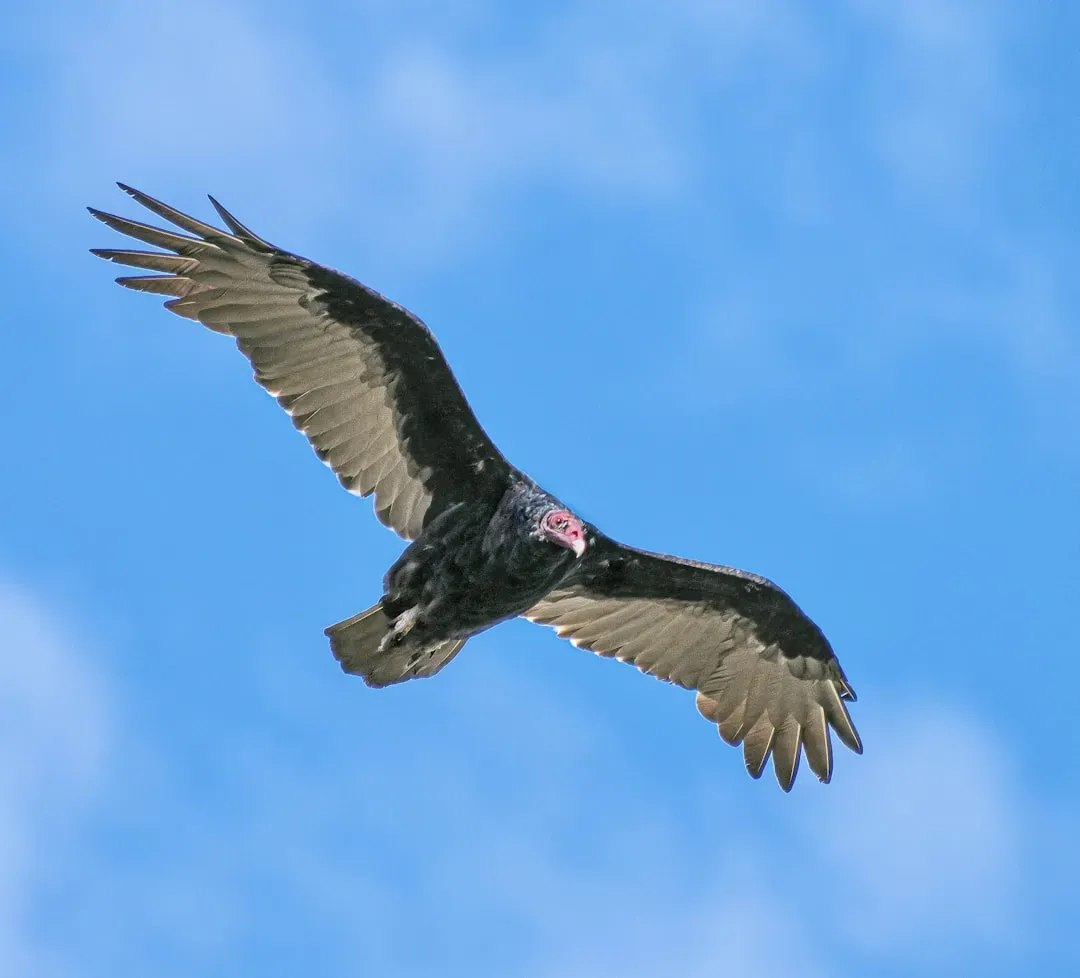
The Andean condor boasts a maximum wingspan of around 3.3 meters, which is roughly 10 feet 10 inches. To put that in perspective, imagine spreading your arms wide and then adding another five feet on each side. It’s hard to believe a living creature can naturally achieve such dimensions.
This species has wings with the largest surface area of any extant bird. That massive wingspan isn’t just for show. It allows the condor to ride thermal currents and air streams for hours without expending much energy. Think of it as nature’s most efficient glider, perfectly designed for the mountainous terrain where updrafts are plentiful.
One of the Heaviest Flying Birds on Earth
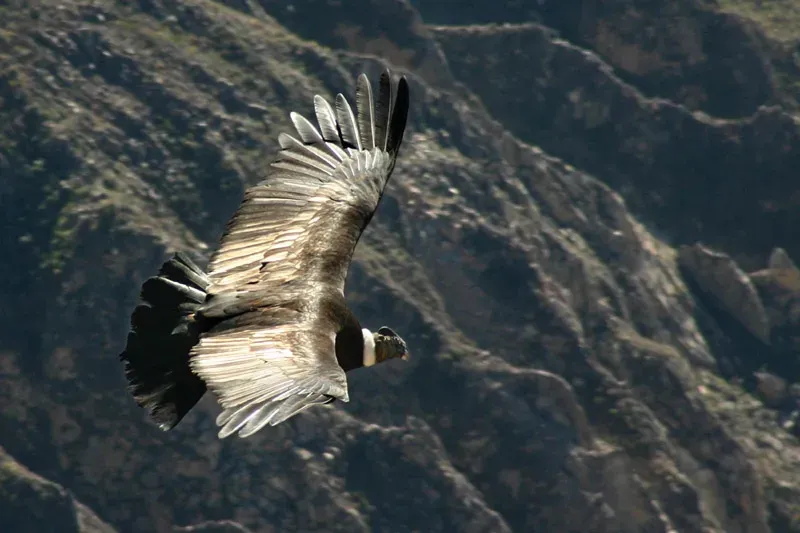
Size isn’t just about wingspan with these birds. Males can weigh up to 15 kilograms, which equals about 33 pounds. Carrying that much weight into the air is no small feat, especially when you consider that most birds are built to be as light as possible.
Because they are so heavy, even their enormous 10-foot wingspan needs some help to keep them aloft, which is why these birds prefer to live in windy areas where they can glide on air currents with little effort. The condor essentially harnesses the power of wind and geography to stay airborne. Watching one soar is like witnessing physics and biology working in perfect harmony.
Masters of Effortless Flight
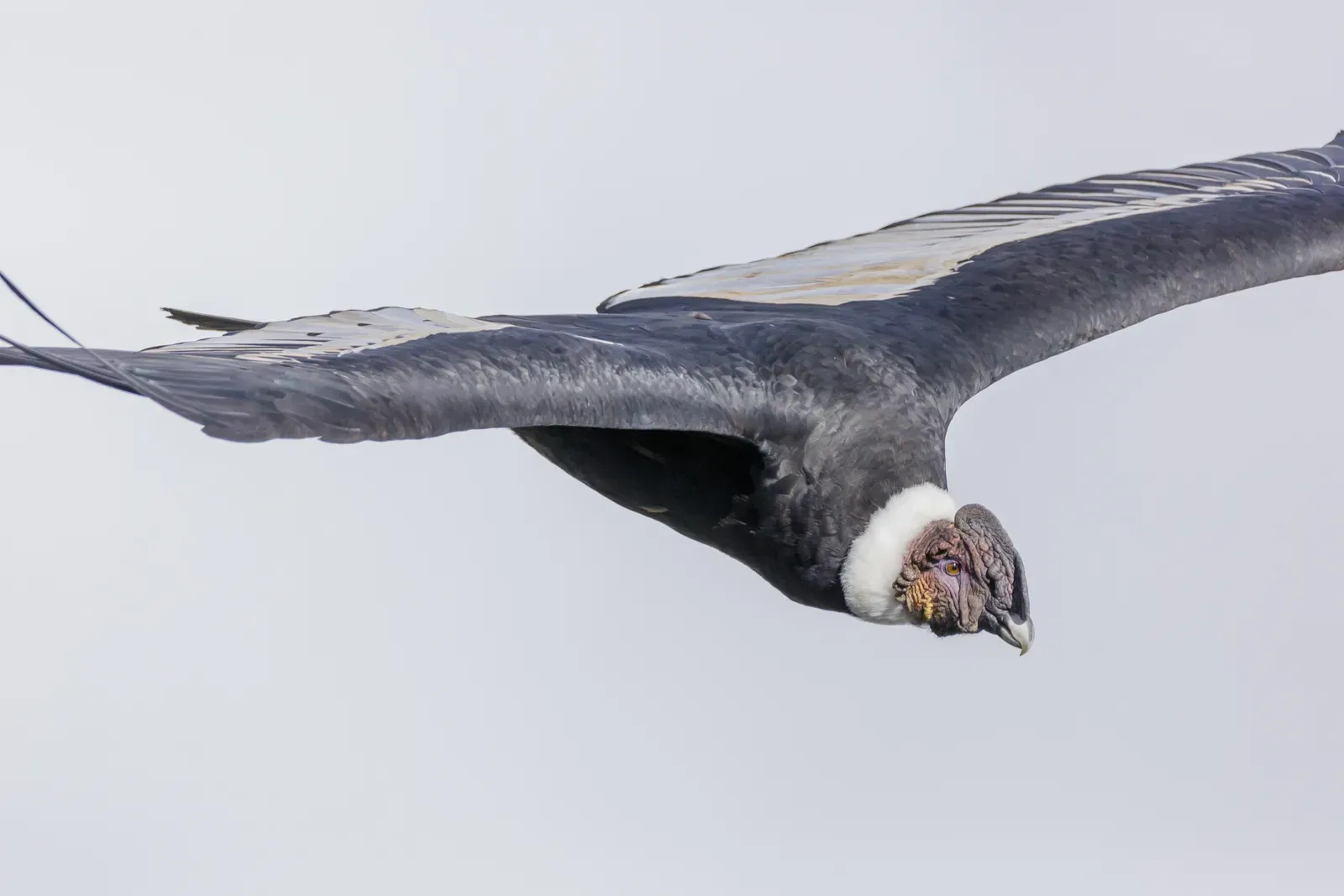
Here’s something that’ll blow your mind. One bird was found to have flown for five hours, covering a distance of 160 kilometers, without once flapping its wings. Five hours without a single flap. Let that sink in for a moment.
Equipment recently strapped to condors in Patagonia revealed that only one percent of the birds’ time aloft is spent flapping their wings. This incredible efficiency allows them to travel vast distances in search of food without exhausting themselves. It’s like they’ve figured out the ultimate energy-saving mode for flying.
A Shockingly Long Lifespan
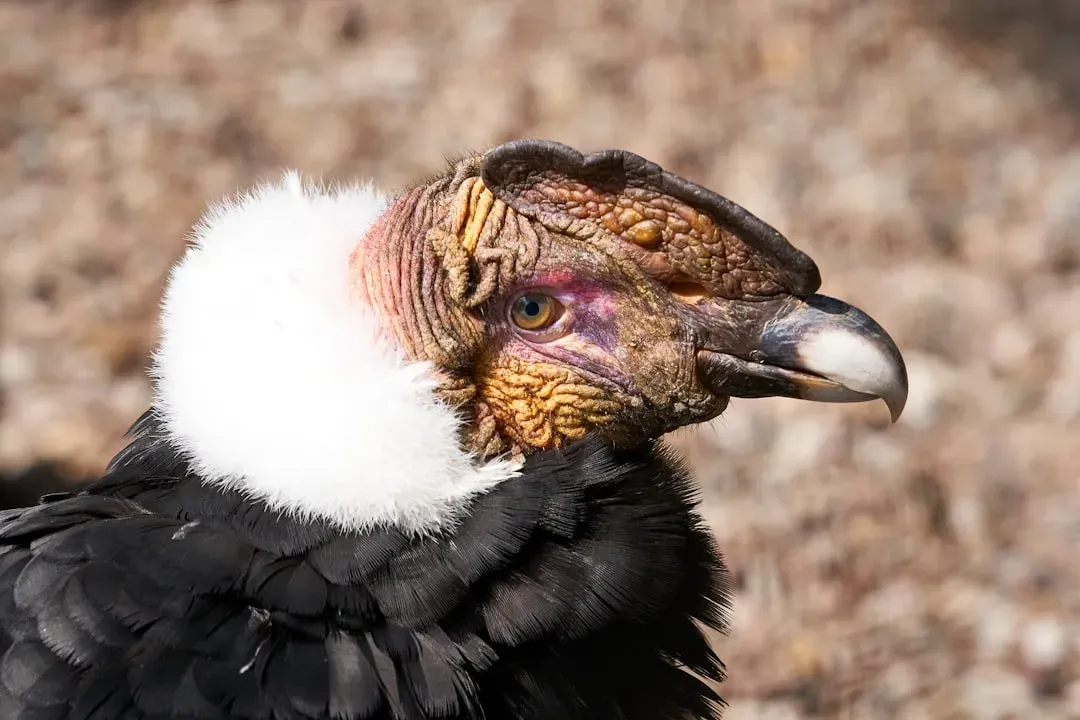
Most birds don’t live particularly long lives, but the Andean condor defies expectations yet again. Some estimations of lifespans of wild birds has exceeded 50 years. That’s longer than many mammals, and in captivity, these birds can live even longer.
One wild-born specimen named Thaao was thought to be 79 years of age when it died at Connecticut’s Beardsley Zoo. Nearly eight decades of life. This longevity means that individual condors can witness generations of humans come and go. Their slow reproduction rate makes sense when you realize they have plenty of time to raise offspring over their long lives.
They Only Raise One Chick Every Two Years
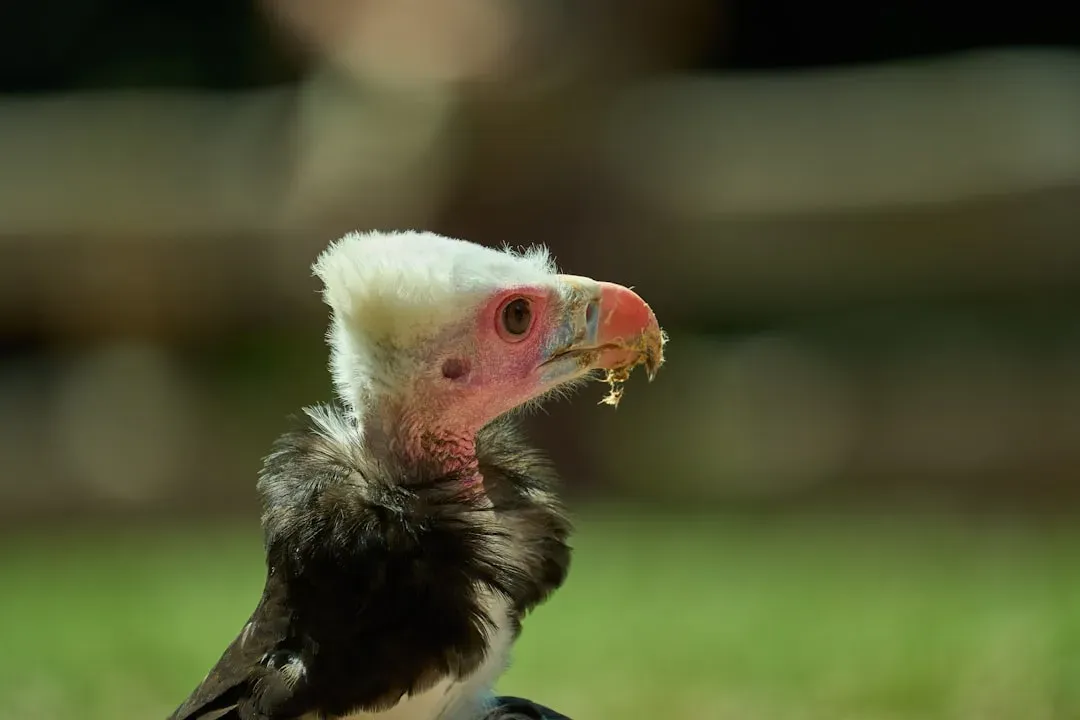
Patience is truly a virtue when it comes to Andean condor parenting. A mating pair produces only a single offspring every other year, and both parents must care for their young for a full year. That’s an enormous investment of time and energy compared to other bird species that might have multiple broods in a single season.
Sexual maturity and breeding behavior do not appear in the Andean condor until the bird is five or six years of age. This means they spend years learning the skills they need before even attempting to raise young. The slow reproductive cycle is both a testament to their survival strategy and a vulnerability when populations decline.
A Bald Head With a Purpose
You might think a bald head makes these birds look a bit odd, but there’s actually brilliant reasoning behind it. This baldness is presumably a hygienic adaptation, as the bare skin is easier to keep clean and dry after feeding on carrion. When you’re sticking your head deep into carcasses regularly, feathers would become a bacterial nightmare.
The head and neck are nearly featherless and are a dull red color, which may flush and therefore change color in response to the bird’s emotional state. It’s like having a built-in mood ring. Males even have a distinctive comb on their heads, making them easy to distinguish from females at a distance.
Nature’s Cleanup Crew
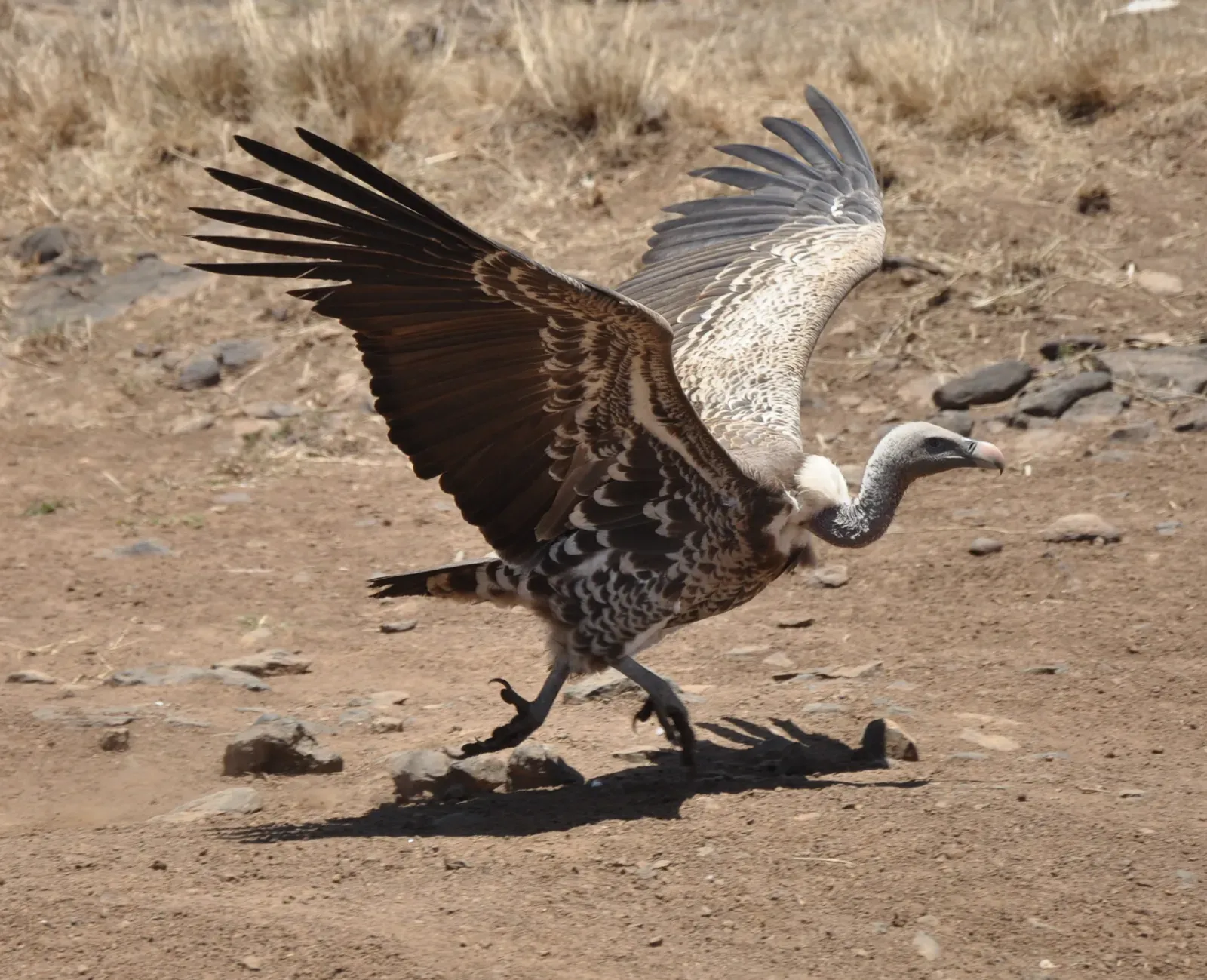
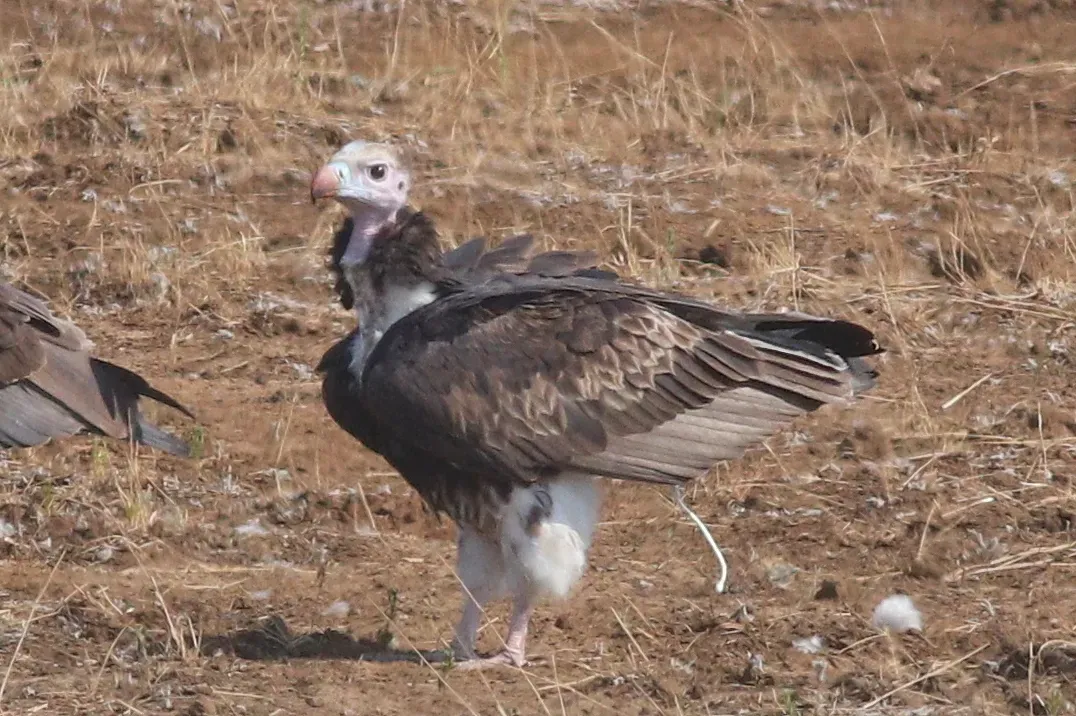
Condors might not hunt like eagles or hawks, but their role is arguably more important. Like other vultures, they are principally carrion eaters, which means they eat animals that are already dead. This might sound unappetizing, but they’re performing an essential ecological service.
They use their razor-sharp eyesight to find a meal directly or to locate large congregations of smaller raptors and scavengers, and they most commonly feed on large carrion, with their food of choice historically being llamas, guanacos and rheas. By consuming dead animals quickly, they prevent the spread of diseases that could devastate other wildlife or even livestock. They’re basically flying sanitation workers keeping ecosystems healthy.
They’re Fighting for Survival

Sadly, these magnificent birds face an uncertain future. As a result of research on its plight, the species’ status was changed to Vulnerable from Near Threatened in 2020, and only about 10,000 individuals remain. That might sound like a decent number, but for a species with such a vast range, it’s alarmingly low.
Threats to its population include loss of habitat needed for foraging, secondary poisoning from animals killed by hunters and persecution, and it is threatened mainly in the northern area of its range, extremely rare in Venezuela and Colombia. Many farmers mistakenly believe condors kill livestock, though these birds overwhelmingly prefer carrion. Conservation efforts are underway, but the slow reproduction rate makes recovery a long, challenging process.
Conclusion
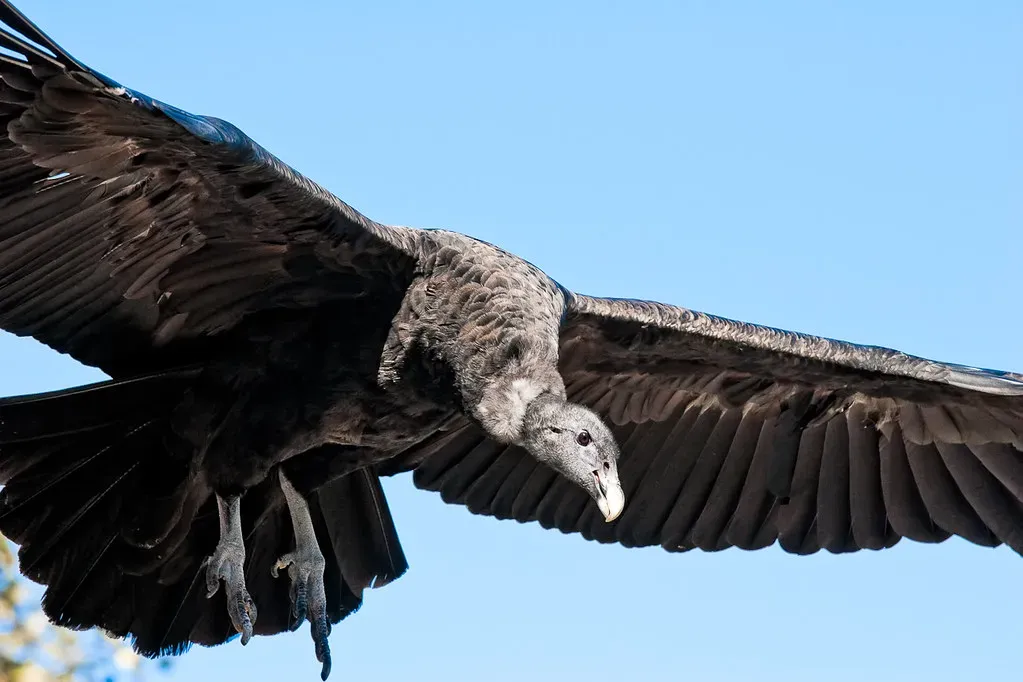
The Andean condor stands as one of nature’s most impressive achievements. From their enormous wingspans to their remarkably long lives, these birds have evolved to master the challenging environments of South America’s mountains and coastlines. They’re not just survivors but symbols of resilience and grace.
Yet their future hangs in the balance. Every conservation effort counts when a species reproduces so slowly. These birds have soared above the Andes for millions of years, inspiring cultures and maintaining ecosystems. The question is whether we’ll ensure they continue to do so for millions more.
What amazes you most about these incredible birds? Their effortless flight, their surprising longevity, or perhaps their crucial role in the ecosystem?

- 10 Ways to Create a Wildlife-Friendly Backyard Habitat - July 16, 2026
- Which Zodiac Signs Feel the Deepest Connection to Big Cats - July 16, 2026
- 10 Most Dangerous Hikes in The US - July 16, 2026